-
-
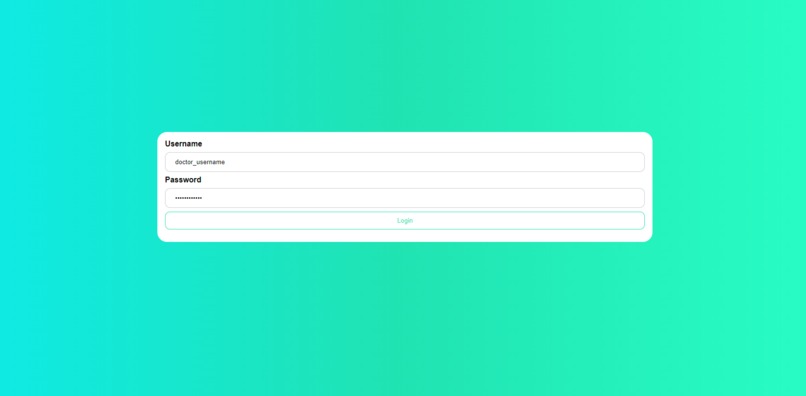
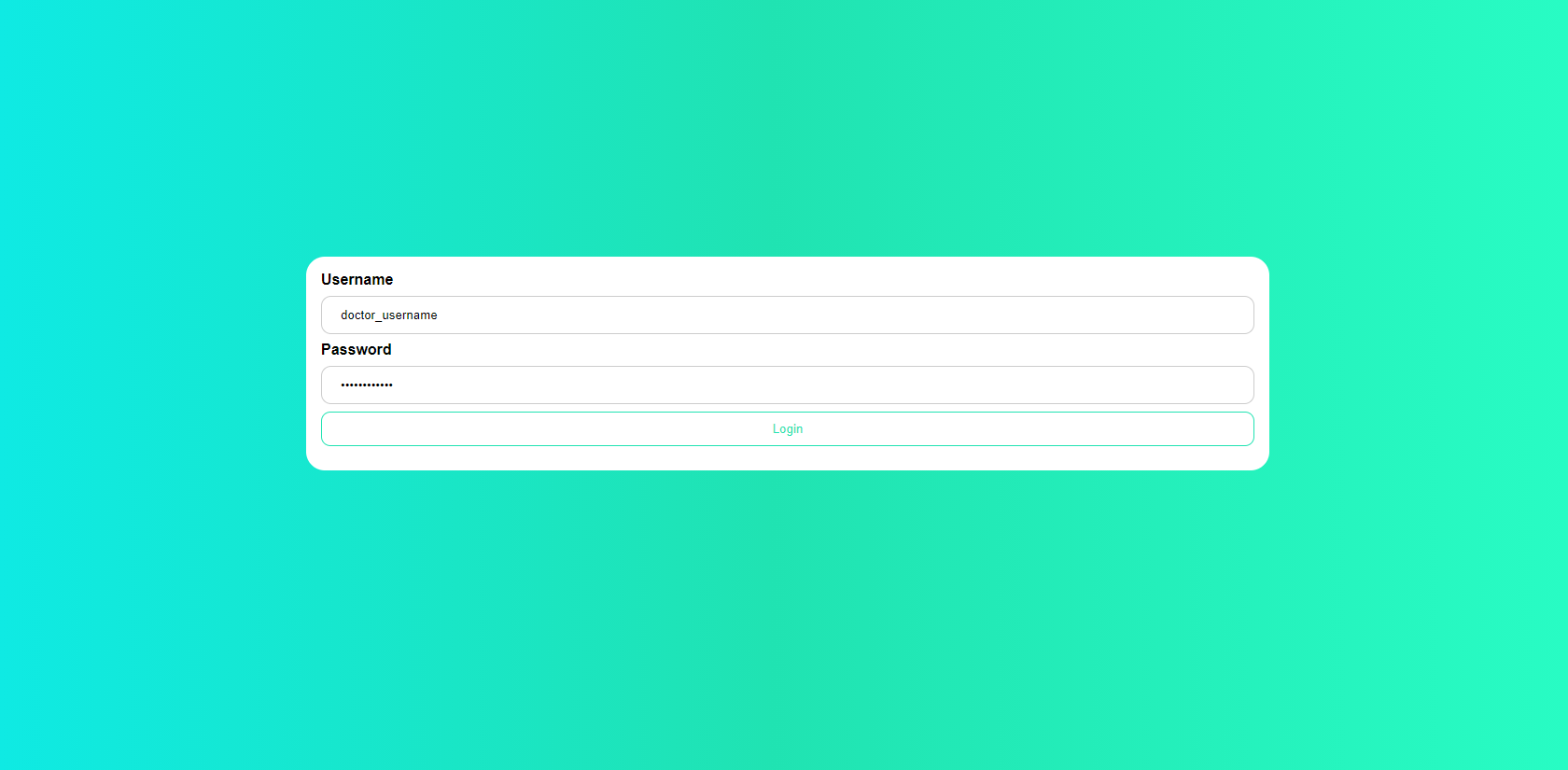
Login Screen
-
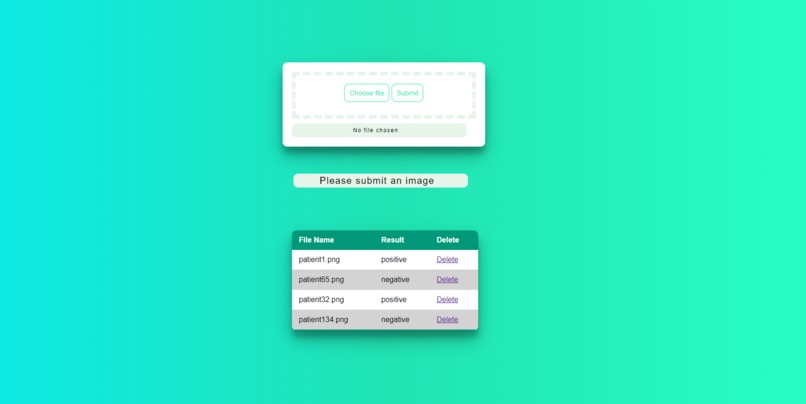
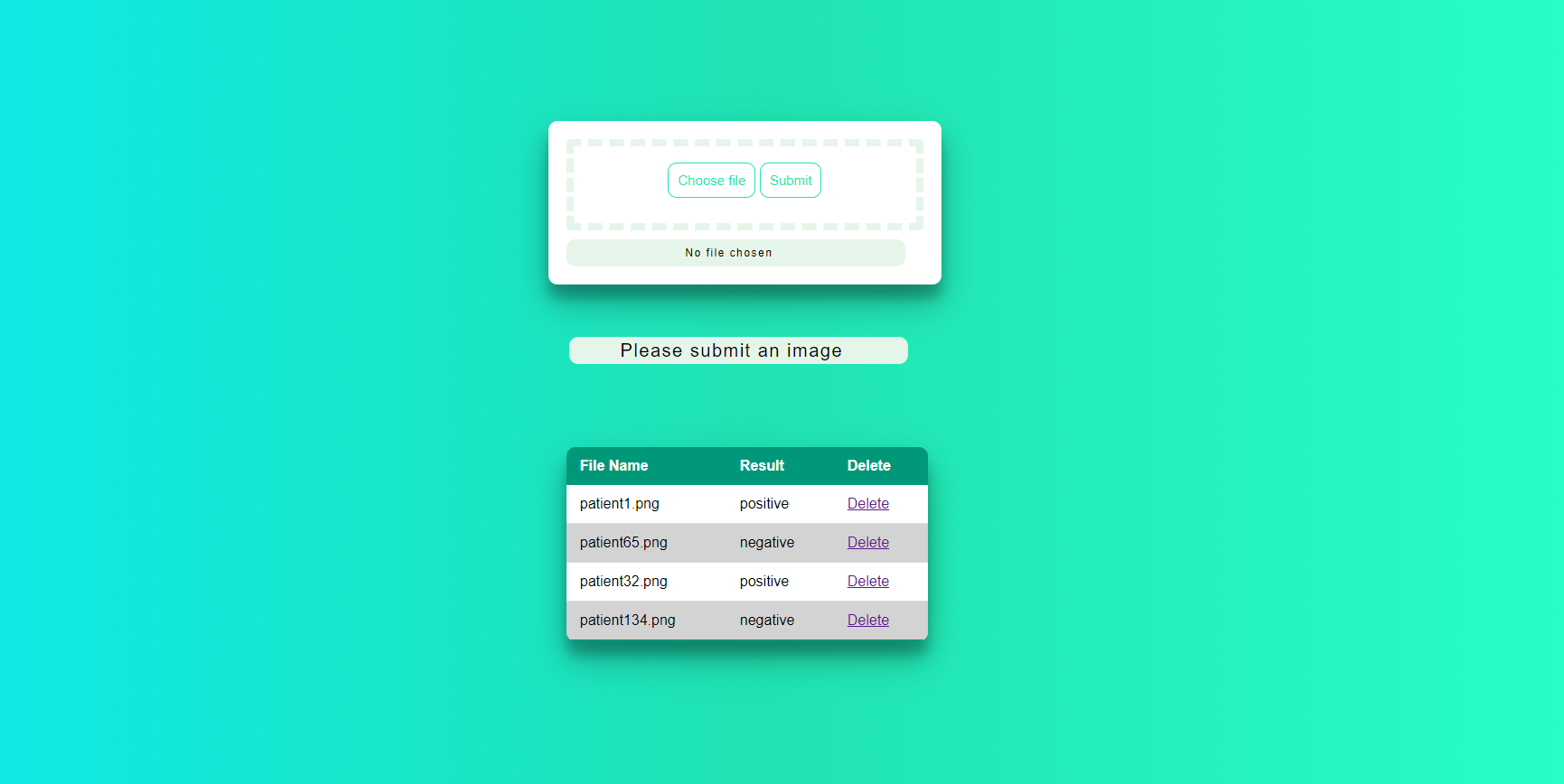
File Upload and Result Output Screen
-
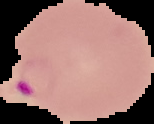
Parasitized Cell Example
-
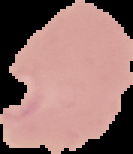
Uninfected Cell Example
Inspiration
Multiple members of our group have been impacted by malaria personally, in the form of its affliction on family members. Because of this, we wanted to utilize machine learning and cutting edge technology such as neural networks to develop a modern solution to this age-old problem.
What it does
Our program takes a picture of a cell or group of cells and analyzes it(s) visual characteristics for signs of infection. With an extremely high accuracy rate of (96%), our program has the potential to make life much easier for doctors as they no longer have to manually examine countless cells under a microscope for miniscule characteristics of malaria. It also has a very user-friendly frontend that makes uploading files and receiving results simple and efficient.
How we built it
We utilized a neural network to build this machine learning model. This is because neural networks have a high degree of accuracy and are well suited to classification problems, such as this one. The dataset we used is from Kaggle, a data science website with many user-posted datasets. We built and integrated the frontend using HTML, CSS, JS, and the python flask module.
Challenges we ran into
Because the majority of us were complete beginners, we found it difficult to integrate the frontend. Evnetually, we were able to do so through research and experimentation.
Accomplishments that we're proud of
We are very excited to build our first project at a hackathon as grade 12 students especially since it was something we were both passionate and interested in. The fact that our model also achieved such a high degree of accuracy further contributed to our feeling of accomplishment.
What we learned Machine learning modules, principles of data science, image recognition, web-dev principles, and frontend integration are just some of the many things we learned. This hackathon has been incredibly useful and definitely made us much better programmers than we were a few days ago.
What's next for Malaria Detection System We hope to implement functionality for other common diseases and also convert this program to a mobile application. This would prove very useful in developing countries, where the mobility of tools and information is very necessary. On a larger scale, we hope to branch out and create more applications using cutting edge technology to improve health worldwide.


Log in or sign up for Devpost to join the conversation.