-
-

Imagining alien microscopic life in Venus' clouds, made with genAI tools
-
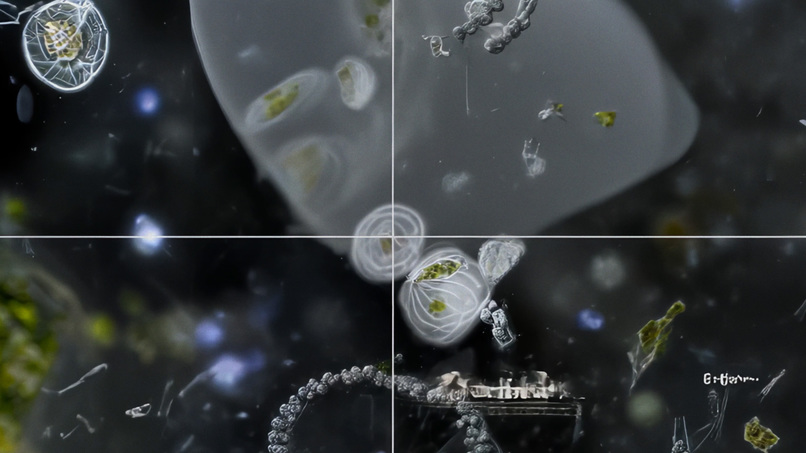
Imagining alien microscopic life in Venus' clouds, made with genAI tools
-
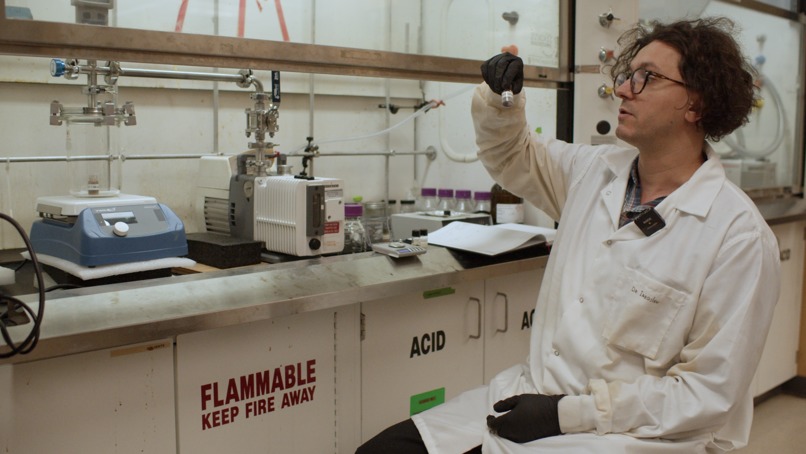
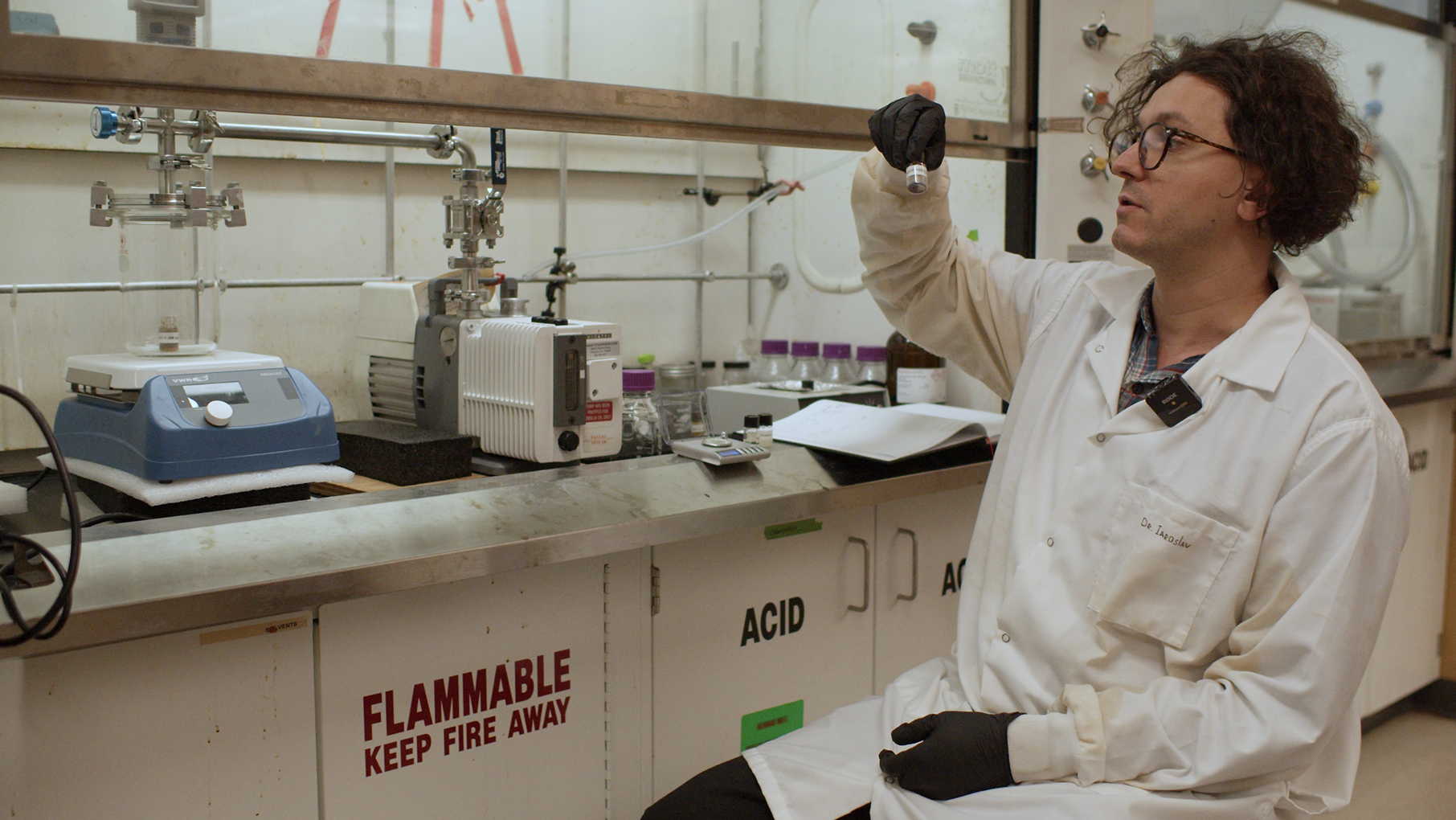
In MIT’s lab, Dr. Iakubivskyi examines samples used in sulfuric-acid life simulations that inform Phaínōterra’s chemistry.
-
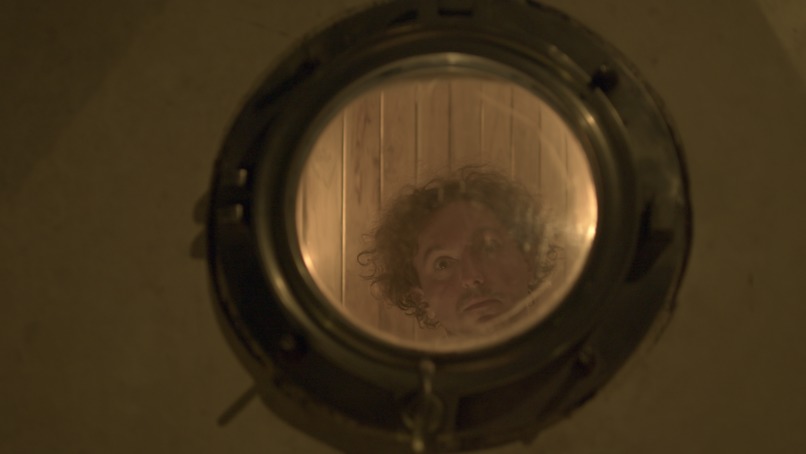
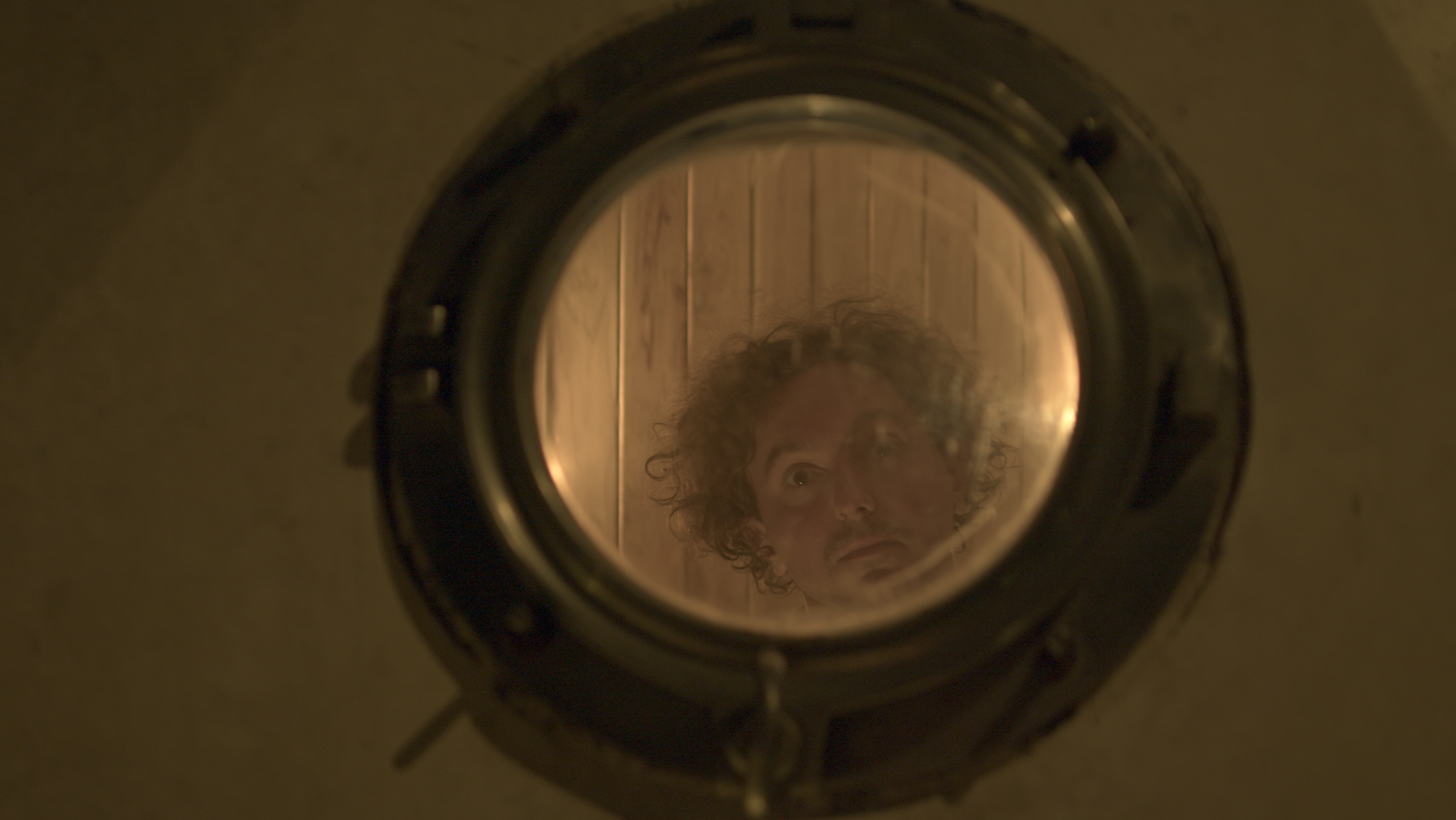
Dr. Iakubivskyi peers through the atmospheric chamber, mirroring the film’s search for life in unfamiliar conditions.
-
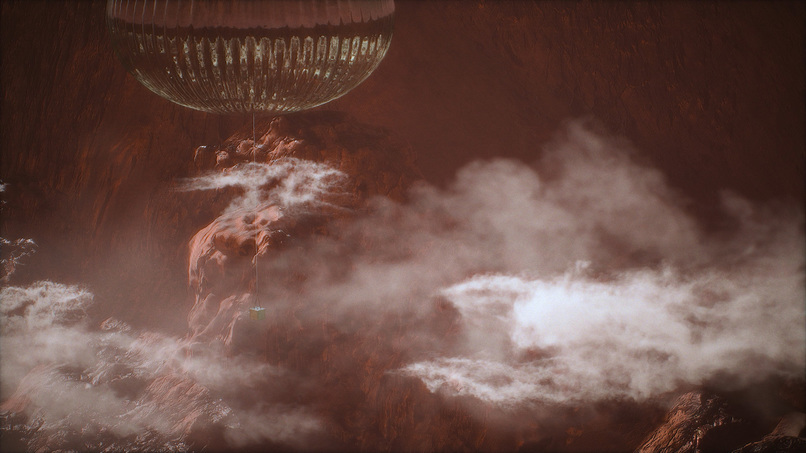
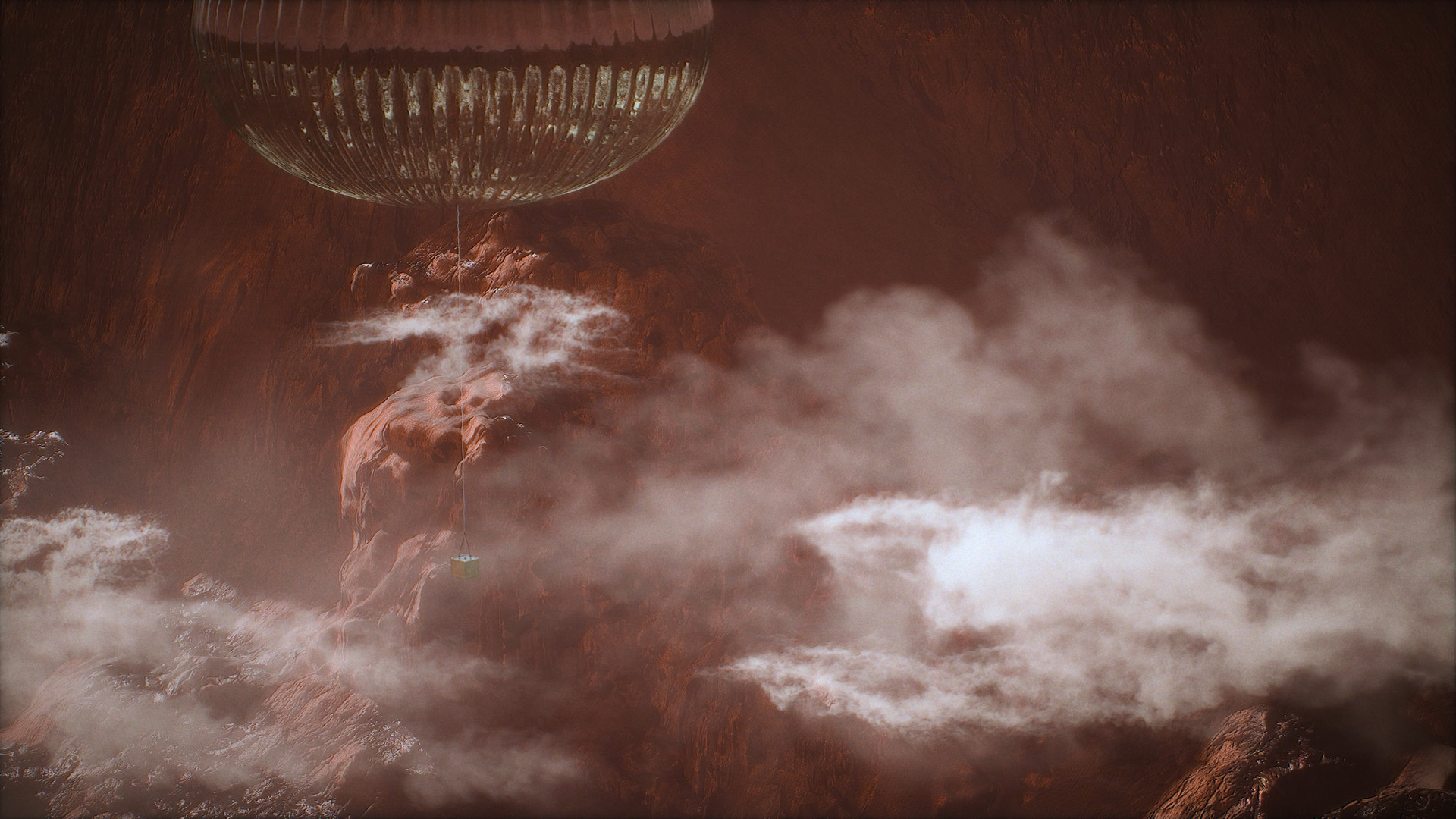
CGI render of the Phaínōterra terrain based on scientists' research and co-imagination with the artist. A space balloon hovers in the clouds
-
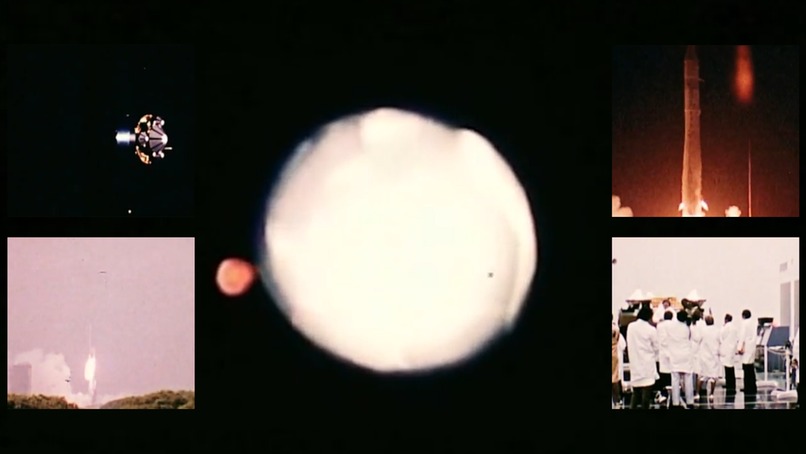
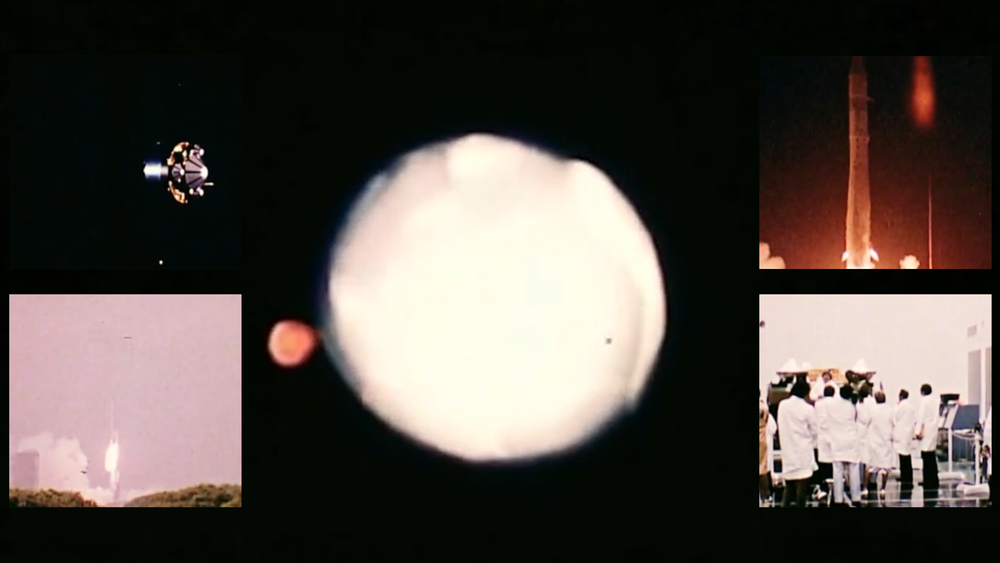
Archival aerospace and lab footage traces earlier visions of alien worlds, grounding Phaínōterra in a lineage of exploration.
-
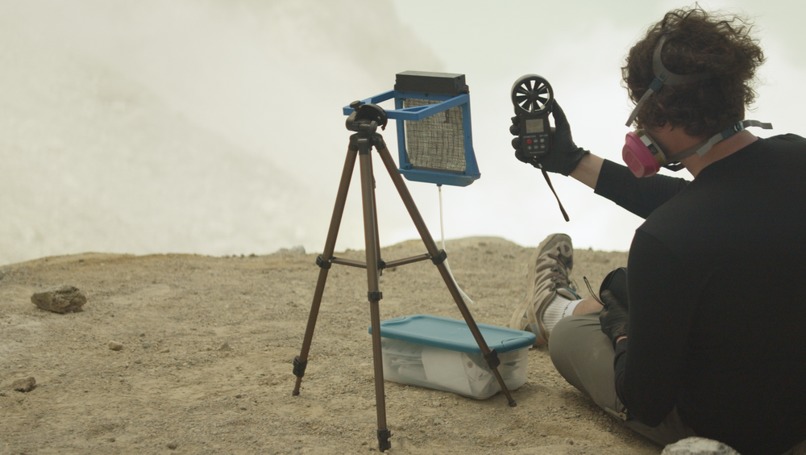
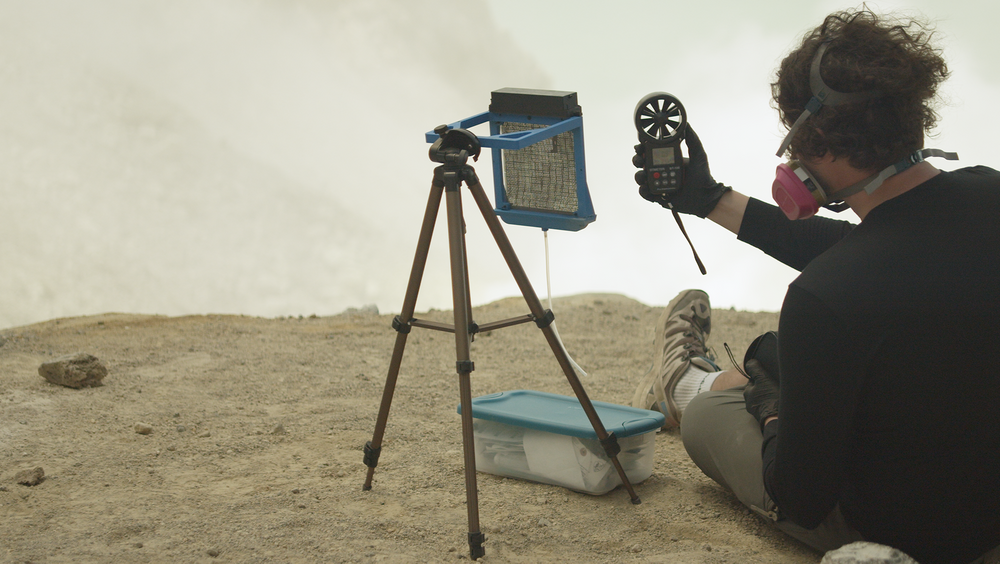
Collecting measurements at Indonesia’s acidic Ijen crater lake, a real-world analogue for Phaínōterra’s extreme environment.
-
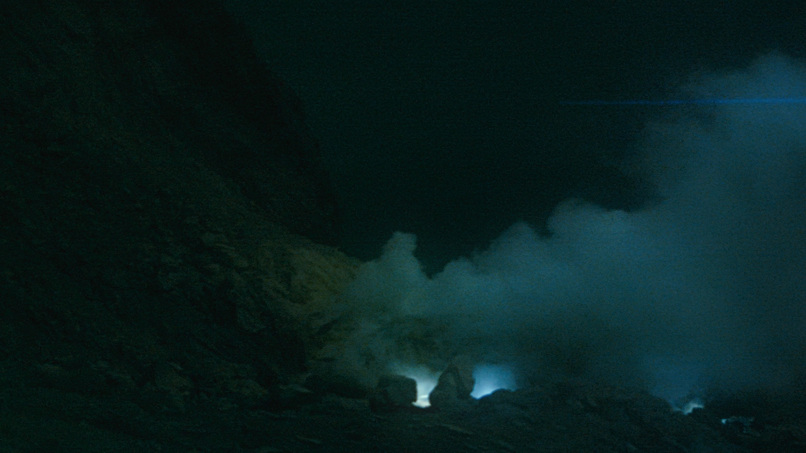
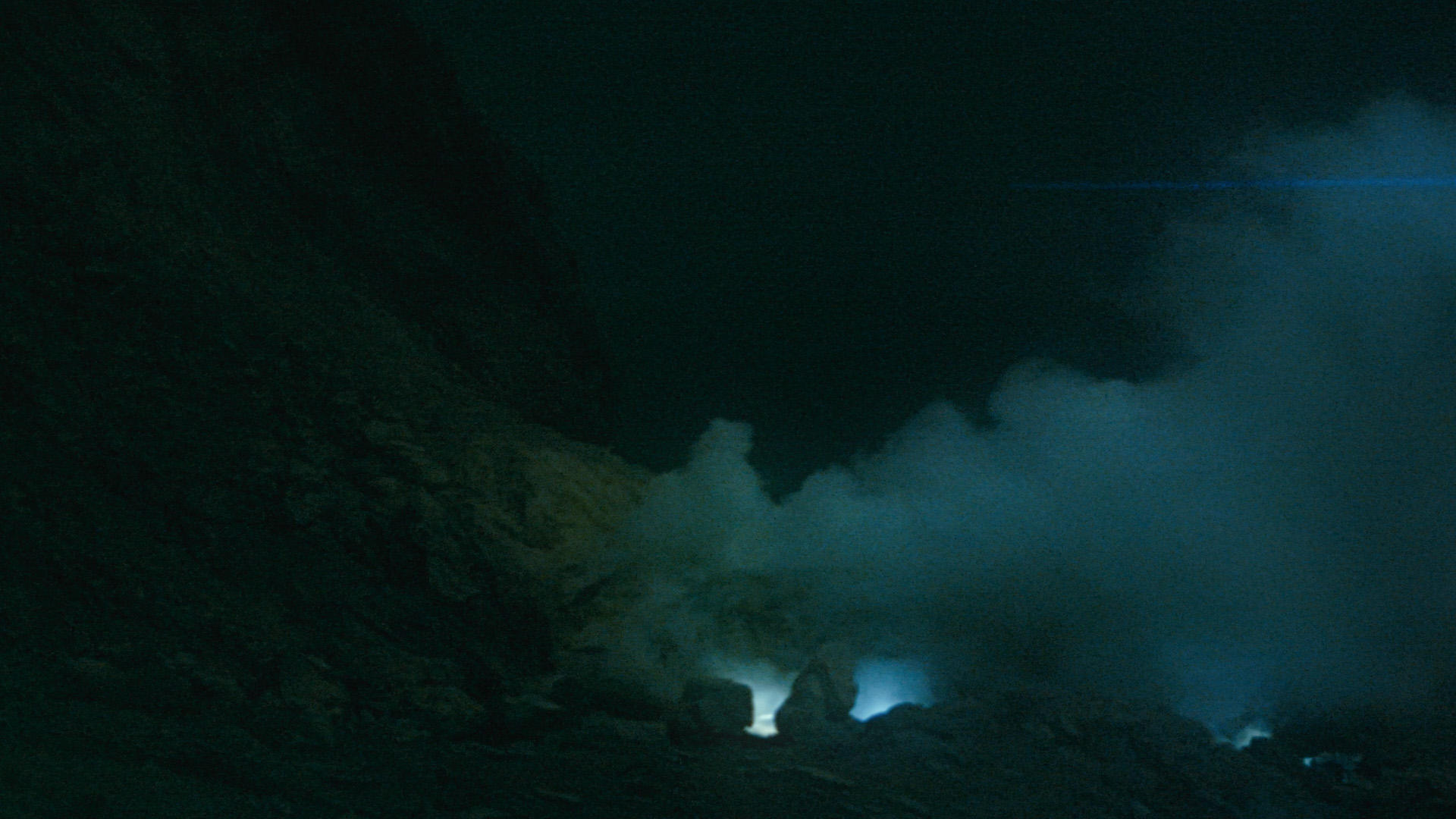
Pre-dawn sulfuric gas and blue flame at Ijen, capturing the harsh geologies that inspire Phaínōterra’s atmospheric world.
-

CGI render of the Phaínōterra atmosphere


Inspiration
Making Phaínōterra originated from a collaboration between filmmaker Wendi Yan and MIT researchers Dr. Sara Seager and Dr. Iaroslav Iakubivskyi. Their scientific work—cloud chamber experiments, volcanic field expeditions, and SEM imaging—raised a central question: what might life look like in the sulfuric clouds of an alternate Venus?
The project draws on the way planetary scientists construct “worlds” from fragmented data: light curves, chemical signatures, and microscopic geometries. The film was commissioned by Future Humans, a program at the Berggruen Institute, which supports interdisciplinary explorations at the intersection of science, technology, and speculative worldbuilding.
About Proxima Kósmos
Proxima Kósmos is an interdisciplinary research and worldbuilding initiative developed within Future Humans under the direction of Dr. Claire Isabel Webb. The project brings together planetary scientists, astrobiologists, designers, and science-fiction writers to construct a scientifically grounded speculative exosolar system—each planet shaped through a synthesis of modeling, fieldwork, and imaginative inquiry. Alien Worlds Await: Proxima Kósmos
What it does
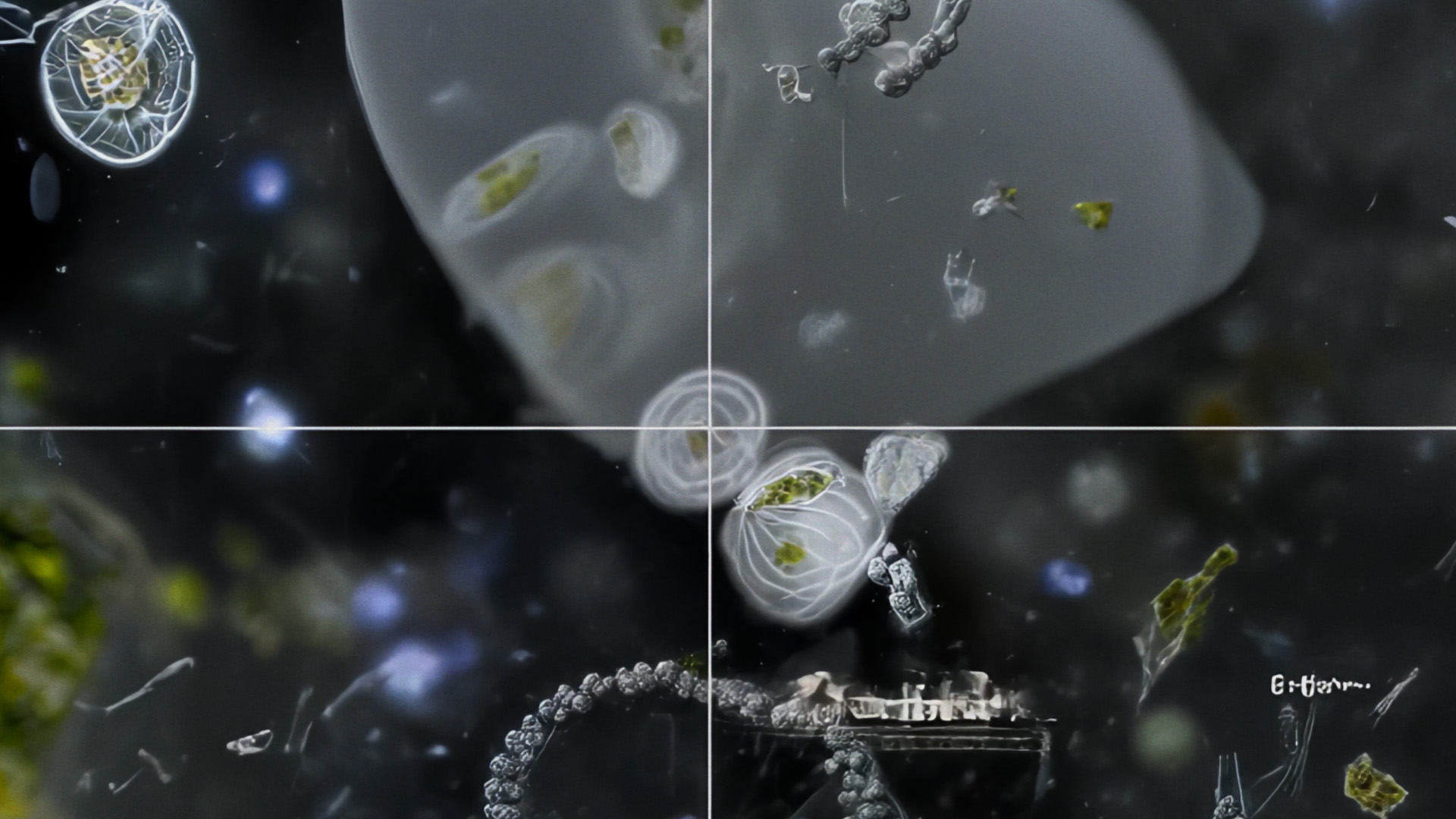
The documentary traces the making of Phaínōterra, a fictional yet scientifically grounded world conceived through collaboration between researchers and artist. It moves between real-world documentation, laboratory environments, virtual landscapes built in Unreal Engine, and AI-generated microcosms.
Through this blending of methods and media, the film reveals how scientific inquiry and creative worldbuilding intersect, offering viewers an encounter with life that departs from Earth’s familiar biochemical logic.
How it was built
The project combines observational footage, digital simulation, and AI-assisted visualization.
The scientific foundation includes field documentation from the Ijen crater lake in Indonesia—one of the most acidic lakes on Earth—and extensive Scanning Electron Microscope footage captured at MIT.
Building from scientific documentation devised by Drs. Seager and Iakubivskyi, Phaínōterra’s terrains, atmospheric layers, and cloud systems were constructed in Gaea and Unreal Engine, using procedural logic and fluid simulation to bring the planetary imagination to life.
The film also incorporates speculative micro-life generated through a custom AI pipeline and a custom-trained Flux model, extending from the scientists' Scanning Electron Microscope (SEM) images of their Ijen soil samples. These sequences visualize imaginative inferences that scientists cannot yet empirically test.
Challenges encountered
The project required balancing scientific accuracy with artistic speculation. Phaínōterra needed to remain plausible within known chemical and atmospheric constraints while extending into imaginative territories beyond empirical certainty.
Another significant challenge involved integrating divergent visual scales—planetary simulations, terrestrial landscapes, laboratory footage, and microscopic images—into a cohesive aesthetic and conceptual arc. Training AI systems to generate complementary, rather than overstated, forms required considerable refinement.
Accomplishments
The film successfully brings together multiple modes of inquiry—field science, laboratory experimentation, digital simulation, and AI visualization—to create a unified portrait of scientific worldmaking.
It positions scientists in motion, emphasizing their engagement with uncertainty, exploration, and interpretation. The integration of AI-generated microcosms alongside empirical imagery expands the conceptual boundaries of habitability and offers new ways of imagining life.
What the team learned
The project underscored the deep connection between scientific practice and speculative thinking. For planetary scientists, worldbuilding is embedded in the interpretation of data; abstract measurements must be transformed into experienceable worlds.
The filmmaking process demonstrated how digital tools can serve as epistemic instruments, not just aesthetic ones. It also highlighted the conceptual value of AI when used to extend inference, rather than replace artistic or scientific labor.
What's next for Making Phaínōterra
Making Phaínōterra will be featured as part of the Berggruen Institute’s presentation of Proxima Kósmos at SXSW 2026, engaging public, artistic, and scientific audiences.
Future Humans and the Berggruen Institute are also planning a major Proxima Kósmos presentation at the 2027 Venice Biennale, where the film is intended to contribute to the project’s artistic and scientific showcase.
Future development includes exploring an expanded installation that connects the film’s micro-to-macro visual language with interactive and spatial elements, continuing the project’s investigation into alternative forms of life and planetary imagination.
Credits
Director — Wendi Yan Music Composition — Jessica Shand Scientific Footage (Ijen & MIT Lab) — Dr. Iaroslav Iakubivskyi Principal Investigators — Dr. Sara Seager (MIT), Dr. Iaroslav Iakubivskyi (MIT) Future Humans — Claire Isabel Webb, Adrianne Toomey, Liv Foss
Commissioned & Submitted by — Future Humans, a program at the Berggruen Institute
Built With
- adobe-creative-suite
- custom-ai-pipeline
- fuser
- gaea
- klingai
- unreal-engine


Log in or sign up for Devpost to join the conversation.