Inspiration
The inspiration for this project comes from two of our members working in the agriculture sector and the other two working on machine learning. We wanted to come up with a way to aid farmers using our unique experiences. This lead us to do disease detection in maize. Maize is one of the most economically impactful crops in the United States and we are predicted to lose on average $341 per acre of corn planted due to disease.
What it does
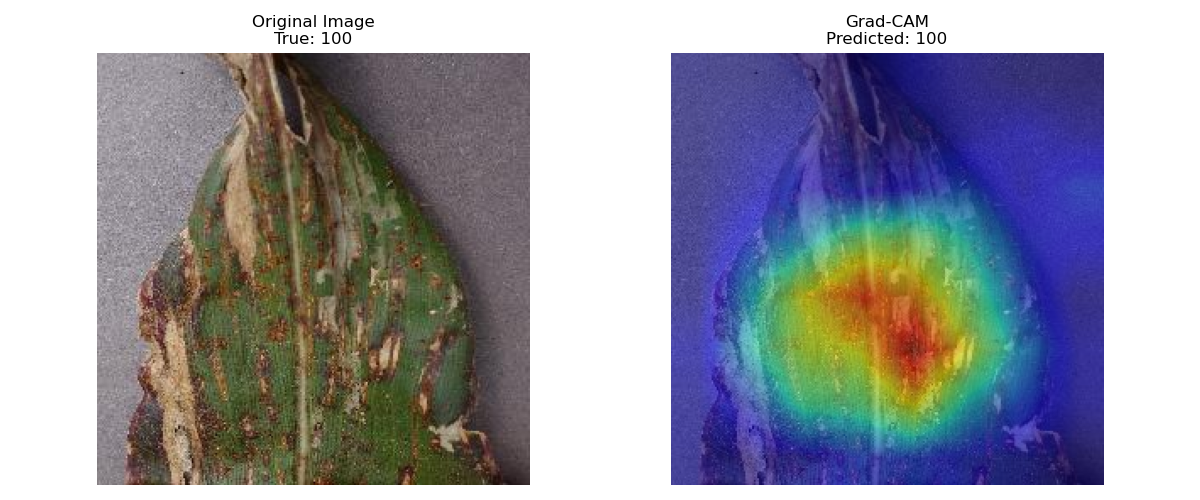
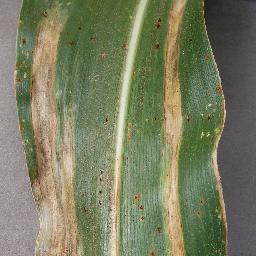
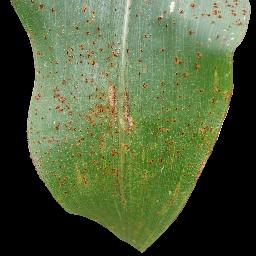
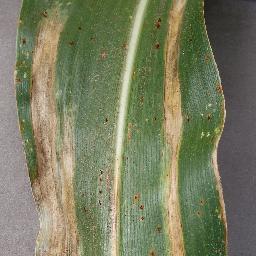
Maize Watch is an AI-powered web application that allows farmers to quickly identify and diagnose corn diseases by simply taking a photo of affected leaves. Using an CNN model with attention mechanisms, the web app can accurately detect common corn diseases including Common Rust, Gray Leaf Spot, Northern Leaf Blight, and distinguish them from healthy leaves. What sets our solution apart is the built-in explainability feature that highlights the specific areas of the leaf that influenced the diagnosis, helping farmers understand and trust the AI's decision-making process.
How we built it
We developed Maize Watch using a multi-disciplinary approach:
- Data Collection & Processing: We use dataset of corn leaf images showcasing various diseases.
- Model Architecture: We implemented an enhanced ResNeXt50 model with dual attention mechanisms Efficient Channel Attention (ECA) and Spatial Attention - to improve feature detection.
- Explainability: We integrated Grad-CAM visualization tools that generate heatmaps showing which regions of the leaf are most influential in the model's diagnosis.
- Web Development: We built a user-friendly web interface that captures images, processes them through our model, and displays results with explanatory visualizations.
- Testing & Validation: We tested our model to ensure reliability across various lighting conditions, angles, and disease severities.
Challenges we ran into
- Attention Mechanism Integration: Implementing and fine-tuning the attention mechanisms required deep understanding of both the biological features of corn diseases and how these translate to visual patterns.
- Explainability Implementation: Creating interpretable visualizations that accurately reflect the model's decision process while remaining accessible to non-technical users was particularly challenging.
Accomplishments that we're proud of
We've achieved several notable milestones with Maize Watch:
- Developing a highly accurate disease detection model (>95% accuracy) that works in variable field conditions.
- Creating explainability features that bridge the gap between complex AI decisions and practical user understanding.
- Building a solution that can potentially save farmers thousands of dollars per season by enabling disease detection and targeted treatment.
- Combining expertise from agricultural science and machine learning to create a truly interdisciplinary solution to a real-world problem.
What we learned
- The challenges of creating AI systems that must work reliably in unpredictable outdoor environments.
- The importance of domain expertise when building AI for specialized fields like agriculture.
What's next for Maize Watch
- Expanding our disease detection capabilities to include more rare corn diseases and nutritional deficiencies.
- Developing predictive analytics that can anonymously forecast disease spread based on environmental conditions and historical data.
- Building a community feature that allows farmers to share insights and collaborate on regional disease management strategies.
- Integrating with agricultural management systems to provide seamless recommendations for treatment based on detections.
- Extending our platform to support additional crops beyond corn, and other hardware support like drone imaging and attachments to tractor/combines


Log in or sign up for Devpost to join the conversation.