
We do not shower.
Hygiene isn't even a word in our language: the Miskito language. We merely assemble all the family members within a cabaña and urge them to glean $1.00 plastic buckets. In a snake-curled line, hundreds slip down the slope of a dirt-ridden hill to fill their buckets with a revered liquid- water. Sun-charred hands, crammed with millions of bacteria, reach into the river. Water fills the buckets from the bottom up, entering tenderly like a waterfall cramming into the center of a crevice. Sweat dances down our shoulders and plunges to a gruesome death. The thrusting of our bodies generates a melody with the atoms of the atmosphere:
La. Da. La. Da. Thrust. Pass. Thrust. Pass.
After ten buckets per family household are filled, the children of the tribe burden a personalized wooden crate with water oozing through the cracks. My crate embraced drawings of Spongebob, and the misspelled name of my father engraved into it. I never ceased to spell “Marvin” as “Martin”.
My sister and I transversed the nature-bountiful streets of Nicaragua, observing the towering trees bordering our route, the cabañas concealed within the confines of the forest, and the delicate melodies of the hummingbirds. A deep indentation under the bush indicated our route to Abuela's home. No. The smell of blue corn over the fire darted at us like airborne bullets. Tied it’s aroma around our necks and uprooted us as though we were stationary potatoes.
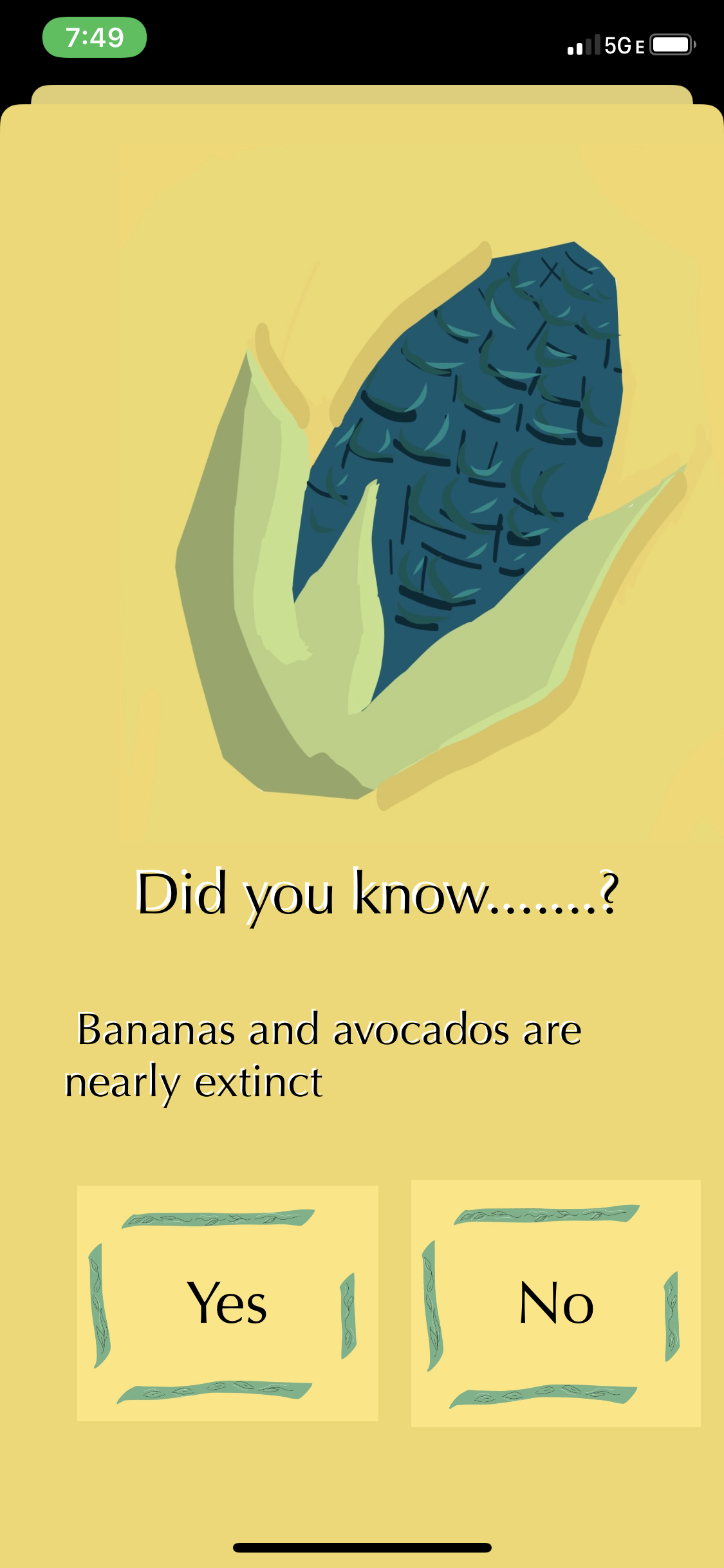
That was the last moment blue corn was served to us. Everyone from Nicaragua was born a "corn child"- for our land nurtured nearly 307 strands of corn. Today, there are only 12 strands of corn. The blue beads stuck to the rod provided a drink, tortillas, chips, and virtually everything. We would dedicate 8 hours of the day to collect water for the corn gods beneath us, yet children died from starvation. Industrial farming planted itself under our feet and pulled us at our ankles.
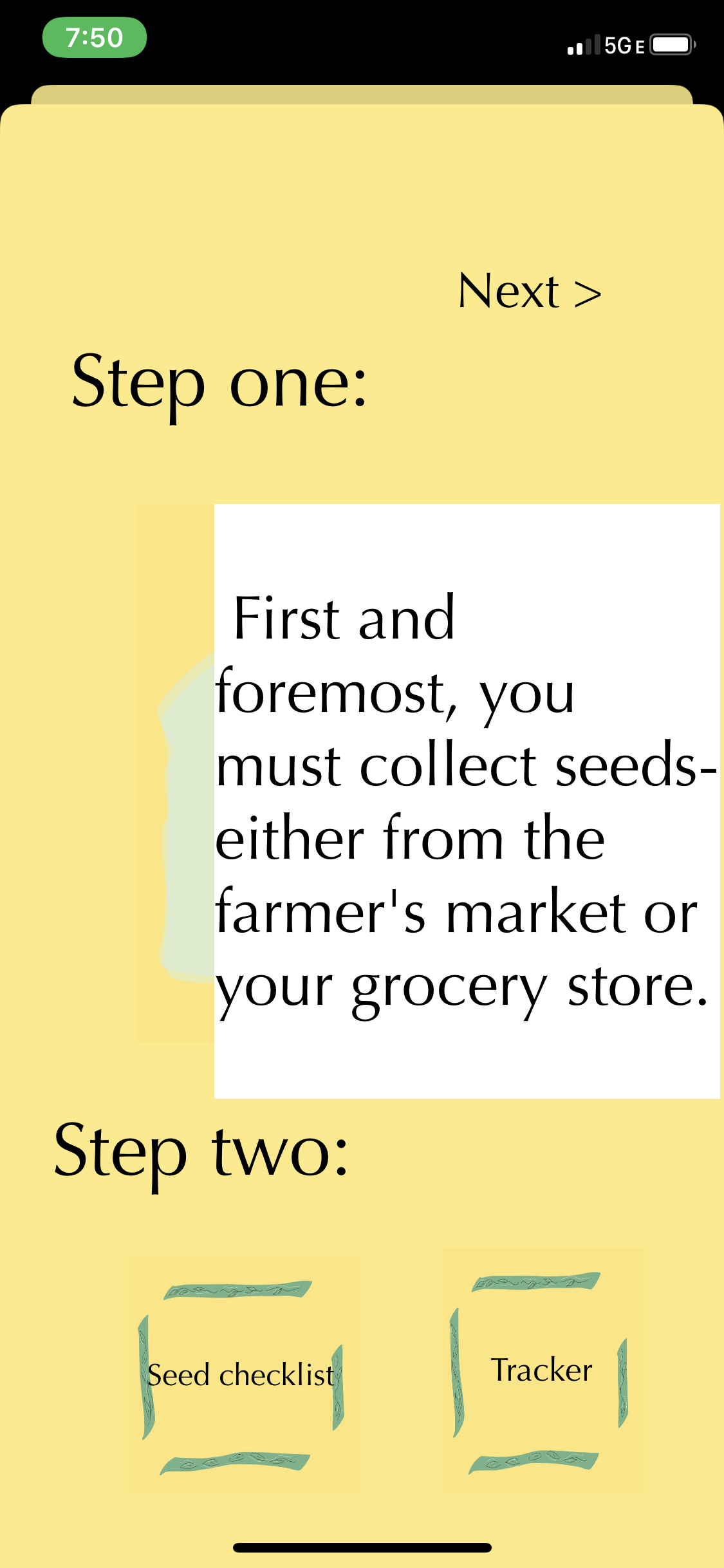
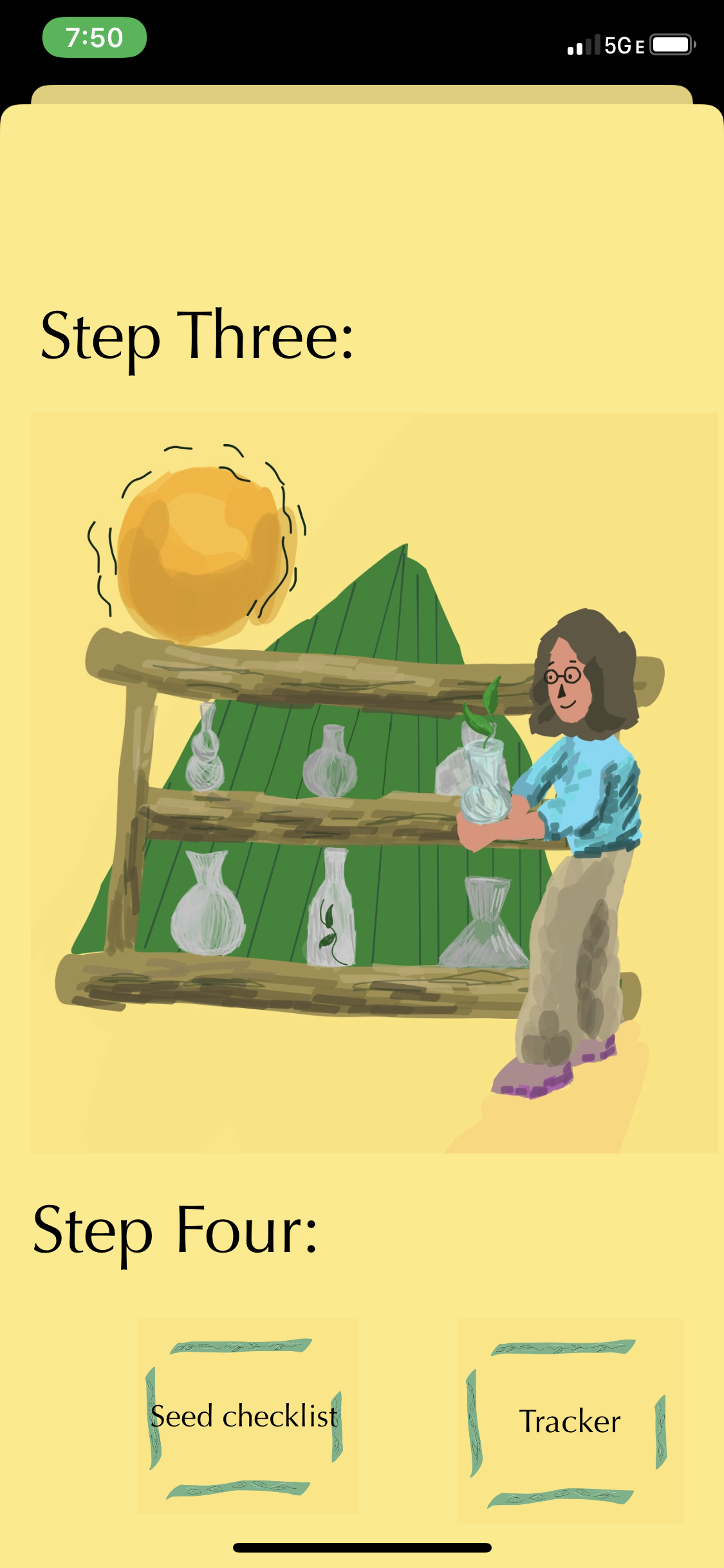
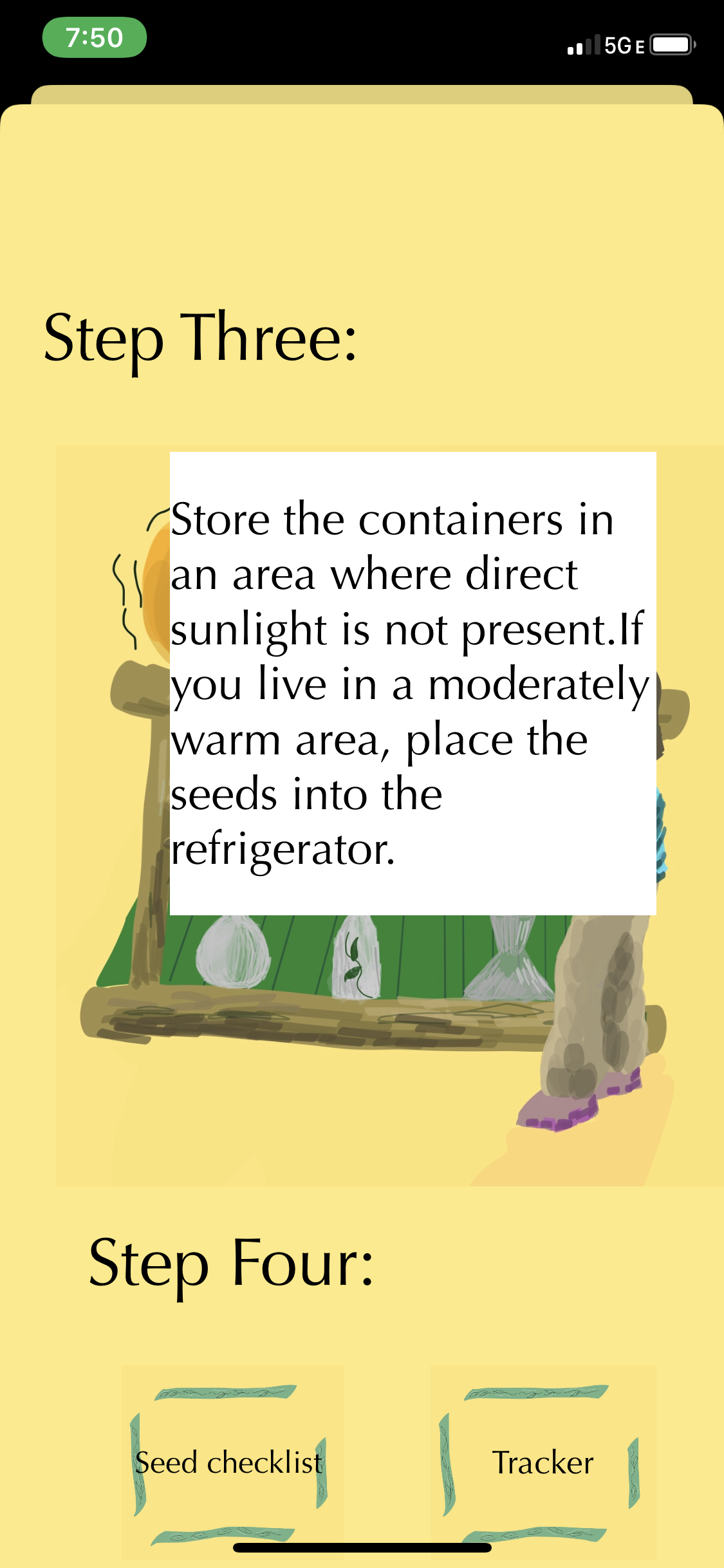
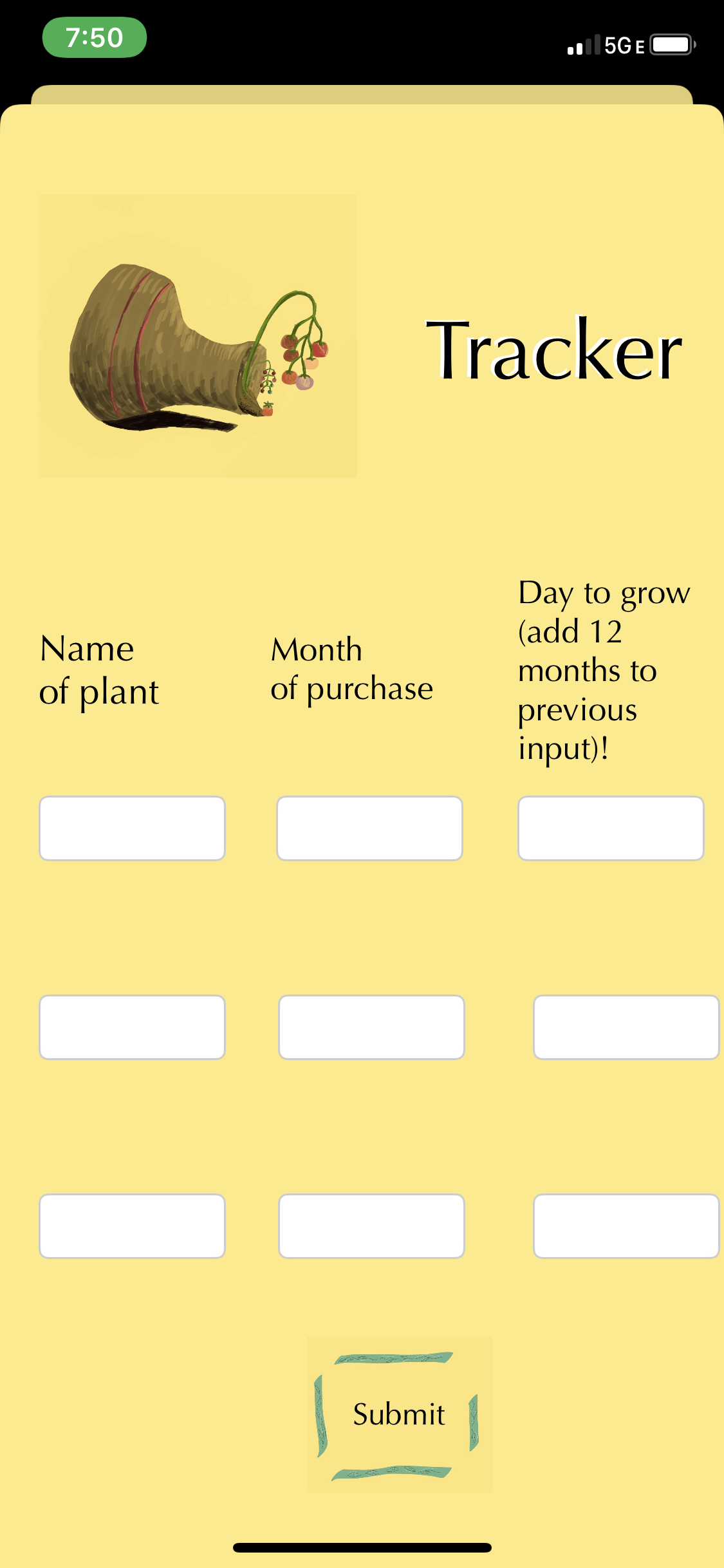
The app Maize, though only a small fraction of the solution, provides others literacy on how climate change has brought venerated strands of vegetables and fruits to near extinction. I would have never envisioned myself coding an app that collectively combines the values of my community to a grander audience. Not only did I learn how to code- I learned what it means to engineer solutions to critical problems. Upon gathering my community's knowledge of seed preservation, I tweaked the steps of establishing a seed bank to make the process more home-based friendly. Afterward, I simultaneously completed Xcode lessons while coding the app. Hence why the "tracker"portion of the app still needs to be refined. I continued to search the edges of the web for a solution to the "tracker" portion of my app, though the process was largely unsuccessful. However, I continue to admire my project, as I will continue to develop the app beyond the Hackathon. In the next two months, I aspire to establish the first seed bank in Miami. The app Maize can guide others to do the same in their own cities. There's much room to grow, but I know the problem of endangered fruits and vegetables can be uprooted one seed at a time.

Log in or sign up for Devpost to join the conversation.