Inspiration
Email has become overwhelming. Most people receive dozens of emails every day, making it difficult to identify what truly matters. Important interview invitations, payment reminders, deadlines, and personal messages often get buried beneath newsletters and promotional emails.
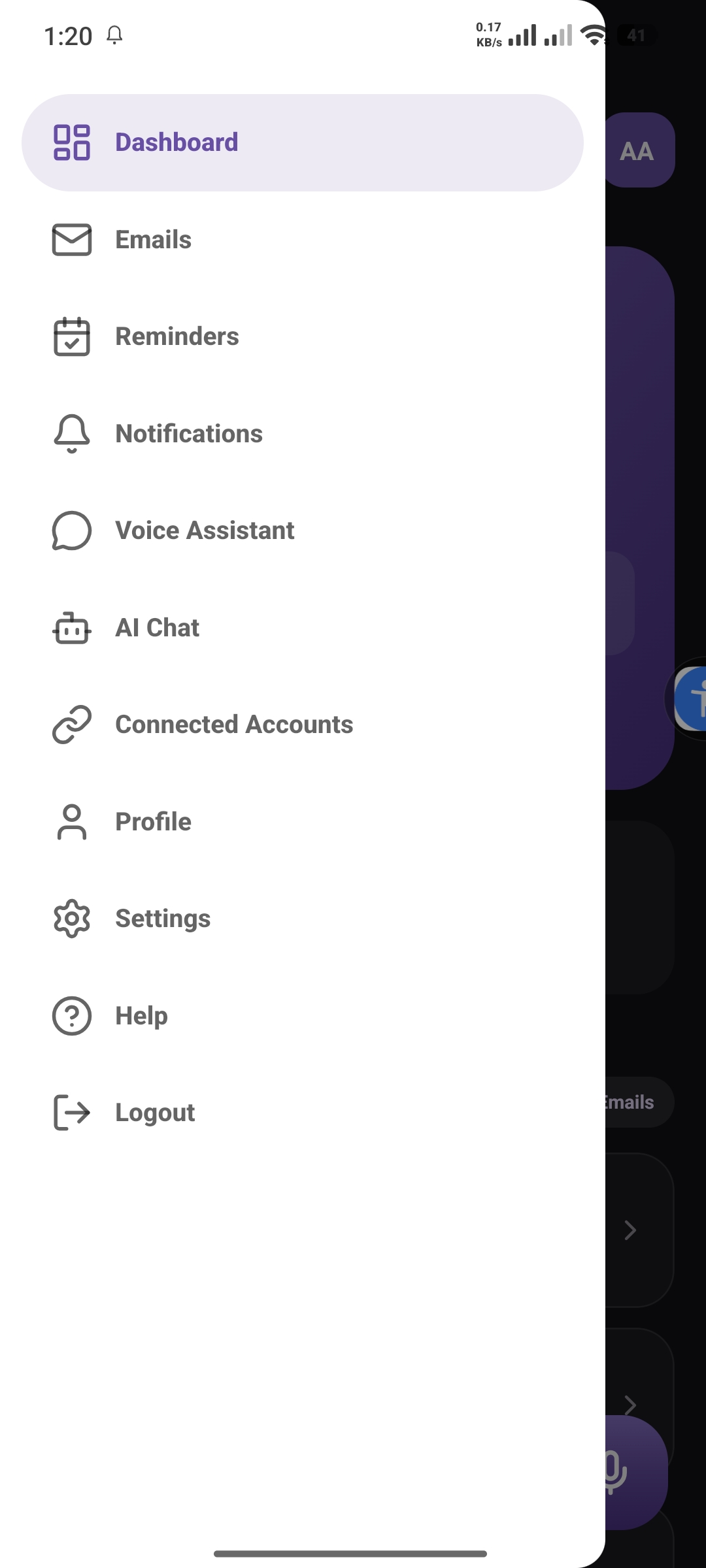
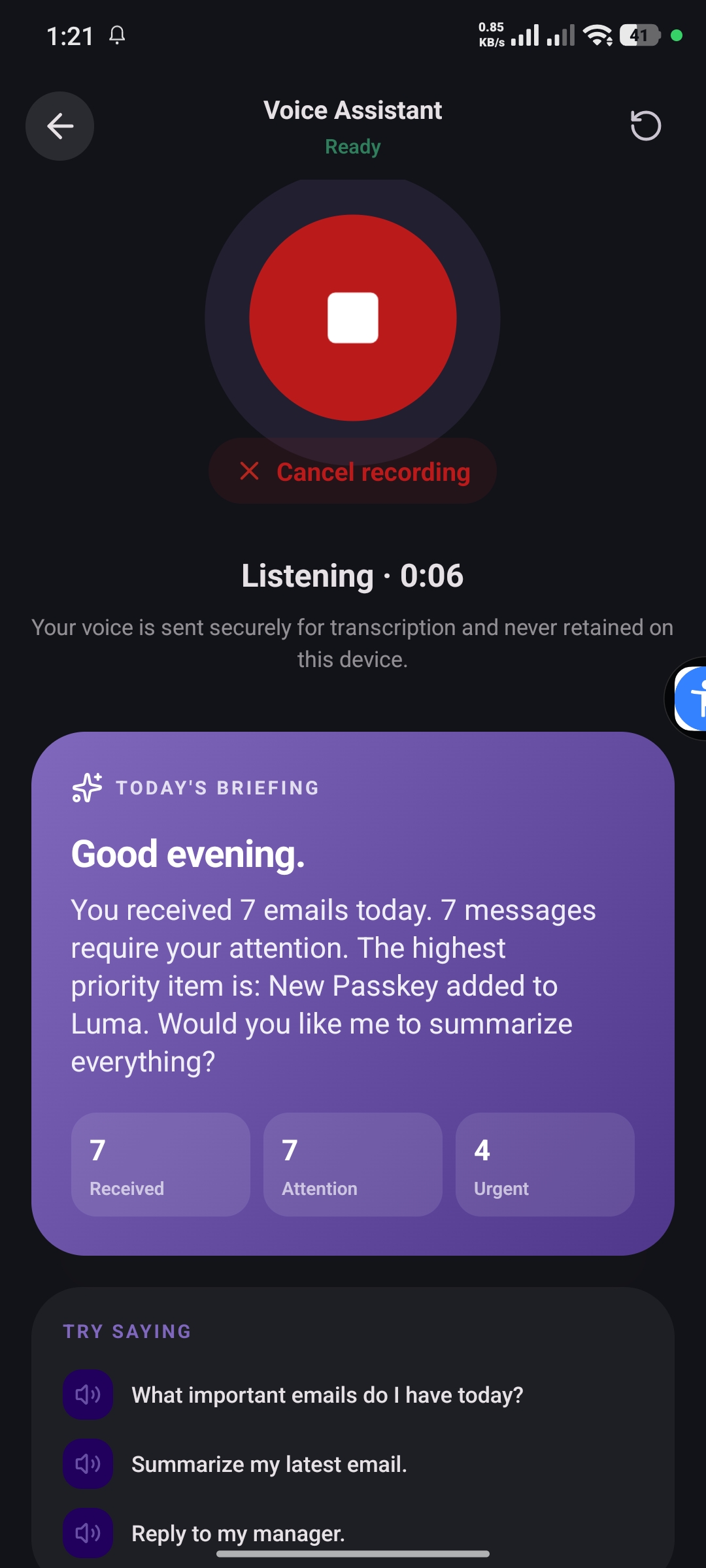
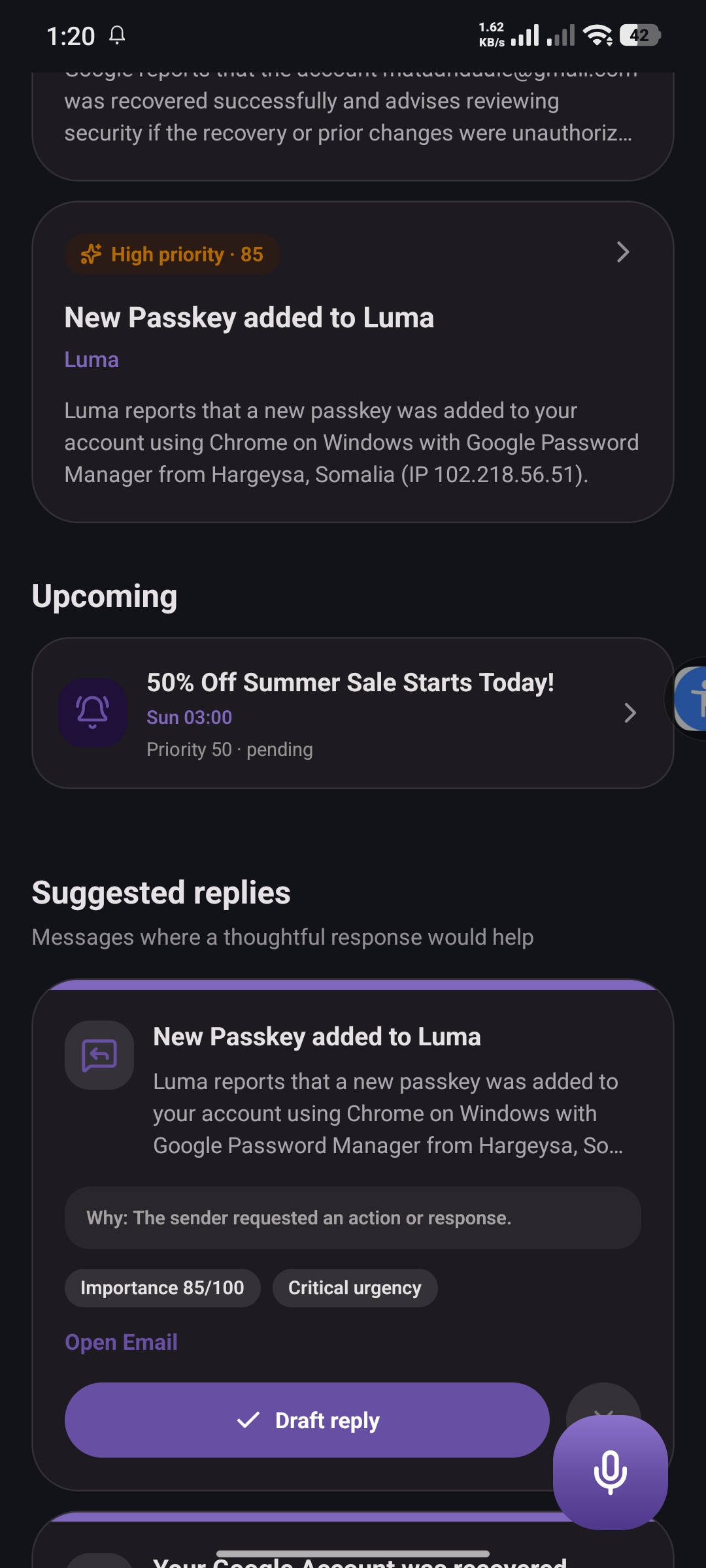
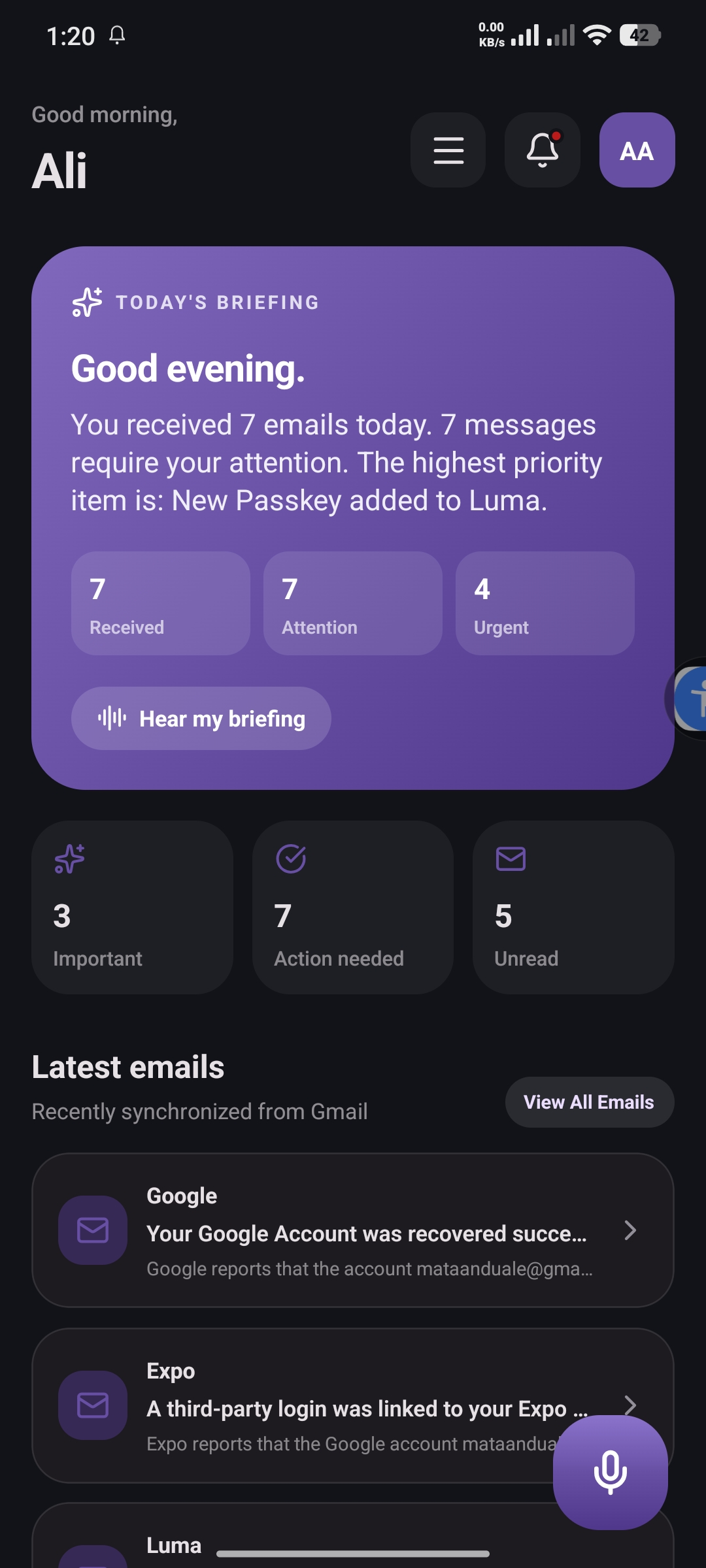
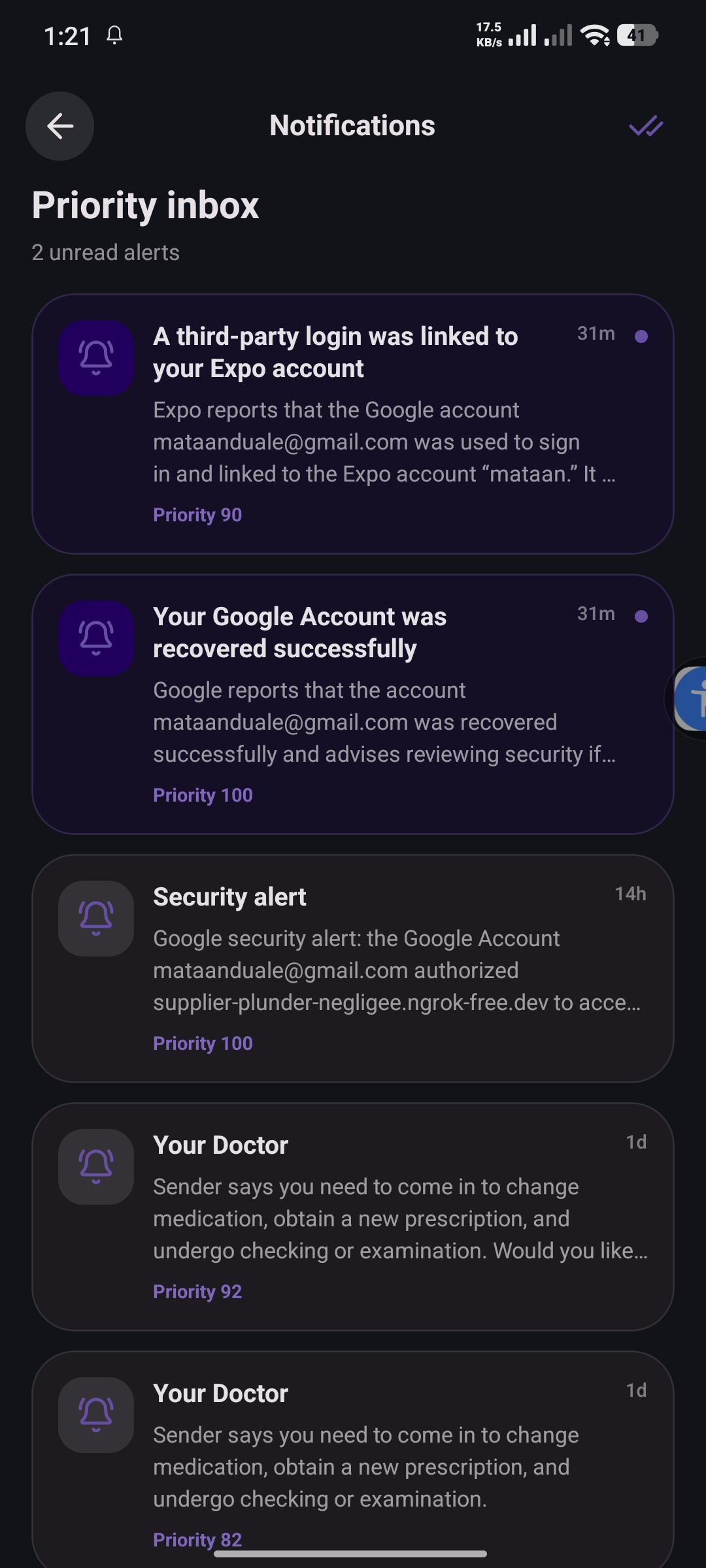
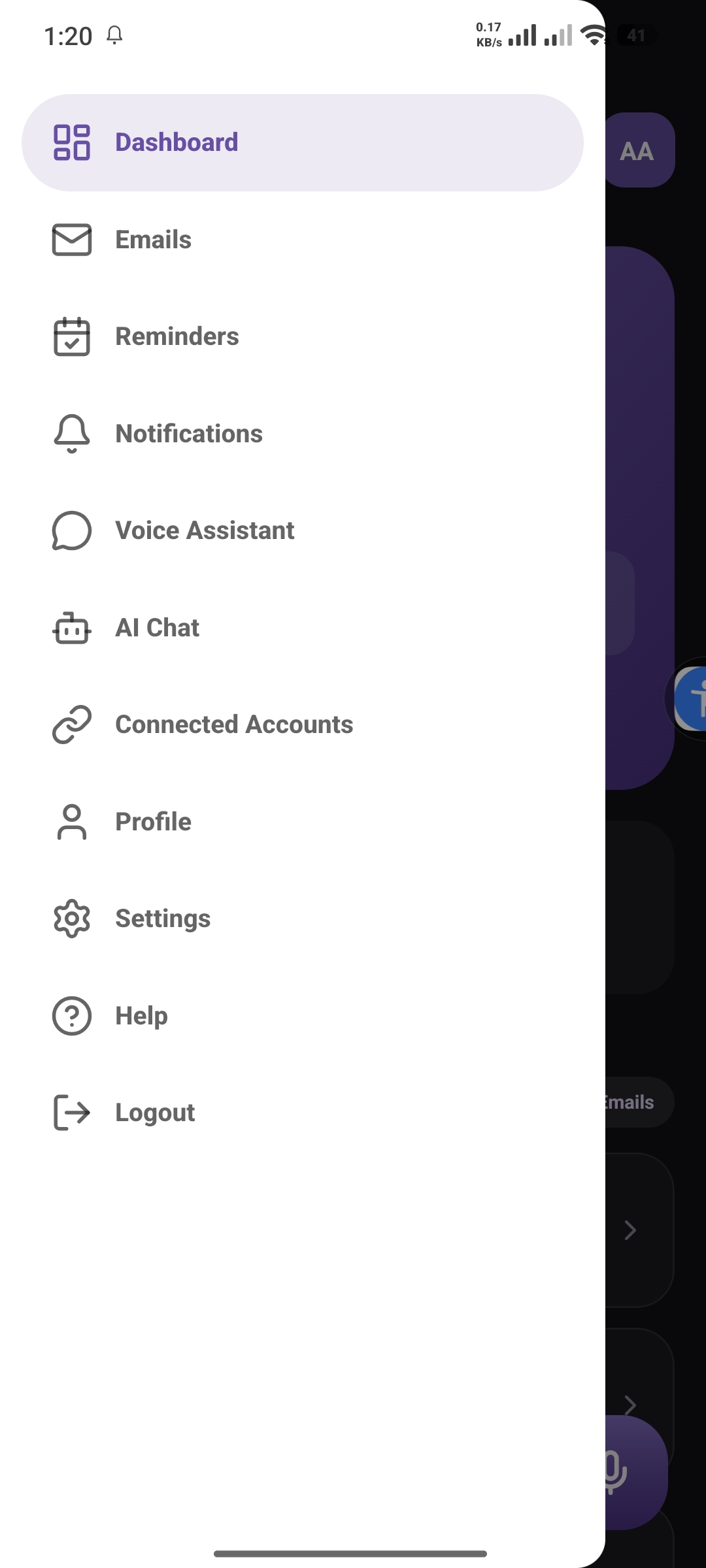
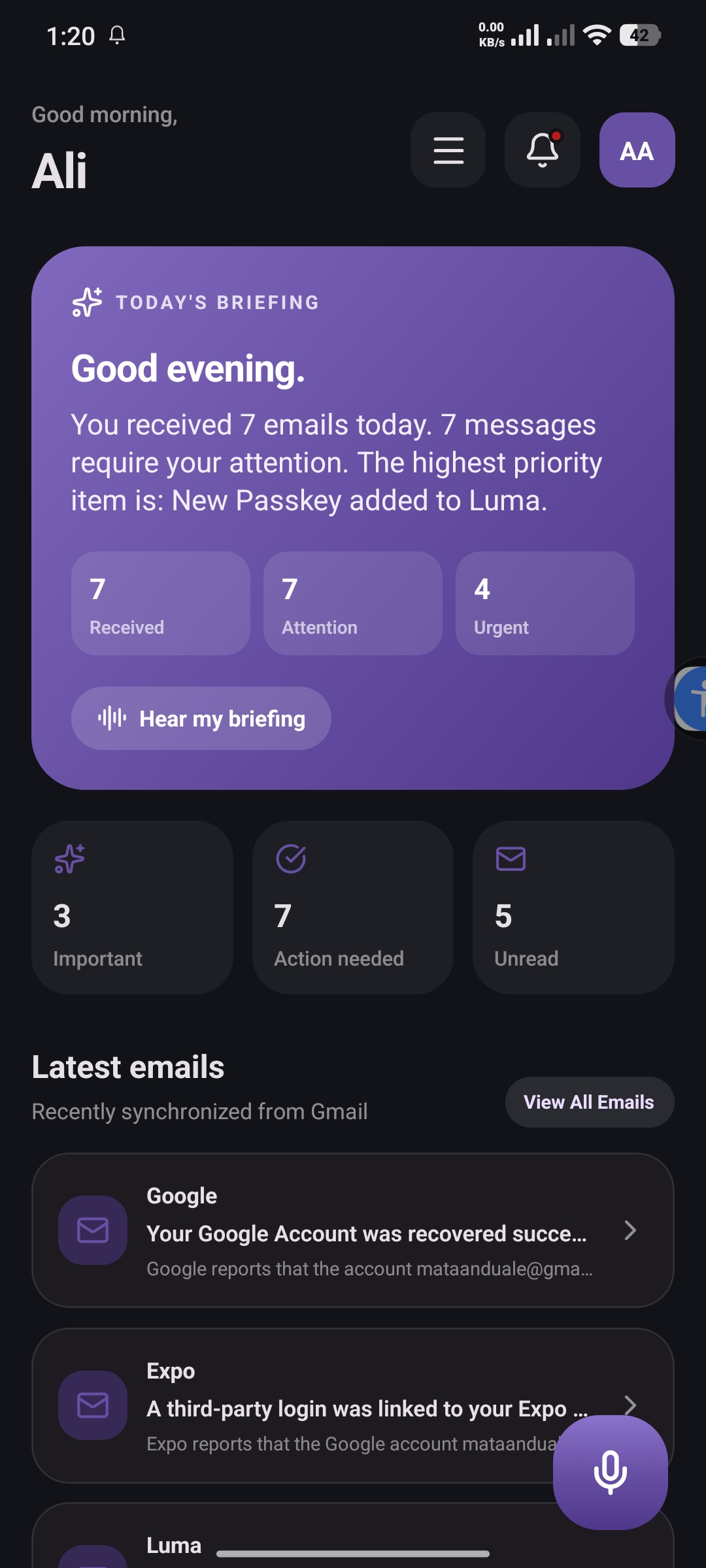
MailPilot AI was created to solve this problem by acting as an intelligent email assistant. Instead of requiring users to constantly check their inbox, MailPilot AI analyzes incoming emails, identifies what needs attention, summarizes important information, creates reminders, and allows users to ask questions about their inbox using natural voice.
What it does
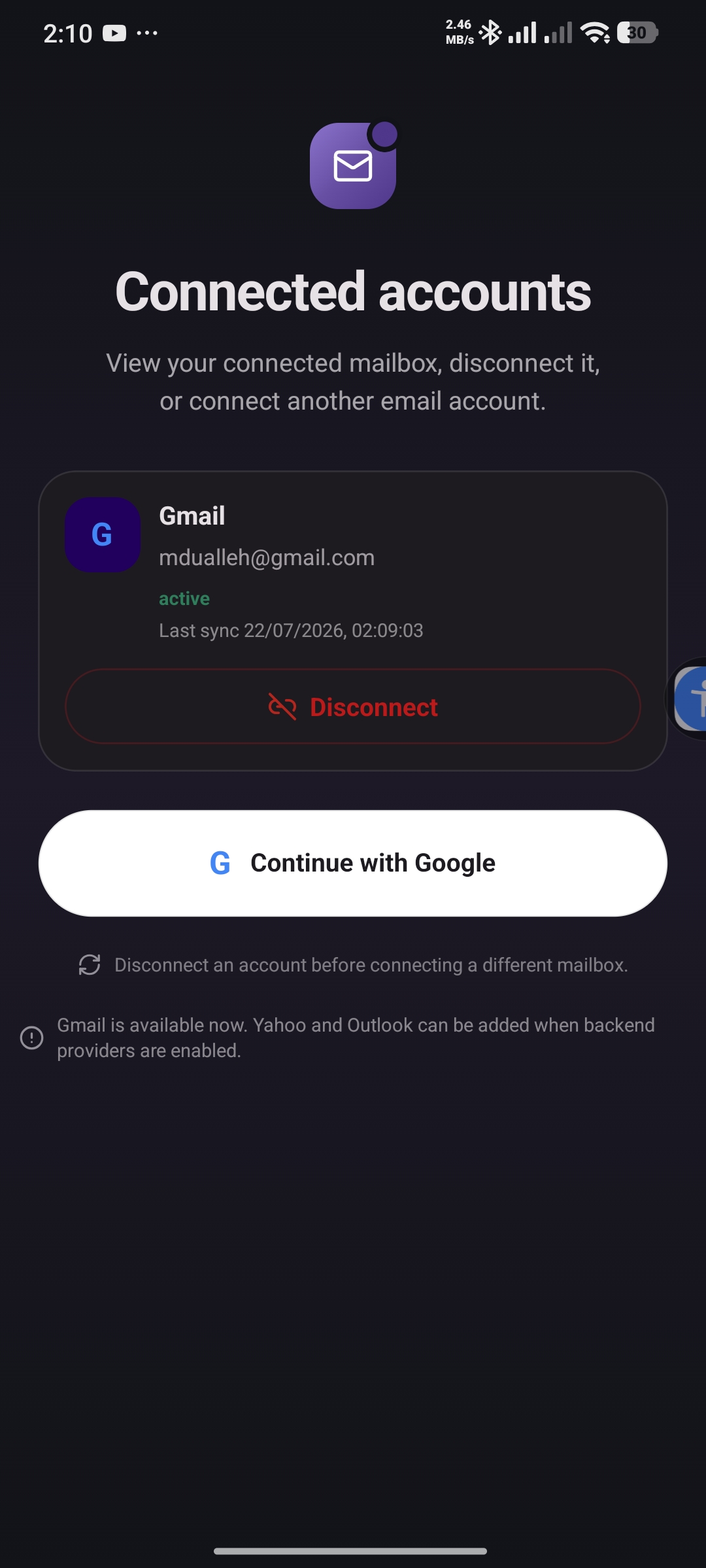
MailPilot AI connects securely to Gmail using OAuth.
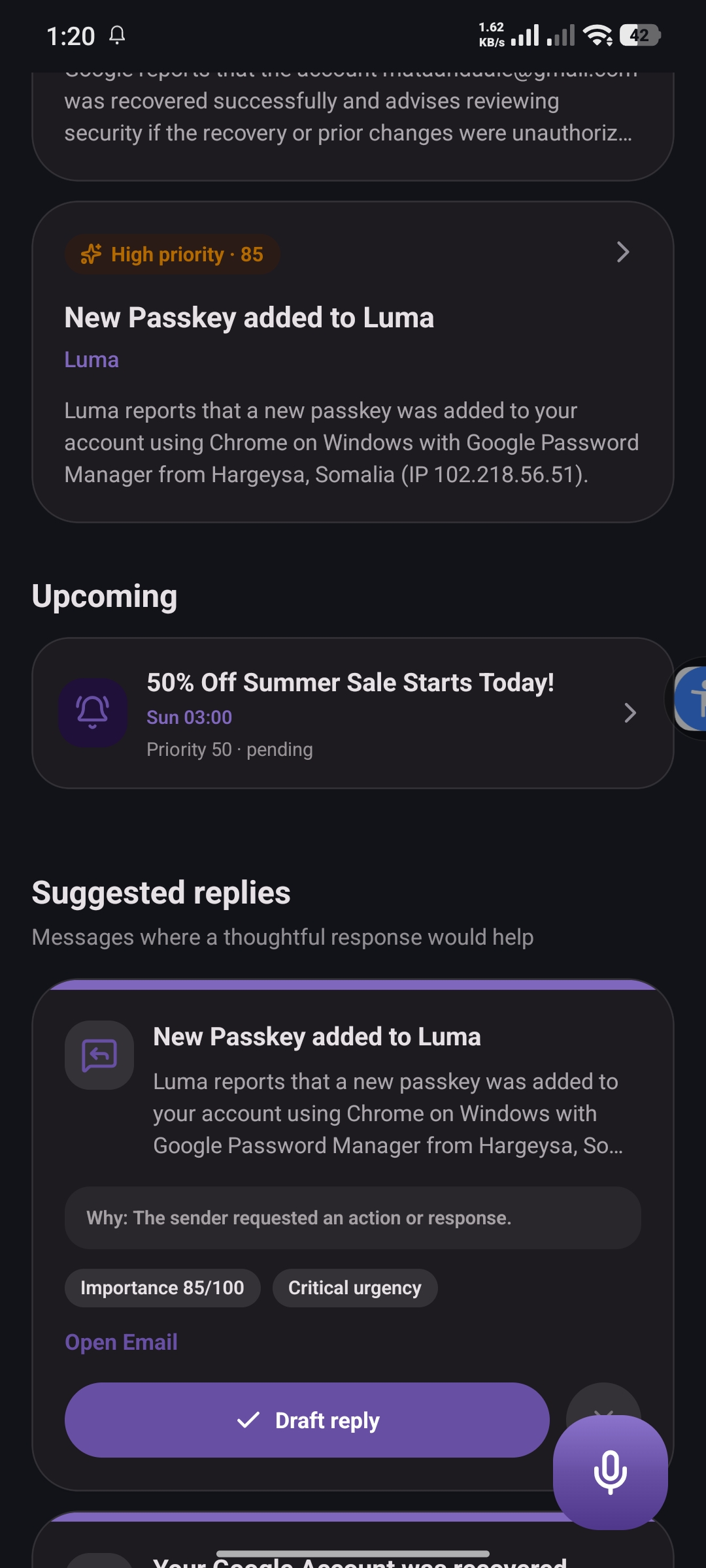
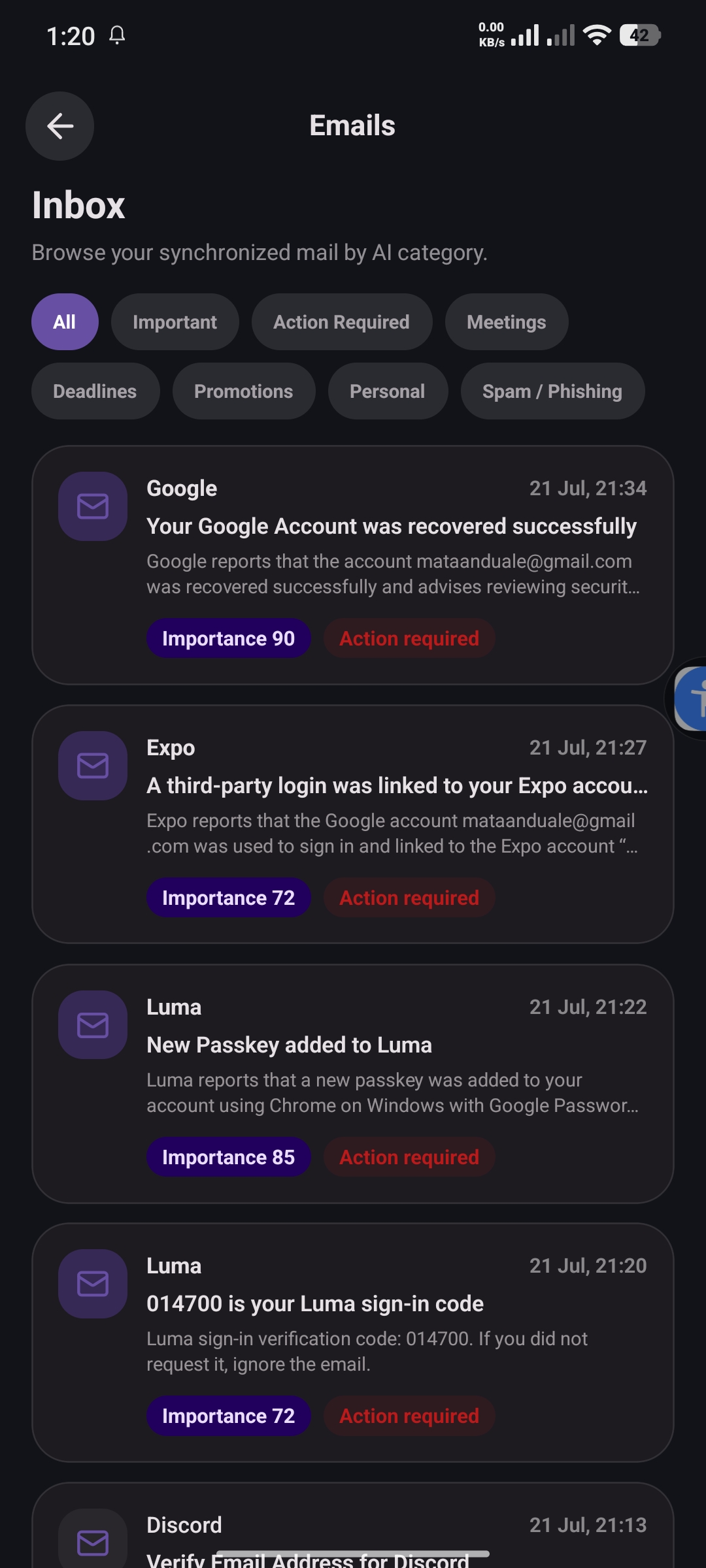
After new emails are synchronized, AI automatically:
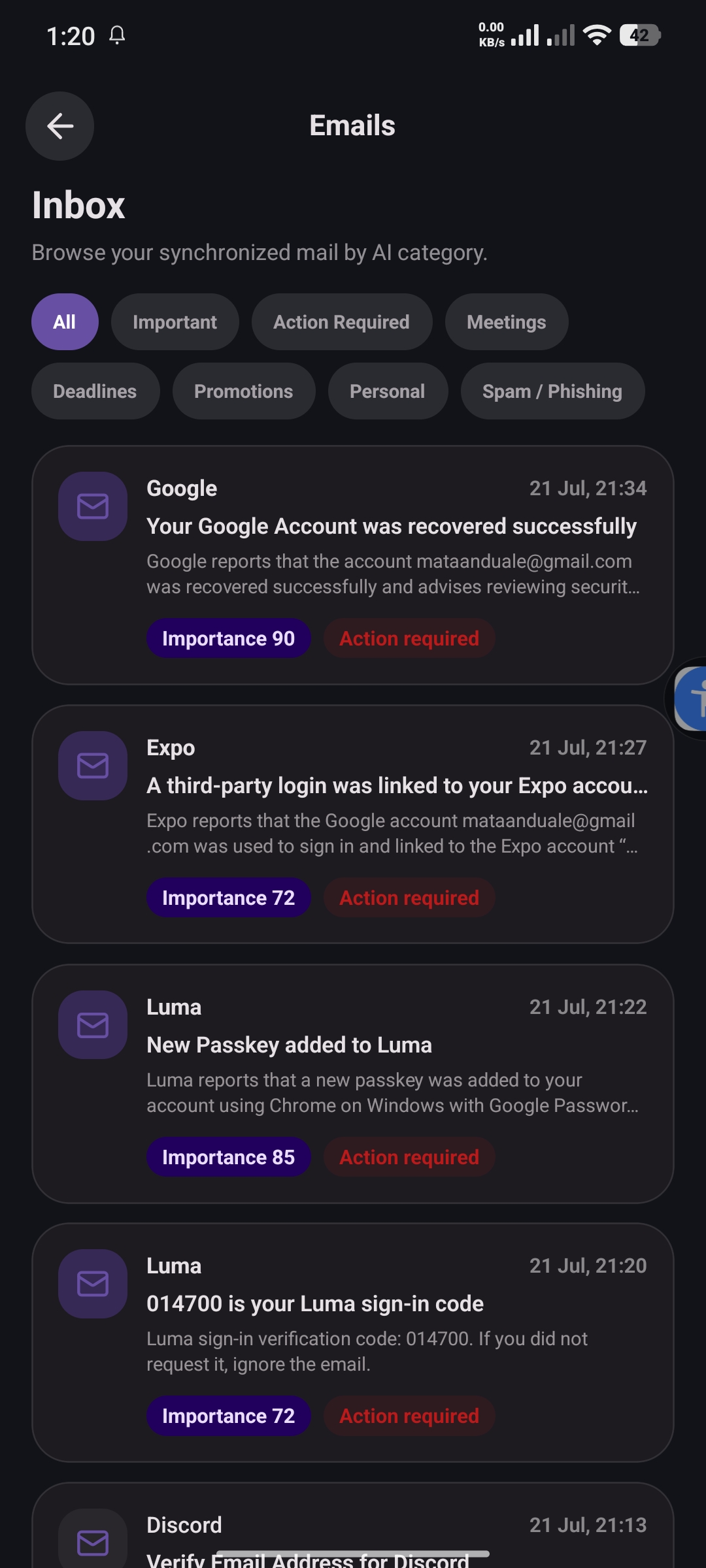
- Classifies emails into meaningful categories.
- Generates concise summaries.
- Assigns an importance score.
- Detects action-required emails.
- Extracts deadlines and meeting dates.
- Creates reminders.
- Detects suspicious or phishing emails.
- Provides proactive suggestions.
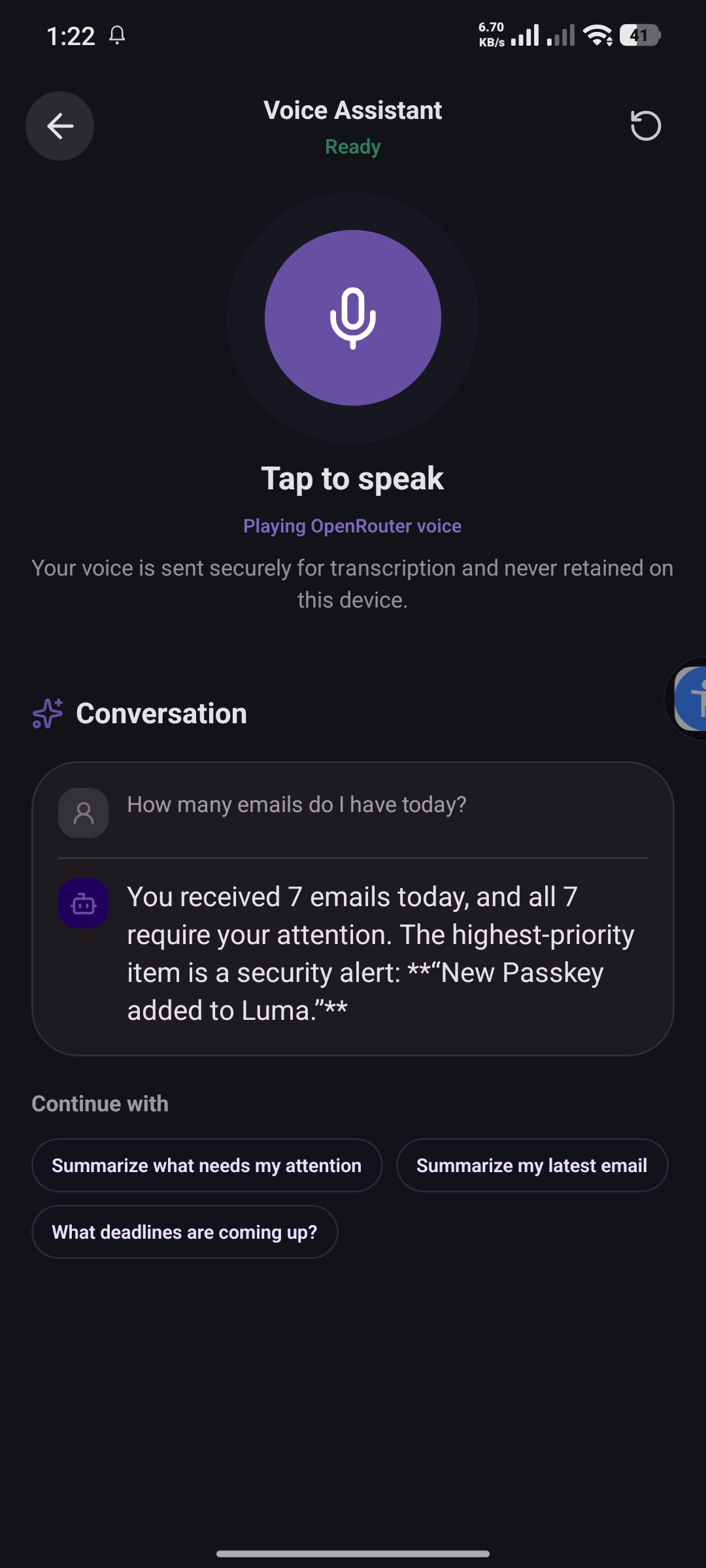
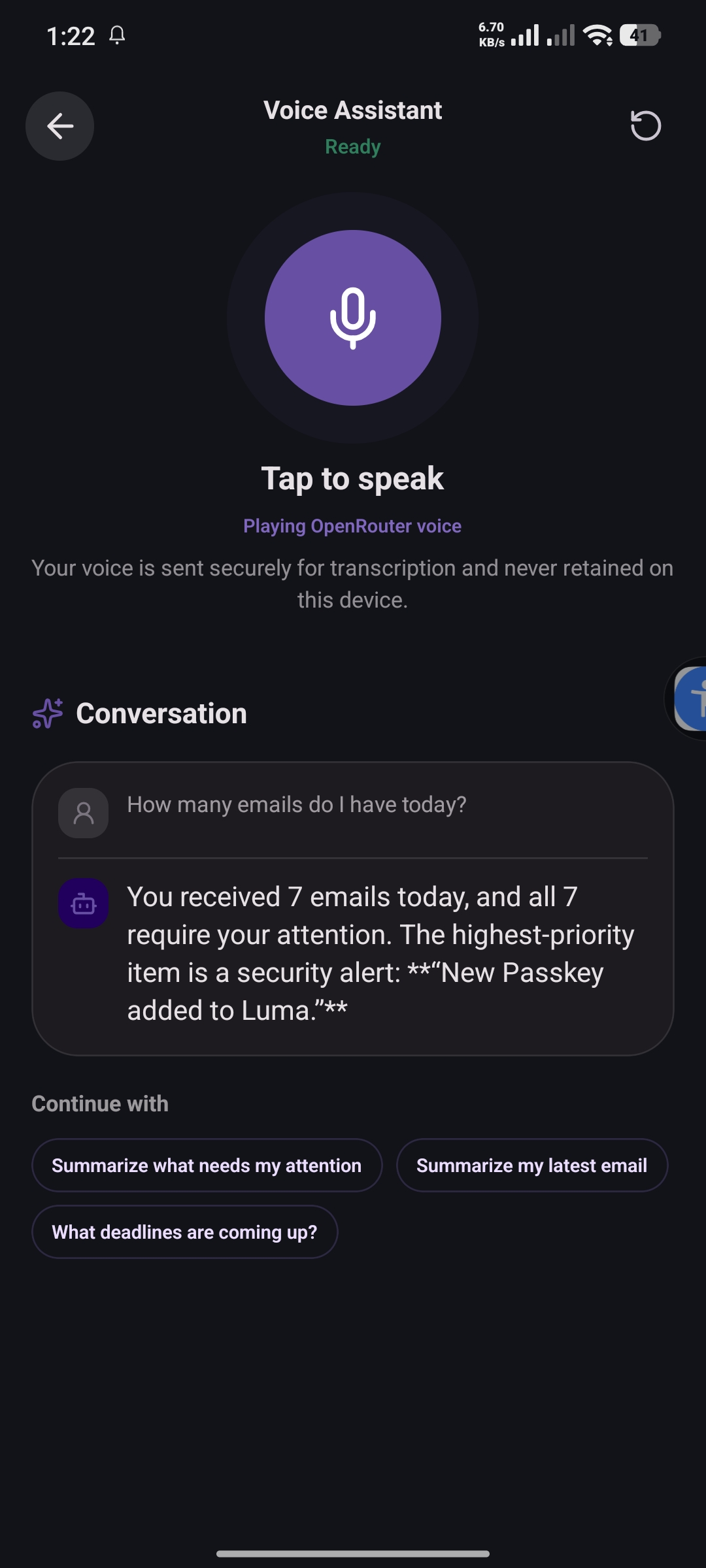
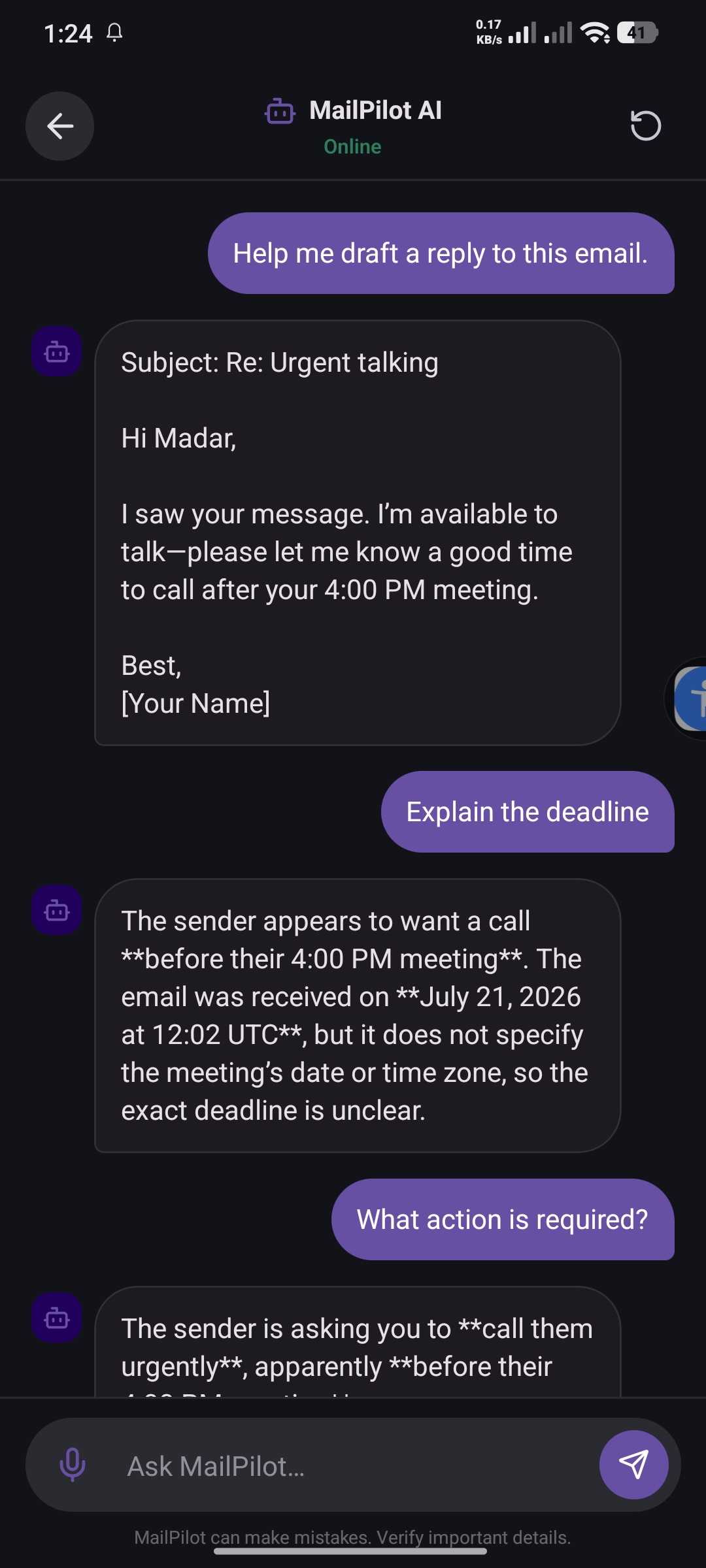
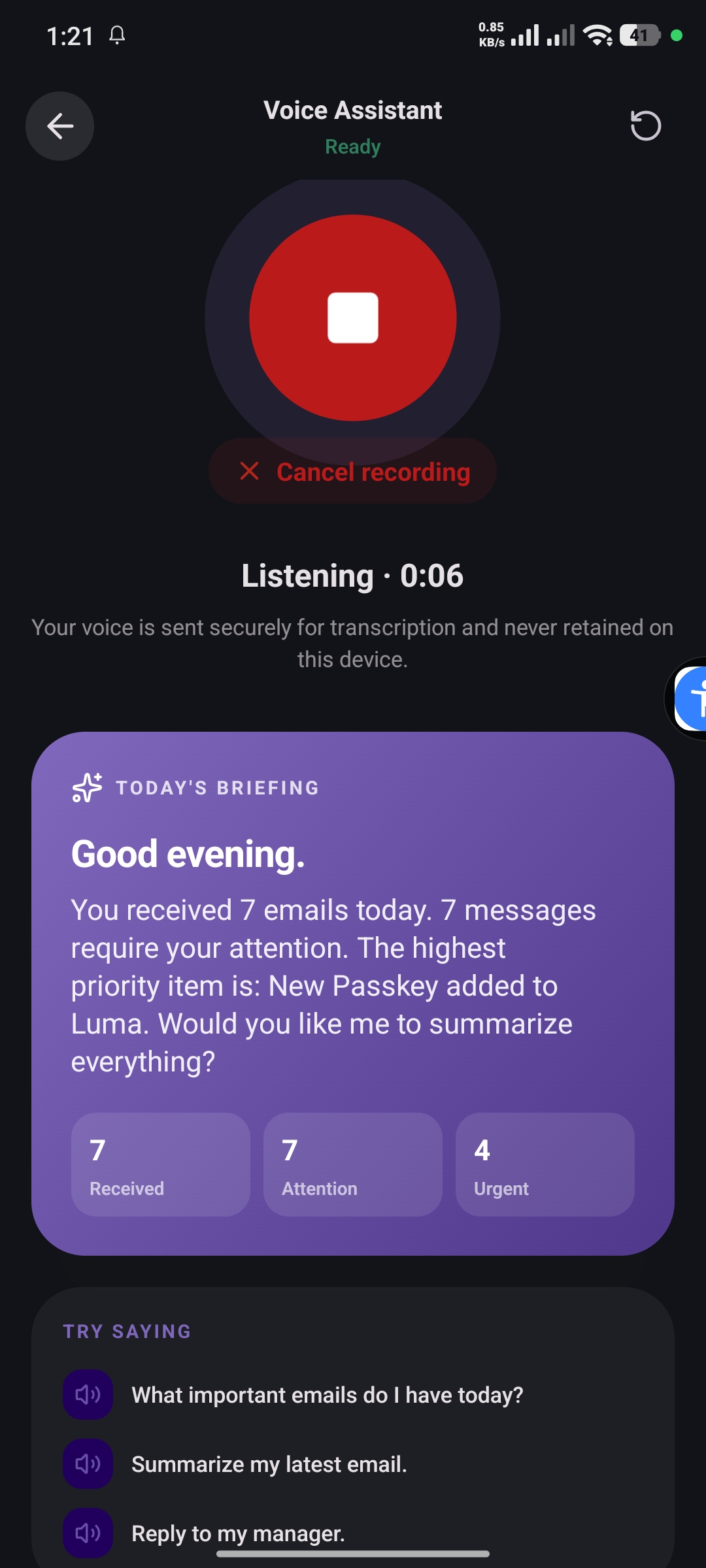
Users can also speak naturally to the assistant, asking questions such as:
- "What important emails do I have today?"
- "Do I have any interview invitations?"
- "What deadlines are coming up?"
The assistant responds using AI-generated answers based on the user's email data.
How we built it
Backend
- Python
- Django
- Django REST Framework
- PostgreSQL
- Celery
- Redis
- Django Channels
Mobile
- React Native
- Expo
- TypeScript
- Expo Router
AI
- GPT-5.6 (via OpenRouter-compatible API)
- Whisper speech-to-text
Infrastructure
- Gmail OAuth
- Gmail API
- Firebase Cloud Messaging
- Docker
How Codex and GPT-5.6 helped
GPT-5.6 and Codex significantly accelerated development throughout the project.
They helped with:
- Designing the backend architecture.
- Building REST APIs.
- Implementing Gmail OAuth.
- Creating database models.
- Building mobile screens.
- Improving UI components.
- Implementing AI workflows.
- Refactoring existing code.
- Debugging OAuth issues.
- Improving overall project structure.
The project was developed iteratively using Codex for implementation and GPT-5.6 for architecture, debugging, and feature design.
Challenges we ran into
Some of the biggest challenges included:
- Gmail OAuth verification and redirect configuration.
- Managing OAuth tokens securely.
- Supporting background email synchronization.
- Building reliable reminder workflows.
- Integrating AI with structured outputs.
- Supporting voice interactions.
- Handling Expo SDK compatibility changes.
- Working around unsupported server-side text-to-speech endpoints.
Accomplishments
We successfully built an AI-powered email assistant capable of:
- Secure Gmail integration.
- AI email classification.
- Smart summaries.
- Importance scoring.
- Reminder generation.
- Voice interaction.
- Push notification infrastructure.
- Modern mobile interface.
What we learned
Building AI products requires much more than connecting an LLM. Security, authentication, asynchronous processing, mobile UX, and thoughtful AI workflows are equally important for creating a reliable user experience.
What's next
Future versions of MailPilot AI will include:
- Outlook and Yahoo support.
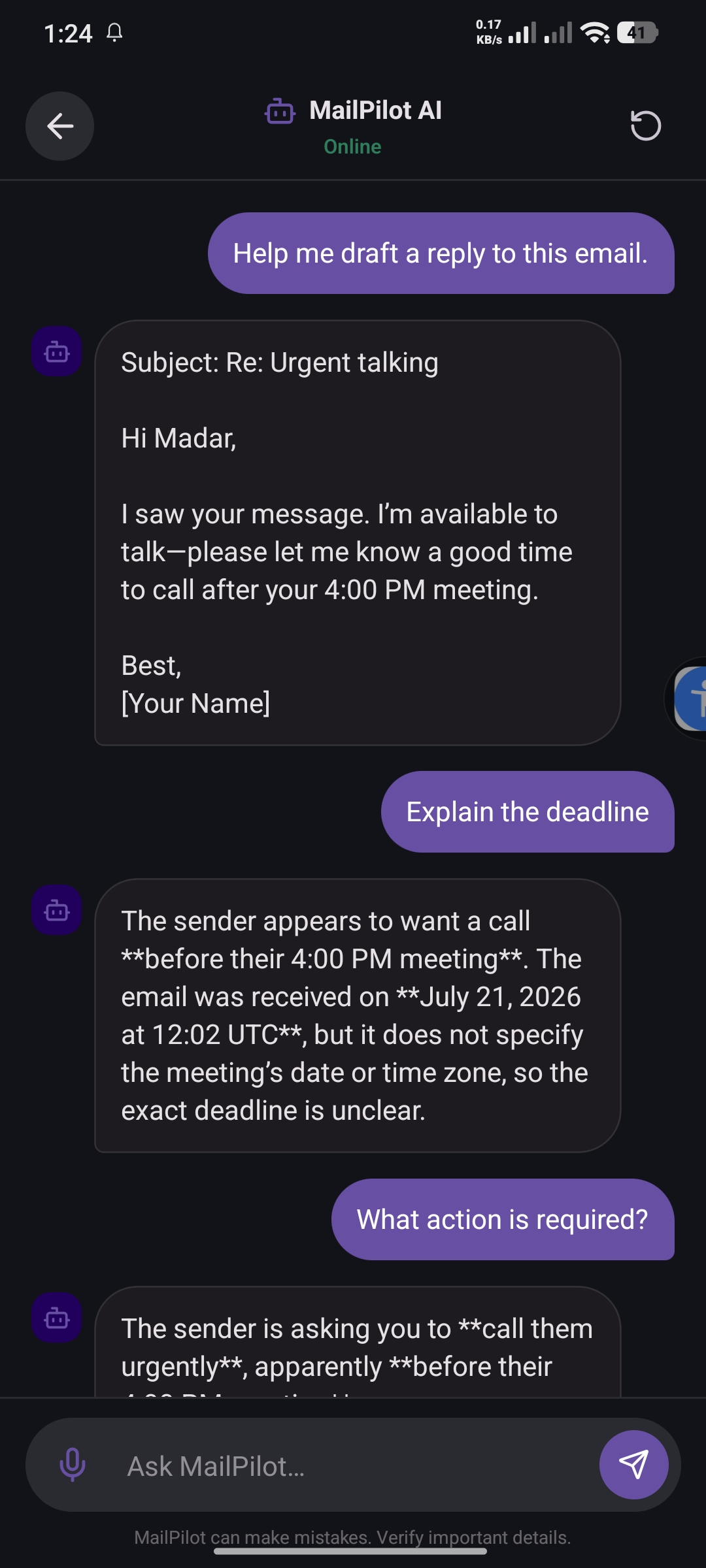
- AI-generated email replies.
- Calendar synchronization.
- Floating Android assistant.
- Multi-language support including Somali.
- Better proactive notifications.
- Enterprise email support.
Built With
- 2.0
- ai
- celery
- codex
- djangorestframework
- docker
- expo.io
- gmailapi
- gpt-5.6
- oauth
- openrouter
- postgresql
- python
- react-native
- redis
- restapi
- typescript
- whisper

Log in or sign up for Devpost to join the conversation.