Inspiration
We heard from disabled patients who face a constant stream of forms, prescriptions, appointments, and paperwork. Navigating the healthcare system is already confusing, and for people with disabilities it can become overwhelming. We wanted to build something that makes getting care simpler and more organized.
What it does
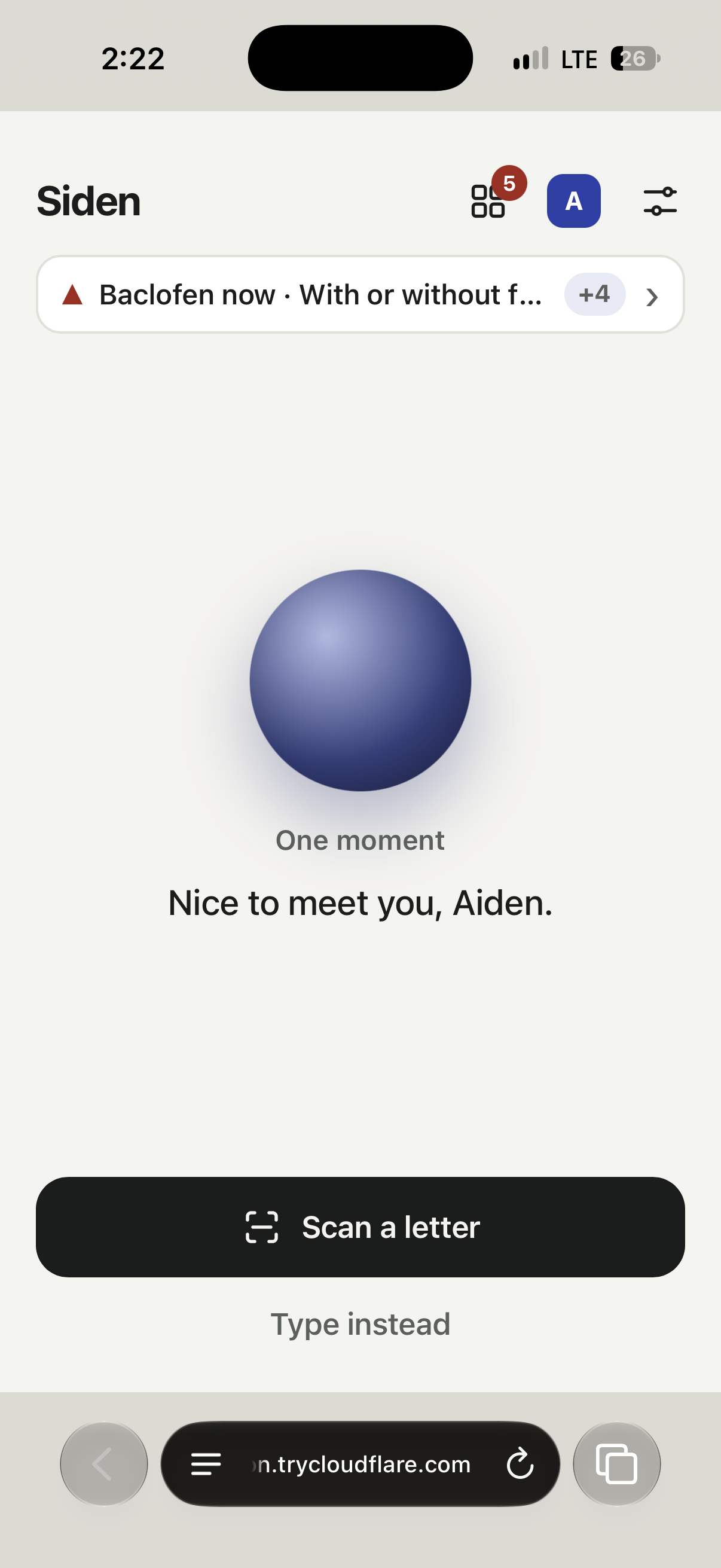
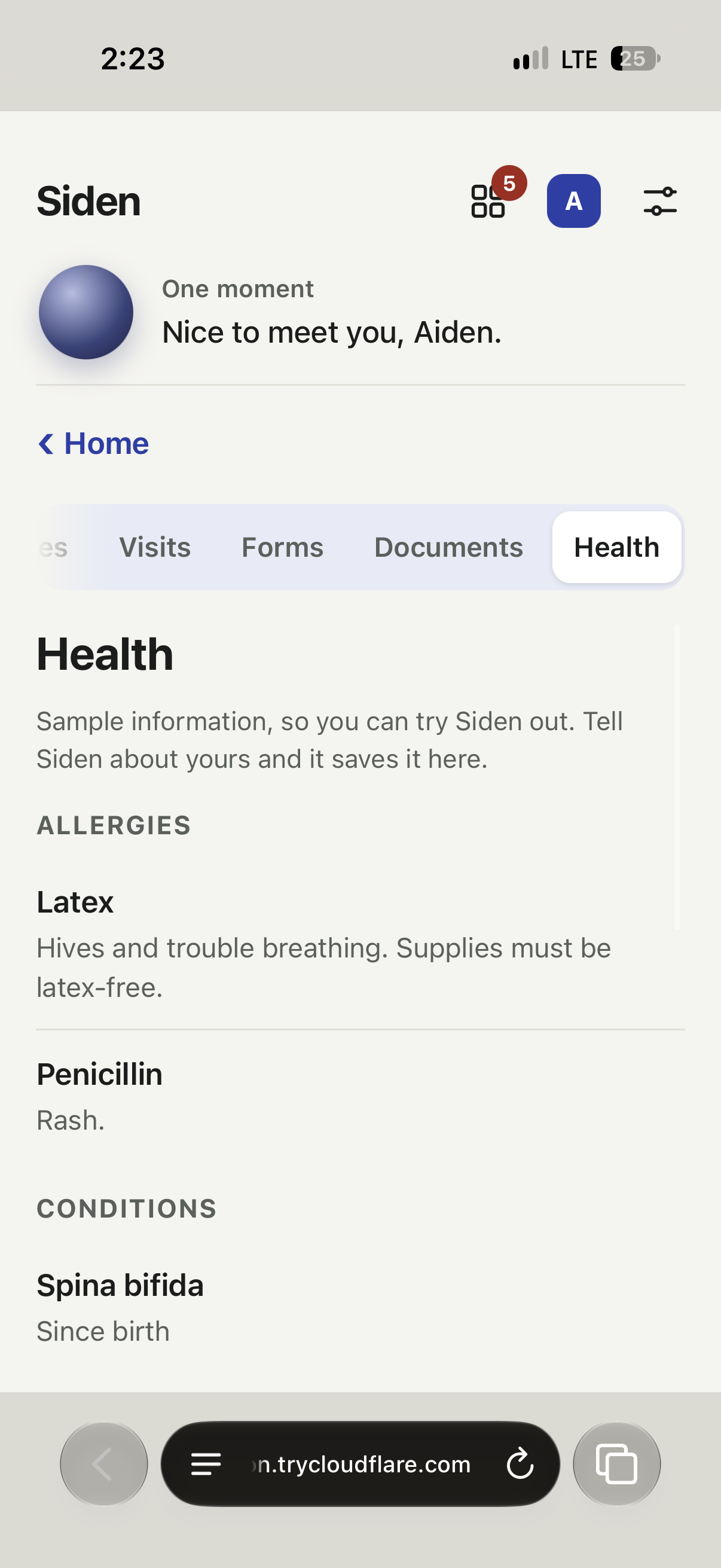
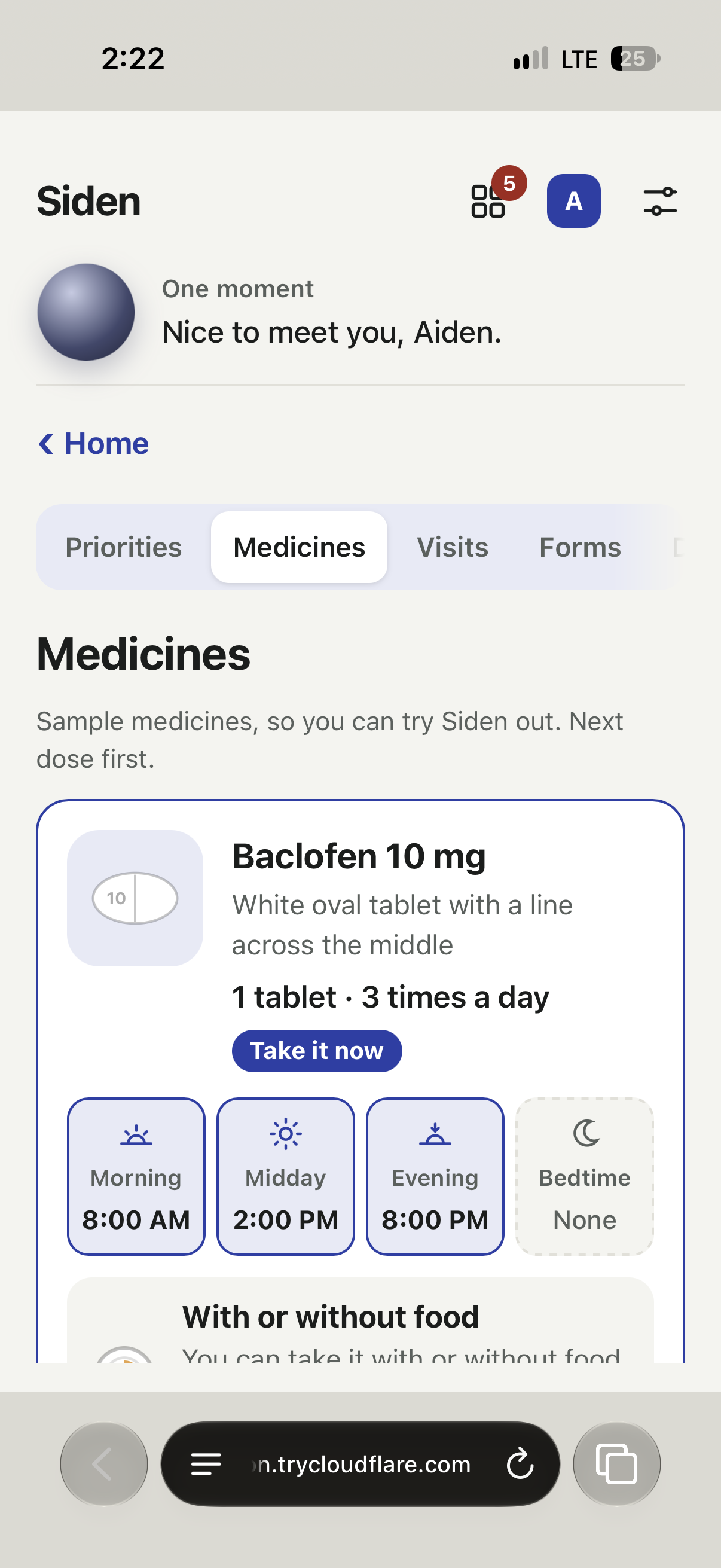
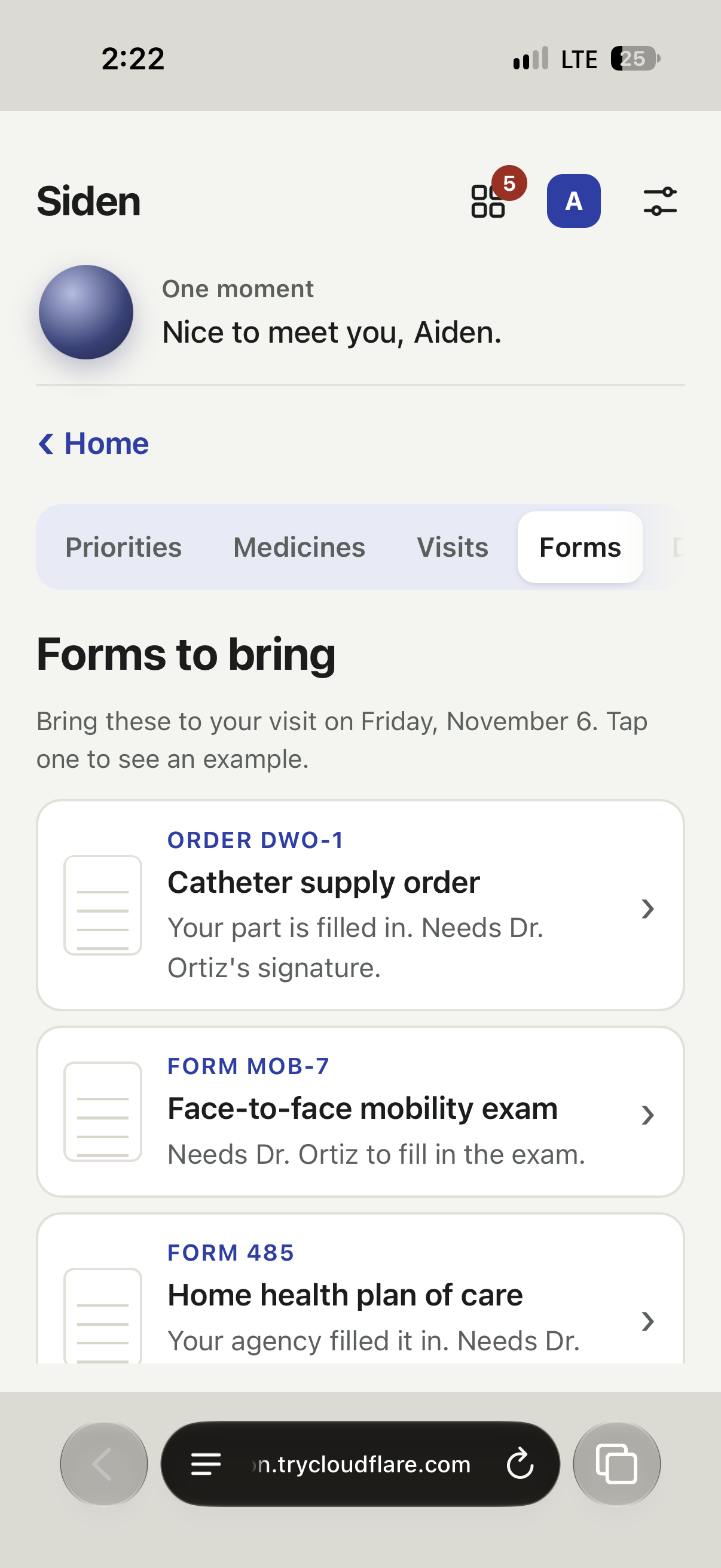
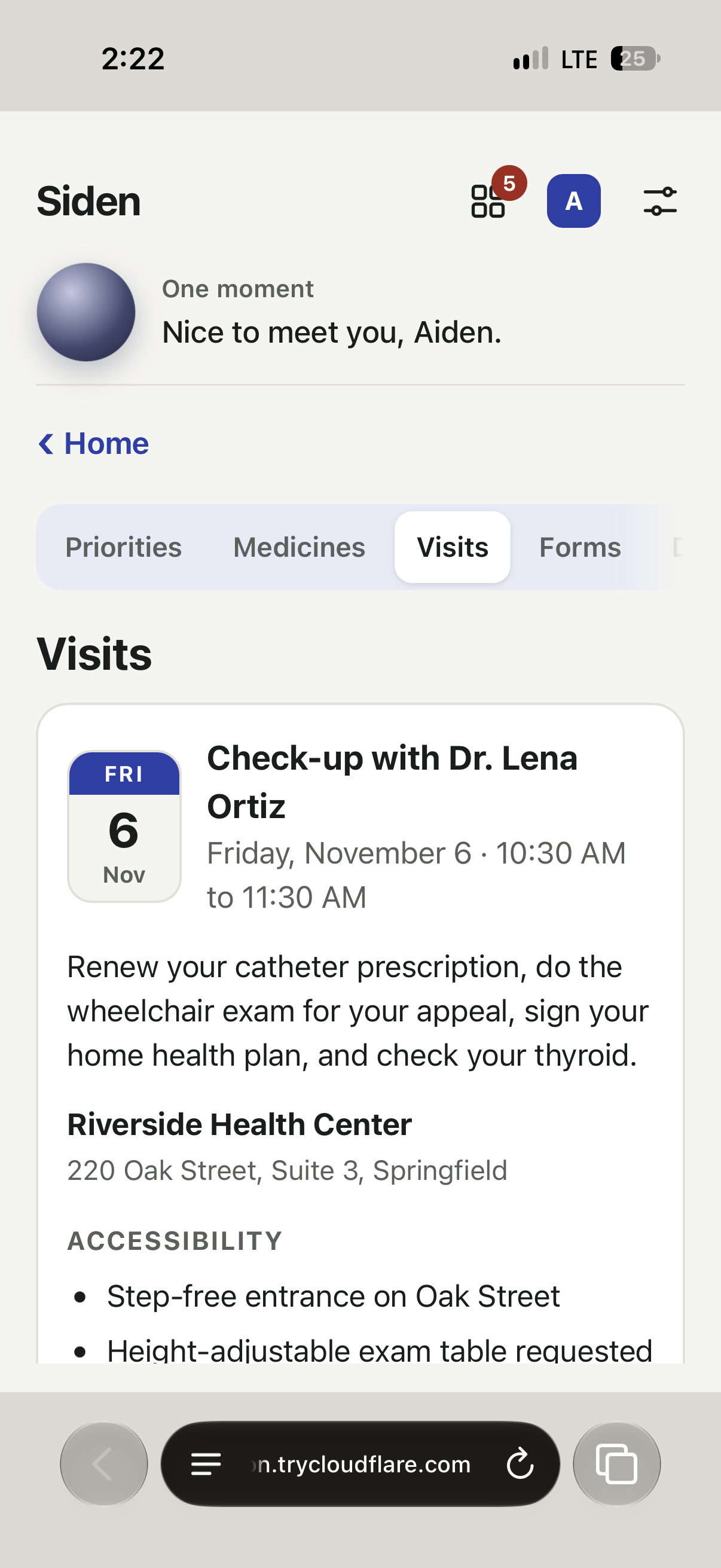
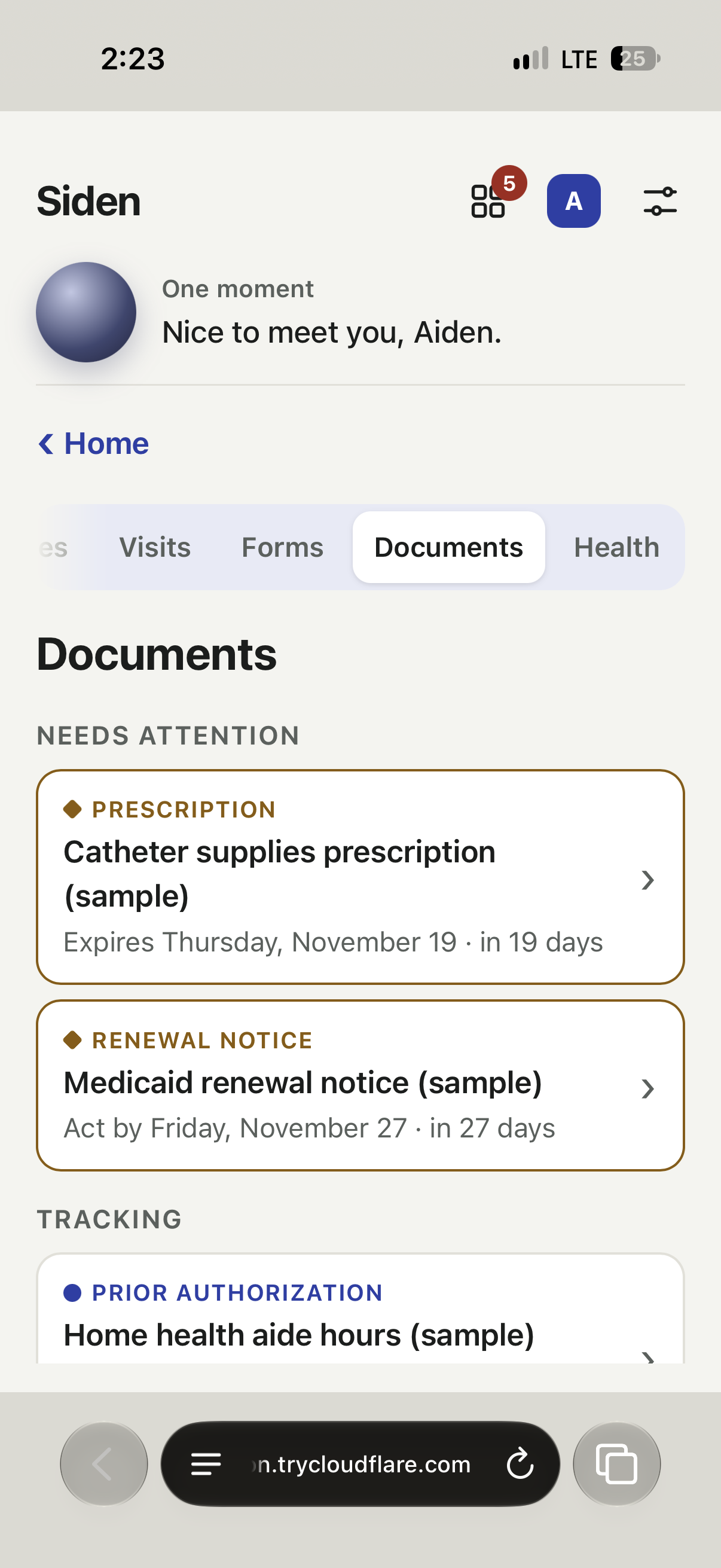
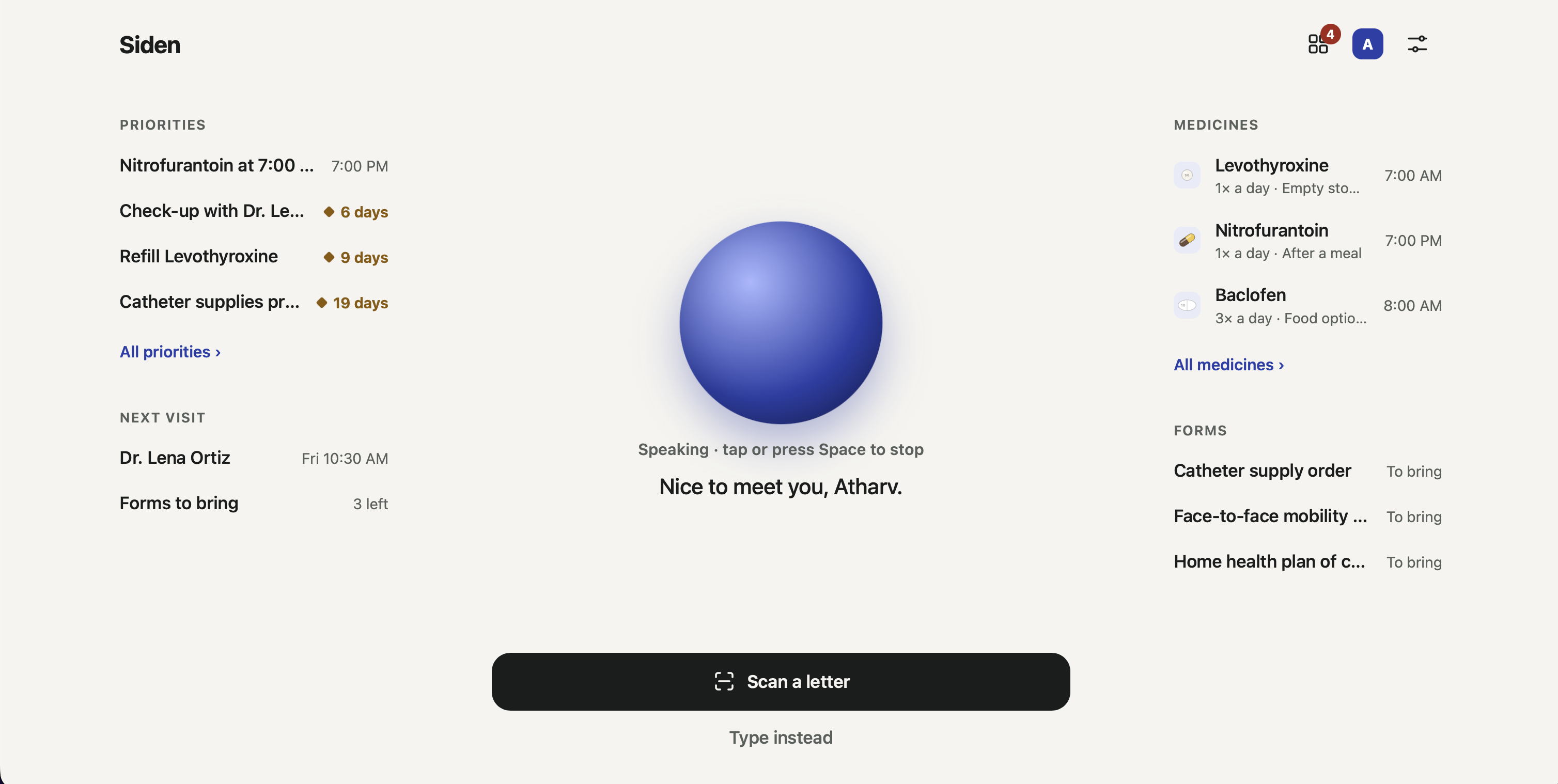
Siden is an AI-powered assistant that turns your medical documents and conversations into an organized health record. It keeps track of prescriptions, hospital visits, upcoming forms, doctors, and other medical data. You can add information by scanning documents or by telling the app through voice or text.
Siden is designed with accessibility first:
- Read-aloud support: Key parts of the interface are spoken during conversations with the AI.
- Easy voice control: Start talking by clicking the circle or pressing the space bar.
- Paperwork help: Siden can fill out necessary forms and write doctor's notes, cutting down on repetitive work.
- Medication reminders: Prescriptions come with timed notifications and all their details saved in one place.
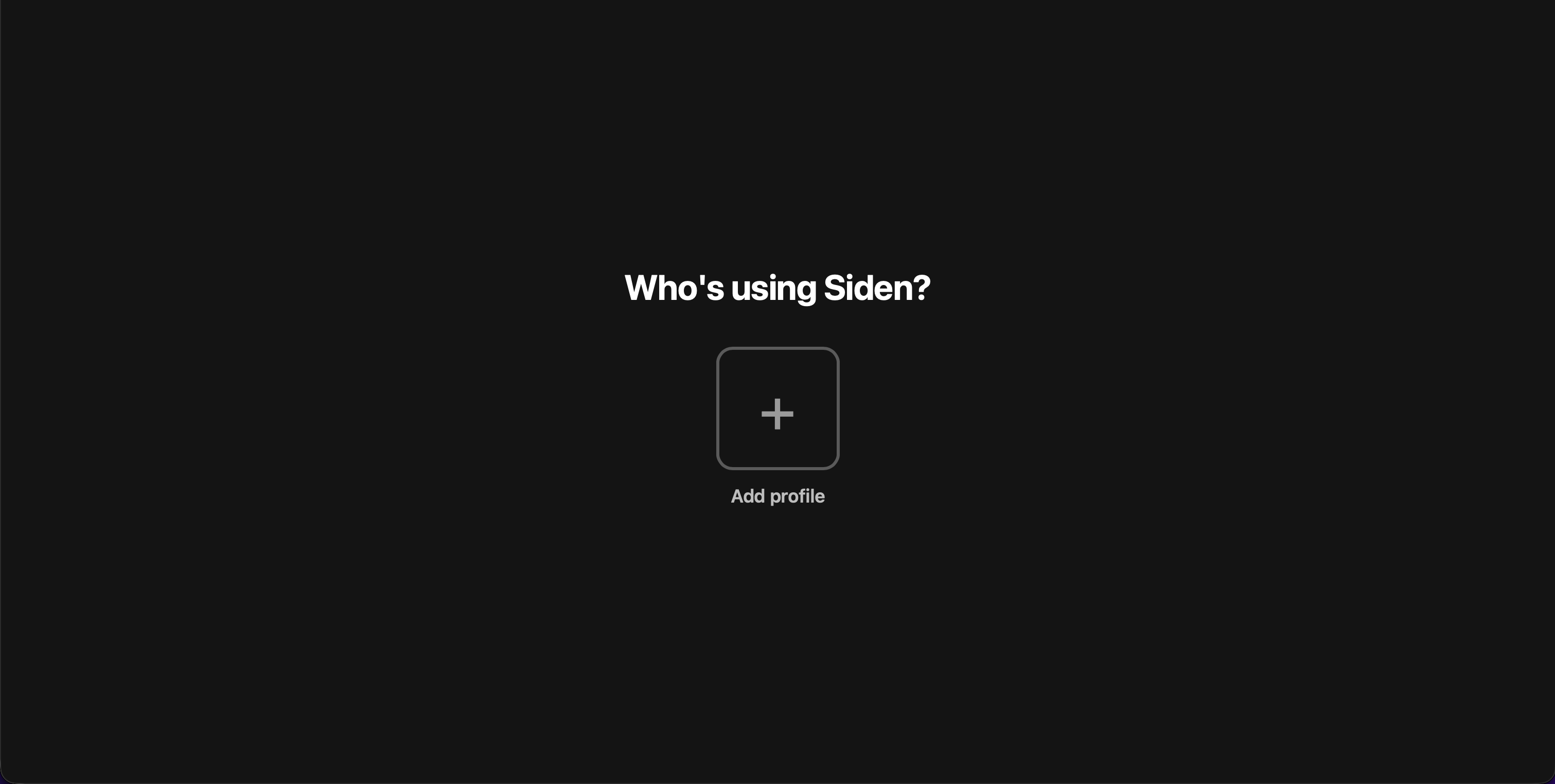
- Separate accounts: Users can have multiple accounts so that an entire family can keep track of their information in one easy to access website.
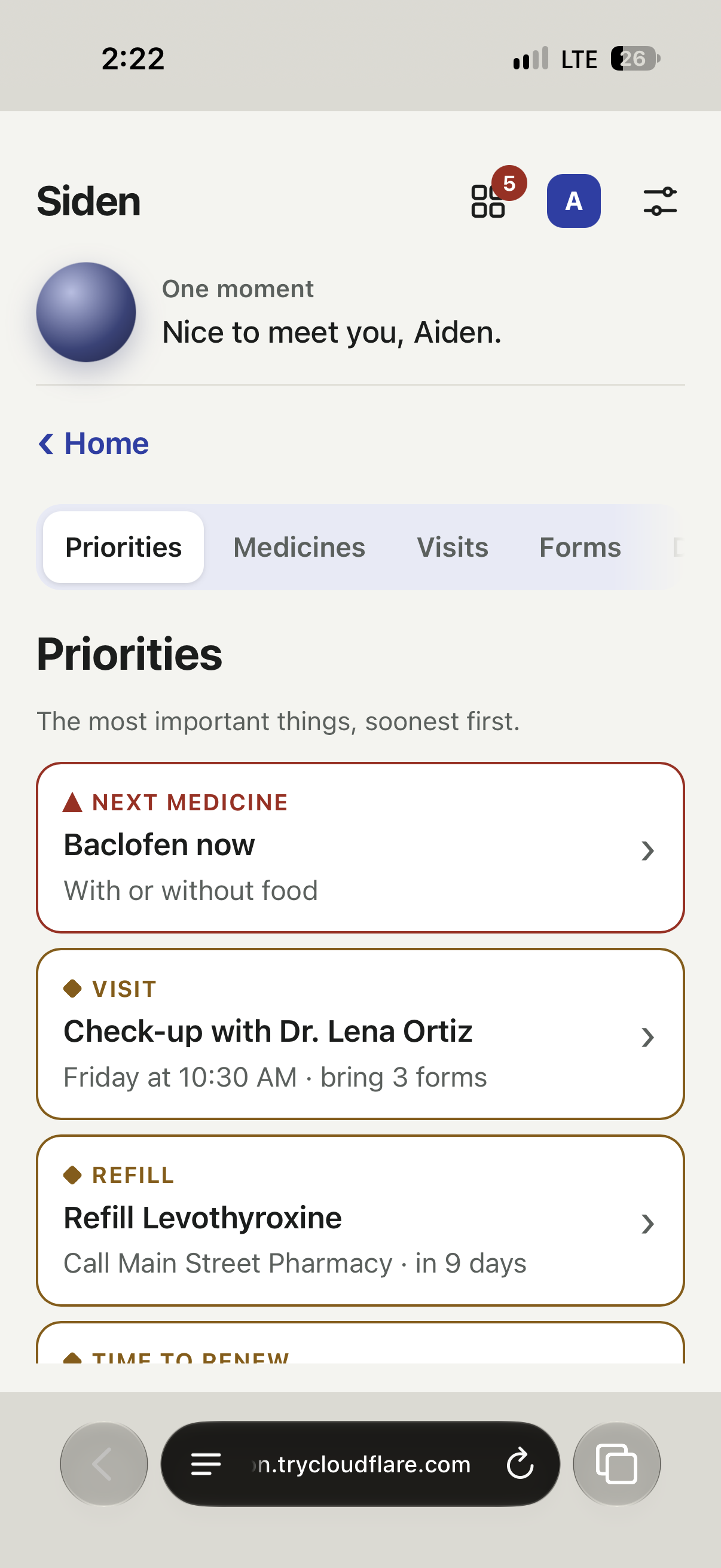
- Priorities: Users can see what actions are most urgent, and can easily access instructions on what to do about them, deadlines, and can use our platform to fill out necessary forms, letters, and even add reminders to ones Google Calendar Account.
How we built it
We built Siden with Claude Code, using models including Fable and Opus. We wrote detailed, carefully structured prompts to make the experience work well for blind users.
Challenges we ran into
- Claude Code took a long time to generate each piece of the program, so we had to write efficient prompts and make every one count.
- Claude Code was often wrong about its own output, so we had to step in and adjust the code by hand.
Accomplishments that we're proud of
- Voice-based interaction that makes the app easy to use hands-free
- Ways for Siden to help by writing notes, letters, etc.
- Multiple profiles, so families can use Siden together
- A prioritization system for notifications, so the most important reminders come first
What we learned
We started out expecting Claude to do most of the work, but quickly found that it struggled to "see" what the program looked like. We had to write clear descriptions of the interface so it knew what to fix. We also learned how to use Chain-of-Thought prompting to get better results from each prompt.
What's next for Siden
Right now, Siden is optimized for blind, deaf, and colorblind users, with the voice control, text options, and colorblind settings. Next, we plan to expand support to other disabilities so that even more patients can navigate healthcare with confidence.
Built With
- amazon-web-services
- claude
- claudecode
- opus
- visual-studio

Log in or sign up for Devpost to join the conversation.