Inspiration
Our members from Texas A&M Arnav and Anh LOVE Mai Shan Yun, and eat there almost every day. We were ecstatic about the opportunity to help a local business -- pouring into College Station's community by creating an innovative and repeatable solution to enhance the experience of Customers, Waiters, and Cooks in any restaurant environment.
What it does
Our project is based on 3 systems :- Our project consists of three integrated systems:
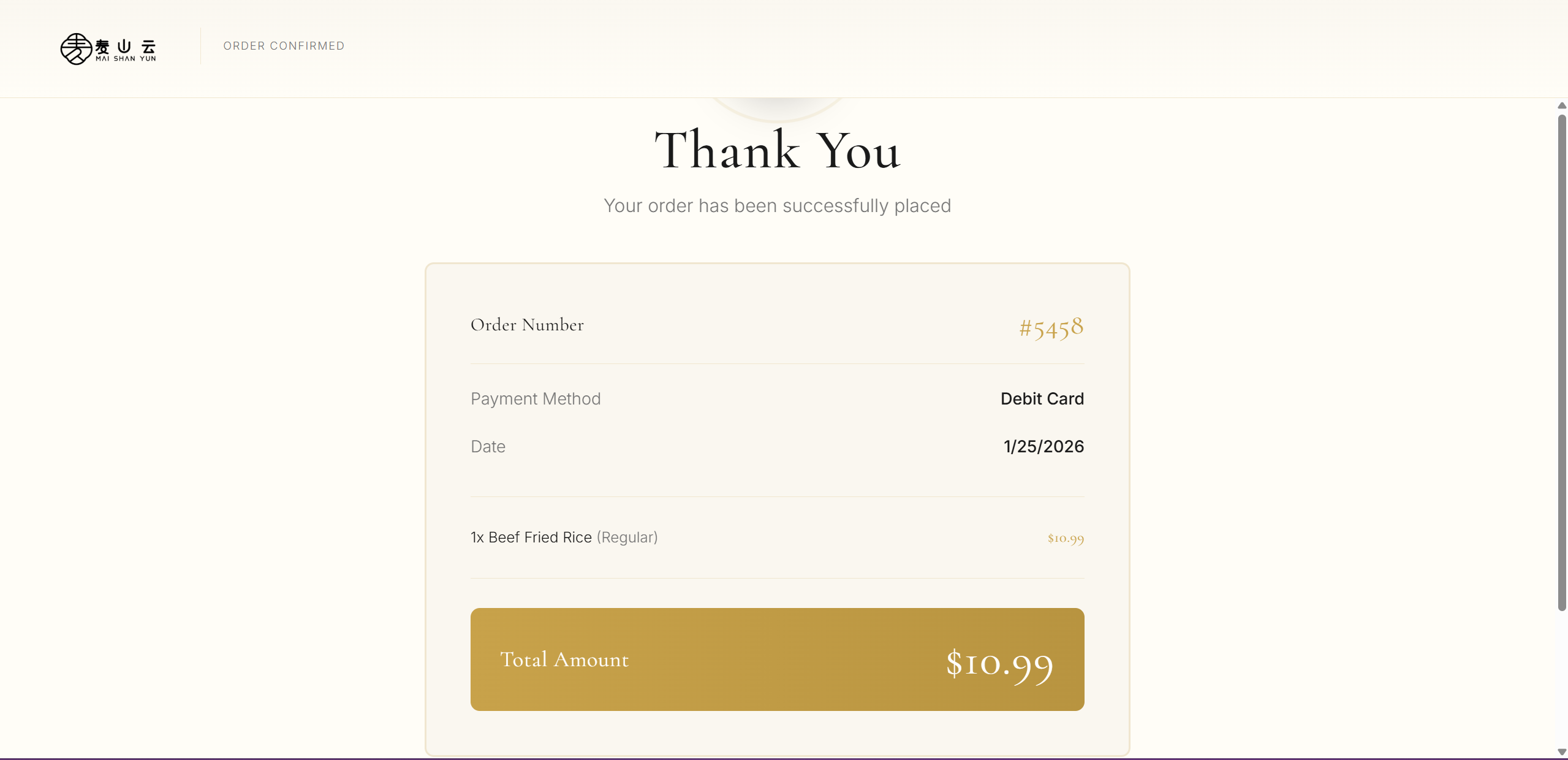
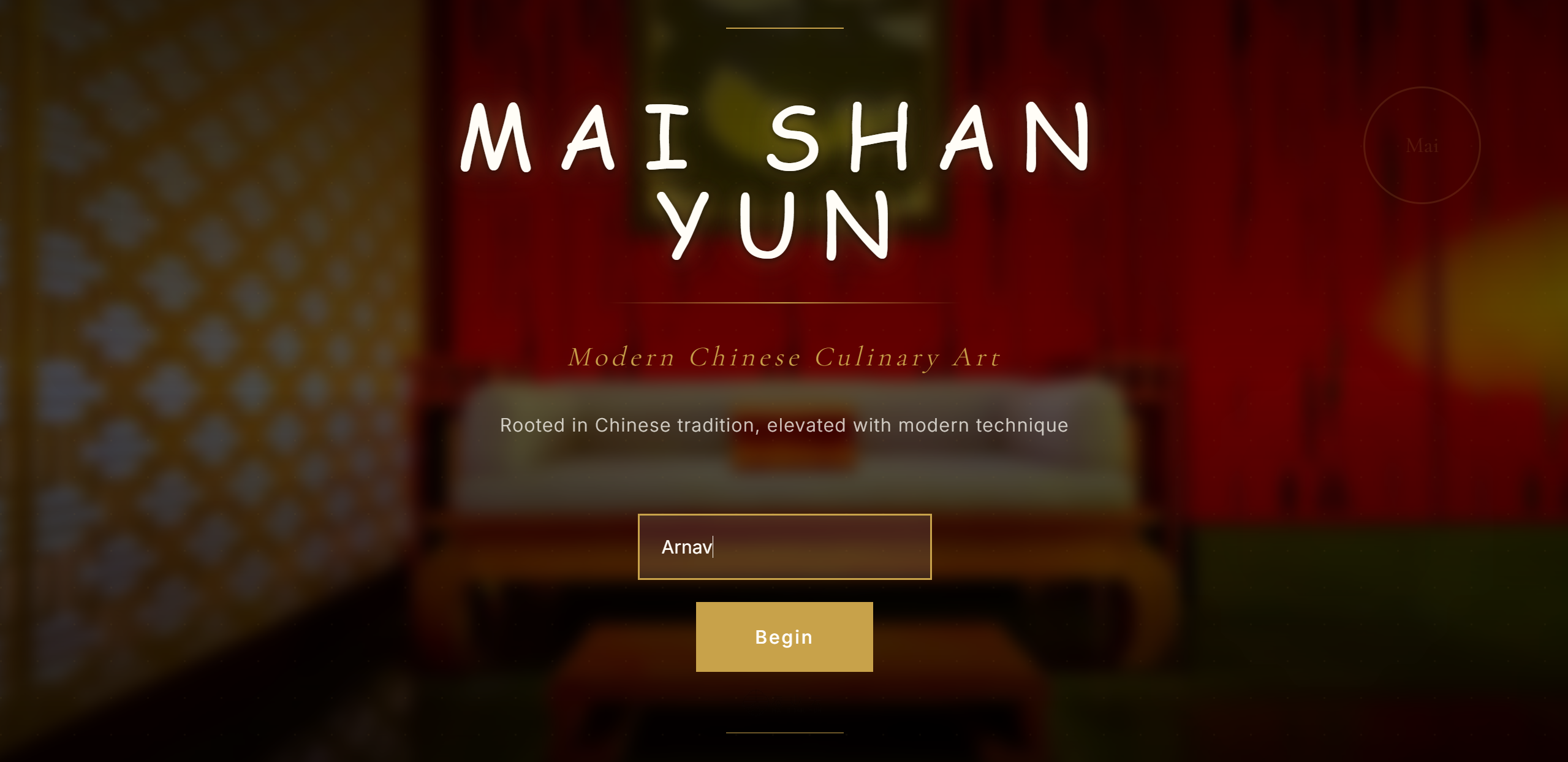
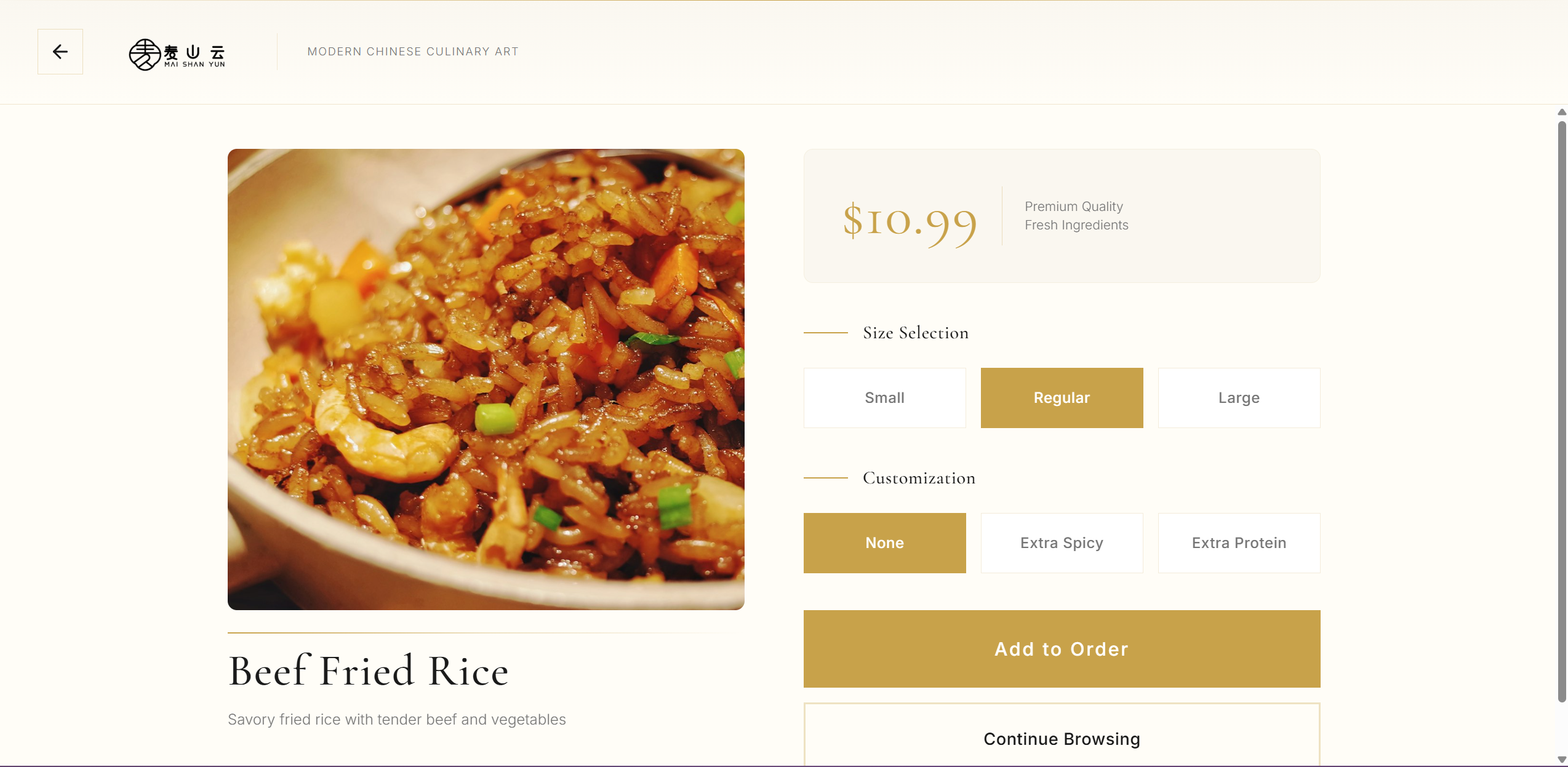
1) Automated Kiosk As regular customers, our team observed that waiters often have double responsibilities: serving food and taking orders. To reduce this workload, we designed a modern kiosk UI/UX that allows customers to place orders directly. These orders are sent in real time to the kitchen and stored in the system database.
By automating the ordering process, we aim to improve efficiency and allow waiters to focus more on customer service.
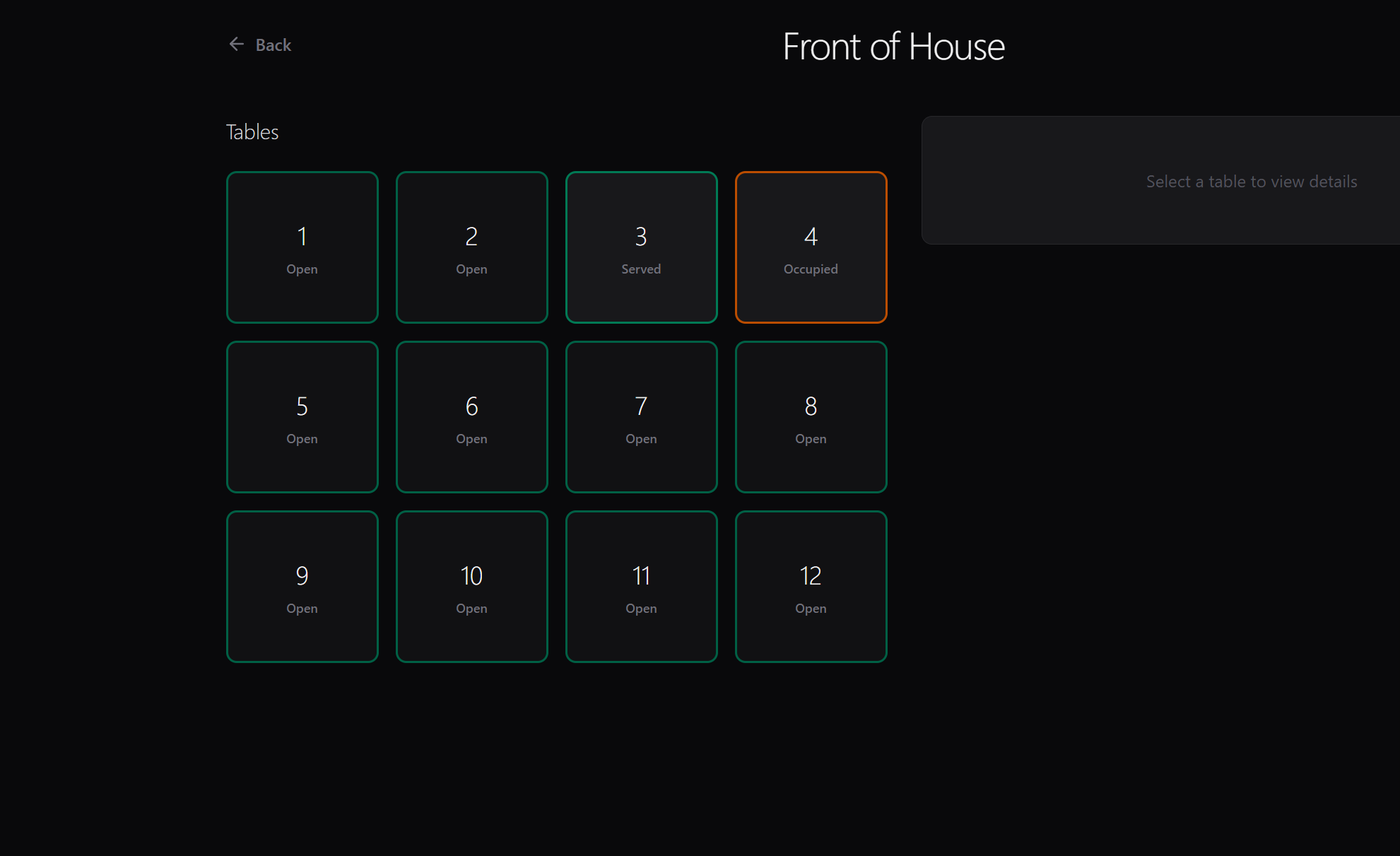
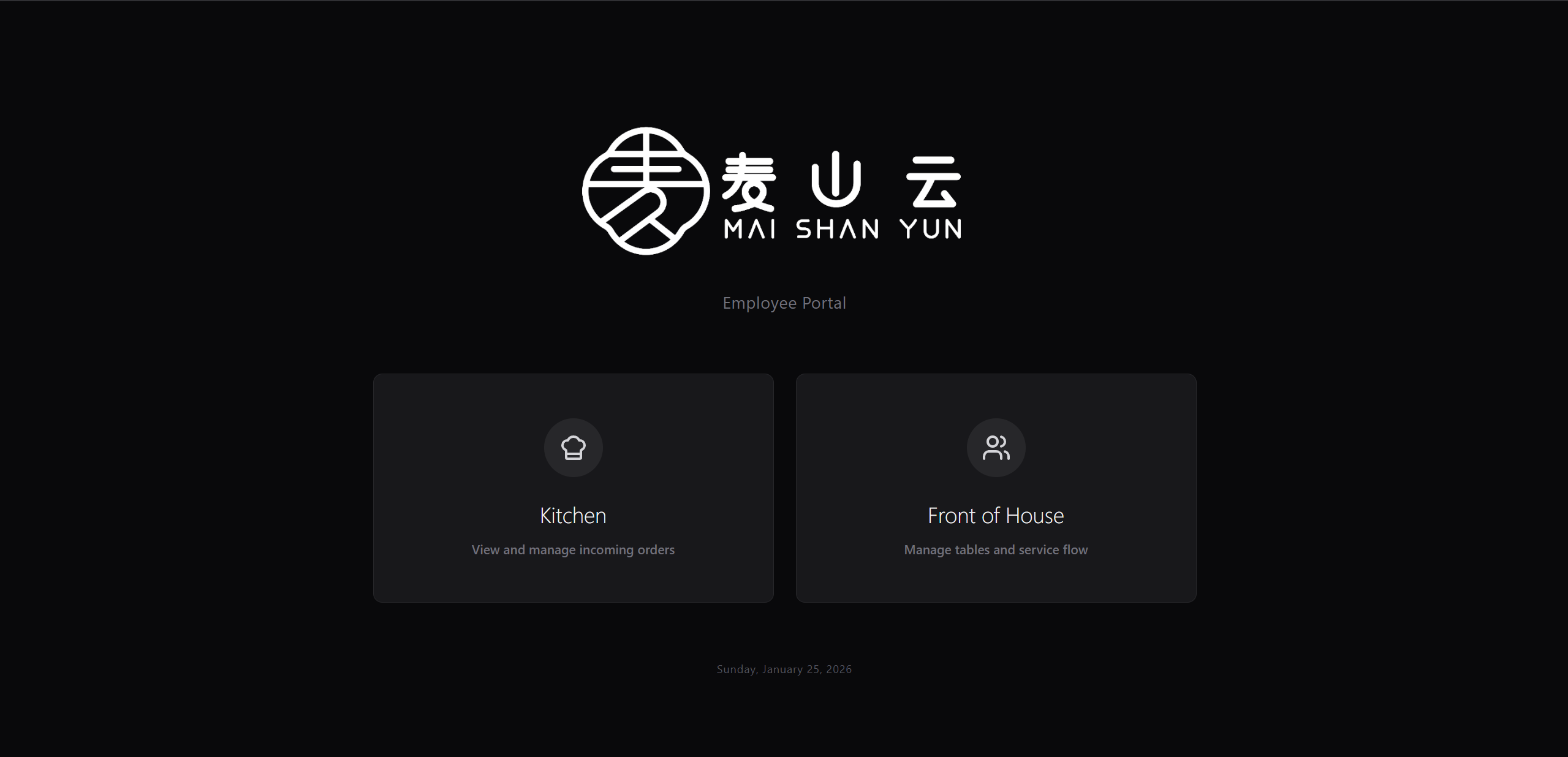
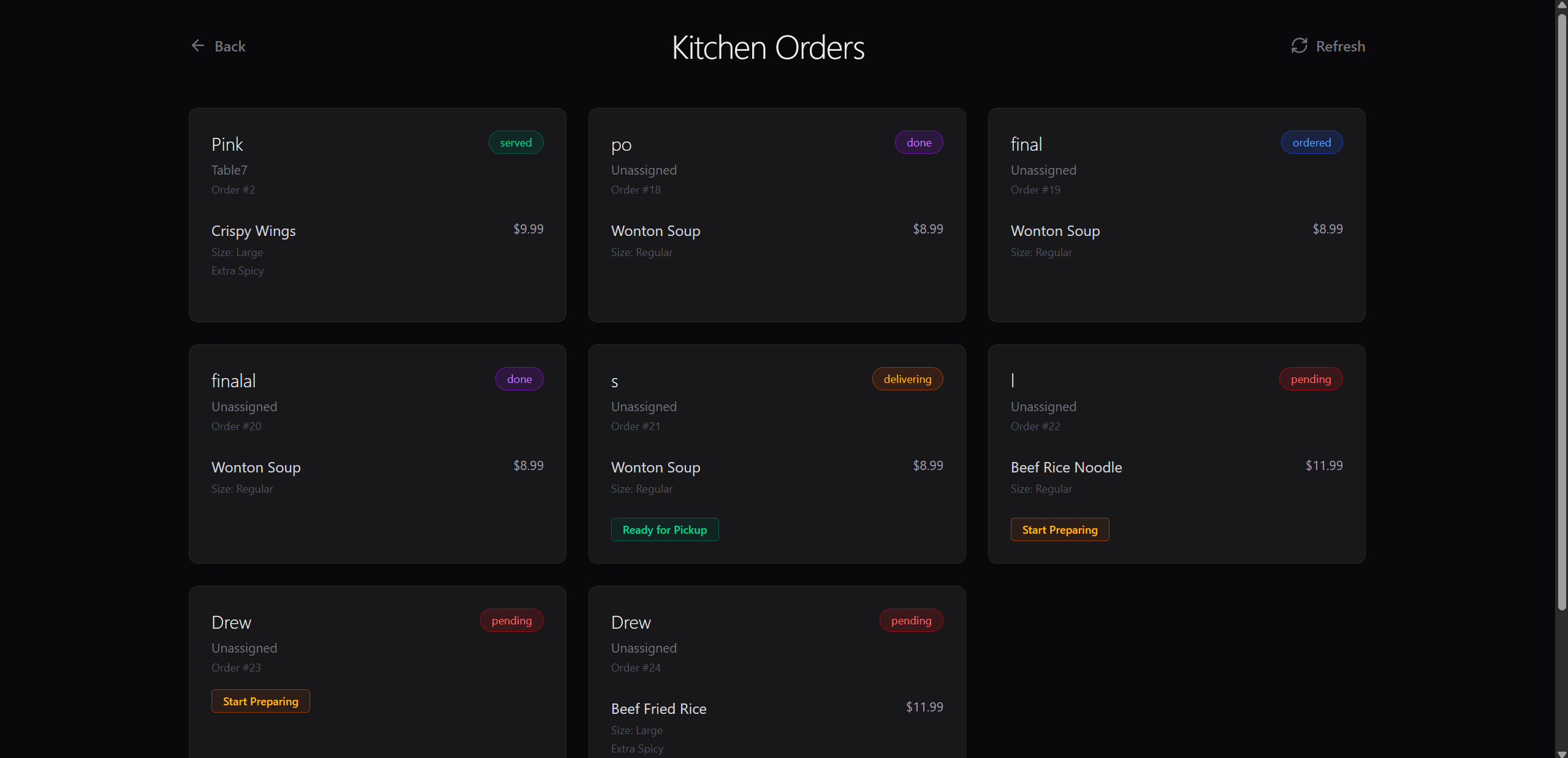
2) Employee Dashboard We designed a dedicated dashboard for restaurant employees to simplify their workflow. For cooks: A real-time interface where they can receive orders directly from customers and update the status of each order. For waiters: Tools to assign tables, track table status (e.g., order received, preparing, served), and manage customer flow efficiently. This system ensures seamless communication between customers, cooks, and waiters.
3) Database Our database connects the kiosk and dashboard, ensuring that all orders and status updates are synchronized in real time. Our goal is to make restaurant operations as smooth and comfortable as possible for employees while maintaining accurate and reliable data.
How we built it
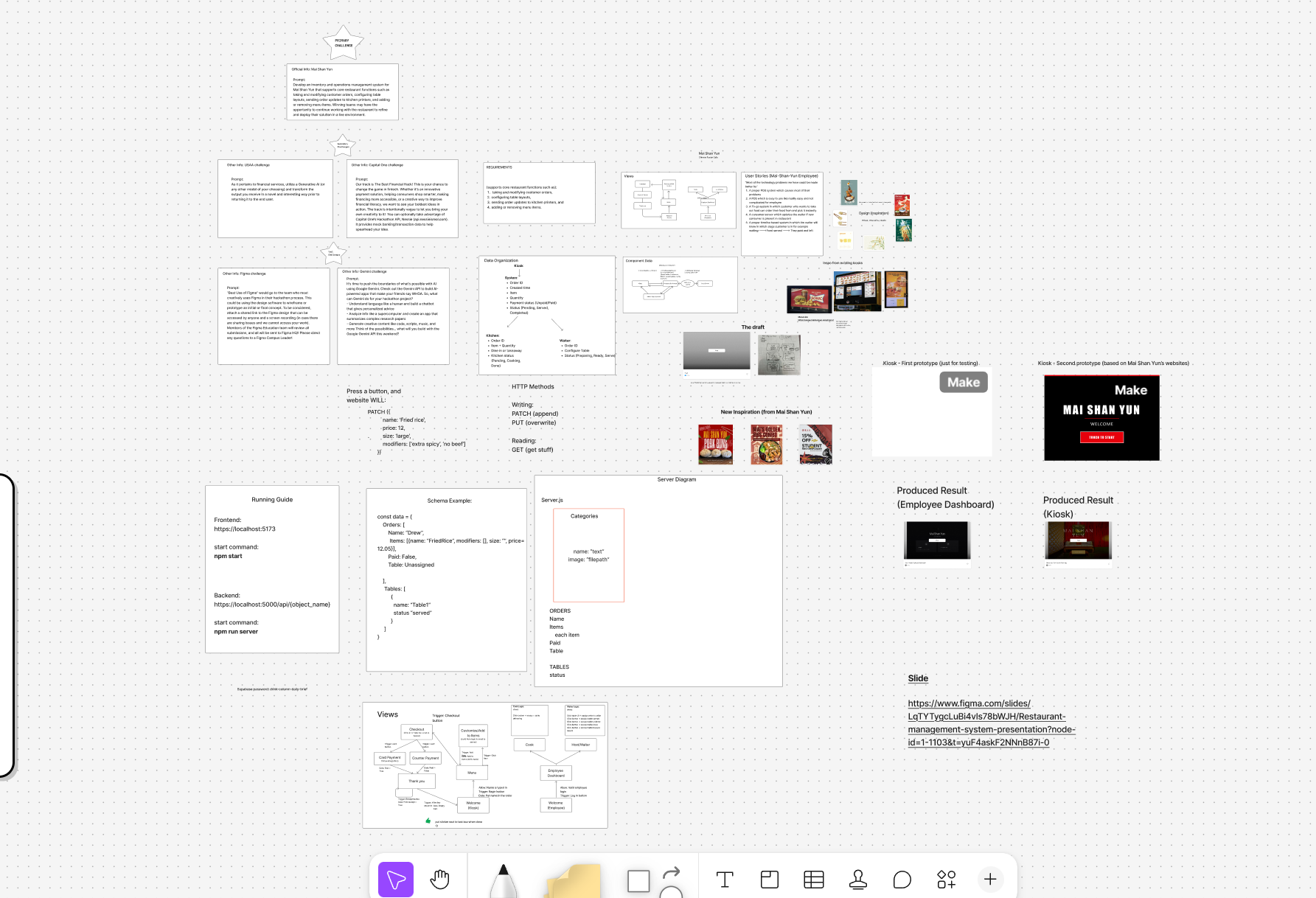
1) Choosing the Track & Planning We brainstormed several ideas and decided to focus on Mai Shan Yun as our inspiration, using Figma for design. Mai Shan Yun is Arnav’s favorite place for chicken fried rice, which made the project even more meaningful for our team. We also identified each team member’s strengths and roles early on.
2) Designing the Kiosk and Employee Interfaces Anh and Arnav started with basic sketches and prototypes on paper. We then designed the kiosk and employee dashboard using Figma and implemented them using VS Code. Soon, we had two local applications running using Vite.
3) Backend & Database Integration Drew and Mustafa developed the backend to connect the kiosk and dashboard systems. Once the backend was implemented, both applications were able to communicate with each other, making the system fully functional.
4) Testing and Cloud Deployment We initially tested the system using two local servers, which proved inconvenient. We then deployed the system to the cloud, enabling smoother testing and real-time interaction.
Challenges we ran into
For most of us, this was our first hackathon, so understanding the overall workflow and building a complete system in a short time was challenging. Learning Figma from scratch and turning designs into functional interfaces required significant effort.
Another major challenge was connecting two separate systems (the kiosk and employee dashboard) through the backend while ensuring real-time communication. Finally, coordinating as a team under intense time pressure was difficult but ultimately rewarding.
Accomplishments that we're proud of
We successfully built a fully functional automated kiosk and employee dashboard system that can genuinely benefit a local restaurant like Mai Shan Yun. In a single hackathon, we created an end-to-end solution where customers can place orders, cooks can manage and update order statuses, and waiters can efficiently manage tables. We are also proud of how quickly we learned new tools, collaborated effectively, and delivered a real-world product under tight deadlines.
What we learned
Through this hackathon, we learned how to design real-world UI/UX systems using Figma and rapidly build frontend applications with modern tools like Vite and React. We also gained experience in backend development and understood the importance of databases and real-time updates in scalable systems. Most importantly, we learned the value of teamwork, communication, and problem-solving in a fast-paced hackathon environment.
What's next for Mai Shan Yun
We hope that our visitors from Mai Shan Yun will enjoy our solution enough that we may have a chance to continue work on the system into the real world. Regardless, this solution can be used as a blueprint for future restaurant solutions.


Log in or sign up for Devpost to join the conversation.