-
-
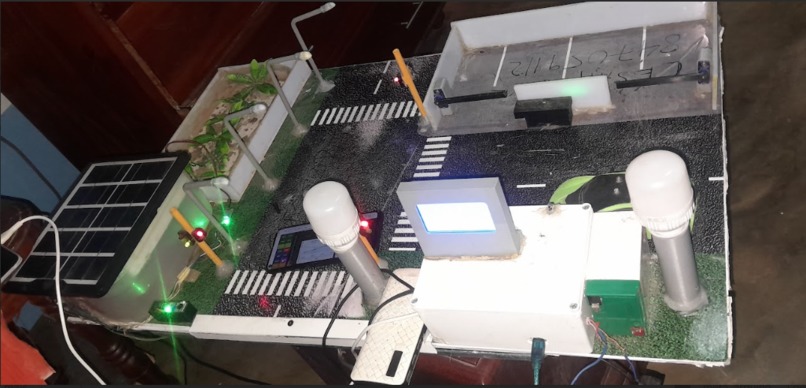
Fig. 1 – Magona Lab prototype after improvements, showing a design closer to the envisioned model.
-
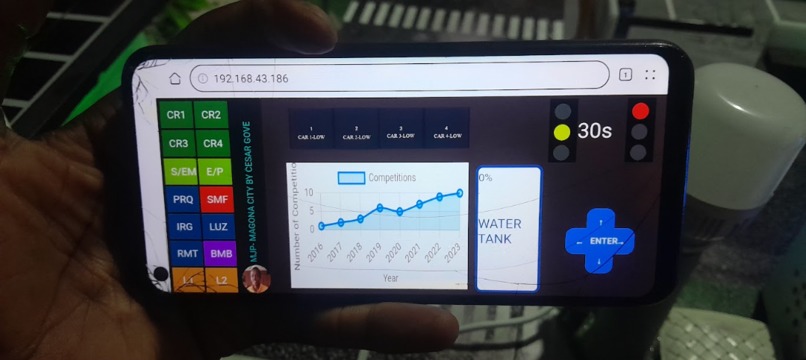
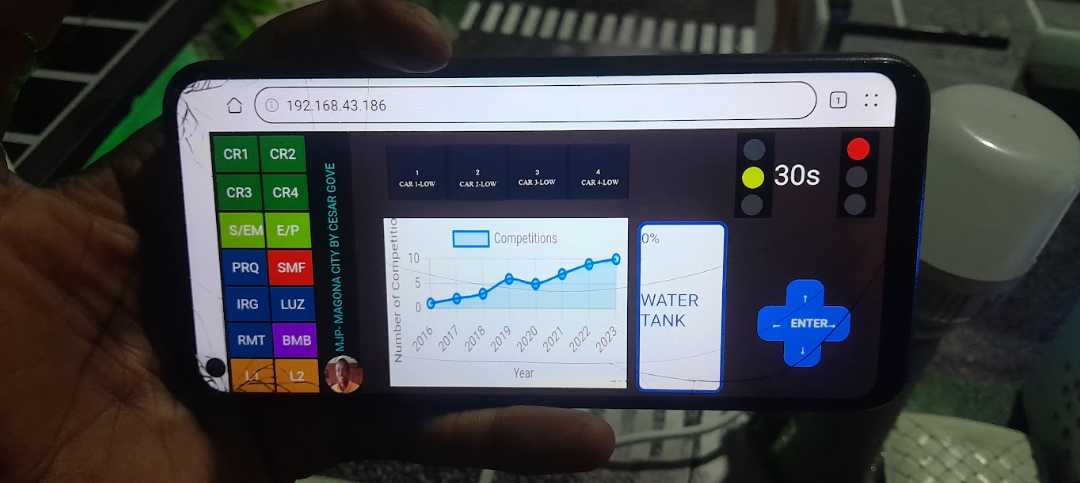
Fig. 2 – Interactive platform developed for Magona Lab
-
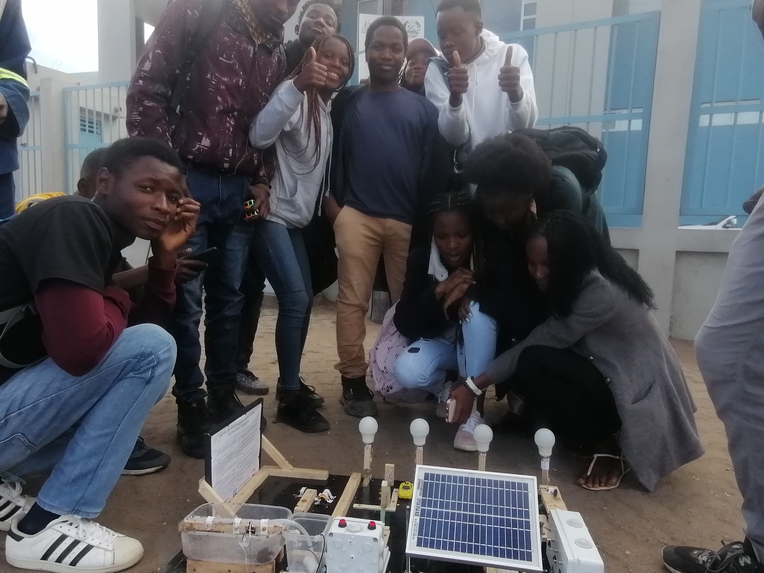
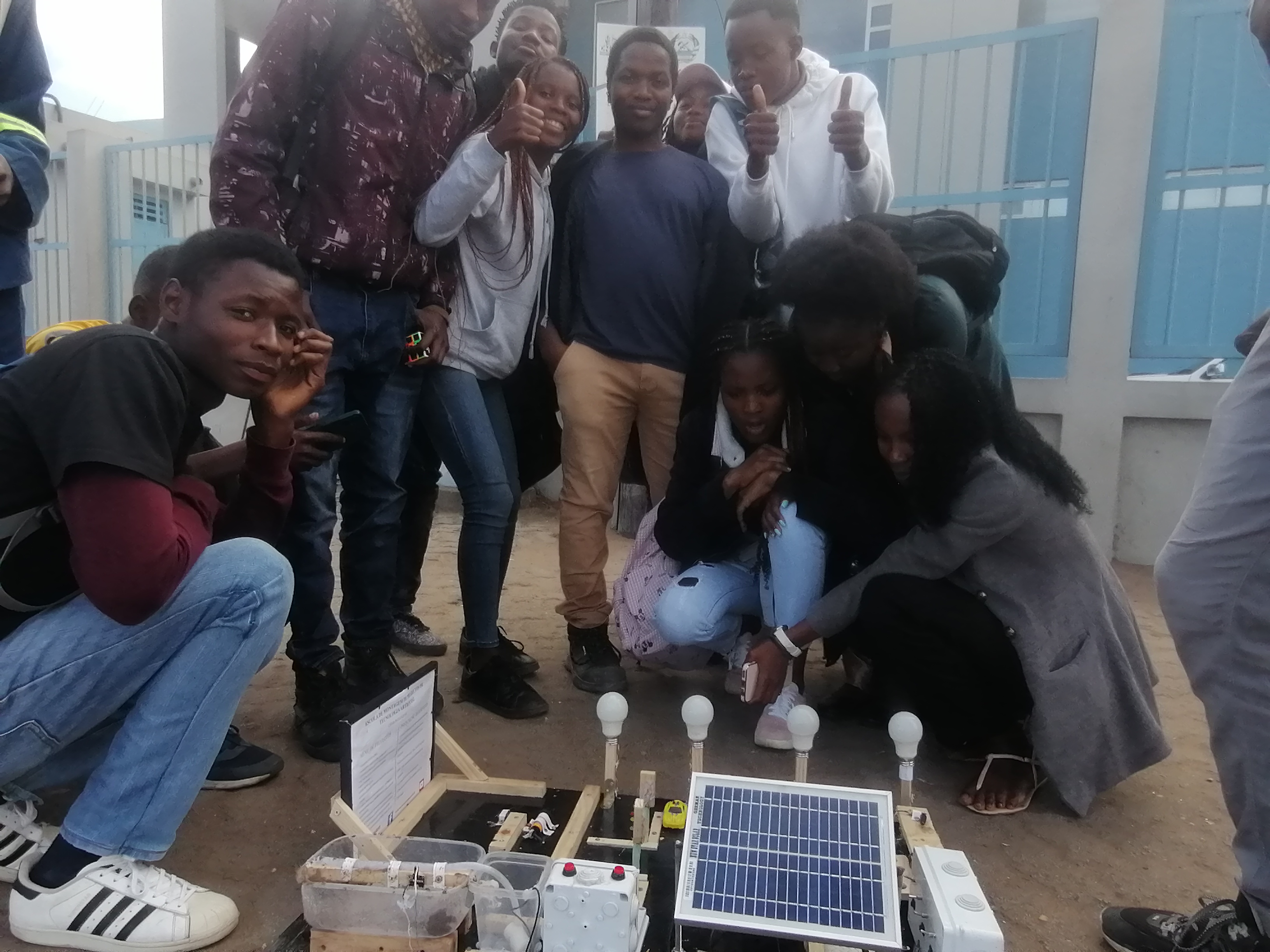
Fig. 3 – Initial version of Magona Lab, which already sparked interest and engagement from students, teachers.
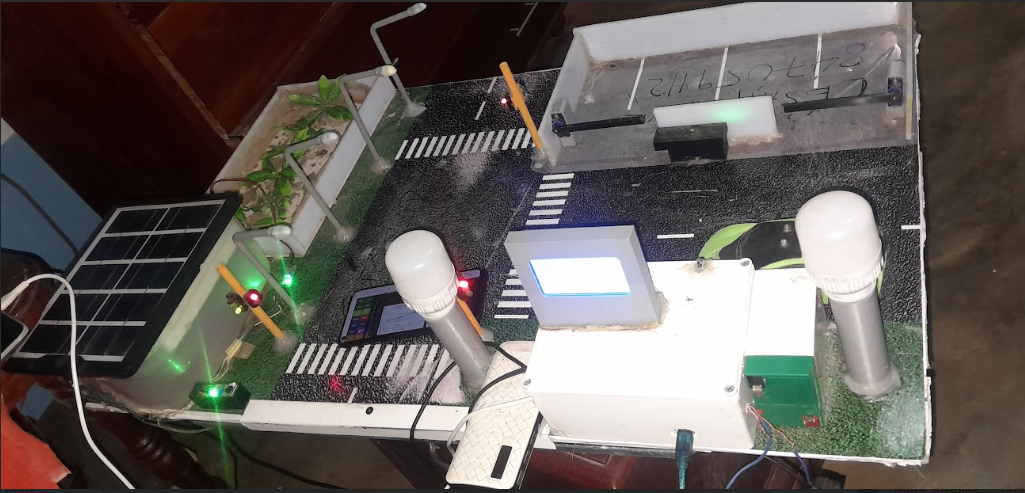
MAGONA LAB-EDUCATION MODULE
Magona Lab is an interactive mobile laboratory based on components such as Arduino and ESP8266, designed for teaching programming and STEM (Science, Technology, Engineering, and Mathematics). In it, students have the opportunity to creatively and curiously develop software, exploring technological concepts through hands-on and interactive learning. The laboratory is composed of modules that simulate real-life everyday challenges, such as: • Solar energy (production and sustainable energy management) • Smart traffic light • Priority vehicle (simulation of emergency priority in traffic) • Automated parking system • Smart irrigation system • Public and domestic lighting system • Communication system All modules are equipped with sensors and can be explored by students through programming and individual creativity, enabling practical experiences in innovation.
Magona Lab also offers integration with dashboards and databases, supporting different programming languages such as C++ (Arduino), React.js, and Python. In addition, it enables the use of pre-trained Machine Learning models, allowing students to test and apply advanced AI concepts to solving everyday problems.
This laboratory is not limited to students: it can also be used by teachers, academics, engineers, and data scientists as a platform for teaching, research, and technological experimentation. The inspiration for creating Magona Lab comes from the need to strengthen practical learning in schools, from primary level to university. Throughout my academic journey, I noticed a significant gap in traditional education, which often focuses only on theory without providing students with real opportunities for experimentation. This lack of practice contrasts with both local needs and global trends, which increasingly demand professionals capable of applying knowledge in programming, science, and engineering to solve concrete problems. In addition, I am strongly inspired by the Kaggle platform, which deals with data science. This motivates me to continuously improve Magona Lab, enabling direct integration of datasets available there. Magona Lab has been envisioned for quite some time. My main motivation was to create an accessible educational module, capable of integrating science, technology, and practice in the classroom—sparking interest not only among students and teachers but also within local communities. Currently, Magona Lab is in the prototyping phase and requires financial and institutional support for further development and implementation in secondary schools, technical institutes, universities, and research centers. What I Learned During the process, I learned that building an educational project of this kind requires: • Knowledge in hardware (sensors, microcontrollers, communication modules). • Knowledge in software (embedded programming, data integration, artificial intelligence). • Financial resource management, since costs were one of the biggest challenges. Balancing hardware and software was essential to turning the idea into reality. How I Built It The first version of the prototype was simple but already demonstrated strong educational potential. It sparked curiosity and interest among: • Teachers • Students (both male and female) • Children from the community This initial impact gave me even more motivation to continuously improve the project.
Currently, Magona Lab already has a design closer to the desired outcome. Among the planned improvements are: • Calibration of measurements for greater proportional accuracy. • Inclusion of appropriate components, such as a camera and touchscreen display, enabling local programming without the need for an external computer. • Industrial-level technical adjustments to ensure reliability in a laboratory environment. Challenges Faced
- Financial – The lack of resources delayed some stages of development.
- Technical – It was necessary to deepen knowledge in both hardware and software.
- Structural – The first version had limitations but served as a foundation for continuous improvement.


Log in or sign up for Devpost to join the conversation.