-
-

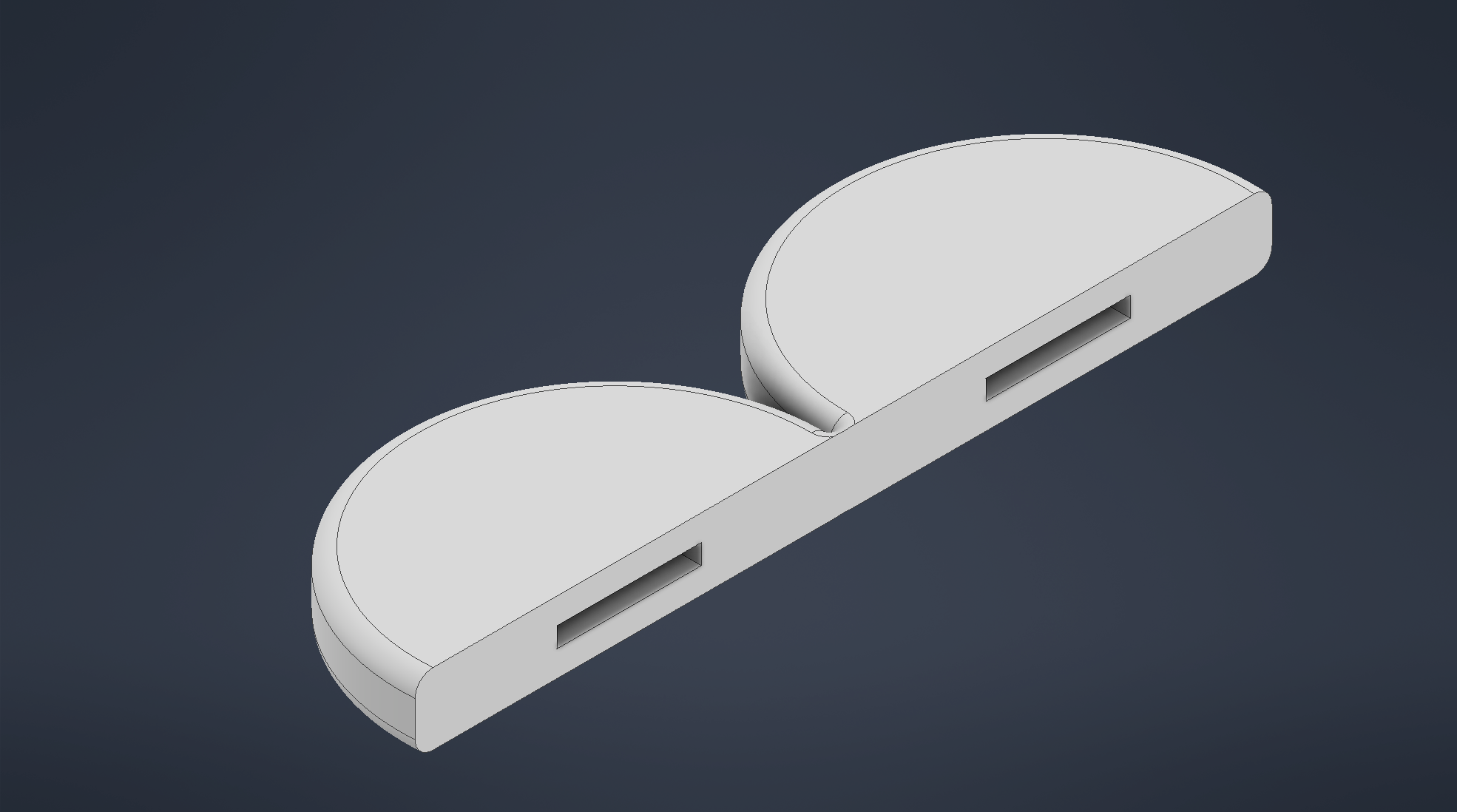
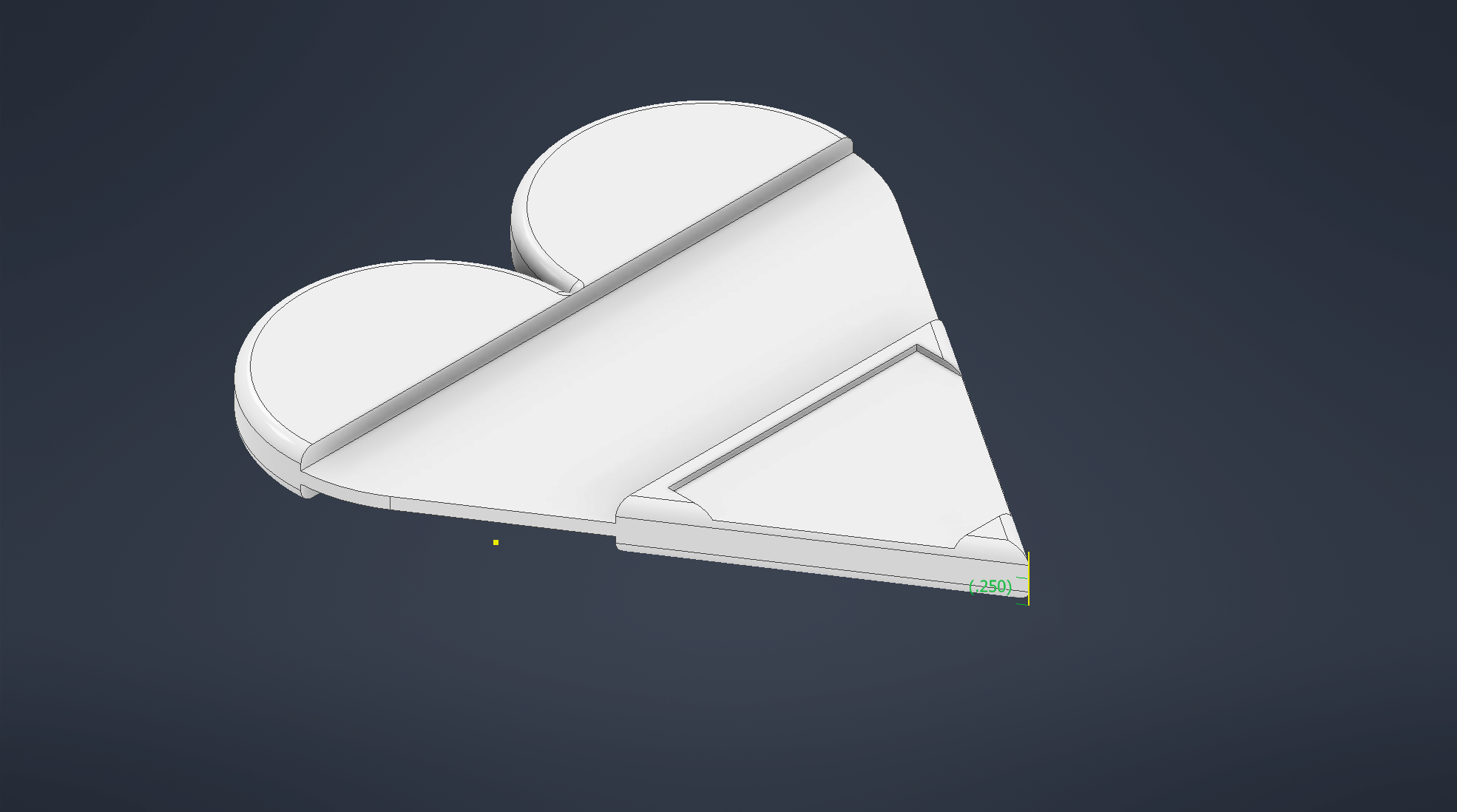
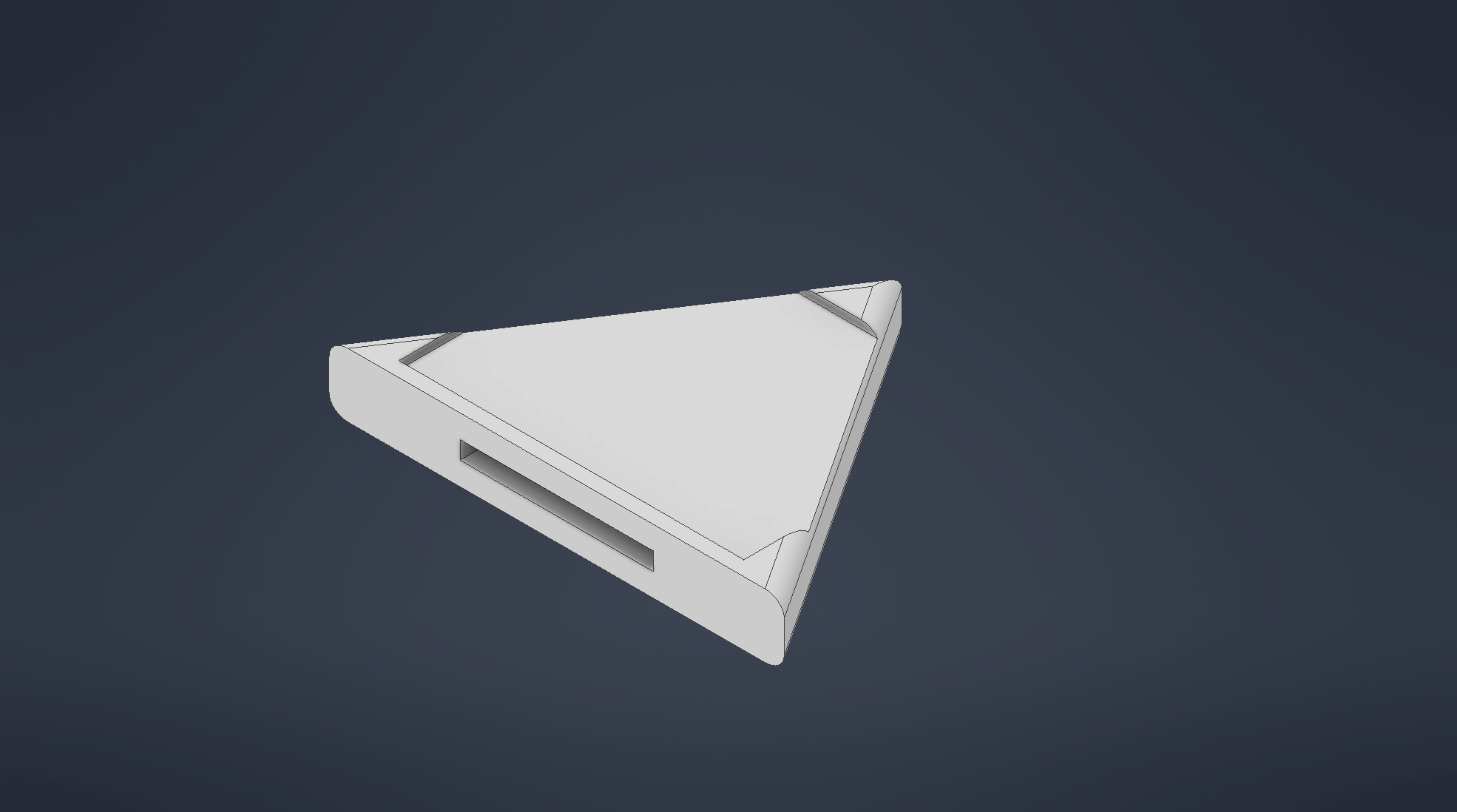
Middle heart section
-
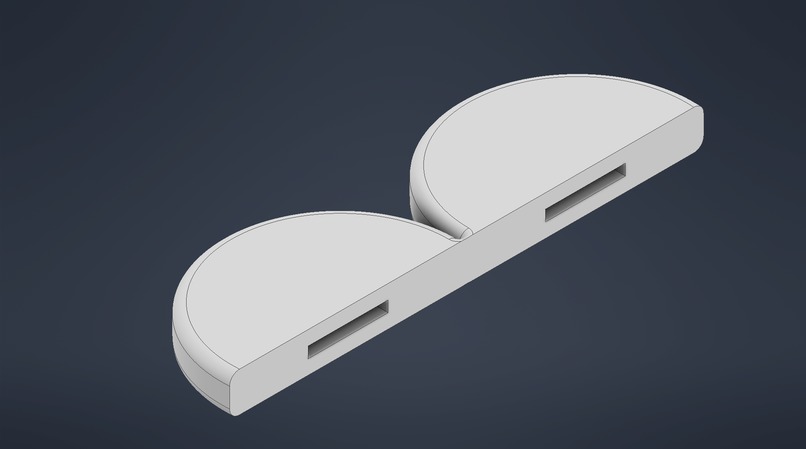
Top heart section
-

Final assembly of heart casing
-
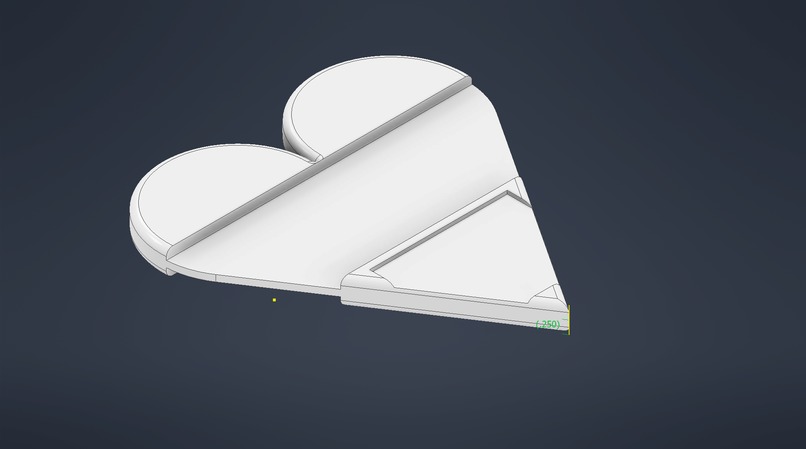
Prototype heart casing
-
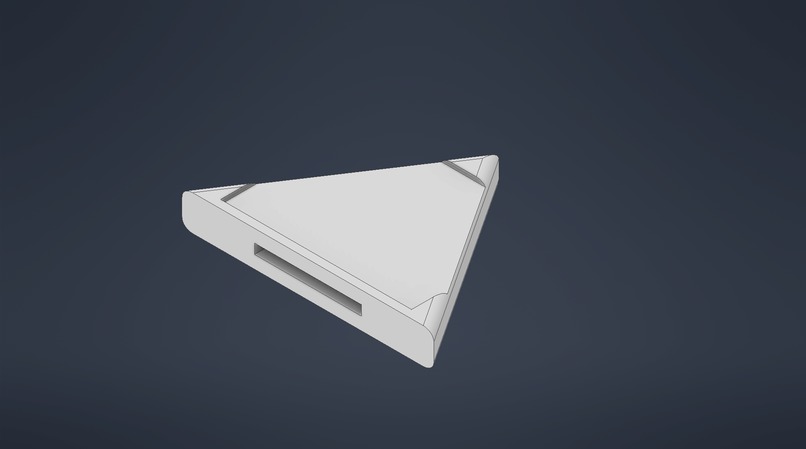
bottom heart section


Inspiration
Our team consists of two bioengineering majors and one computer science major (who is going on to do bioengineering graduate work), which as you may expect, made our decision to pick the healthcare track simple. However, we struggled to figure out exactly what we wanted to do. After the opening ceremony we sat in the JC brainstorming for, quite literally, hours. We knew we wanted to do a project involving both hardware and software, but finding an idea that fit our timeframe was difficult. However, one of our group members finally said something that stuck with us. "What if there was a way to detect the movement of central venous catheters as they are moved through the body into position using magnets?" See, the current method used to detect this movement is X-Rays, which while effective, they open patients up to radiation exposure, which can lead to a number of health issues. In addition to this, X-Rays are incredibly expensive, and they require experienced technicians to operate. Magnets however, do not involve any radioactive materials or exposure, magnetic material is cheap, the sensors to detect it are cheap, and using a magnetic sensor does not require any experienced technicians. All of this is what inspired us to make this system. We knew that this process was outdated, and we knew we could provide a prototype that could have the potential to improve the patient experience, and the safety of this procedure as a whole.
What it does
Simply put, this device detects magnetic fields, and provides an accurate way to determine a magnets position though an opaque material. In practice though, what it will do is detect the magnetic field put off by a catheter that has been mixed with magnetic material so that the position of that catheter can be determined as it is inserted. To do this, the bottom of the system has 6 Hall effect sensors. Two of which are placed at either end of the board (which we will refer to as "proximity sensors"), and 4 are placed in an array in the middle (which we will refer to as the "sensing array"). The top of the system has a screen and 4 LEDs. When one of the proximity sensors catches the field the screen says "Move Forward" or "Move Backward" depending on which proximity sensor was activated, so you know how to get the magnetic object closer to the sensing array. Then, once the sensing array picks up the magnetic object, a couple of things happen. First, each sensor in the sensing array has a corresponding LED on the top that will light up when that sensor is activated. Additionally, depending on the number of sensors activated the screen will display a message on how close the object is to the center of the sensing array. Then, all the user has to do is wave the system around, follow the on screen prompts, and the system will guide them on centering the magnetic object. Then, you know where the magnetic object is, even though you cannot see it!
How we built it
The code was written entirely in C++ using the Arduino IDE. It is not a long, or complicated script, but it provides a unique and simple interface between the different hardware components. It also provides all the logic for the screen prompts, and the connection between the sensors and LEDs. In essence, it acts as the logical, software, core to this system.
The hardware is simply an Arduino wired into numerous electronic components (using a breadboard). The specific wiring is somewhat complicated, but in essence, it was built to have one component per pin, making the software significantly easier to write. Additionally, it is all powered by a simple 9V battery. While we did not have to make any complex circuit diagrams, all of the wiring was done by hand.
The casing was 3D printed, and the design was made by one of our group members.
Challenges we ran into
The better question would be: what challenge didn't we run into. We faced overly sensitive sensors, complex documentation on hardware, lacking software documentation, and wire management issues. All of these cause difficult to pin down issues and errors we could not make sense of. My favorite one was when our screen would only print garbage then shut off. However, we learned so much about the software and hardware we were using, and now I think we can all say we are experts on this. We took each challenge in stride, and as a team, we worked together to solve them.
Accomplishments that we're proud of
We are proud that we got this to work, and that it works exceptionally well. We are proud that we made it so cheaply, that its design is so simple, and that it could actually be a produced product. However, the accomplishment we are most proud of, is that it's a device that answers our initial question. We know that this device has actual potential for medical uses, and that it could be used to innovate the process of central venous catheter insertion. It could help prevent radiological exposure, and it could prevent a huge expense on the part of the patient.
What we learned
The code, while simple, represented a huge learning curve for us. Before this project, none of us really knew much about how to use an Arduino, or how to write functional code for one, so we had to start from scratch. We learned that the hardware is supposed to be dealt with in very specific ways, and when not handled properly, it can lead to very confusing and contradicting behavior. This led us down a rabbit hole on different libraries and API's we could use, but we quickly realized that we were overthinking everything. We learned that at its core, the code is simple. Each piece only needs one or two setup statements, and it would work properly. We didn't need this complicated functionality, all we needed to do was turn this LED on (after setting its pin to be output; don't as us how long it took us to figure that out) or read the output from that sensor. The rest was figuring out how to make all of our hardware components work, and how all the wiring needs to be done.
What's next for Magnetically Actuated Central Venous Catheter Detector
 The Magnetically Actuated Central Venous Catheter Detector struggles with range. It can only detect magnets about 2 cm away from each sensor (which is likely because they were $0.70 a piece), so improving the hall effect sensors to be more sensitive would largely improve this device. The LED and Display board work perfectly, but could always be minimized. Lastly, the bulk of the device makes it difficult to maneuver and detect with strong precision (as it takes up a lot of visibility).
 This device would make tremendous impacts abroad, in hospitals in 3rd world countries where at hand X-Rays aren't available. A central venous catheter is tremendously important for delivery of medicine straight to the heart, making an easy and quick catheter placement essential and a hot commodity in any busy hospital.


Log in or sign up for Devpost to join the conversation.