Inspiration
Engineering teams and project managers spend countless hours translating meeting discussions into actionable Jira issues. We found ourselves manually creating 15-20 tickets after each sprint planning session, often discovering later that we'd missed critical dependencies or subtasks mentioned in passing. This repetitive process was eating into time better spent on actual development.
What it does
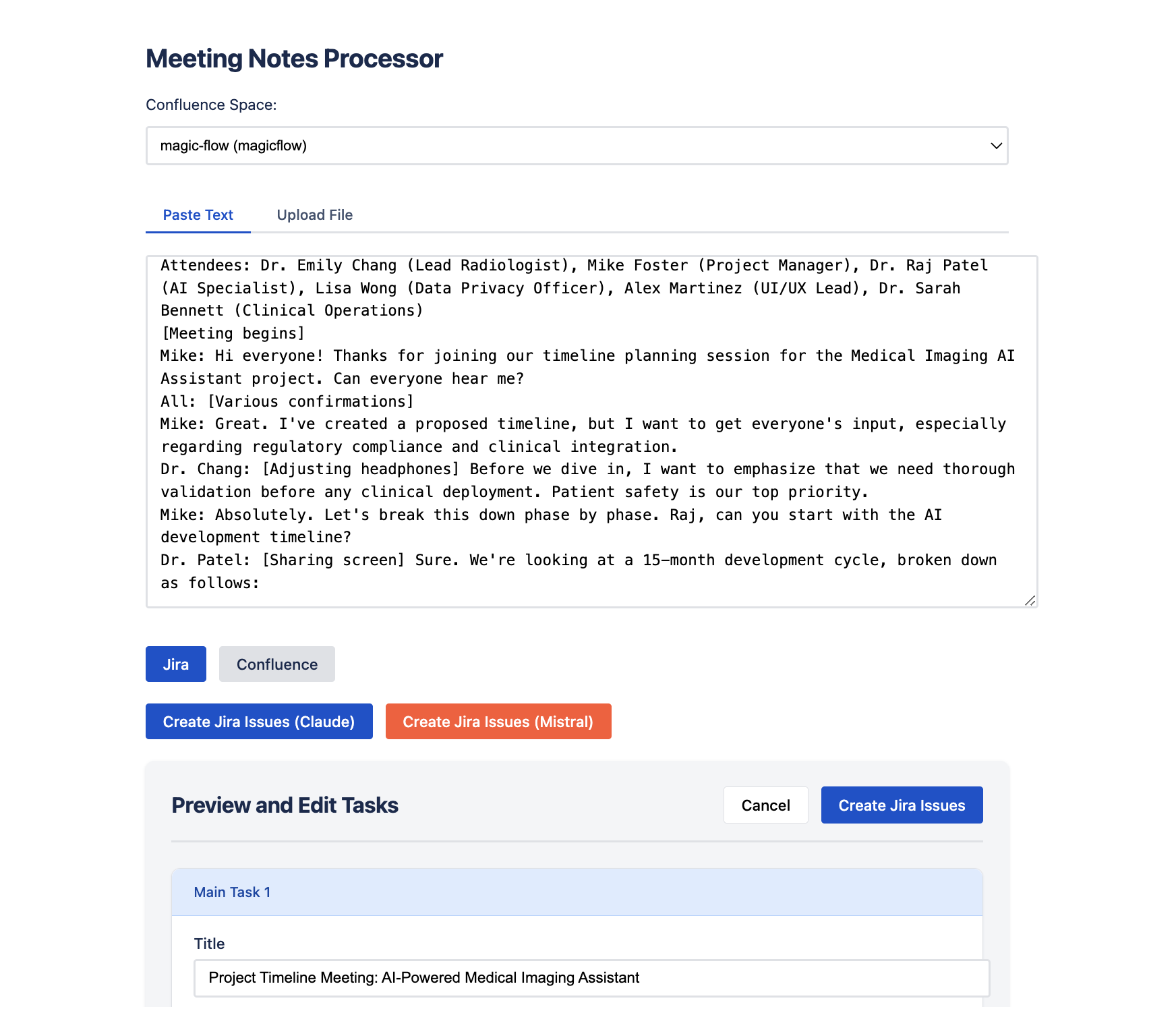
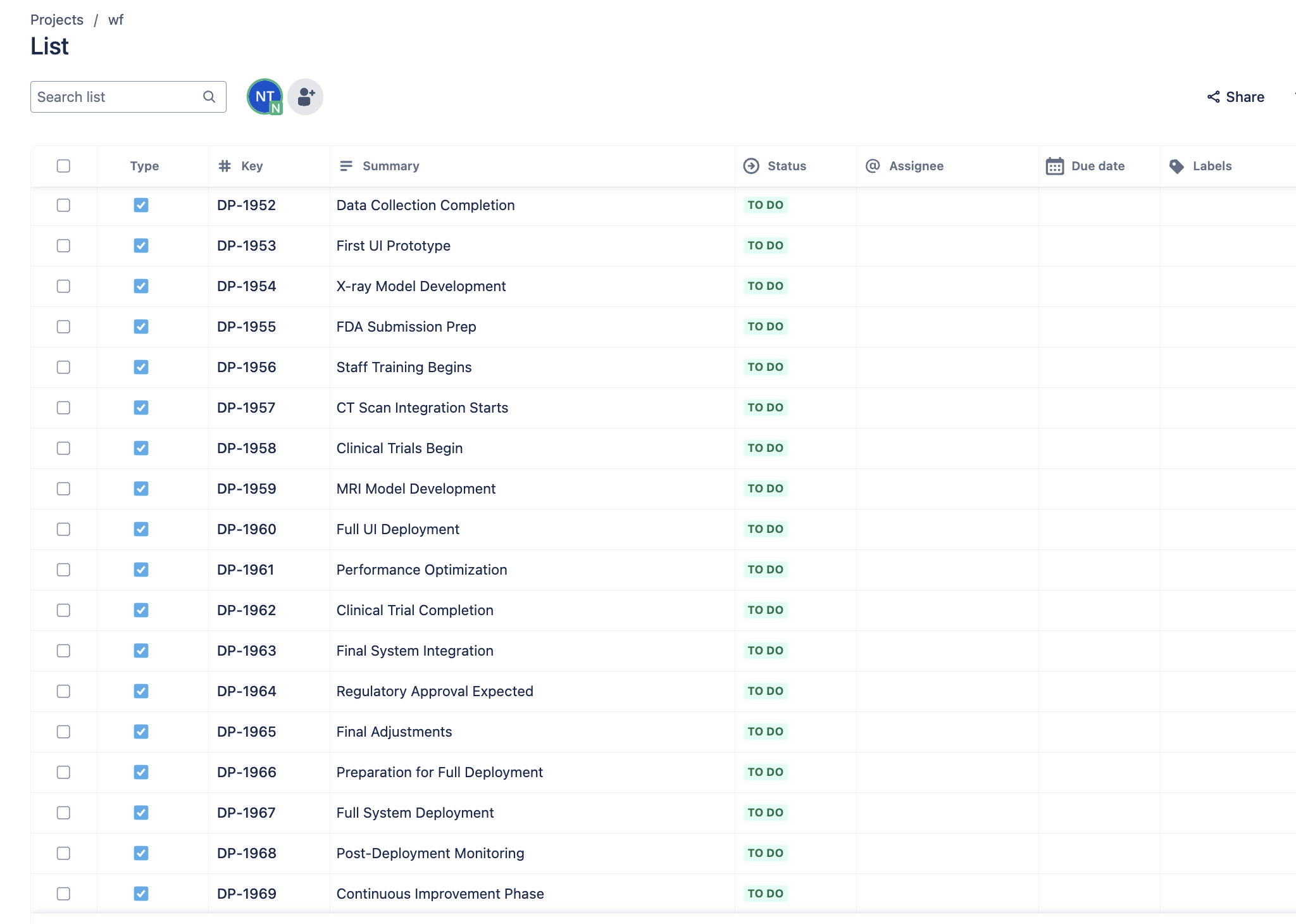
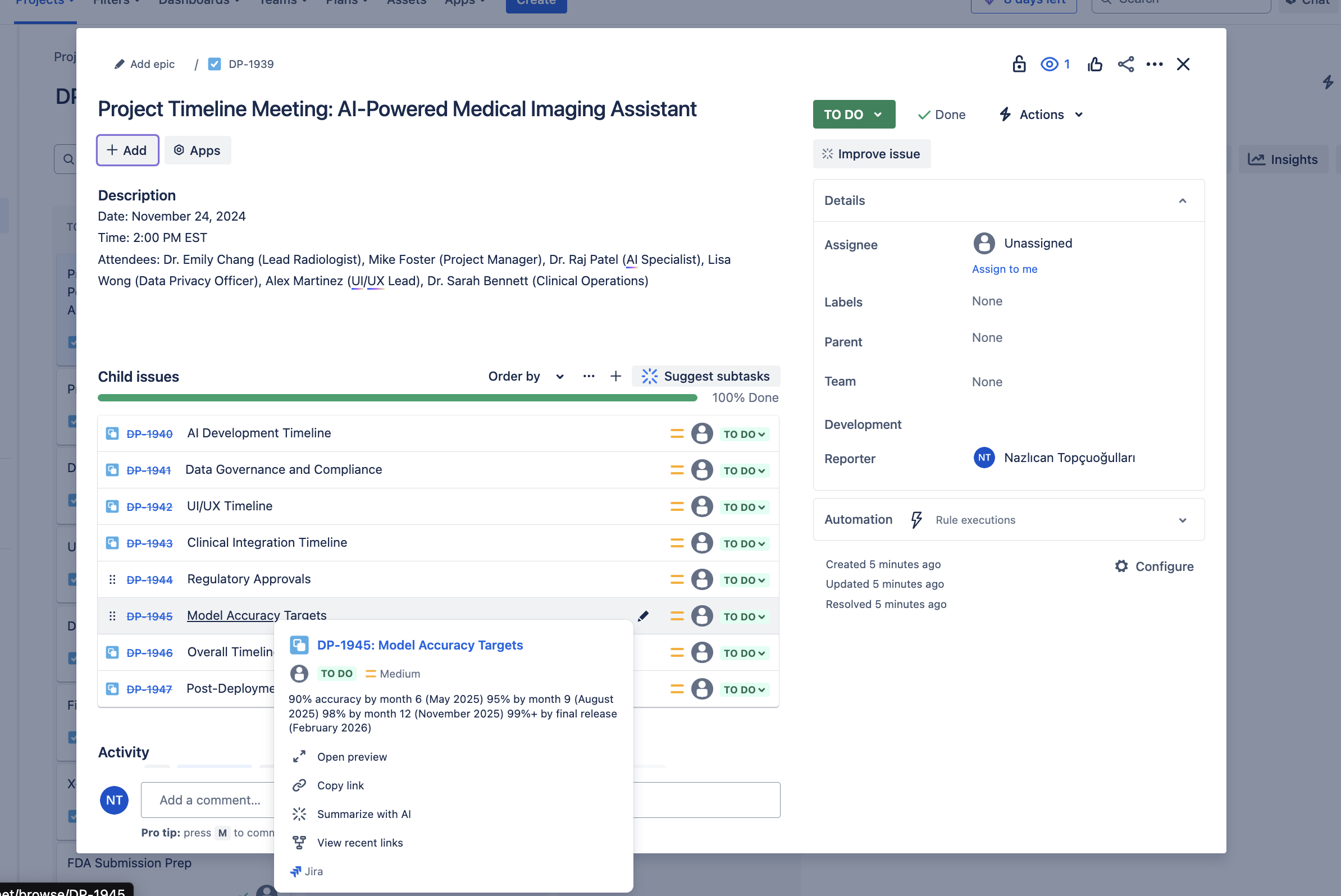
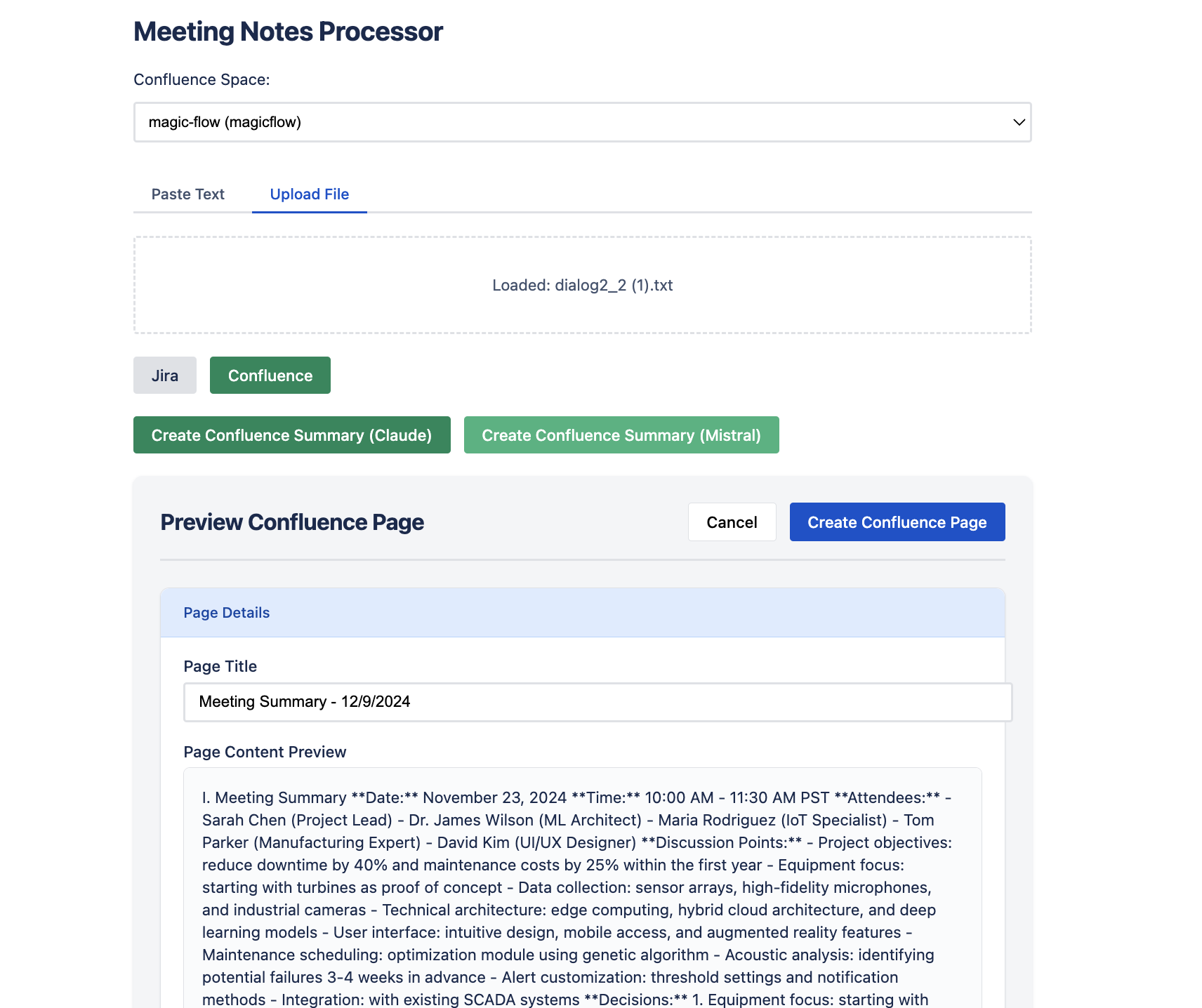
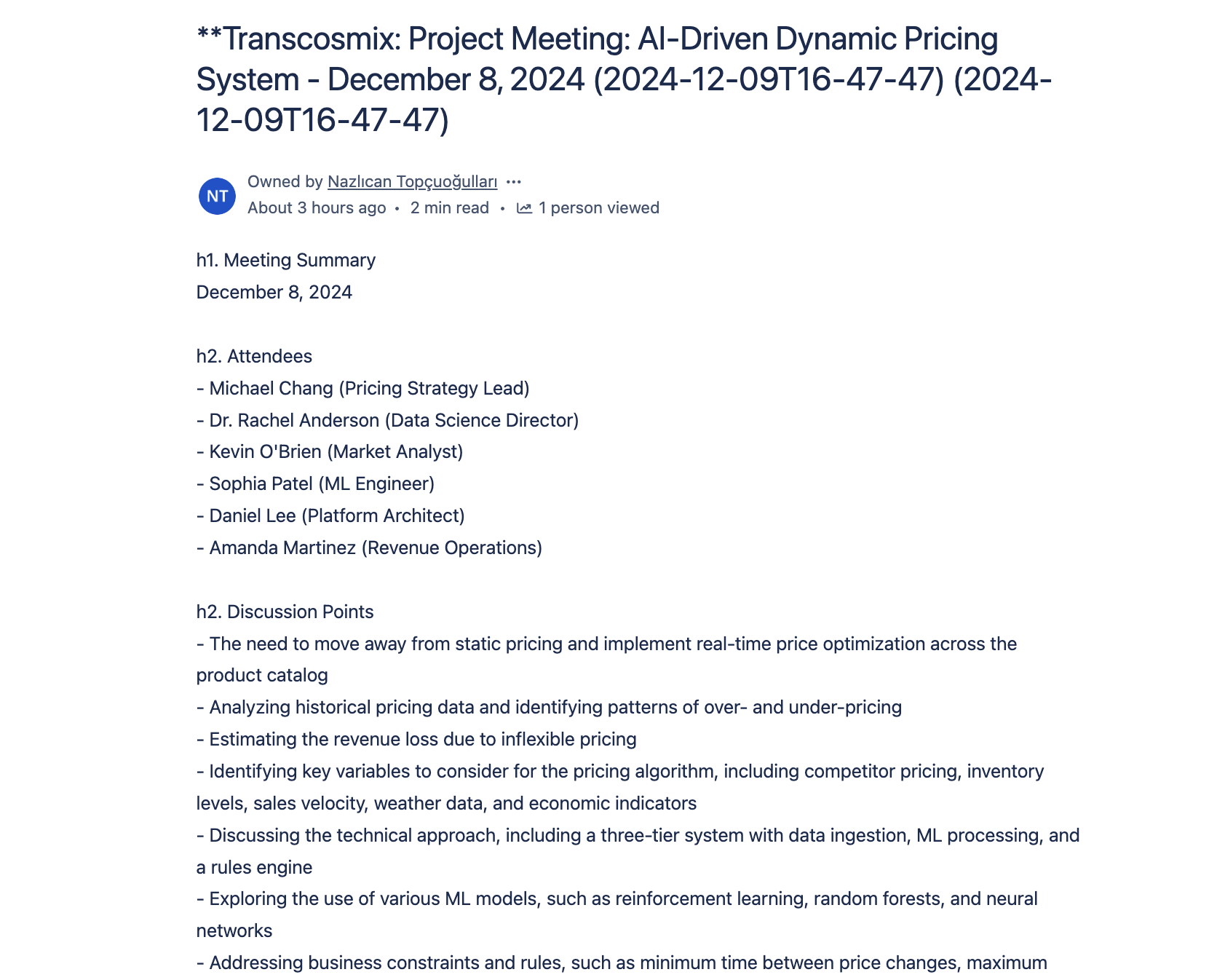
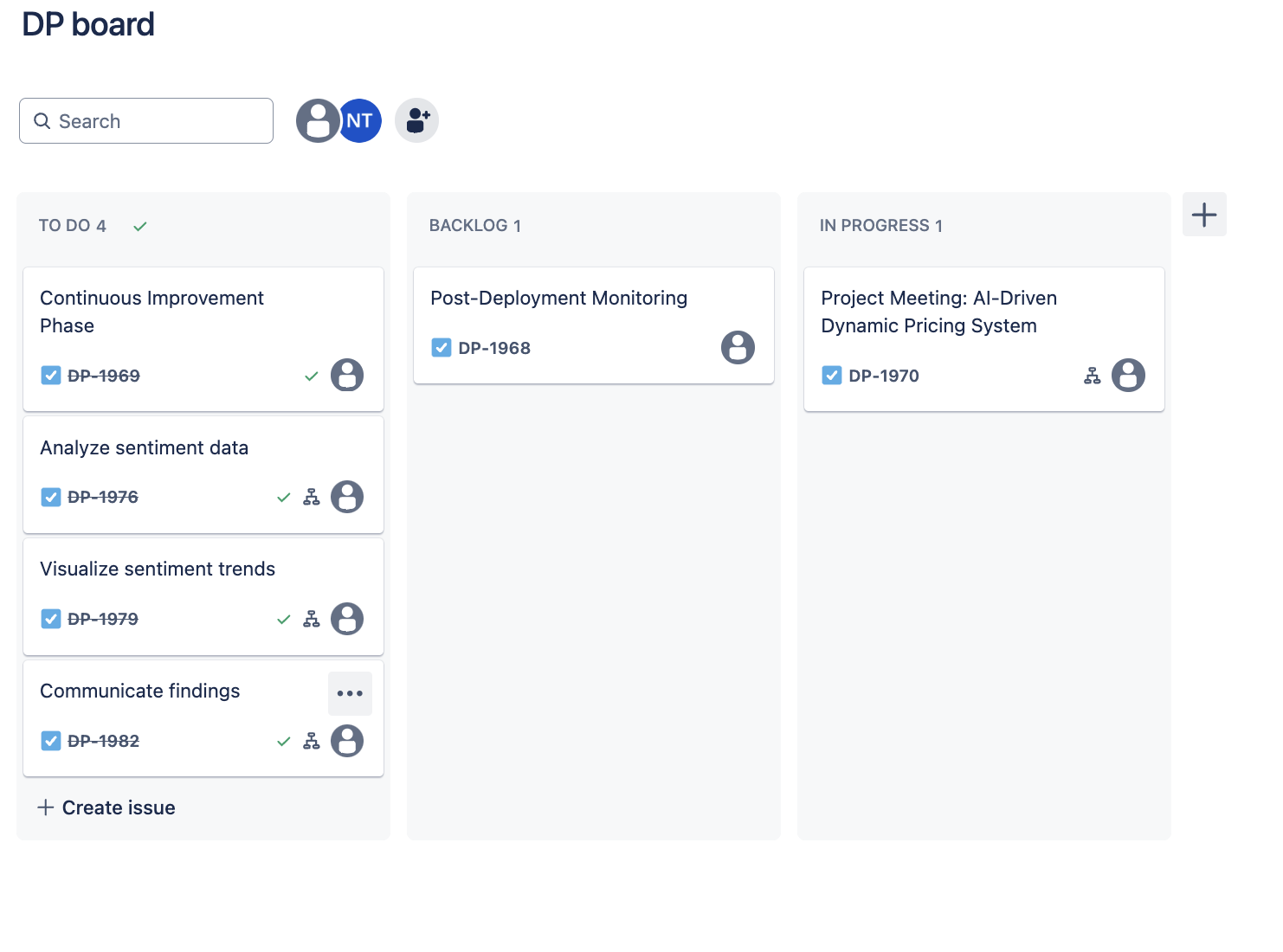
MagicFlow automates the creation of structured Jira issues from meeting transcripts using AI / LLMs. It integrates with common meeting platforms (Teams, Zoom, Meet) to process discussion content, identifies action items and their relationships, and generates a draft set of Jira issues for review. Each processed meeting also gets an summary automatically added to Confluence, maintaining meeting summary documentation without extra effort.
Additional features:
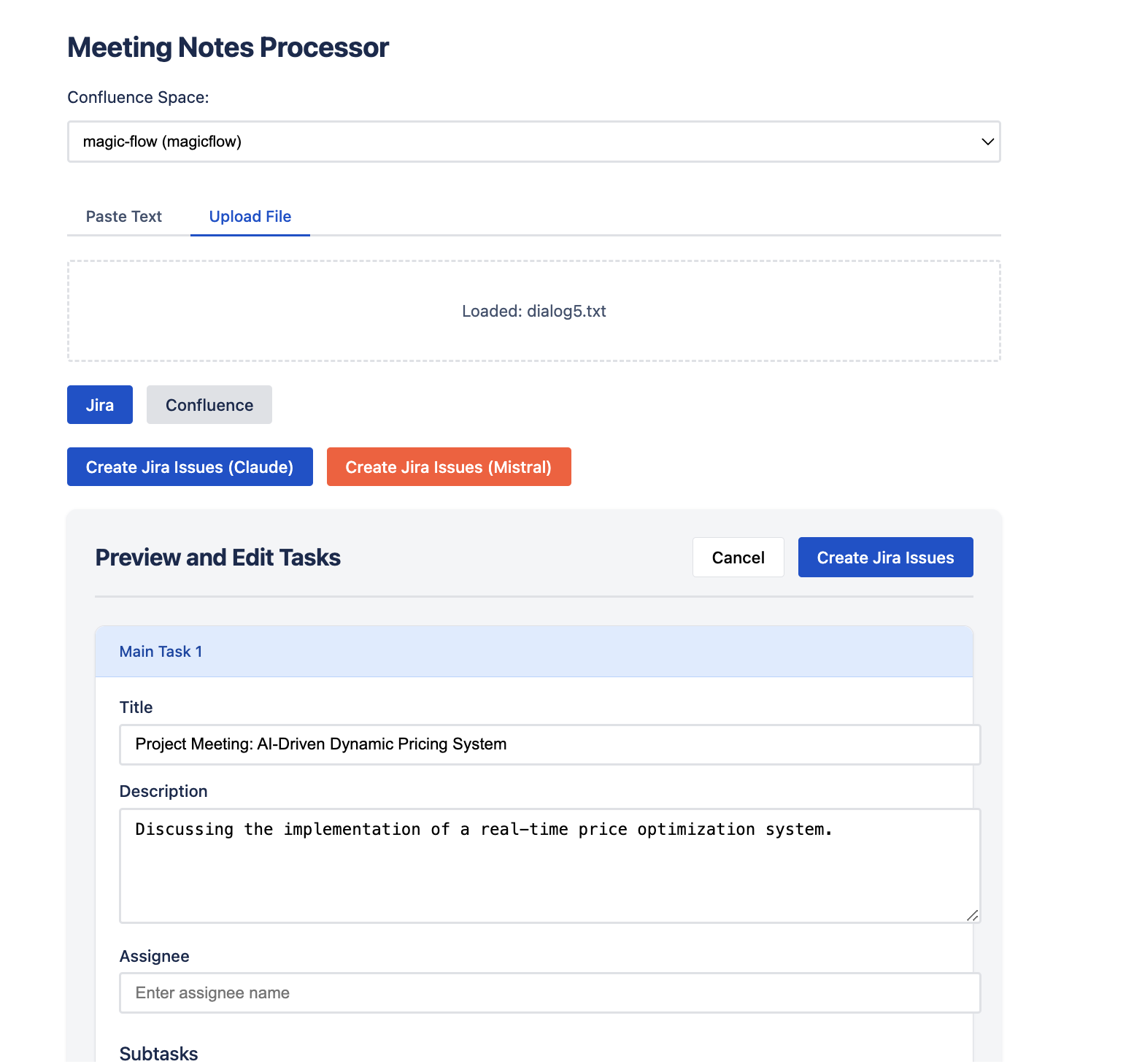
- Commercial vs open-source LLM options (Claude and Mistral)
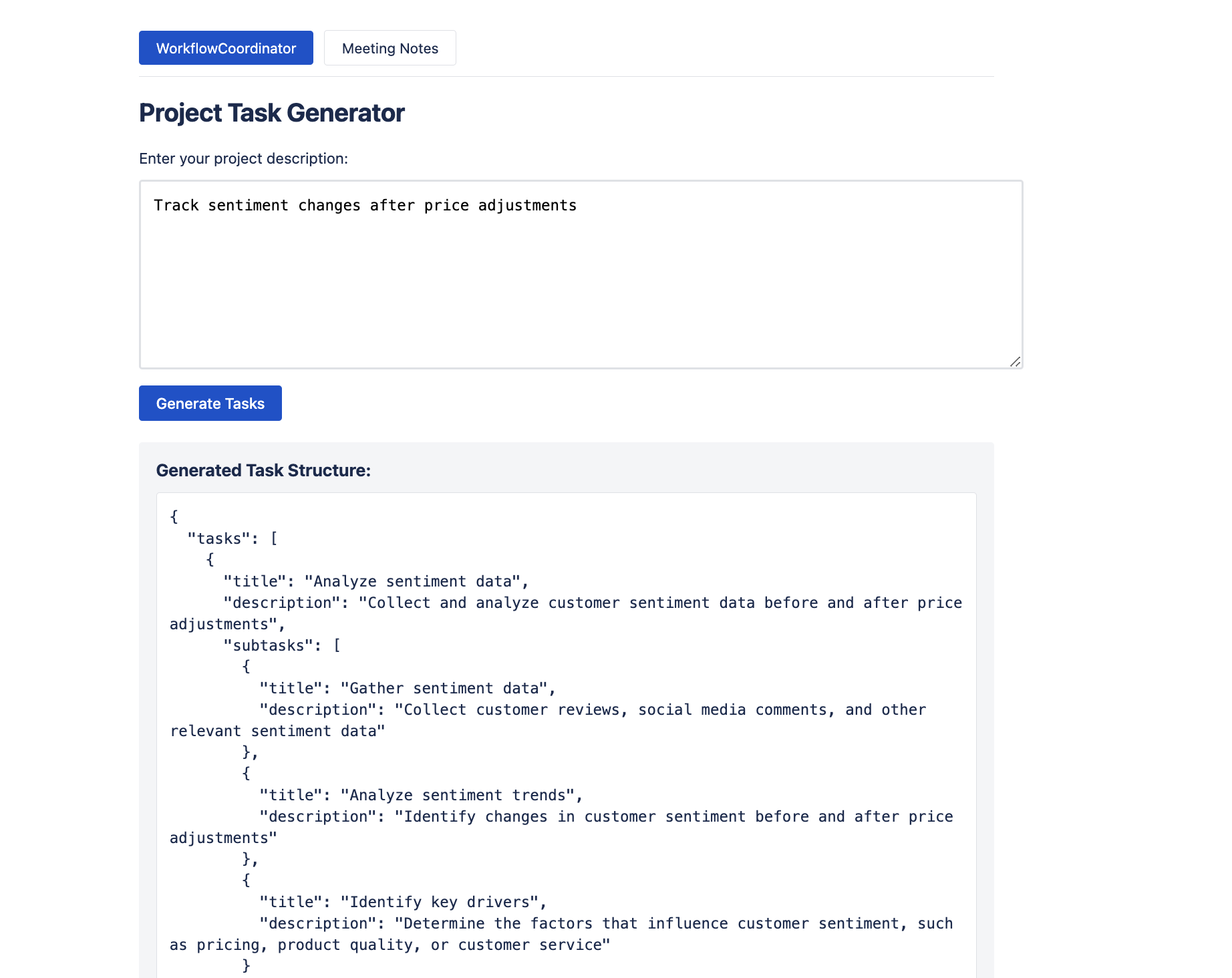
- Workflow-GPT: initialize Jira tasks for new projects using text descriptions
- Preview functionality to edit and approve created Jira tasks and Confluence summary page
How we built it
We used Forge to create a full stack app within the Jira environment and:
- Leveraged LLMs for natural language understanding to extract actionable items from meeting transcripts
- Implemented a review interface allowing users to modify generated issues before commit
- Created bidirectional sync between Jira issues and Confluence meeting notes
Challenges we ran into
- Distinguishing between casual discussion and actual action items in meeting transcripts
- Speaker separation in case of non meeting software transcriptions - having knowledge of whom said what significantly boosts LLM understanding and performance
- Handling technical context and dependencies that are often implied rather than explicitly stated
Accomplishments that we're proud of
- Reduced post-meeting administrative work from 30+ minutes to ~5 minutes
- Achieved high accuracy in task identification without sacrificing team control
- Created a solution that integrates naturally into existing workflows
- Built an extensible foundation that can evolve with team needs
What we learned
- LLMs excel at understanding context in natural conversations
- The importance of keeping humans in the loop for critical decisions
- How to leverage Forge's capabilities for seamless Atlassian product integration
- The value of solving fundamental workflow problems over implementing flashy features
What's next for MagicFlow
- Intelligent assignee suggestions based on historical work patterns and/or a pre-defined team structure template
- Meeting-type-specific processing (sprint planning vs retrospectives)
- Integration with additional meeting platforms
- Pattern analysis across meetings to identify recurring themes and potential epics


Log in or sign up for Devpost to join the conversation.