Inspiration
The inspiration for this project came from our desire to create a tool that can efficiently process data, providing real-time insights and decision-making capabilities LOCALLY.
What it does
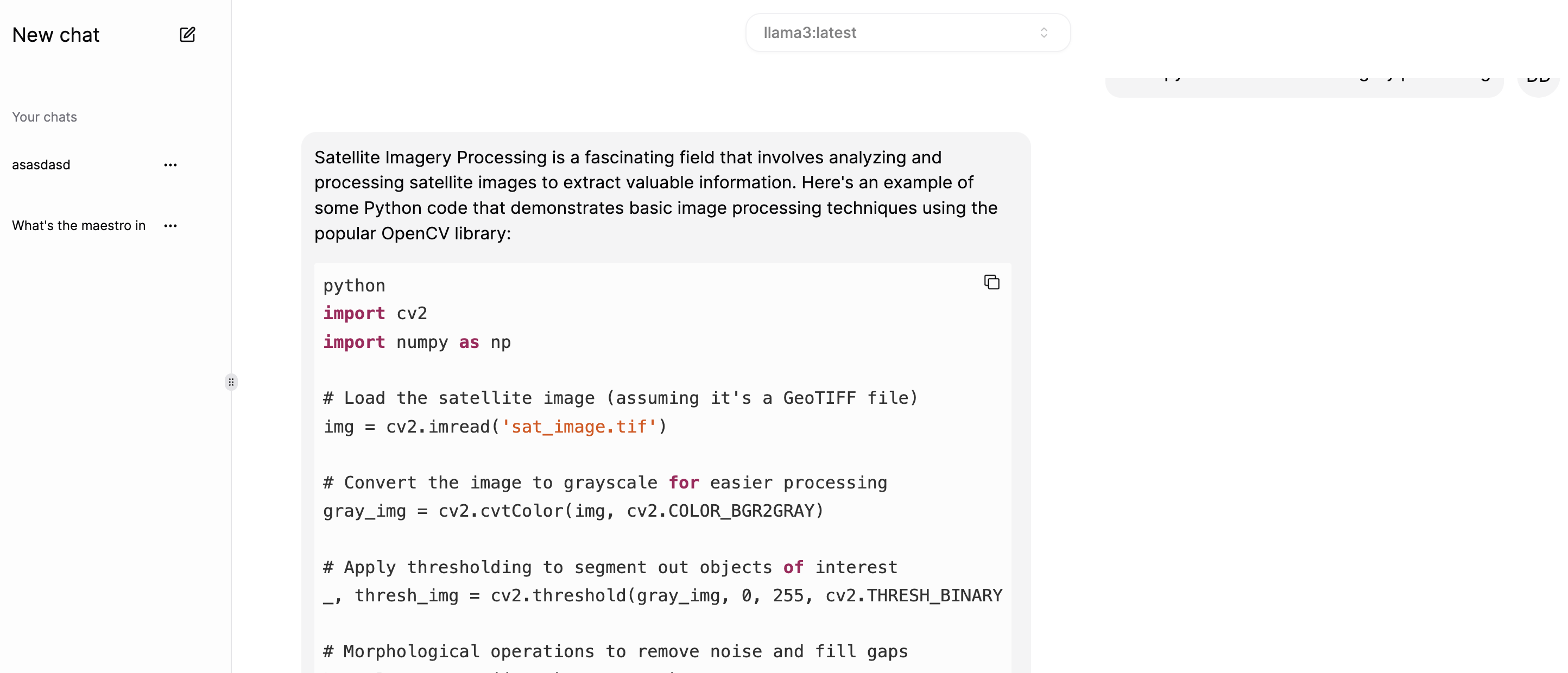
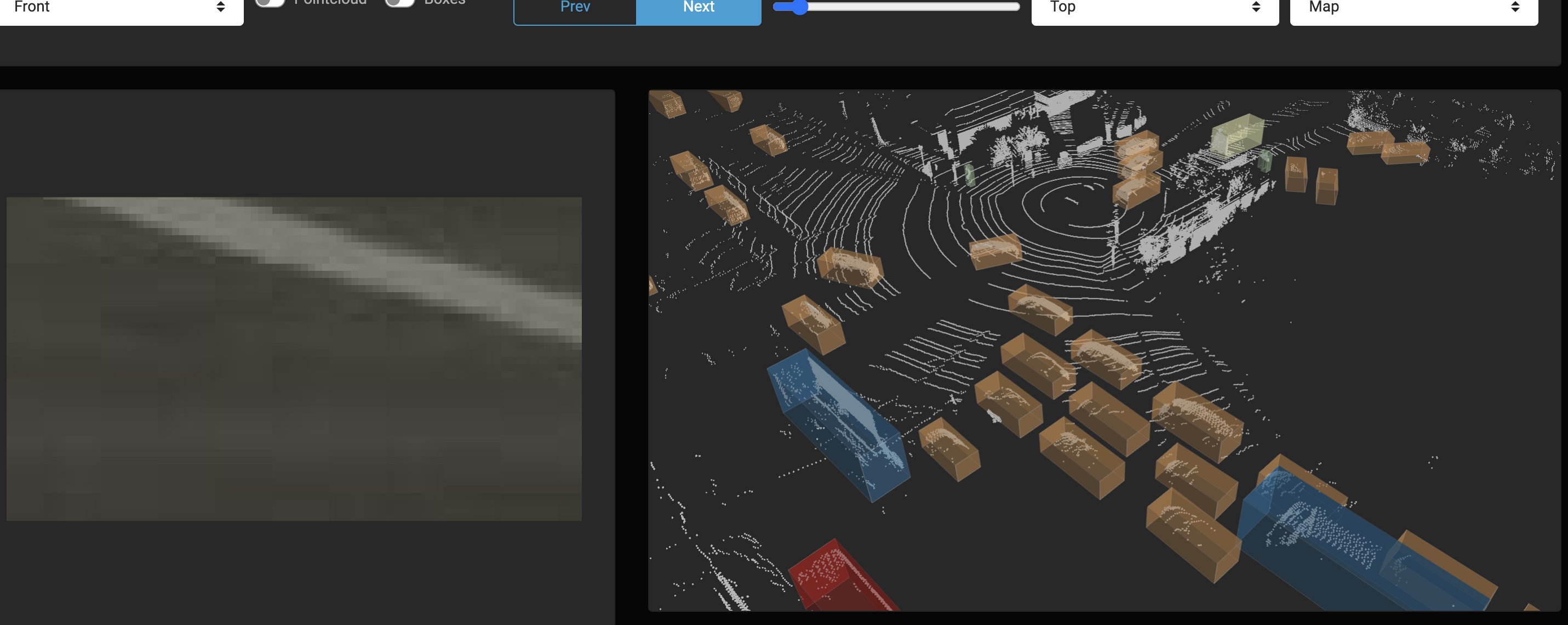
Maestro uses llama3 and bakLLava locally to quickly identify relevant features within satellite images. Similarly it can expand to other datasets as well. It allows for real-time analysis of processed data, enabling decision-making in a variety of applications.
How we built it
We built this project using Python as the primary programming language, with OpenCV and NumPy libraries used for image processing and manipulation. We employed Scikit-learn for machine learning tasks and Pandas for data manipulation. Our approach involved training local models on subsets of the SITREP data, then applying these models to extract meaningful information from the images.
Challenges we ran into
One significant challenge we faced was dealing with the large size and complexity of the satellite images. We had to optimize our code and algorithms to efficiently process these images while still maintaining accuracy. Another challenge was selecting the right machine learning models for feature extraction, as the diversity of SITREP data made it difficult to find a single approach that worked well across all scenarios.
Accomplishments that we're proud of
We are proud of our accomplishment in creating a scalable and efficient framework for processing large-scale SITREP data. Our local model-based approach has shown promising results in identifying relevant features within satellite images, providing valuable insights for real-time decision-making.
What we learned
Through this project, we learned the importance of adapting machine learning algorithms to specific problems and datasets. We also gained experience with image processing techniques and optimizing code for large-scale data analysis. Furthermore, we developed a deeper understanding of the challenges and opportunities presented by working with SITREP data.
What's next for Maestro
In the future, we plan to continue improving our framework by exploring new machine learning models and algorithms that can further enhance the accuracy and efficiency of feature extraction. We also aim to apply our technology to other domains where SITREP-like data is relevant, such as environmental monitoring or disaster response.
Built With
- ai
- llama
- llava
- local
- python

Log in or sign up for Devpost to join the conversation.