-
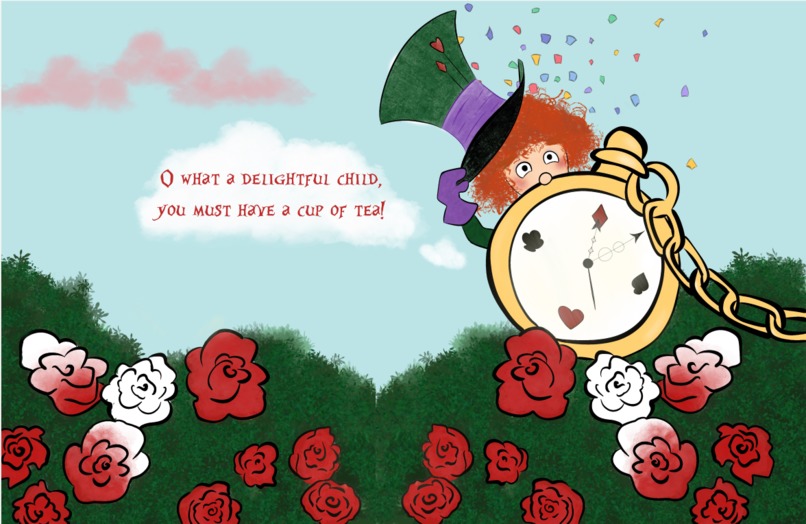
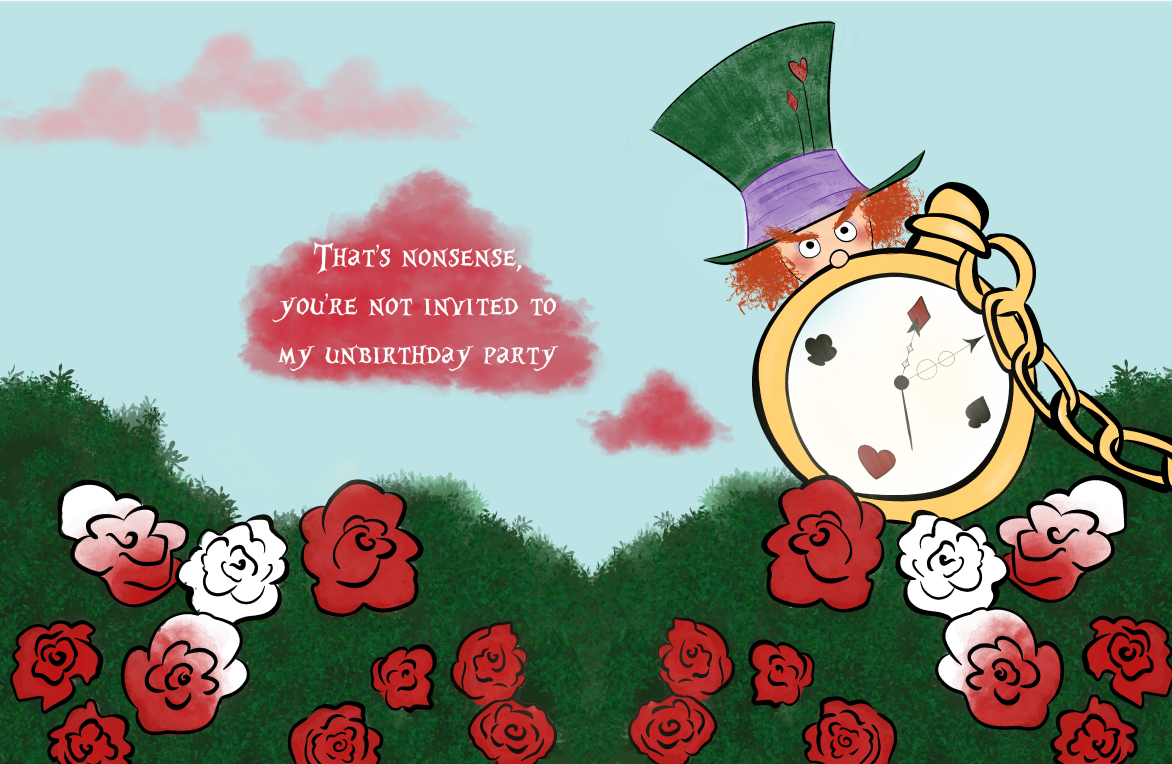
Response when language is nonsensical
-
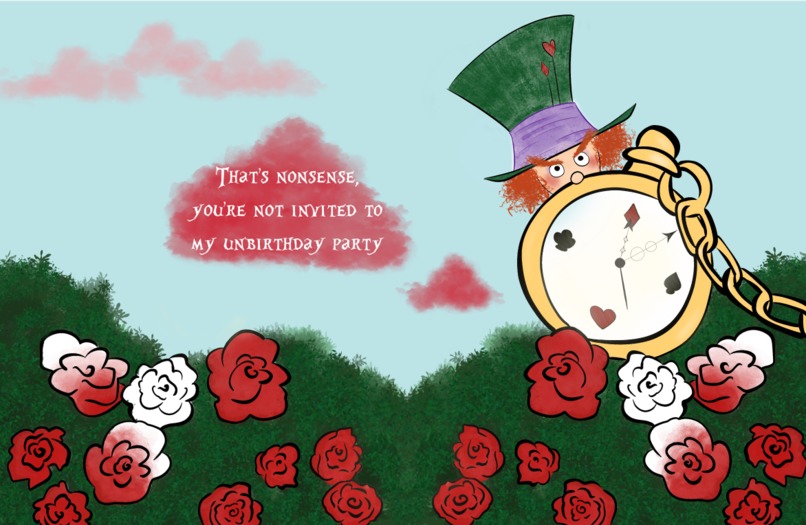
Response when language is sensical
-
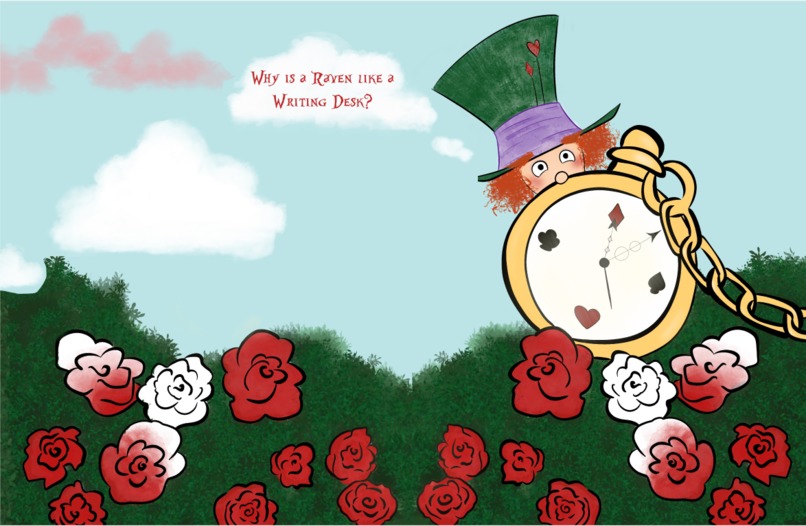
Home page
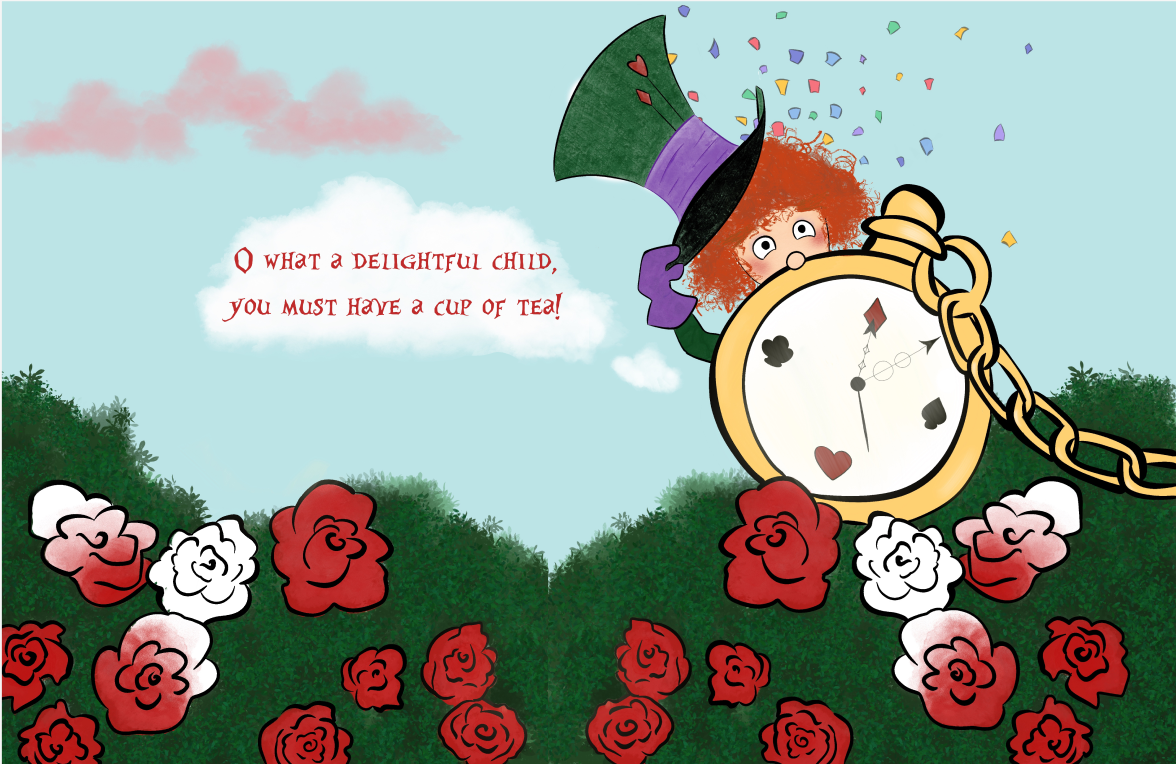

Inspiration
We were interested in the workings of ML and its application to NLP processing, and inspired by Jumbo Hack's theme of Alice in Wonderland. Therefore we decided to incorporate a prevalent motif of wonderland's chaos with our gibberish detector (sense and nonsense attributing to the Mad Hatter).
What it does
The goal of the project was to design a gibberish detector using NLP modeling and neural network structures that would classify groups of words as actual English compared to gibberish. Over the weekend, we were able to collect and generate data sets of words, build a training model, and present the tool in a fun, on-theme Alice and Wonderland through our UI and front-end design.
How we built it
We built Madness Meter by using the spaCy, SCIKIT-learn, NumPy, PyTorch, and other libraries for the back-end to train out recurrent neural network on different groups of words. We used Procreate, Figma, and Flask to integrate the backend model with the Alice-In-Wonderland UI design on the front-end.
Challenges we ran into
We ran into several challenges, including:
- generating and processing the data because of its massive size
- choosing and designing the NLP model
- integrating the backend model with the front-end UI
Accomplishments that we're proud of
- we were able to successfully create a basic NLP system while using unfamiliar libraries and tools.
What we learned
With our project specifically We learned how to build NLP and neural networks using the libraries above, most of which we've never really used before. Furthermore, we learned the process of integrating frontend to backend.
What's next for Madness Meter
In the future, we hope to incorporate our basic concept and design to integrate with different web applications or for data-cleaning and processing modules and software.

Log in or sign up for Devpost to join the conversation.