-
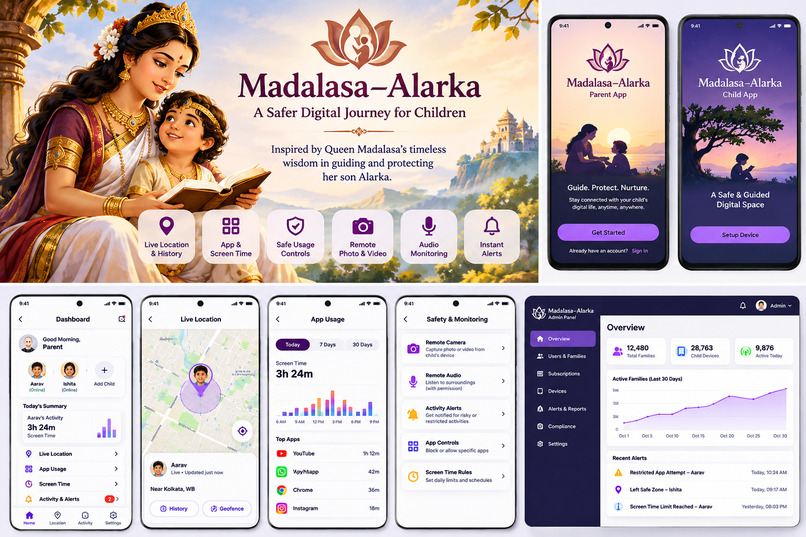
intro
-
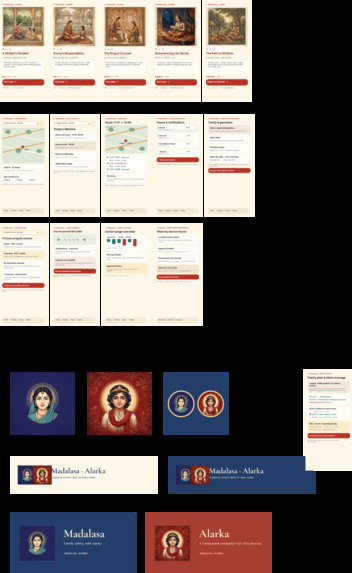
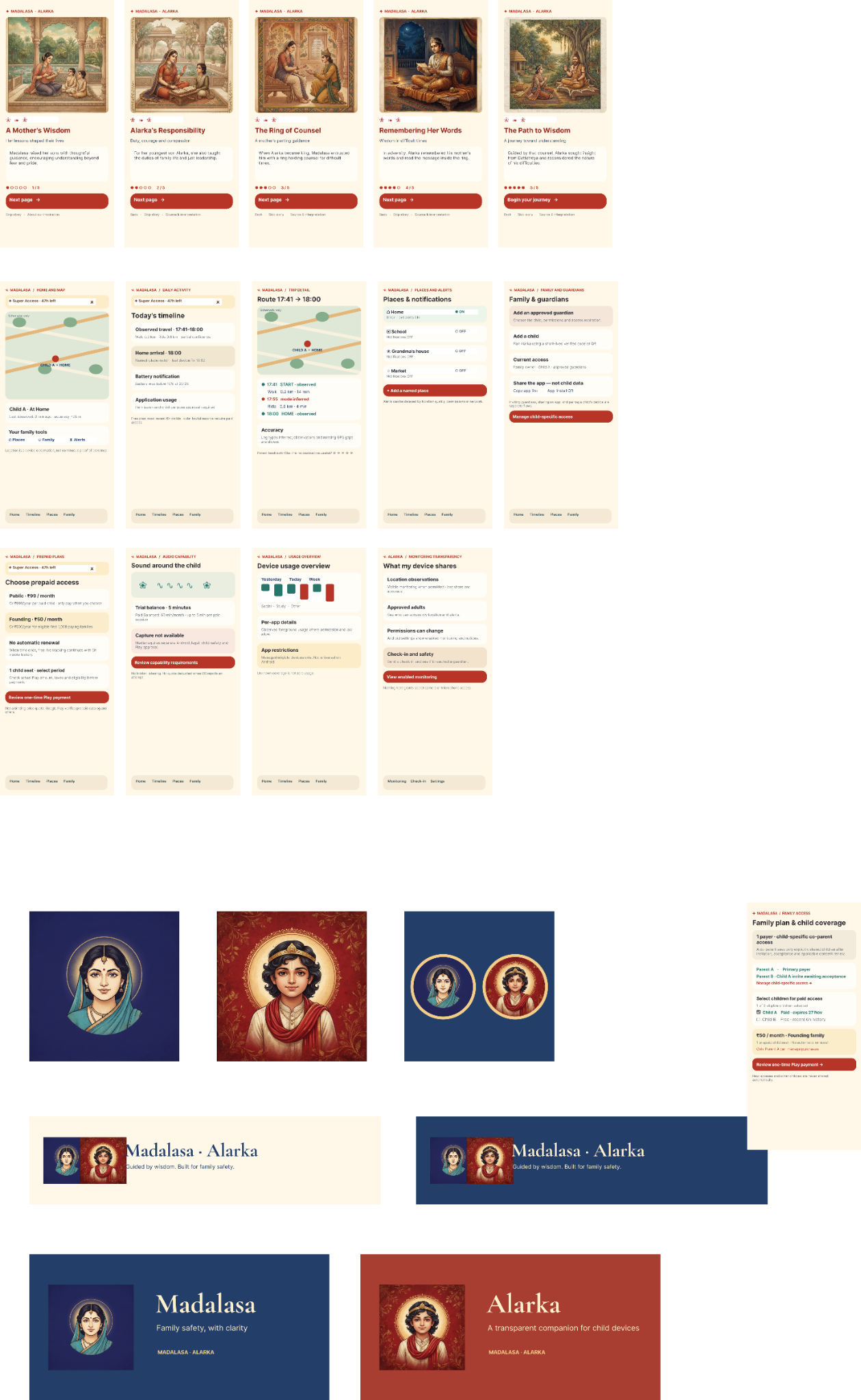
some screen
-
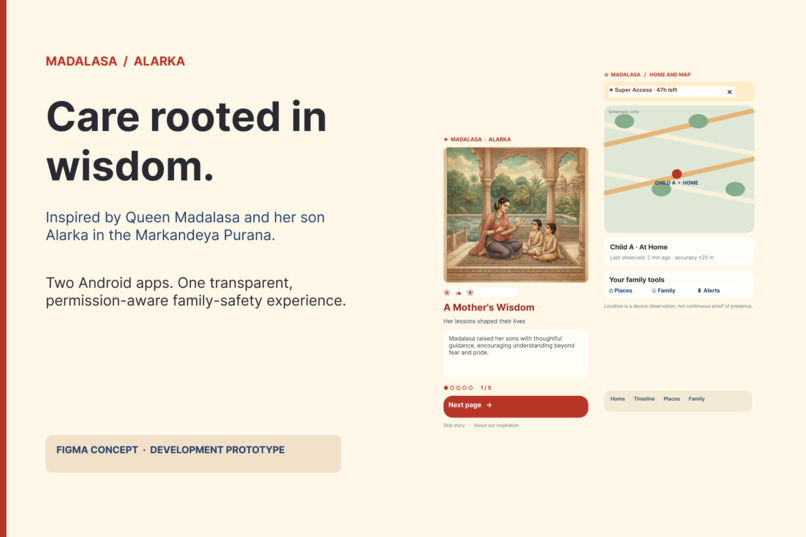
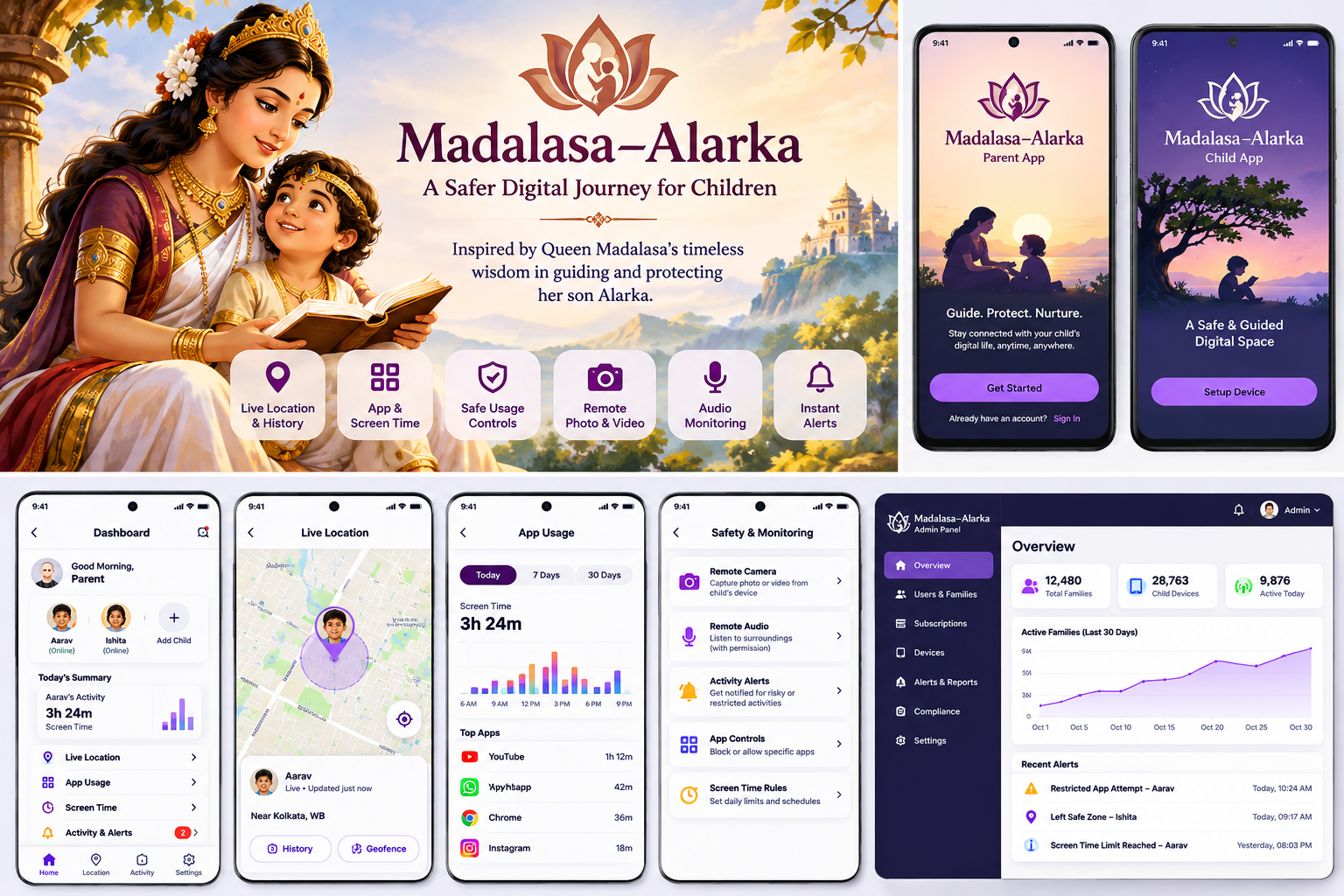
Hero — Madalasa–Alarka
-
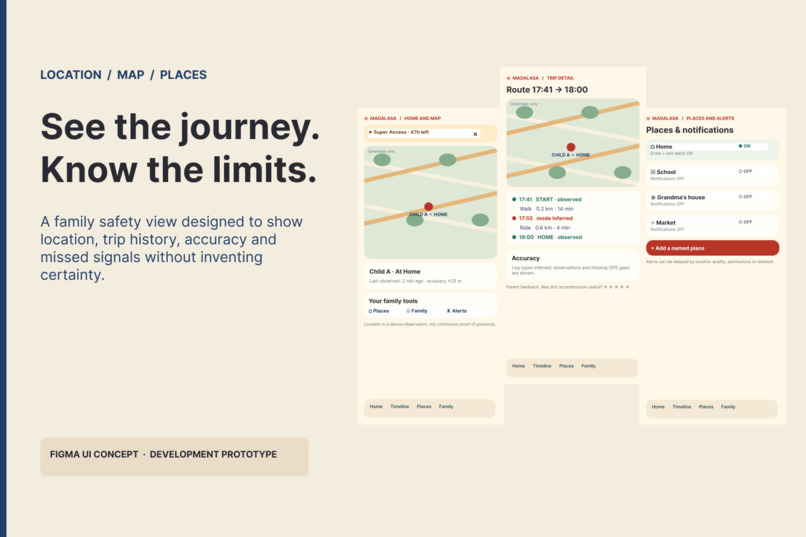
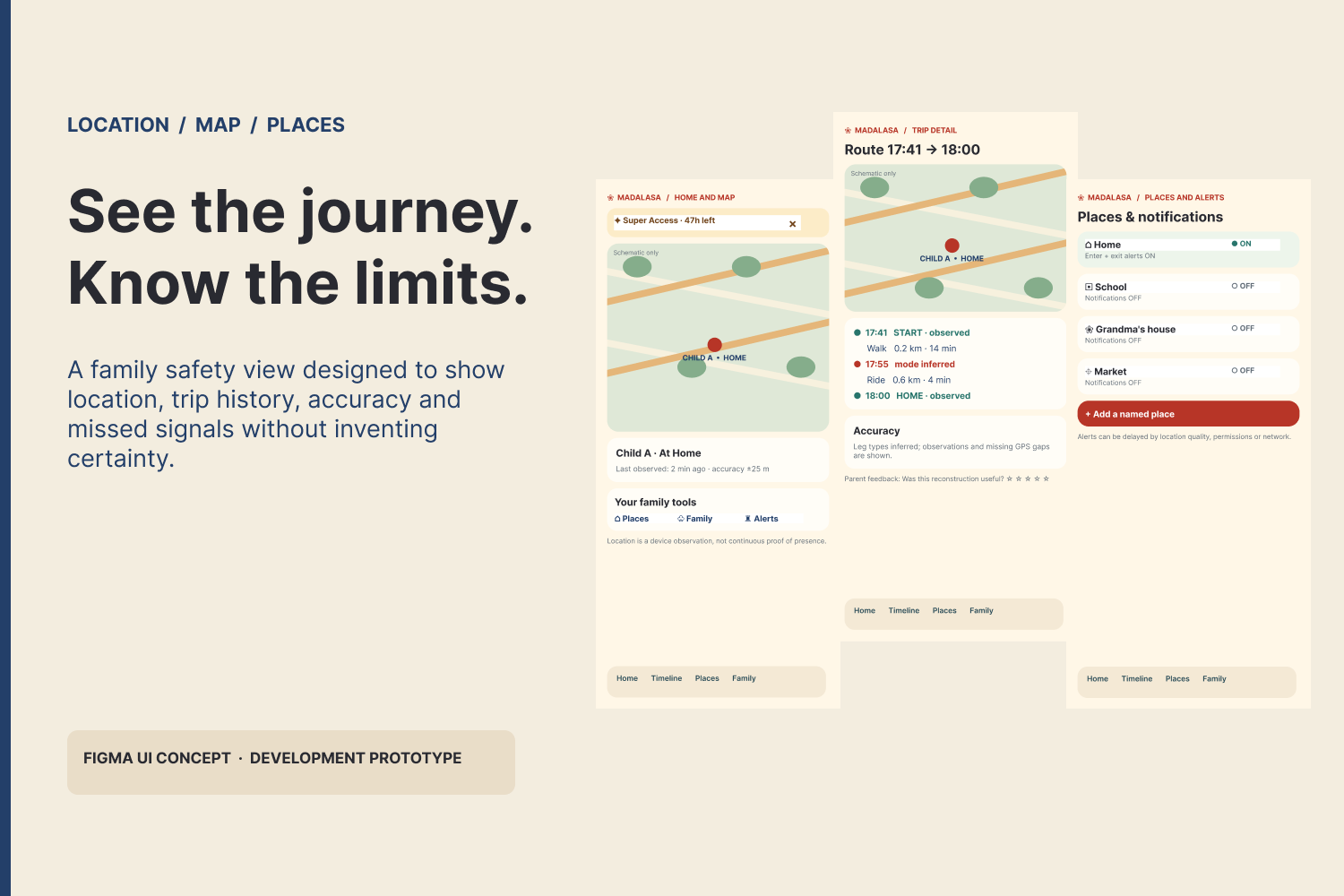
Live Location & Maps
-
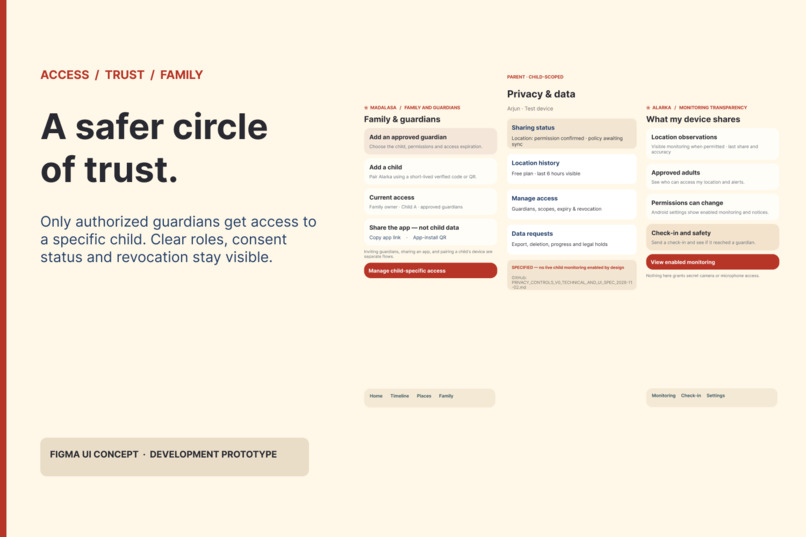
Guardian Controls
-
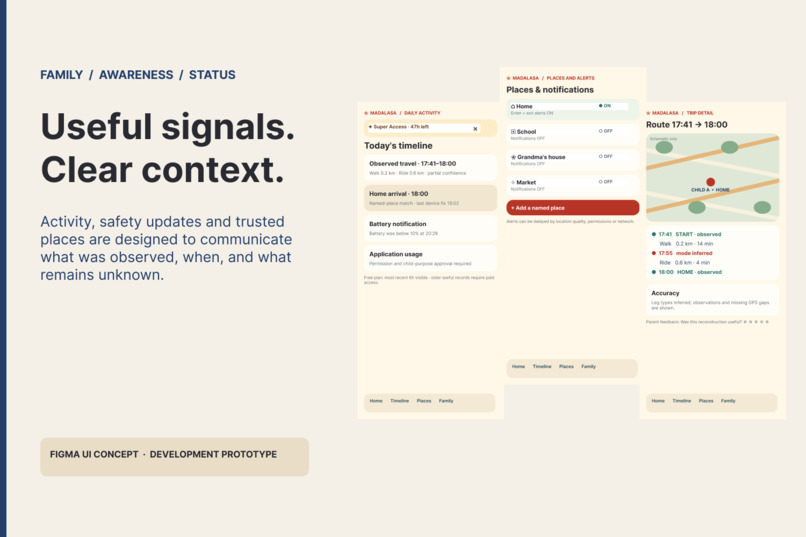
Activity Awareness
-
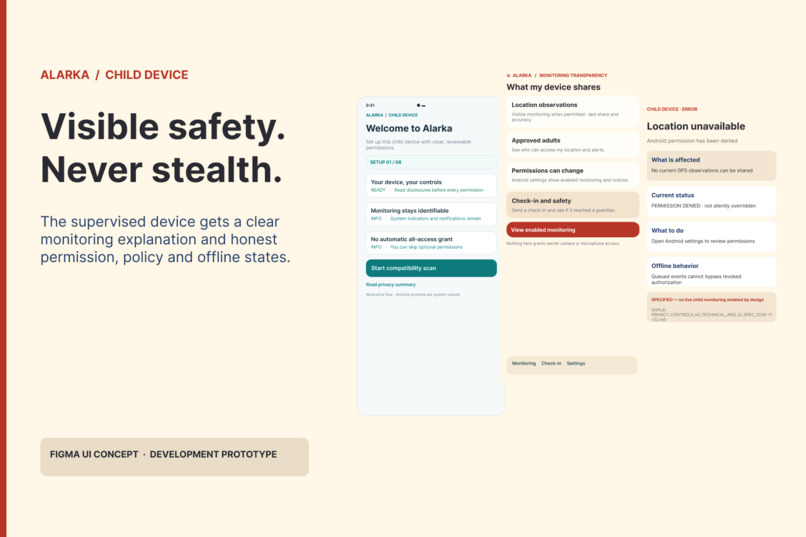
Child App Transparency
-
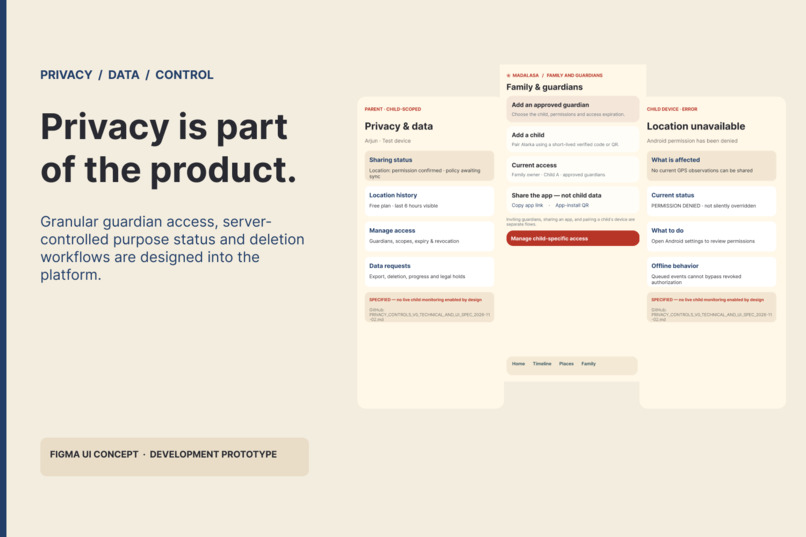
Privacy & Data Deletion
Madalasa–Alarka
A privacy-conscious Android family-safety platform connecting guardians and child devices through secure, permission-aware technology.
Inspiration
Families need reliable ways to stay informed about a child's safety without turning parental supervision into invisible surveillance.
Existing safety solutions can make it difficult to understand who has access to a child's data, whether a device is connected, and which features are actually supported by Android.
Madalasa–Alarka addresses this through two companion Android applications, explicit guardian permissions, secure backend authorization, and transparent device status.
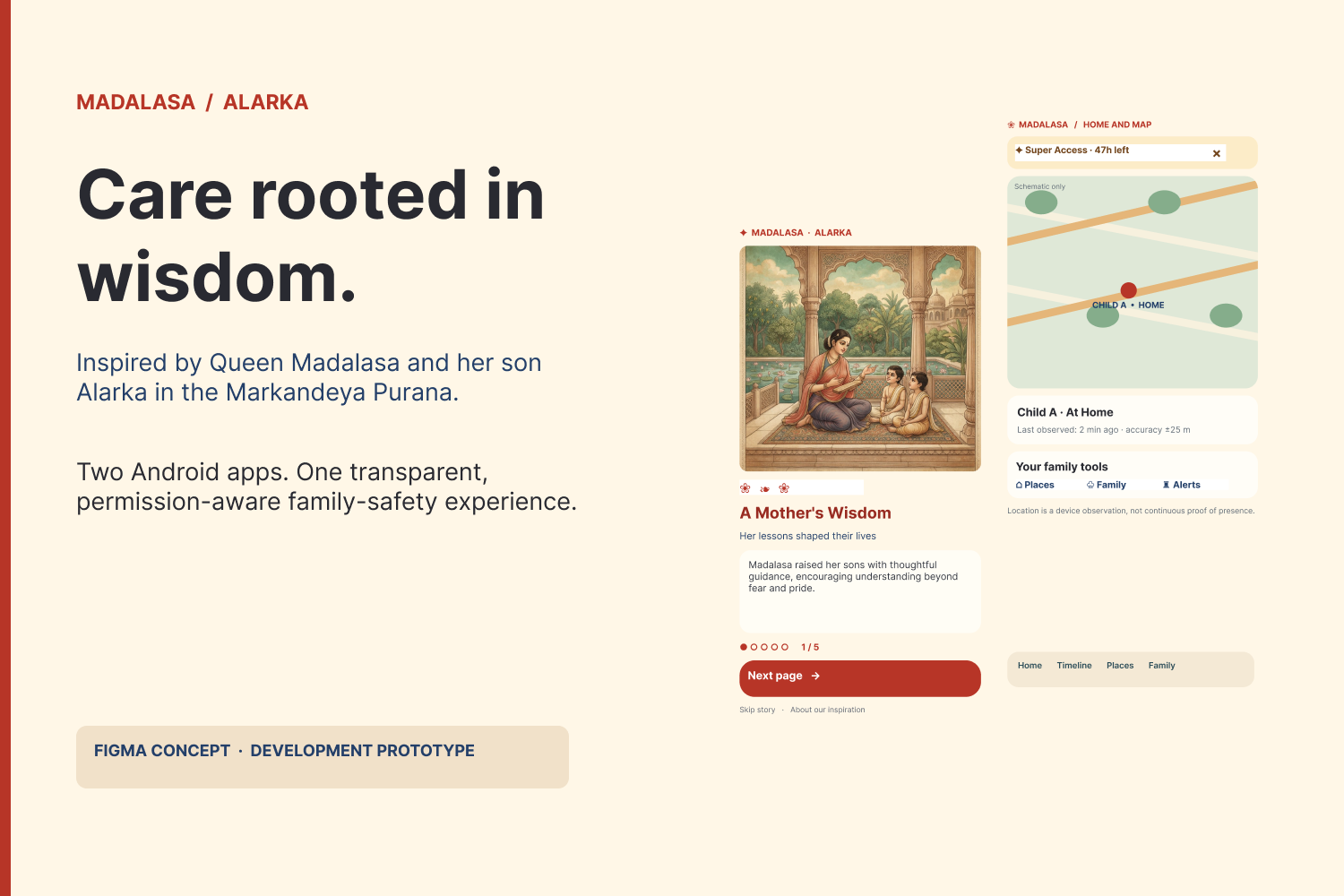
The project takes its name from the story of Madalasa and Alarka in Indian mythology, connecting the idea of thoughtful guidance with modern digital safety.
What it does
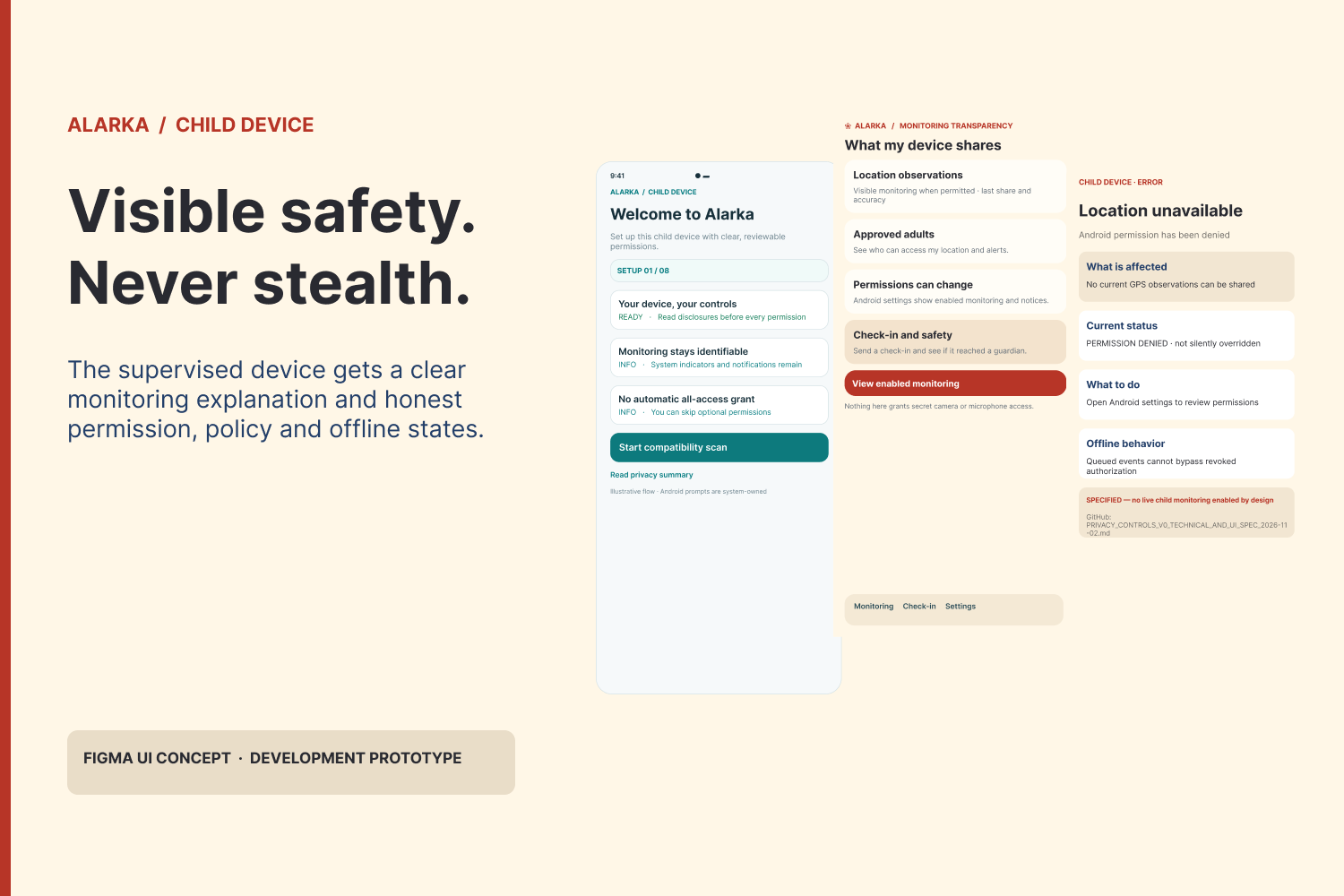
Madalasa is the guardian application, while Alarka is the companion application installed on the supervised Android device.
The system is designed around:
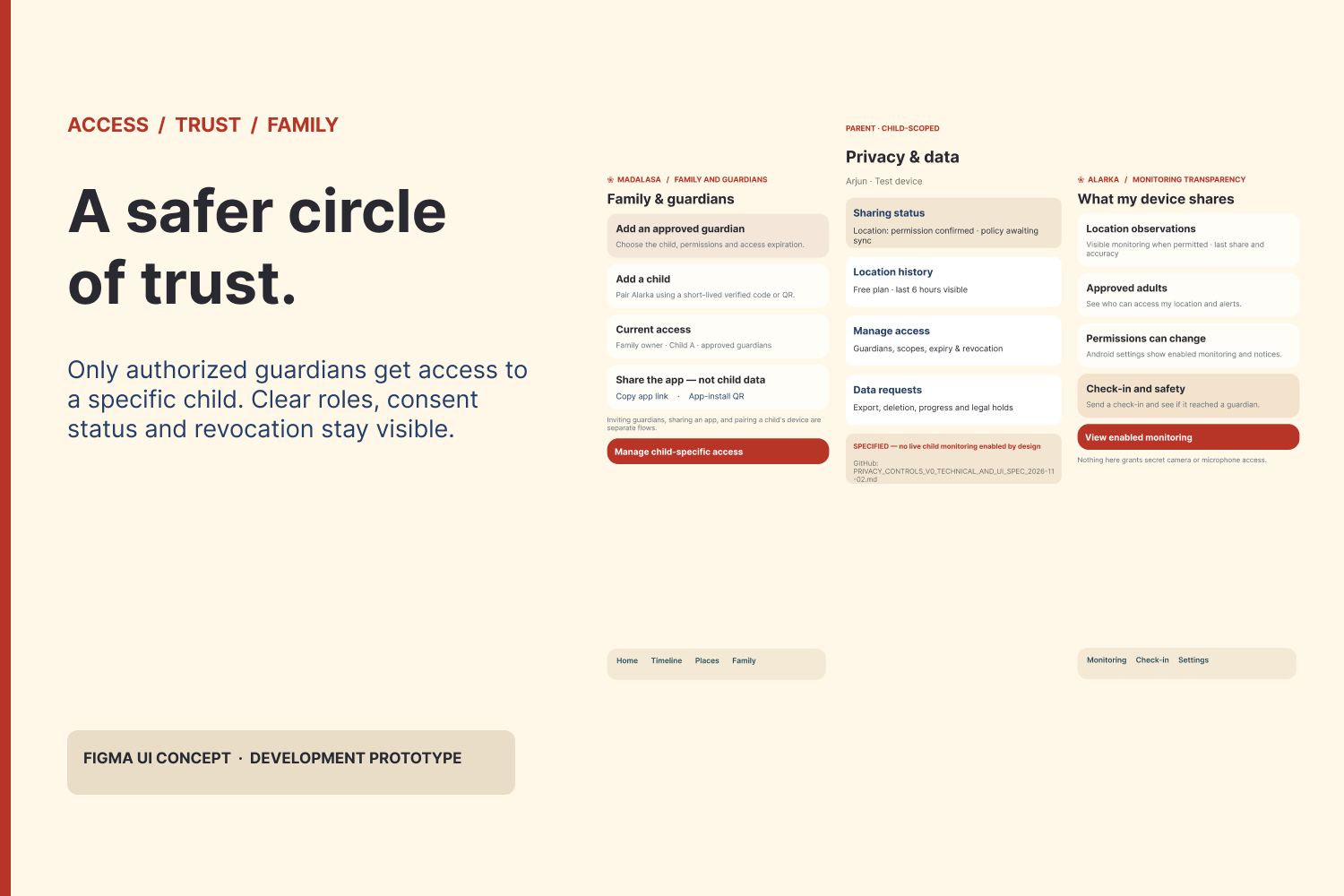
- Family and guardian management: Child-specific access rather than automatically granting every family member access.
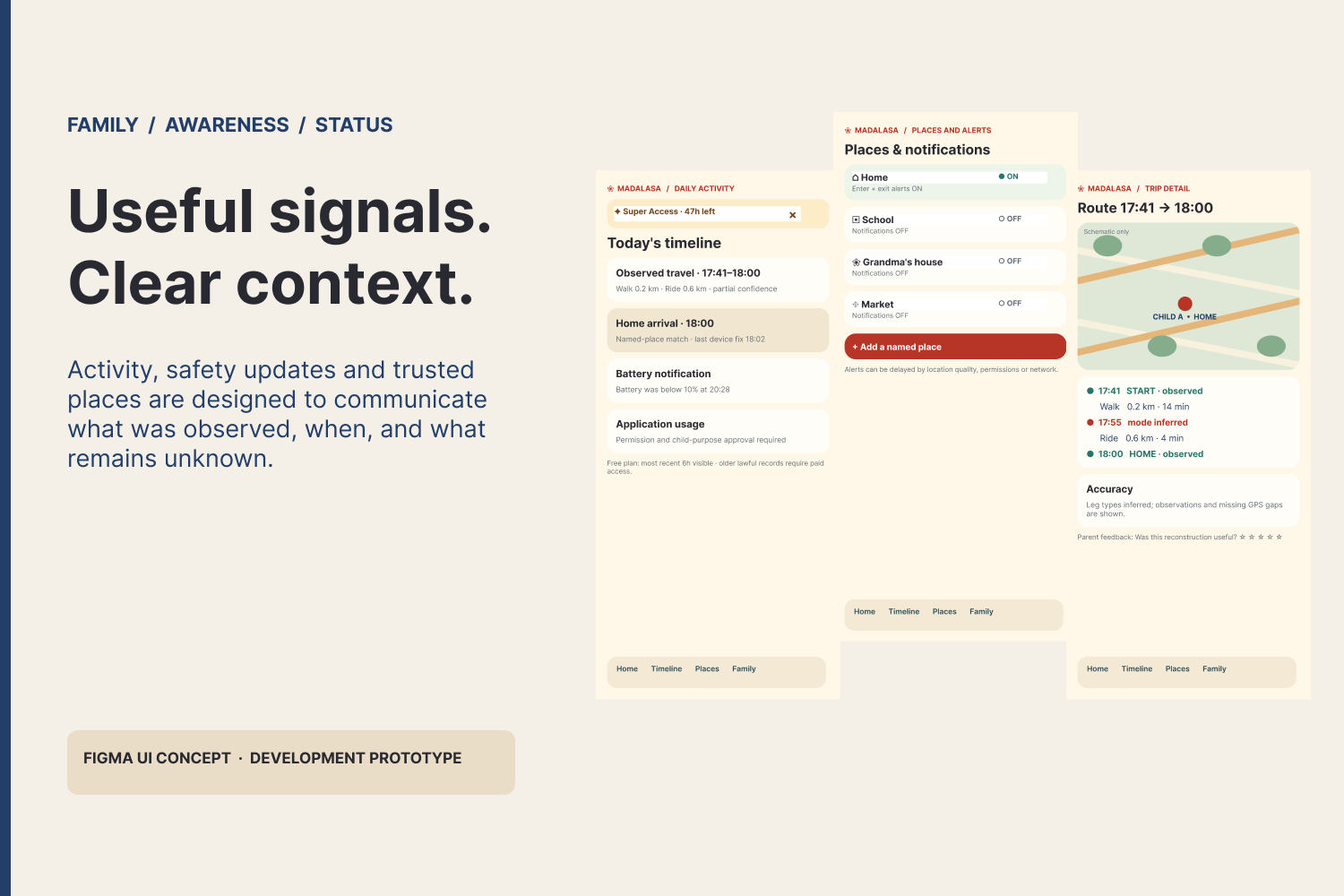
- Location and history: Safety-oriented location reporting, server-controlled history access, and permission-aware status reporting.
- SOS and check-ins: Structured safety signals that distinguish a submitted request from a guardian's confirmed acknowledgement.
- Secure device enrollment: Pairing, authenticated device credentials, and revocation.
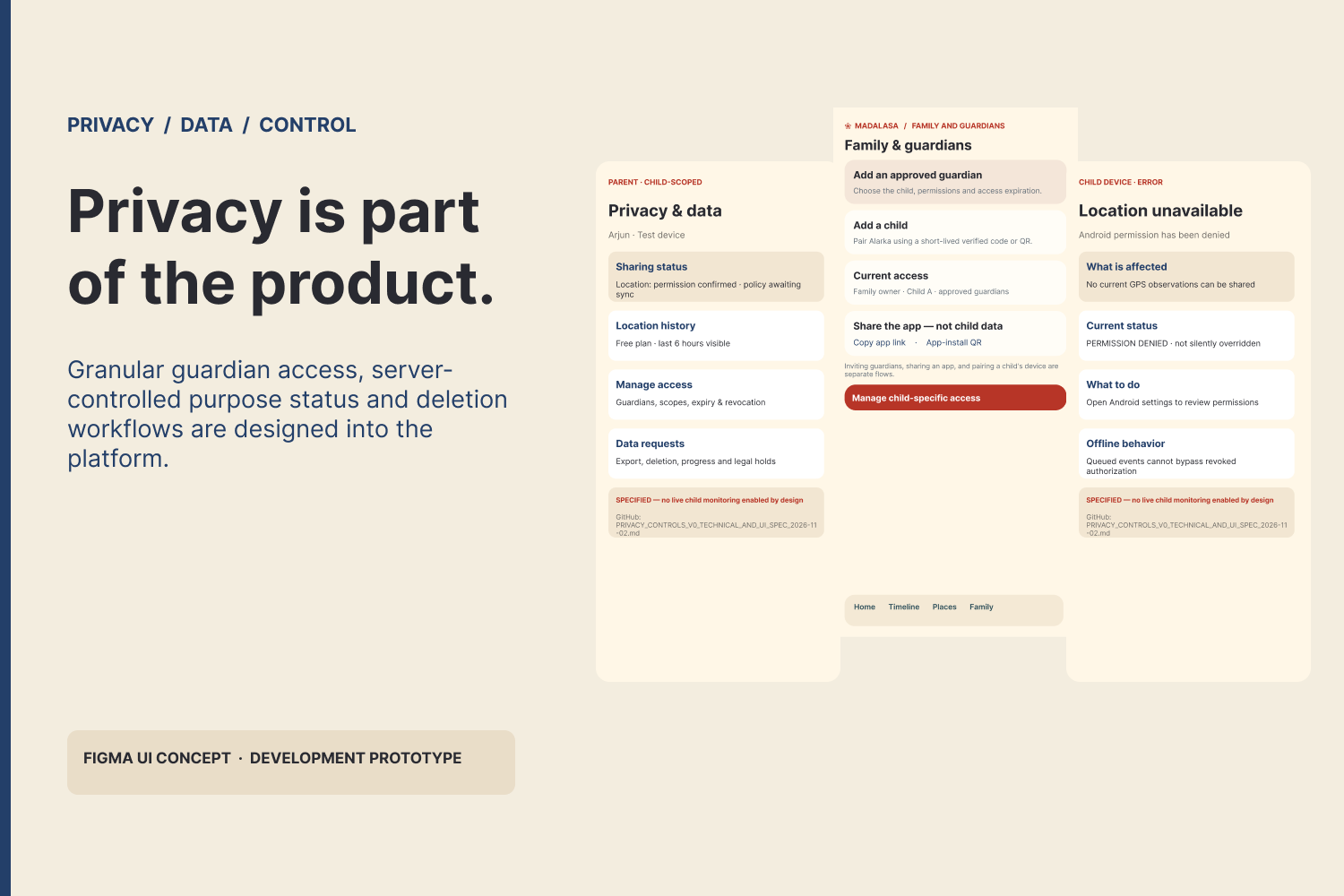
- Privacy controls: Consent status, guardian access, data deletion architecture, and transparent monitoring disclosures.
- Feature availability: Functions that cannot be supported by Android or are not eligible for release remain disabled rather than presenting misleading success messages.
How we built it
The project uses a modular architecture:
Android: Kotlin, Jetpack Compose, Android Credential Manager and Android platform APIs.
Backend: C++20 with Drogon, providing authenticated APIs, authorization checks, and device communication.
Database: PostgreSQL/PostGIS for relational data, child-scoped permissions and geographic information.
Design: Figma, with separate parent and child application flows.
Development and verification: GitHub, GitHub Actions, OpenAPI/Swagger, automated tests, and controlled Android-device testing.
AI-assisted development has supported planning, specification, code generation, interface iteration and test-case design. Generated implementations are checked against API contracts, Android behavior and security requirements.
Challenges we ran into
The most difficult challenge has been balancing meaningful parental-safety functionality with Android operating-system restrictions, child privacy, security, and platform requirements.
Another major challenge has been enforcing permissions correctly across multiple guardians, child devices, backend APIs and offline data.
Our approach separates authenticated identity from authorization to access a particular child's information. It also distinguishes a command being received from that command actually succeeding on the device.
Accomplishments
We have established the Android application modules, a C++ backend foundation, PostgreSQL security structures, API contracts and extensive automated validation.
The repository documents progressive engineering milestones, including device enrollment, parent authentication, location-related functionality, safety events and privacy controls.
Several components have passing automated tests, and selected Android behavior has also been evaluated on physical test hardware.
These are development and laboratory achievements, not claims of a completed public release.
What we learned
Reliable safety software requires more than collecting data. It requires trustworthy identity, carefully scoped authorization, clear user communication and honest reporting when functionality is unavailable.
We also learned that AI-assisted development works best when specifications, tests, security checks and implementation evidence remain traceable.
What's next
Our next priorities are completing the full parent and child user experience, payment sandbox integration, data export/deletion workflows, cross-device acceptance testing and performance/security verification.
Before public release, the applicable Google Play and child-data compliance requirements must also be satisfied.
Our long-term goal is to make family safety more transparent, accessible and technically dependable.
Built With
- c++20
- drogon
- figma
- github
- jetpack-compose
- kotlin
- openapi
- postgis
- postgresql

