
Inspiration :
Data privacy during civilian crises is a massive vulnerability. We engineered a resilient, compliance-ready public safety infrastructure shield.
What it does :
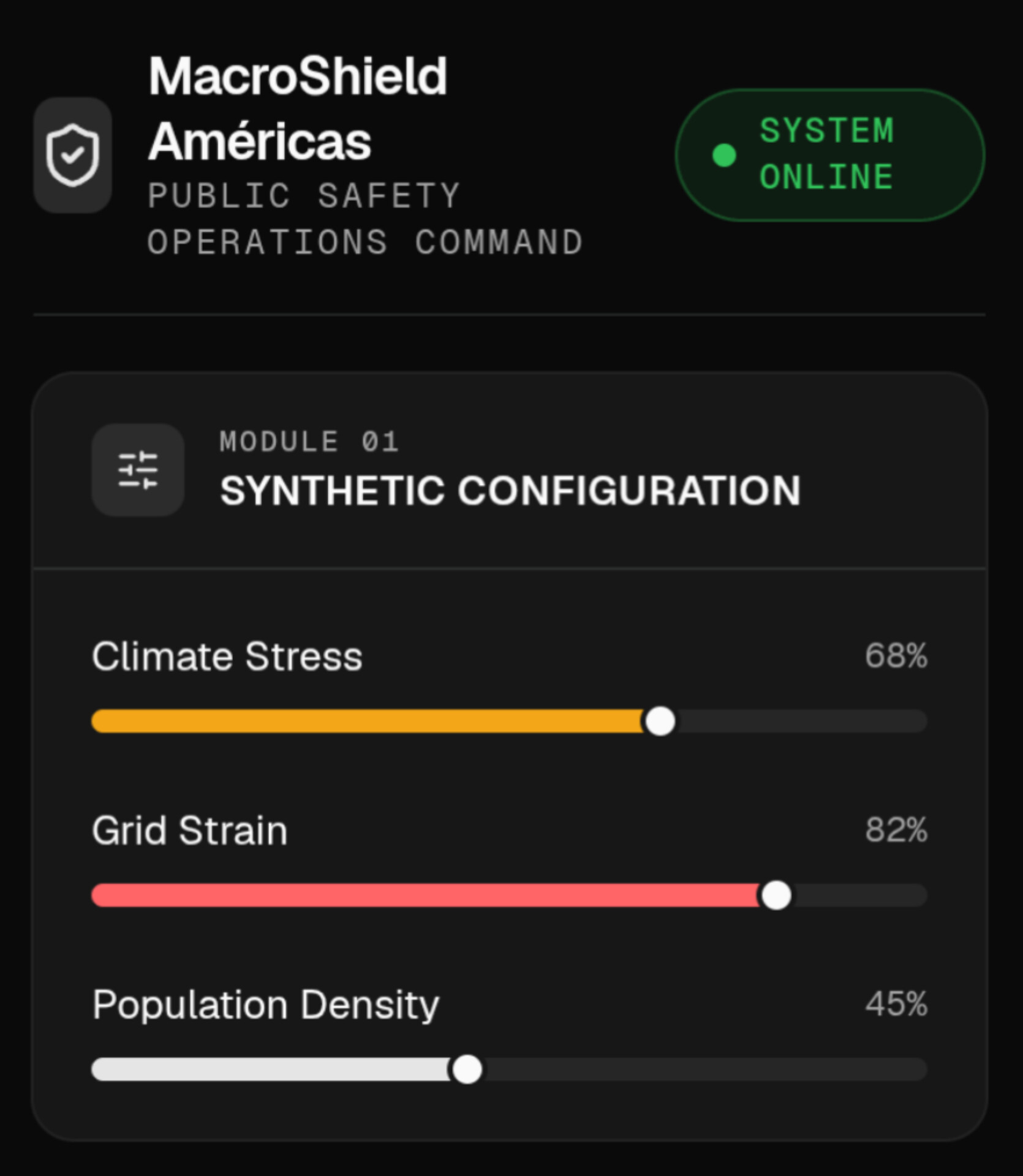
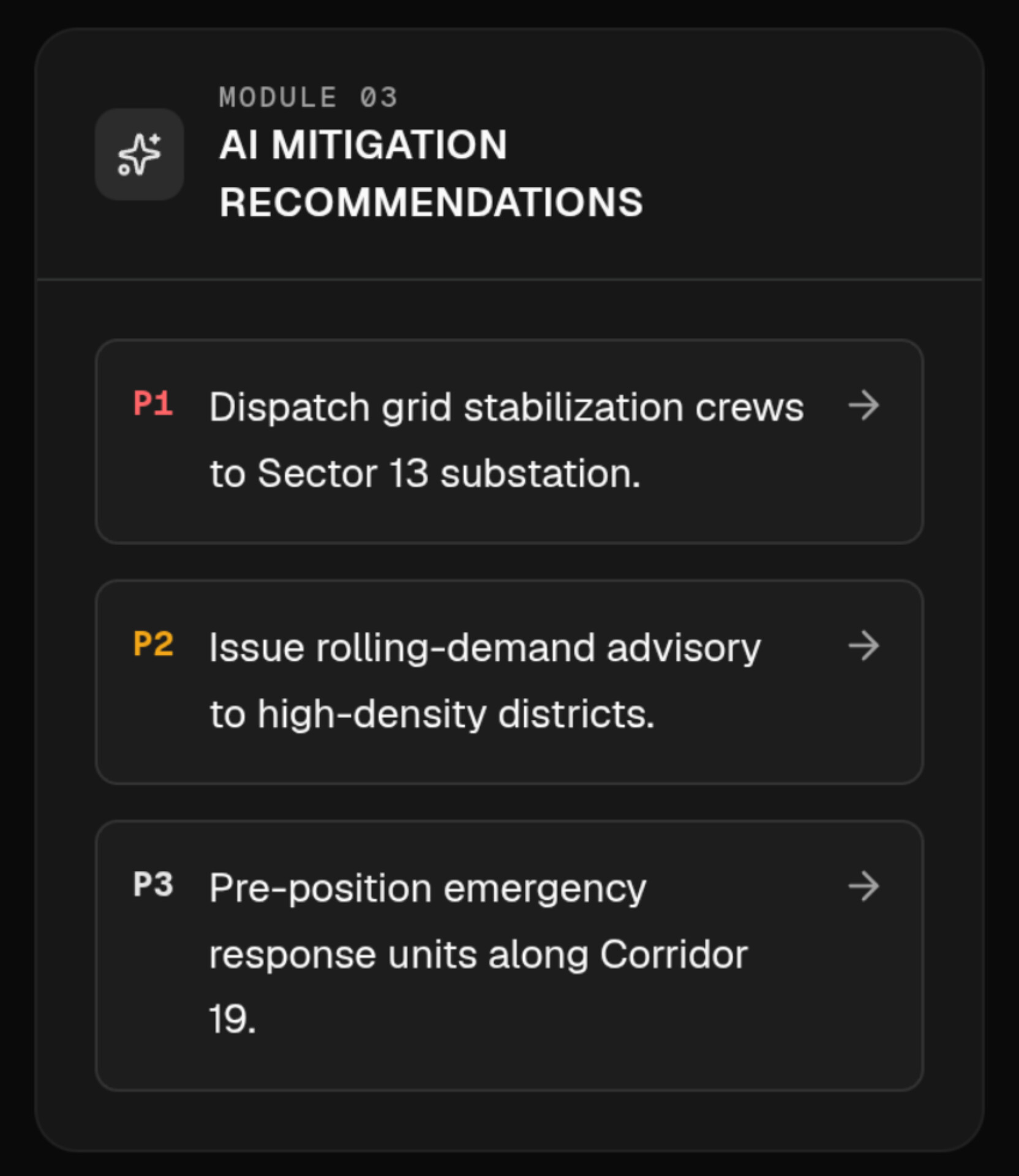
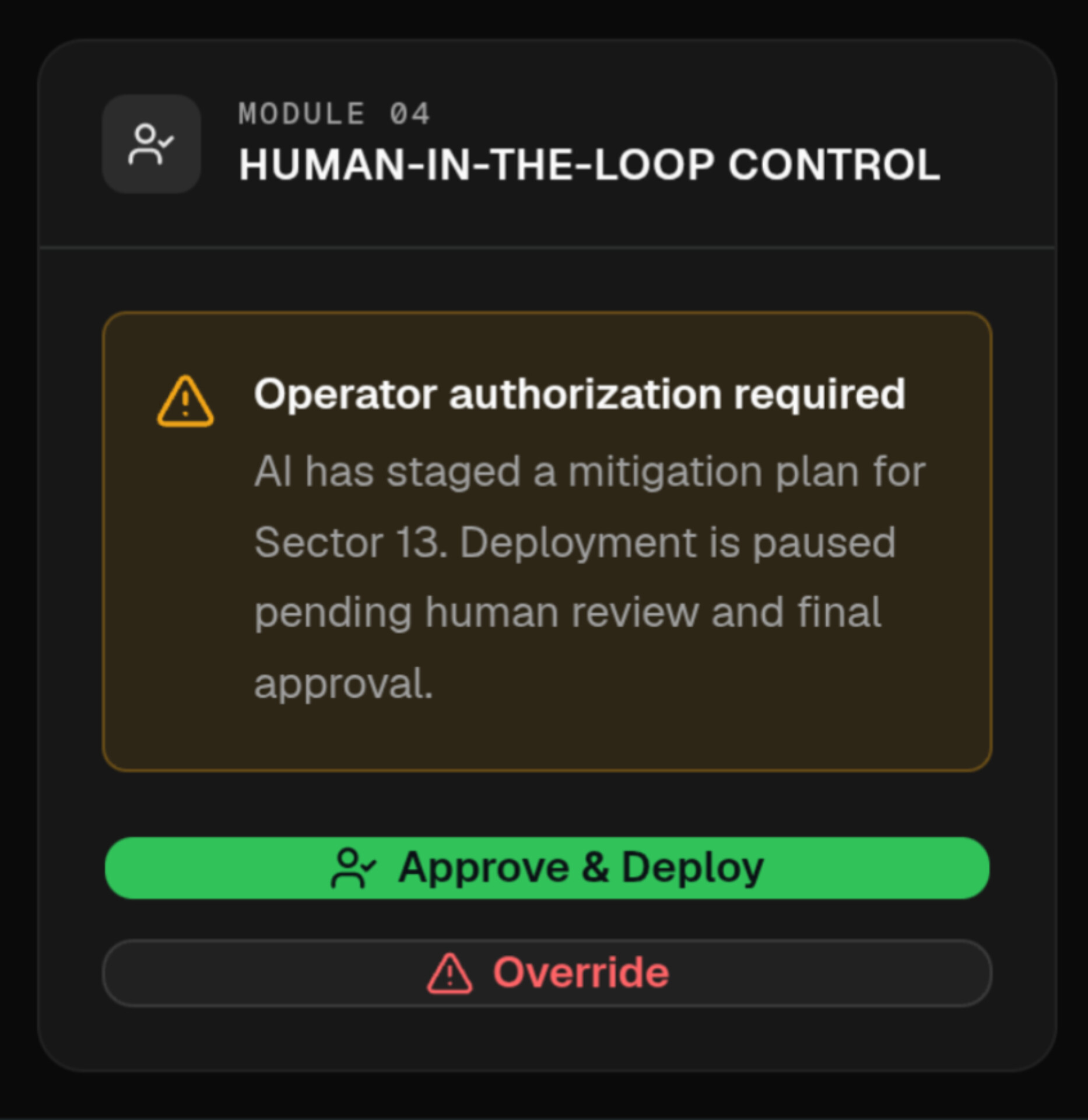
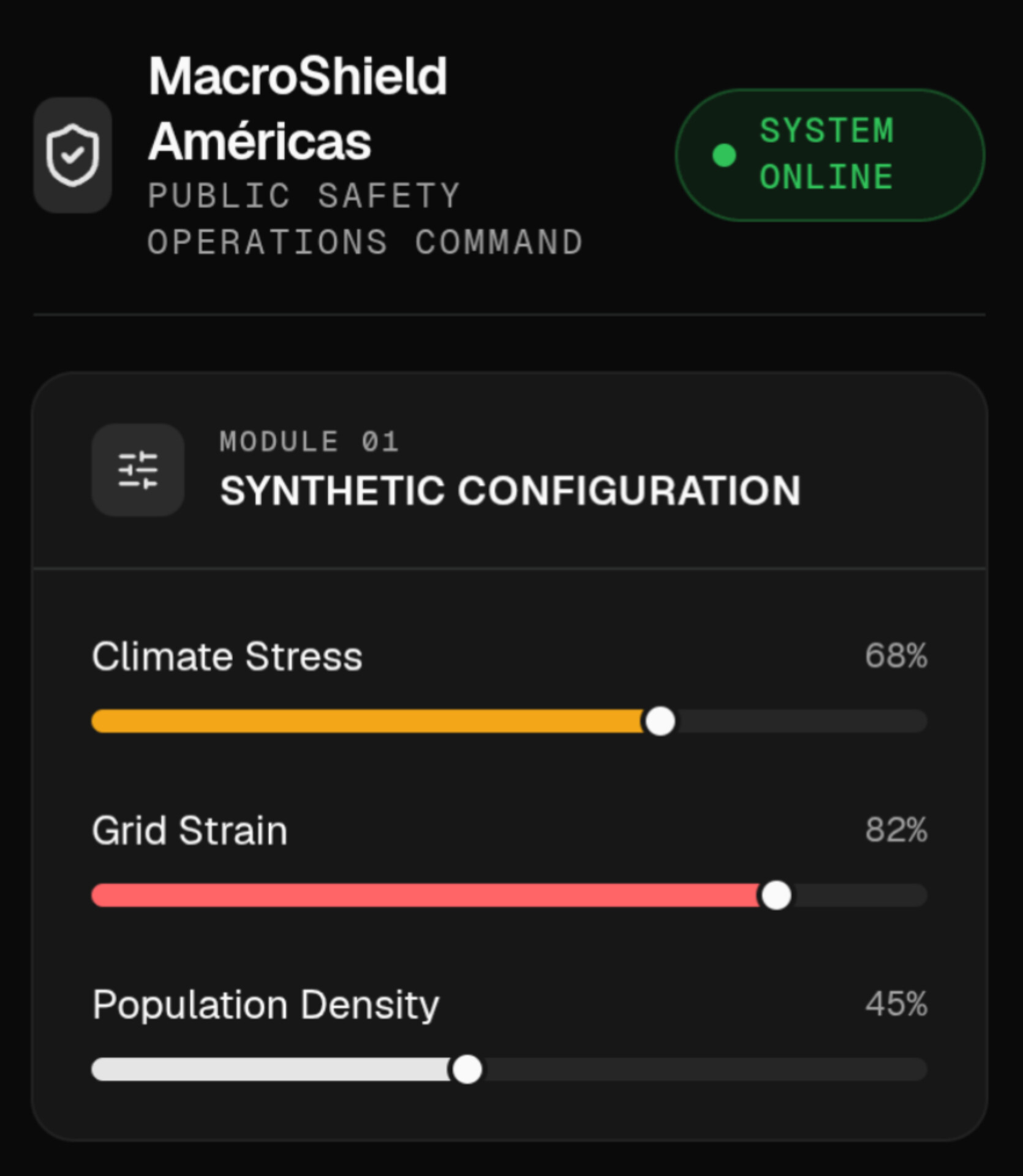
MacroShield Américas models macro-level community threats safely. A generative synthetic engine processes fully anonymized telemetry logs. It freezes autonomous deployment via strict human-in-the-loop control.
How we built it :
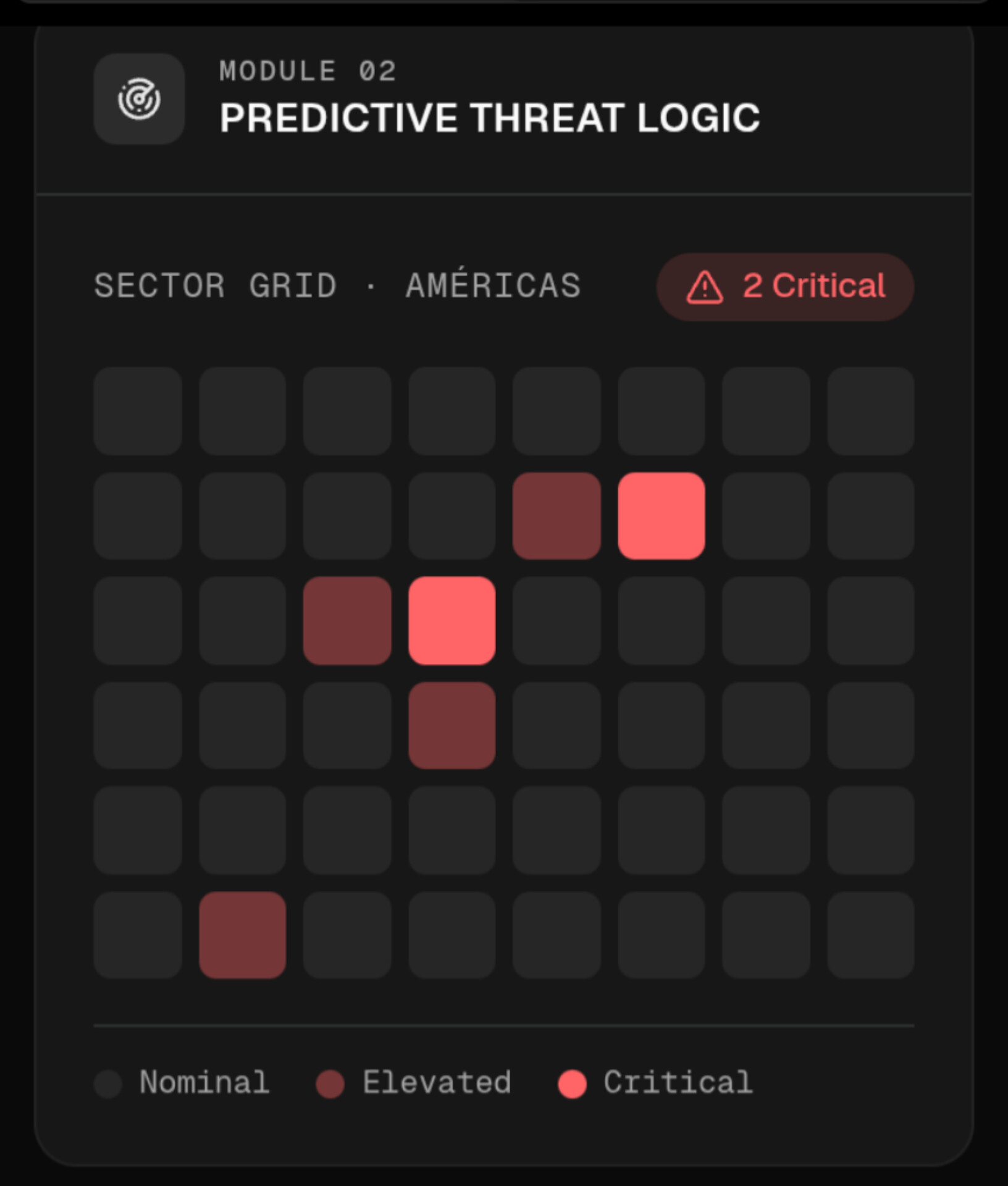
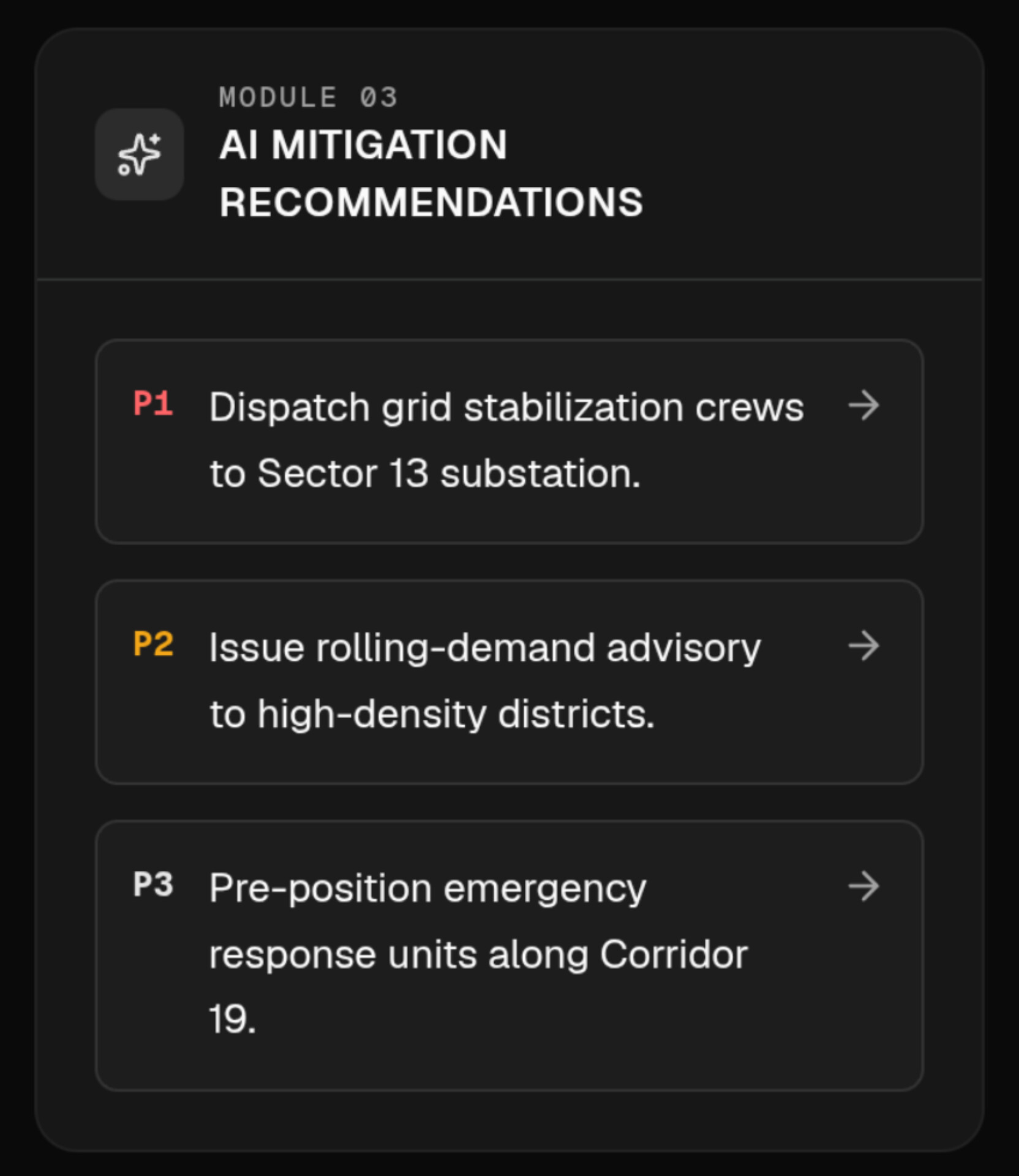
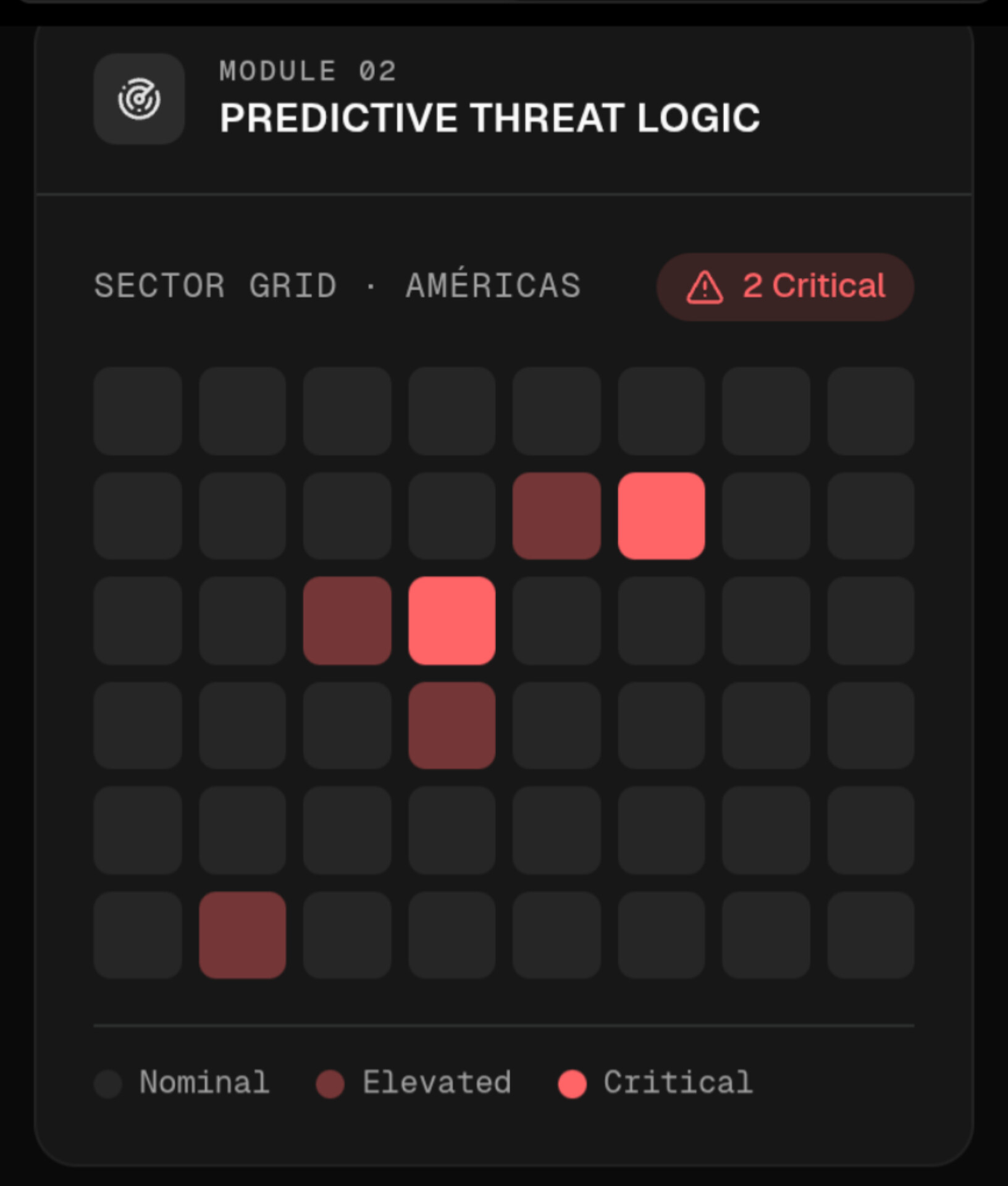
We designed a reactive, 4-module state-managed architecture. The backend uses probabilistic logic to simulate operational network strain. An unsupervised machine learning clustering model isolates critical threat nodes.
Challenges we ran into :
Synchronizing cross-border code handoffs asynchronously required absolute modularity. Balancing synthetic data fidelity without exposing real civilian identity structures was our primary technical constraint.
Accomplishments that we're proud of :
We successfully deployed a fully functional, state-managed command dashboard directly to production within the hackathon window. We engineered a scalable, air-gapped machine learning architecture that completely decouples predictive emergency modeling from private civilian tracking. We also established a highly efficient, cross-continental asynchronous engineering workflow that allowed our distributed team to collaborate seamlessly across deep time zones.
What we learned :
Synthetic simulation data is the optimal solution for public privacy compliance. We validated that safety risk models operate flawlessly within an air-gapped environment.
What's next for MacroShield Américas :
We plan to scale our synthetic arrays to handle complex, multi-variable disaster metrics. Next, we will integrate automated adversarial safety testing .
Built With
- next.js
- python
- react
- scikit-learn
- tailwind-css
- v0


Log in or sign up for Devpost to join the conversation.