-
-

icon
-
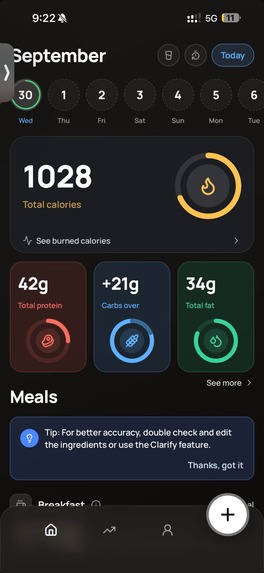
Screenshot (No frames)
-
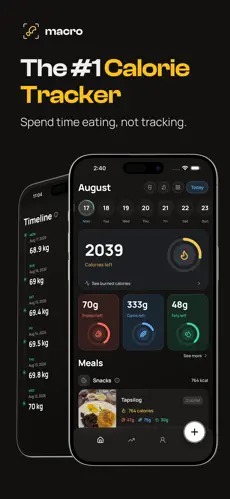
Store Screenshot #1
-

Store Screenshot #2
-
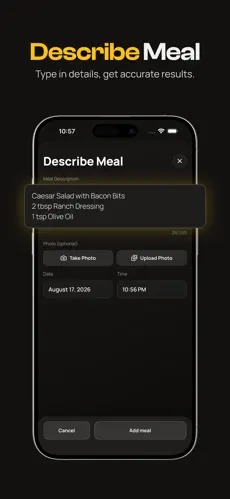
Store Screenshot #3
-
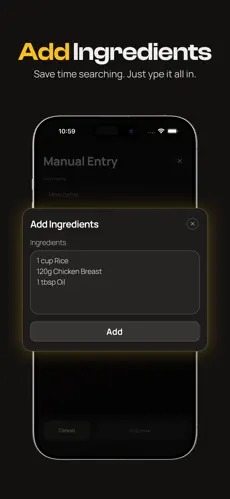
Store Screenshot #4
-
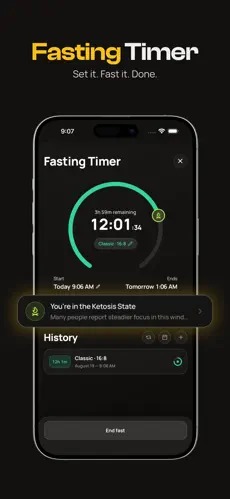
Store Screenshot #5
-
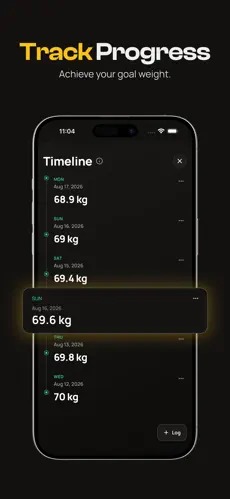
Store Screenshot #6
-
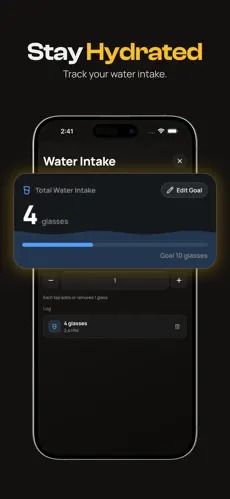
Store Screenshot #7
-
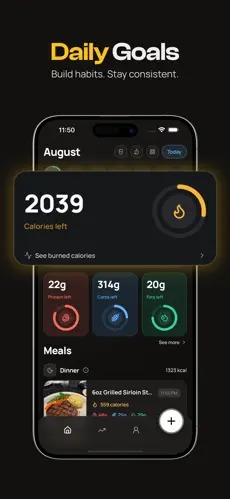
Store Screenshot #8


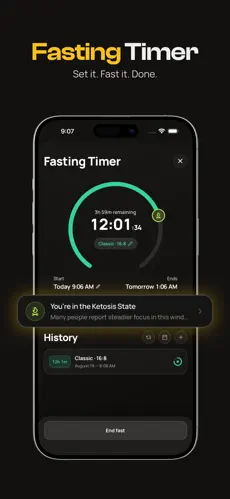
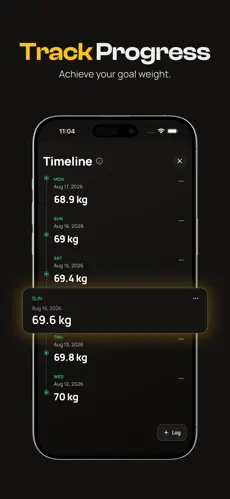
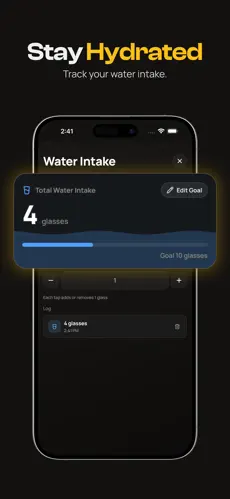
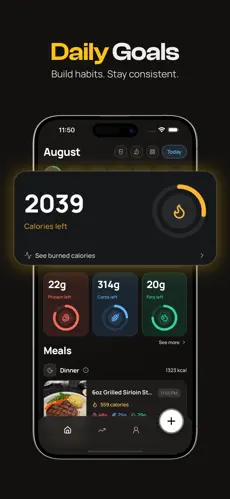
Inspiration
We built macro because calorie tracking still feels harder than it should.
Filipinos are becoming more serious about health, yet food tracking is still slow and often isolating. From our customer interviews, users told us they can spend 10–15 minutes a day searching food databases just to log meals like rice and ulam.
At the same time, we saw how products like Strava made exercise more engaging by combining tracking, sharing, and community.
That inspired a simple idea:
What if meal tracking felt more like Strava—fast, social, and something you do together?
Our goal became to make tracking food as easy as taking a photo or describing what you ate, while letting people stay connected with their family, friends, and coaches.
What We Built
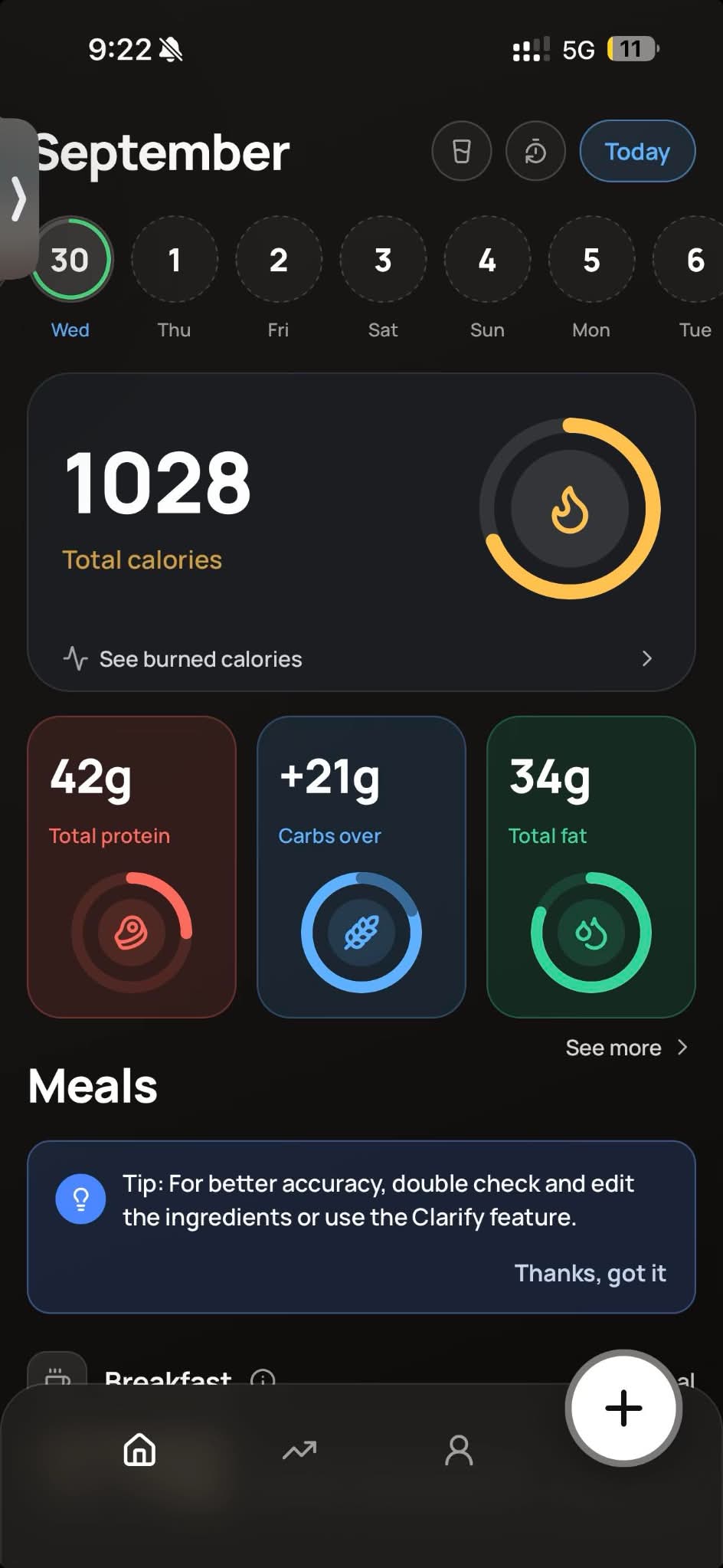
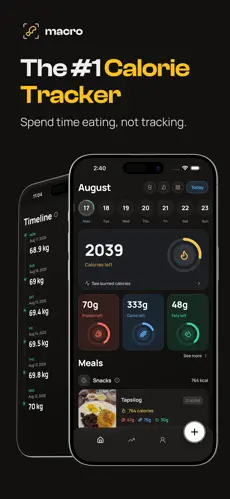
macro is an AI-powered calorie tracker designed to remove the friction of traditional food logging.
Instead of searching through a food database, users can:
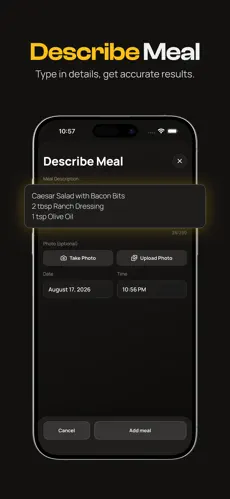
- Snap or describe a meal
- Answer one quick clarification question if the AI is unsure
- Get calories and macros automatically
- Share the meal with one tap
- Track together with family, friends, or coaches
We also built tools for coaches so their clients can log meals in macro while the coach sees their progress in one place.
How We Built It
We focused on three things from the beginning: speed, affordability, and community.
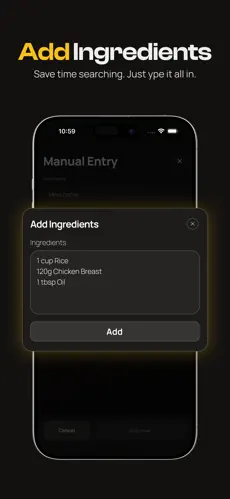
Instead of building around a traditional food database, macro uses AI to interpret a meal from a photo or description. When the system needs more information, it asks the user a quick follow-up question before completing the log.
We then added the social layer: meal sharing, Buddies for family and friends, and coach-client tracking.
We also kept the product affordable. macro currently offers a ₱299 lifetime purchase, with optional monthly Cloud and Plus plans.
Everything so far has been built by our own team with $0 raised. macro has reached around 20,000 paying customers, $88K in revenue, and more than 75,000 users.
Challenges We Faced
One of our biggest challenges was making AI food logging feel simpler than traditional calorie trackers without hiding uncertainty from users.
A photo does not always contain enough information, so instead of pretending the AI always knows the answer, we designed a clarification step that can ask for additional context when needed.
Distribution was another major challenge. Early growth relied heavily on one large partner. When that partnership ended in July, sales dropped significantly.
We had to rethink our acquisition strategy and rebuild around a more diversified network of creators and communities. We now work with five partners with a combined audience of roughly 2.3 million people.
We are also learning how to balance a low-cost lifetime product with recurring revenue. That led us to introduce optional subscriptions and new products for families, friends, and coaches.
What We Learned
The biggest lesson has been that calorie tracking is not only a technology problem—it is a behavior problem.
Making logging faster matters, but people also need reasons to keep coming back. Our retention data has reinforced that idea: among users who have logged at least 10 meals, 58% were still logging after seven days and 38% after 21 days. Around 7,600 people currently use macro every week.
We also learned how important community and distribution are. Building a good product was only the first part; finding trusted partners, listening to users, and creating ways for people to track together have become just as important.
Our long-term vision is to grow from helping individual dieters to helping families, barkadas, coaches, and eventually every Filipino managing their weight.
Every meal logged also helps us build better knowledge around Filipino food—an area where many Western-focused nutrition apps are still limited.
Built With
- cursor
- expo.io
- javascript
- react-native
- revenuecat
- supabase


Log in or sign up for Devpost to join the conversation.