

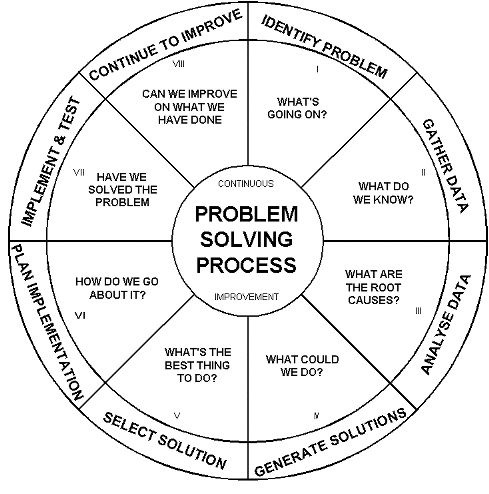

Inspiration: Each problem specifically is based around research, money, and advocacy. A lot of research doesn’t mean good research, a lot of money raised doesn’t mean it is necessary, and a lot of advocacy may not directly help. I found people are using research gate, google scholar, government sites, and pub med. I’m very annoyed we haven’t solved more problems quicker. I wonder what is going on.
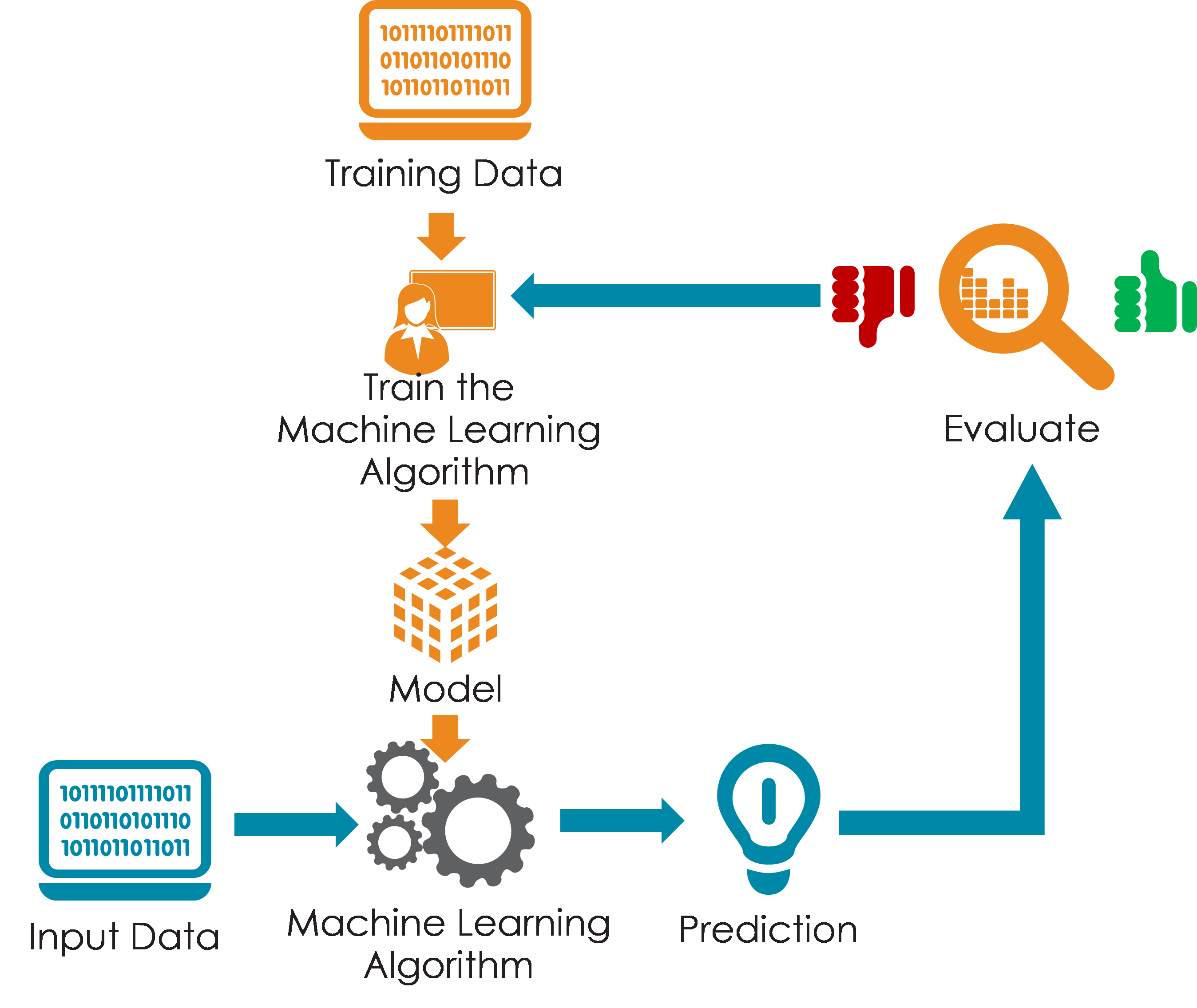
What it does: Hope to develop a system that is not pre-programmed: learning from experience, using only raw pixels as data input
How to built it: Using deep learning on a convolutional neural network, with a novel form of Q-learning, a form of model-free reinforcement learning. Test the system on google scholar, notably early biology results, such as Biological aging or Parkinson’s. Without altering the code, theAI begins to understand how to think about a problem, and after some time articulate thoughts, for many problems, a more efficient data analysis than any human ever could.
Challenges I ran into: Humans currently do decide direction over big problem spaces using popular machine learning models. I wonder why they aren’t coming up with answers.
What I learned: You can’t just pop up an instance of tensorflow and play with it.
What's next for Machine learning to answer unsolved science problems: “As opposed to other AIs, such as IBM's Deep Blue or Watson, which were developed for a pre-defined purpose and only function within its scope.”

Log in or sign up for Devpost to join the conversation.