-
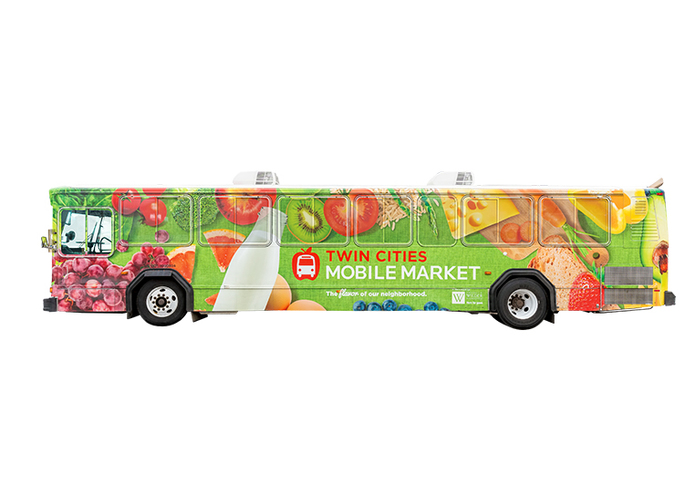
Mobile Grocery Store
-
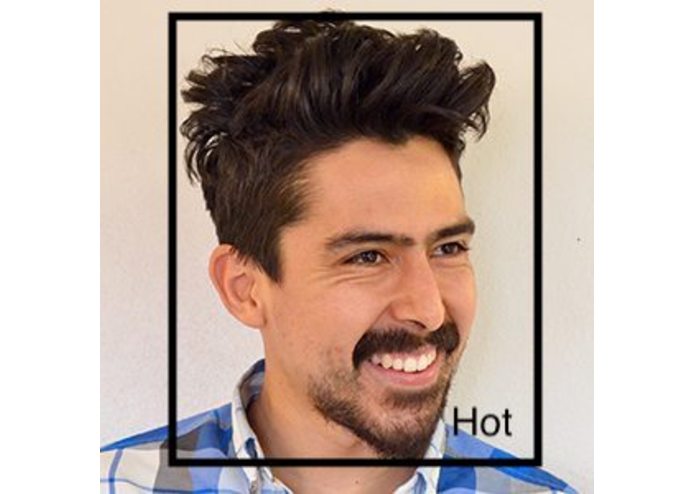
Example of Classification under Hot


food des·ert : an urban area in which it is difficult to buy affordable or good-quality fresh food.
Approximately 23.5 million people live in food deserts in the United States of America 2. Because there is a lack of adequate fruits and vegetables, residents of these areas tend to resort to fast food, leading to unhealthy dietary choices which cause a variety of health problems including obesity.
There are various non-profit organizations (Twin Cities Mobile Market, Fresh Express, etc.) and government initiatives that help reduce food deserts, but according to the United States Department of Agriculture (USDA), there is a loss/waste of 30% of food supply at the retail and consumer level 2. We believe that we can reduce the amount of food waste using machine learning techniques (pre-processing, segmentation, feature extraction, classification) 1 to determine less desirable produce (yet still healthy and edible) to transport to food deserts by selling to mobile grocery stores at a reduced cost.
We planned on using TensorFlow to build a classifier for identifying less desirable produce using logistic regression, however we ran into the issue that many data scientists come across, which is the lack of appropriate data. The Fruits 360 data set (found on Kaggle) will be utilized for this project, but the concern of insufficient data for spoiled fruits and vegetables cannot be ignored. Creating our own data set to solve this issue can both be timely and costly. Therefore after attending Dr. Daniel's workshop on the Introduction to Machine Learning, we developed a straightforward and mobile way of labeling images on Android which can be used to gather image data on spoiled produce.
Food deserts in the U.S. are a massive problem that we were unaware of before this hackathon and we are glad we learned how it affects the communities around us. According to a study done by the National Center for Biotechnology Information, neighborhoods with greater availability of healthier foods had a reduction of 45% incidence of diabetes 2. Although our idea is extremely rudimentary, we strongly believe that it can help reduce food waste at grocery stores and minimize food deserts in the United States.
Built With
- android-studio
- love
- tensorflow


Log in or sign up for Devpost to join the conversation.