-
-
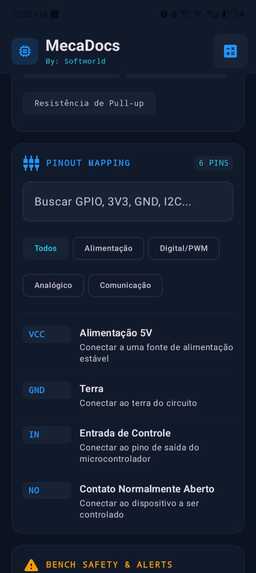
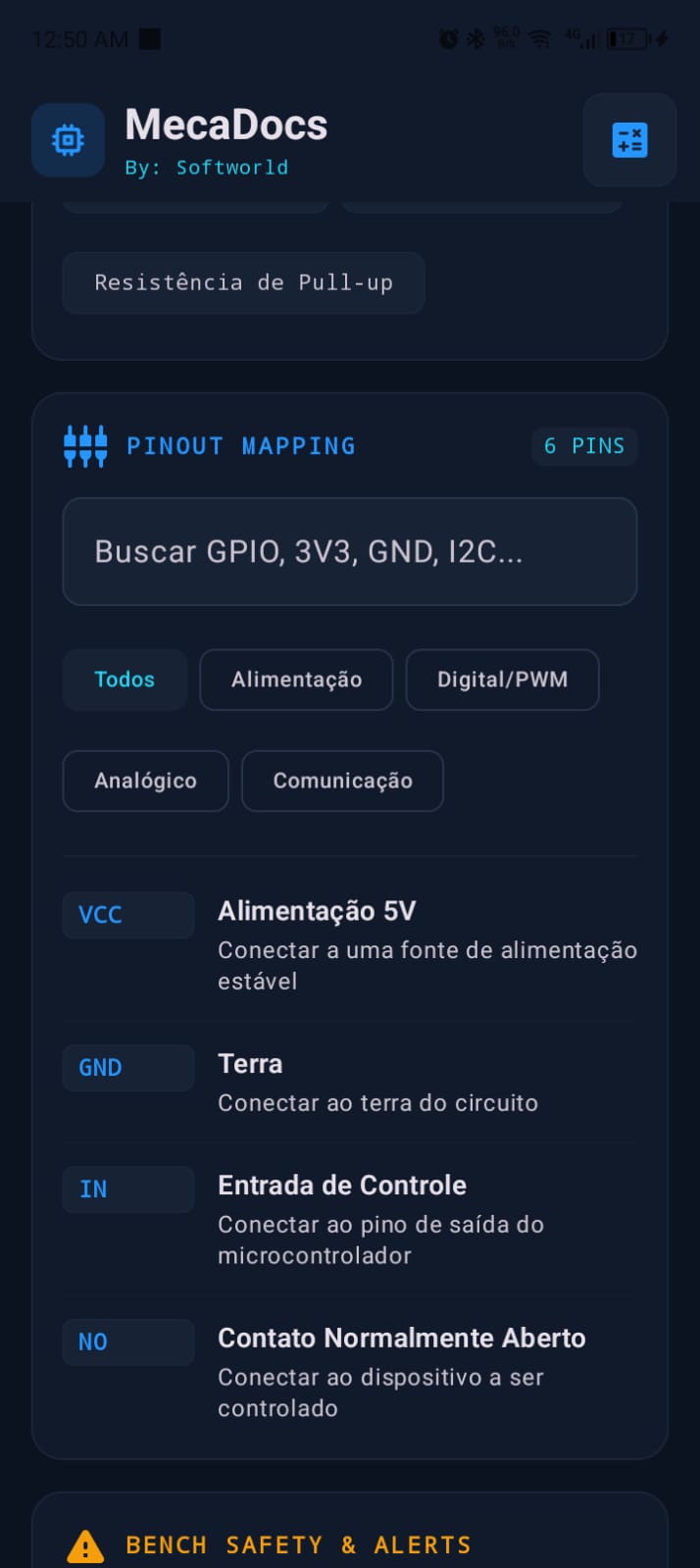
pinout
-
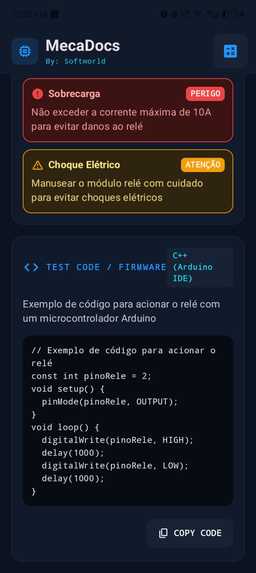
codes for test
-
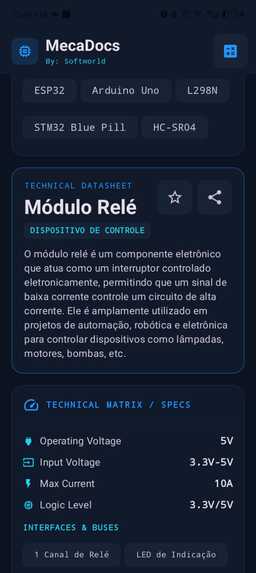
first window
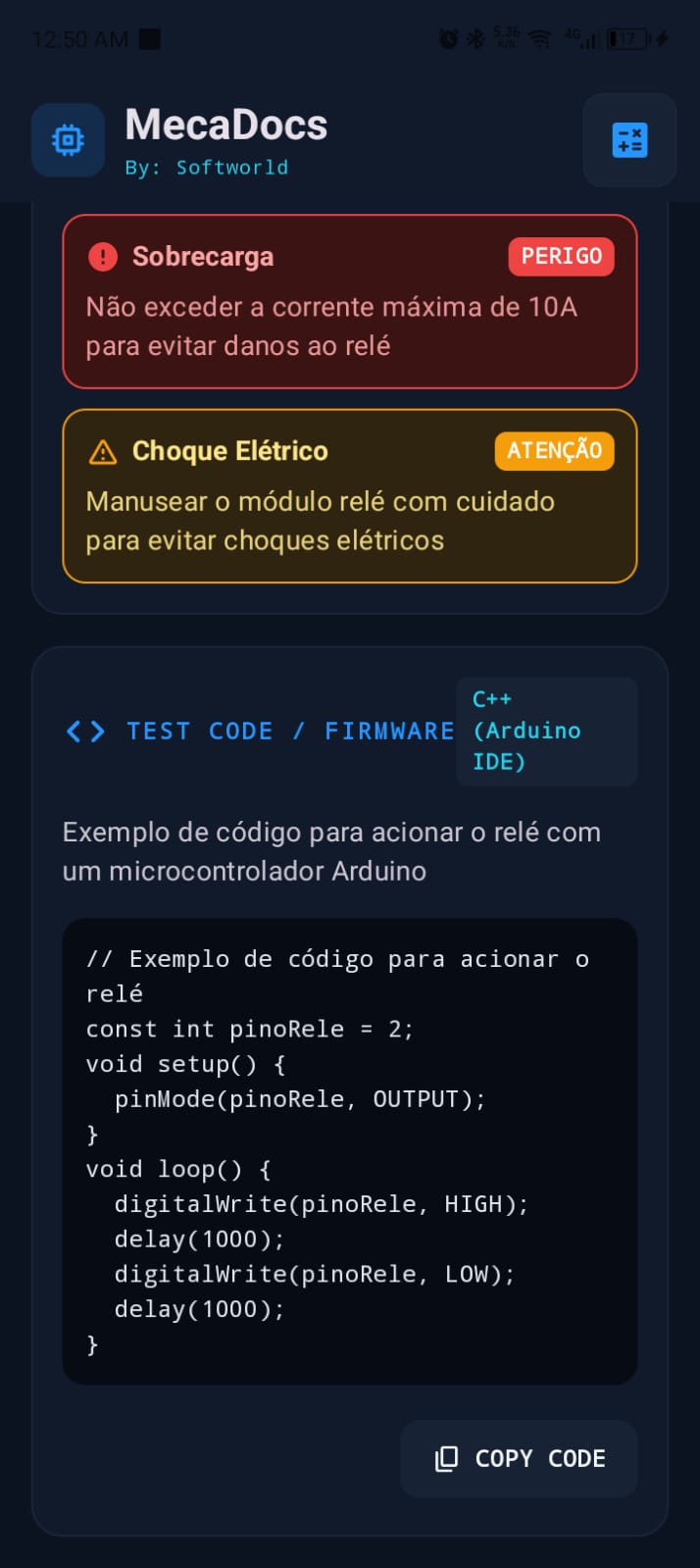
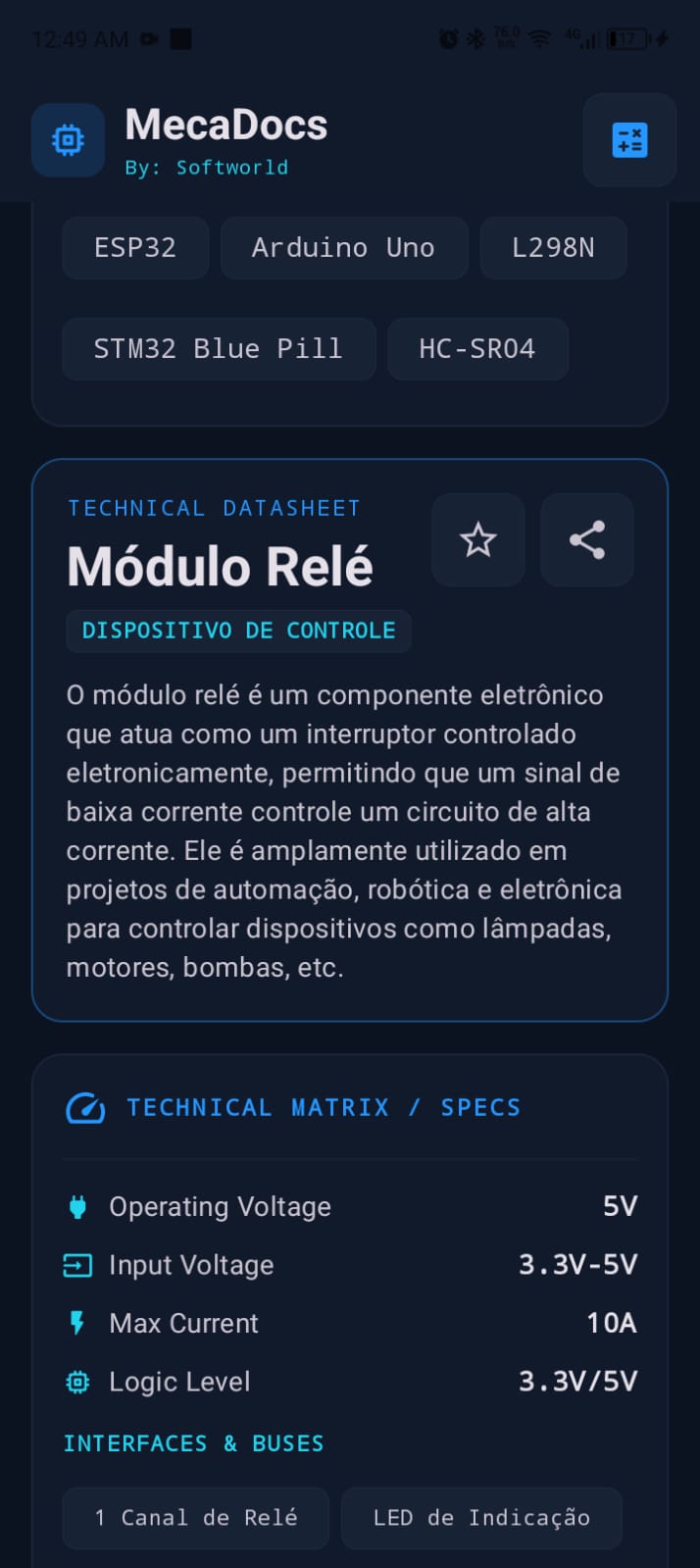
As electronics engineers, makers, and hobbyists, we’ve all been there: staring at a complex circuit diagram or a new microcontroller (like an ESP32 or sensor module) and wasting precious time hunting across fragmented web pages for pinout diagrams, electrical specifications, or safe operating voltages. We wanted to build a tool that brings an entire engineering lab station right into your pocket—an intelligent app that instantly generates accurate, structured datasheets and test code on demand. That is how MecaDocs was born: an AI-powered technical datasheet generator designed to streamline hardware development.
How We Built It
MecaDocs is engineered as a modern, high-performance Android application built with a robust tech stack and resilient architecture:
UI & Architecture: Built completely in Jetpack Compose (Material 3) with Edge-to-Edge support, following the MVVM (Model-View-ViewModel) architectural pattern and Repository pattern. State preservation is handled securely via SavedStateHandle.

Data Layer & Caching: Utilizes Room Database for local persistence, caching user bookmarks, search history, and previously generated AI responses.

Resilient Networking: Powered by Retrofit 2 and OkHttp 3 with custom Moshi JSON converters. To ensure high availability, we implemented an intelligent ApiRotationInterceptor and ApiPoolManager that automatically rotates between multiple AI providers (OpenRouter, Google Gemini, Groq, and the MecaDocs gateway) with a 60-second cooldown on failure, falling back gracefully to offline expert mocks when needed.
Challenges We Faced
Building an AI-driven tool for hardware specifications came with unique architectural hurdles:
Handling AI Reliability: Relying on a single AI endpoint can lead to broken user experiences if rates are exceeded or connections drop. We solved this by designing a multi-tier resolution strategy and a dynamic provider rotation pool (ApiRotationInterceptor), ensuring seamless failovers without crashing background threads.

Complex Data Parsing: Standardizing unstructured AI outputs into structured domain models (pins, safety alerts, and code examples) required robust type converters and pattern adapters (AiPayloadAdapter) to ensure the Jetpack Compose UI renders data cleanly and reliably.
What We Learned
Through building MecaDocs using structured, plan-first AI workflows, we learned the immense value of rigorous technical scoping and spec-driven development. Implementing a multi-tier data resolution strategy taught us how to gracefully bridge local relational databases with volatile cloud AI services, creating a resilient, production-ready app experience for engineers in the field.
Built With
- apis
- kotlin

Log in or sign up for Devpost to join the conversation.