-
-
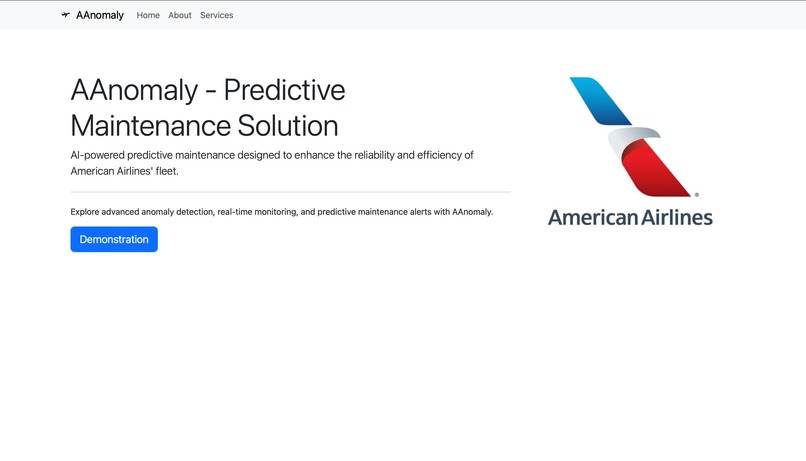
Main Landing Page
-
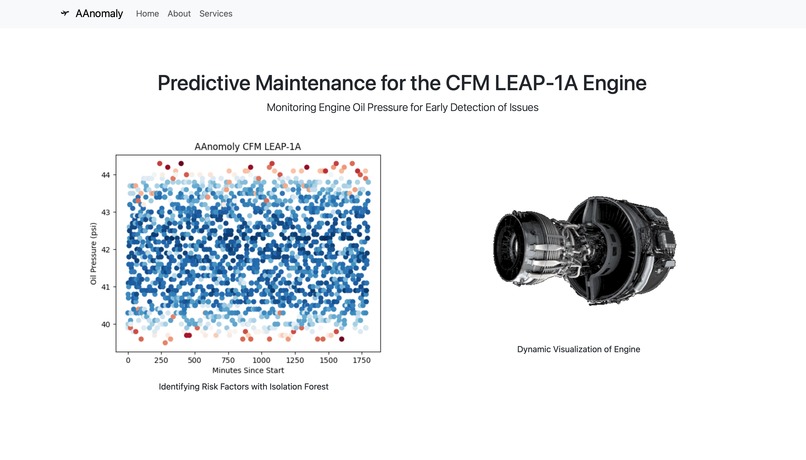
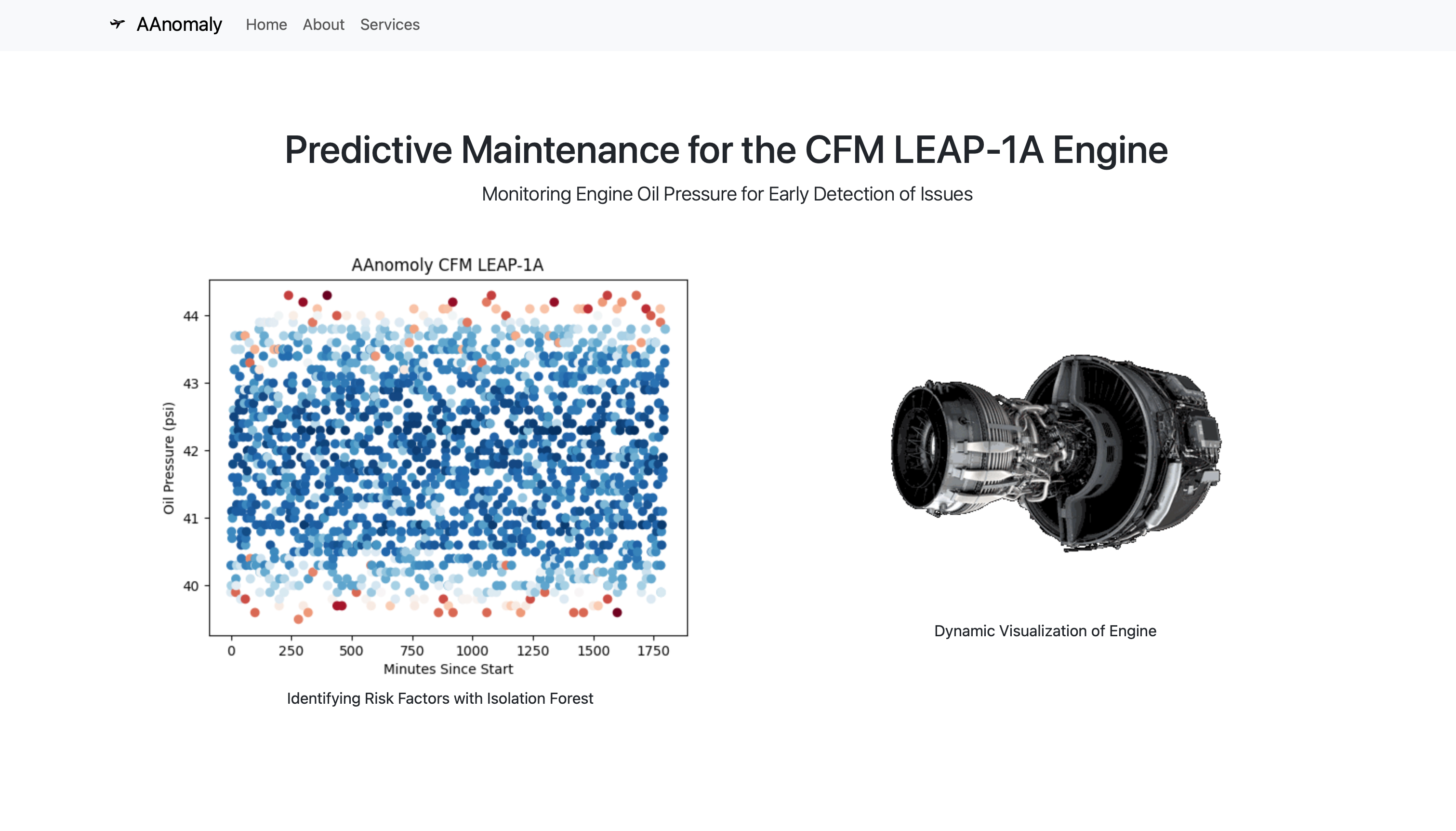
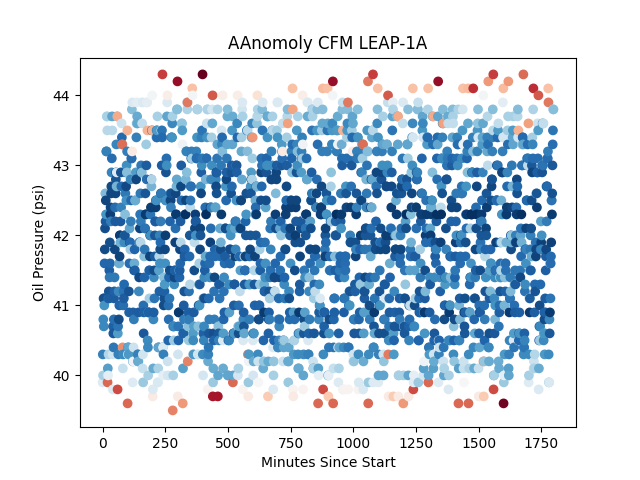
Oil Pressure Demo
-
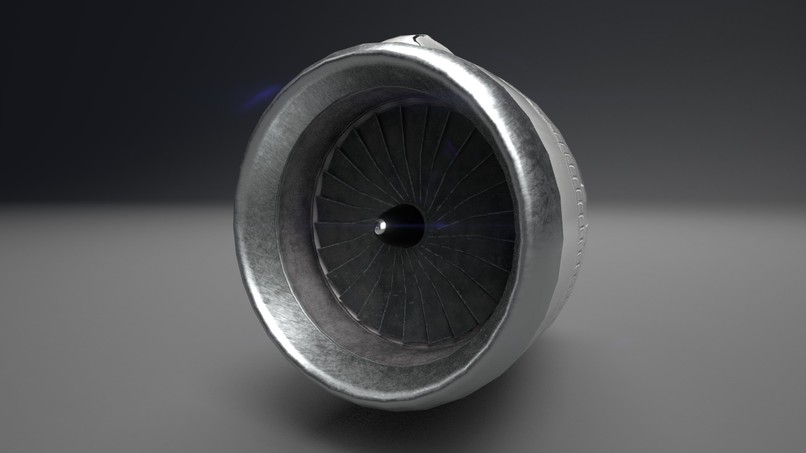
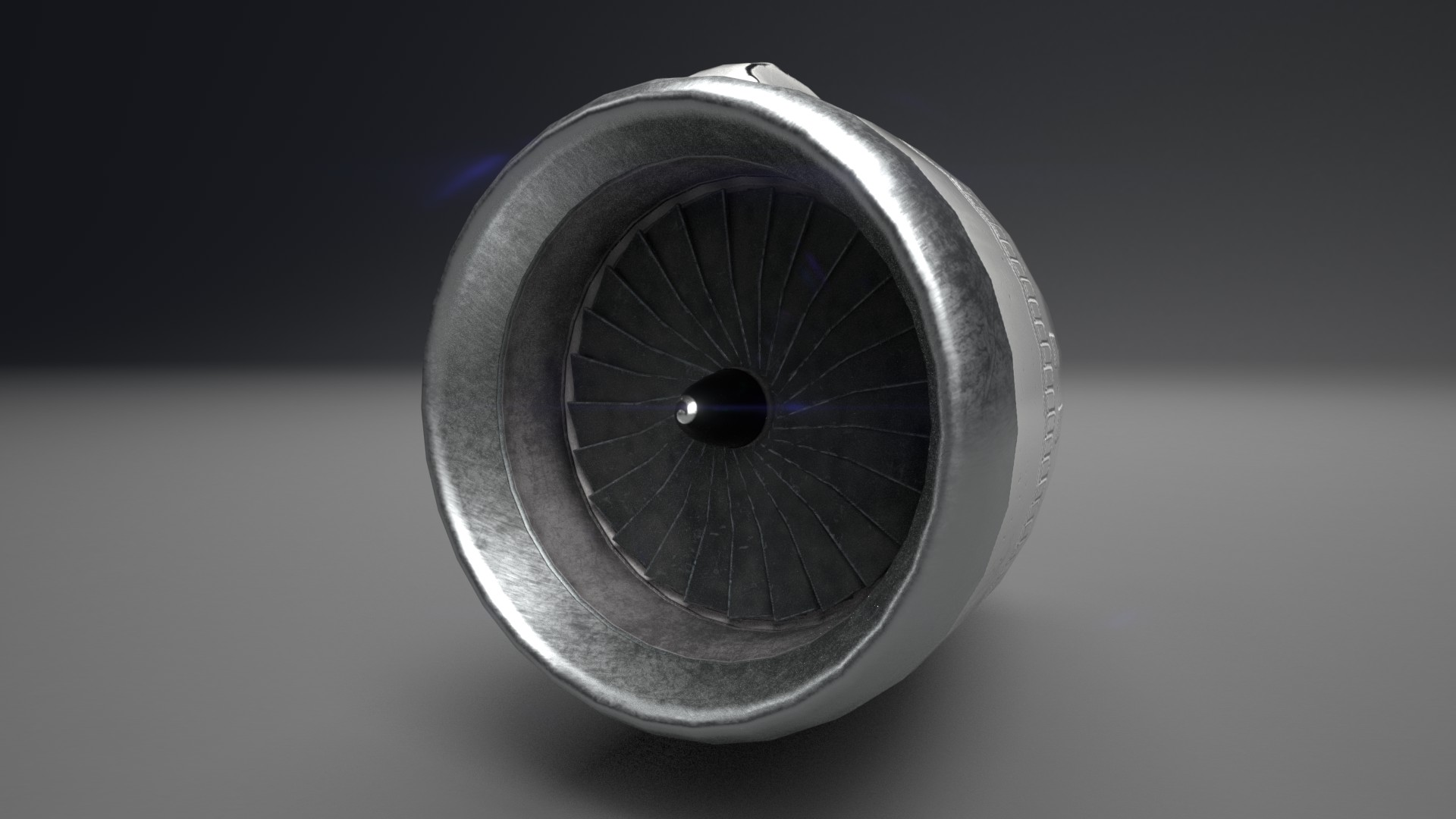
Leap Engine Render 3
-
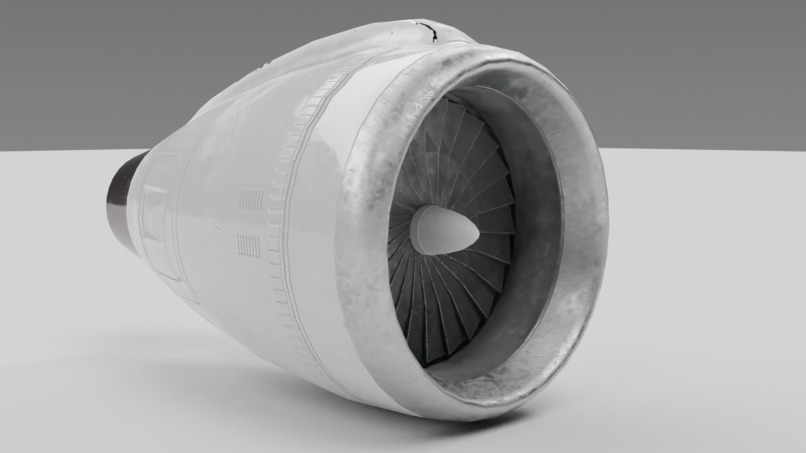
Leap Engine Render 1
-
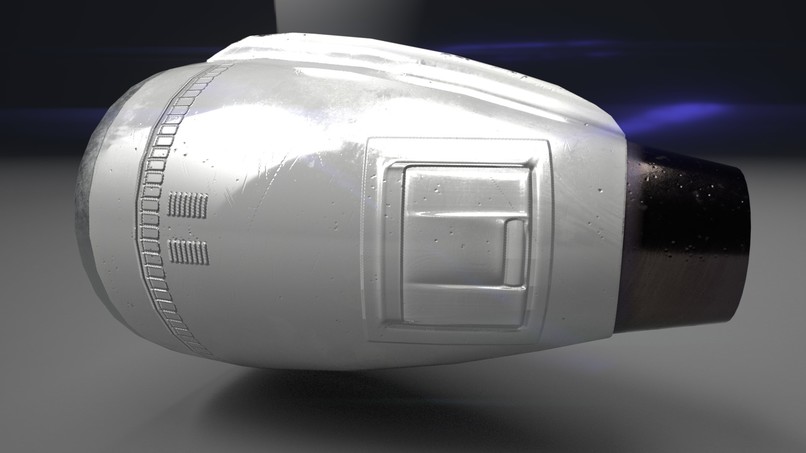
Leap Engine Render 4
-
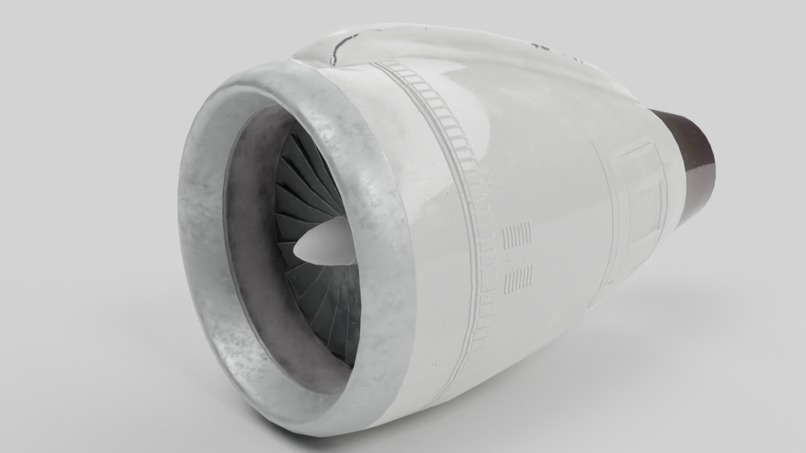
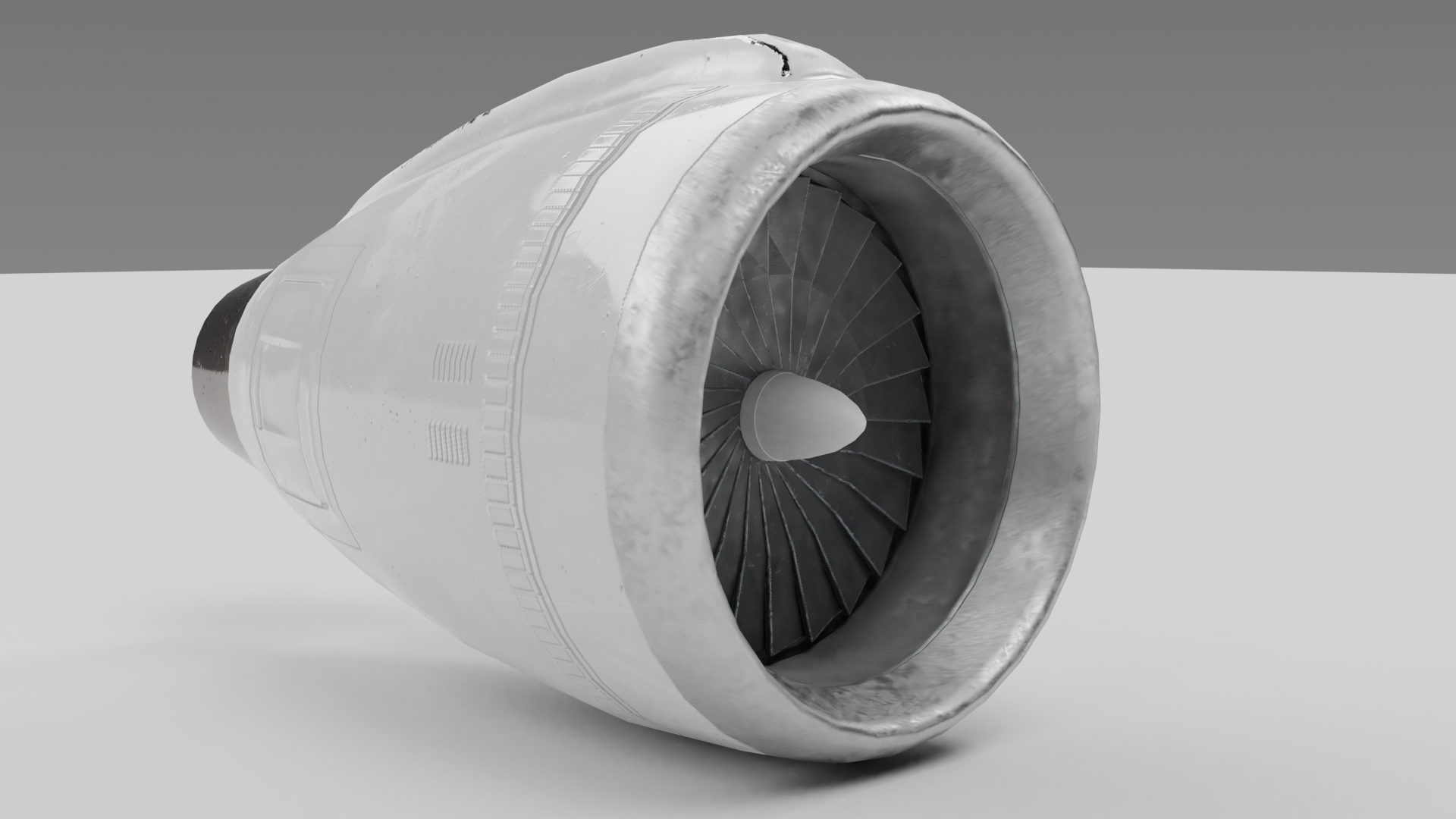
Leap Engine Render 2
-
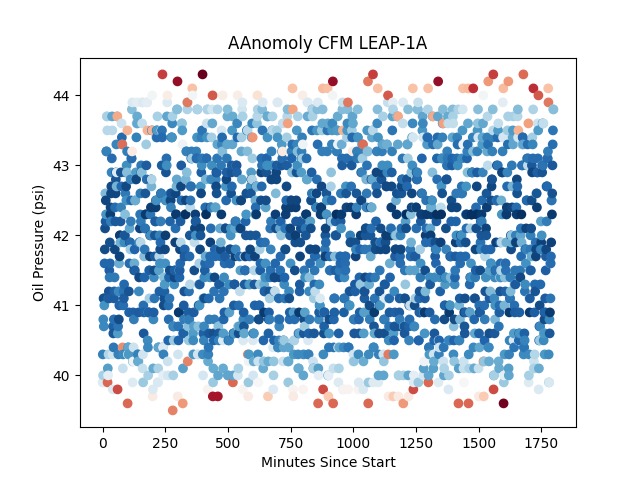
Analysis Risk Chart
-
Render
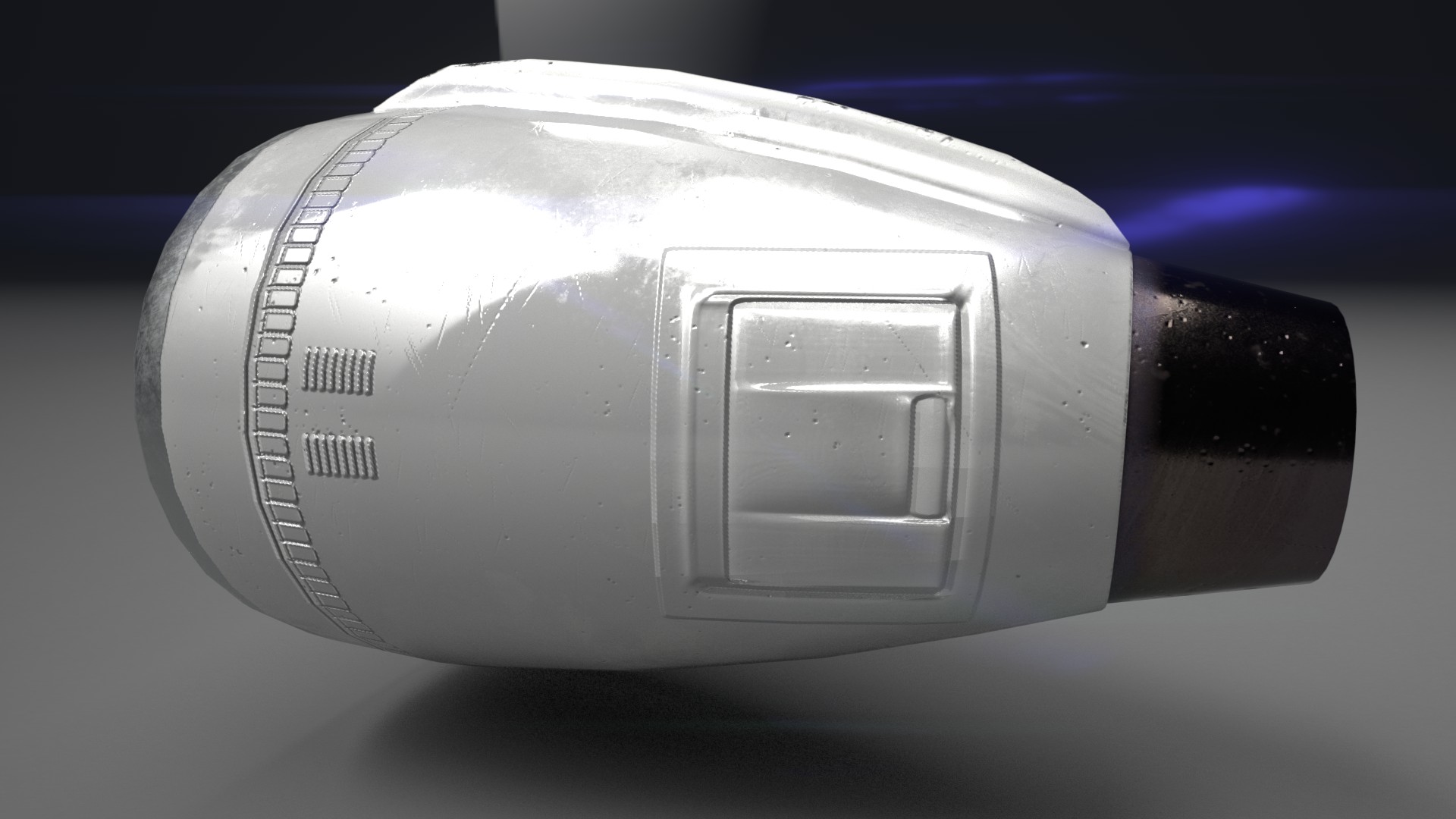
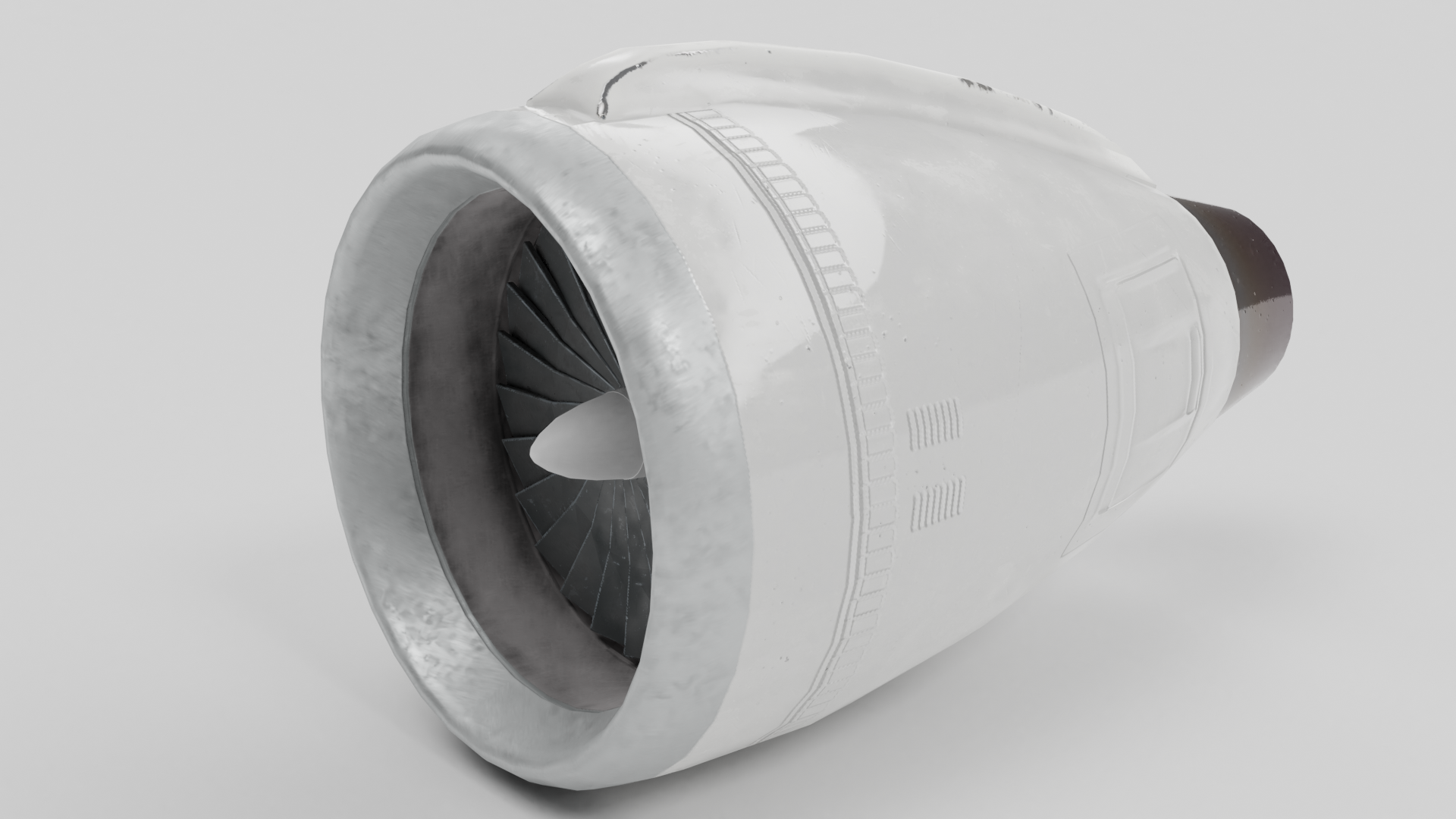
Inspired by the potential to improve air travel efficiency and safety, I embarked on a project to develop an AI-powered predictive maintenance solution for airlines. Our goal: minimize unplanned groundings, optimize maintenance schedules, and ultimately prevent in-flight failures.
Data Challenges and Creative Solutions:
While I leveraged publicly available data and simulation techniques, access to real-world oil pressure data, crucial for engine health monitoring, was restricted. This obstacle sparked my creativity, leading us to develop realistic synthetic data to generate simulated sensor readings and train our anomaly detection model.
Our Technical Stack:
Building a robust and scalable solution required a blend of technologies. We utilized:
Data Science: Pandas, NumPy, Scikit-learn for data manipulation, feature engineering, and machine learning. Backend Development: Django/Flask for secure API development and data management. Frontend Development: JavaScript, CSS, HTML for an intuitive user interface showcasing aircraft health insights.
Impact and Future Vision:
By predicting potential failures before they occur, our solution can significantly benefit airlines through:
Reduced Downtime: Minimizing costly delays and improving passenger experience. Optimized Maintenance: Scheduling maintenance based on actual needs, extending aircraft lifespan and saving resources. Enhanced Safety: Proactively preventing in-flight failures, prioritizing the safety of passengers and crew. We envision a future where AI seamlessly integrates with existing infrastructure, continuously learning and improving with more data and industry collaboration. This will lead to a safer, more efficient, and ultimately, a more enjoyable air travel experience for everyone.

Log in or sign up for Devpost to join the conversation.