-
-
M Shield Logo
-
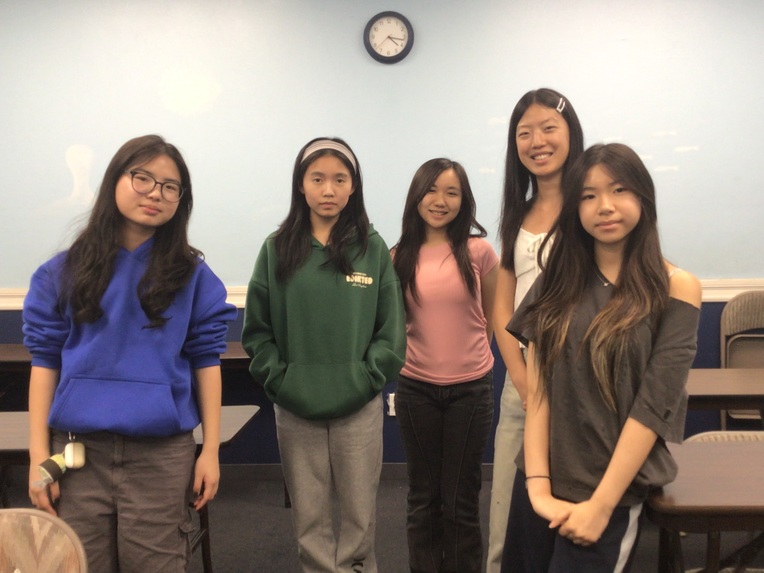
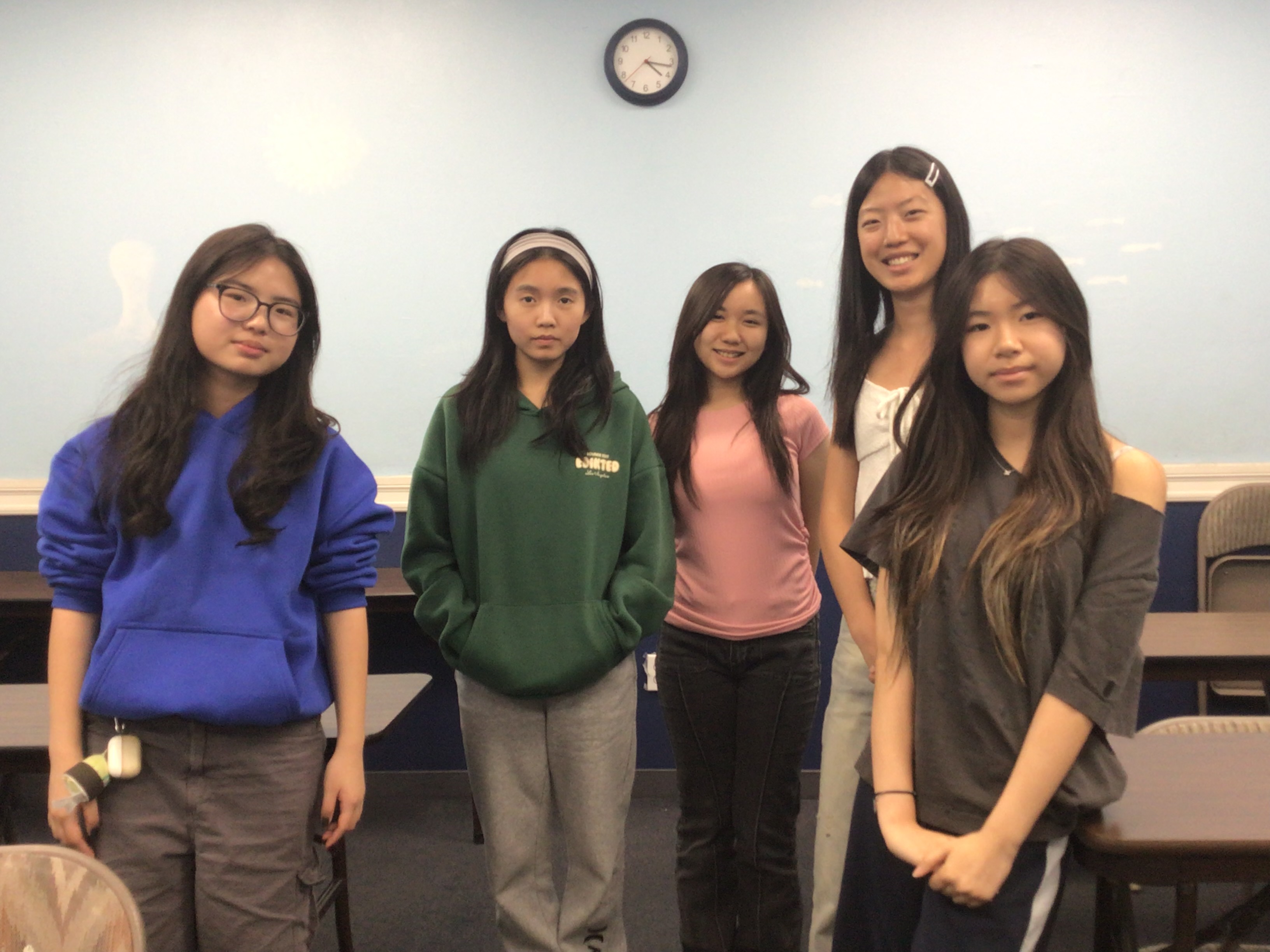
Team Picture (from left to right): Jenny, Elizabeth, Kaylee, Melanie, Jolie
Inspiration
We know that Malaria has been a longtime leading cause of death in Africa. There have also been many already-created solutions to this problem, but we wanted to focus our attention onto the younger audience, specifically babies. Babies have the highest death rate from Malaria and we were inspired to try to create a form of protection as a solution to this ongoing issue.
What it does
M Shield is a low-cost, wearable infant fabric designed to protect babies from mosquito bites that can cause malaria. It uses microencapsulated natural oils for continuous protection and includes temperature-sensitive dyes to help detect fever early.
How we built it
The first step that we took was finding a target audience. After doing research on the death rates for each age group, we landed the younger age group, babies. We researched existing methods for mosquito bite prevention and identified their limitations. Using that research, we designed our own solution, a three-layer textile system where each layer serves a specific helpful function against mosquitos. We then selected materials based on real-world applications. We took into account the sensitivity of the babies’ skin and also the affordability of our project, especially in relation to our target audience.
Challenges we ran into
One challenge we faced during this project was ensuring that all materials would be safe for long-term infant exposure while also providing long-lasting protection against mosquitoes. Another challenge was considering the product’s durability, especially its ability to remain effective through multiple washing cycles. We also had to evaluate the feasibility of manufacturing the product and making it accessible to our target audience at an affordable price.
Accomplishments that we're proud of
One of the biggest accomplishments we are proud of is that we were able to create such a large and detailed project from just an initial idea. At the beginning, we did not realize how much we would be able to accomplish, so we are really proud of the amount of work, effort, and creativity we put into developing M Shield. We are proud that we were able to design an innovative product concept that helps reduce infant malaria risk by combining mosquito protection with early fever detection. We also worked hard to make our idea feel realistic and well-developed, not just creative. Another accomplishment we are proud of is how much we created to support our project. We built a website using Wix, designed a presentation with Canva, and made original diagrams and a custom logo using Procreate and Canva. These parts took a lot of time, but they helped us communicate our idea more clearly and professionally. Overall, we are proud of how much we learned and how much effort we put into turning a simple idea into a complete, research-backed project with real-world impact potential.
What we learned
After completing this project, we can definitely say that we learned a lot about teamwork. While brainstorming, our group had moments where we did not all agree right away, but those moments helped us understand the importance of cooperation and open-mindedness. We learned that sometimes it is necessary to be flexible with our own ideas and support another idea that may be more realistic or better developed. We also realized that one of the most challenging parts of creating a project is coming up with a unique idea that everyone feels excited about and can agree on.
What's next for M Shield: Malaria Baby Guard Wrap
The next step for MShield is moving from concept to prototype testing, focusing on validating the effectiveness of both the mosquito-repellent release system and the fever-detection accuracy in real-world conditions. We plan to collaborate with public health researchers and textile engineers to refine material safety, durability, and wash resistance for long-term infant use.
We also aim to optimize manufacturing methods to make the wrap scalable and cost-efficient for low-income regions. This includes sourcing sustainable materials and simplifying the microencapsulation process for mass production.
Finally, we want to expand MShield into a broader platform for wearable disease prevention, adapting the technology to protect against other mosquito-borne illnesses like dengue, Zika, and chikungunya in different global regions.


Log in or sign up for Devpost to join the conversation.