-
-
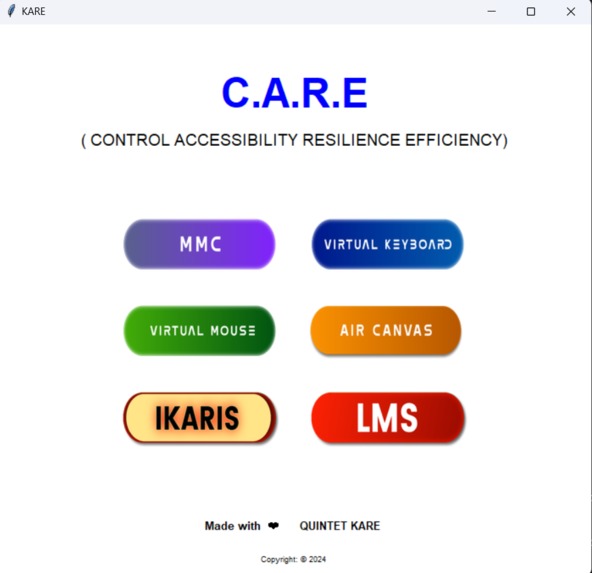
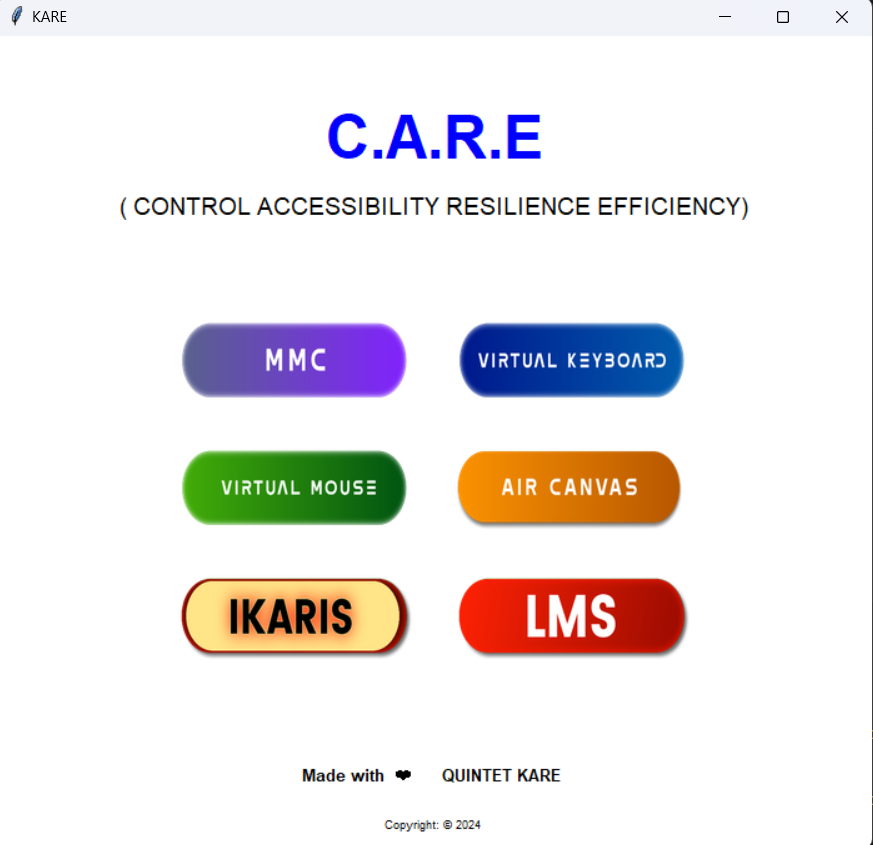
Interface representing vartious features of project.
-
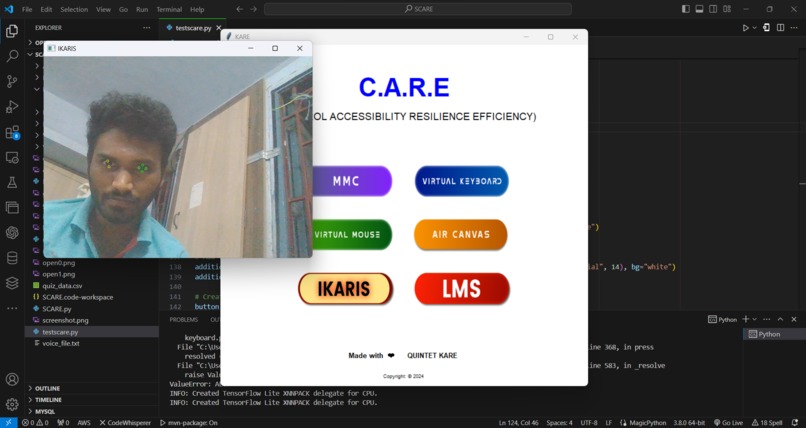
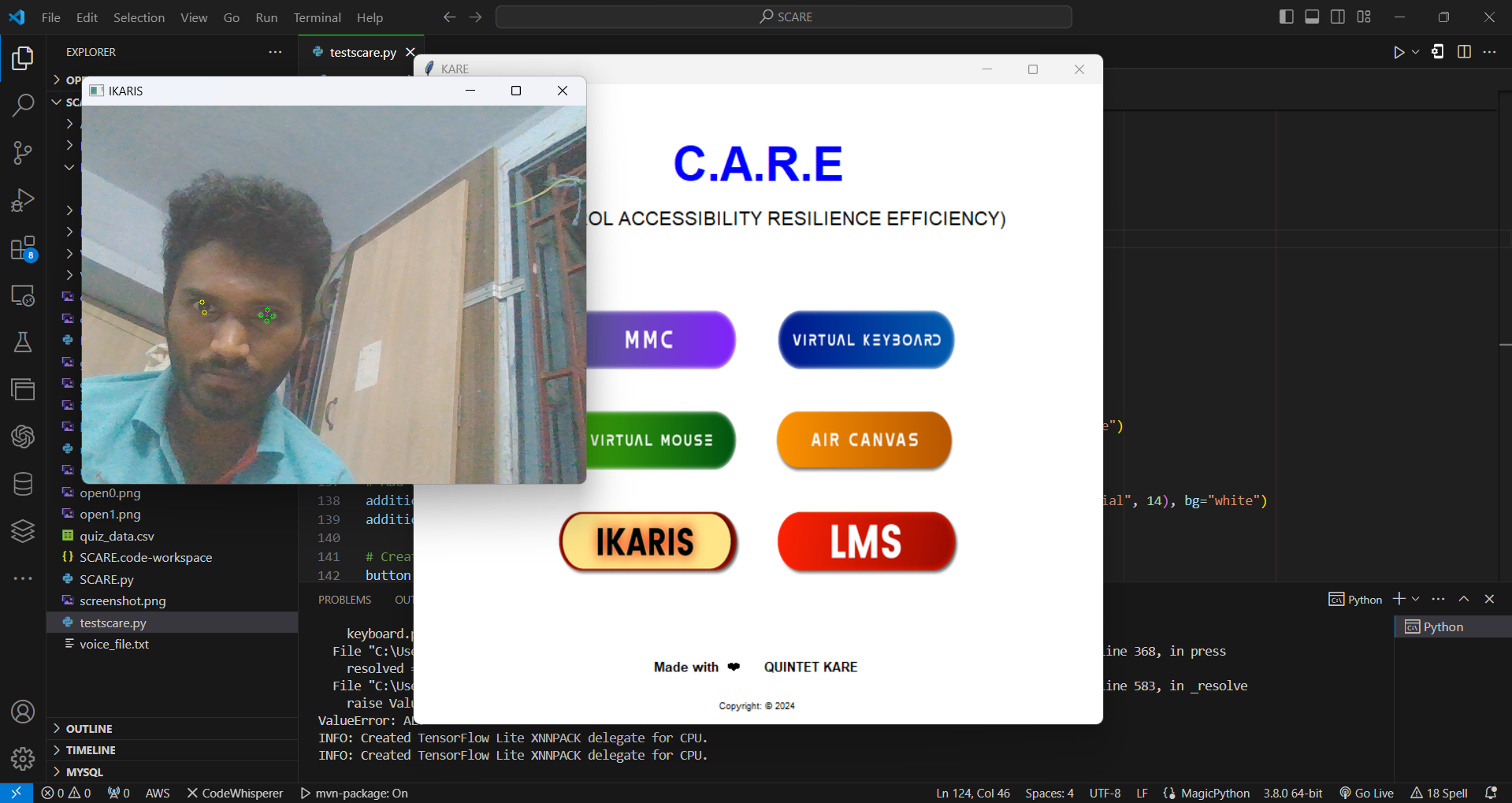
EYE DETECTION (CONTROL)
-
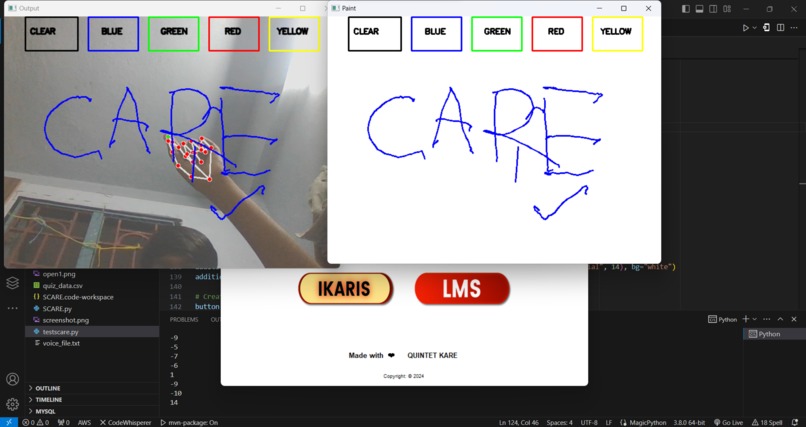
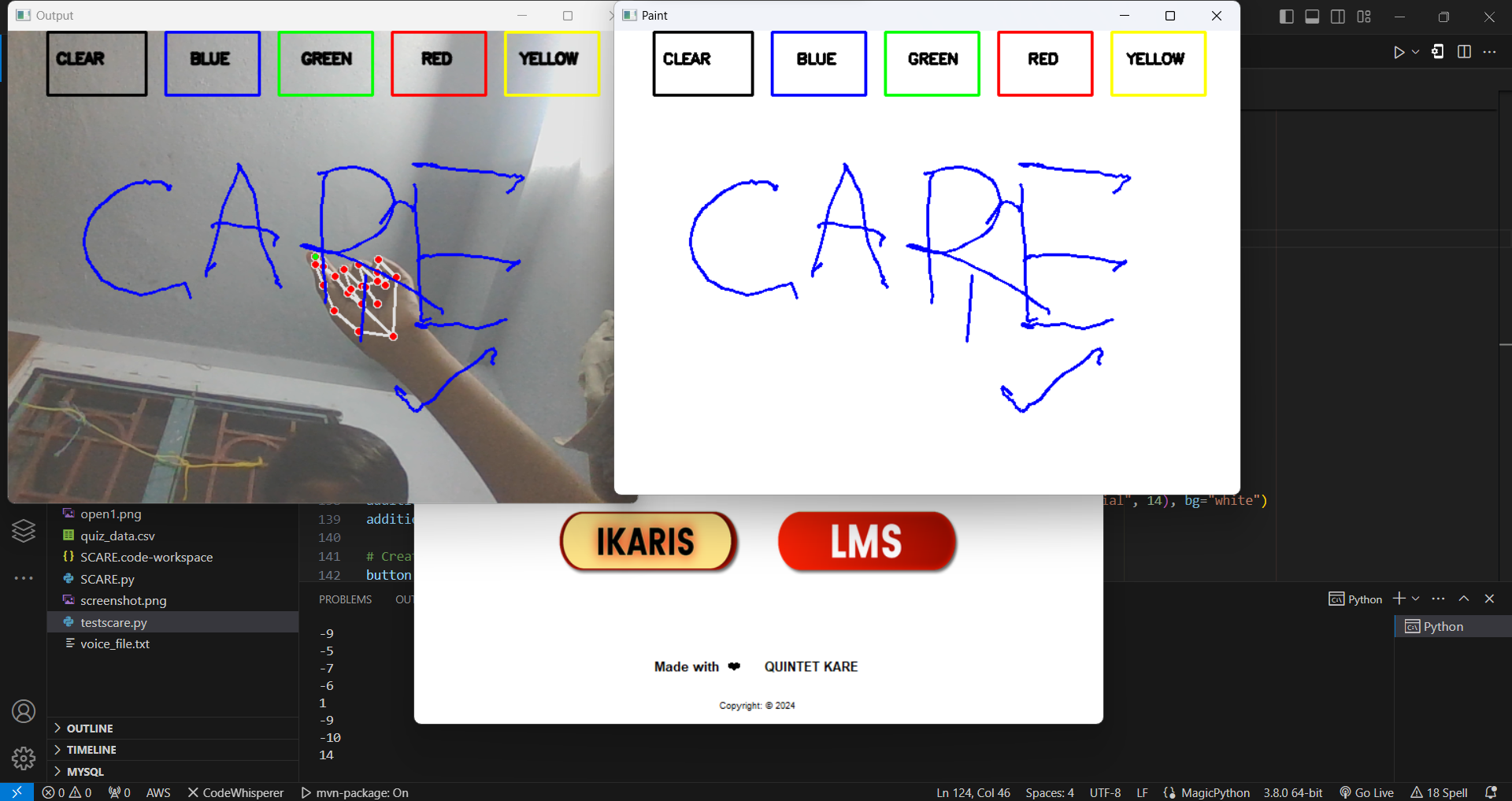
AIR BOARD
-
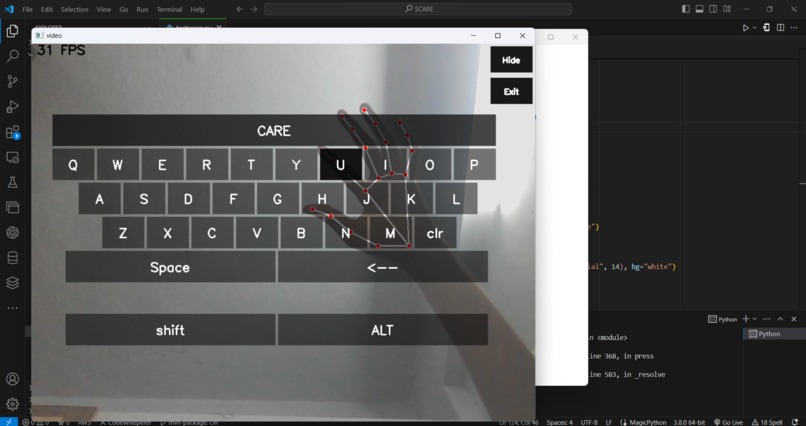
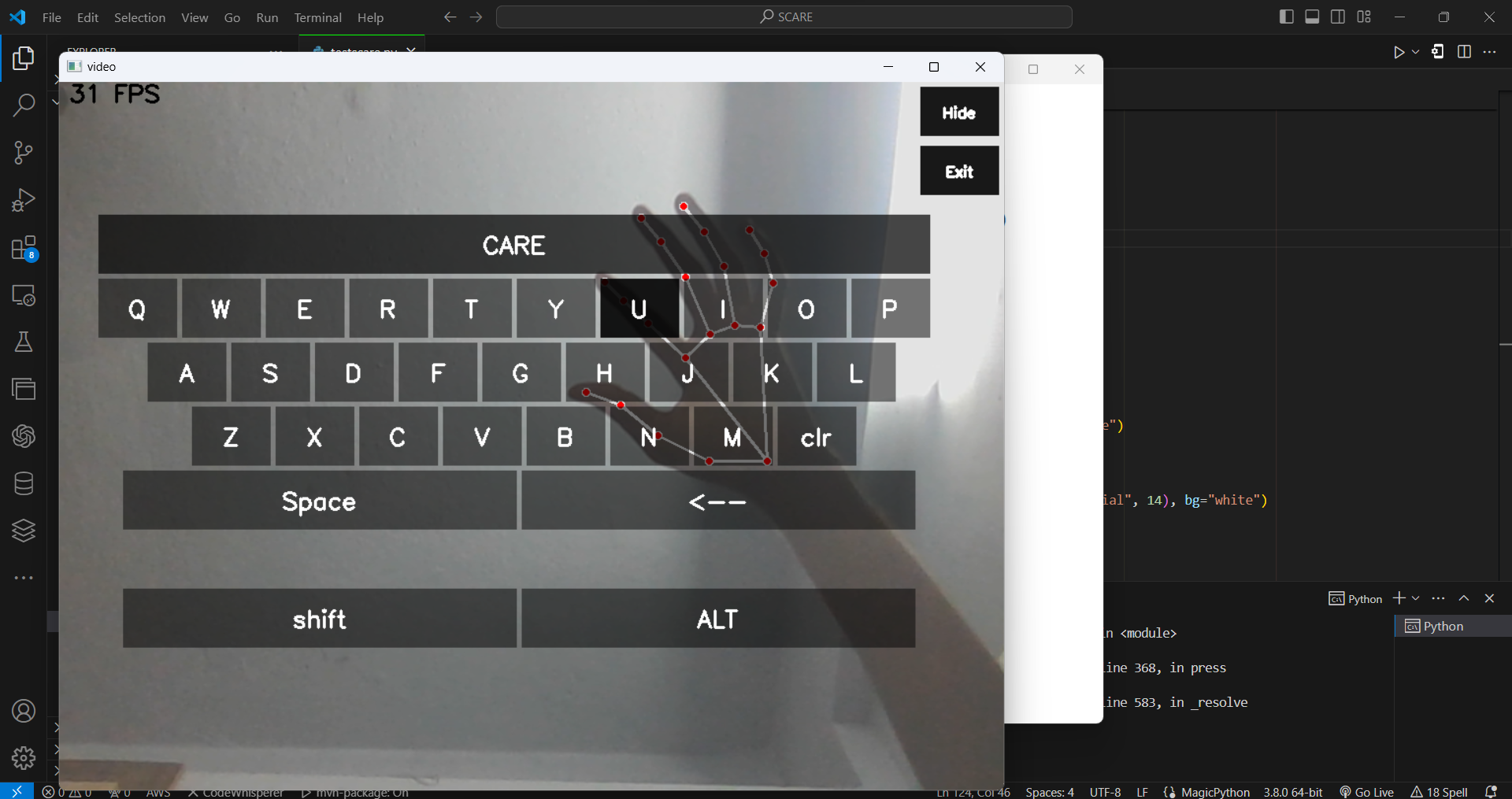
GESTURE CONTROLLED KEYBPOARD
PROBLEM STATEMENT DESCRIPTION
The MARISTEL project is a kernel base- optimized control system having a Human-Machine Interface (HMI) that changes the way people interact with digital and physical environments. • It improve the communication between computer and human. Our project uses cutting-edge gesture recognition natural language processing (NLP), and eye-tracking tech to create an all-inclusive, user-friendly, and productive interface for controlling various devices. • These devices range from computers and smartphones to home and industrial appliances, and users can control them through gestures, voice commands, and eye movements that enhance the interaction between the computer and user communication and get the necessary output. • The project uses Leap Motion technology, computer vision, and machine learning to create an accurate and quick control system. • This system is optimized at the kernel level to respond in real-time. It also offers high-end and practical applications that line up with several sustainable development goals (SDGs). It is exploring its use in agriculture such as gesture-controlled AI robotic hands, to boost productivity and sustainability in farming
IDEA/APPROACH DETAILS
In today’s world since we are totally surrounded by various gadgets and every device basically has a Interface and a KERNAL OS but we aren't using the full capable usuage of the system, so we develop a HMI based KERNAL control system in order to control all the aspects of the technology i.e., Software interfaces and Hardware controls (both electrical and electronics) as well as interfaces associated to it by using various gestures, leap motion and generative learning, for this can be incorporated in the technology of Smart Living, thus building a sustainable infrastructure community, solving the problem of lack of Virtual based Augmented reality available to interpersonally and socially connect with the devices and humans, which is mainly not used in the education, defense and health-care sector, which when implemented enables sustainable living.
USE CASES/ DEPENDENCIES
Hands-free device control for multimedia playback and task execution Accessibility enhancement for individuals with disabilities and Individual with limited mobility due to a physical disability seeks to interact with a computer. With gesture recognition technology, they can navigate through applications, browse the web, and perform tasks, all without requiring physical touch or dexterity. By simply making hand gestures or subtle movements, the user can control the cursor, click on icons, and input text, empowering them to access digital resources and participate in online activities with ease.
DEPENDENCIES
Hardware components like cameras and sensors. Software frameworks for algorithms and processing. Compatibility with operating systems and platforms. Integration partners for system compatibility. Access to data sources for training. Reliance on network infrastructure for communication. User feedback and testing for system refinement.
USE CASES
Hands-free device control for multimedia playback and task execution with accessibility enhancement for individuals with disabilities. Individual with limited mobility due to a physical disability seeks to interact with a computer. With gesture recognition technology, they can navigate through applications, browse the web, and perform tasks, all without requiring physical touch or dexterity. By simply making hand gestures or subtle movements, the user can control the cursor, click on icons, and input text, empowering them to access digital resources and participate in online activities with ease.
FUTURE SCOPE & SCALABILITY
Enhanced Human-Computer Interaction: Hand gesture recognition will play a significant role in making human-computer interaction more intuitive and natural. Users can control devices and interfaces without physical contact. Healthcare Applications: Gesture recognition can aid in touchless control of medical equipment, making it safer for healthcare professionals and patients. Sign Language Interpretation: Advanced systems can help bridge communication gaps for the hearing-impaired by recognizing and translating sign language gestures. Smart Home Control: Home automation systems can be controlled with gestures, making it easier to manage smart appliances and systems
Advantages
An interactive system for training effective communication enhances accessibility by providing intuitive, user-friendly interfaces that cater to individuals with diverse needs, including those with disabilities, ensuring everyone can develop their communication skills. The system creates an immersive environment with interactive scenarios and role-playing exercises that simulate real-life conversations, enhancing engagement and participation. Seamlessly integrating with existing communication training programs and tools, it is easy for organizations to adopt without significant infrastructure changes.
FUTURE SCOPE
Integrating VR will be more fun and we can our target by helping many individuals. Our main target is to accessable this featture in a single application.


Log in or sign up for Devpost to join the conversation.