-
-
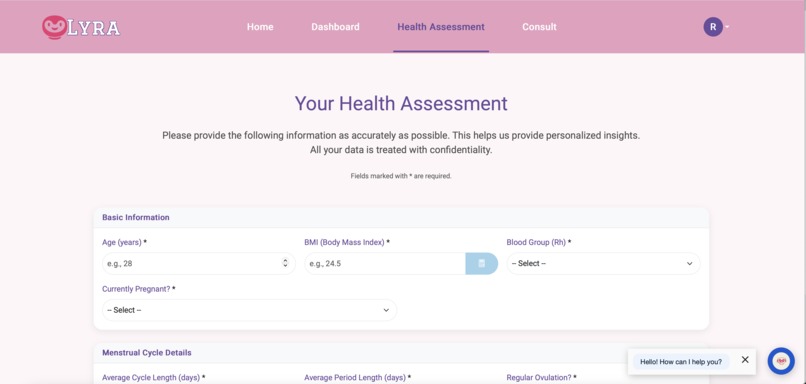
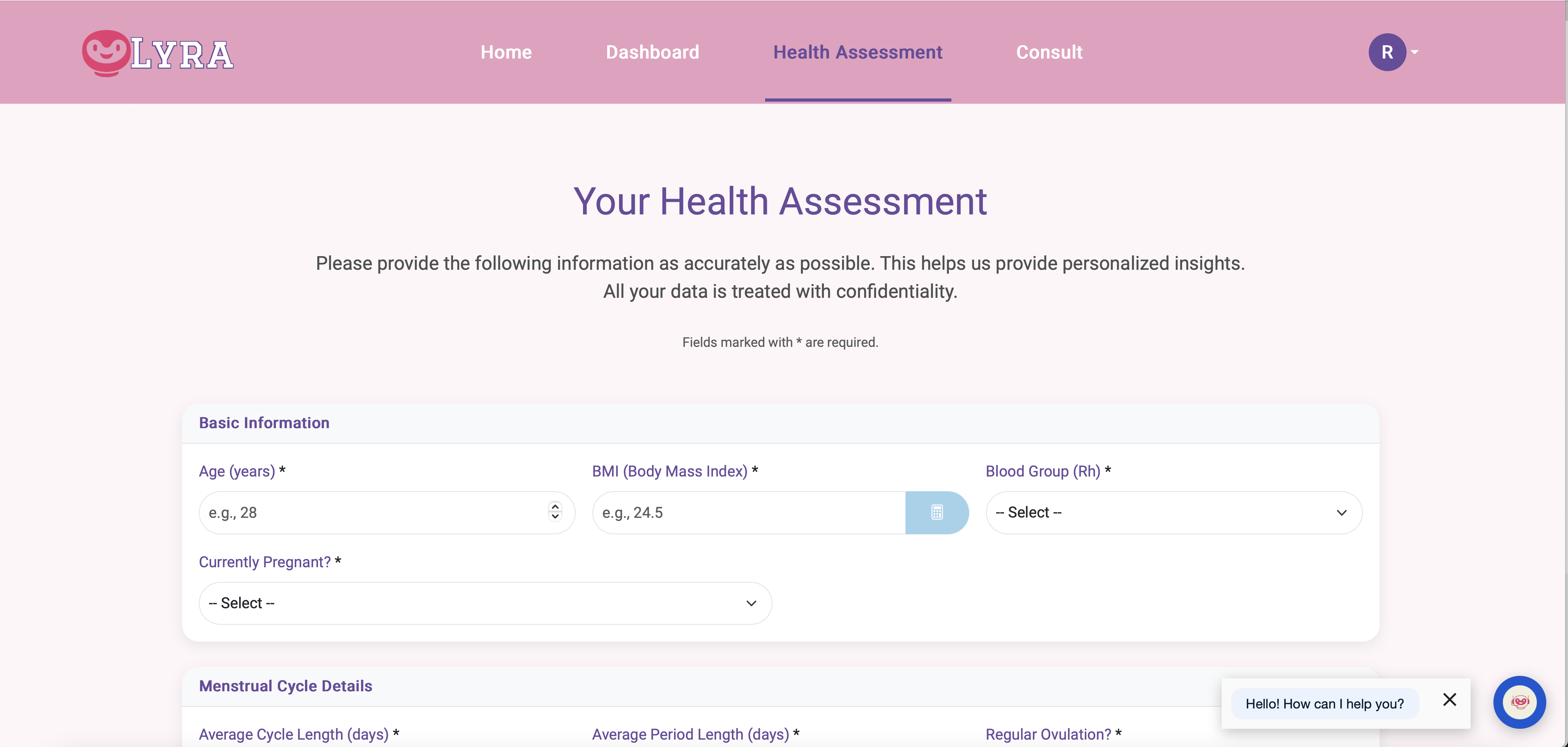
Health Assessment form
-
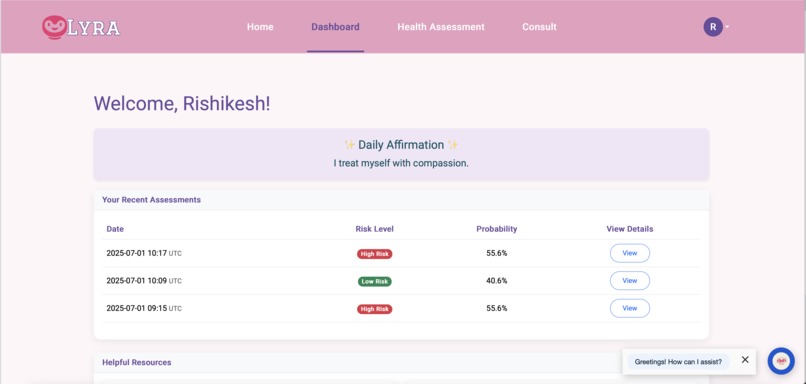
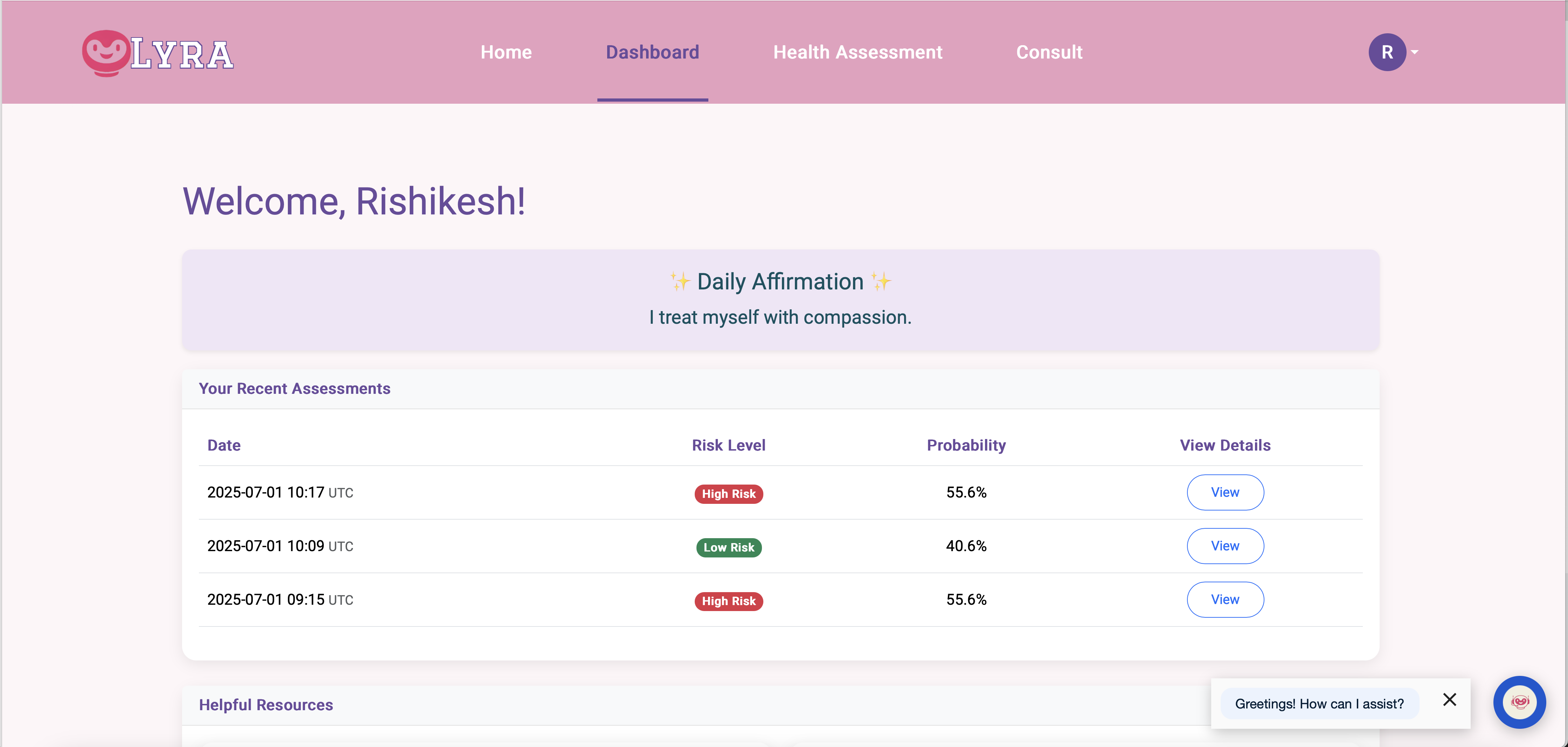
Dashboard
-
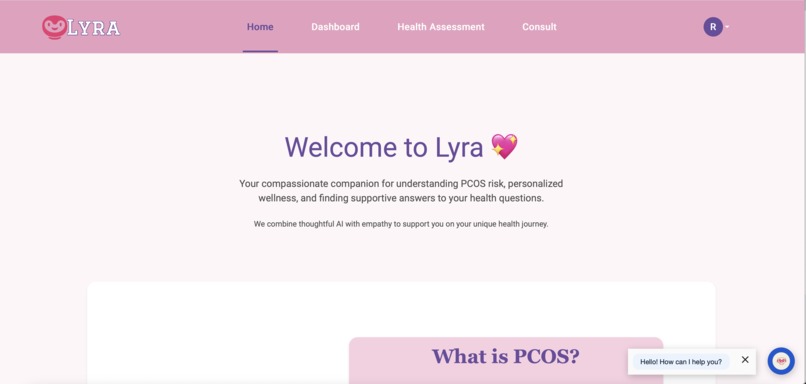
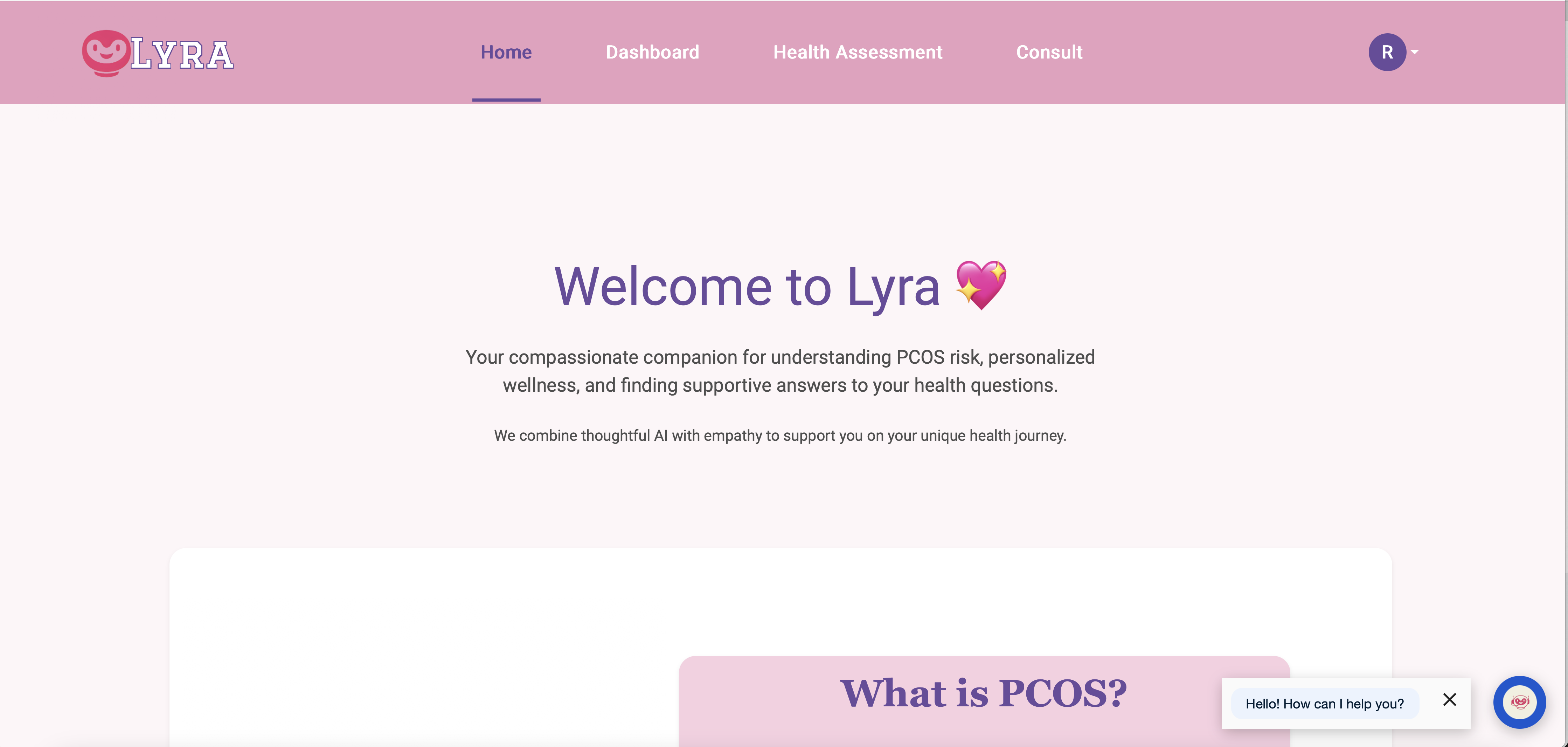
Home page
-
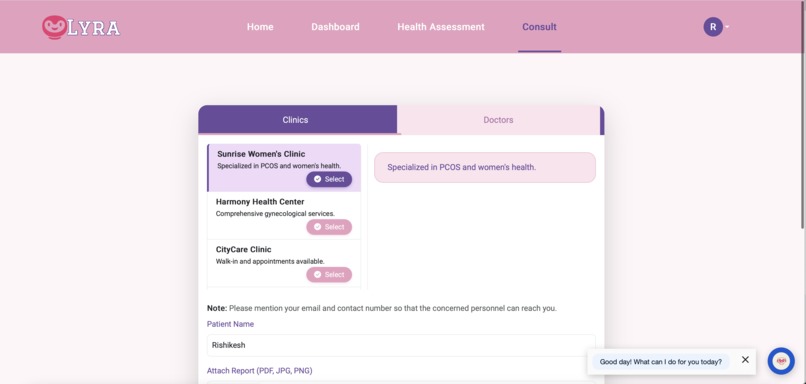
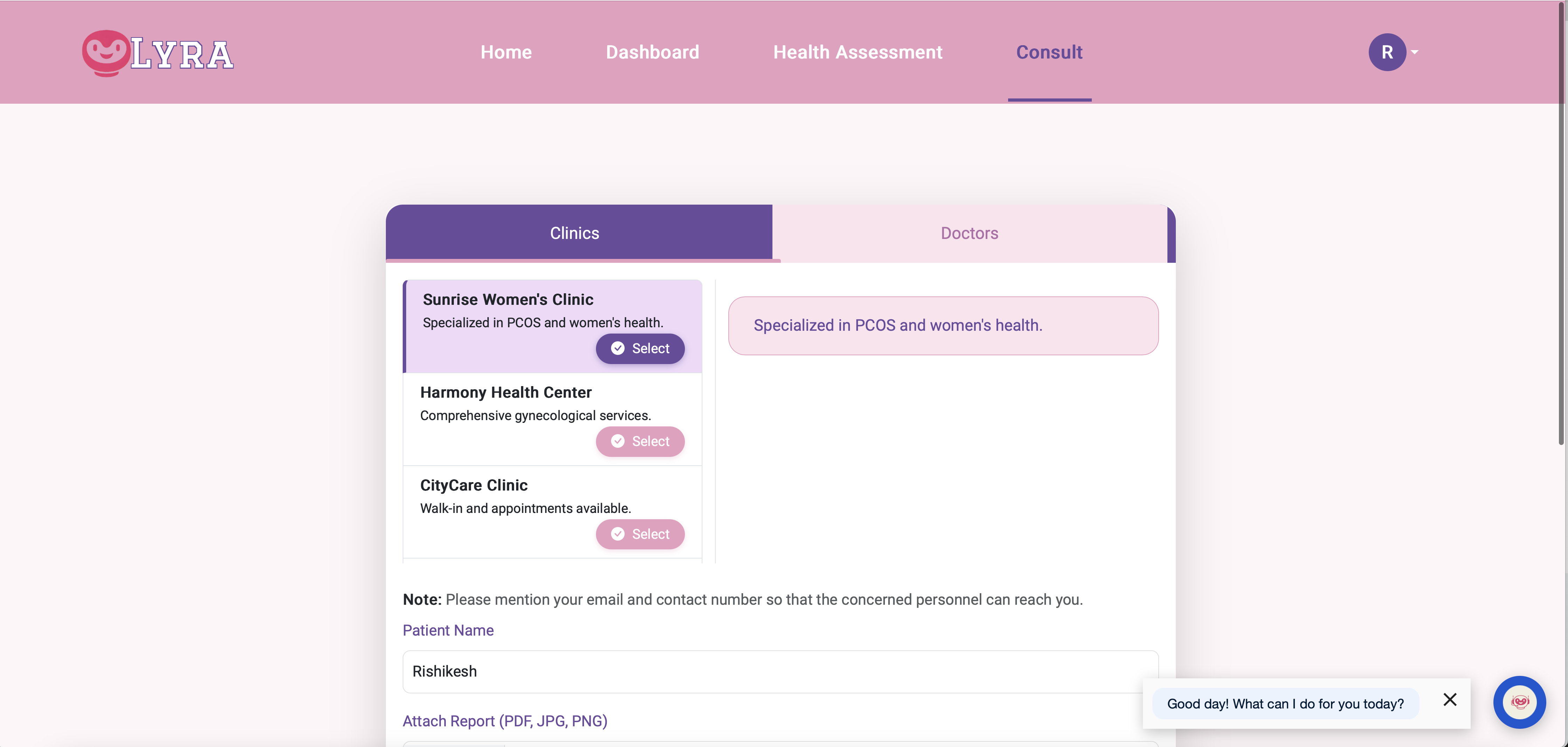
Consultation page
Inspiration
PCOS(Polycystic Ovary Syndrome) is a widespread disease among women with minimal awareness about the situation. Thus observing this lack of awareness and knowledge we decided to come up with a solution for it.
What it does
It leverages an ensemble machine learning model in a structured pipeline that predicts the possibility of PCOS in the user by taking input as per the training model. The user can also download their prediction reports which can be helpful for professional doctors to identity their conditions. We provide a consultation page allowing users to send appointment requests to a stored database of clinics and doctors. Users can attach their report in the mail being sent for consultation from out website. We also provide tips and recommendations based on personalised for the user based on the result of predictions. In case of queries or FAQs we have a pre-trained chatbot to answer any queries regarding our website, PCOS, or any similar clinical questions.
How we built it
We used a dataset from Kaggle that consists of more than 30000 results of women. Then using feature selection we selected the most important features to train our model on. The model used was an ensemble model of Logistic Regression, RandomForest, GradientBoost Classifier and the meta-learner used was logistic regression. The frontend was built using html and bootstrap and connected to the database on sql, using a flask backend server. The email handling was done using SMTP gmail service. The chatbot was built using DialogFlow from Google and was trained on a database of 20 common questions regarding PCOS.
Challenges we ran into
The biggest challenge was achieving a realistic trained model, as we observed a large imbalance in PCOS results in the dataset with the minority class being PCOS_risk='Yes'. Thus solving the imbalance we again faced challenges in optimisation of the model which was done by using different estimator models and finally ended up choosing the best 3 estimators for our ensemble model. The UI design was another challenge as we wanted the website to feel women centric and user friendly as well. We wanted it to have a calming outlook and ensured that all elements were consistent.
Accomplishments that we're proud of
Achieving an accuracy of 94.37% on our trained model is an achievement we're very proud of. This is because the datasets on PCOS were limited and ensuring a realistic model that isn't overfitting or underfitting the results curve was a difficult task. To have managed to have integrated that with a smooth functioning UI was another feat that we're very happy we achieved!
What we learned
We learned a lot about the disease PCOS and its effects on women. We were happy to have explored a new domain in healthcare and to have been able to integrate that with Machine Learning. we also incorporated features like report downloading in a particular template which was a cool feature to try out.
What's next for Lyra
The future scope is to tie up with clinics and individual practicing doctors to add to our list of consultations. This would provide an actual database for our users to reach out to. We also aim at providing video snippets from experts providing advices for health and lifestyle maintenance to avoid PCOS. Another aim is to scale PCOS to rural areas that don't have access to clinics and cannot get their clinical data for predicting PCOS. Thus we're working on a model that uses only Anthropometric data(body measurements), lifestyle data and common attributes that any user might know even without having medical help, to detect and get an estimate of then possibility of having PCOS. This would certainly improve awareness and availability of PCOS detection in underprivileged areas.


Log in or sign up for Devpost to join the conversation.