-
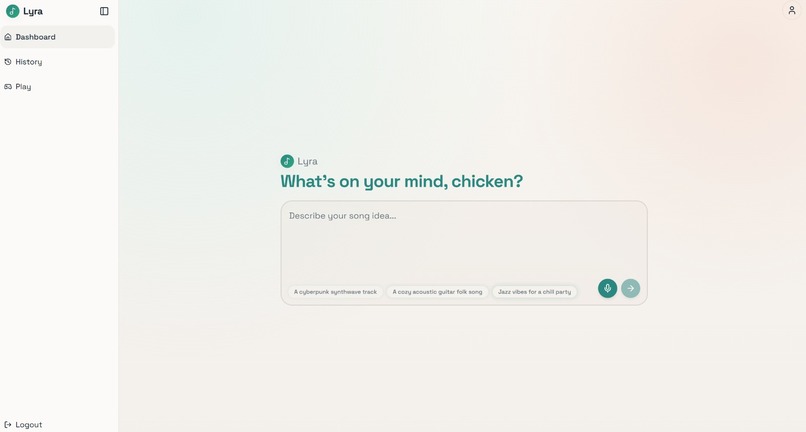
Welcome to Lyra. Your journey to music starts here.
-
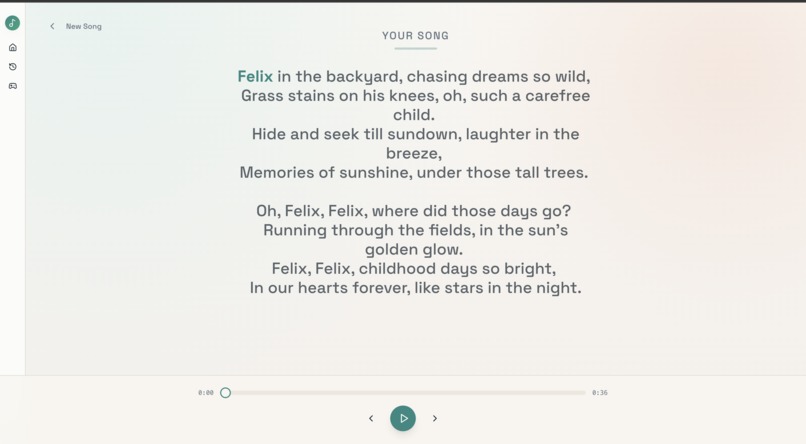
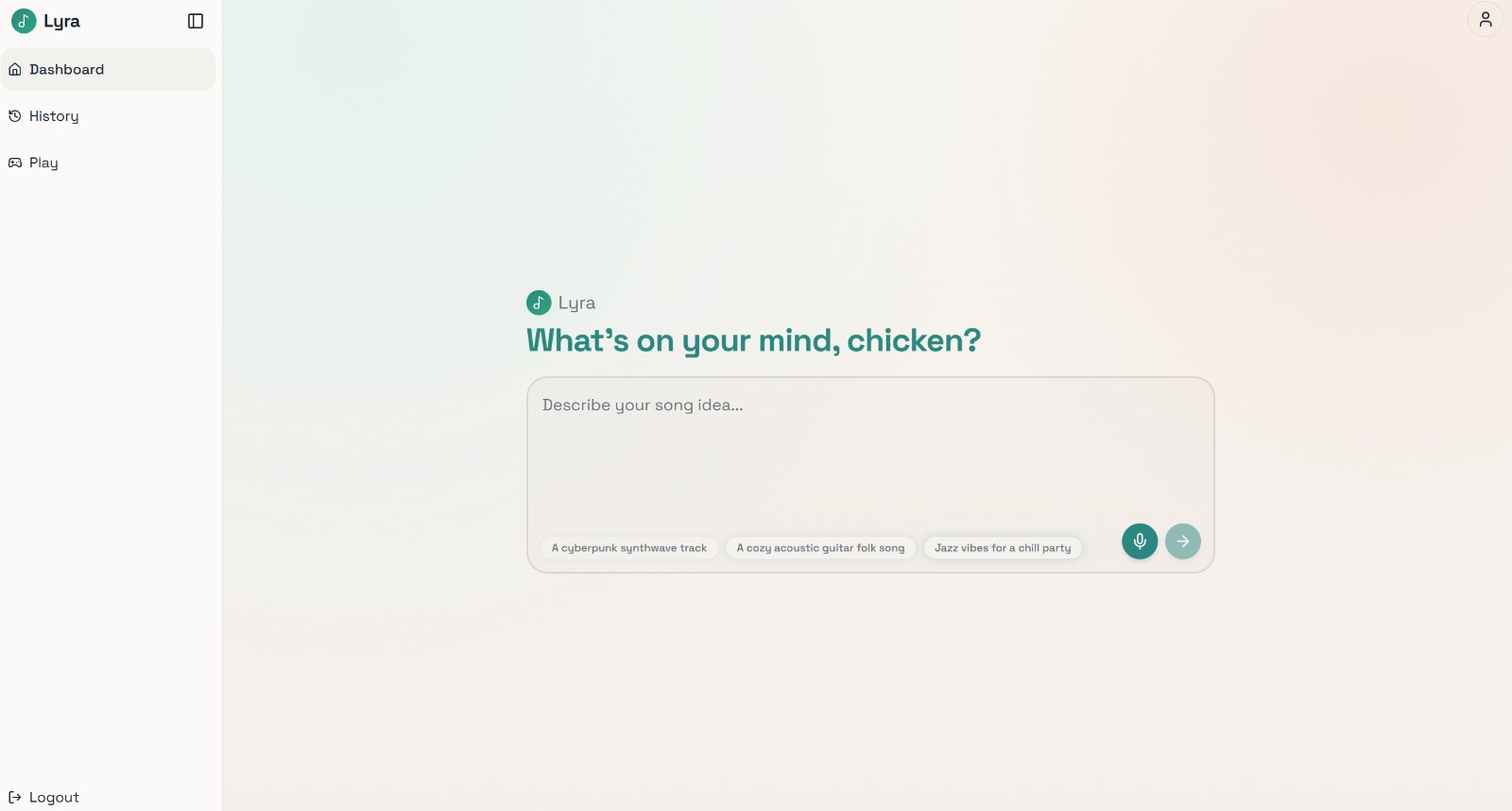
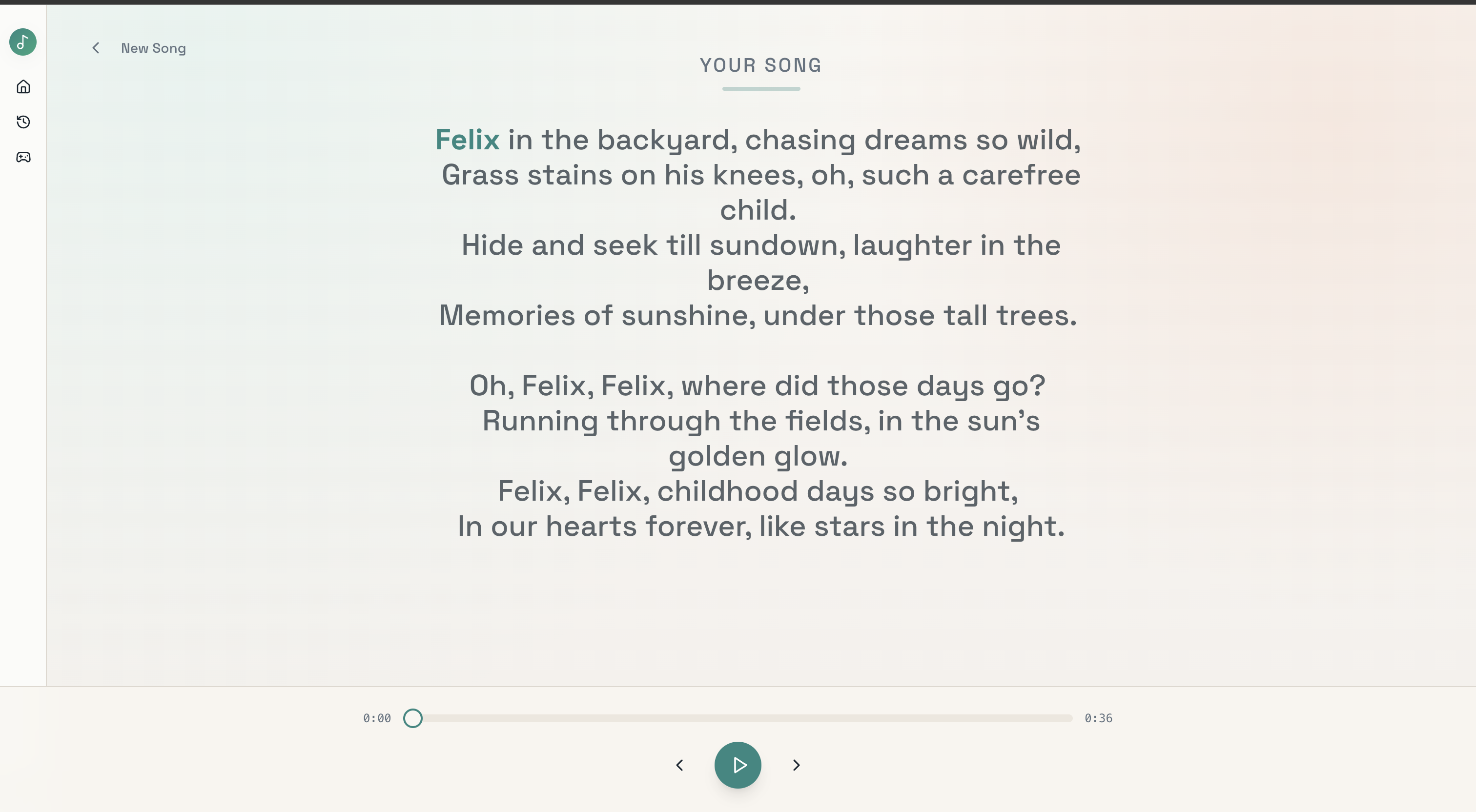
Generate music based on your memories.
-
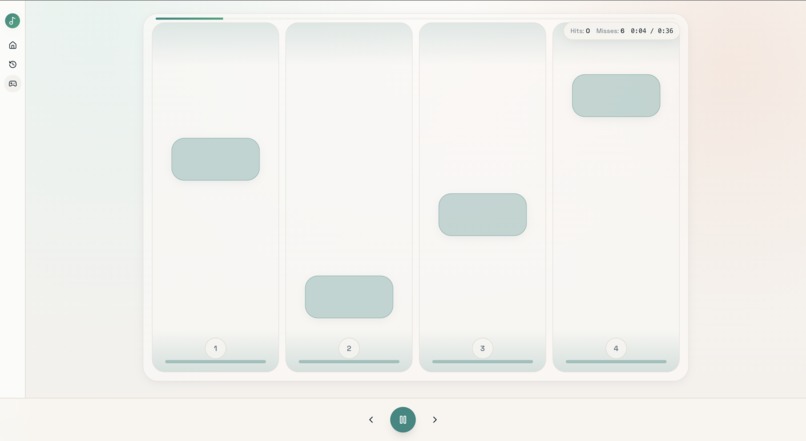
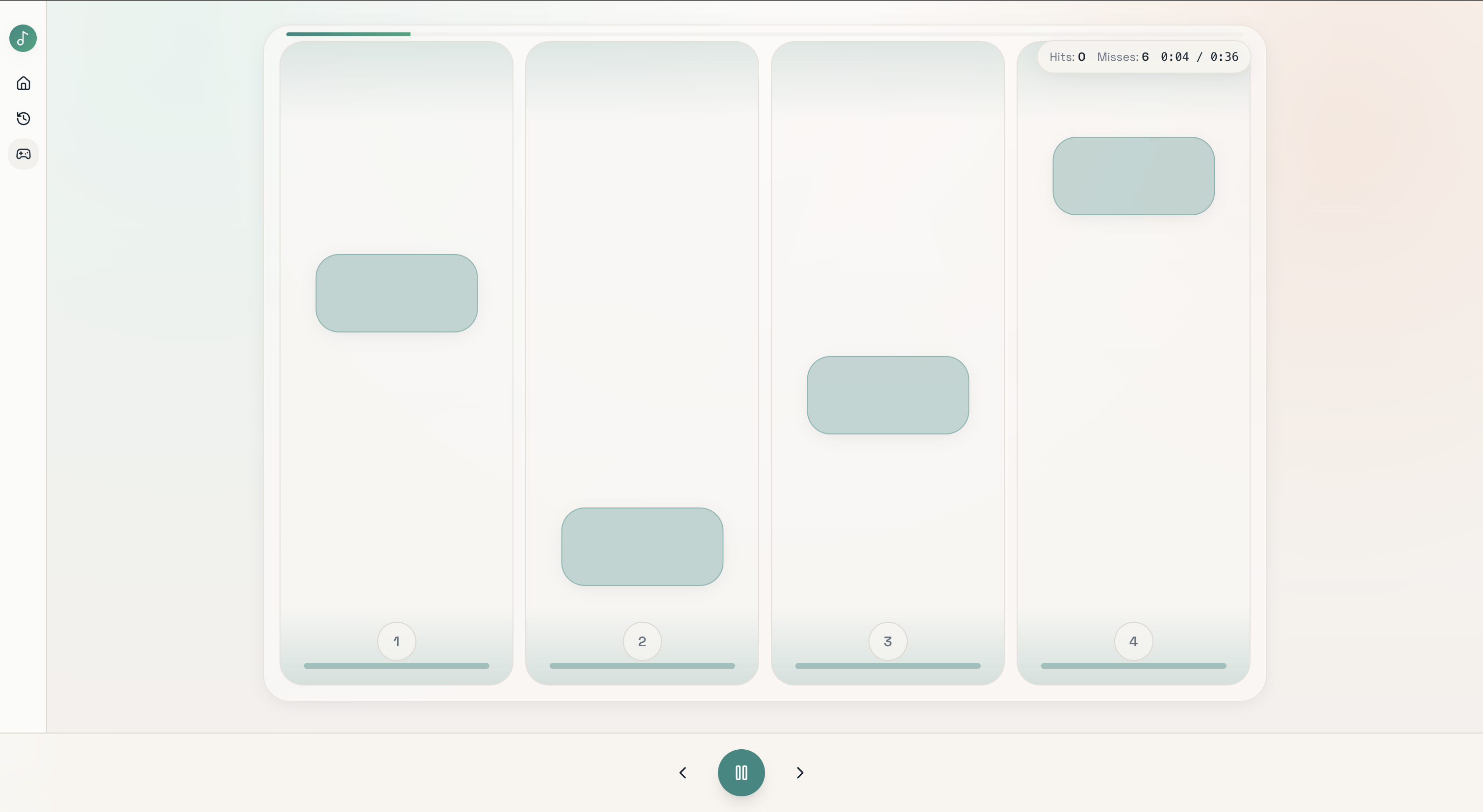
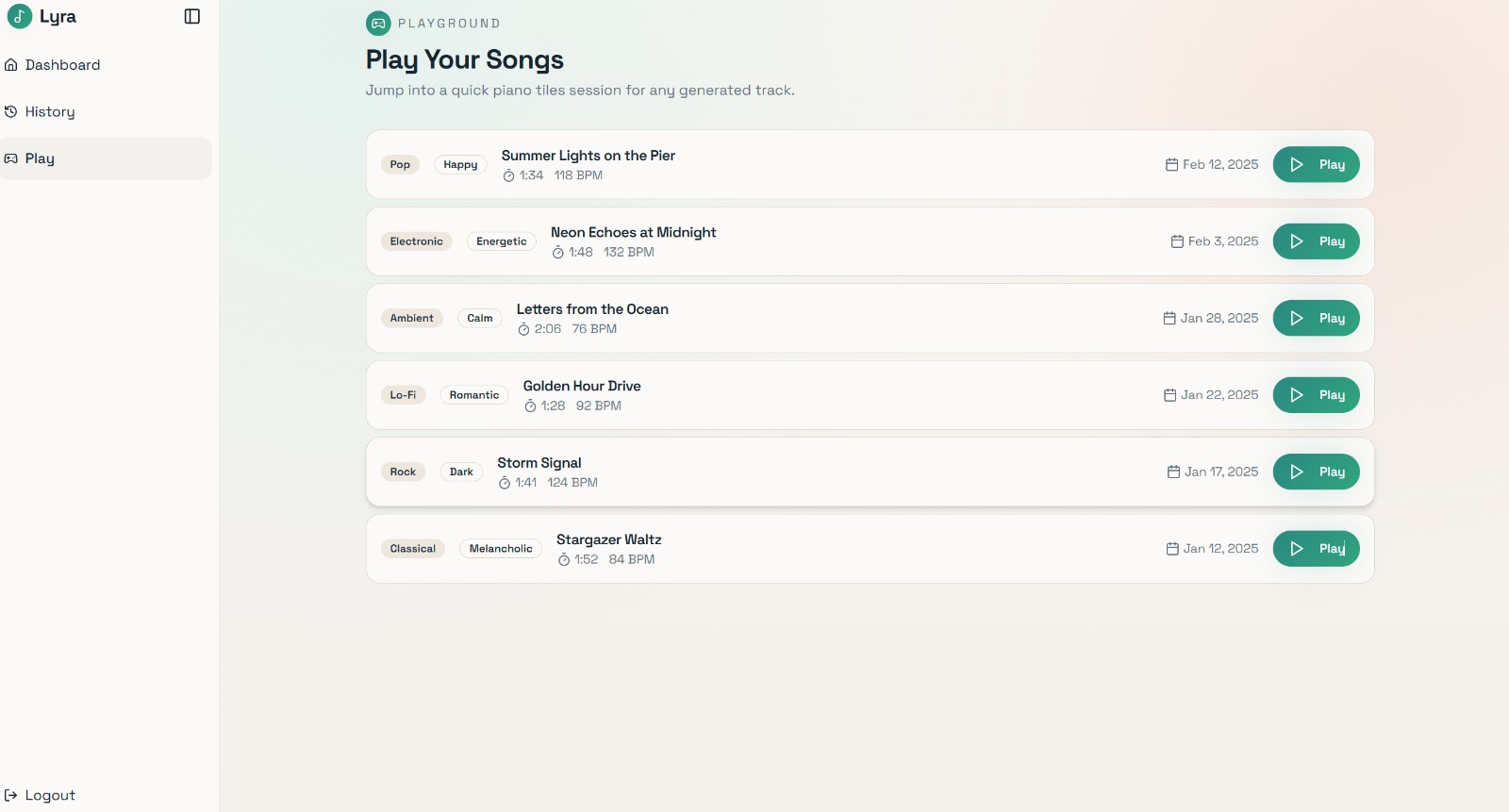
Tap along to Piano Tiles of your tunes!
-
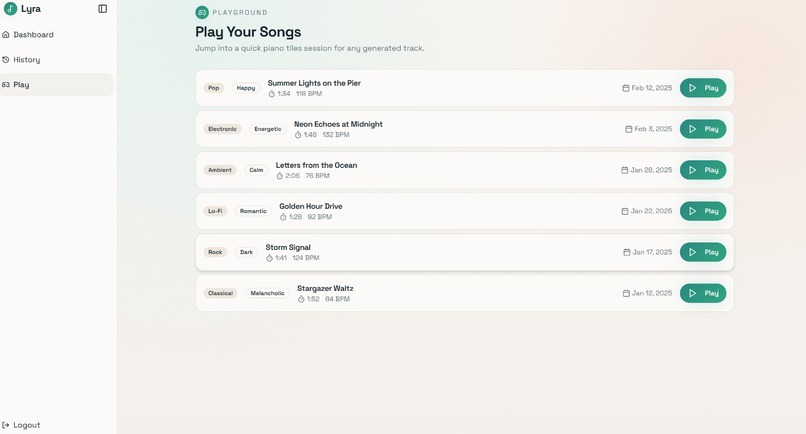
Let the music guide you.
-
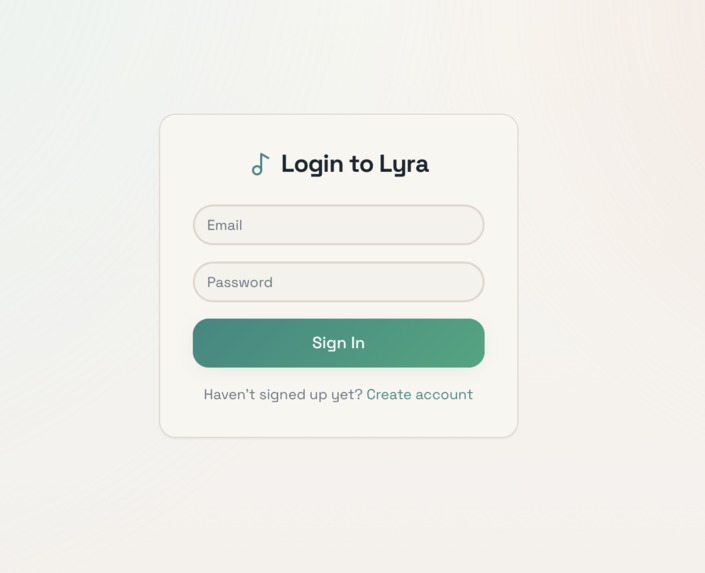
This is Lyra. Your journey to music starts here.
Lyra AI
Inspiration
At Lyra AI, we have seen seniors struggle with Parkinson’s disease, Alzheimer’s, stroke recovery, hearing impairment, and mobility loss—conditions that often lead to isolation, frustration, and loss of independence. While walking the halls of Singapore’s Social Service Agencies (SSAs), one insight stood out clearly: music still reaches them, even when words fail.
While supporting Parkinson’s patients, we saw the fear in their eyes—the fear of becoming a burden, the hopelessness of an incurable diagnosis, and the quiet grief of slowly losing communication with loved ones.
To many, it feels like a death sentence to their golden years.
But at Lyra AI, we believe the music hasn’t stopped—it’s just waiting for a new rhythm.
We are not building a million-dollar company. We are building a beacon of hope ✨.
We want to show that Singapore’s youth developers can do more than just code—we can care 💝.
We are here to bring hope to the disappointed, empower the determined, and restore confidence to our seniors.
Because they don’t just deserve care— they deserve a life filled with song 🎶🎶.
Why Music Helps Seniors with Cognitive & Neurological Conditions
Music uniquely engages brain networks linked to emotion, memory, and movement—many of which remain relatively preserved even in dementia and Parkinson’s disease. Familiar songs activate autobiographical memory pathways, allowing seniors to vividly recall personal life events and reconnect with their identity, often at levels comparable to healthy adults.
Clinically, structured music therapy has been shown to produce measurable benefits. Randomized controlled trials and meta-analyses demonstrate improvements in cognitive function, mood, and depressive symptoms among older adults with dementia and mild cognitive impairment. In Parkinson’s disease, rhythm and auditory cues directly support motor timing, leading to immediate gains in gait, balance, and coordination, with sustained improvements after repeated sessions.
Beyond clinical metrics, music provides something equally powerful: emotional regulation and joy. It reduces anxiety, increases engagement, and creates moments of shared connection—making therapy not only effective, but deeply human.
What it does
Lyra AI is an interactive music therapy platform designed for medical patients suffering from Parkinson’s disease, Alzheimer’s, and stroke recovery.
Research has shown that music activates deep neural pathways linked to speech, memory, and emotion, often bypassing damaged language centers. Even when patients struggle to speak, many can still sing, keep rhythm, or recall melodies tied to meaningful memories.
Lyra AI harnesses this phenomenon to support communication, cognition, and emotional well-being through:
- AI Lyric & Music Generation
- Generates personalised songs based on a user’s memories, life experiences, and emotional state
- Encourages speech, vocalisation, and memory recall through music
- Adaptive Piano Tiles Therapy
- Interactive rhythm-based gameplay
- Improves motor coordination, reaction time, and cognitive agility
- Dynamically adjusts difficulty based on mobility and cognitive ability
Our goal is to encourage consistent therapy adoption through joy, not obligation—by turning rehabilitation into music-driven engagement.
How we built it
- Developed AI pipelines for personalised lyric and music generation
- Designed adaptive rhythm-based gameplay tailored for varying motor and cognitive abilities
- Implemented real-time feedback loops to adjust tempo, difficulty, and interaction
- Prioritised accessibility, simplicity, and emotional resonance for senior users
Challenges we ran into
- Balancing AI-generated music with clinical therapeutic principles
- Designing interfaces intuitive enough for seniors with low technical literacy
- Adapting music timing and interactions in real-time for users with tremors, freezing episodes, or delayed responses
Accomplishments that we're proud of
- Successfully generated personalised AI music tracks grounded in user memories
- Built a functional adaptive Piano Tiles therapy system
- Demonstrated how music-driven interaction can encourage speech, engagement, and emotional connection
What we learned
- Technology can bridge the gap between healthcare and emotional well-being
- Seniors are not passive users—they provide insights no lab test can replicate
- Music is not just entertainment—it is therapy, memory, communication, and hope
Future Improvements
🌍 Multilingual Support
Recognising Singapore’s multilingual society, Lyra AI will support English, Chinese, Malay, and Tamil, allowing seniors to engage with therapy in their preferred language—deepening emotional connection and accessibility.
🎼 Music Generation AI Enhancement
Following our proof of concept, Lyra AI will integrate premium music generation models to deliver higher-quality, more emotionally expressive, and more personalised musical experiences.
🚶 Rhythmic Auditory Stimulation (RAS) for Gait Training
Backed by strong clinical evidence for Parkinson’s patients, Lyra AI will introduce a walking companion feature that provides rhythmic auditory cues to:
- Improve gait symmetry
- Reduce freezing episodes
- Enhance walking confidence
Users can set their baseline walking pace, and the system generates music or metronome-based rhythms matched to their optimal cadence.
🗣️ Voice Therapy Integration
Many Parkinson’s and stroke patients suffer from hypophonia (softened speech) and speech impairment.
Lyra AI will introduce:
- Singing-based speech exercises
- Music-guided vocal therapy
- Voice volume and clarity monitoring
Helping seniors find their voice again—literally.
🧠 My Memory Vault
Music has a powerful ability to unlock autobiographical memories, even in seniors with dementia. Studies show that music-evoked memories activate preserved emotional and memory pathways, often at levels comparable to healthy adults.
My Memory Vault allows users to:
- Pair meaningful songs with photos, videos, and personal notes
- Create personalised memory collections
- Tailor therapy sessions for focus, emotional grounding, or sleep
This transforms music therapy into a living archive of identity, preserving dignity, history, and selfhood.
Our Mission
These conditions may be inevitable—but their impact can be mitigated.
Lyra AI exists to:
- Stimulate communication through music
- Rekindle memories through sound
- Restore confidence through interaction
Because even when words fade, music still speaks.


Log in or sign up for Devpost to join the conversation.