-
-
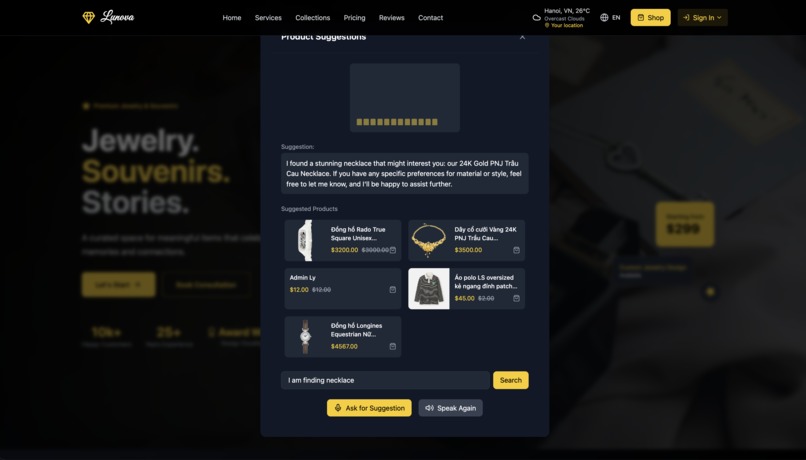
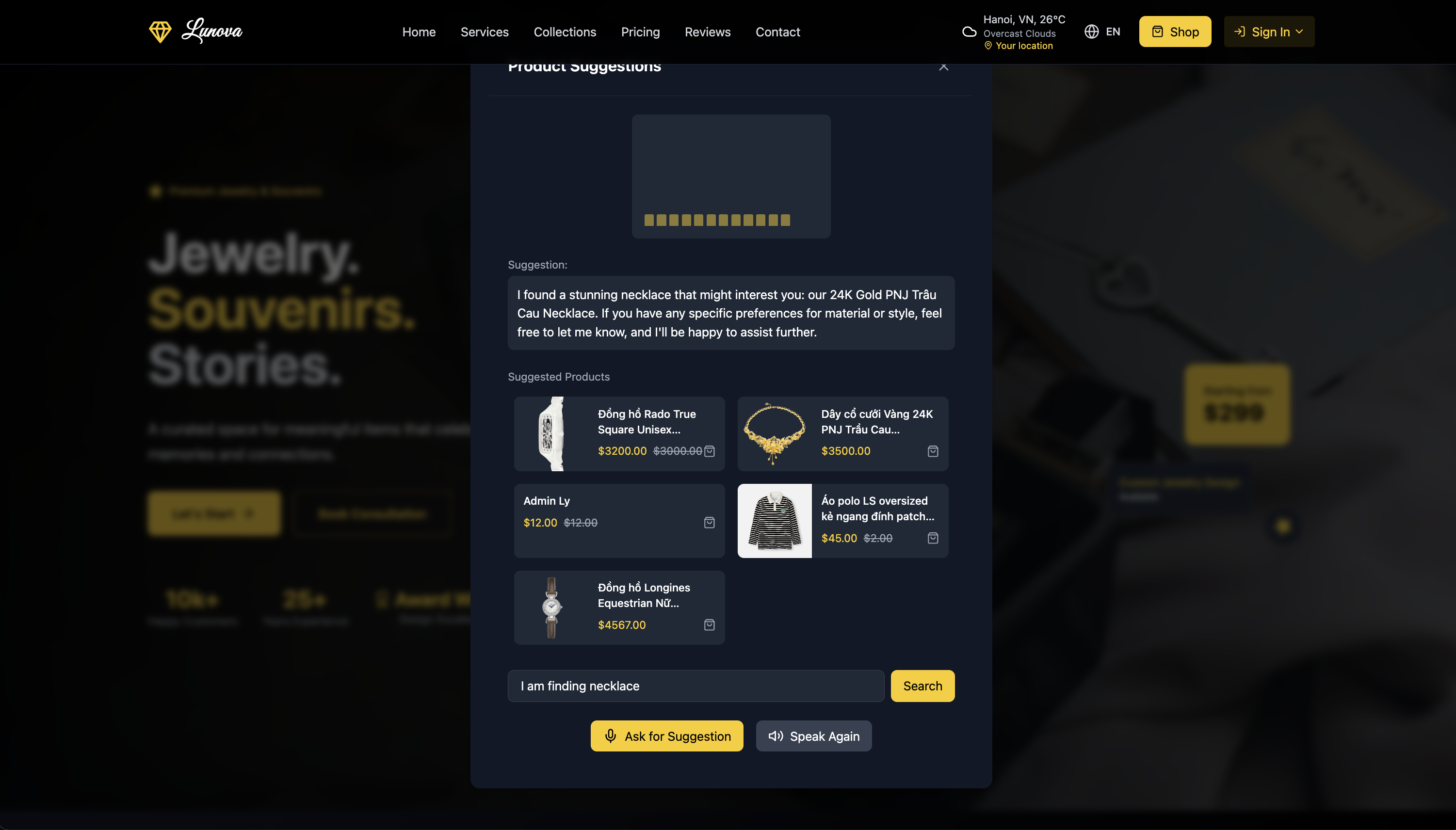
Voice Assistant
-
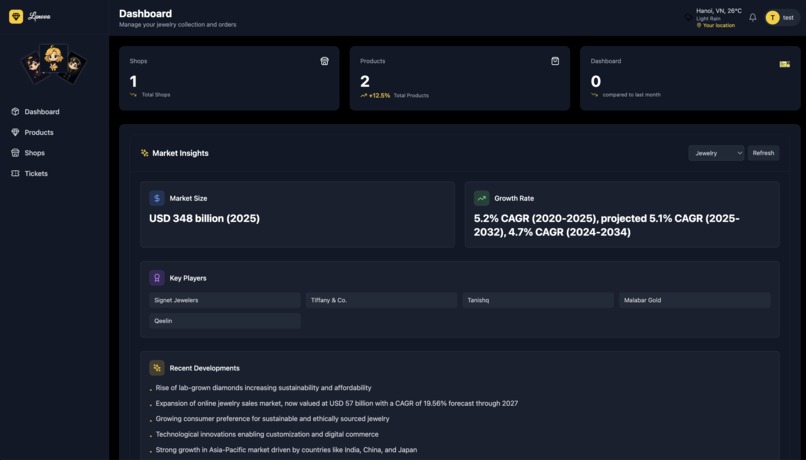
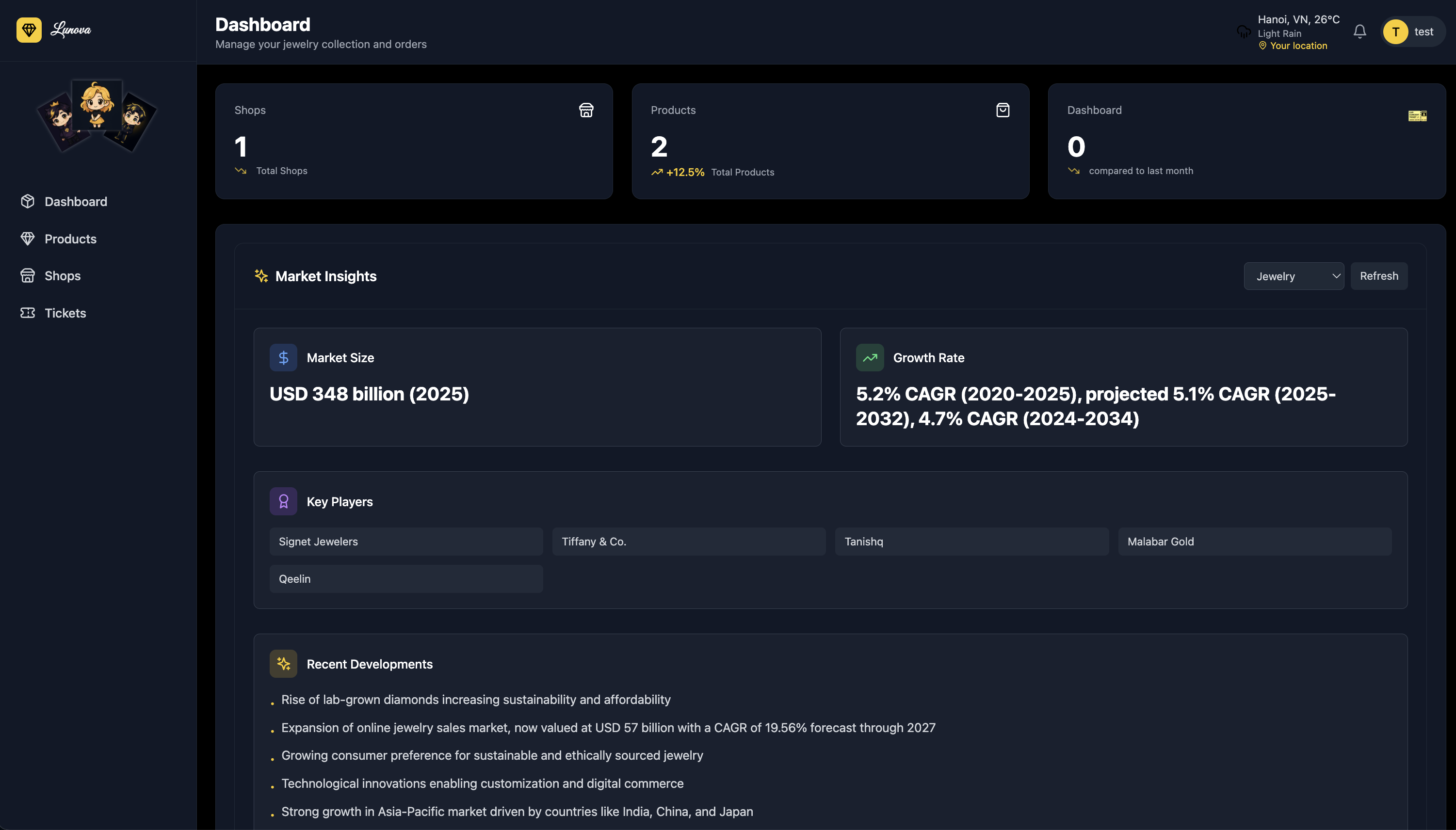
Dashboard #1
-
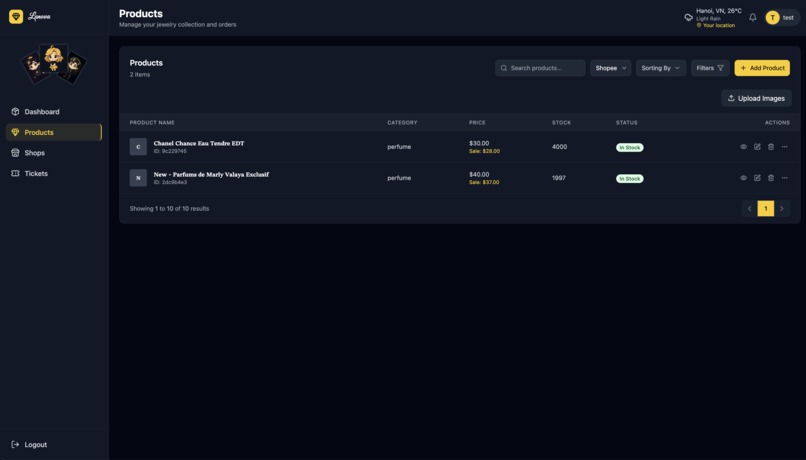
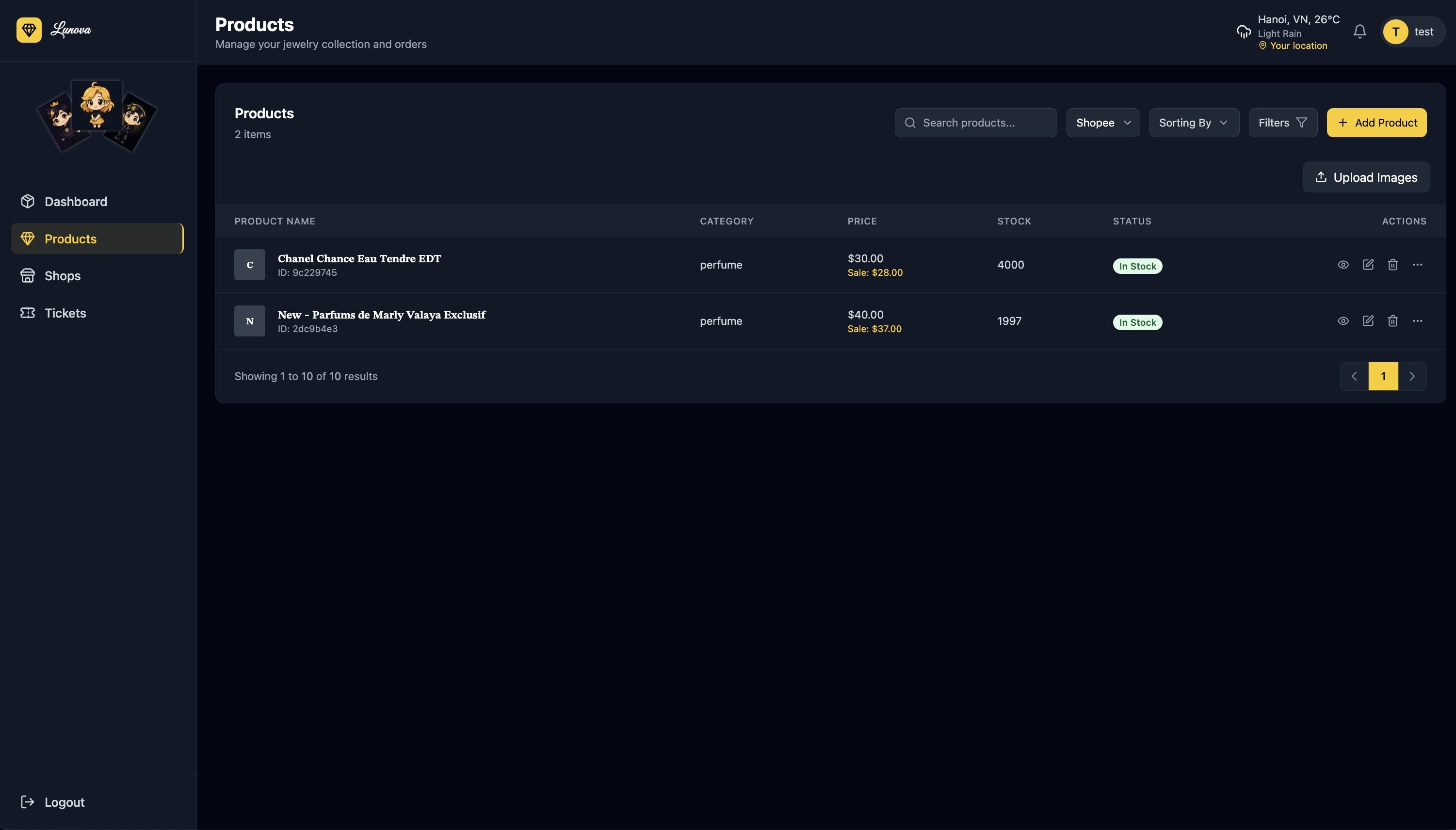
Dashboard #2
-
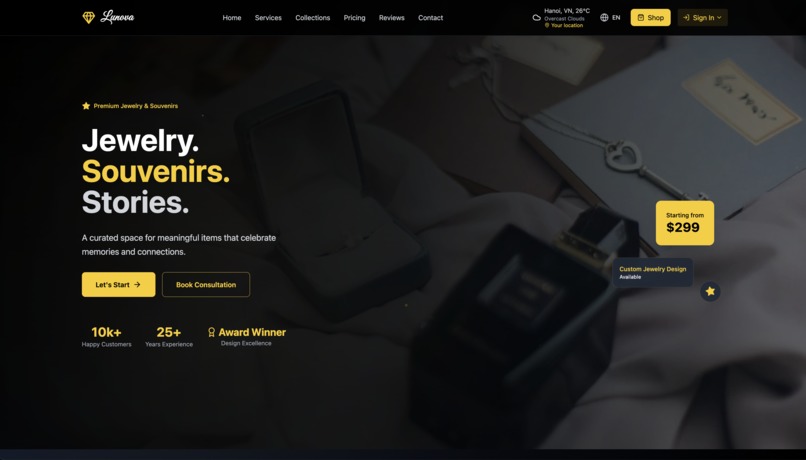
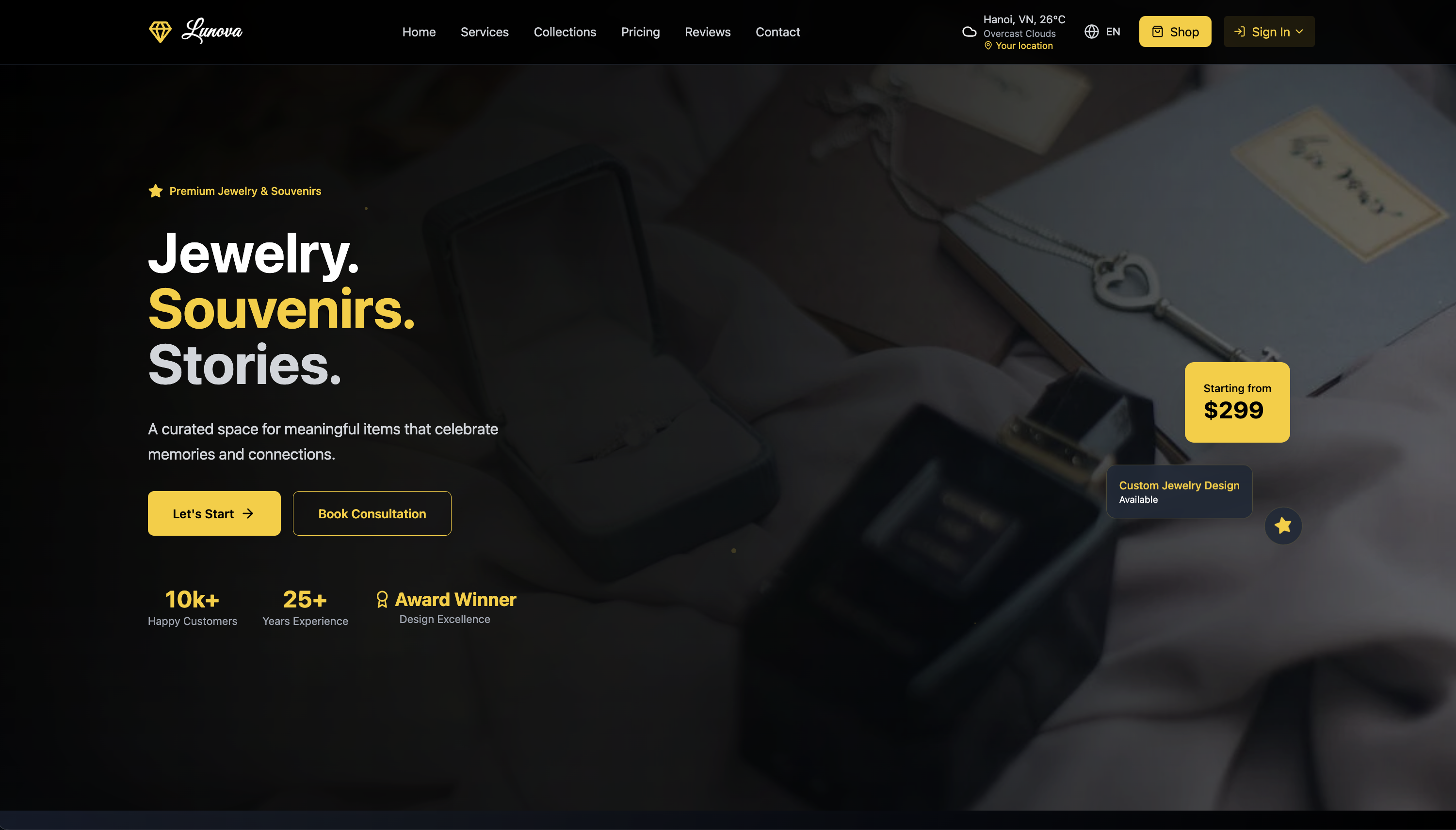
Landing
-
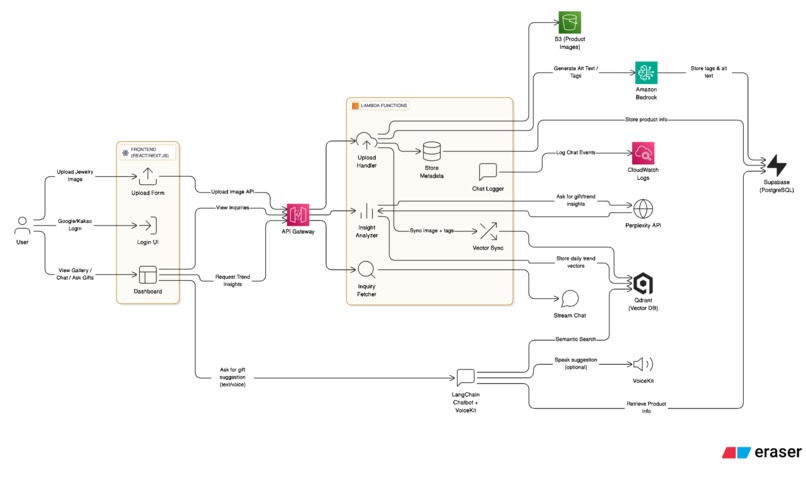
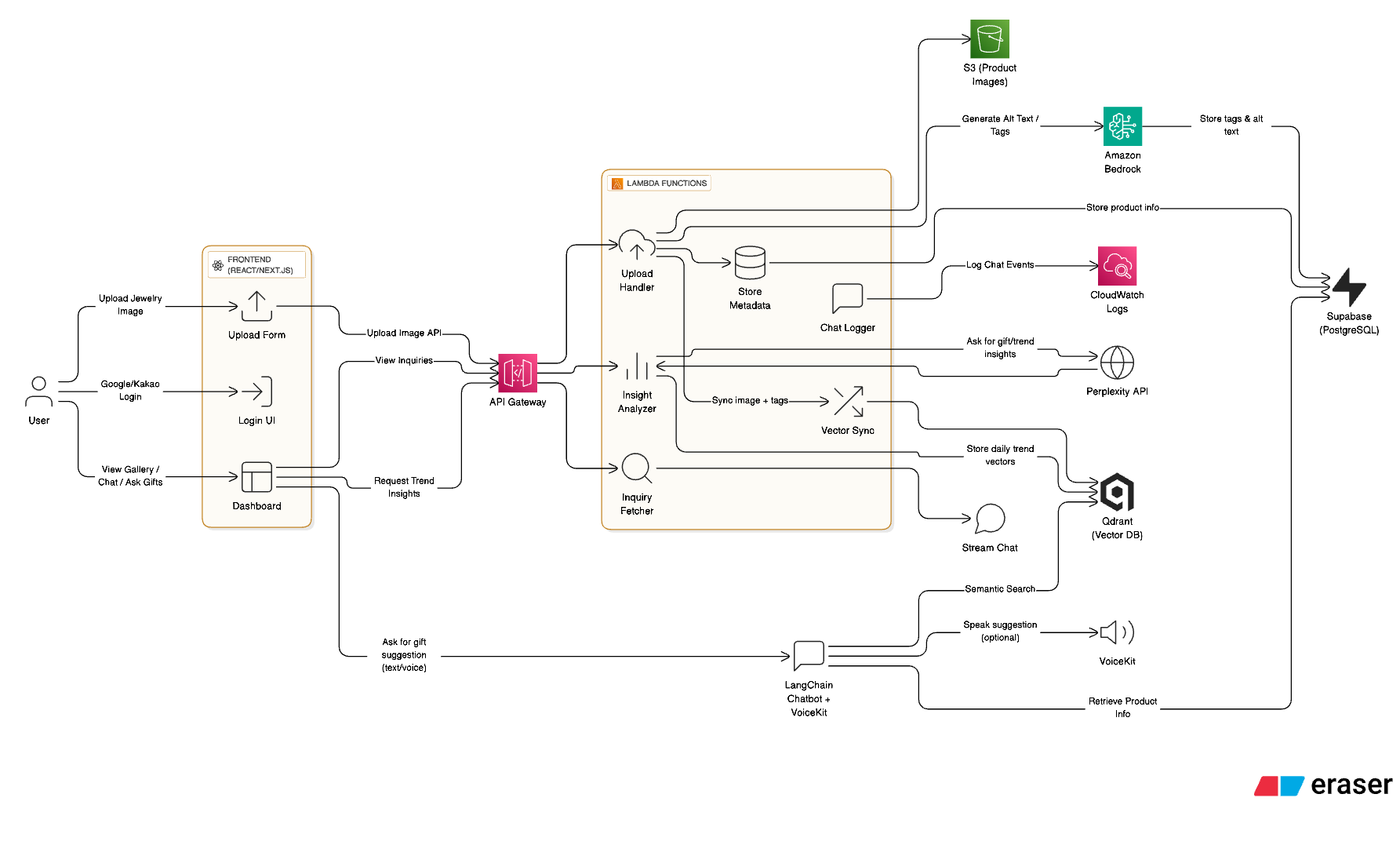
Architecture
🌟 About the Project: Lunova App
Lunova was born out of a vision to redefine the premium jewelry and souvenir shopping experience using the power of AI, serverless computing , and micro-frontend architecture. In 1 week, I set out to build a modern, scalable, and intelligent platform that not only looks great but also empowers both users and shop owners with smart tools, automation, and global reach.
🚀 What Inspired Me
The luxury gift and jewelry market often lags behind in digital innovation. Most platforms still rely on static catalogs and generic recommendations. I envisioned Lunova as a smart virtual shop that uses AI and real-time insights to make premium shopping elegant, intelligent, and personalized. The idea was simple: combine the power of generative AI, vector search, and modular design to enhance every step of the shopping journey.
🛠️ What I Built
Lunova was engineered using a modern serverless stack that prioritizes performance and developer speed:
- ✅ Frontend with React, Vite, and GSAP animations — deployed via Netlify Functions
- ✅ Authentication with Supabase Auth (JWT-based, fully serverless)
- ✅ Database & Storage: Supabase PostgreSQL + Supabase Storage
- ✅ Real-time updates using Supabase Realtime for notifications and interactions
- ✅ Edge Functions (Supabase) for API logic + FastAPI on serverless containers for high-performance routes
- ✅ OpenAI + AWS Lambda to build a virtual shop assistant (LLM-based chatbot)
- ✅ Qdrant Cloud Vector DB for similarity search and product embedding storage
- ✅ Perplexity API + AWS Lambda to deliver global market insights for shop owners
- ✅ AWS Bedrock (Claude) for customer support ticket generation
- ✅ CRM Dashboard powered by FastAPI + Supabase
- ✅ Clean schema design with dbdiagram.io
📚 What I Learned
- Mastered building cloud-native applications with a 100% serverless backend
- Integrated LLMs and LangChain with vector databases for contextual product discovery
- Built a robust, modular architecture combining Supabase, Lambda, and FastAPI
- Improved UX through real-time updates, smart suggestions, and rich frontend interactions
- Tackled multi-language challenges across content and user interfaces
🧗 Challenges I Faced
- Coordinating multi-service orchestration between Supabase, AWS, OpenAI, and Qdrant
- Managing latency and cold starts in Lambda functions
- Building a seamless flow for image uploads, metadata tagging, and vector embedding
- Maintaining consistency across languages (English, Japanese) and dashboards
- Scaling the chatbot with meaningful and personalized product recommendations
💡 Why Serverless Made It Possible
Lunova wouldn't be possible without the serverless paradigm. It allowed me to:
- 🚀 Ship faster without managing any infrastructure
- 📉 Keep costs low during development and scale effortlessly as traffic grows
- 🌎 Deploy globally with edge functions for low latency worldwide
- 🔁 Build modular features (auth, insights, AI assistant, chat) as independent, serverless units
- 🎯 Focus entirely on product logic and UX - not on infrastructure
Lunova represents more than a hackathon project - it’s a startup-ready foundation for a smarter, global, and AI-enhanced e-commerce experience. ✨
Built With
- apigateway
- fastapi
- lambda
- openai
- perplexity
- react
- supabase
- vercel


![Lê Thị Thanh Lam [SW.C&B]](https://lh3.googleusercontent.com/a/ACg8ocJm_KuWEZEOtwaO-kw_L8q0jJCg-YO7sfpdlHtfRDSi9ji8wW4=s96-c?type=square "Lê Thị Thanh Lam [SW.C&B]")


Log in or sign up for Devpost to join the conversation.