-
Summary
-
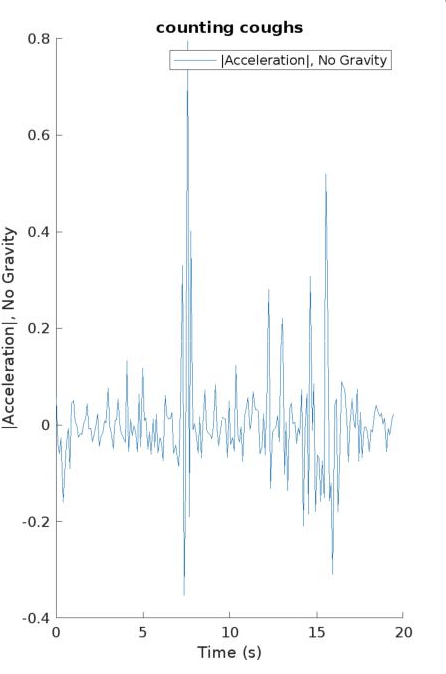
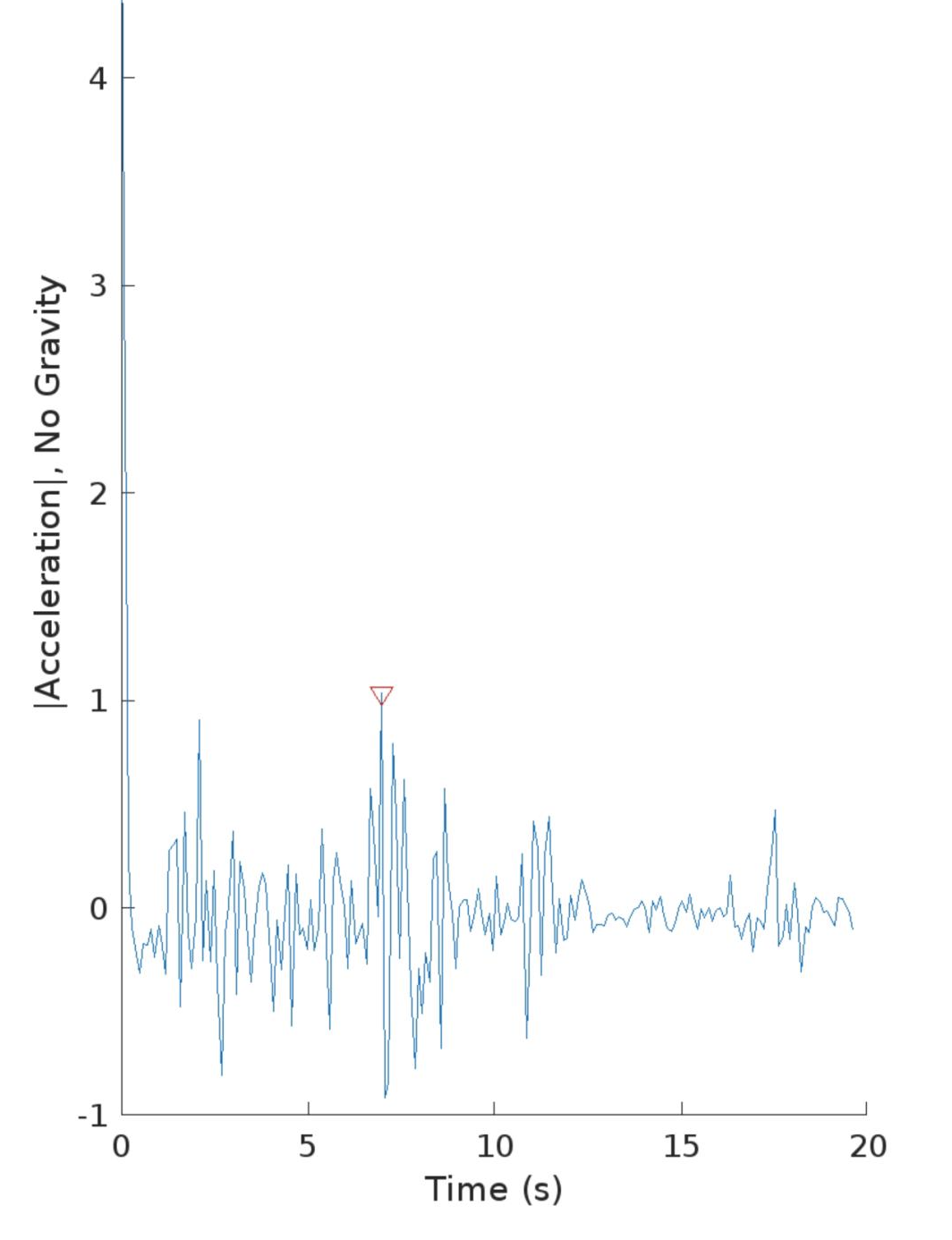
Cough data collection
-
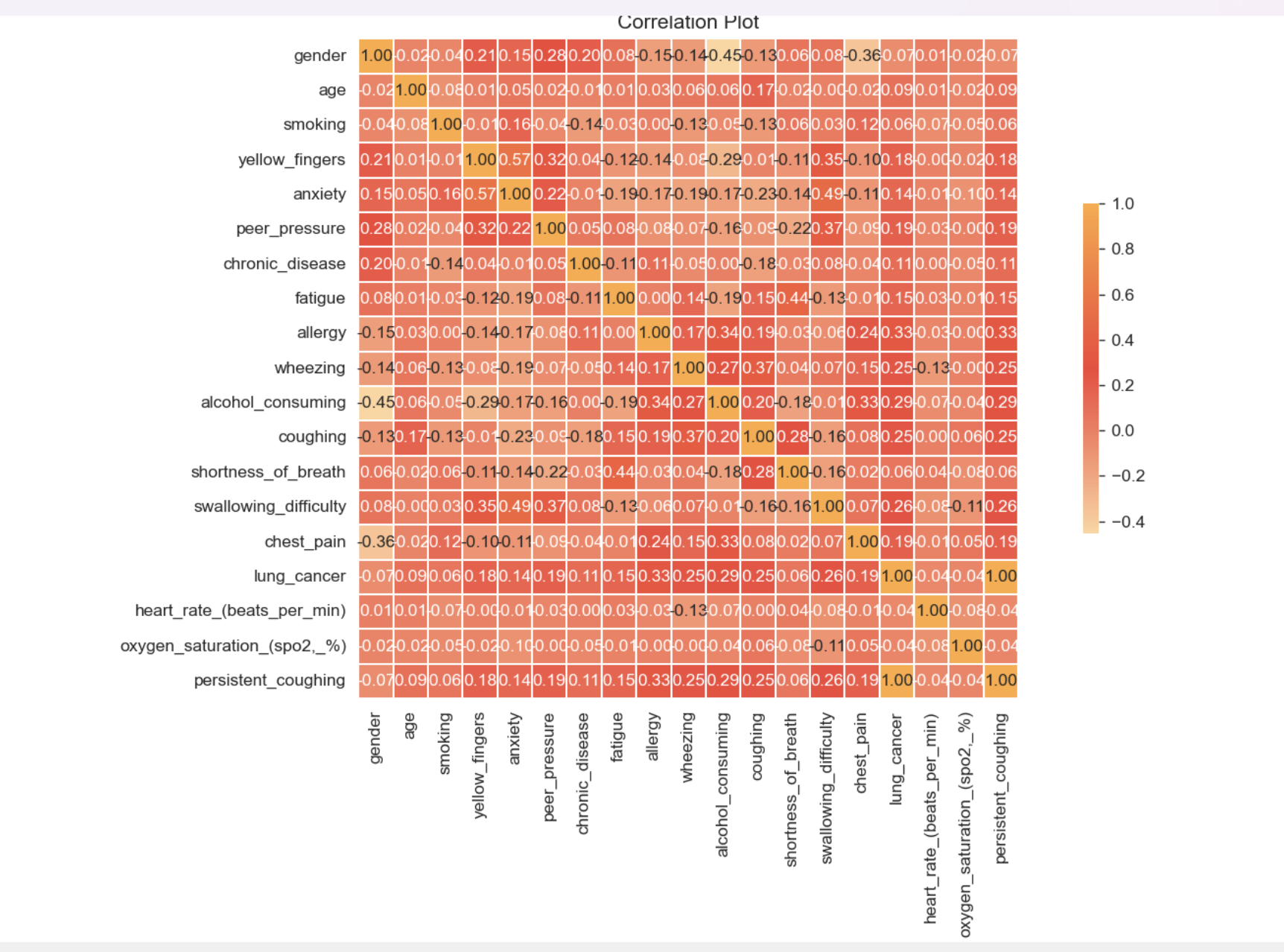
Lung Cancer Model
-
Data Collection
-
LunGuardian Logo
Inspiration
Our inspiration stemmed from a desire to create something truly impactful. To generate innovative ideas, we embarked on a journey of identifying substantial problems and meticulously refining them to uncover potential solutions.
What it does
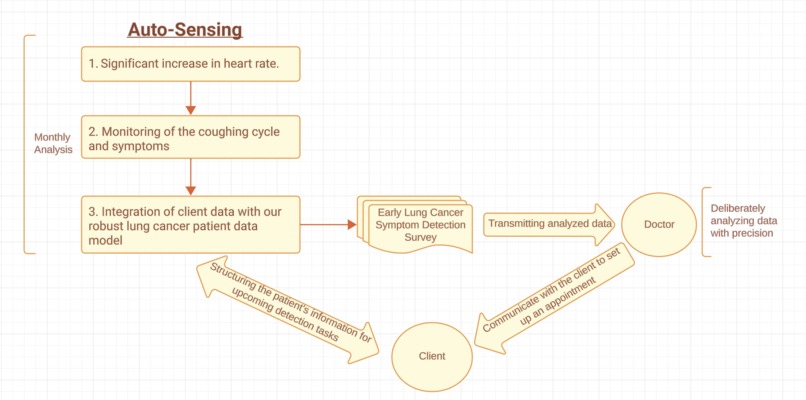
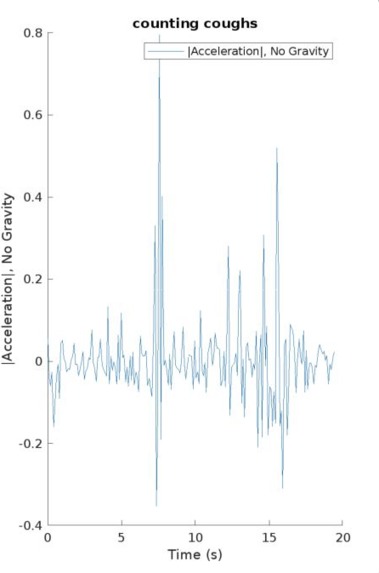
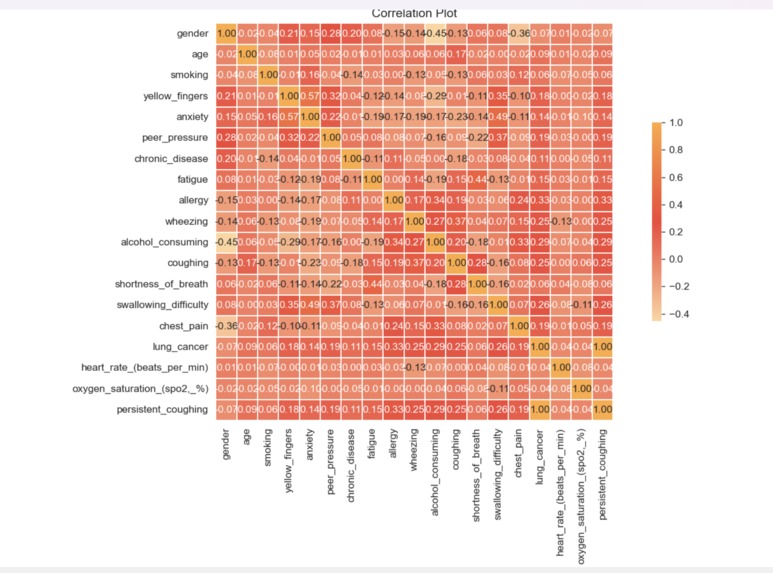
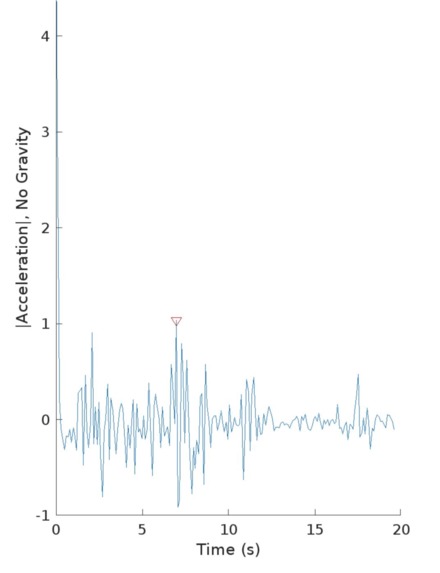
Lunguardian is a groundbreaking tool dedicated to the early detection of lung cancer. By harnessing the capabilities of sensors commonly found in wrist accessories, we've developed a cutting-edge machine learning system. This system is designed to identify signs of lung cancer in its early stages, potentially saving lives.
How we built it
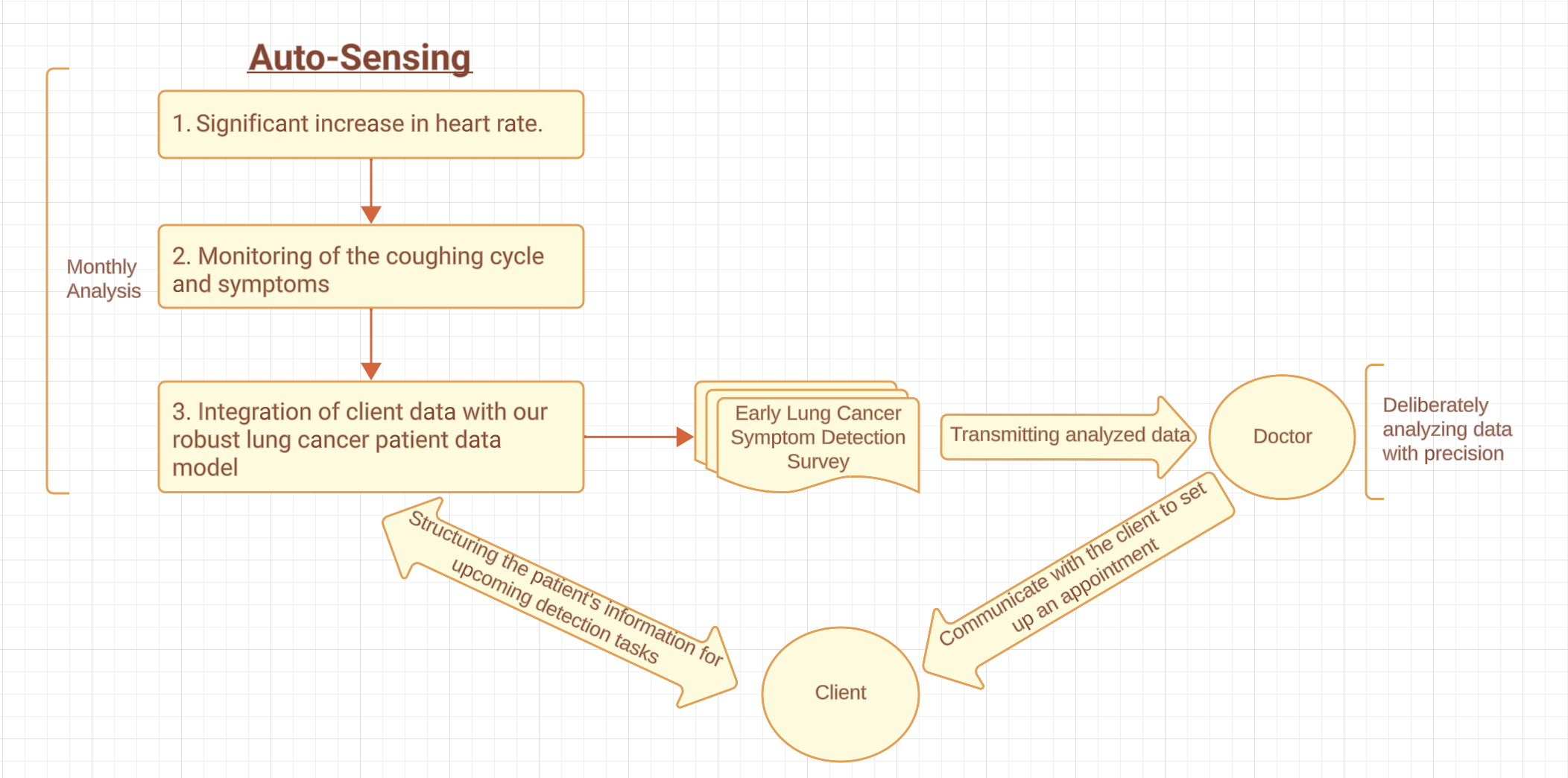
We chose React Native to create a versatile mobile application that works seamlessly on both major platforms, IOS and Android. Our journey began with the integration of Apple's HealthKit API, enabling us to collect essential sensor data from devices such as the Apple Watch and Fitbit, based on the user's preference.
Upon downloading our app and granting HealthKit permissions, we meticulously analyze the data and securely upload it to Firebase Firestore. Once a new record appears in Firestore, it triggers a cloud function that feeds the data into our sophisticated cancer classifier. Depending on the results, we either notify a specialist for further analysis or alert the user if any suspicious behavior is detected.
Challenges we ran into
One of the primary hurdles we encountered was the rigorous process of substantiating the effectiveness of our project. While we have not definitively proven its functionality, we have amassed a wealth of compelling evidence that strongly suggests our understanding of the problem and our potential solution. This investigative phase consumed a substantial portion of our time, and it was only after 2 am that we began coding. The team persevered through exhaustion, collaboratively hashing out the application's intricate architecture.
Accomplishments that we're proud of
Our proudest achievement lies in the meticulous depth of research and planning that characterized the architecture phase of our project.
What we learned
Our journey taught us an immense amount about current lung cancer research and provided valuable insights into the world of machine learning and classifier models.
What's next for Lunguardian
Our immediate next steps involve acquiring an Apple Watch and conducting further testing to refine our hypothesis. Our goal is to accumulate more data to fine-tune and enhance our model, ultimately bringing us one step closer to our mission of early lung cancer detection.
Built With
- cloud-functions
- firebase
- firestore
- health-kit
- matlab
- react-native


Log in or sign up for Devpost to join the conversation.