Inspiration We’ve all been there: you’re watching a movie or browsing a video and spot a jacket, a gadget, or a piece of furniture you instantly want. The current process—pausing the screen, pulling out your phone, and trying to type a vague description into a search engine—is entirely broken. We wanted to bridge the gap between passive media consumption and frictionless e-commerce, creating a "shoppable" viewing experience right from the living room couch.
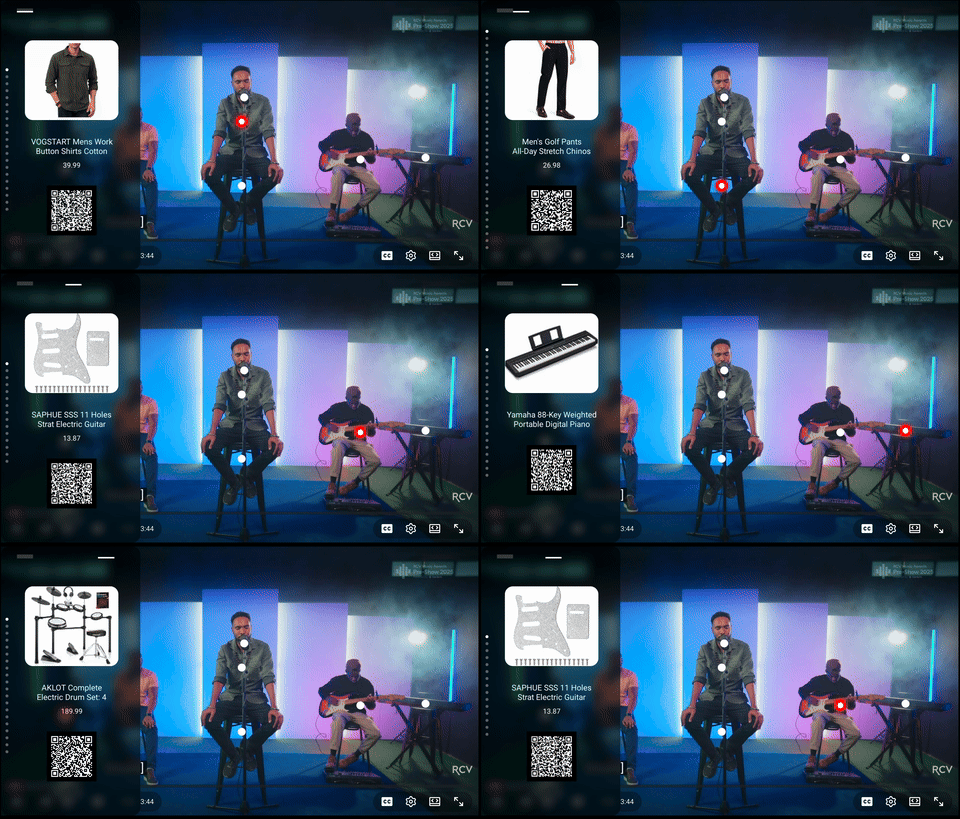
What it does Lundus Browser is a media-first AI web browser built natively for FireTV. As you consume media, the browser's AI engine scans the current on-screen frame to detect and identify physical products. It then automatically queries Amazon to find the exact or closest matching product listings. To solve the classic "10-foot UI" problem of TV navigation, Lundus instantly generates a dynamic QR code on the screen. Viewers can simply point their smartphone camera at the TV to immediately view the Amazon listing and complete the purchase on their mobile device.
How we built it We developed the core FireTV application using Android/Kotlin, optimizing the media player and browser wrapper for television displays. For the product discovery engine, we capture the viewport frame and pass it through a multimodal AI vision model to isolate objects like clothing, accessories, and electronics. These visual features are then translated into search vectors and run against the Amazon Product API to pull live listings, prices, and URLs. Finally, we dynamically generate the QR code overlay on the FireTV UI using a lightweight rendering library to ensure it doesn't interrupt the video playback.
Challenges we ran into Our biggest hurdle was latency. Extracting a frame, processing it through an AI vision model, and returning an Amazon API result takes time, and we had to optimize our pipeline to ensure the results felt instantaneous to the user. We also had to work around DRM and secure display limits when capturing frames, ensuring we were only analyzing the browser's viewport. Additionally, matching generic visual items (like a "black leather couch") to the specific brand shown on screen required fine-tuning our prompts and search parameters to prioritize accuracy over generic results.
Accomplishments that we're proud of We are incredibly proud of the frictionless mobile handoff. Navigating Amazon listings with a FireTV remote is tedious, but by offloading the actual transaction to the user's phone via a snappy QR code, we created an experience that feels like magic. We also managed to keep the TV application lightweight despite the heavy lifting being done by the AI vision models in the backend.
What we learned We learned a massive amount about computer vision and how tricky it can be to identify products in different lighting conditions and camera angles from video content. We also gained deep experience in Android TV/FireTV UI paradigms, specifically how to design non-intrusive overlays that enhance rather than distract from the media viewing experience.
What's next for Lundus Browser Our immediate next step is expanding our retailer integrations beyond Amazon to include fashion-specific retailers and direct-to-consumer brands. We also plan to implement a native "Save for Later" wishlist feature tied to user accounts, so viewers don't have to scan the QR code immediately and can review their discovered items after the movie is over. Eventually, we want to expand Lundus to other smart TV ecosystems like Apple TV and Roku.

Log in or sign up for Devpost to join the conversation.