
Inspiration
Many women experience clear changes in mood, energy, and physical comfort across different phases of their menstrual cycle. However, most health and nutrition apps still follow a “one-size-fits-all” approach and overlook how strongly female physiology affects daily needs. We wanted to build a product that truly centers on the female body rhythm—making daily self-care feel supportive and sustainable, rather than stressful or restrictive.
What it does
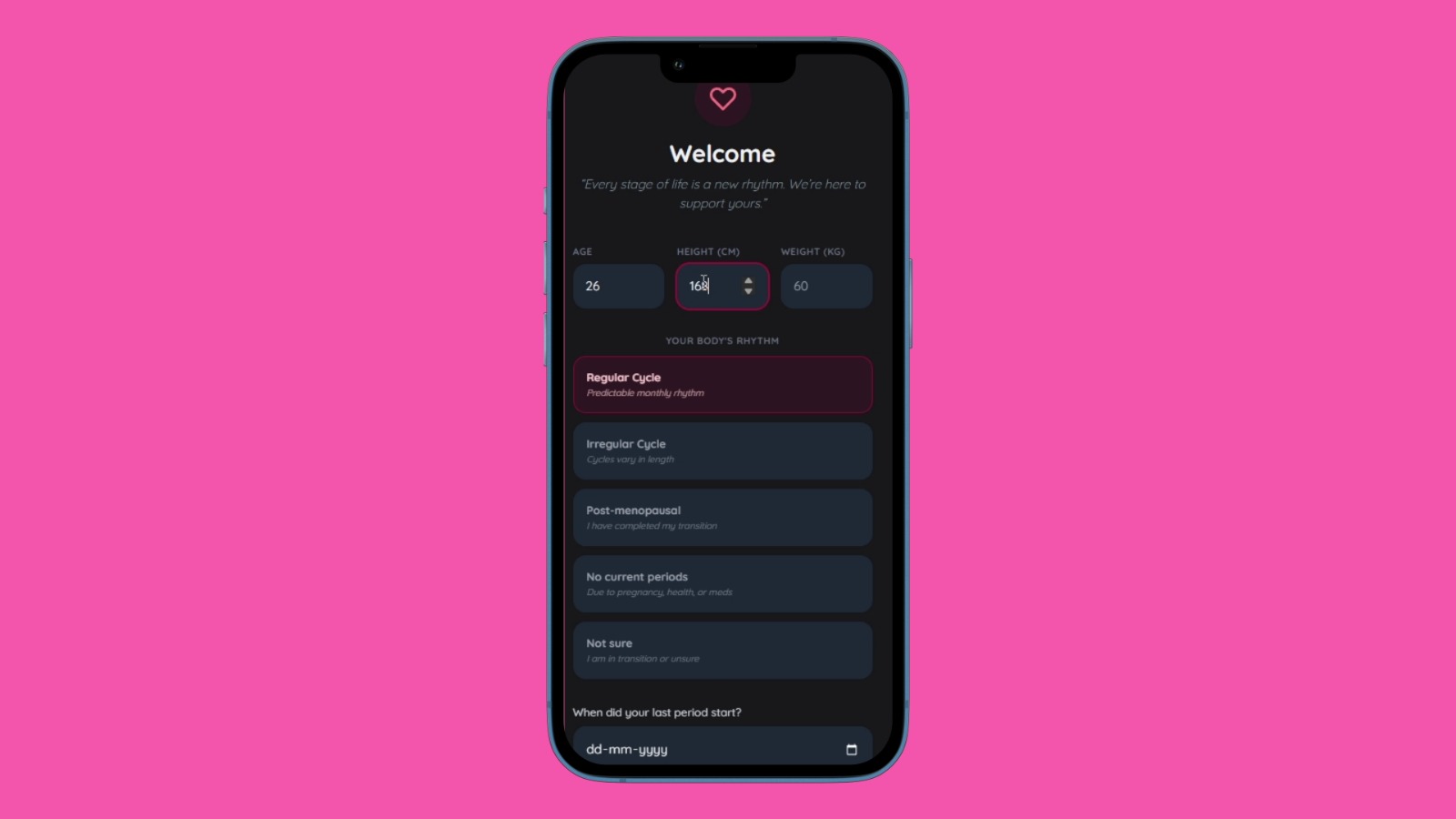
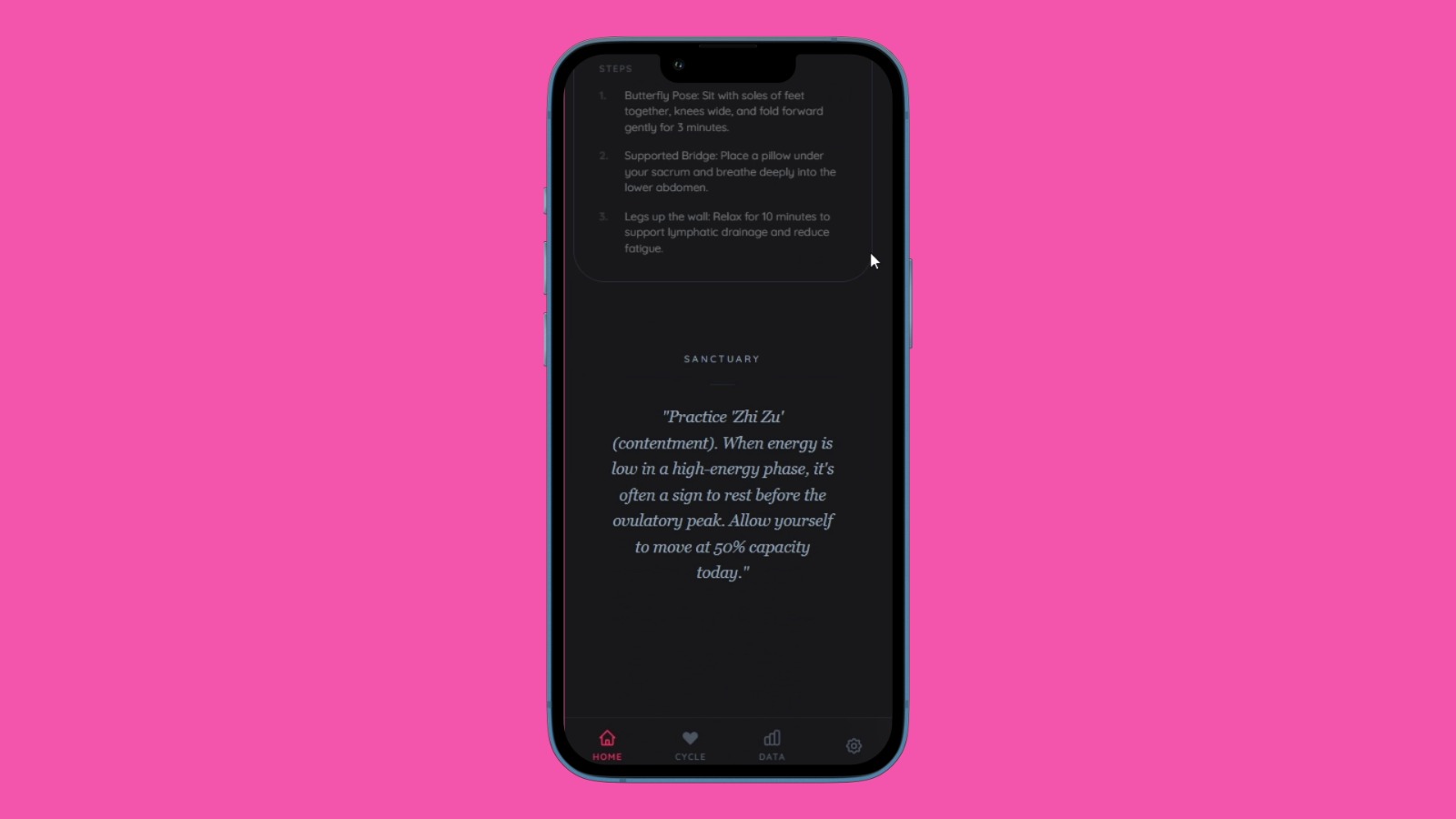
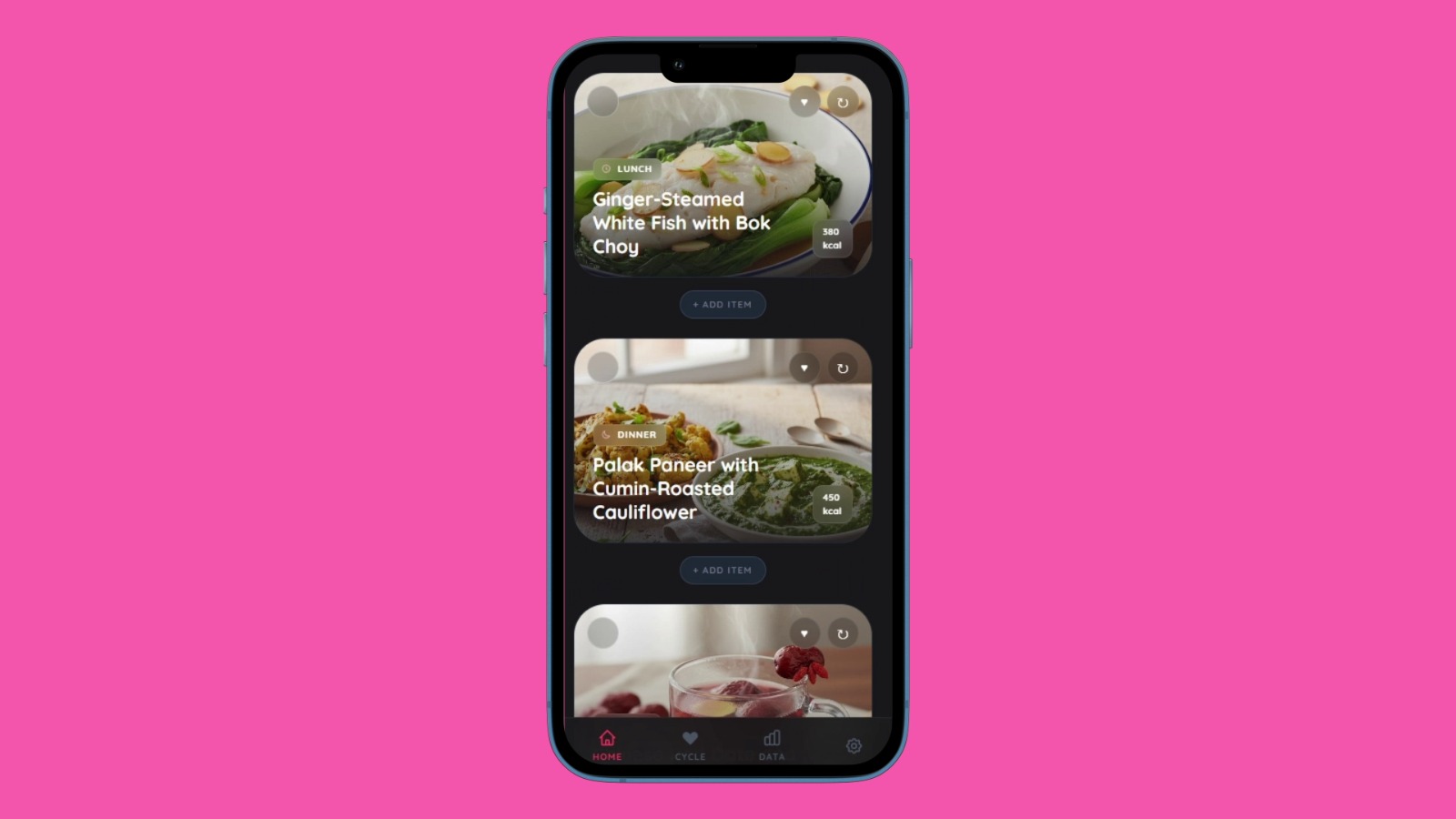
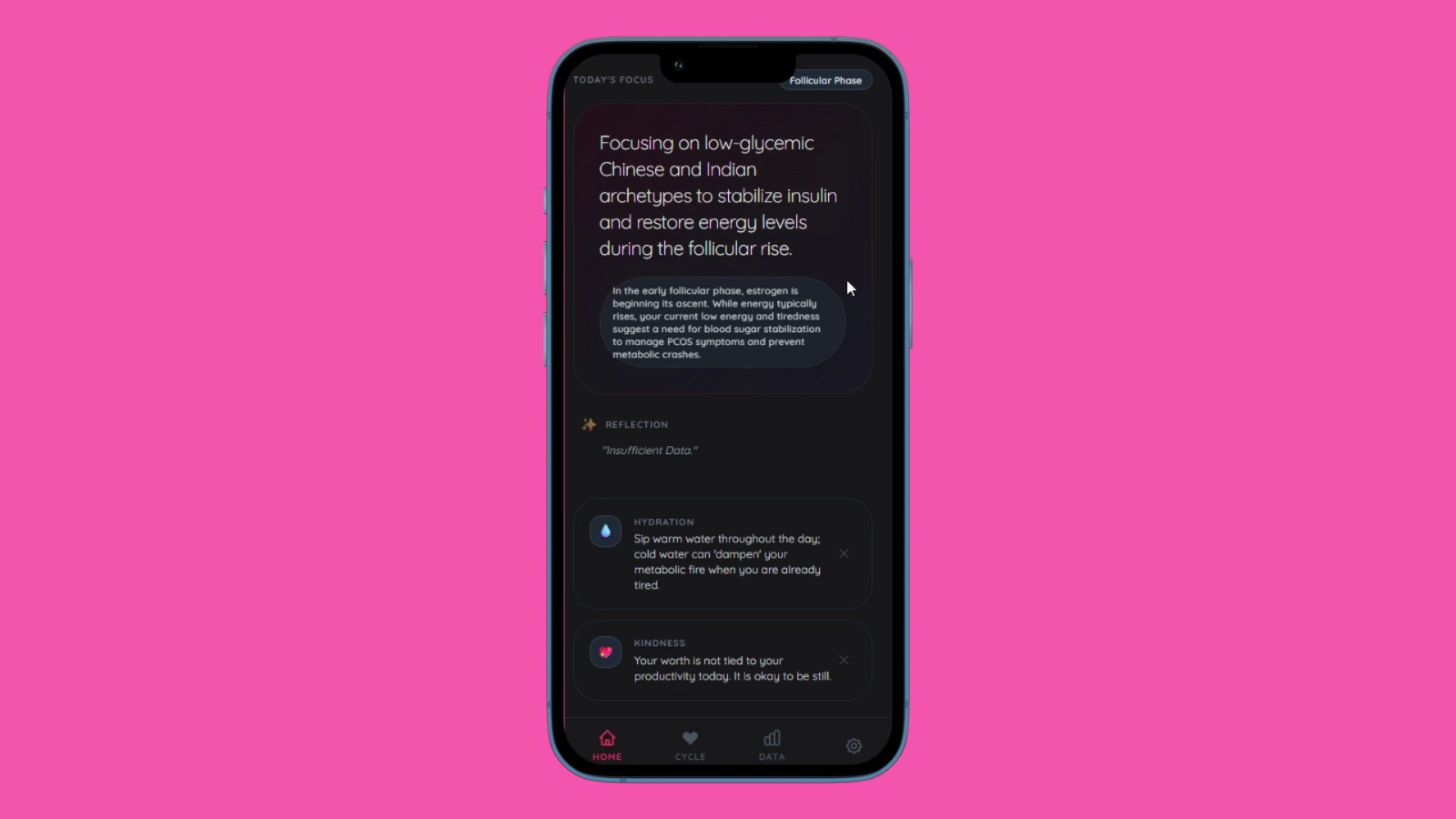
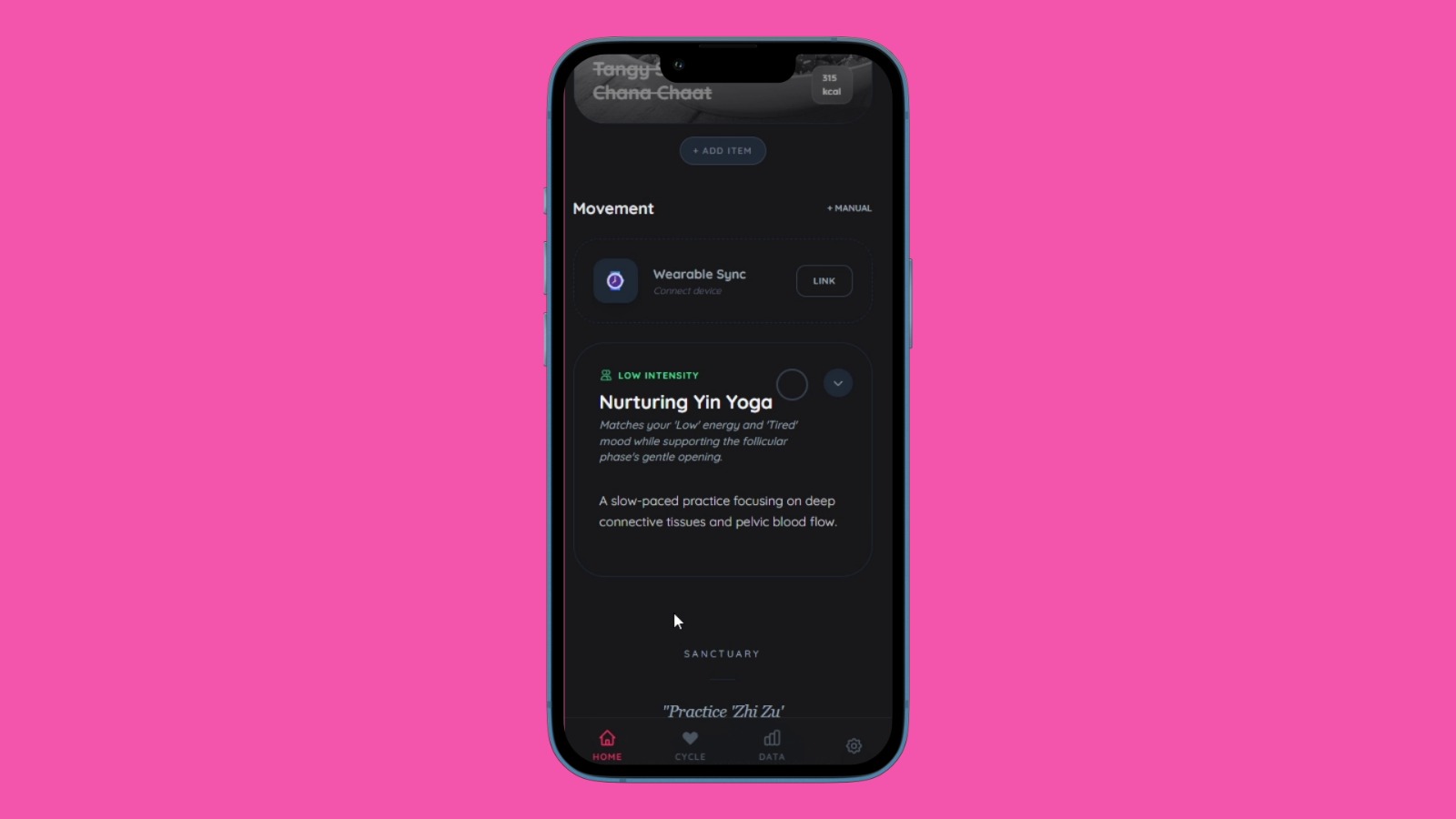
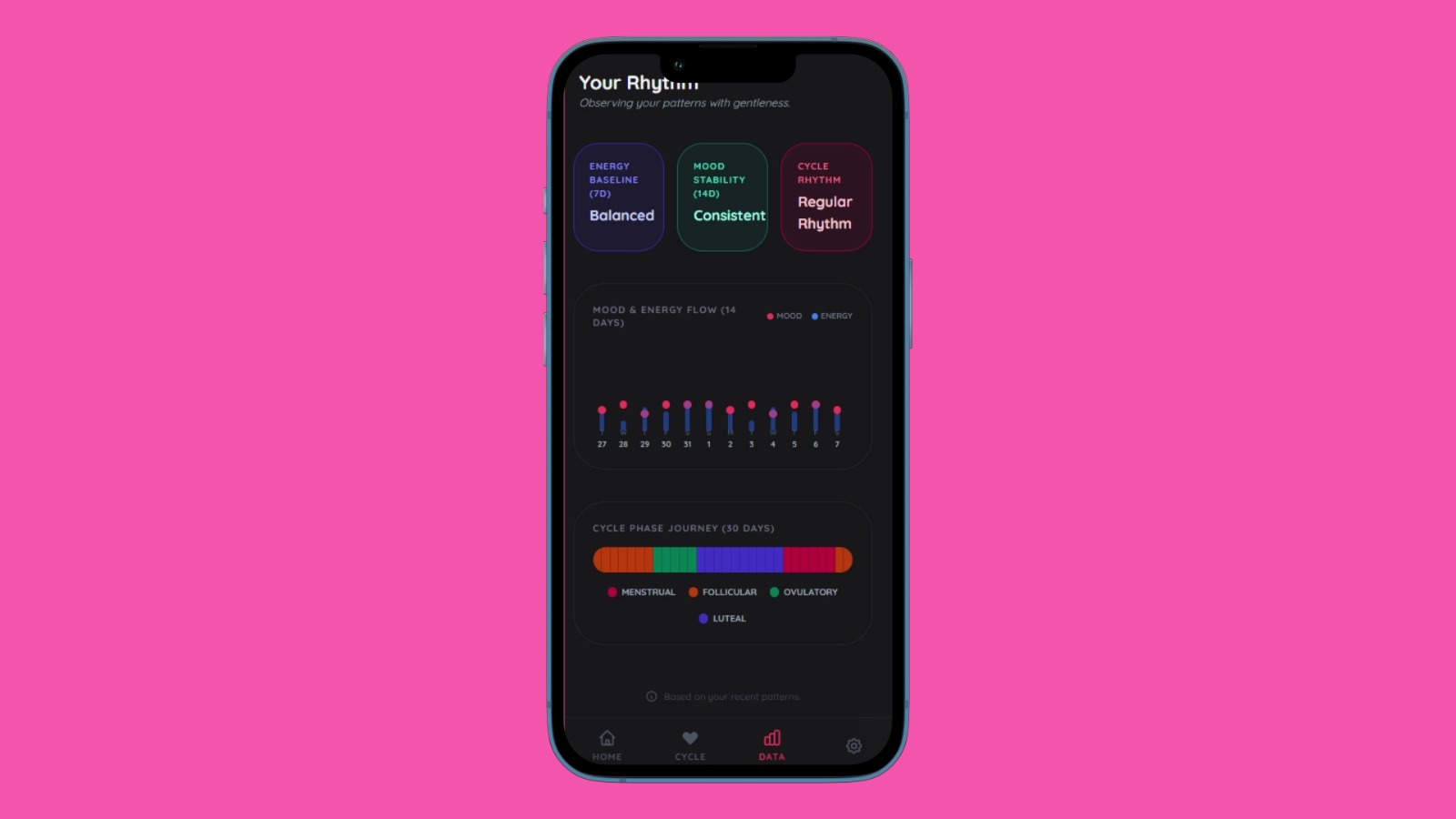
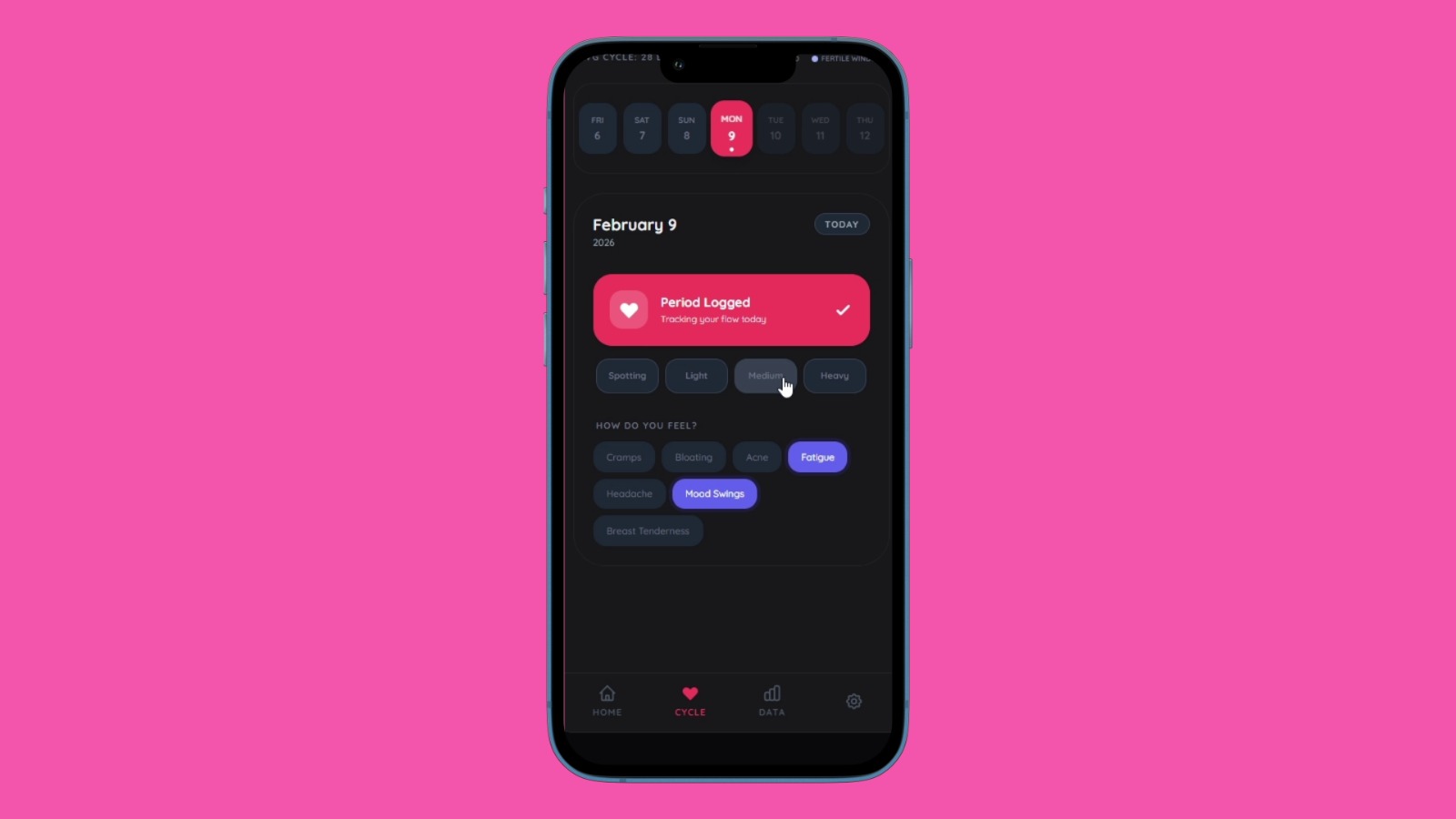
Luna Care is a personalized female health app for women aged 16 and above. After users enter basic body data, menstrual information, dietary preferences, allergies, and health considerations, the system generates daily meal plans with calories and nutritional highlights, exercise suggestions, and gentle emotional care messages based on the user’s current cycle phase and energy level. Users can check off what they complete, swap meals or activities, and provide feedback, allowing the system to learn and improve personalization over time.
How we built it
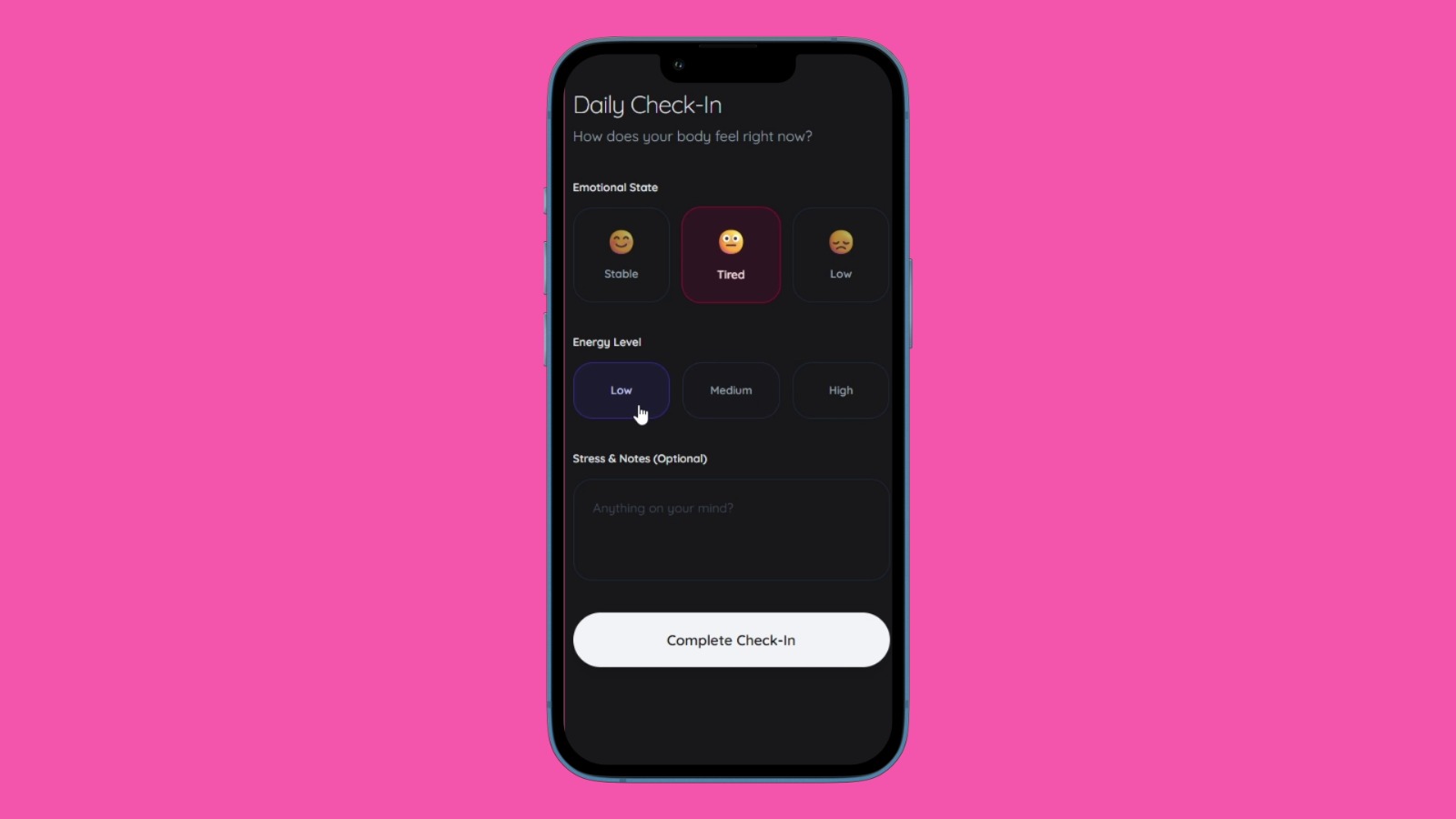
We designed the product around the user journey, starting with onboarding to build a personal health profile, followed by menstrual logging and prediction, and lightweight daily emotional check-ins. On the backend, we combine rule-based logic with AI recommendations to generate daily plans based on cycle phase, energy needs, dietary constraints, and user feedback. On the frontend, we focused on the Daily Home experience, enabling completion tracking, easy plan adjustments, and non-judgmental care-based reminders.
Challenges we ran into
One key challenge was balancing helpful health boundaries with a non-pressuring user experience. We carefully tuned when and how reminders are triggered to avoid creating guilt or shame, focusing on patterns rather than single-day behavior. Another challenge was being responsible with health-related content, especially around conditions, medications, and nutrition, ensuring the product remains supportive and not medical in nature.
Accomplishments that we're proud of
Built a cycle-aware personalization framework for daily recommendations Designed a care-first daily experience instead of a discipline-first tracking model Integrated meals, movement, and emotional support into one simple daily flow Created a feedback loop that helps the system learn real user preferences over time
What we learned
We learned that the most important part of building a female health product is not giving more advice, but giving the right rhythm and space. When users are not judged by “success or failure,” they are more likely to engage consistently. We also realized how powerful a menstrual-cycle-centered perspective can be in shaping meaningful product experiences.
What's next for LunaCare
Next, we plan to: Introduce dietitian- or clinician-reviewed content Design a safer teen mode for users aged 16–18 Improve cycle prediction and symptom correlation models Explore optional, low-pressure community features focused on support rather than comparison

Log in or sign up for Devpost to join the conversation.