-
-
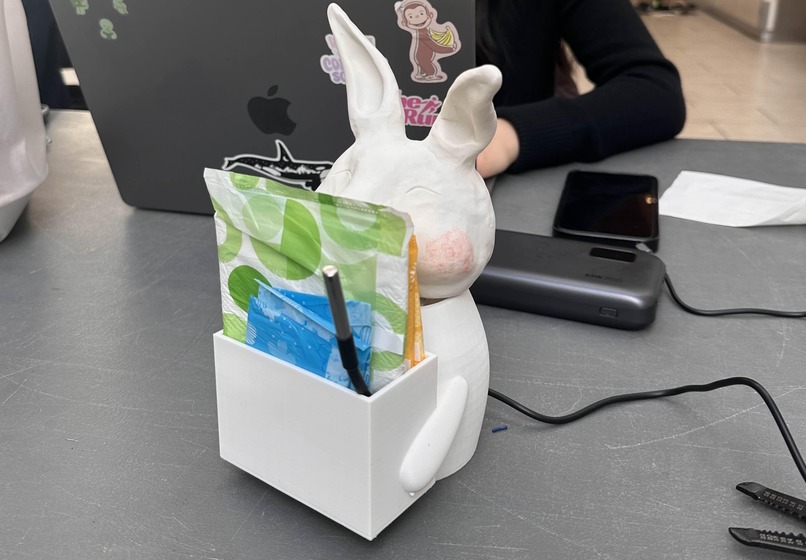
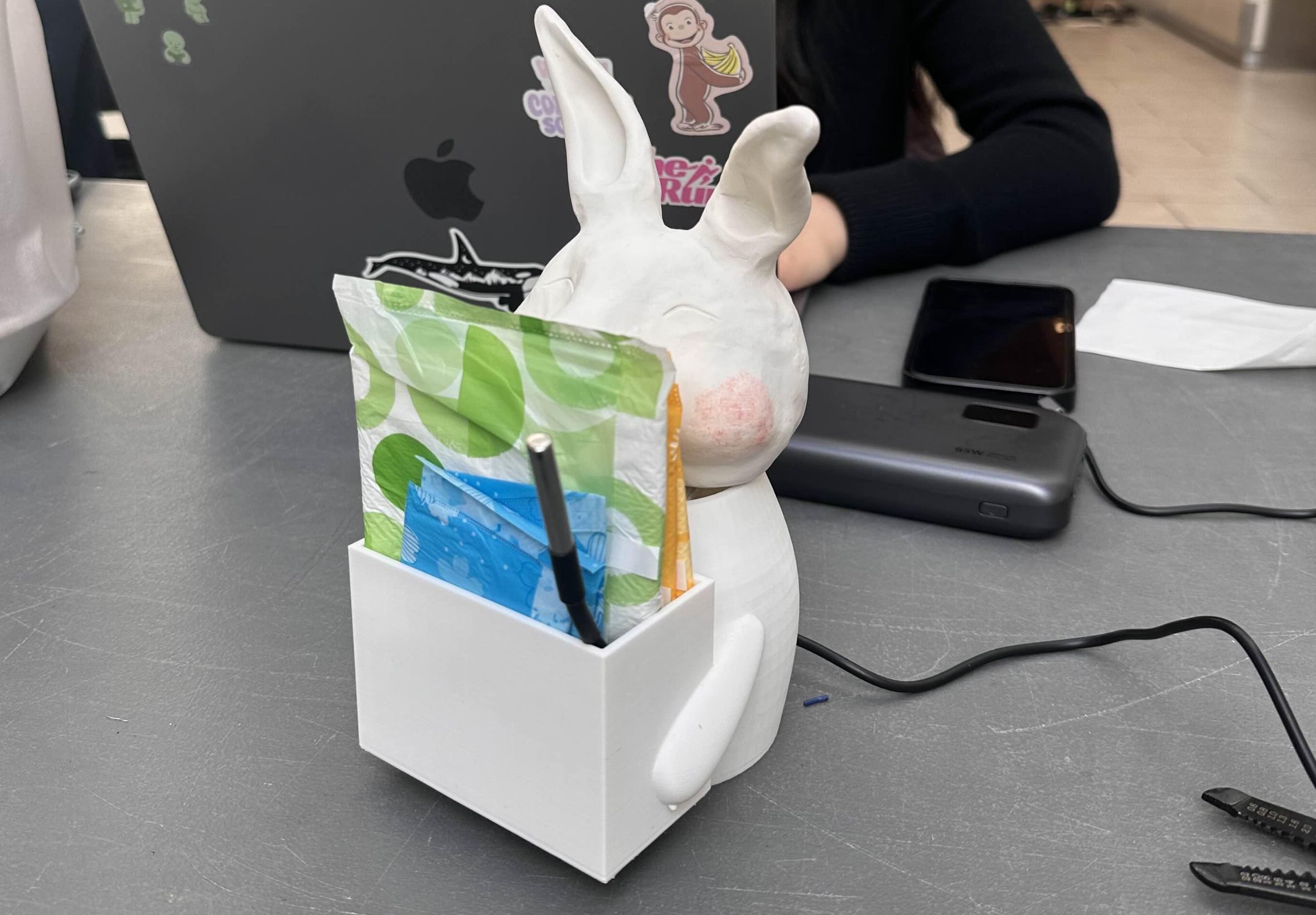
Our physical companion, Luna!
-
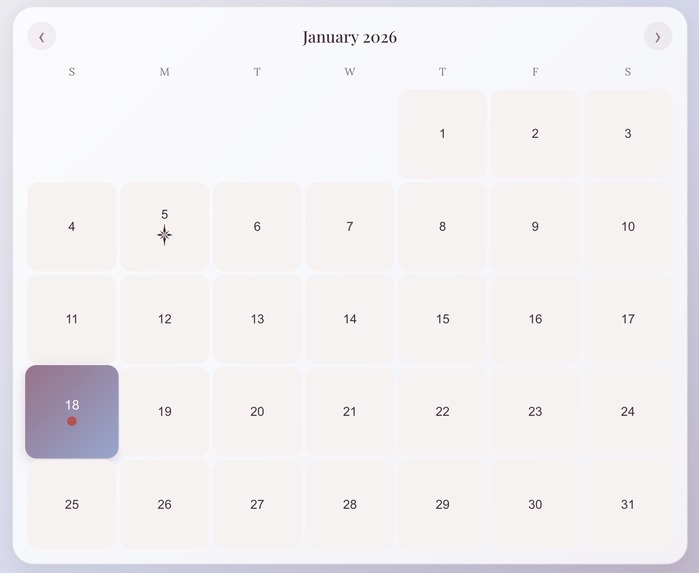
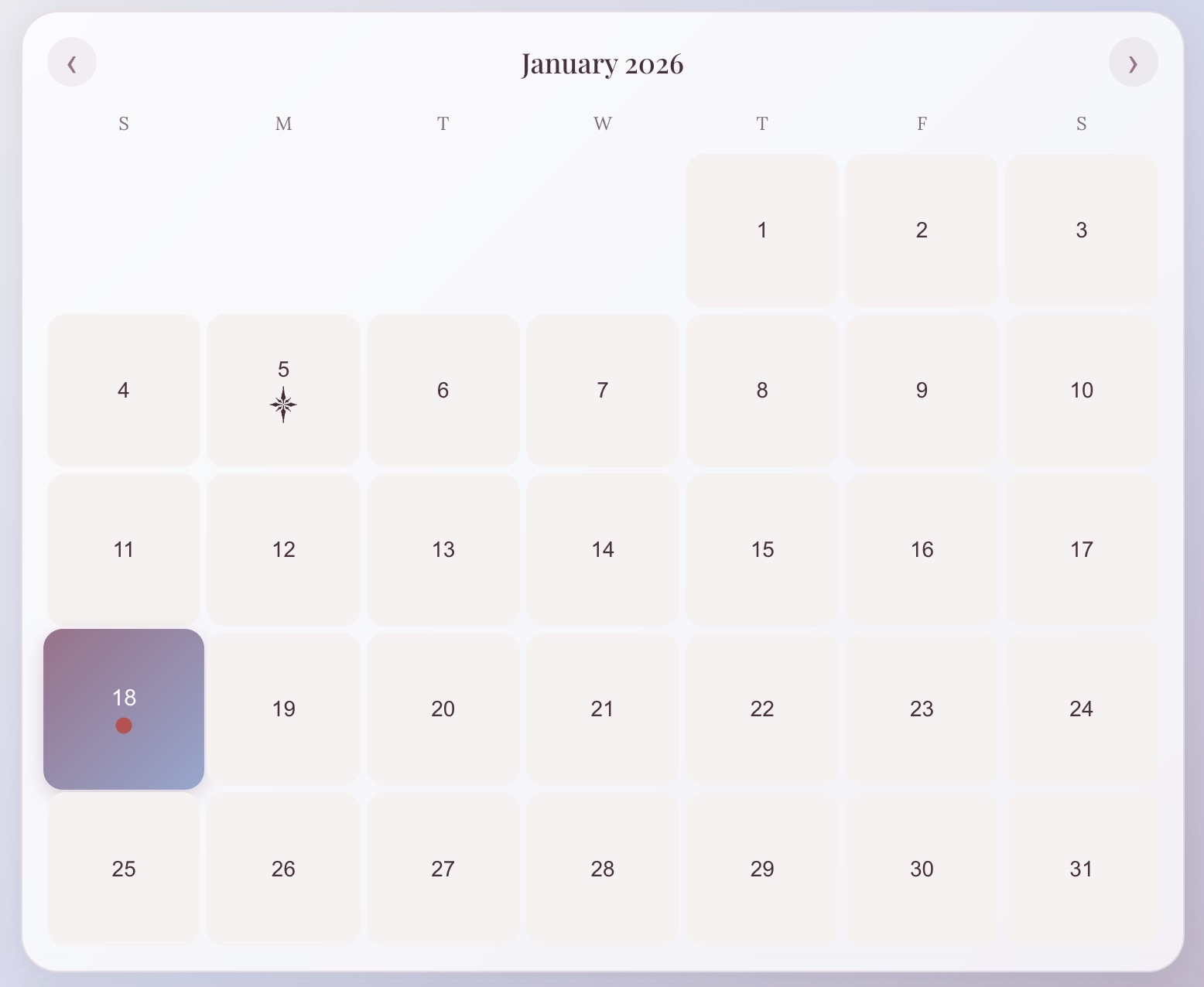
Calendar View
-
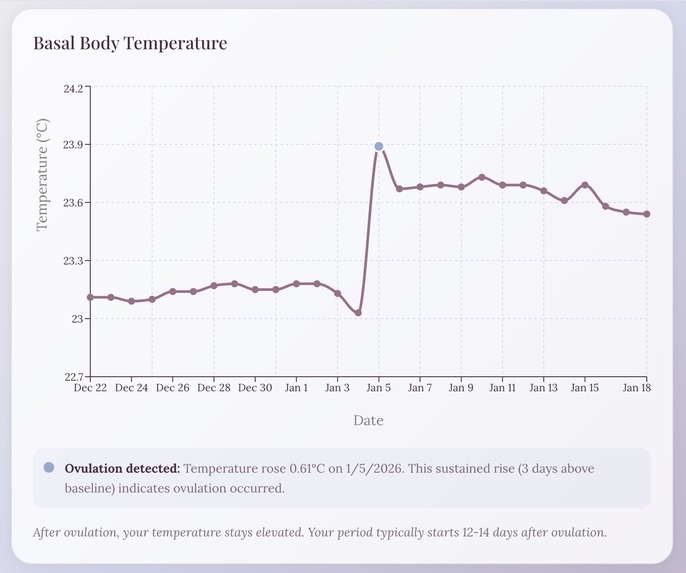
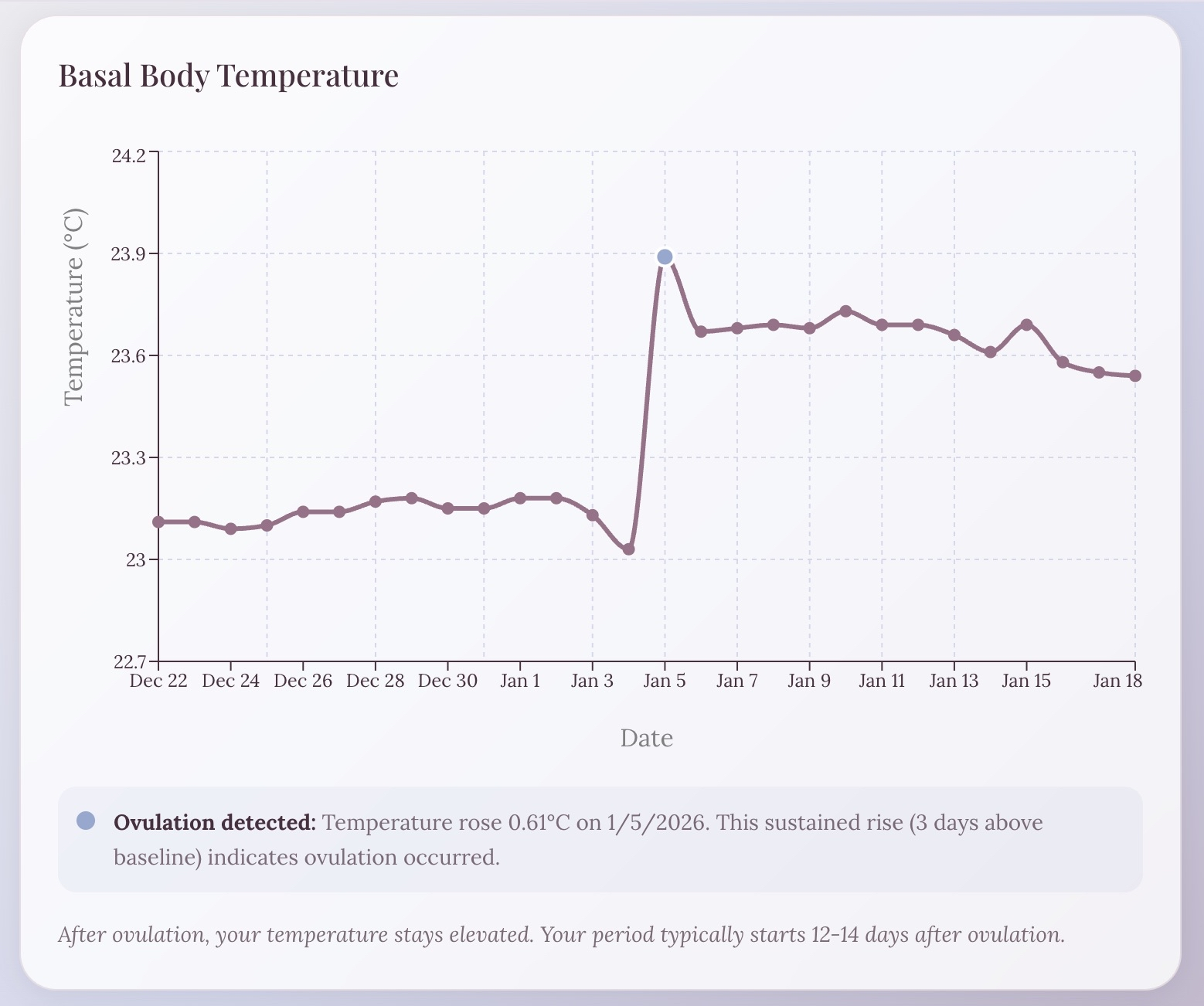
Basal Body Temperature data for the past 28 days
-
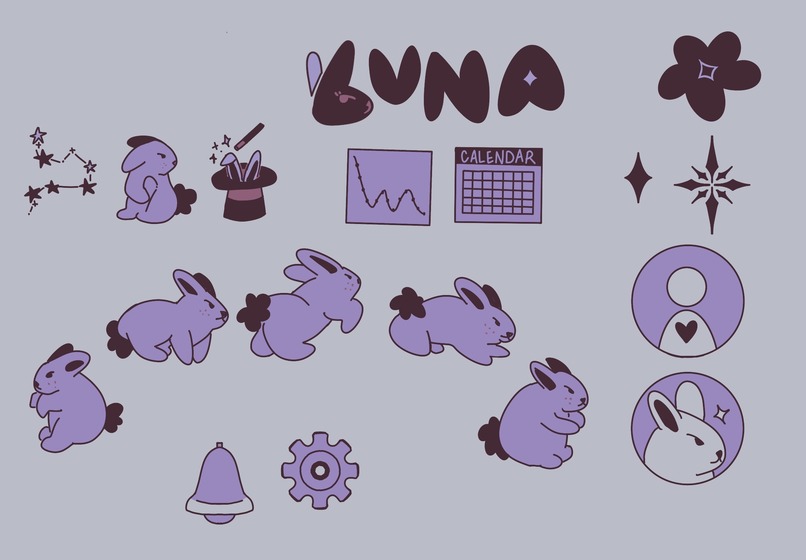
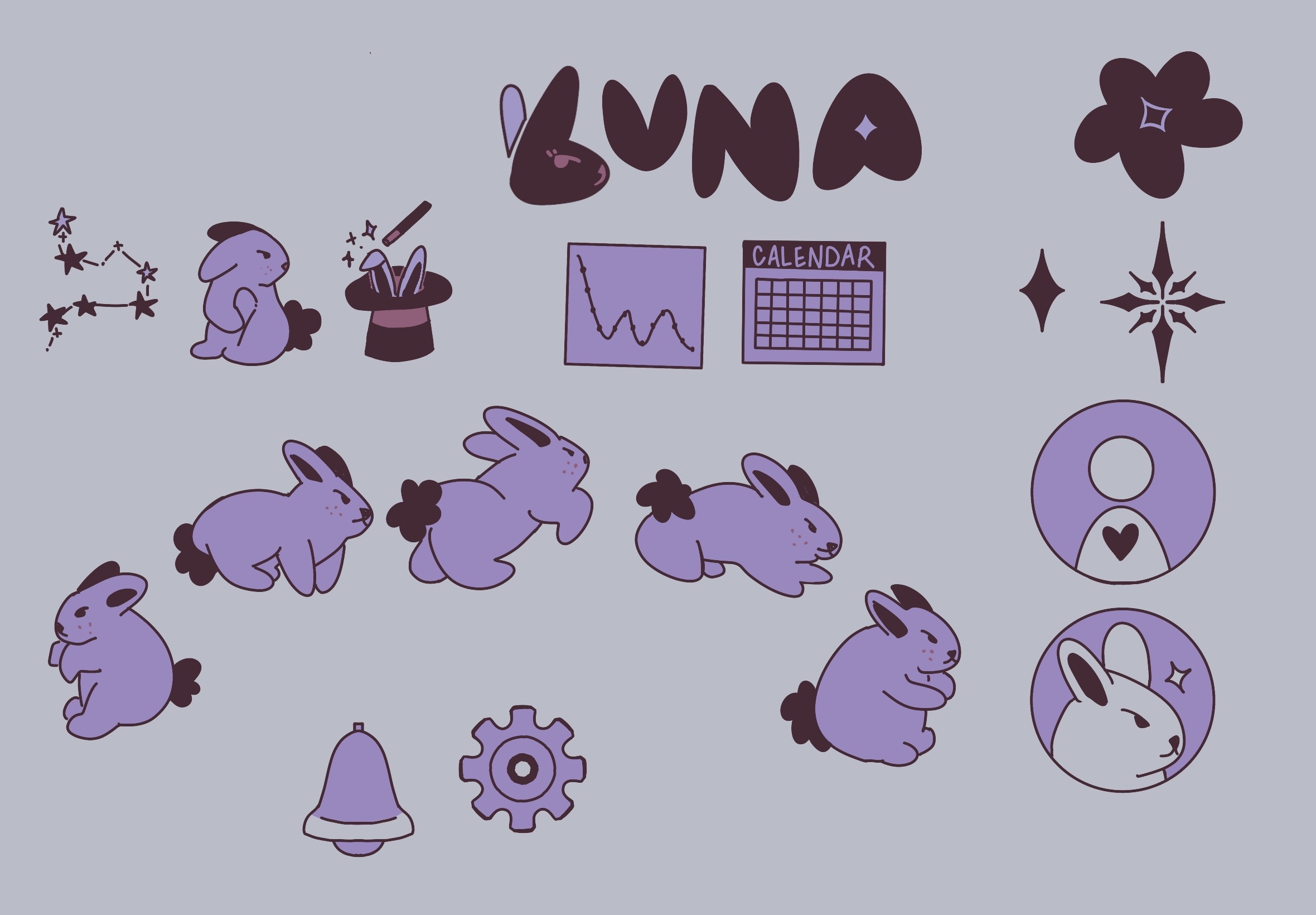
UI Design for Luna
-
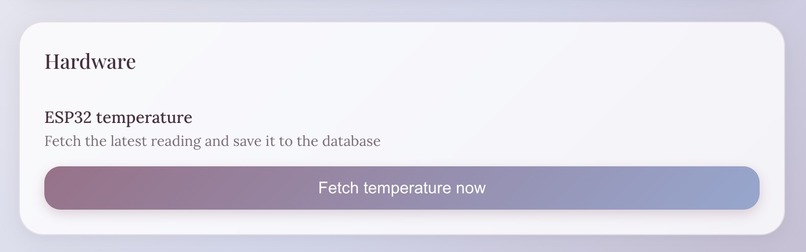
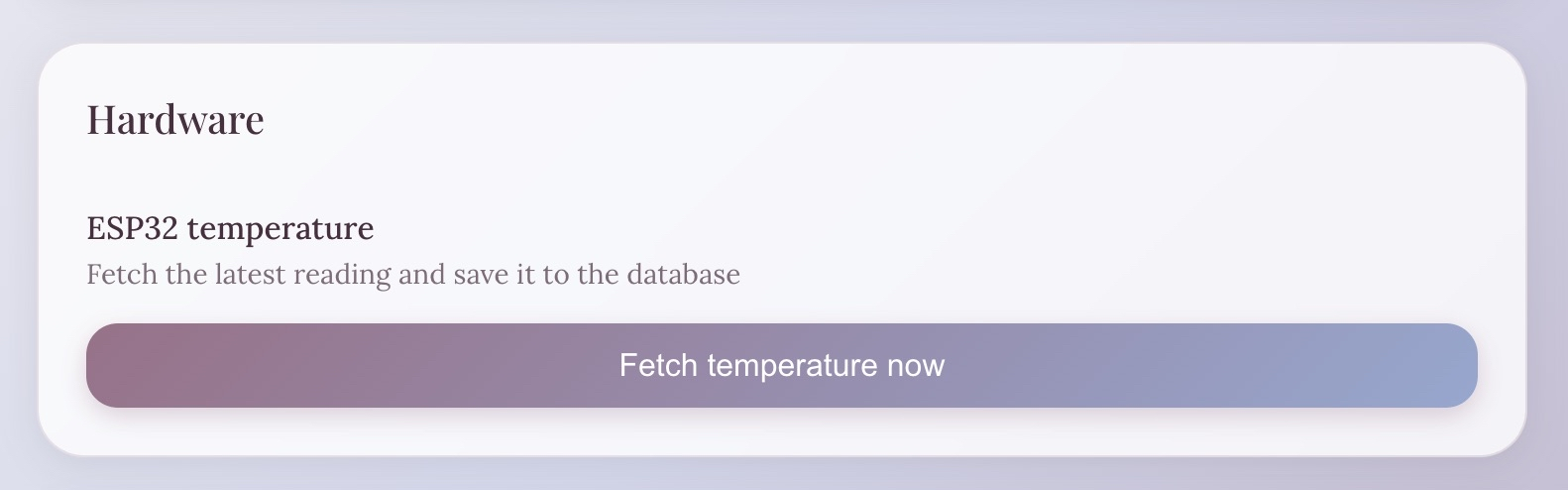
ESP Integration
-
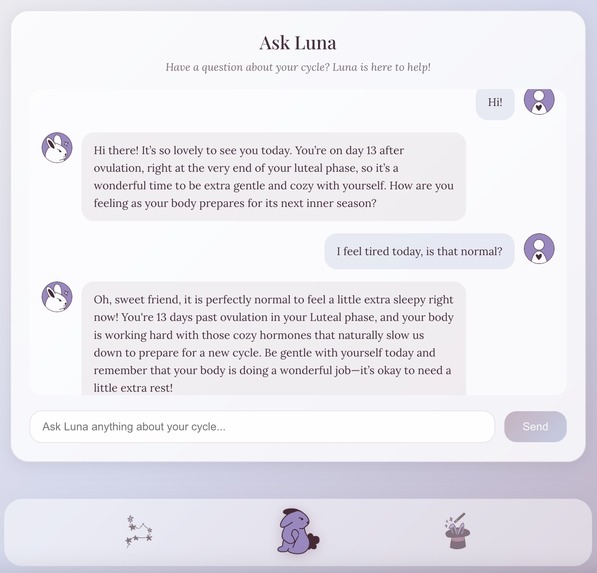
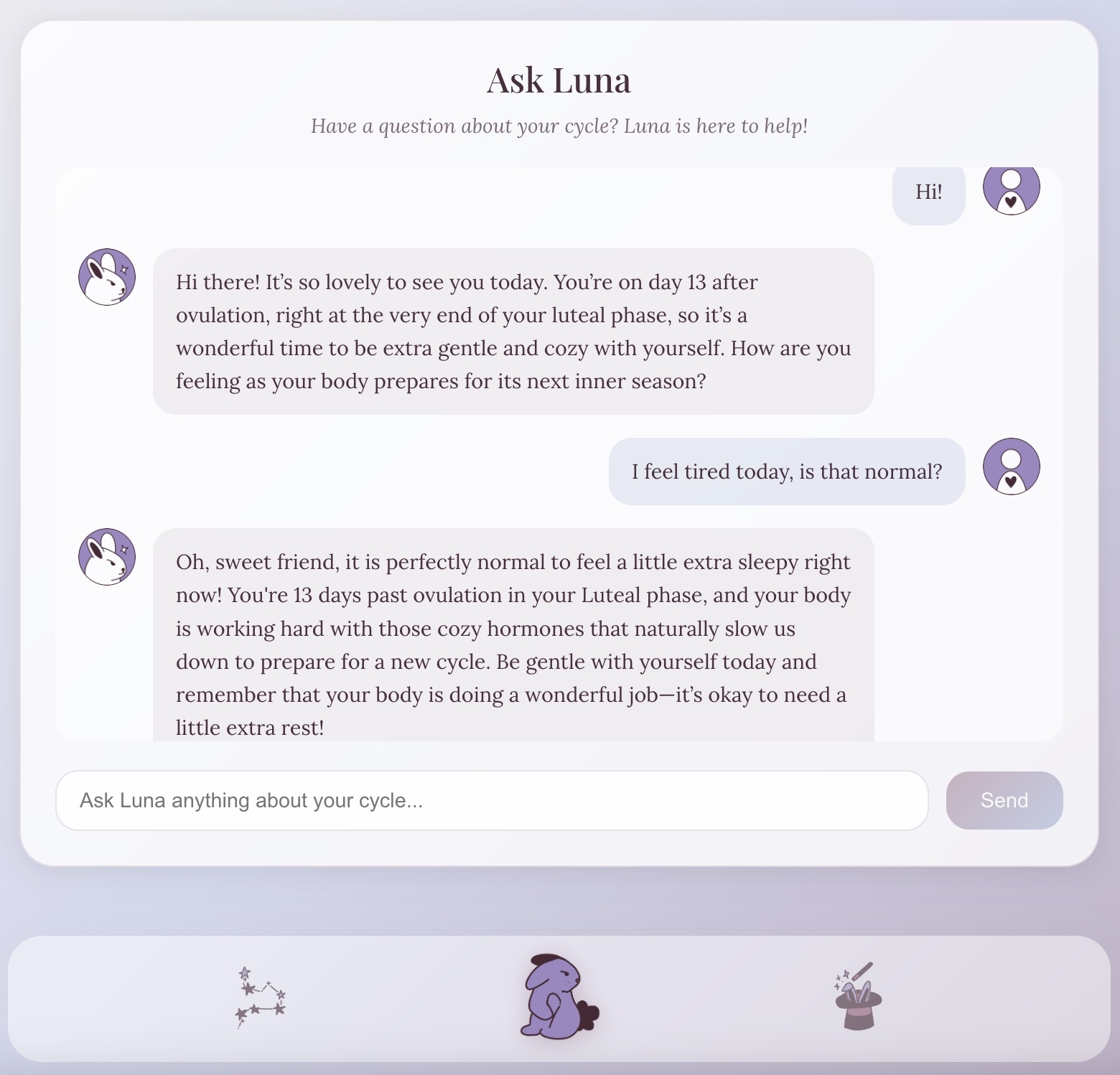
Chat Log with Luna
Inspiration
Many people who menstruate share stories of feeling unsure about their own cycles and lacking insight into their bodies. Understanding your cycle isn’t just about predicting your period—it’s about knowing how you feel, how you function, and how to take care of your body.
Luna is designed to make this easier. For those with irregular cycles, traditional calendar-based tracking often falls short. Our app uses physiology-first tracking with basal body temperature (BBT) to provide personalized insights, helping you understand your body’s unique patterns.
We also know logging daily readings can be tedious. That’s why we built a one-stop solution: you can see your cycle, track your temperature, and get wellness tips—all in one place—without the hassle of repeated manual entries.
What it does
Luna is your all-in-one menstrual assistant - with various features such as BBT tracking for period prediction by holding a probe for 10 seconds, personalised tips for your menstrual health journey and even a period product storage solution - we got every step covered!
How we built it
Luna combines hardware and software to provide a seamless cycle-tracking experience. Our hardware uses an ESP32 running C firmware to measure basal body temperature, which is then sent to our Node/Express backend. The React web app consumes this data to display intuitive, user-friendly graphs and insights.
To make the experience even more engaging, the hardware is housed in a bunny-shaped enclosure, tying together our playful UI/UX design with the physical product.
Challenges we ran into
The biggest challenge we ran into was regarding the integration of hardware and software components. Both of those ran smoothly on their own, but figuring out how to send the data from the ESP32 to our website setup was difficult.
Accomplishments that we're proud of
We’re proud of our innovative branding and UI design - upholding our celestial rabbit theme all throughout our product in both hardware and software. We’re also proud of our physical enclosure, involving a compact storage for the wiring and hardware as well as a box for period products and the temperature probe disguised as a magic wand for our clay-modelled bunny. We also successfully managed to integrate Gemini API into our personal assistant model, which takes the data collected and processed by our software as well as any information learned about the user to provide daily feedback.
What we learned
We learned that there are many steps involved with deploying a hardware + software product - if our situation allowed for more planning we would’ve stuck to strictly a hardware setup with a built-in digital screen native to the product. There is always room for more improvement later in the future.
What's next for Luna
As explained earlier - we would love to convert our idea to a personal menstrual assistant that can live in your bathroom - no website involved for data collection.


Log in or sign up for Devpost to join the conversation.