-
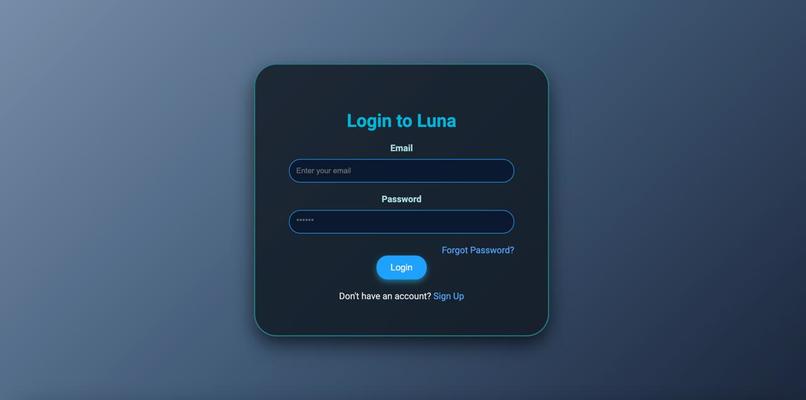
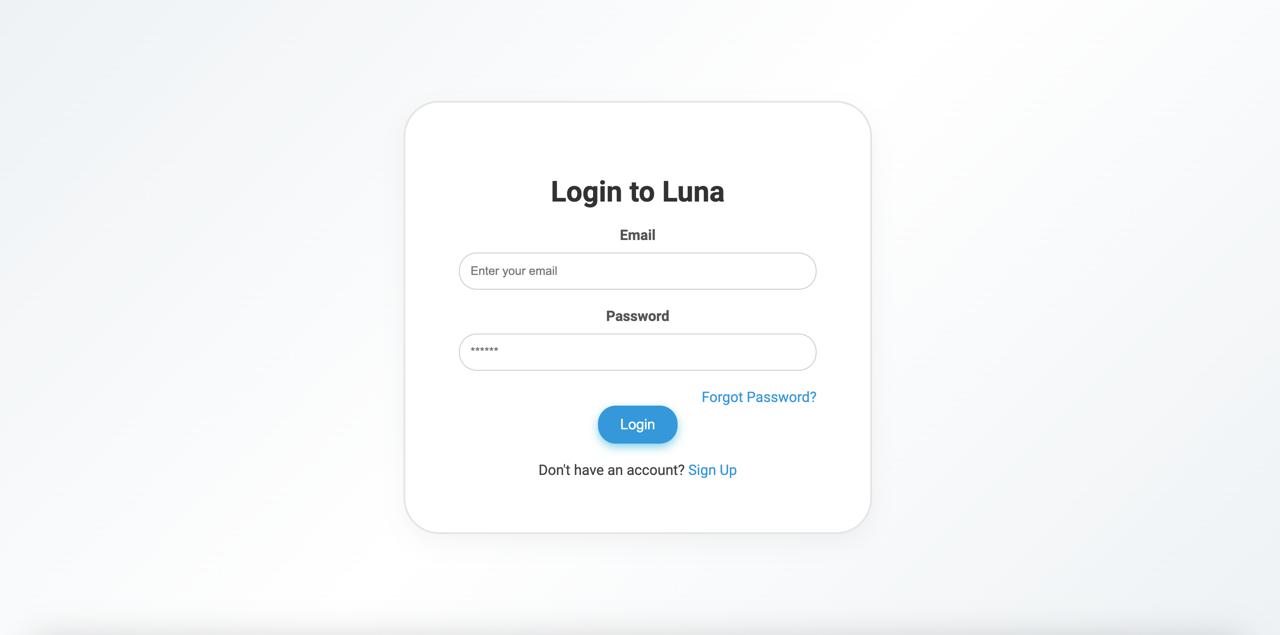
Log In Page Dark Mode
-
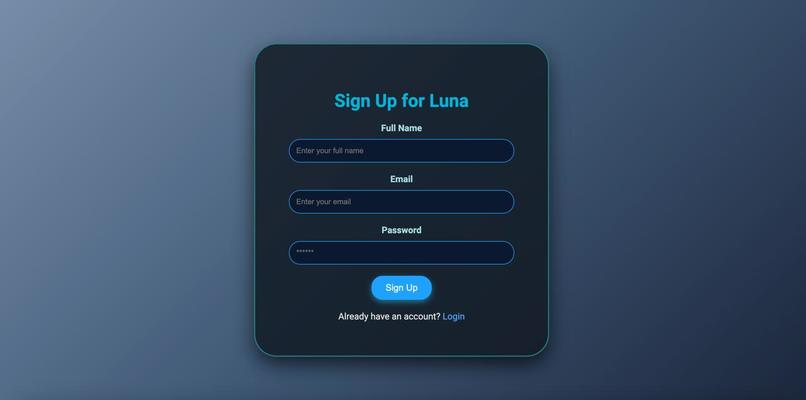
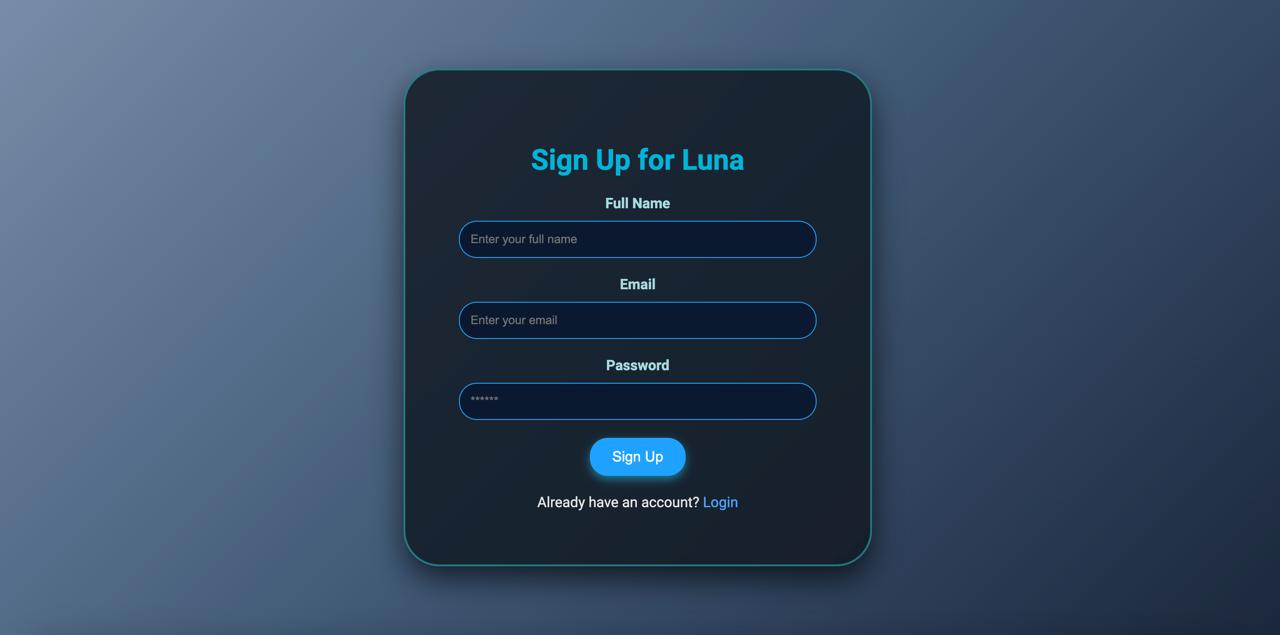
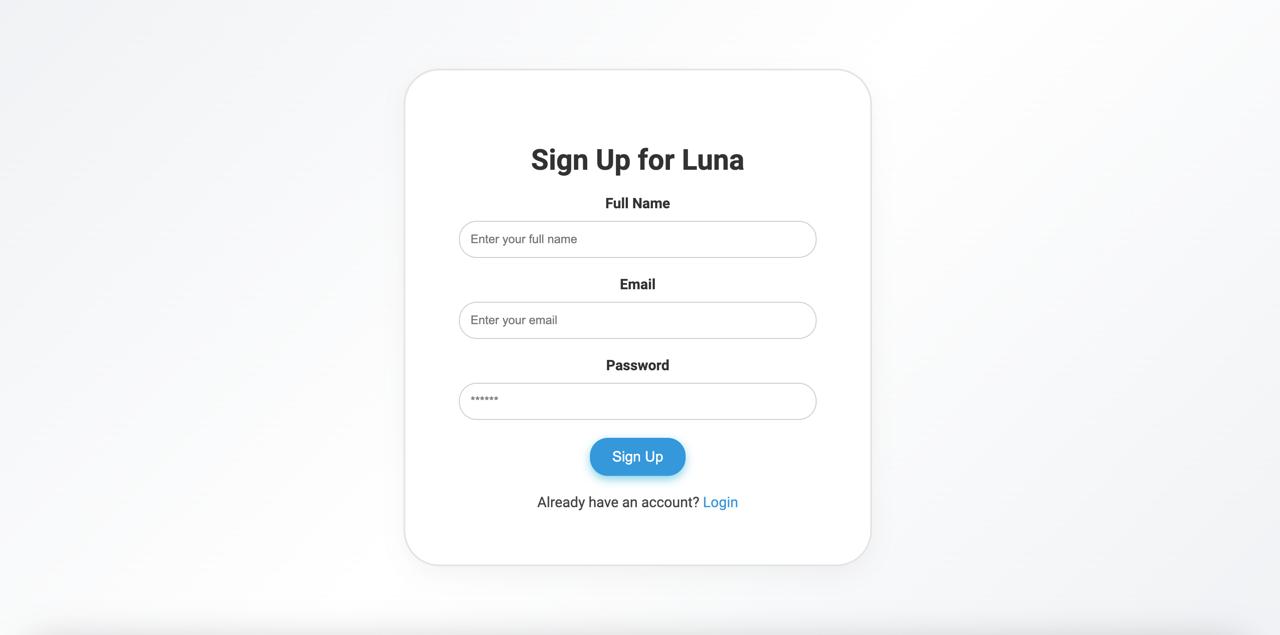
Sign Up Page Dark Mode
-
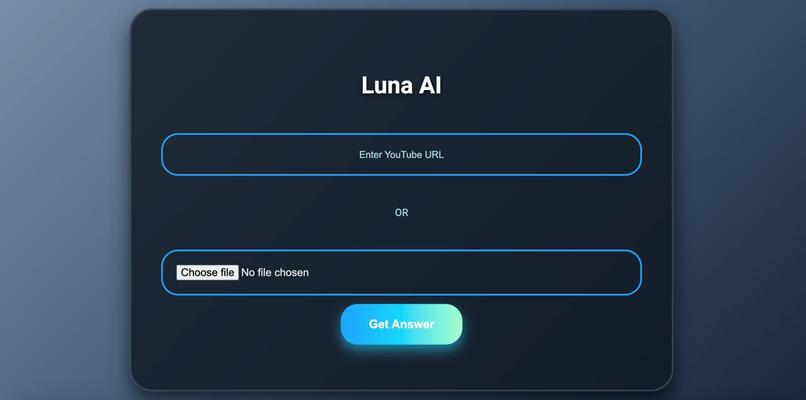
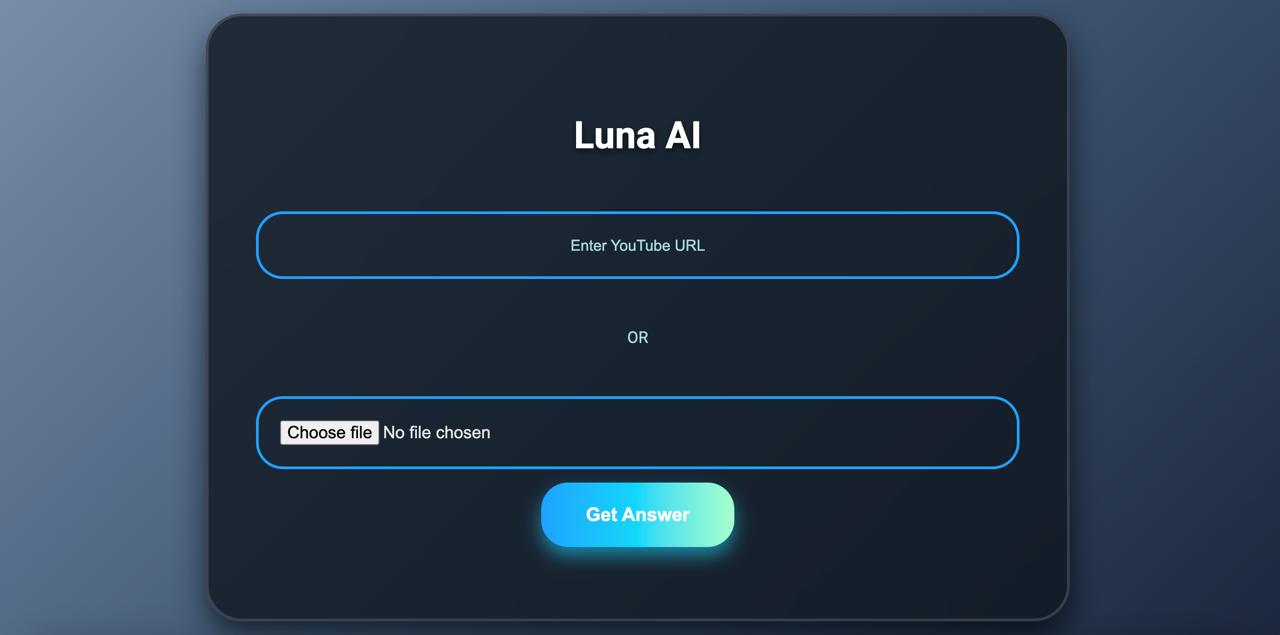
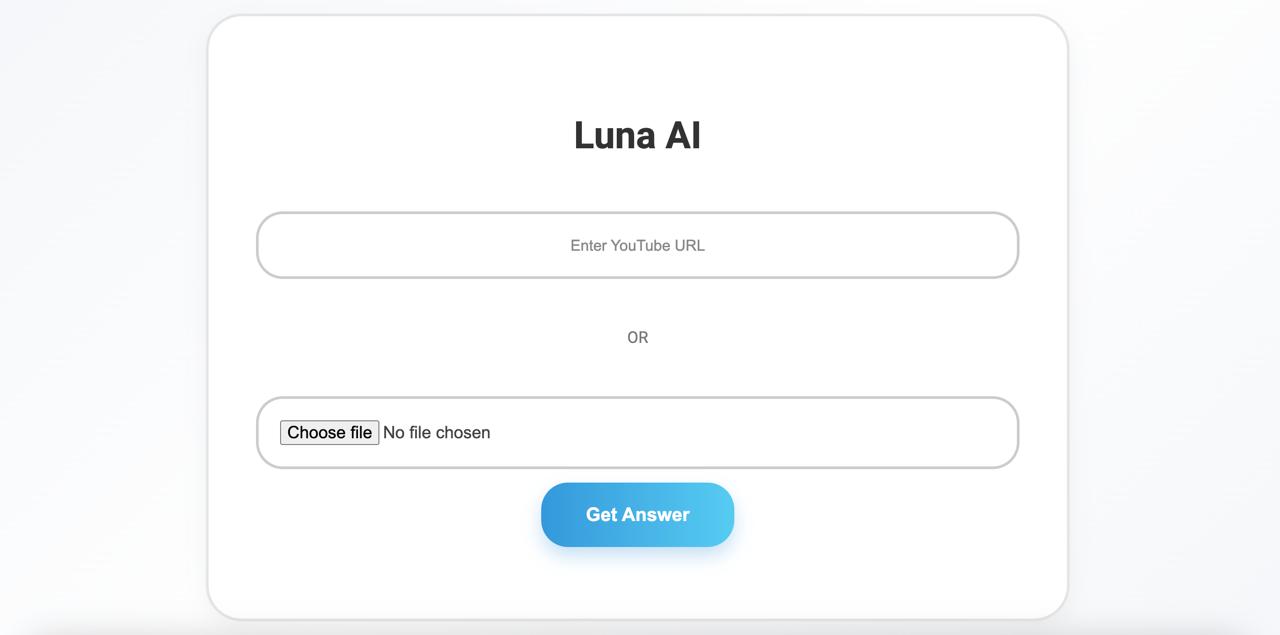
Upload Your video or Paste the Link Dark Mode
-
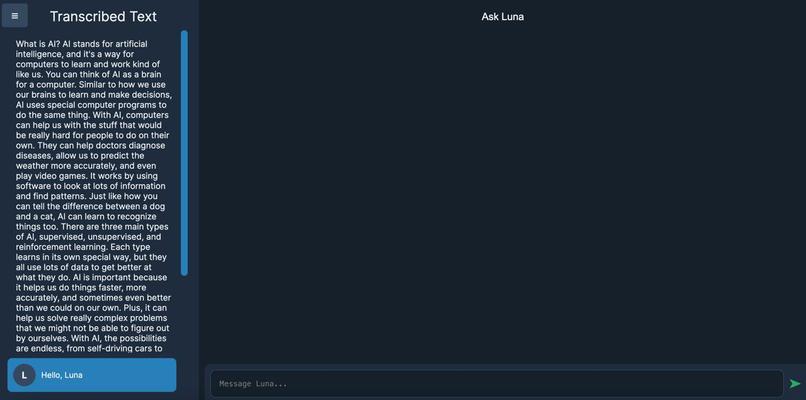
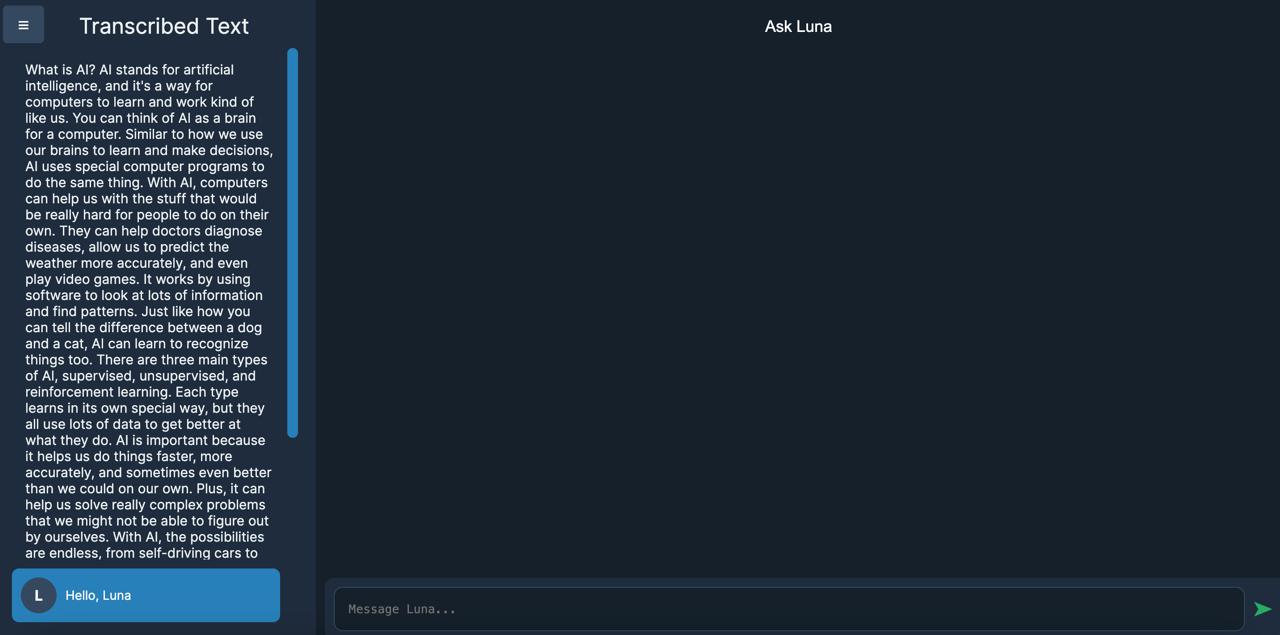
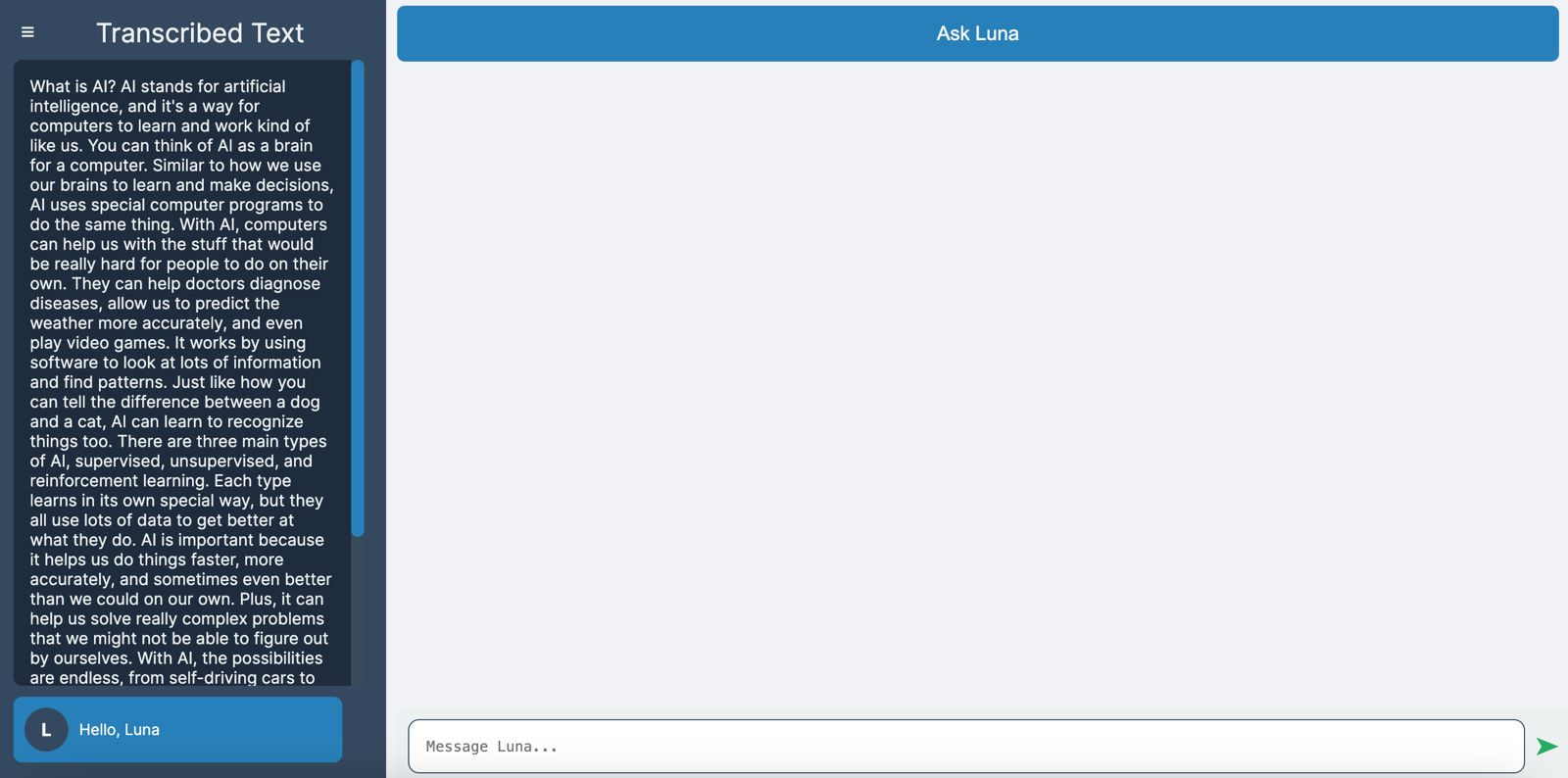
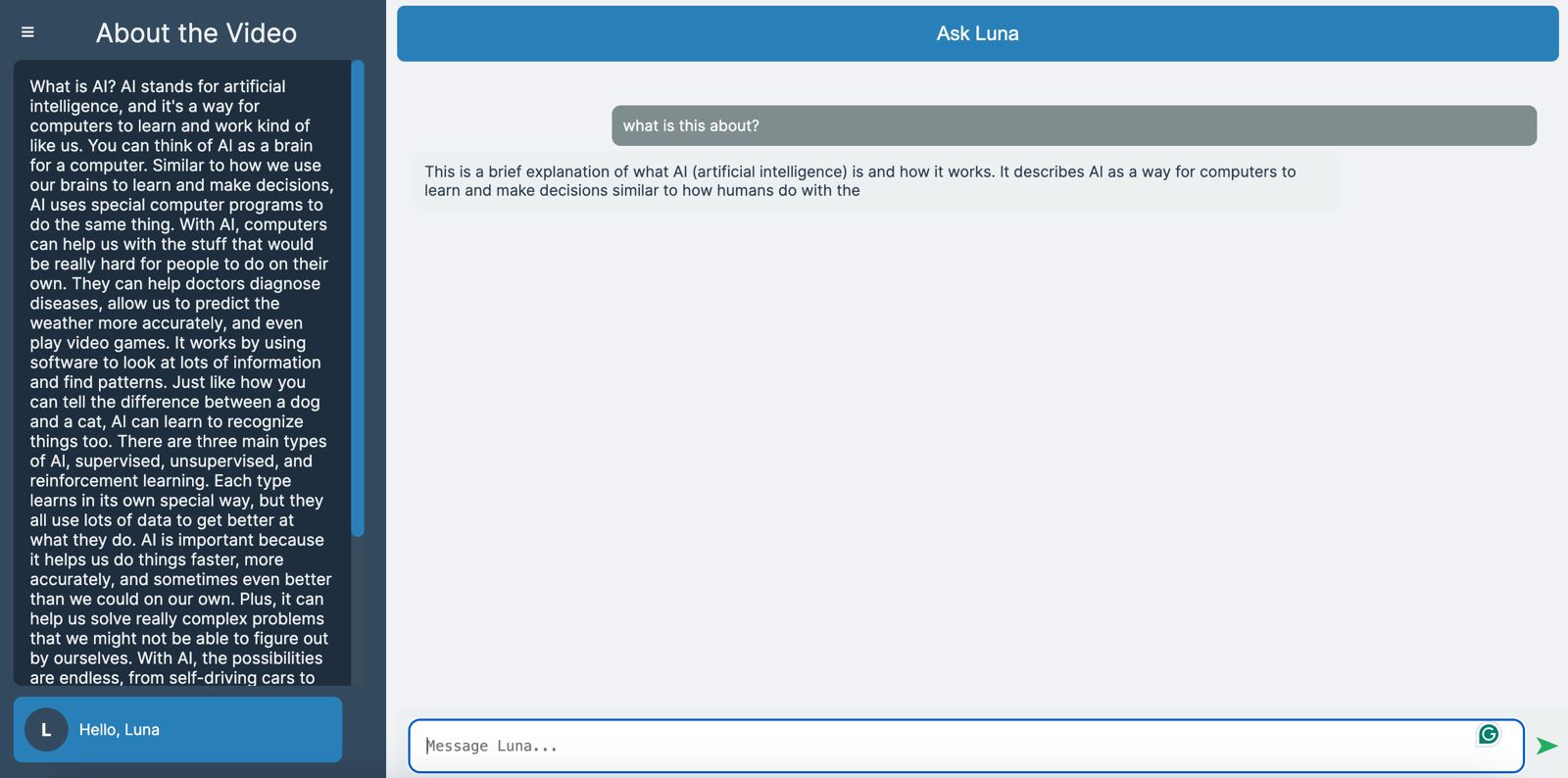
Chat interface with information about the video on the left side
-
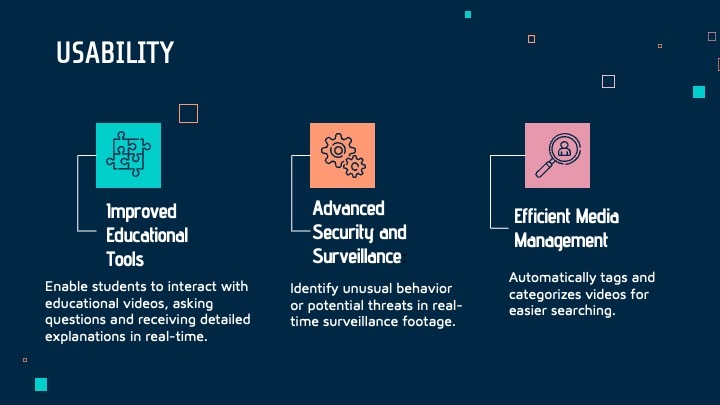
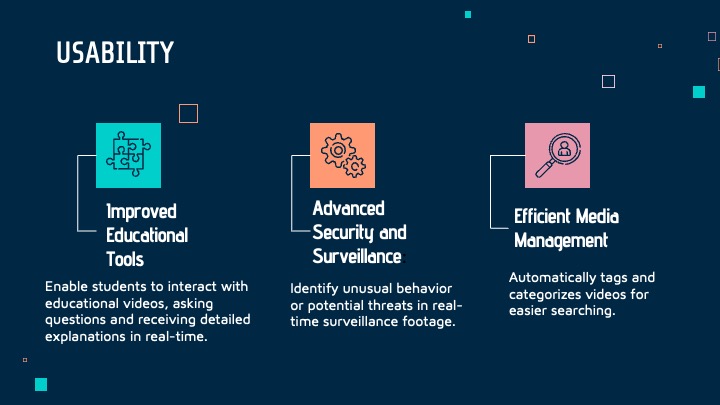
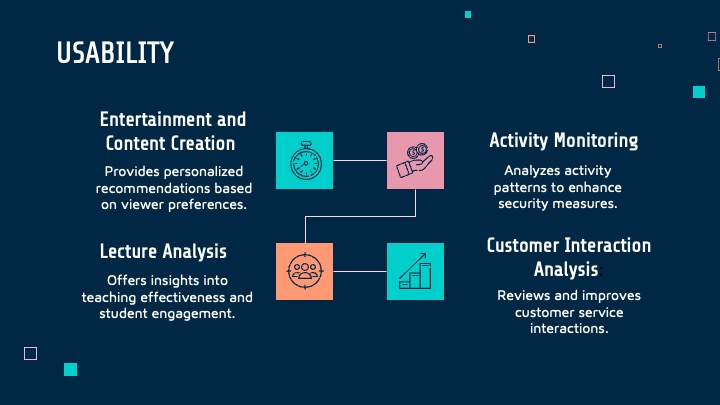
Benefits of LUNA
-
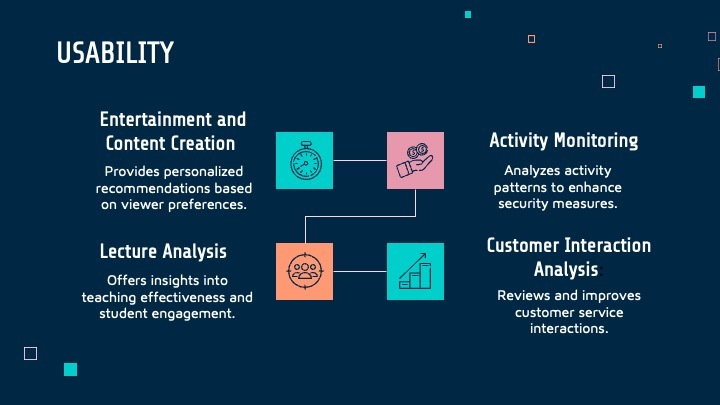
Benefits of Luna
-
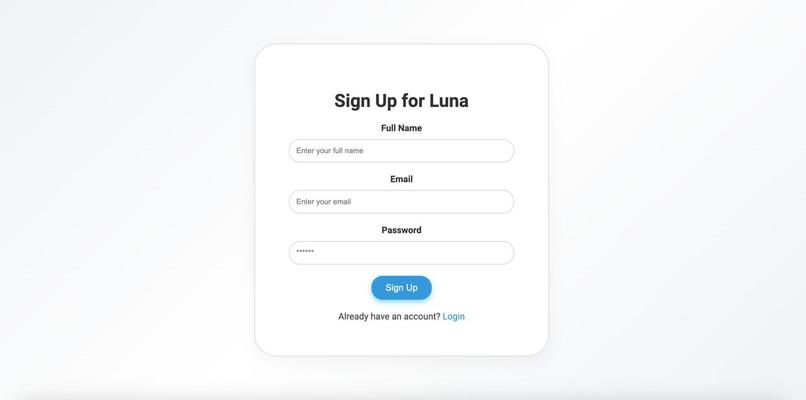
Sign Up Page Light Mode
-
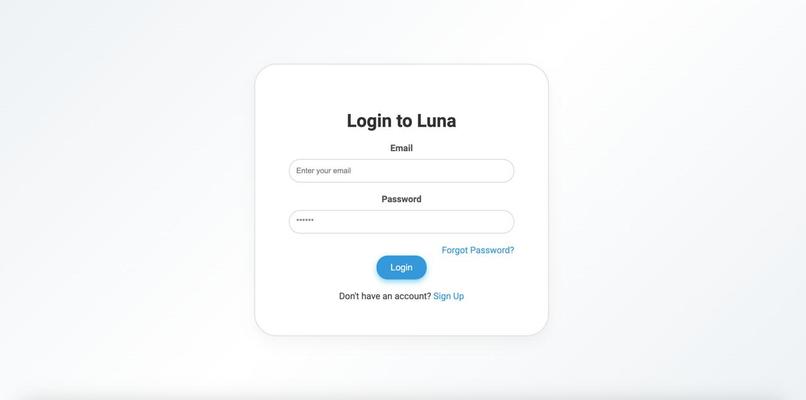
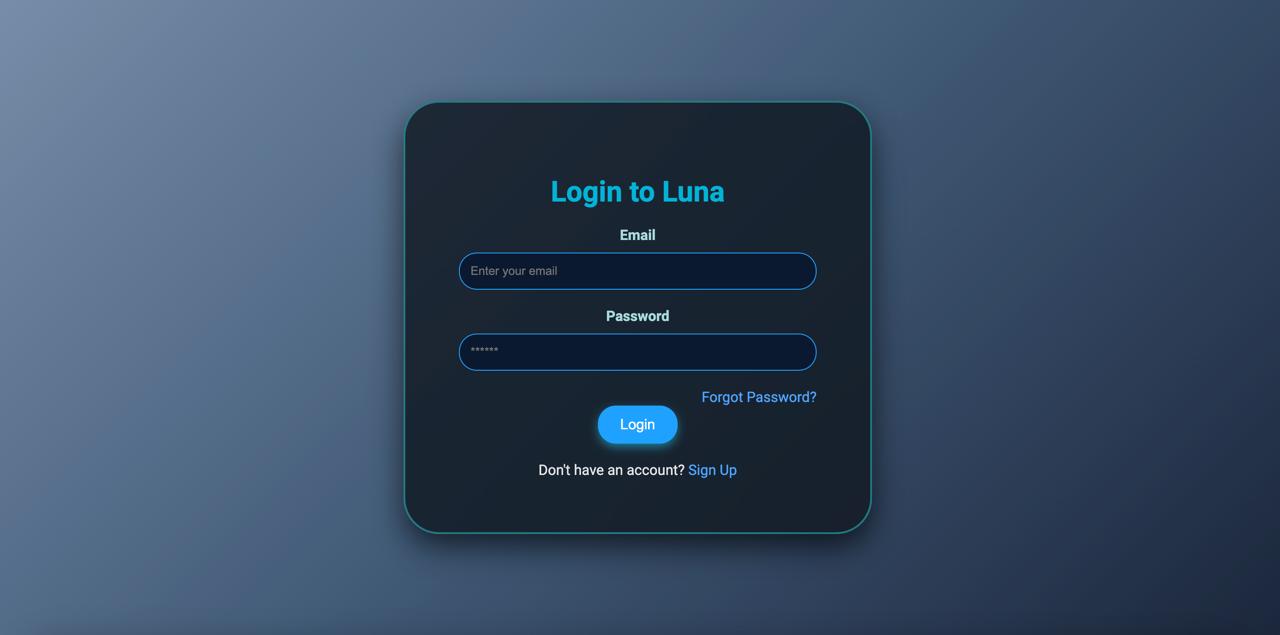
Log In Page Light Mode
-
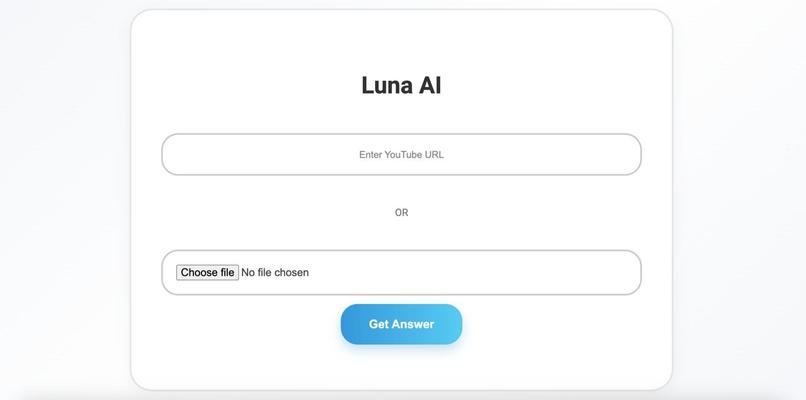
Upload Your video or Paste the Link Light Mode
-
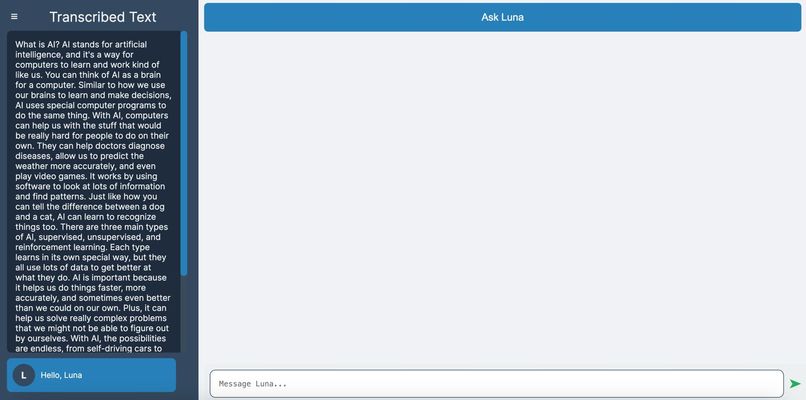
Chat interface with information about the video on the left side.
-
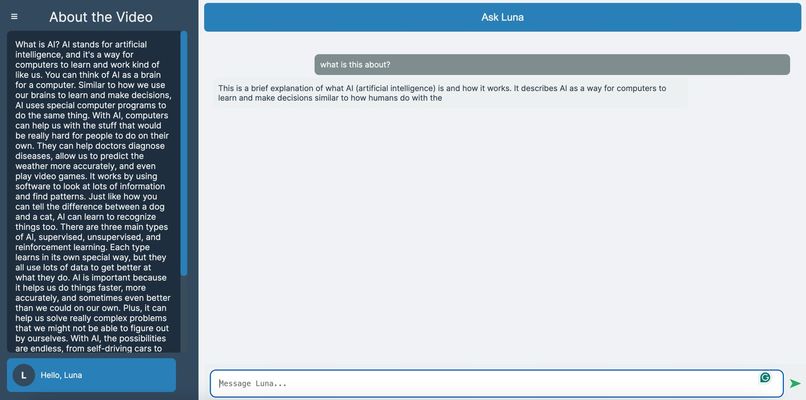
This will give you information about the video
Inspiration
The inspiration for LUNA came from the growing need for more interactive and insightful video content analysis. With the increasing volume of video data generated daily, we saw an opportunity to create a tool that could not only analyze this content but also interact with users in real-time. The idea was to bridge the gap between static video content and dynamic user interaction, making videos more accessible and informative for everyone.
What We Learned
Building LUNA was an incredible learning journey. We delved deep into the realms of machine learning and AI, particularly focusing on natural language processing and computer vision. We learned how to train models to understand and interpret video content and create an intuitive user interface that allows for seamless interaction. Additionally, we gained valuable insights into the challenges of real-time data processing and the importance of optimizing our algorithms for performance and accuracy.
How We Built the Project
The development of LUNA involved several key steps:
Research and Planning: We started by researching existing video analysis tools and identifying the unique features that would set LUNA apart.
Machine Learning Model Development: Using frameworks like TensorFlow and PyTorch, we developed and trained models to analyze video content and understand user queries.
Integration of AI and NLP: We integrated natural language processing capabilities to enable LUNA to interact with users effectively, understanding and responding to their questions about the video content.
User Interface Design: We designed a user-friendly interface that allows users to easily upload videos, ask questions, and receive real-time insights.
Testing and Optimization: We rigorously tested LUNA to ensure its accuracy and performance, making necessary optimizations to handle large video files and real-time interactions.
Benefits of using Luna
Improved Educational Tools : Enable s t u d e n t s to interact with educational videos, asking questions and receiving detailed explanations in real-time.
Advanced Security and Surveillance: Identify unusual behavior or potential threats in real-time surveillance footage.
3 Efficient Media Management: Automatically tags and categorizes videos for easier searching.
4 Entertainment and Content Creation Provides personalized recommendations based on viewer preferences.
5 Customer Interaction Analysis Reviews and improves customer service interactions.
Challenges Faced
Throughout the development of LUNA, we encountered several challenges:
Data Processing: Handling large volumes of video data in real time requires significant processing power and efficient algorithms.
Model Accuracy: Ensuring the accuracy of our machine learning models was crucial. We had to fine-tune our models extensively to achieve reliable results.
User Interaction: Creating an intuitive user interface that could seamlessly interact with users and understand their queries was a complex task that required careful design and testing.
Performance Optimization: Balancing the performance of the software with the need for real-time analysis was a constant challenge, requiring continuous optimization of our code and models.
Despite these challenges, the journey of building LUNA has been immensely rewarding. We are excited to see how LUNA will transform the way people interact with and analyze video content, making it more accessible and insightful for all.

Log in or sign up for Devpost to join the conversation.