
Inspiration
I built Lumo because I want people to actually achieve the goals they set for themselves and become the version of themselves they dream about.
But big goals don’t happen in one big moment. They come from showing up consistently, especially on the days when you’re tired, unmotivated, or feel like you’re getting nowhere. When I looked at most habit trackers, they were basically checklists. You do something, tap a box, and move on. After a while, that checkmark doesn’t really mean anything. It doesn’t remind you how hard you worked, what you went through, or how much you’ve changed.
The idea for Lumo became personal when I looked back at photos of my younger self. My gallery from high school was full of little moments studying, learning new things, working on things I cared about, helping people, and still trying even when I was tired. At the time, I was exhausted from everything I was working on and felt like I still hadn’t achieved the things I dreamed about. But looking at those photos made me see my younger self differently. She kept going. She believed so much in the future she was working toward.
And I remember thinking: she never gave up on me, so why would I give up on her dream now? Somehow, a gallery full of old photos gave me motivation again. That made me realize that progress shouldn’t disappear into a checkmark. Sometimes you need to actually see the proof that you kept showing up to remember how far you’ve come.
I learned something else about consistency from maintaining a 1,100-day streak on Duolingo. There were definitely days when I didn’t feel like doing it. But sometimes a friend would nudge me, remind me about my streak, or simply make me feel like someone else was on the journey with me. That tiny bit of social accountability was enough to make me show up on days when I probably wouldn’t have on my own. I also wanted that same feeling beyond learning a language a way to track the other things I was working on in my life and actually see how I was growing over time.
Those experiences became the foundation of Lumo.
I wanted to combine visual progress with social accountability a place where your photos remind you how far you’ve come, while the people around you help you keep going. That’s why I built Lumo: a social habit tracker where every check-in can become a memory, your friends can help you stay consistent, and your past self can remind your future self not to give up.
What it does
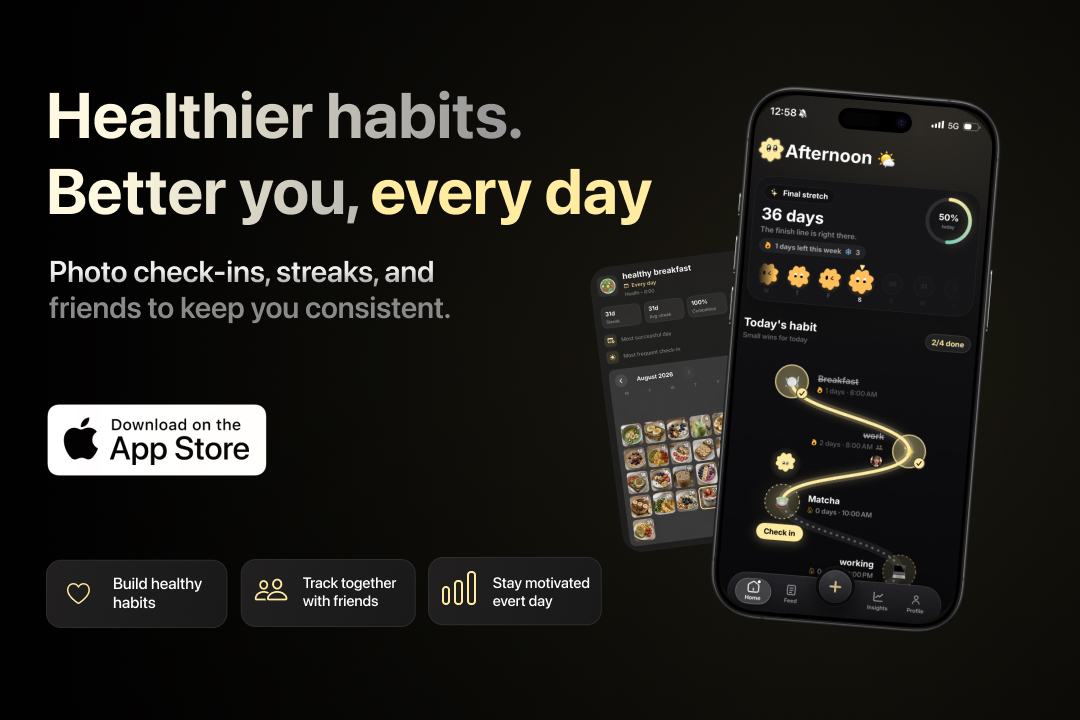
Lumo is a social habit tracker built around photo check-ins, designed to make building habits feel more visual, motivating, and connected. Instead of working toward your goals alone, Lumo turns everyday progress into something you can share, celebrate, and stay with friends.
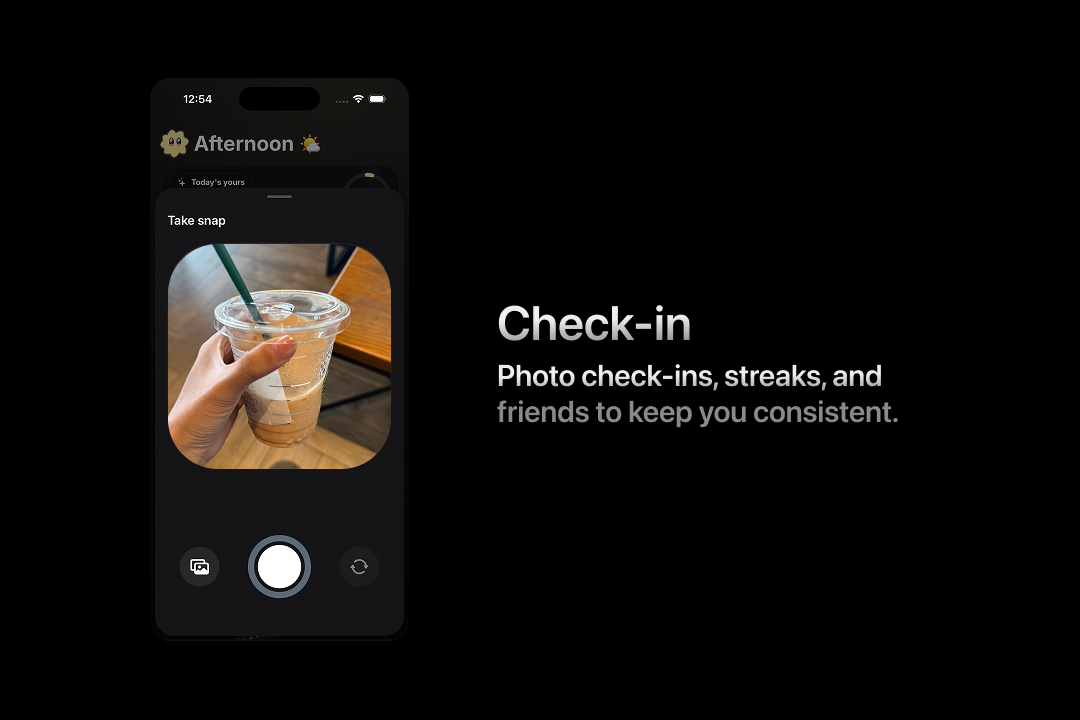
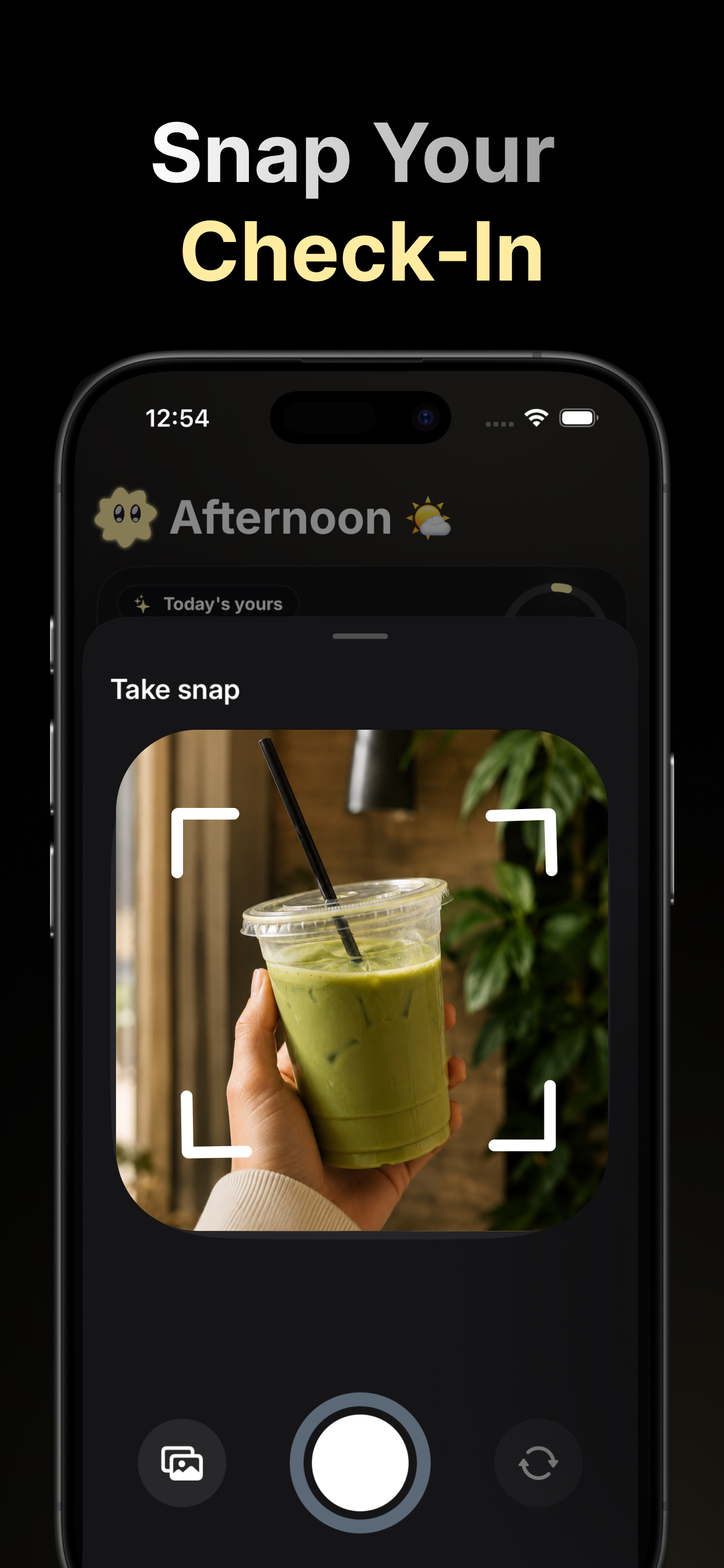
Photo Check-ins Complete a habit by taking or uploading a photo, turning each check-in into proof of progress and a visual memory of the effort you’ve made.
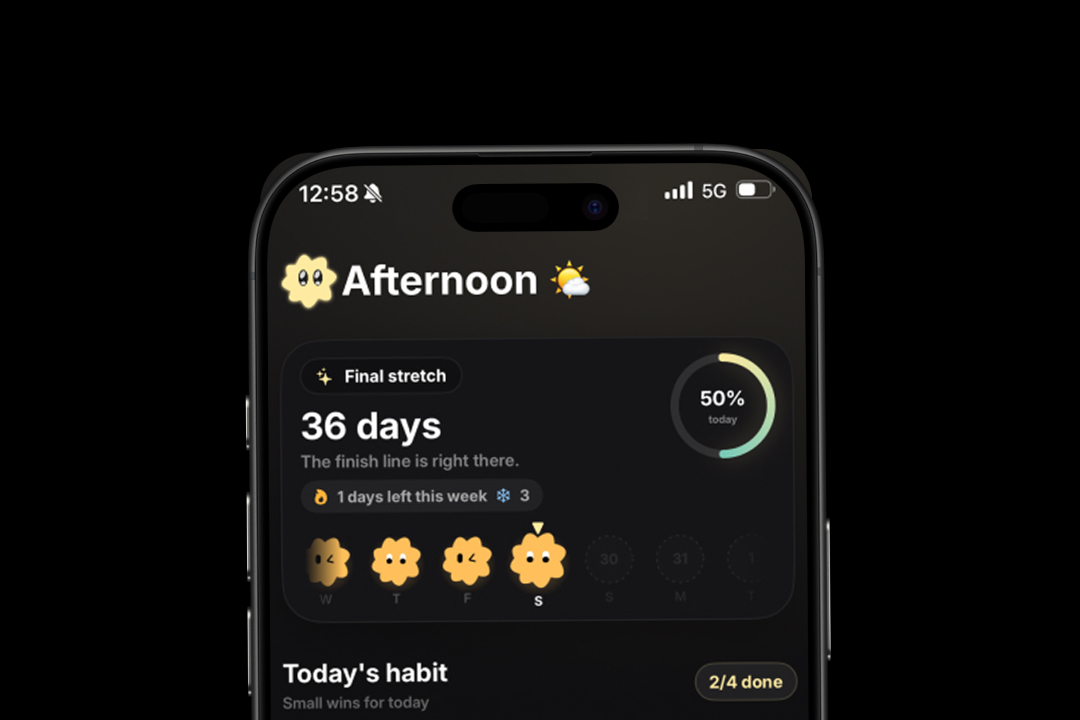
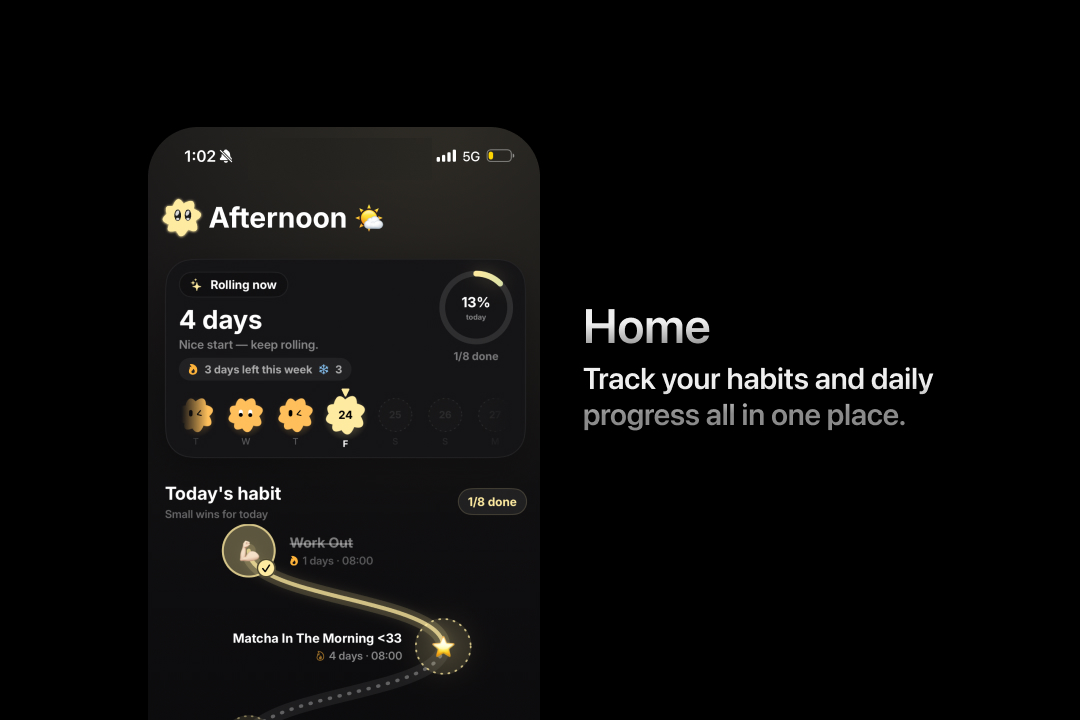
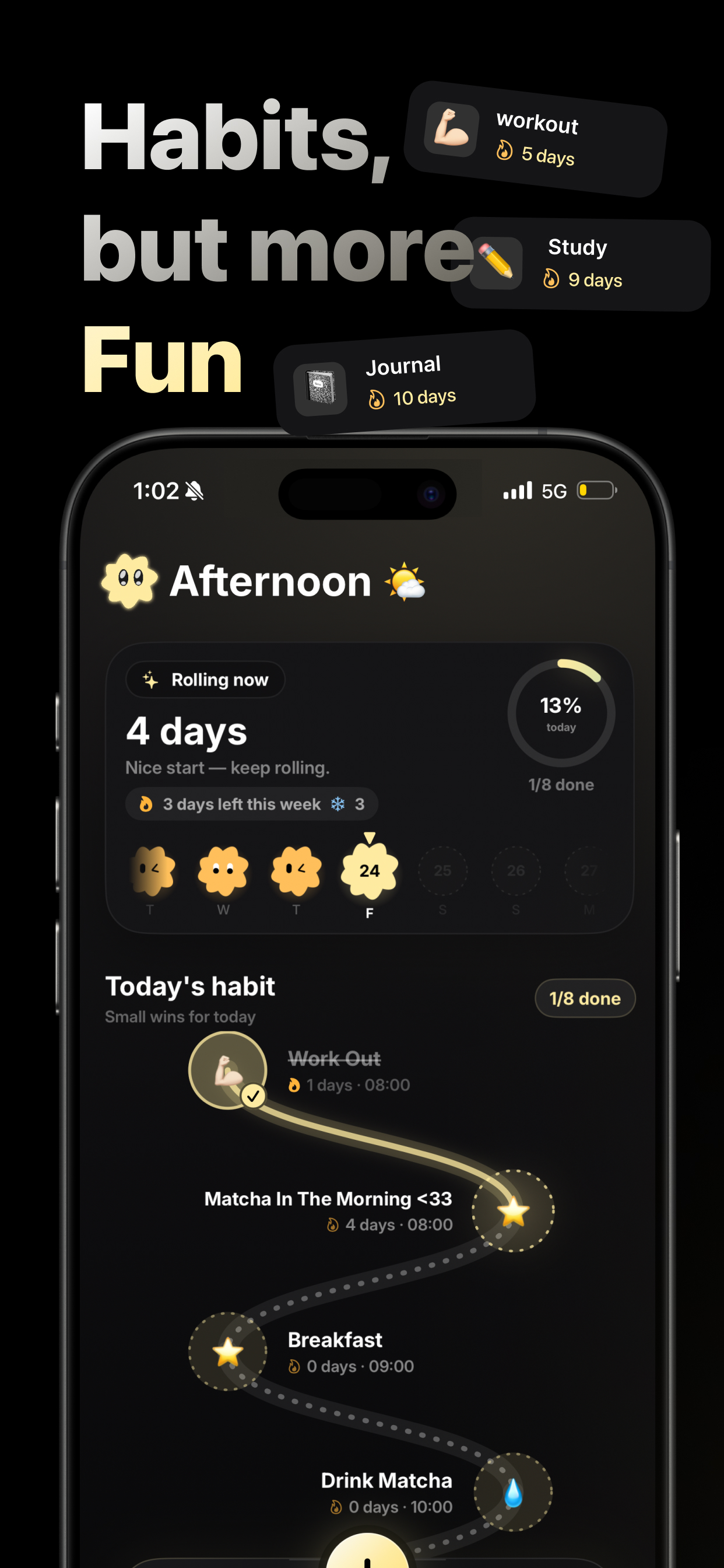
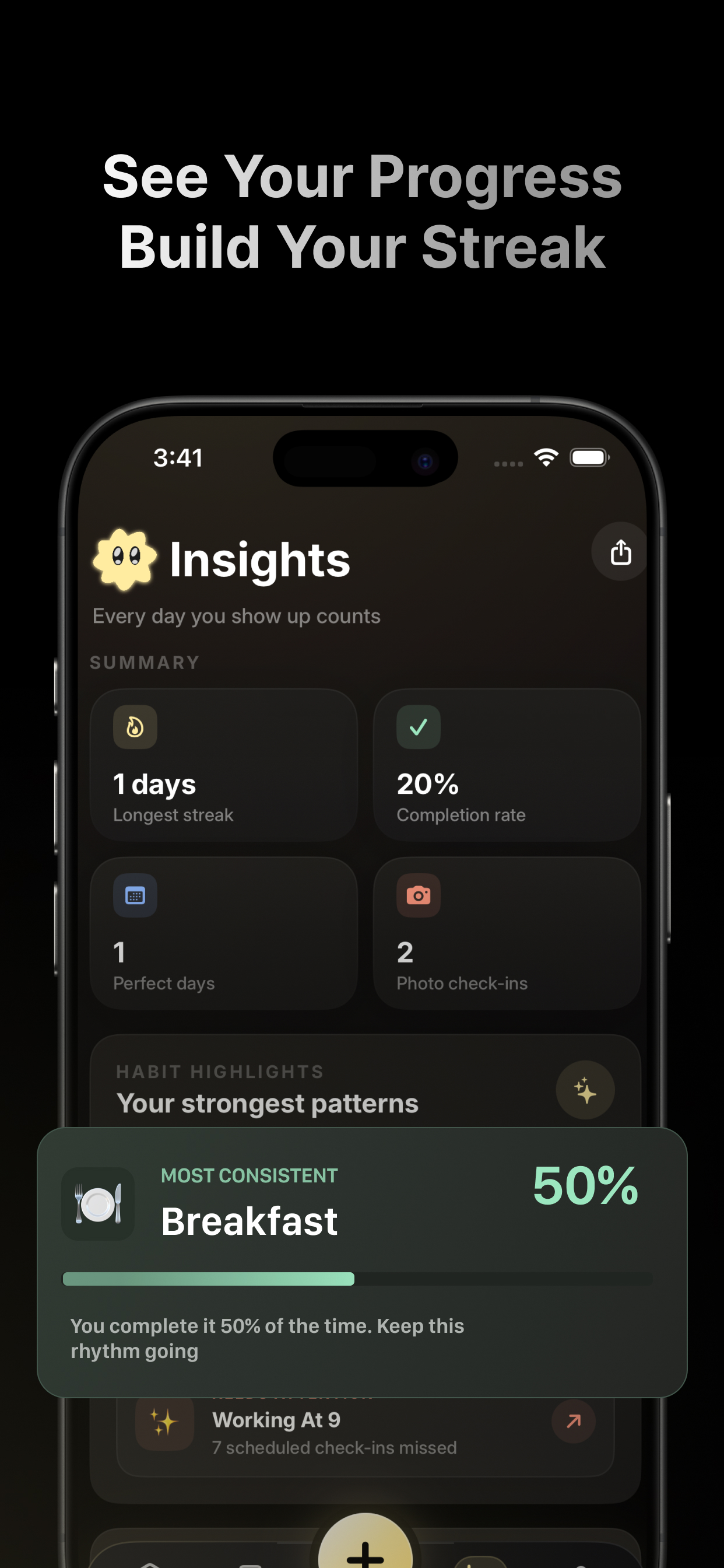
Habit Tracking Create and manage habits, track daily completion, build streaks, and see how consistently you’re showing up over time.
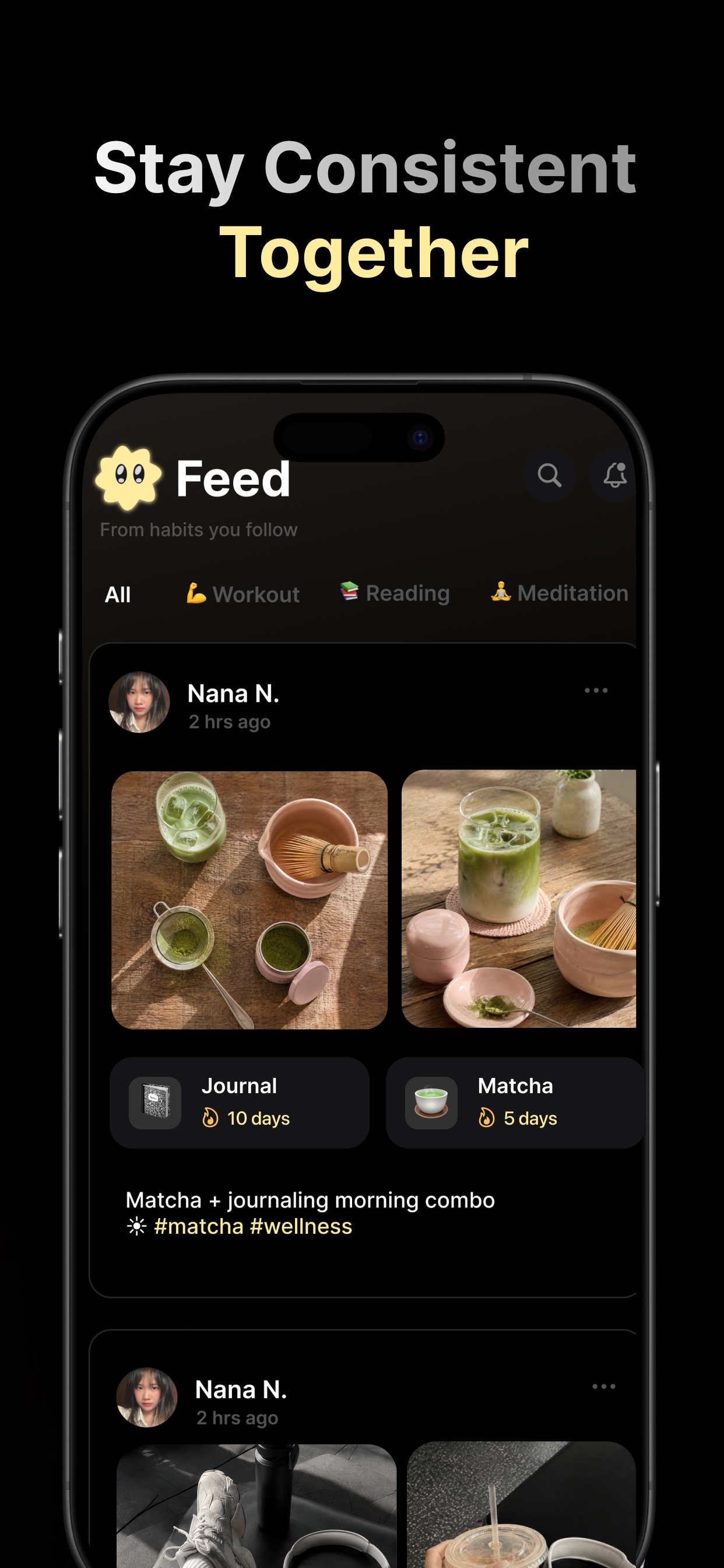
Social Motivation See real progress from friends and the community, celebrate each other’s wins, and use that shared momentum as motivation to keep showing up for your own habits.
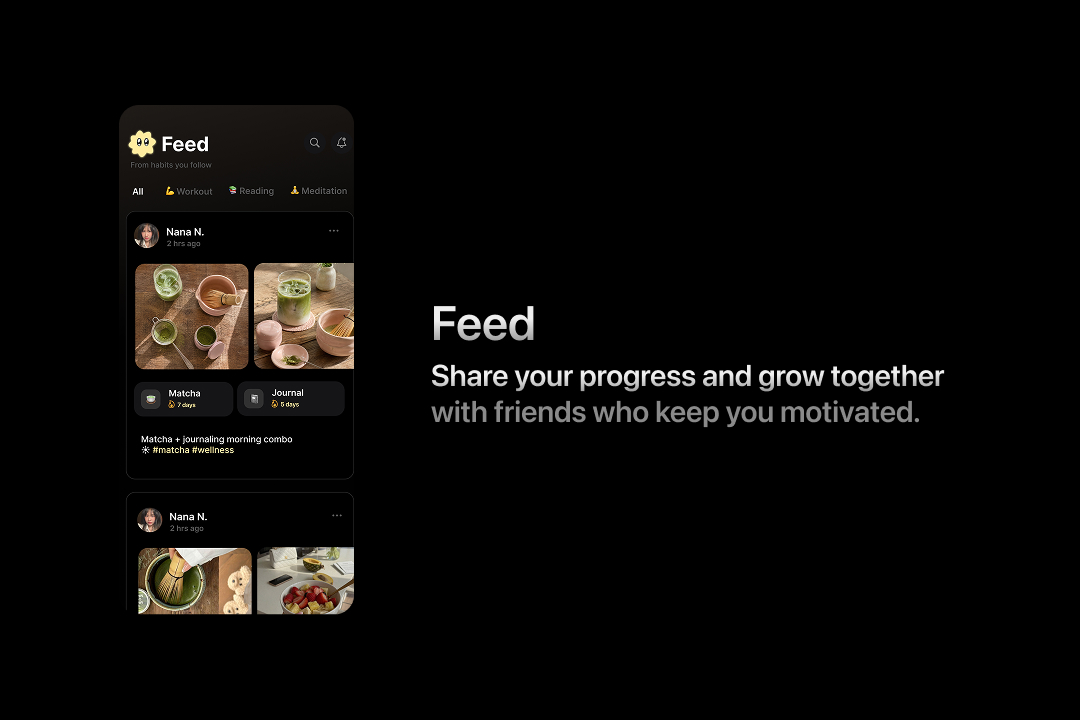
Social Feed Share your photo check-ins, discover what others are working toward, and interact with their progress. The feed makes habit-building feel less like a private checklist and more like a journey you’re taking alongside others.
Shared Habits Build habits together with friends or partners. Check in toward the same goal, see each other’s progress, and create a sense of accountability that makes it harder to give up.
Visual Progress Look back at your check-in history and see your journey through photos, turning weeks and months of consistency into a collection of memories you can actually see.
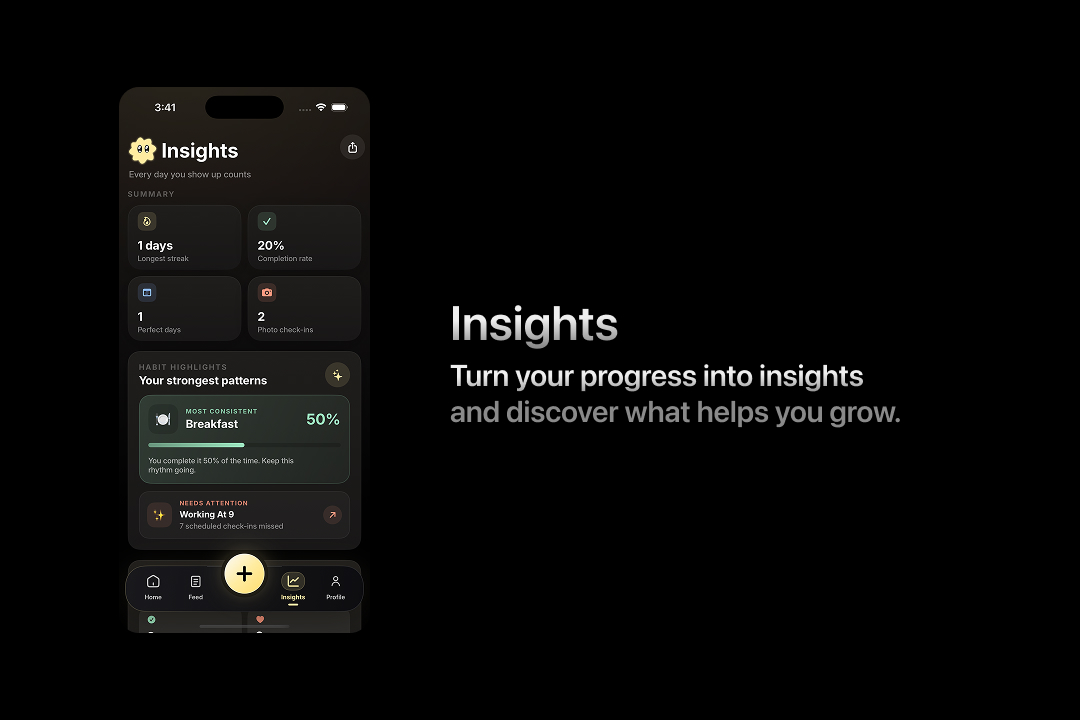
Progress & Insights See your consistency, streaks, and habit activity in one place, helping you understand your progress while giving you another reason to keep the momentum going.
How we built it
I designed and built Lumo from scratch as a solo founder. That meant working across almost every part of the product engineering, product design, UX, habit tracking, photo check-ins, social features, branding, user feedback, and growth. A big part of building Lumo has been shipping instead of waiting for everything to be perfect. I build something, put it in front of real users, watch how they interact with it, listen to their feedback, and improve it. A lot of what Lumo is today came from that continuous loop between building, listening, and shipping again.
Challenges we ran into
One of the hardest challenges was keeping Lumo simple. It’s easy to keep adding more analytics, settings, charts, and features to a habit tracker. But eventually, the product itself can start feeling like work. I constantly had to ask myself: Does this actually help someone stay consistent, or am I just adding another feature? Building the social side was another challenge. I want Lumo to feel social enough that people can support and motivate each other, without turning it into another feed people mindlessly scroll through.
The goal still has to be at the center of the experience.
Building Lumo solo has also been a challenge. Depending on the hour, I might be the engineer, designer, product manager, marketer, or customer support. But that has also forced me to understand every part of the product deeply.
Accomplishments that we're proud of
The thing I’m most proud of isn’t just building Lumo it’s seeing people actually use it as part of their lives. Lumo reached 1,000 active users within its first few weeks. Seeing people share their check-ins, message me about how they use Lumo, recommend it to friends, and ask for new features has been kind of surreal. When you build something alone for a long time, it mostly exists inside your head and on your laptop. Then suddenly, real people are using it to work toward their own goals. That has probably been my favorite milestone so far. I’m also proud that Lumo is starting to have an identity of its own. It isn’t just about checking whether you did something today. It’s about being able to look back and see the life you’ve been building through all those small actions.
What we learned
Building Lumo taught me that motivation isn’t always the main problem. Sometimes people are already making progress they just don’t feel it. When progress is reduced to a tiny checkmark, it’s easy to forget how much work you've actually done. But when you can look back through weeks or months of your own photos, those small actions suddenly become something real. I also learned how powerful social accountability can be. Sometimes you don’t need a huge motivational speech. You just need one person to remind you: “Hey, don’t forget. Keep going.” And I learned how important it is to ship early. Real users will teach you things you could never discover by endlessly polishing a product by yourself.
What's next for Lumo: Social Habit Tracker
My biggest goal for Lumo is to turn the feed into a real community. I don’t want it to become another social feed where people just scroll. I want it to be full of people who are actually working toward something sharing what they’re trying to achieve, documenting the small steps along the way, talking honestly about the days they struggle, and showing how they keep going anyway.
I want someone to open Lumo and feel surrounded by people who are also trying to become better versions of themselves. Over time, I want to make it easier to find people working toward similar goals, support each other, celebrate milestones, share progress, and give that little nudge when someone needs it. The vision is for Lumo to become a community where progress is something you can see, share, and build together not a place to compare who is doing better, but a place that reminds you that you’re not working toward your goals alone.
And one day, I want people to be able to look back through Lumo and see not just the habits they completed, but the story of who they became along the way.


Log in or sign up for Devpost to join the conversation.