-
-
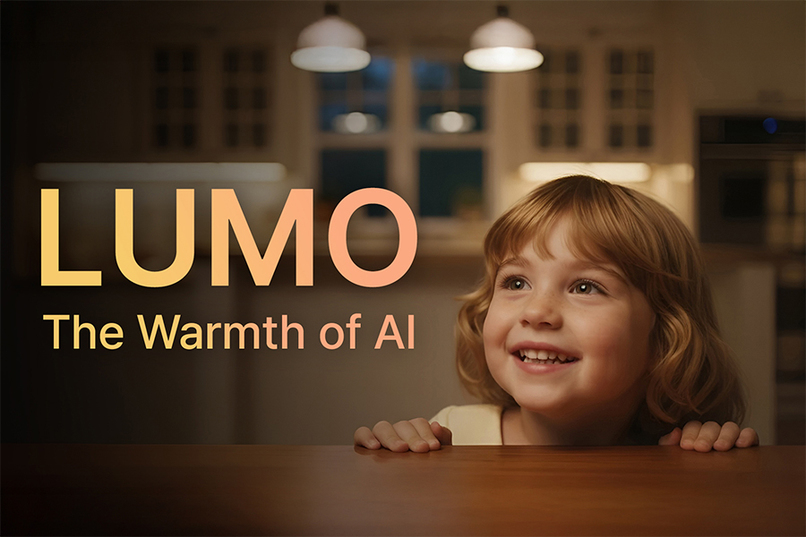
Lumo - Thumbnail
-
Lumo - Gallery 1
-

Lumo - Gallery 2
-
Lumo - Gallery 3


Inspiration
“LUMO” was inspired by a simple question: Can artificial intelligence become a source of warmth rather than just a tool for efficiency? The story explores how conversational AI and learning technologies, things we use every day, can quietly evolve into something meaningful: a presence that listens, learns, and connects. Instead of focusing on human superiority or machine intelligence, it reflects the emotional bridge that can form between people and technology.
What it does
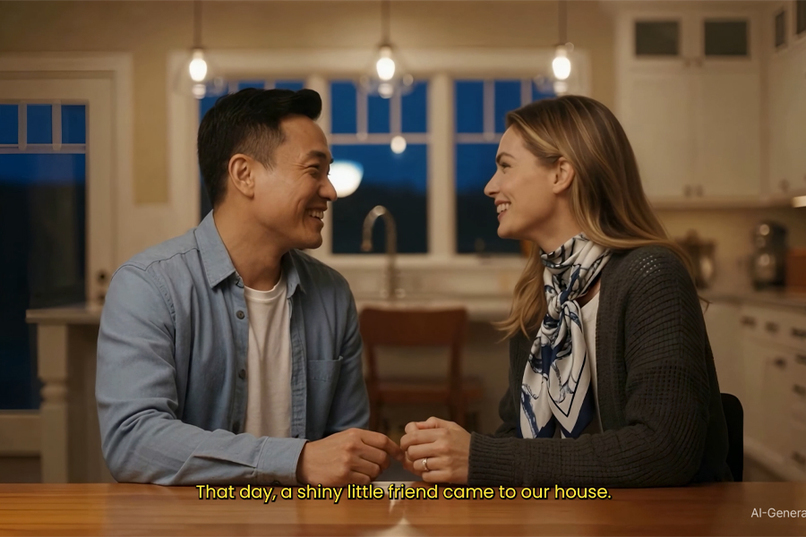
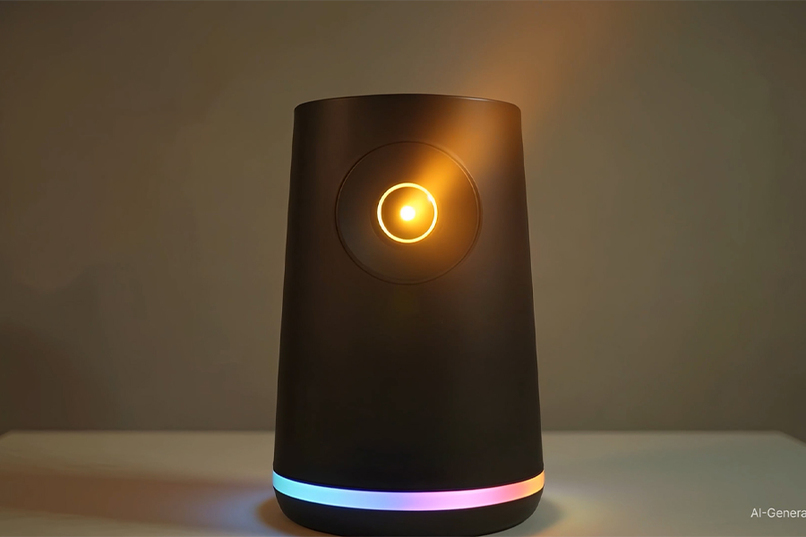
“LUMO” tells the story of a child who encounters an AI projector that gradually becomes part of their emotional world. Through moments of curiosity, silence, and companionship, the film reveals how technology can embody empathy and memory without needing a human form or face. It is an emotional exploration of how AI can echo the warmth of human connection.
How we built it
The project was built using a multi-AI creative workflow designed to achieve emotional realism and cohesive cinematic tone.
- Story & Script: GPT, Gemini
- Visual Generation: Google ImageFX, Gemini, Seedream
- Scene Composition & Motion: Flux, Seedance, Gemini, Kling AI, Photoshop
- Voice & Narration: ElevenLabs, Artlist
- Music & Sound Design: Suno AI
- Editing & Color Grading: Adobe Premiere Pro
Each shot was manually tuned for light, pacing, and color balance to maintain emotional continuity across different AI tools.
Challenges we ran into
The biggest challenge was maintaining a consistent emotional tone between scenes created with different AI engines. Each model interprets light, color, and texture differently, so achieving a unified look required repeated regeneration and manual calibration. Another challenge was avoiding over-personification. By not assigning names or faces, the story stays universal and allows viewers to project their own emotions.
Accomplishments that we're proud of
We successfully conveyed deep emotional resonance using fully AI-generated visuals, voices, and music. The absence of dialogue or identifiable characters became a strength, allowing audiences to focus on feeling rather than explanation. We’re proud that “LUMO” demonstrates how AI filmmaking can remain poetic and human at its core.
What we learned
AI can replicate light, sound, and motion with astonishing precision, but emotion still depends on human judgment. We learned how to use AI as a partner in storytelling, not to replace creativity but to extend it. The process showed that emotional storytelling with AI requires not more data, but more empathy.
What's next for LUMO
“LUMO” will remain a standalone piece, representing a quiet reflection on how AI can carry warmth and emotion. Rather than turning it into a series, the next step is to explore new emotional themes through future works, focusing on human feelings such as loss, fear, and hope. The goal is to continue using AI not as a production shortcut, but as a creative partner in expressing the subtleties of emotion and connection.

Log in or sign up for Devpost to join the conversation.