-
-

On-Product Rendering
-
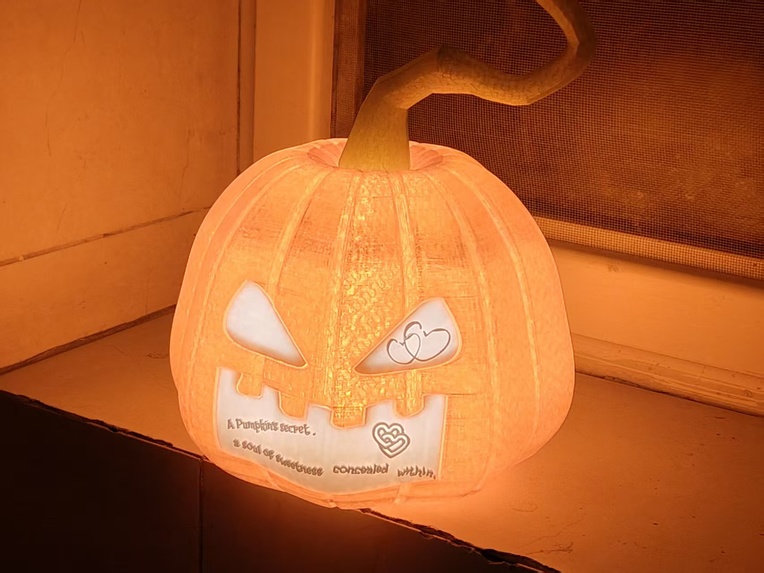
On-Product Rendering
-
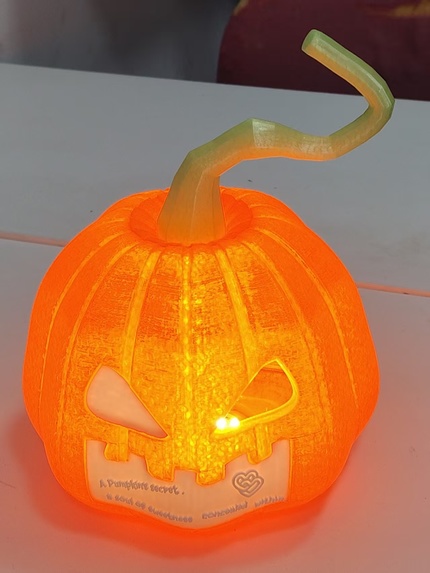
On-Product Rendering
-
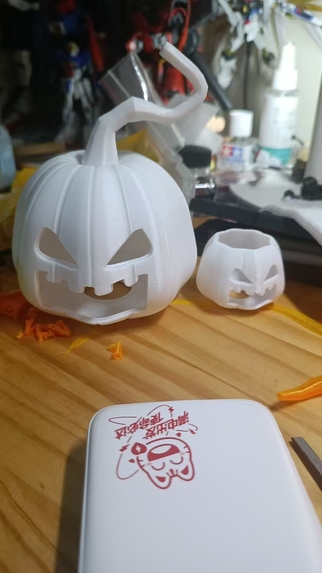
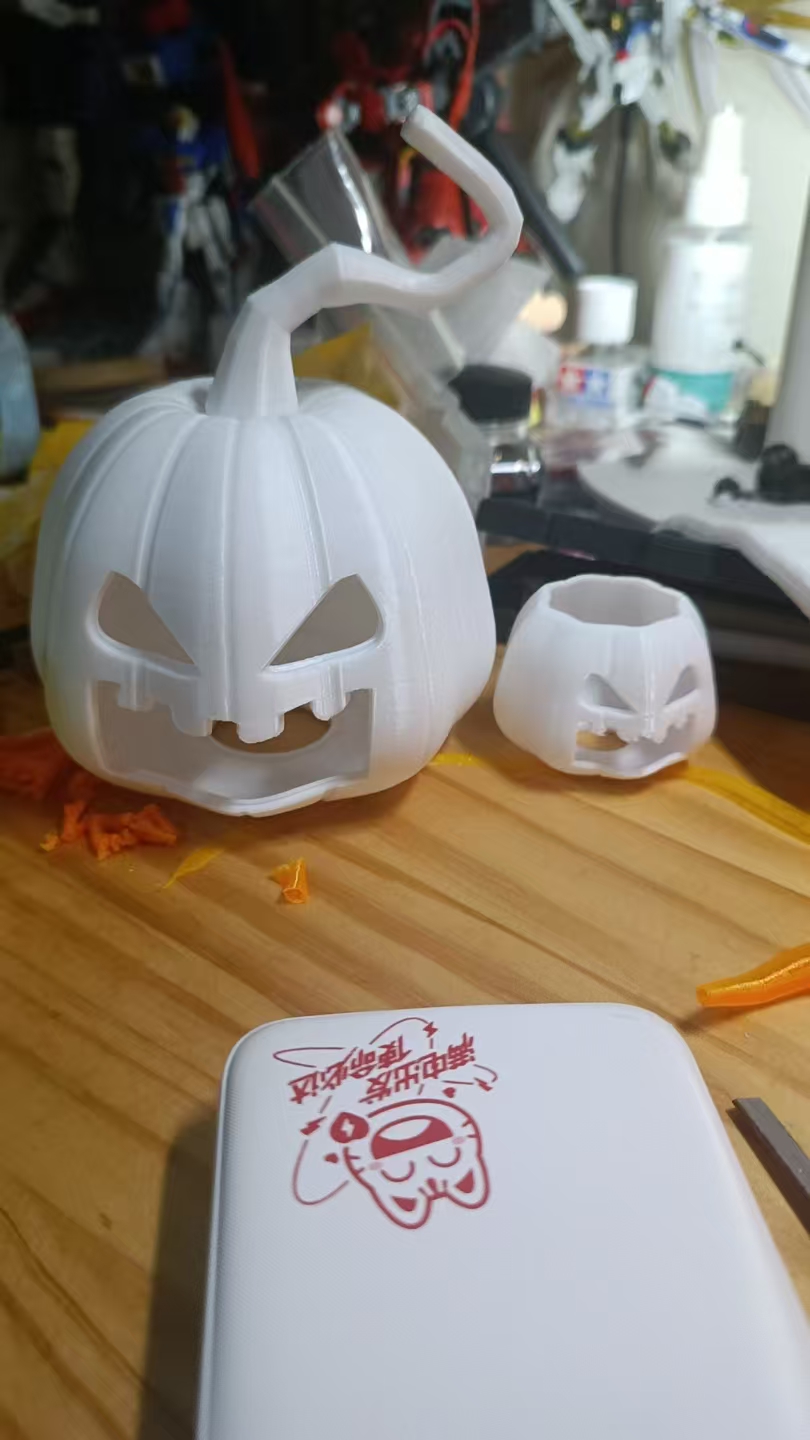
trial molded part
-
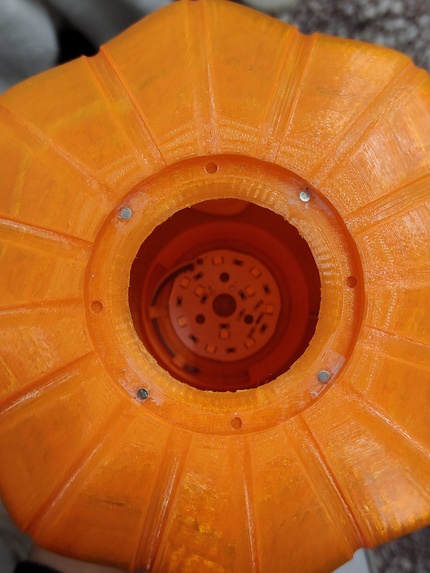
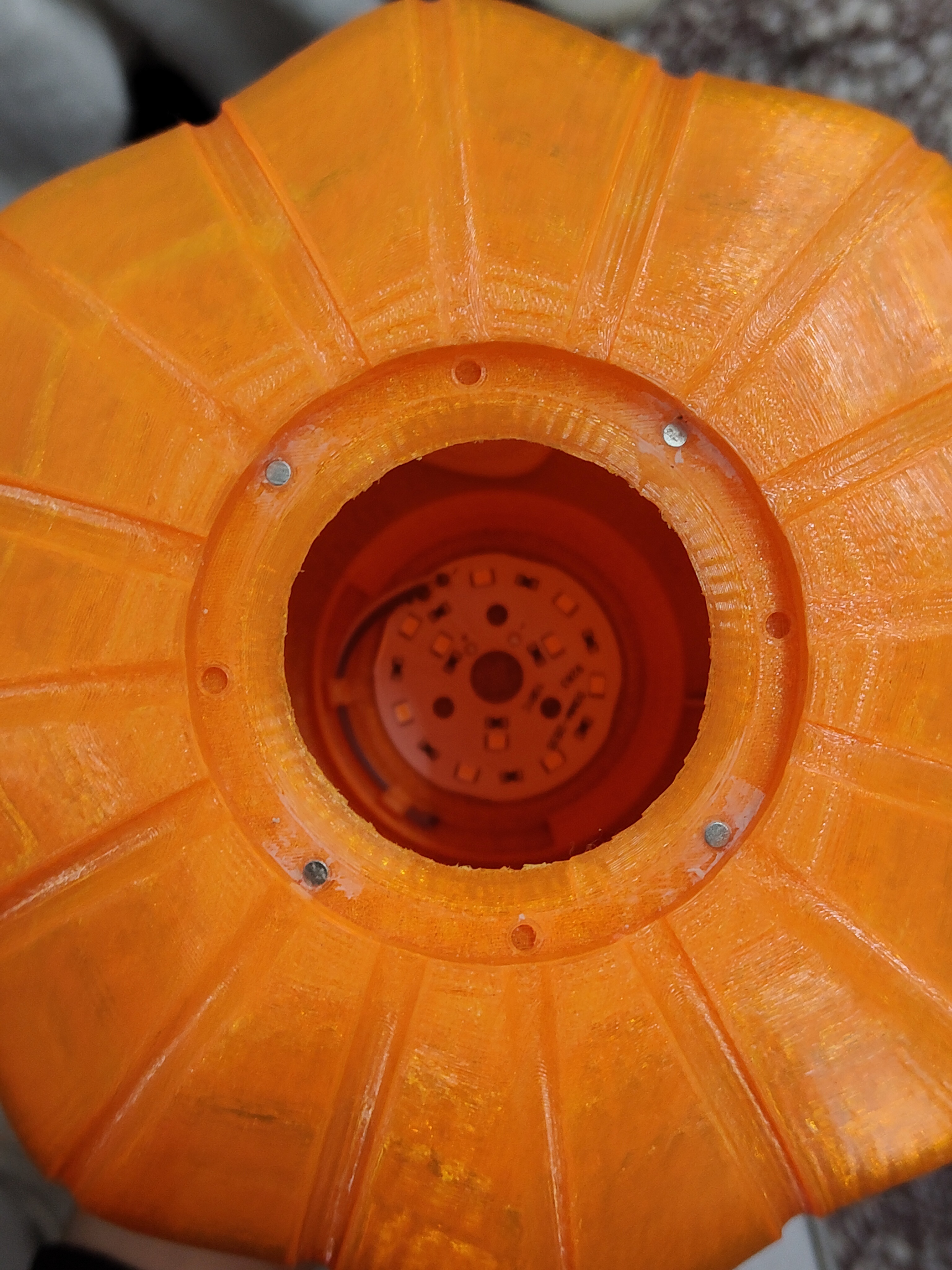
Board Assembly Result
-
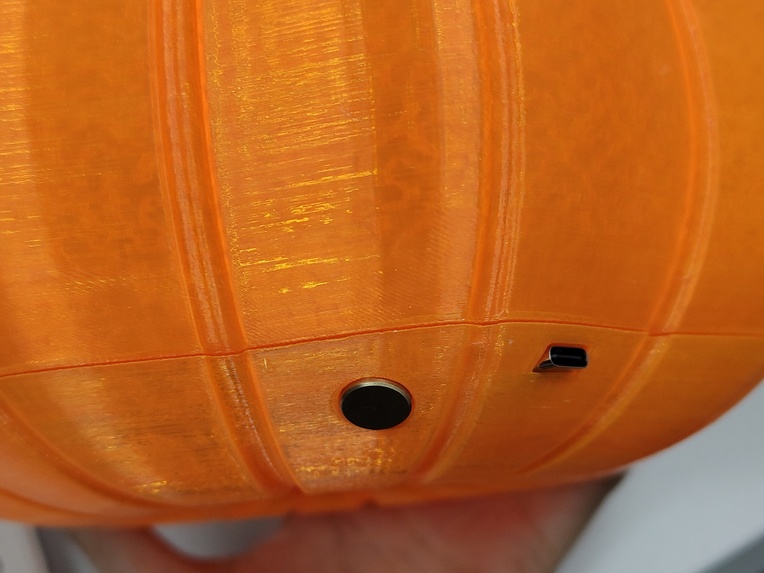
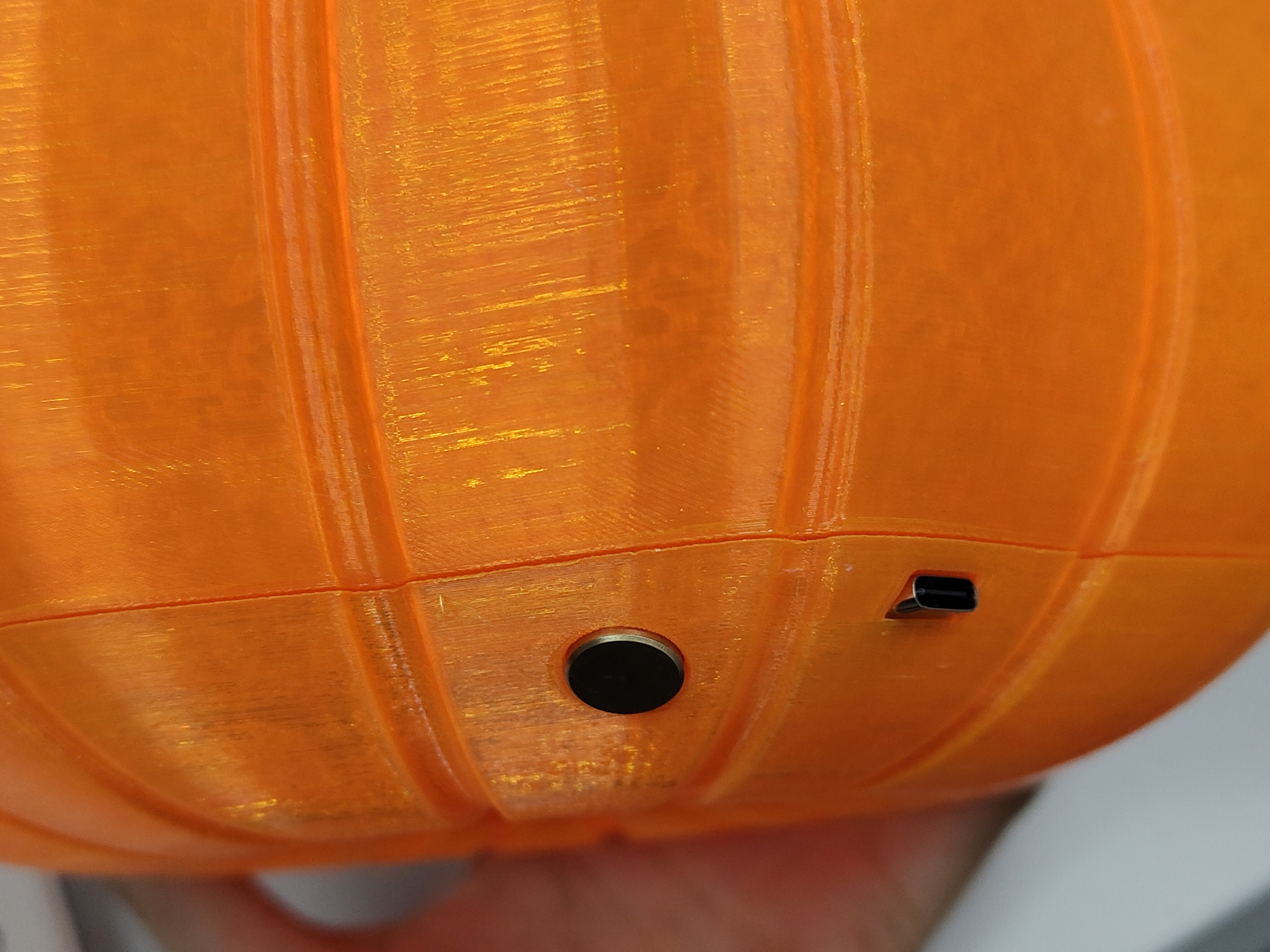
Fit and Finish of the Switch and Type-C Connector
-
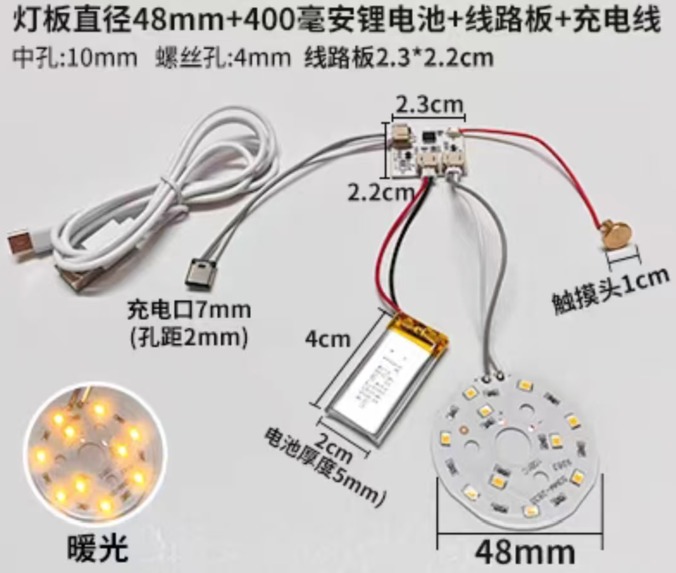
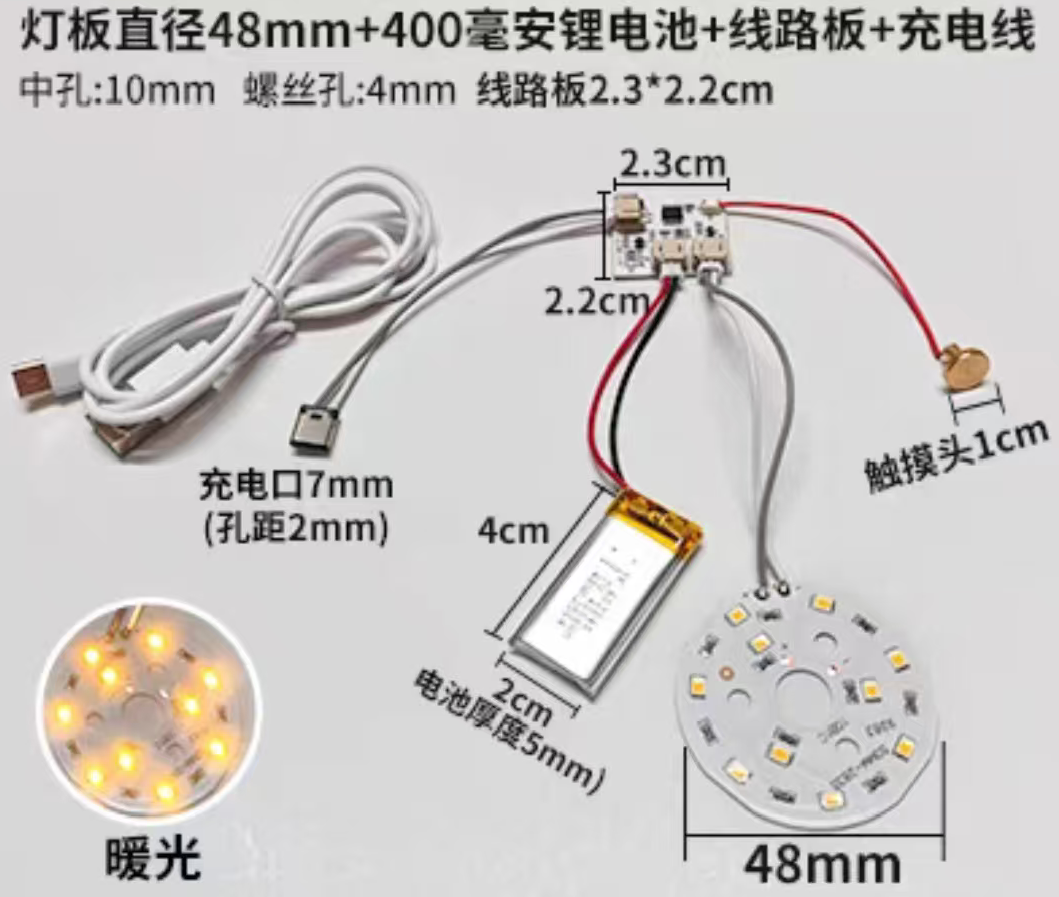
PCB Components
-
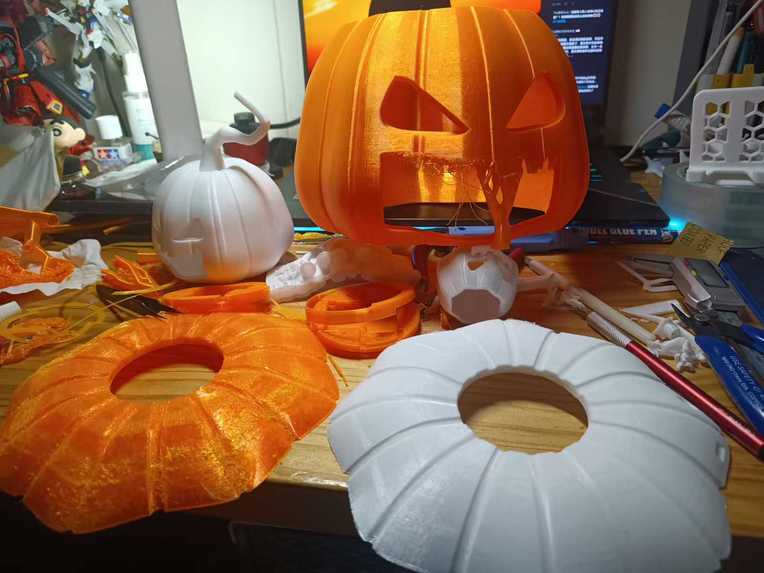
Assembly Process
-
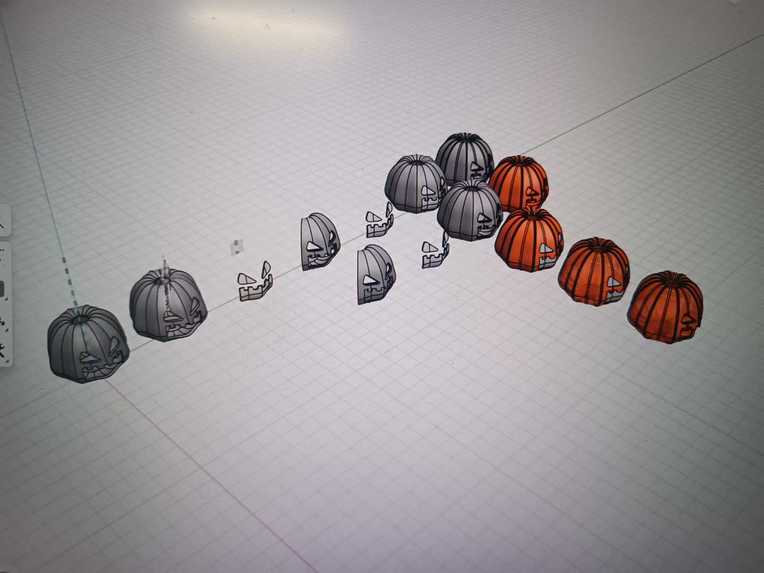
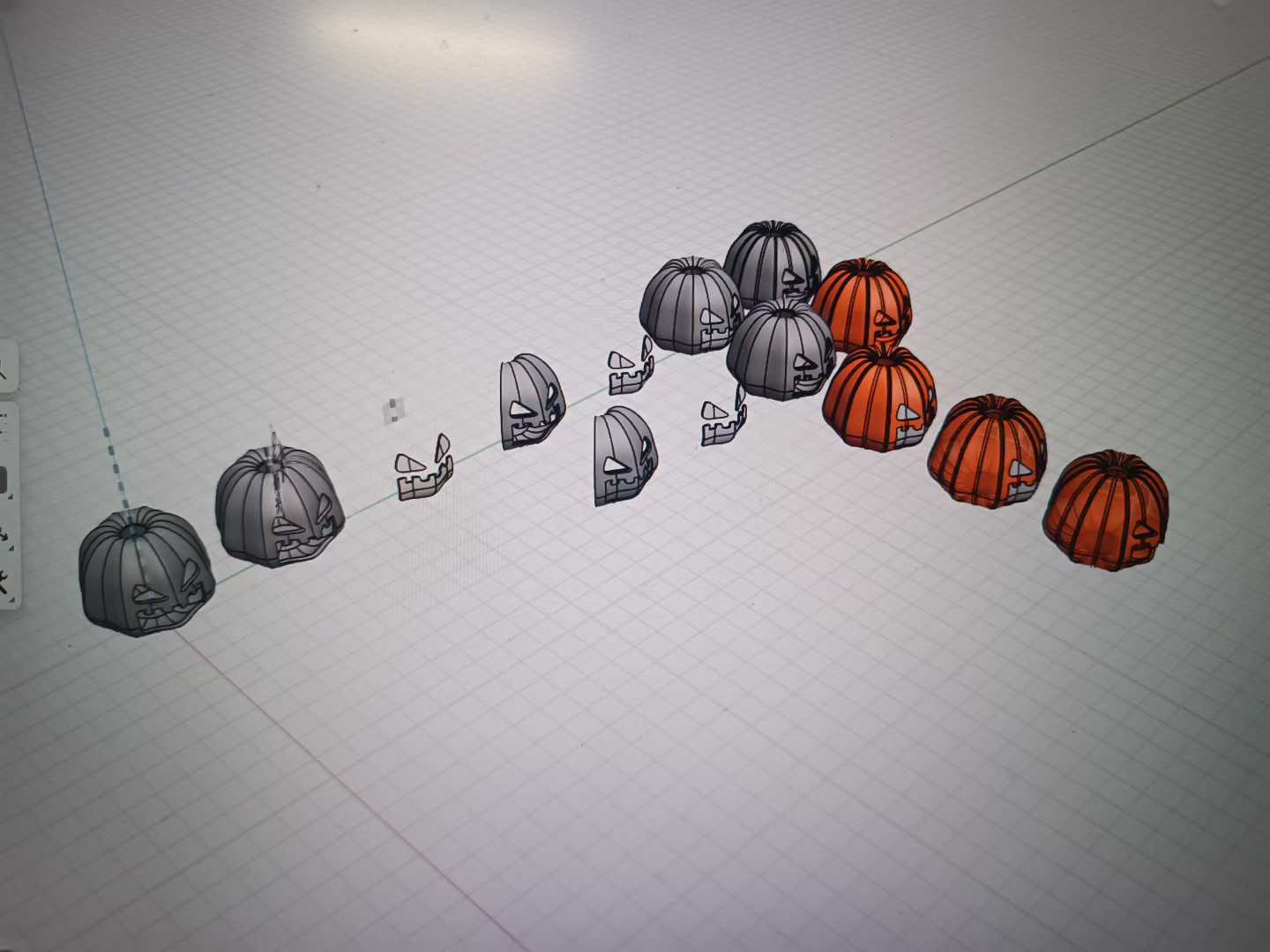
Product Iteration Modeling Process
-
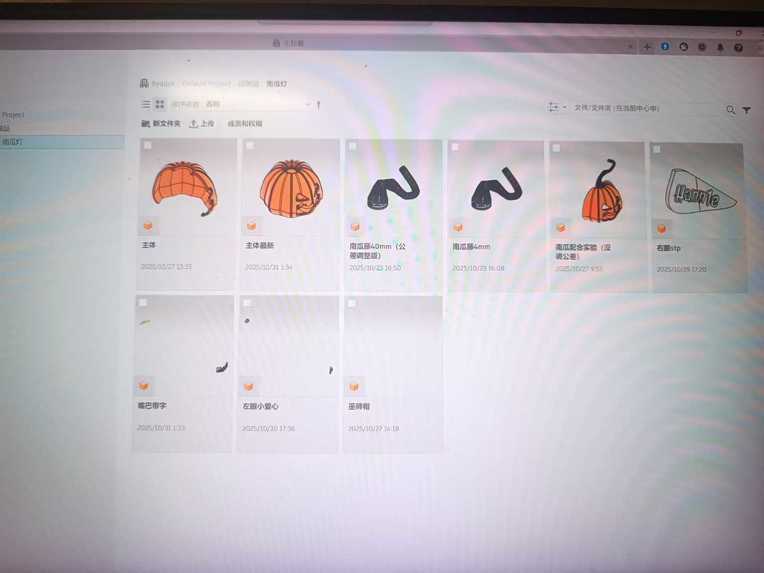
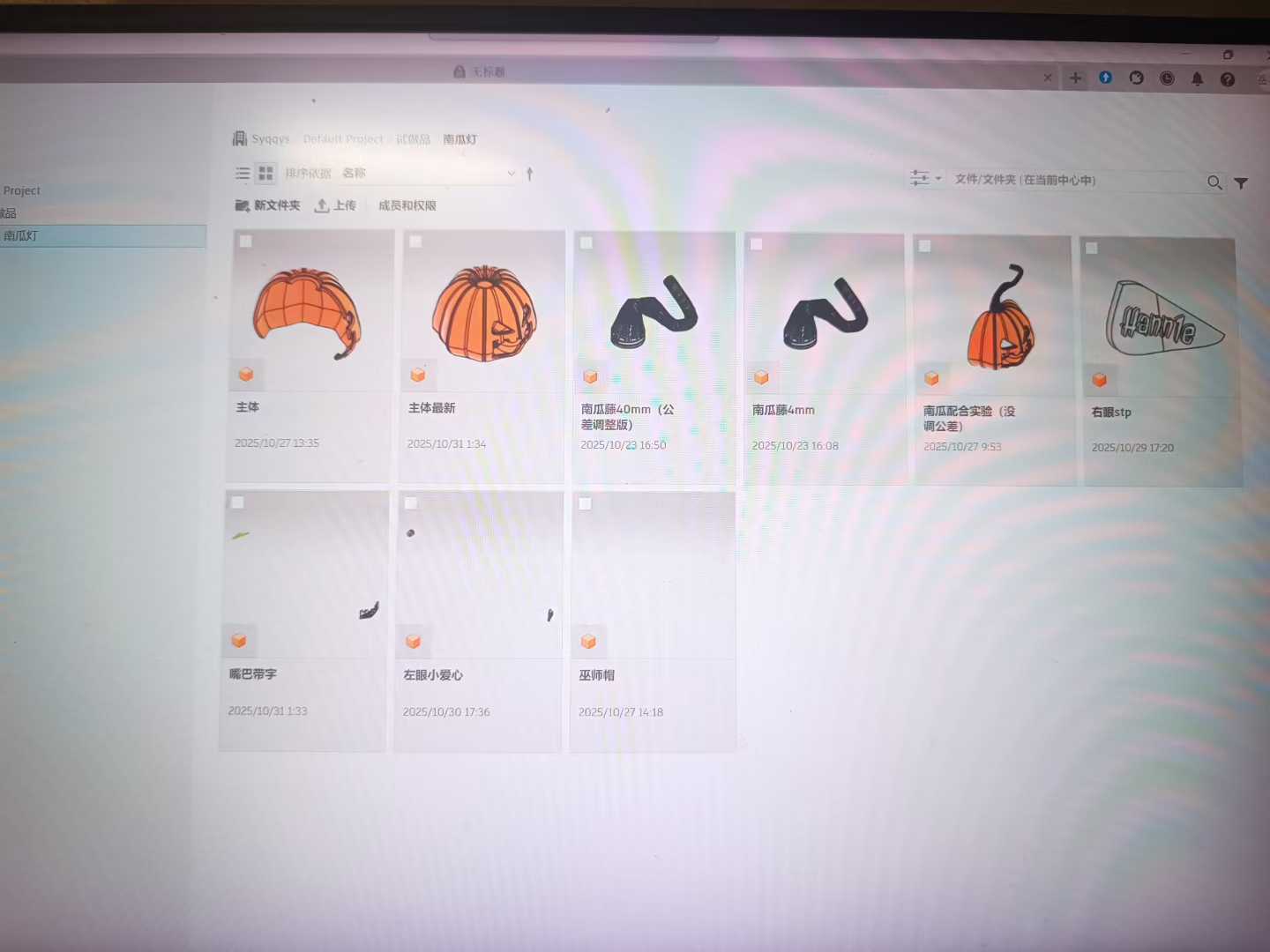
Project Folder Overview
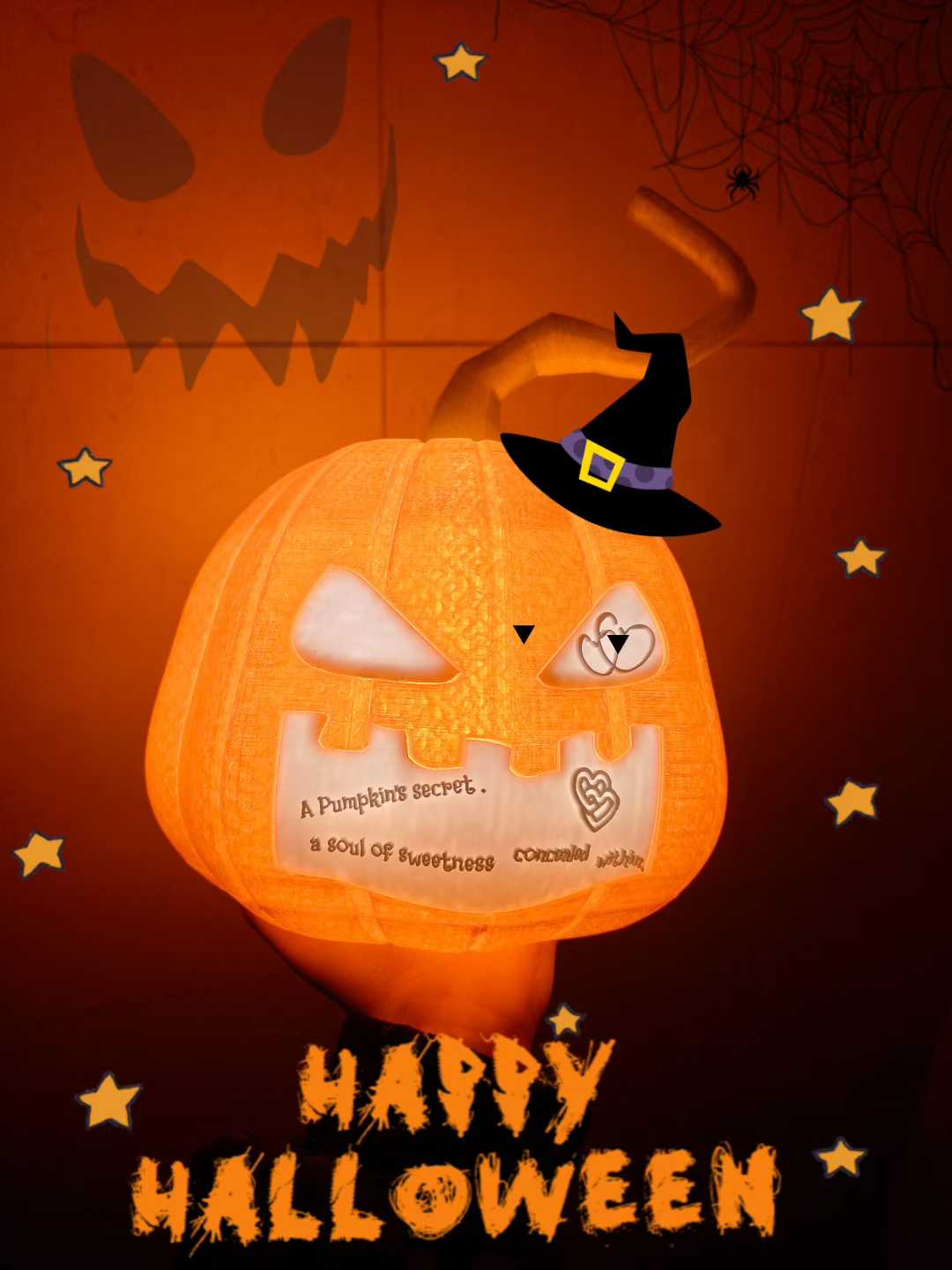
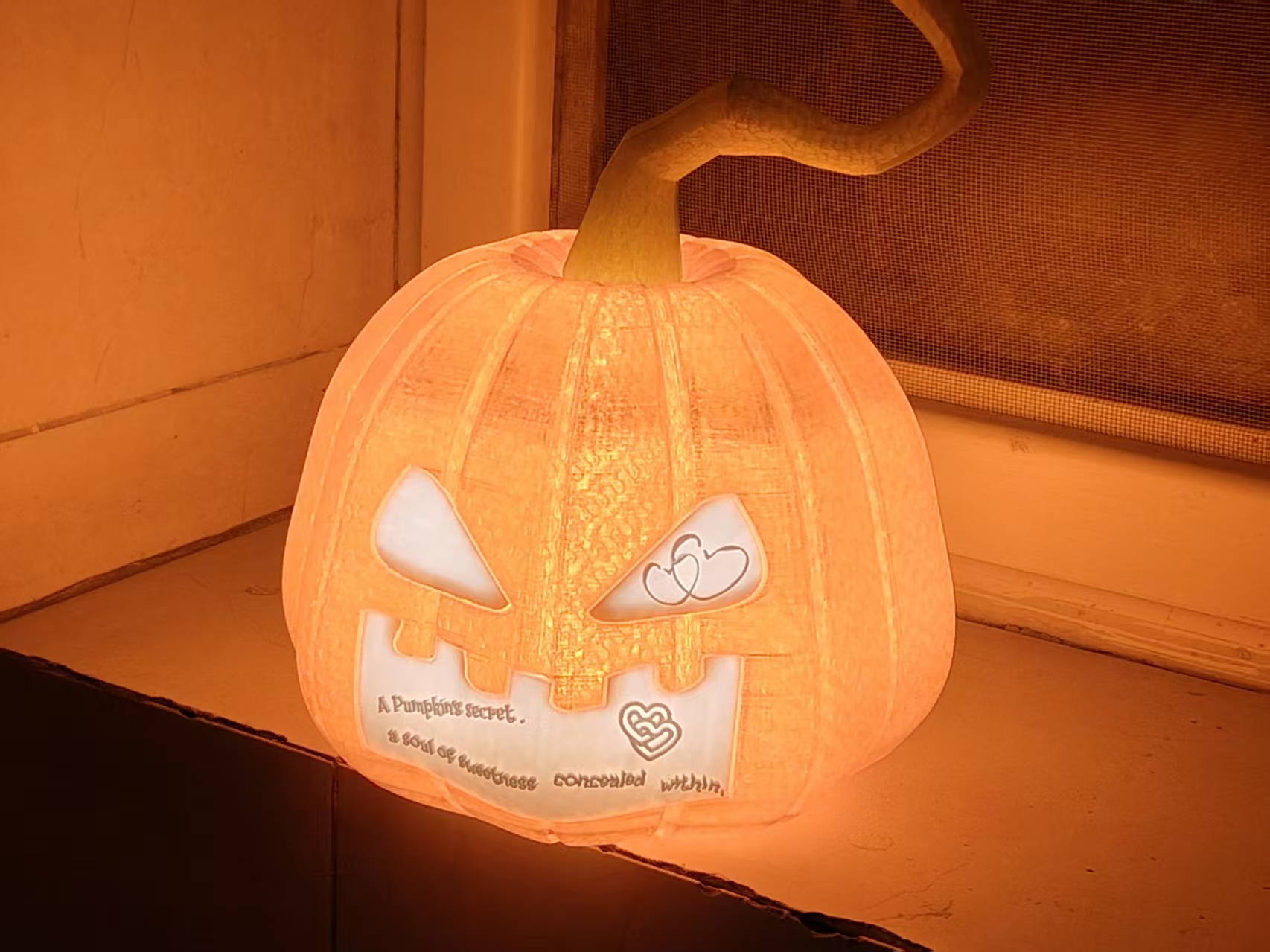
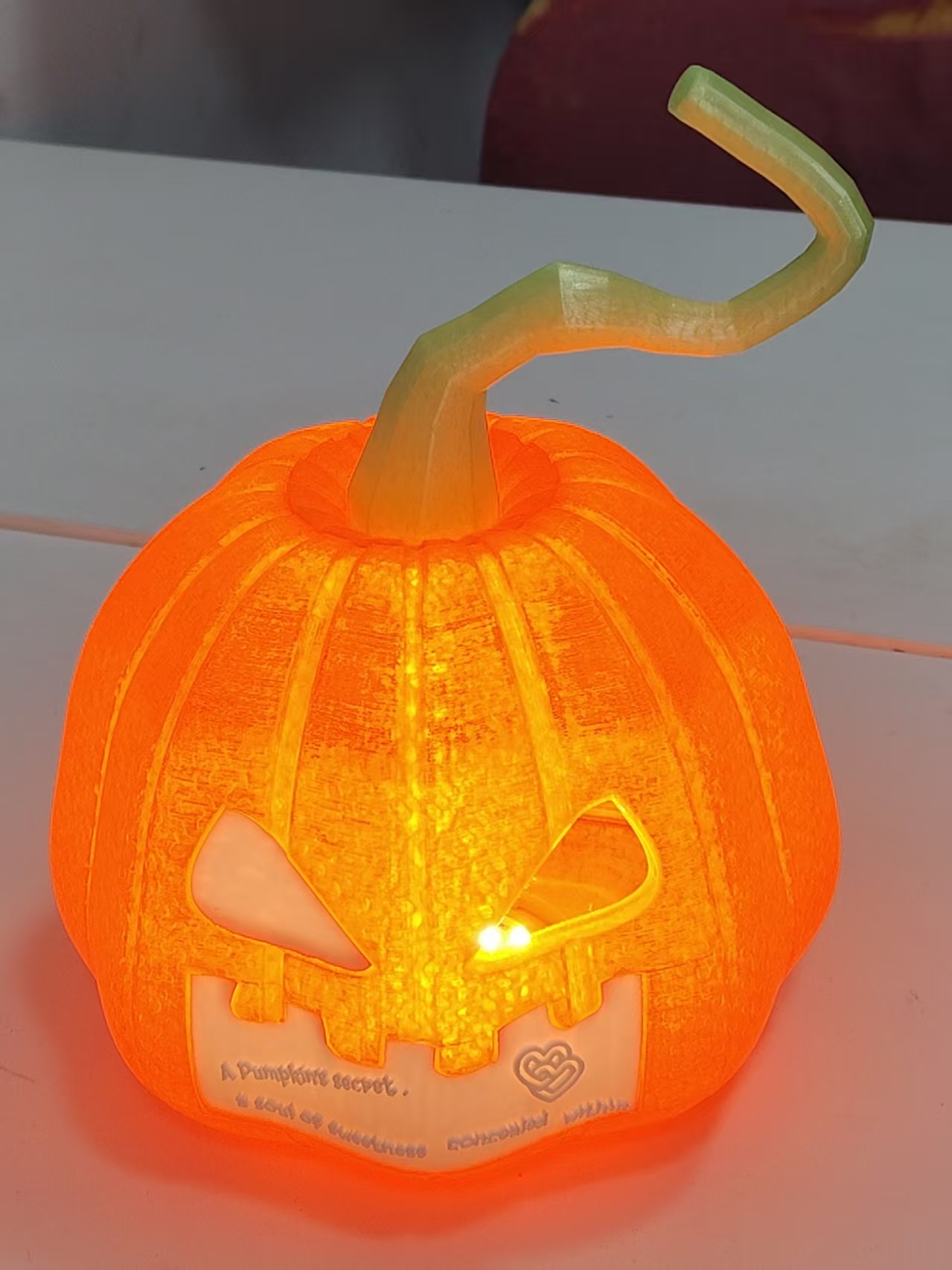
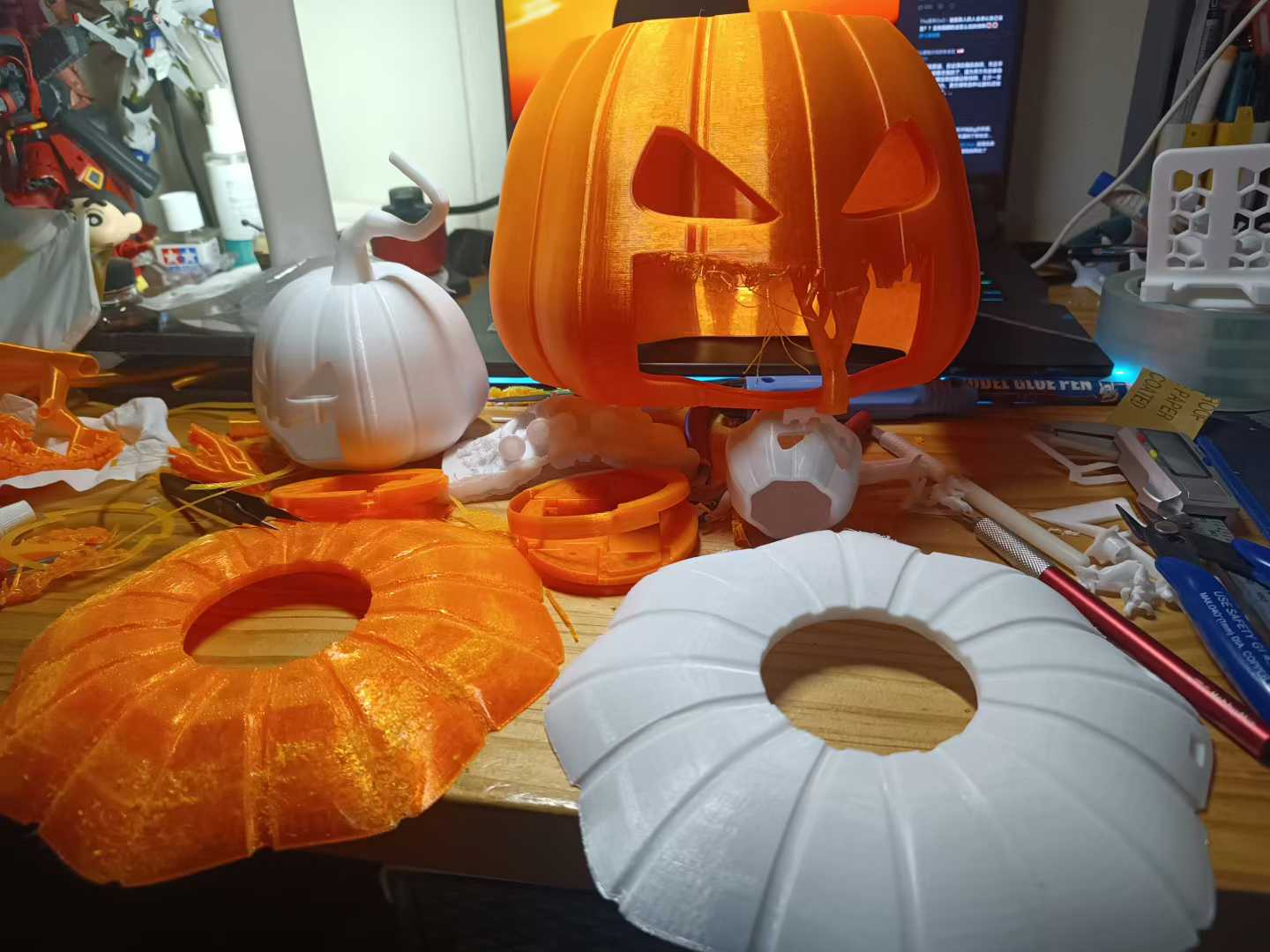
LumiPump: The Forever Jack-O-Lantern 🎃💡
Inspiration
The spark for LumiPump came from a very relatable frustration: Halloween arrived, and we didn't have a pumpkin. This small inconvenience spiraled into a larger realization about the "ritual" of holidays and the immense waste they generate. We call it the "Halloween Hangover."
We discovered a shocking statistic from the U.S. Department of Energy: approximately 1.3 billion pounds of pumpkins end up in U.S. landfills annually. Buried under other trash, they decompose anaerobically, releasing methane—a greenhouse gas over 20 times more potent than carbon dioxide.
Simultaneously, as students, we face the "Productivity Crisis" right after Halloween during finals season. For those of us with ADHD or executive dysfunction, maintaining focus without external structure is a struggle. Standard desk lamps provide light but lack "affective feedback." We wanted to bridge these two worlds: solving the environmental crisis of seasonal waste while solving the personal crisis of staying focused.
What it does
LumiPump is a sustainable, neuro-inclusive desktop companion that transitions seamlessly from a holiday decoration to a functional study aid.
Seasonal Mode (The "Forever" Pumpkin): It replaces single-use decor. Instead of carving a rotting vegetable, users customize a digital LED matrix face to display spooky designs, names, or emojis.
Study Mode (The "Body Double"): It acts as a "Body Doubling" device—simulating a companion to help regulate attention.
*   **Flow State:** Emits a steady **Amber/Warm White (2700K)** glow to promote relaxation and focus.

*   **Fatigue Detection:** Integrated sensors monitor user presence and fatigue. If you drift off or slouch (fatigue), the light shifts to **Cool Blue (6000K)** or pulses gently, providing a non-intrusive visual cue to wake up or take a break.
How we built it
We approached this project through three distinct layers: CAD Engineering, Material Science, and Firmware Logic.
1. CAD & Fabrication
We modeled the device in Fusion 360, focusing on a modular "Design for Assembly" architecture.
The Stem: Designed as a low-poly geometric handle that doubles as a tactile rotary encoder. Twisting it adjusts brightness; pressing it switches modes.
The Shell: We engineered a hollow interior with a 6.6mm wall thickness for structural integrity, thinning the face area to 2.6mm to act as a natural diffuser for the internal LEDs.
2. Material Science
We chose PETG (Polyethylene Terephthalate Glycol) for FDM 3D printing.
Why not PLA?The reason we didn't choose PLA is that PETG's transparent orange provides superior light transmission.
Sustainability: PETG is durable, impact-resistant, and fully recyclable (RIC #1 compatibility).
3. Electronics & Firmware
The core is powered by an ESP32-S3 microcontroller.
Visuals: An 8x32 flexible WS2812B LED Matrix curved inside the shell.
Sensing: A VL53L0X Time-of-Flight sensor detects user presence to manage power (auto-sleep after 15 minutes). An optional camera module uses OpenCV to track eye blink rates for fatigue detection.
The Logic:We implemented a "Pomodoro-style" check-in system:
Plain textANTLR4BashCC#CSSCoffeeScriptCMakeDartDjangoDockerEJSErlangGitGoGraphQLGroovyHTMLJavaJavaScriptJSONJSXKotlinLaTeXLessLuaMakefileMarkdownMATLABMarkupObjective-CPerlPHPPowerShell.propertiesProtocol BuffersPythonRRubySass (Sass)Sass (Scss)SchemeSQLShellSwiftSVGTSXTypeScriptWebAssemblyYAMLXMLIF (User_Detected == TRUE): IF (Time_Working > 45_Minutes): Set_Color(PULSE_BLUE) // Prompt for a break ELSE IF (Fatigue_Detected == TRUE): Set_Color(COOL_WHITE) // Alertness boost ELSE: Set_Color(WARM_ORANGE) // Default Focus Mode
Challenges we ran into
Material Selection (Heat vs. Ecology): We initially considered PLA for its biodegradability, but realized that a lamp generating heat needed higher thermal stability to truly last 5+ years. Switching to PETG required fine-tuning our print settings to avoid stringing while maintaining translucency.
The "Messy" Interface: We hated the idea of putting ugly plastic buttons on a "natural" looking object. Integrating the controls into the stem (using it as a rotary knob) was a mechanical challenge that required precise tolerances in our CAD model.
Neuro-Inclusive Feedback: Finding the right way to alert a distracted user was tricky. Audio alarms were too jarring and broke focus aggressively. We had to iterate on lighting transitions to find a "peripheral nudge" that guided the user back to work without causing anxiety.
Accomplishments that we're proud of
Emotional Durability: We successfully moved away from a purely decorative object to a utilitarian device. By allowing users to customize the face (putting their name or own art on it), we foster an emotional attachment that prevents the device from being thrown away.
The "Living" Stem: We are particularly proud of the hidden interface design. Making the stem functional rather than just aesthetic feels like a true industrial design win.
Modular Assembly: The device features a magnetic attachment system with routed cable channels integrated into the three main PCB housing components, enabling tool-free assembly and easy maintenance without adhesives.
What we learned
The Yerkes-Dodson Law: We learned that performance ($P$) increases with physiological or mental arousal ($A$), but only up to a point ($ P = f(A) $). This drove our decision to use specific color temperatures (2700K vs 6000K) to regulate that arousal level.
The Scale of Waste: Researching the 1.3 billion pounds of pumpkin waste gave us a much deeper appreciation for "Circular Design" principles.
Time Blindness: We learned how "externalizing executive function" via physical objects can significantly help individuals with ADHD manage time blindness.
What's next for LumiPump
Mobile App Integration: Currently, the matrix is pre-programmed. We want to build a companion app to allow users to draw pixel art on their phone and cast it to the pumpkin instantly.
Enhanced Biometrics: Integrating a more advanced AI vision model to detect posture correction, not just fatigue.
Mass Production: Exploring injection molding with recycled PET plastics to lower the cost and make sustainable decor accessible to every student dorm.



Log in or sign up for Devpost to join the conversation.