-
-
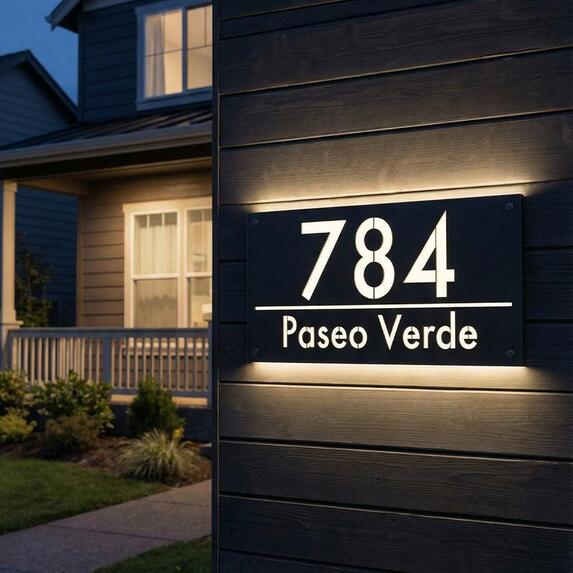
LUMIO – Smart Emergency Address & Response System
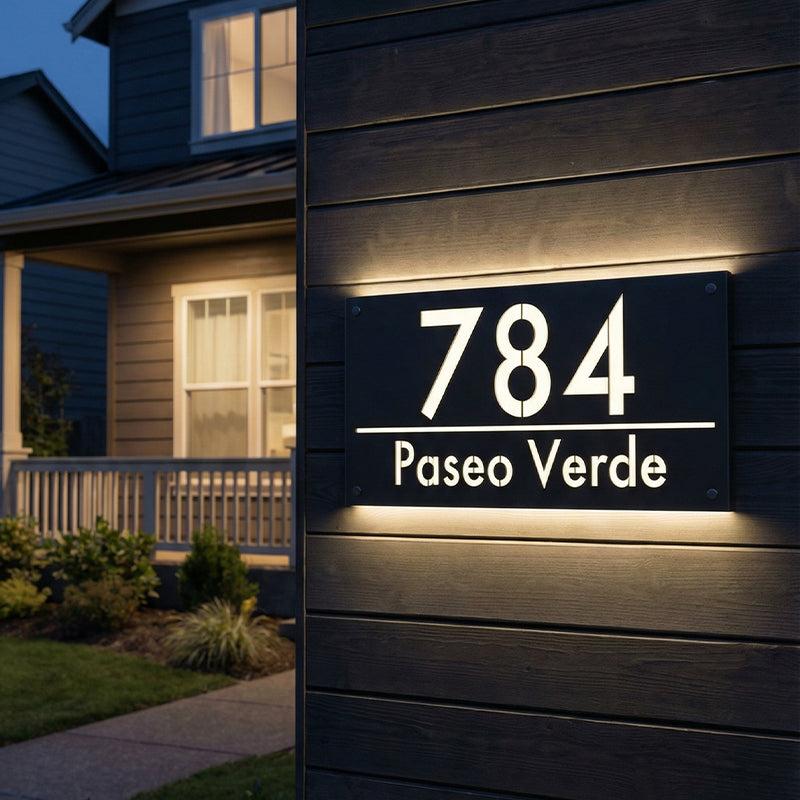
LUMIO – Smart Emergency Address & Response System
Inspiration
In an emergency, every second matters. However, one overlooked problem is that emergency responders can reach the correct street but still struggle to identify the exact house, especially at night, in poorly lit areas, or in locations with unclear numbering.
We wanted to rethink something that almost every home has but rarely receives attention: the house number.
LUMIO was born from the idea of transforming an ordinary house address into an intelligent, connected emergency identification system.
What it does
LUMIO is a smart emergency address and response system designed to make homes easier to identify and safer to reach.
The proposed system combines an illuminated smart address display with connected hardware and a mobile application.
Key features include:
- Smart Illuminated Address: Makes house numbers visible in low-light and nighttime conditions.
- Automatic Lighting: Uses ambient-light sensing to adjust illumination.
- Emergency Mode: Provides a dedicated emergency signaling mode to help identify a home.
- Mobile Connectivity: Uses Wi-Fi and Bluetooth for device configuration and control.
- Assistance Mode: Allows residents to activate a visible assistance signal.
- Offline Functionality: Core lighting and local controls are designed to work without continuous internet connectivity.
- Backup Power: A planned backup battery system helps maintain essential functionality during power interruptions.
Our vision is to make every address more than just a number: a recognizable and intelligent safety point.
How we built it
Our proposed architecture combines embedded hardware, IoT connectivity, and a user-facing mobile application.
The hardware architecture includes:
- ESP32 microcontroller for device control.
- LED display and driver circuitry for address illumination.
- Ambient-light sensor for automatic brightness adjustment.
- Wi-Fi and Bluetooth connectivity.
- Backup battery architecture.
- Mobile application for configuration and emergency-mode control.
The system is designed around multiple operating modes, including Day, Night, Emergency, and Assistance modes.
Challenges we faced
Some of the major engineering challenges we identified include:
- Designing a system that remains useful during internet or power interruptions.
- Balancing visibility with power consumption.
- Making emergency activation simple and accessible.
- Designing reliable wireless communication between hardware and the mobile application.
- Ensuring that the device can be adapted to different residential environments.
What we learned
This project helped us think beyond conventional IoT applications and explore how connected hardware can address real-world public safety challenges.
We learned about embedded-system architecture, IoT connectivity, emergency-oriented product design, and the importance of building technology around actual human needs.
What's next for LUMIO
Our next steps include:
- Developing and testing a functional hardware prototype.
- Building the companion mobile application.
- Implementing reliable emergency and assistance signaling.
- Exploring integration with smart-home and community safety infrastructure.
- Testing usability across different residential environments.
Our long-term vision is to make intelligent emergency identification accessible to homes, apartments, gated communities, and rural areas.
LUMIO: Every second matters. Every address should be visible.