Inspiration After deciding on the theme of Circular Economy and Sustainable Living, we decided to delve into Energy conservation, one of the most prevalent issues. 250,000 gigawatt-hours of energy are wasted annually due to inefficient lighting systems, this alarming statistic that prompted us to carry forward with solutions to tackling energy conservation. This energy waste often stems from lights being left on unnecessarily or running at full brightness regardless of ambient light levels. This insight struck a chord with us, as this waste could be significantly reduced through the optimization of existing components. Motivated by the immense potential for energy savings and the principles of the circular economy, we set out to create a project that automates lighting to minimize waste and enhance convenience. This led to the birth of LumiNet, a smart lighting system built using the ESP32 microcontroller and a suite of sensors.
What it does LumiNet is a smart lighting system that combines motion detection and ambient light sensing to optimize energy use and enhance convenience. Using a PIR sensor, it detects human presence to automatically turn lights ON or OFF, while a brightness sensor dynamically adjusts the LED's brightness based on the surrounding light levels. This ensures lights are only active when needed and at the right intensity, reducing energy wastage and promoting sustainable living. Fully automated and adaptable to various environments, LumiNet provides an efficient, user-friendly solution that aligns with the principles of the Circular Economy. How we built it Components Used: ESP32: The controller for processing sensor data. PIR Sensor: Detects motion to turn lights ON or OFF. Brightness Sensor: Measures ambient light and adjusts LED brightness accordingly. LED: Displays motion and brightness adjustments. Steps: We connected the BH1750 brightness sensor, the passive infrared sensor and the LED to the ESP32 We worked on the code for motion detection and brightness adjustment, to control the LED. Tested the system by simulating motion and light changes and observing the LED's response.
Challenges we ran into One of the key challenges we faced during the development of LumiNet was integrating a voice-activated switch. While the software for the voice module worked as expected, the hardware integration proved challenging due to inconsistencies in responsiveness and sensitivity. This required us to revisit and revise the code multiple times to ensure compatibility between the sensors and the ESP32. Additionally, even when the software behaved correctly, hardware issues such as loose connections or improper wiring caused unexpected failures, which added to the complexity of the project. These challenges taught us the importance of aligning hardware and software design while emphasizing rigorous testing and debugging at every stage. Accomplishments that we're proud of We are proud to present LumiNet, a smart lighting solution designed to revolutionize energy efficiency in homes and workplaces. Our accomplishments reflect a strong commitment to innovation and sustainability. By successfully integrating motion detection, ambient light sensing, and dynamic brightness control using the ESP32 microcontroller, we’ve created a system that eliminates unnecessary energy waste. Mastering technologies like I2C communication and implementing stable hardware through soldering, we ensure reliability and scalability. LumiNet isn’t just a project, it’s a solution to a global problem, offering a seamless, user-friendly way to cut energy costs and reduce environmental impact. We’re excited about the potential of this technology to drive smarter, greener living for everyone.
What we learned IoT Integration: We combined the HC-SR501 PIR sensor for motion detection and the BH1750 brightness sensor with the ESP32, learning how multiple sensors interact in IoT systems. I2C Communication: The BH1750 brightness sensor relies on the I2C protocol, which taught us how to establish, manage, and debug communication between sensors and controllers effectively.
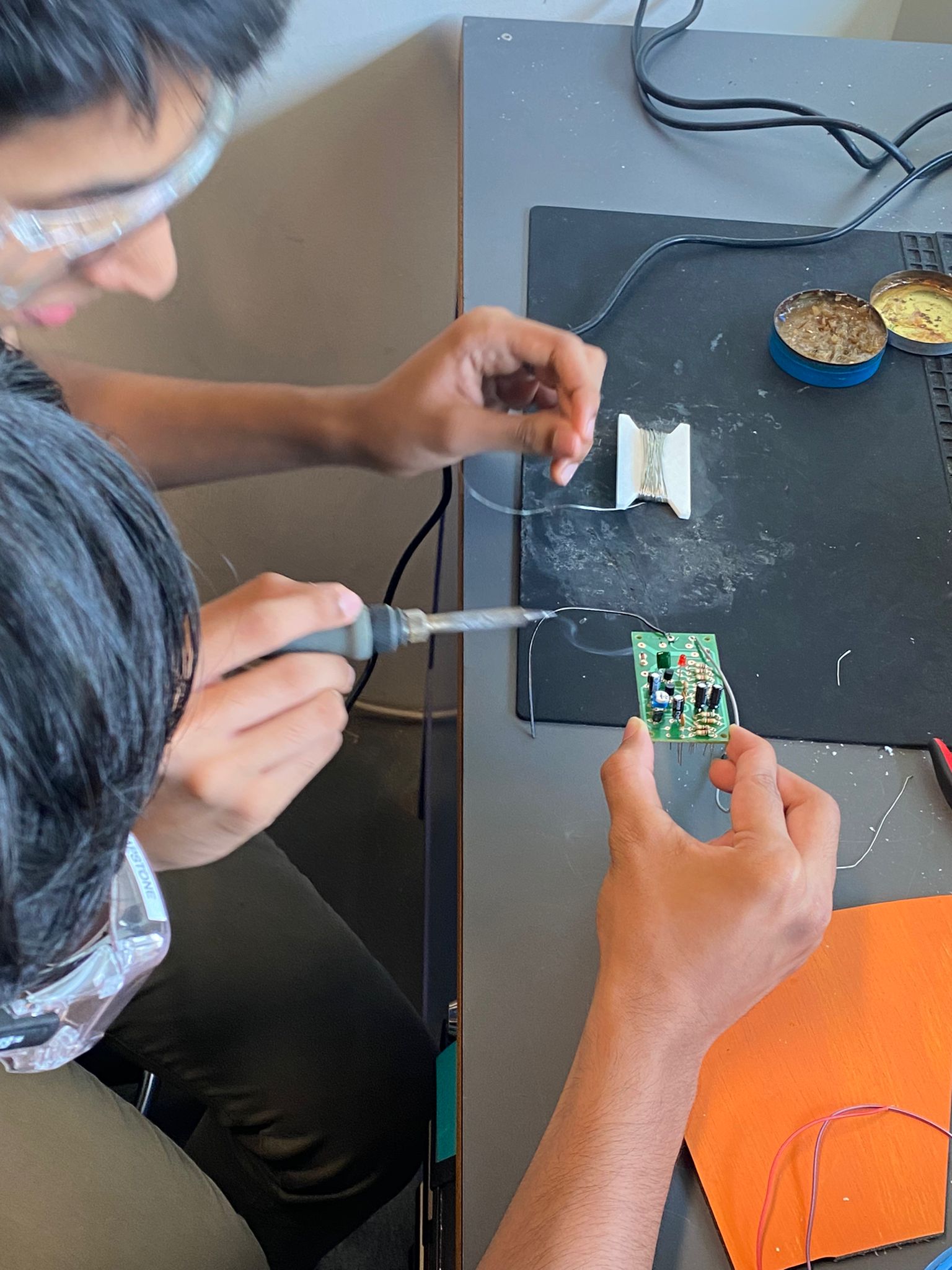
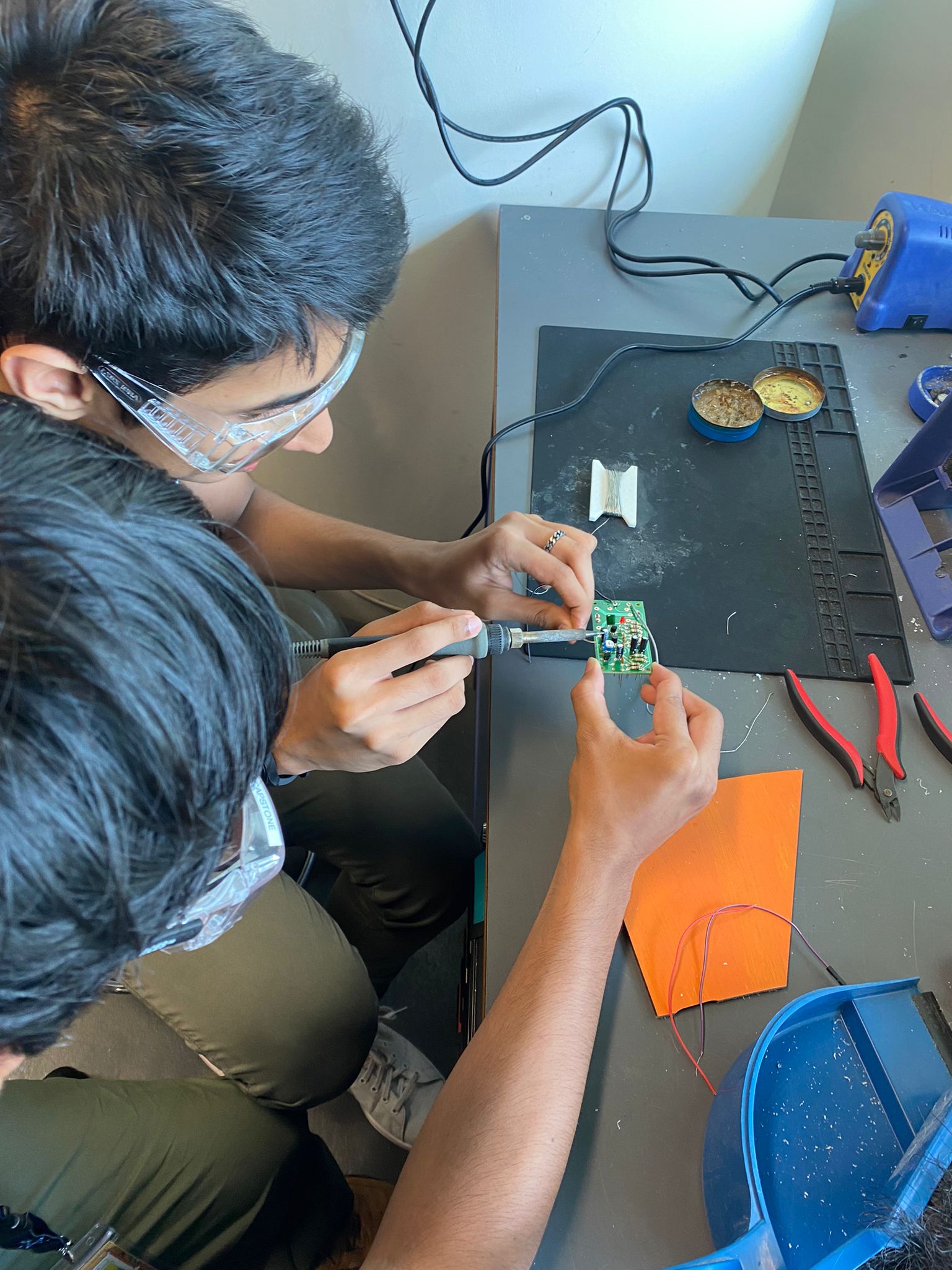
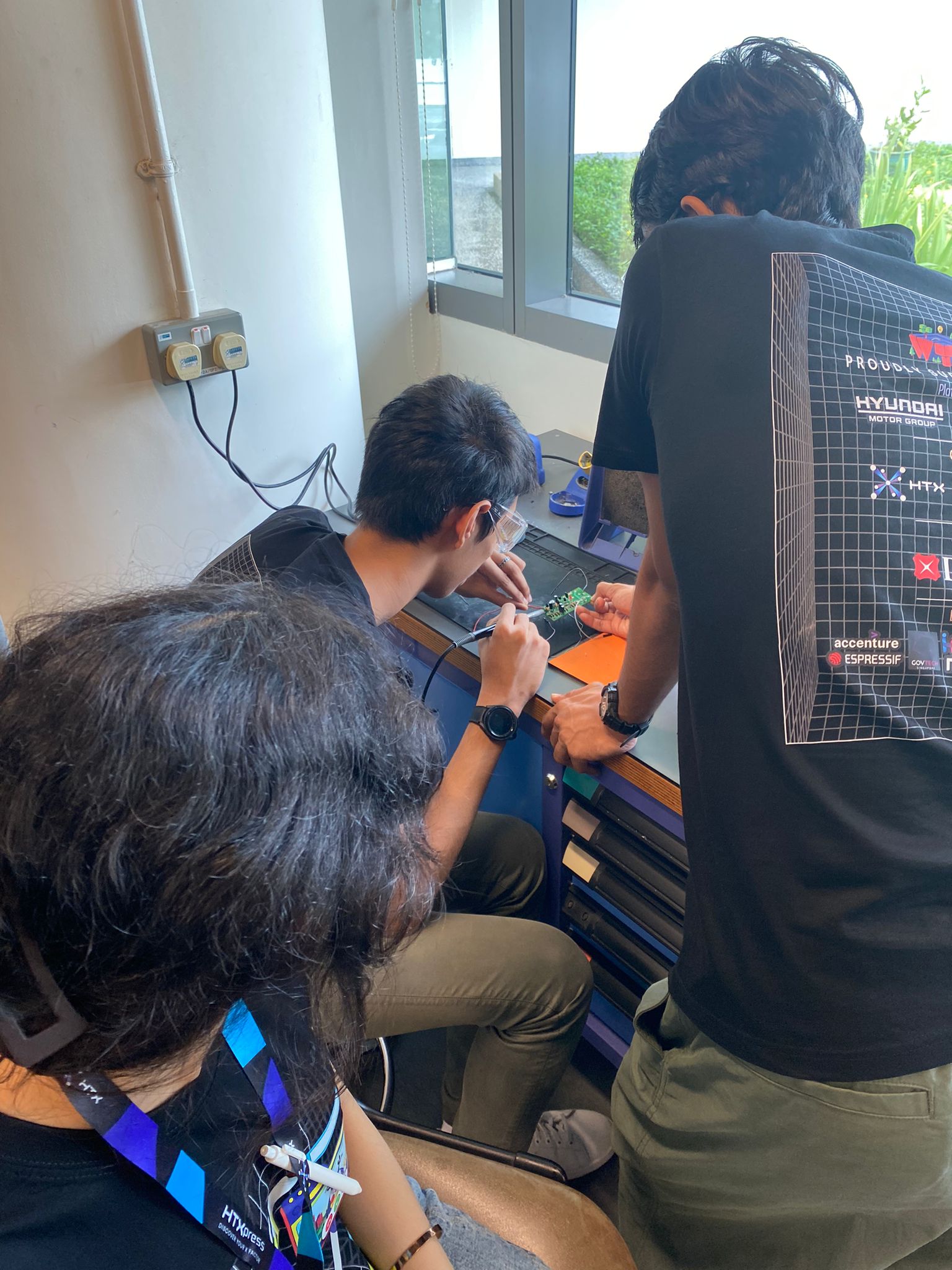
Energy Optimization: Mapping brightness data from the sensor to LED brightness levels via PWM (Pulse Width Modulation) helped us understand how to balance energy usage and user needs dynamically. Debugging in Real-Time: Using the Serial Monitor, we monitored sensor outputs and refined system responses, ensuring the hardware and software worked seamlessly in real-world conditions. Soldering Skills: We learned how to solder the components to ensure robust connections, making the setup durable and reliable.
What's next for LumiNet The future of Luminet lies in deep-end integration and performance optimisation. Scaling down we could improve the compatibility of our product, using smaller chips to perform the following program so it is more compact and cheaper. By working with government construction agencies, we can develop simple construction that can be infused into the power lines for each room in every house leading to large-scale power saving. Shifting our focus, we can diversify the business into Research and Development, focusing on minimising costs without compromising operability. On the technological aspect, we can delve into how we could use Python and MATLAB to analyze data collected from real-world deployments to model optimized operating conditions to improve battery life and power consumption. To do this, we can research on methods of turning on and turning off LEDs such that it does minimum thermal damage to the diodes, optimum brightness levels for different times of the day using large scale data from ambient brightness levels in specialised room designs. We could then move on from light systems to other power systems in households and industries.
Built With
- audrinoide
- c++

Log in or sign up for Devpost to join the conversation.