About Lumina
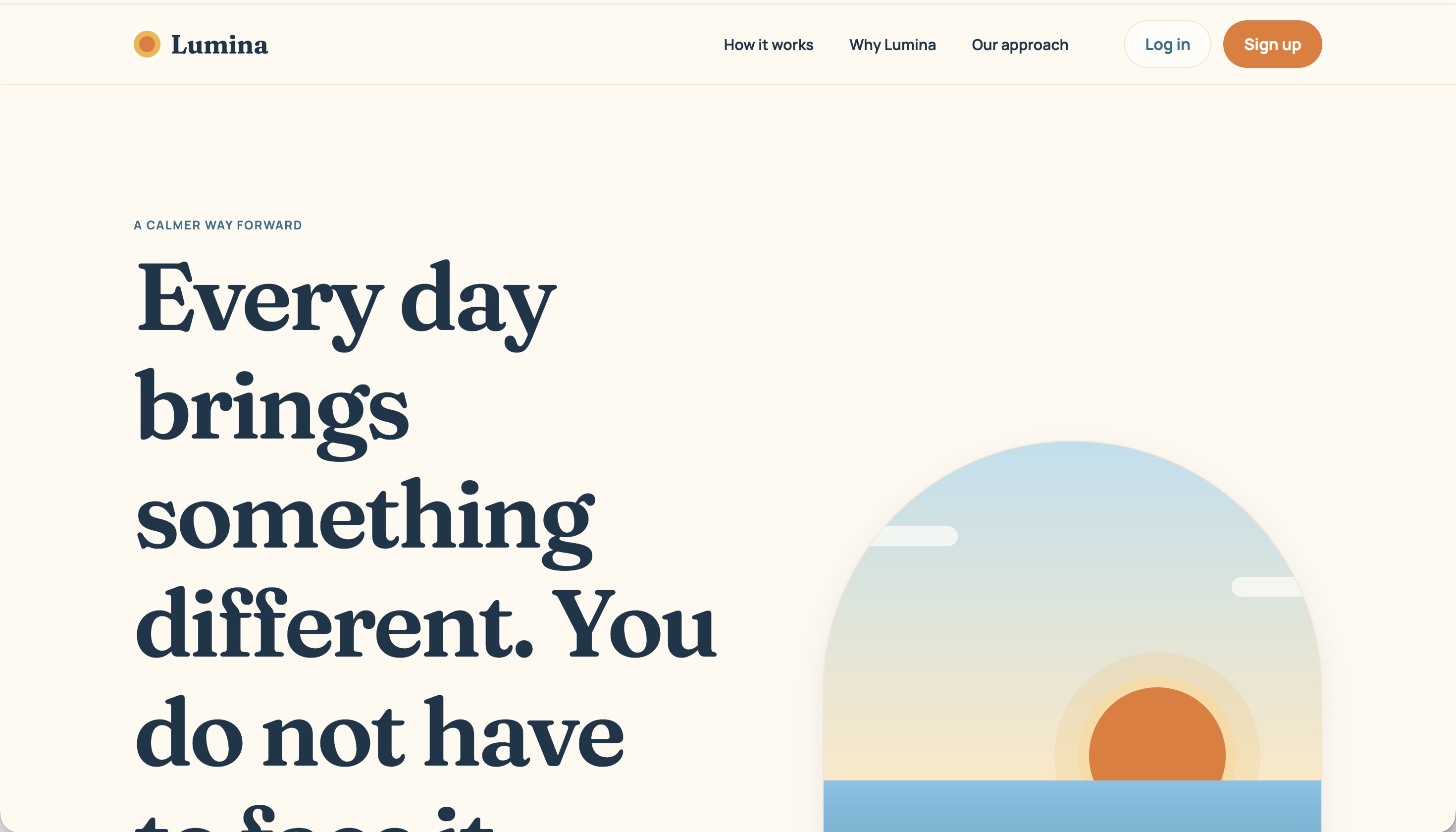
Although there is more mental health support than ever, many of the apps available today still offer two extremes: a chatbot that is too generic or a meditation app that does not resonate with how the person is feeling in the present moment. We wanted to create something new.
Before writing any line of code, we spent some time exploring other mental wellness companions, journaling applications, and AI-powered assistants. We analysed which products succeeded, what users were frustrated with, and how customers described their experiences with the products in their reviews. A consistent message was the need to be understood before being offered advice. Many tools jumped into conversations or recommendations without first seeking to understand what the person was experiencing.
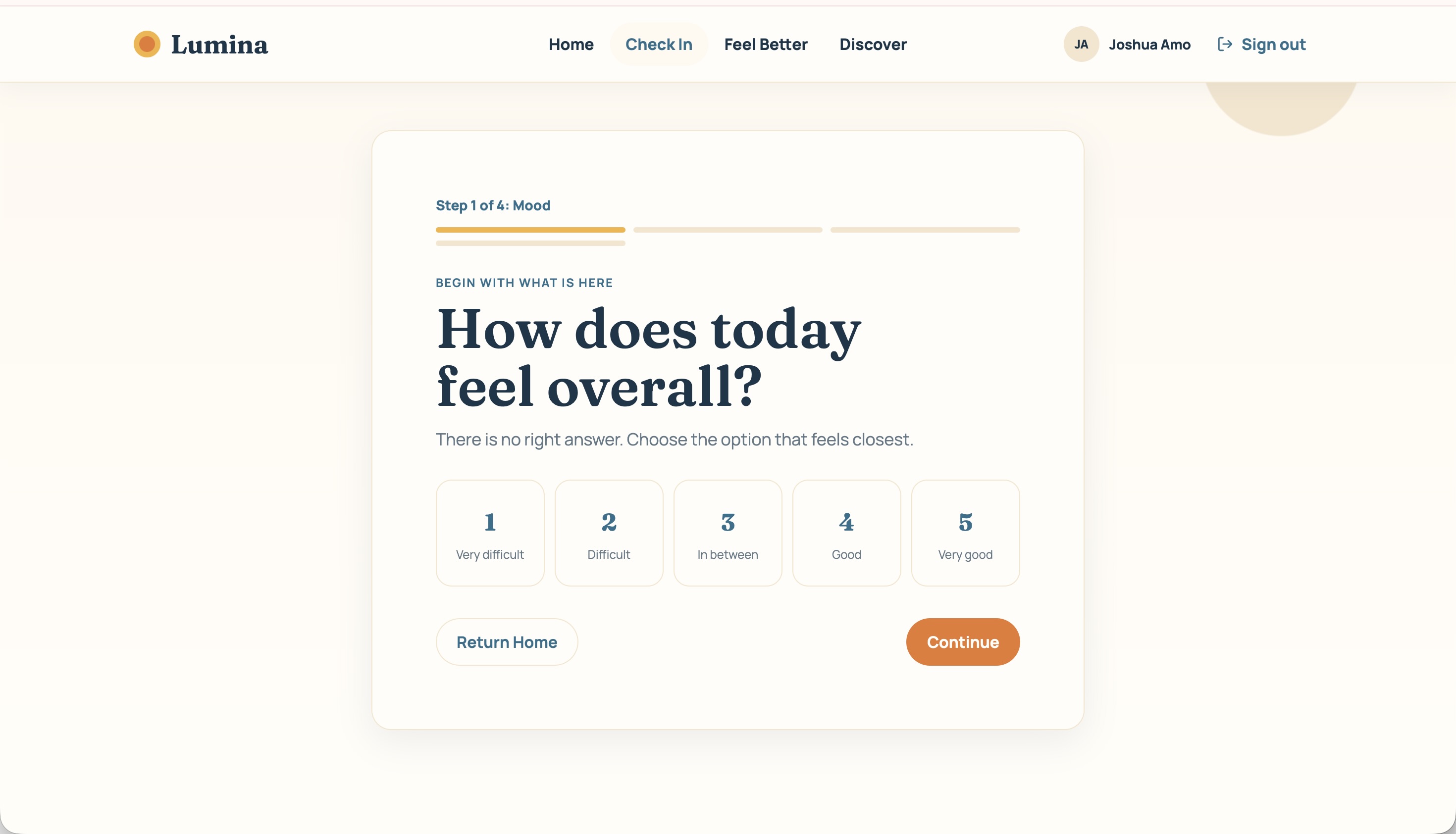
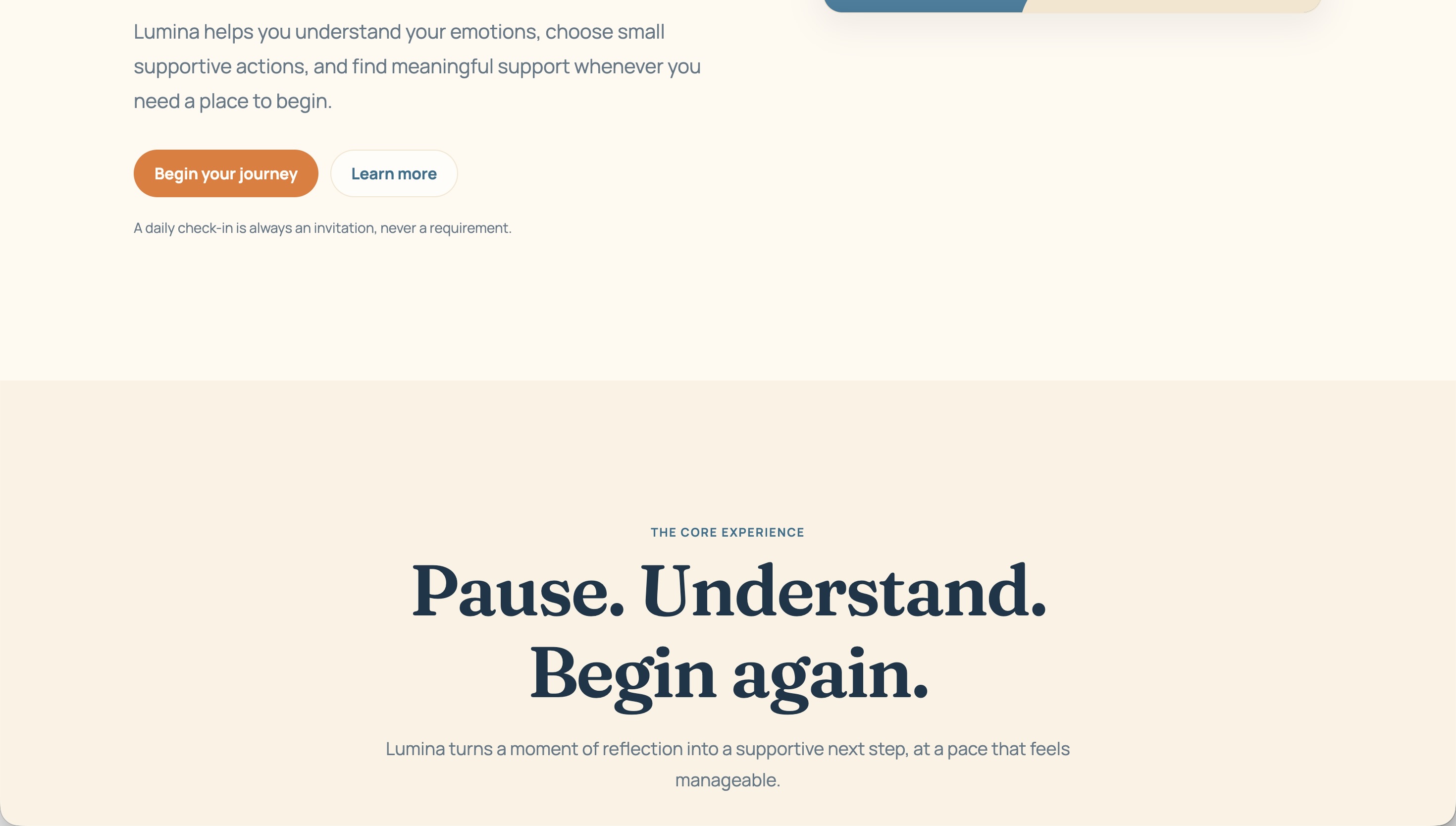
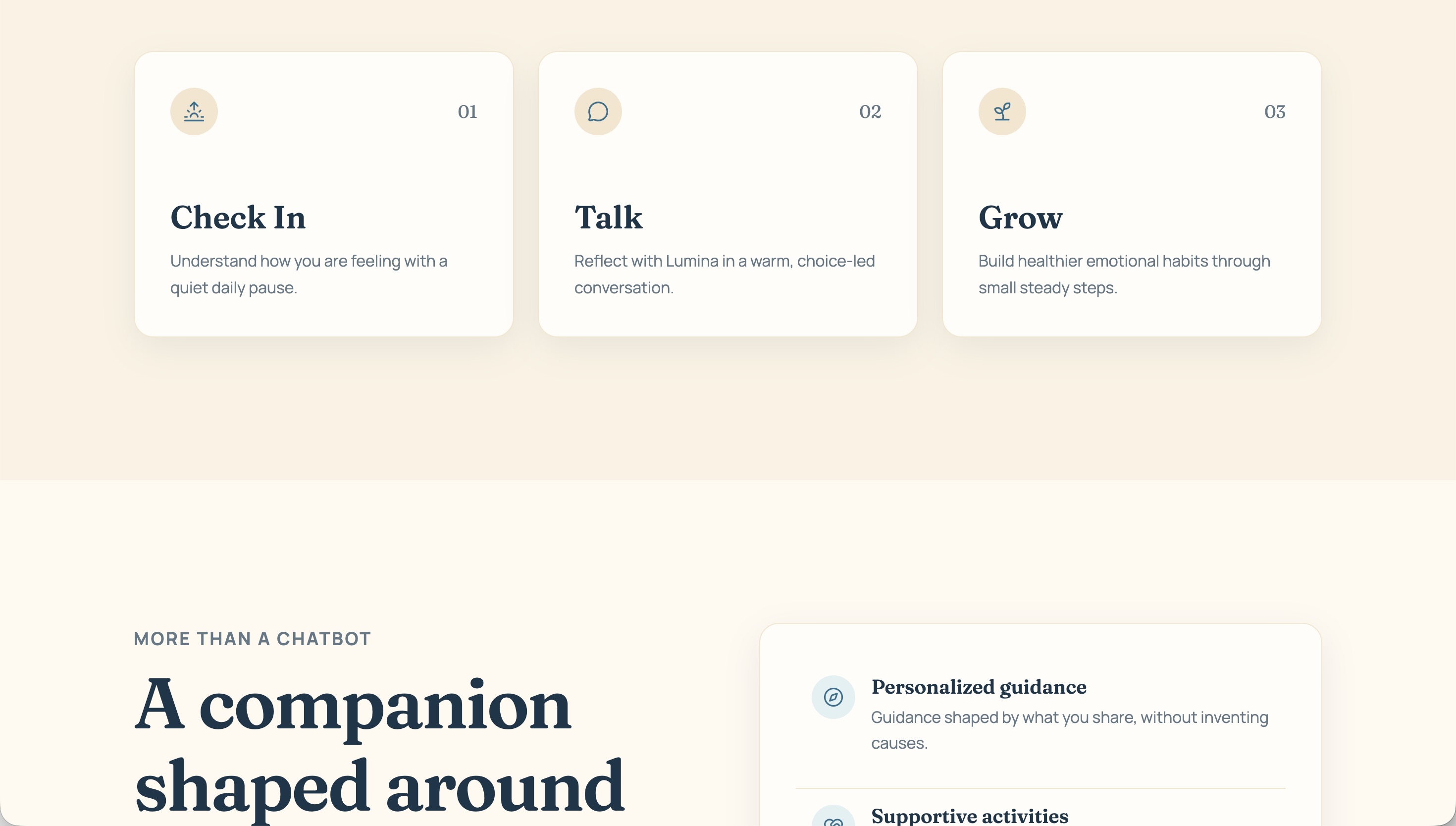
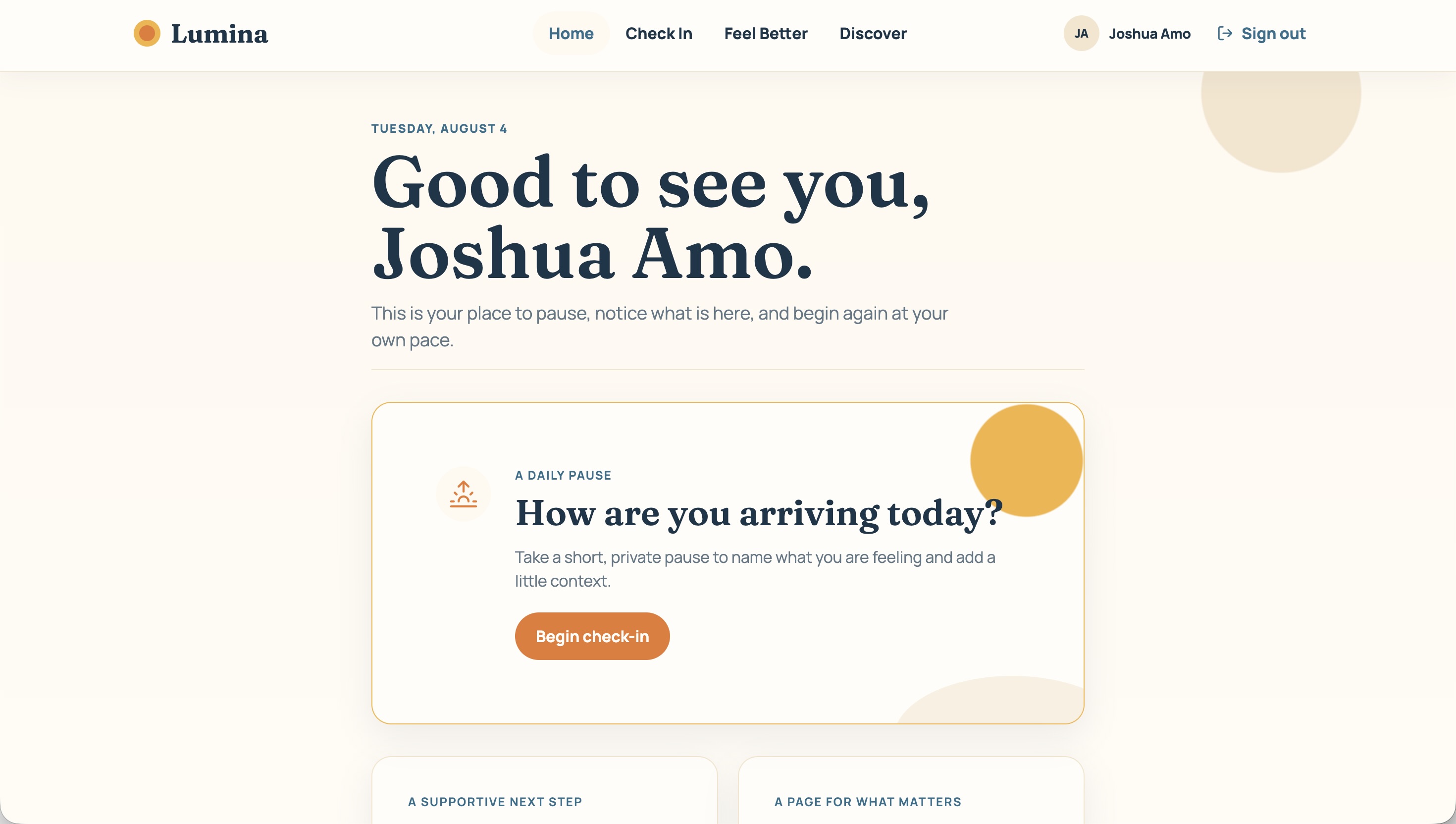
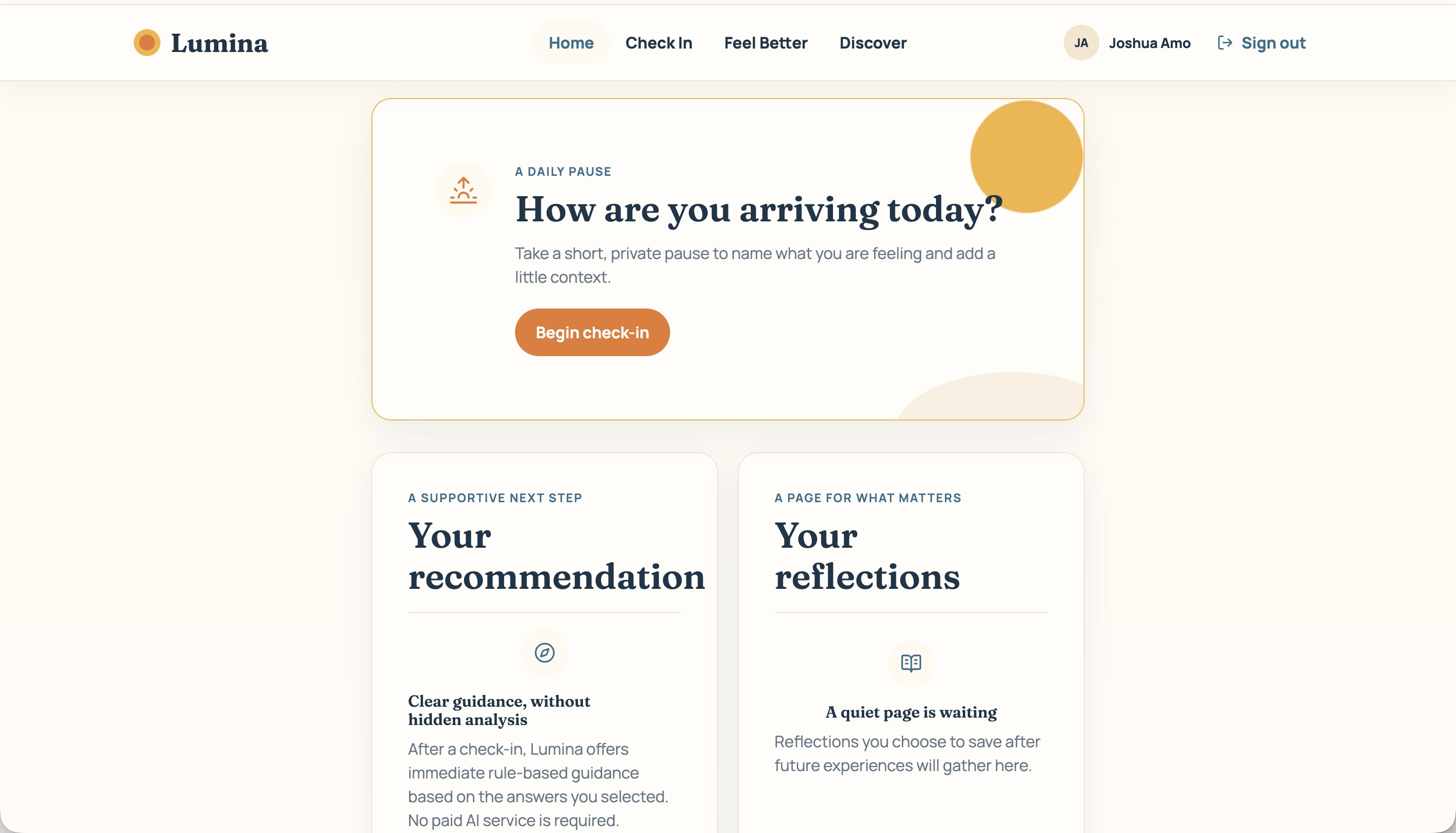
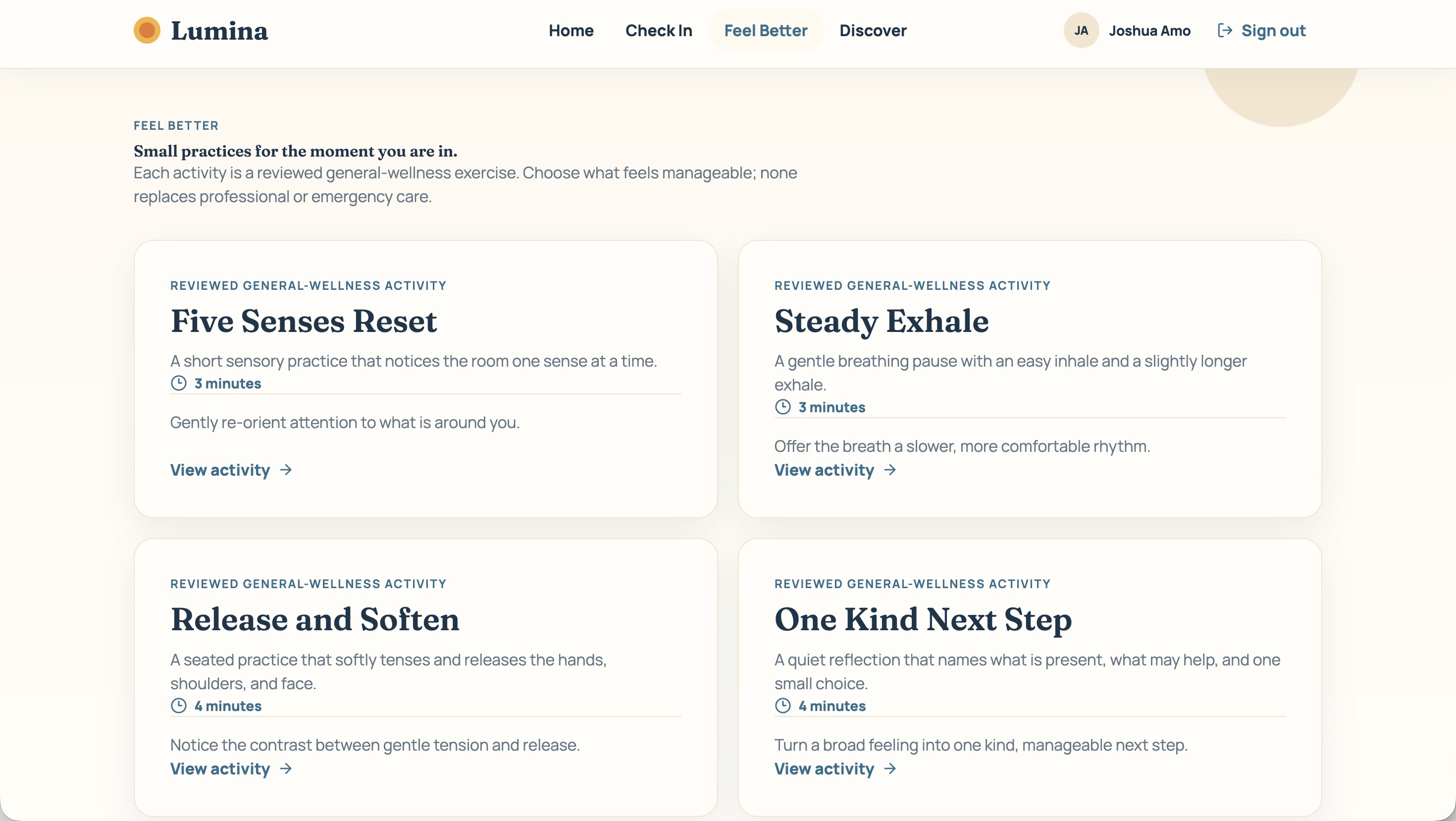
From that came Lumina's core experience. Rather than opening with a chatbot, Lumina starts with a short emotional check-in. The AI responds only when it has enough context to offer insightful and tailored advice. This small feature changed everything. It became the basis for the entire product because it shifted the role of AI from being the product to being an assistant.
We took some time to read research on emotional self-awareness, reflective journaling, habit formation, and digital mental wellness. This gave us the perspective that sometimes it is better to take time for reflection in small doses rather than spending a long time in conversation. We wanted every interaction to help our users feel more relaxed, understood, and empowered to take one meaningful next step.
How We Built It
Building Lumina was a combination of technical vision and the constraints of a one-week hackathon. After careful consideration of various technologies, we adopted a stack that enabled us to move quickly while remaining reliable.
- Next.js and React for a responsive user experience.
- Supabase for authentication and secure data storage.
- TypeScript for maintainable code.
- Tailwind CSS for rapid interface development.
- OpenAI API for generating context-driven recommendations and conversations.
We also created deterministic fallbacks so that the application still works even if AI responses are unavailable, making the whole experience more robust during demonstrations.
Challenges We Faced
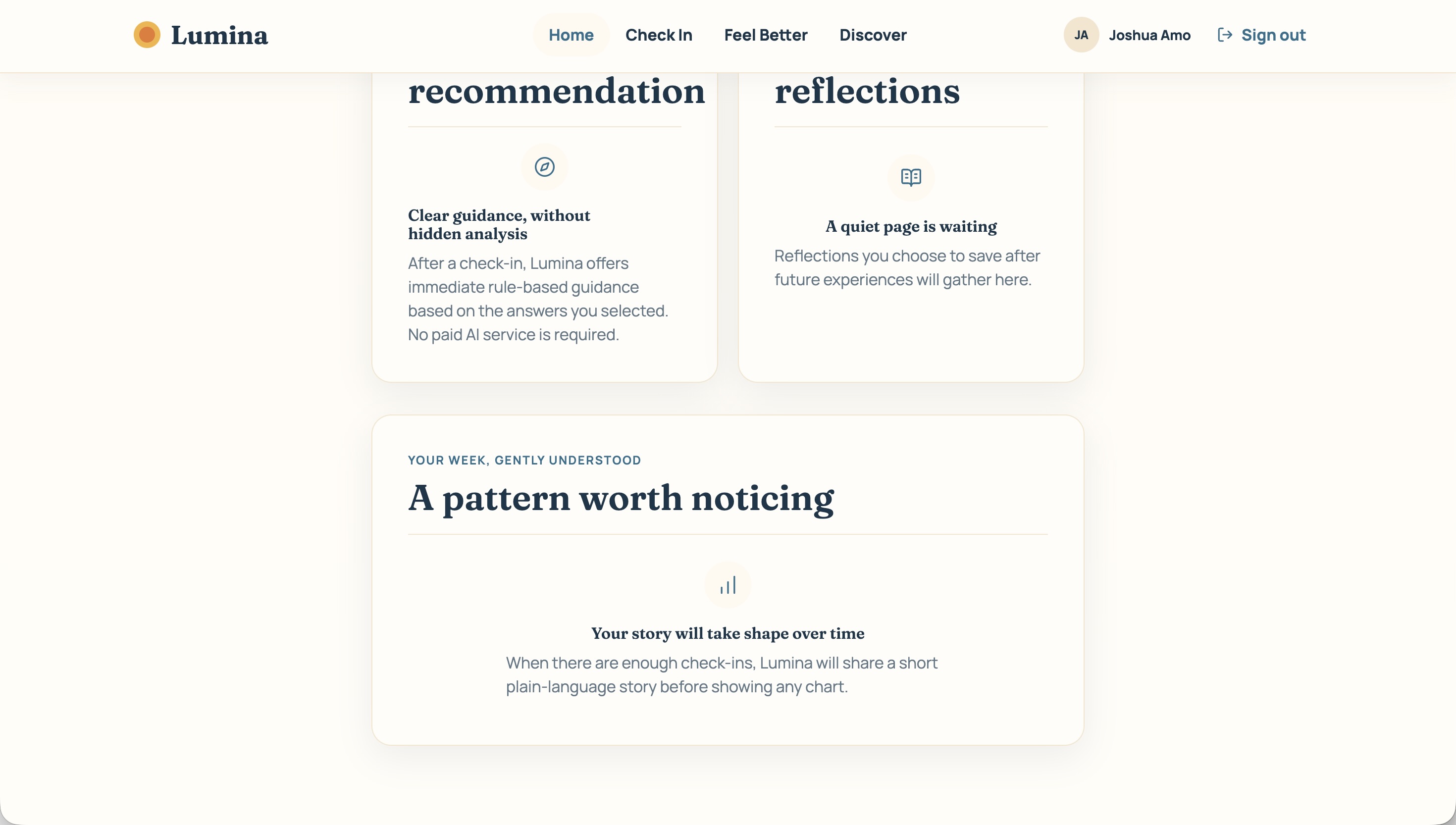
Resisting the urge to add features was one of our biggest challenges. We had a lot of ideas, from trying to build a wearable that could predict our mood to adding richer analytics, but we realised it would be far more impactful to have a complete, market-ready experience. We therefore concentrated on one user journey: checking in, receiving tailored advice, completing a coping activity or conversation, reflecting, and returning with a meaningful takeaway.
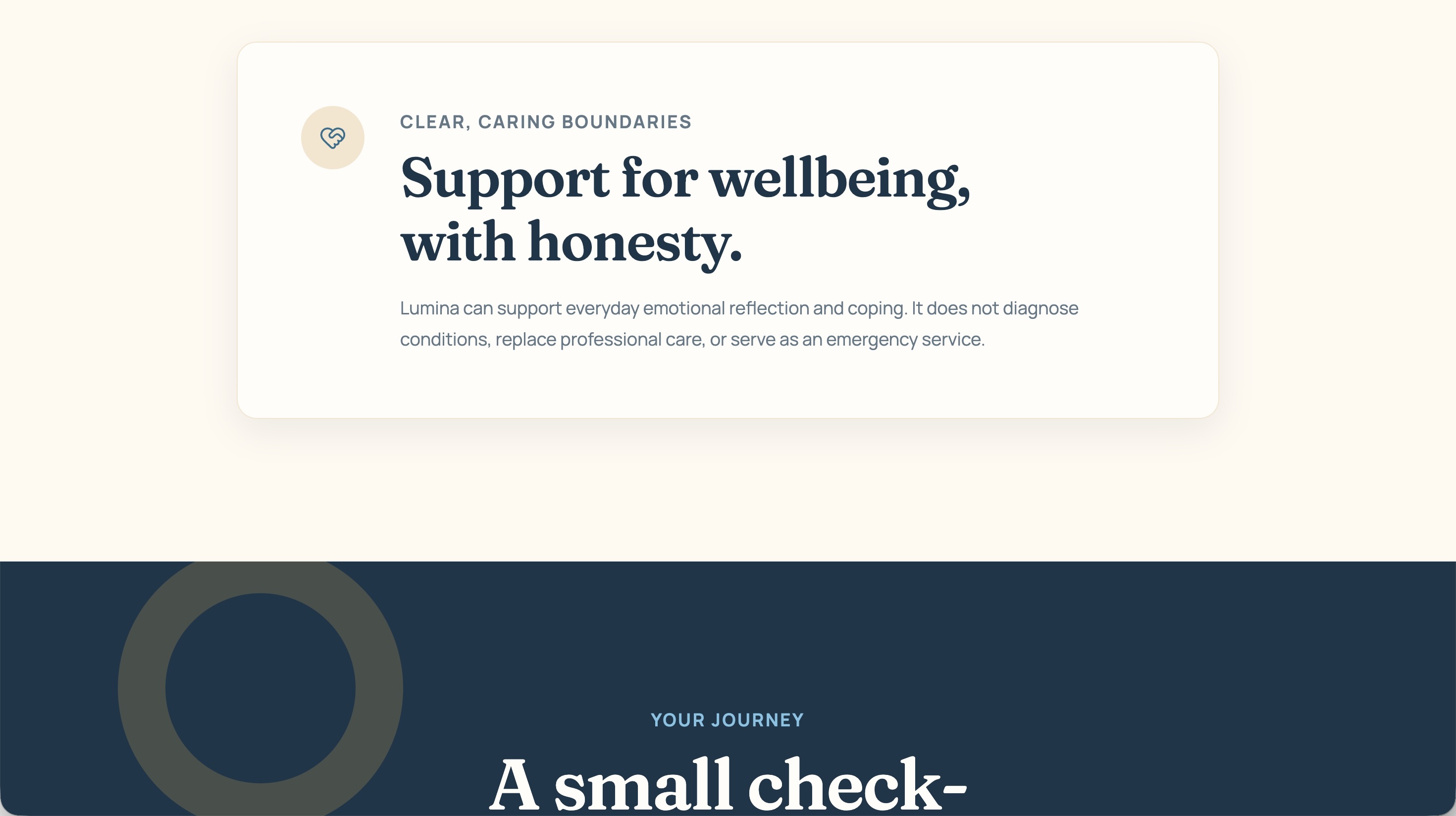
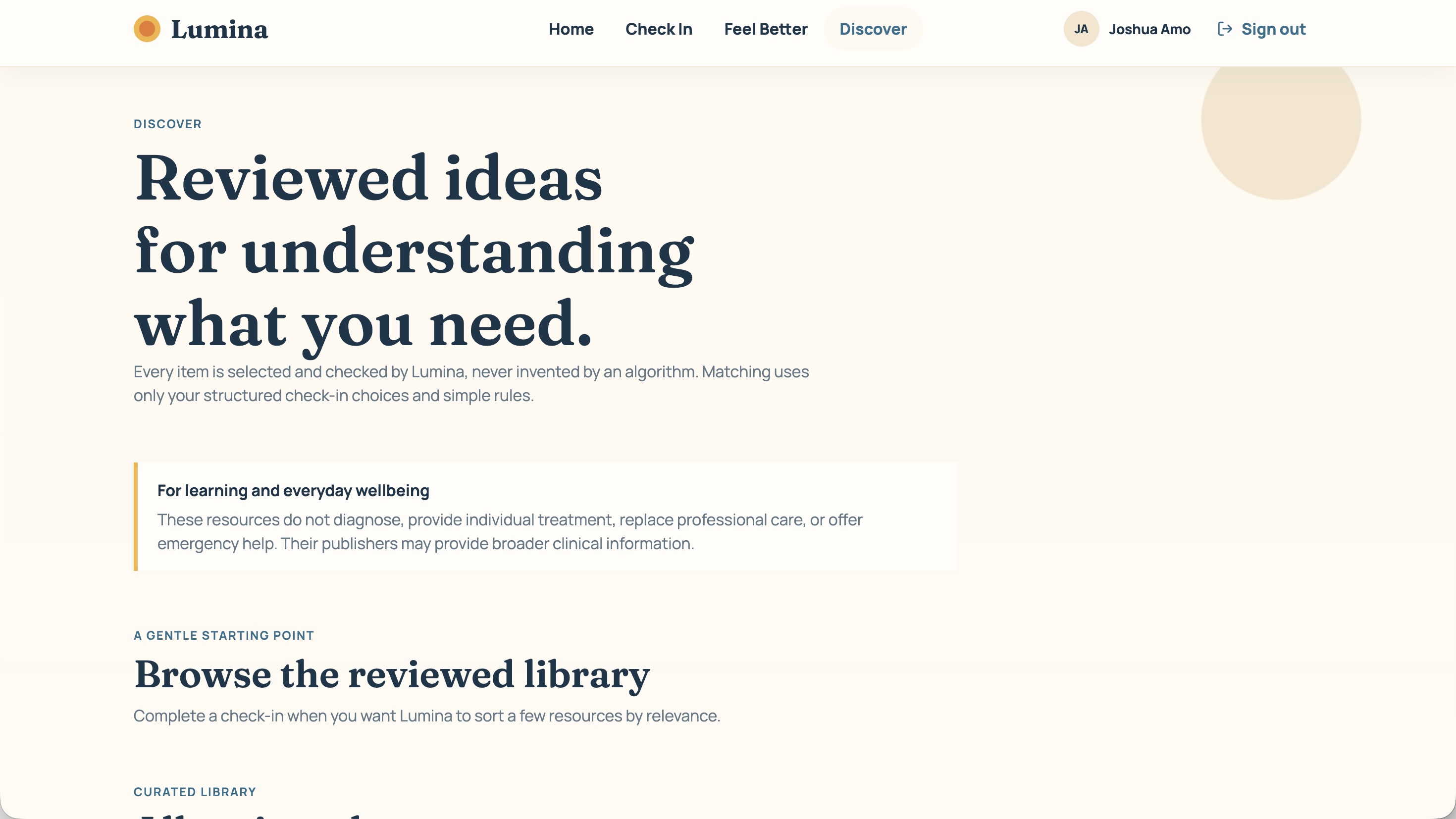
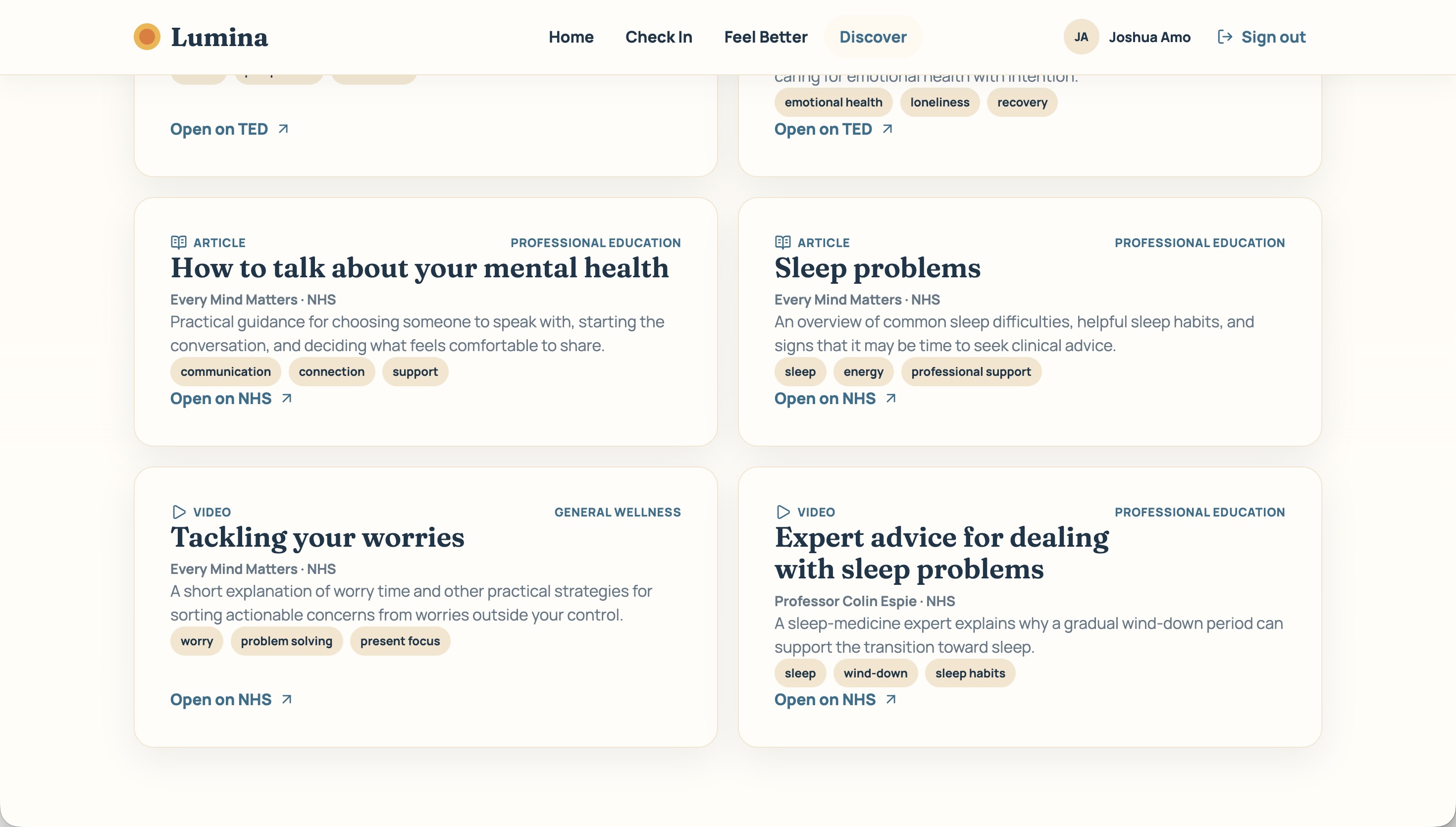
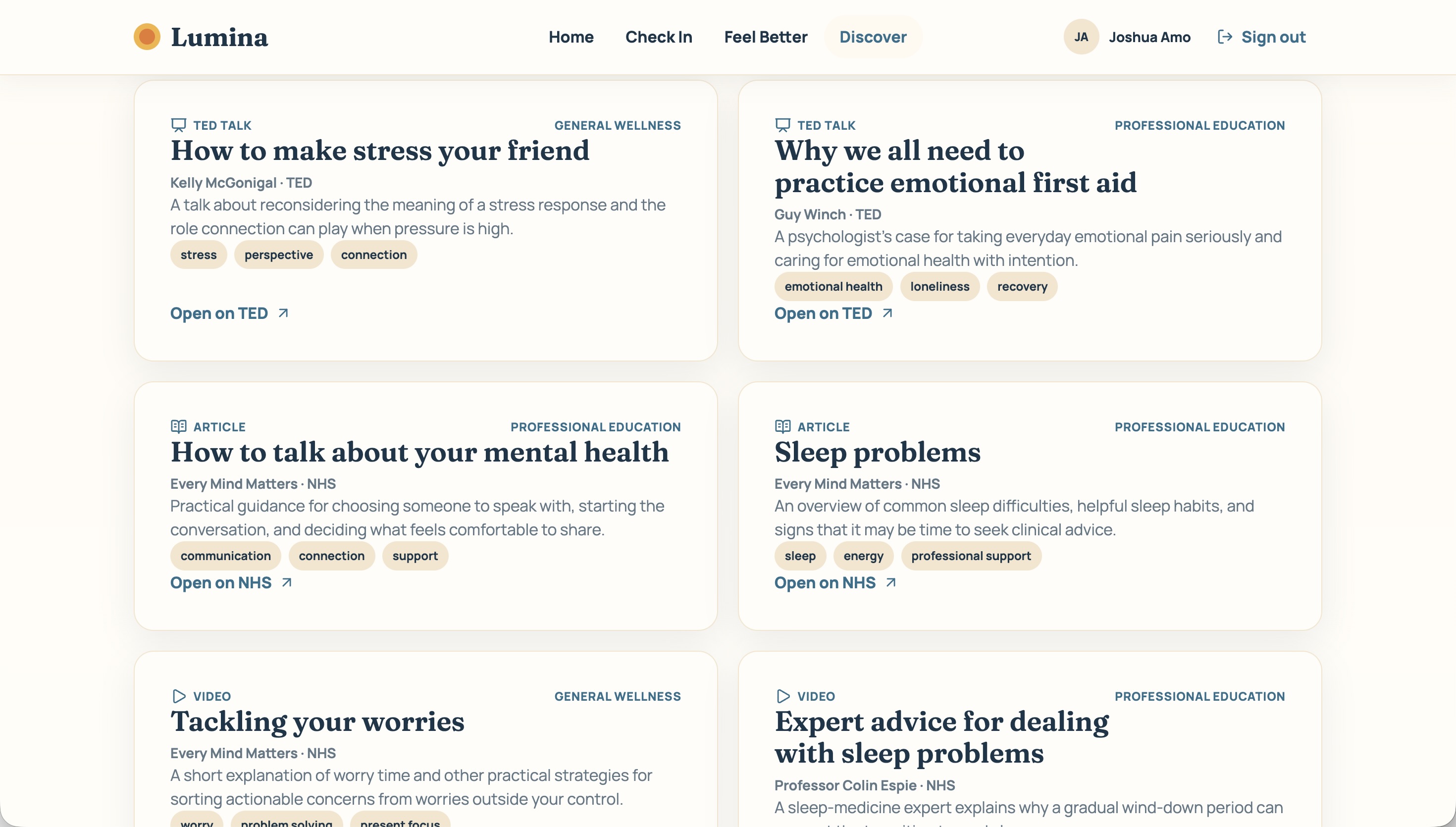
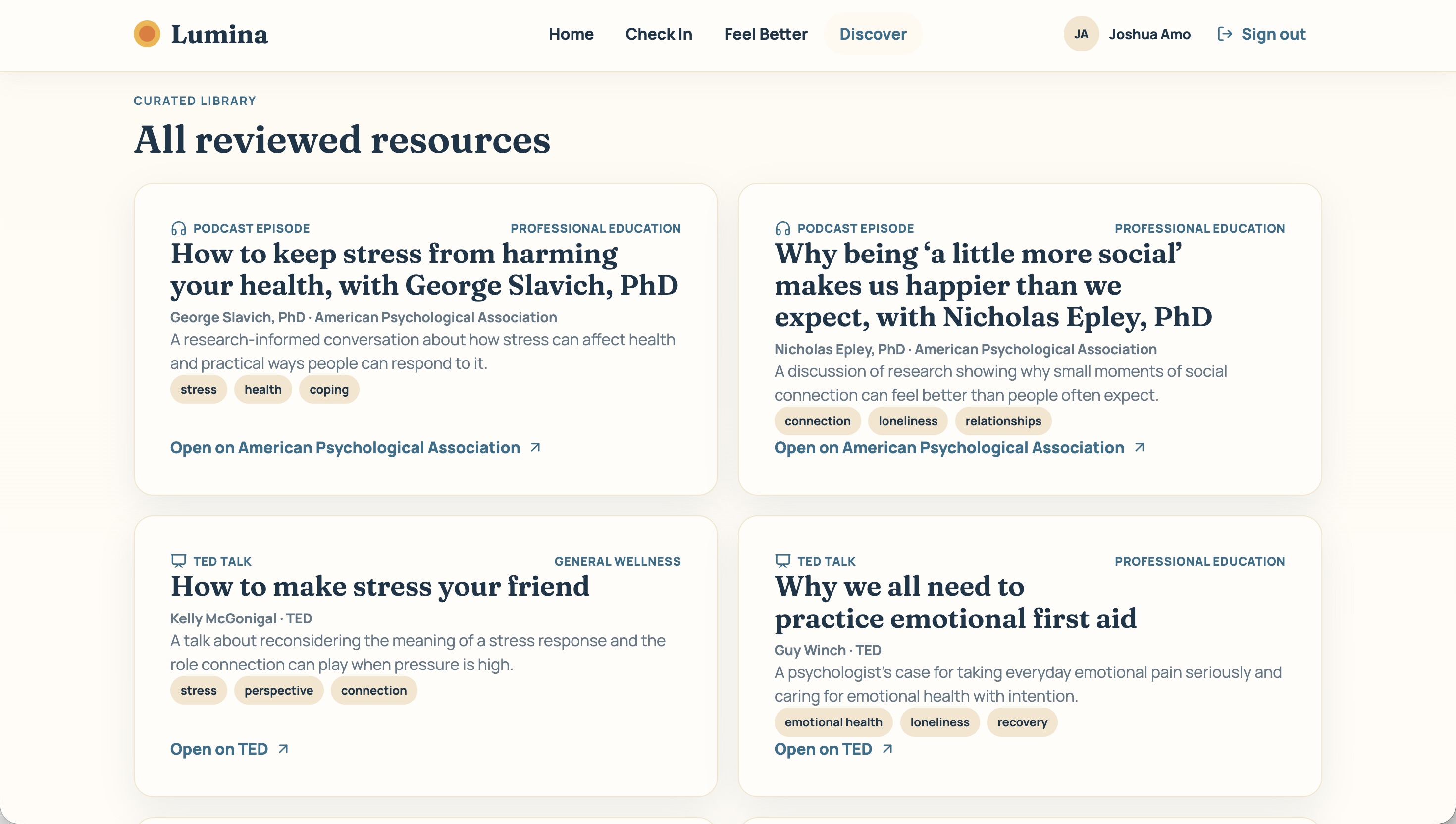
The other difficulty was designing responsibly. Because we are in the mental wellness space, we wanted clear boundaries and did not want to include just any feature or message. This application is not intended to diagnose diseases or illnesses, replace medical help or advice, or cause dependence on AI. Instead, it offers practical stress management strategies, relevant information and resources, and points users to real-world support when appropriate. Designing these safety measures was just as crucial as designing the AI itself.
What We Learned
One of the most important takeaways was that there are no magic formulas for creating a meaningful AI product. It is not about loading a language model into a chat app and calling it a day. It is the result of thoughtful product design, context gathering, user flows, and knowing when the AI must remain silent. We learnt that empathy can be built into software—not just through what the AI says, but through every interaction that leads up to it.
Looking Ahead
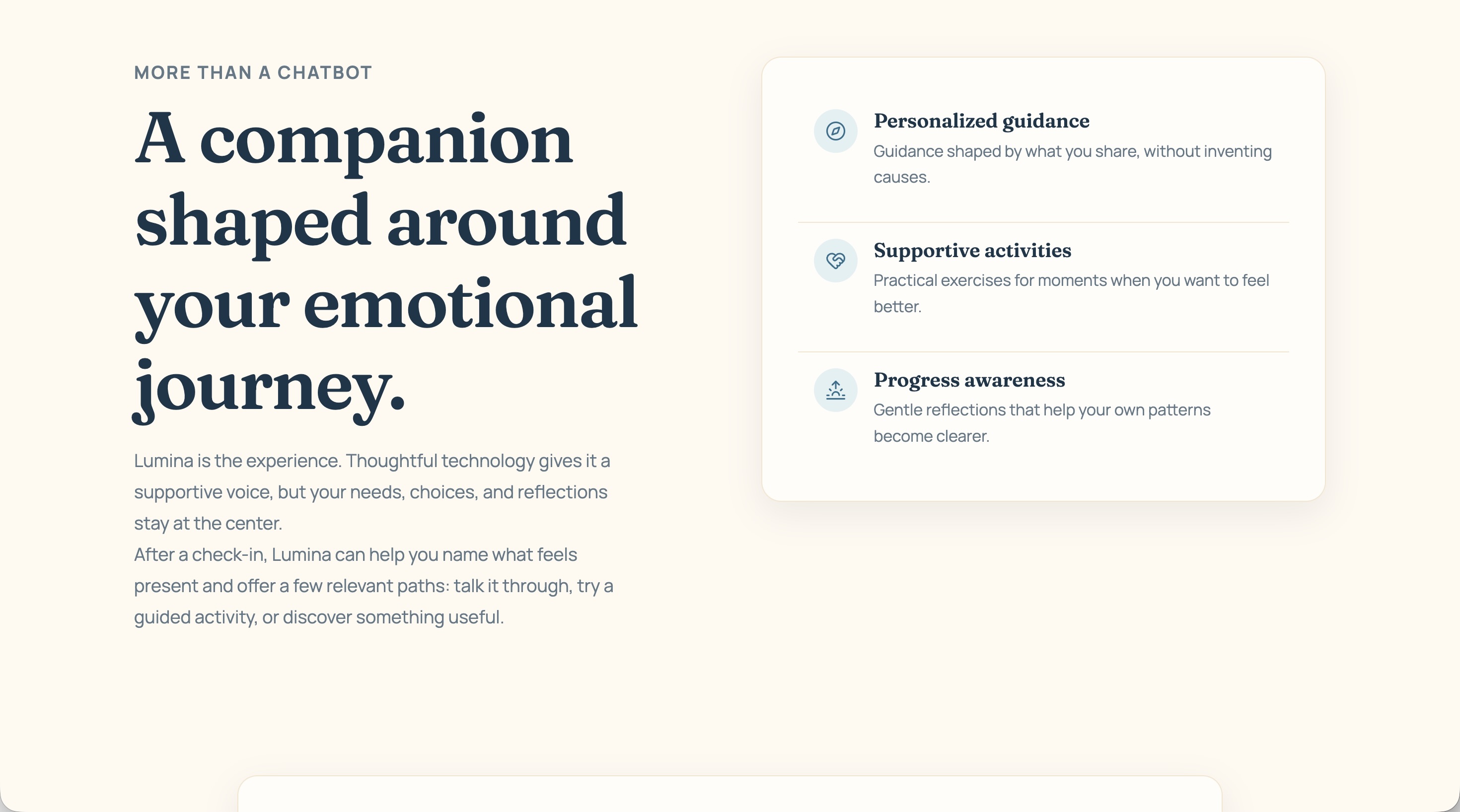
Lumina is our vision of an emotional wellness companion that listens first, offers options instead of orders, and guides people toward emotional wellness by helping them take one small, practical step.
Built With
- github
- javascript
- nextjs
- node.js
- react
- superbase
- vercel


Log in or sign up for Devpost to join the conversation.