-
-
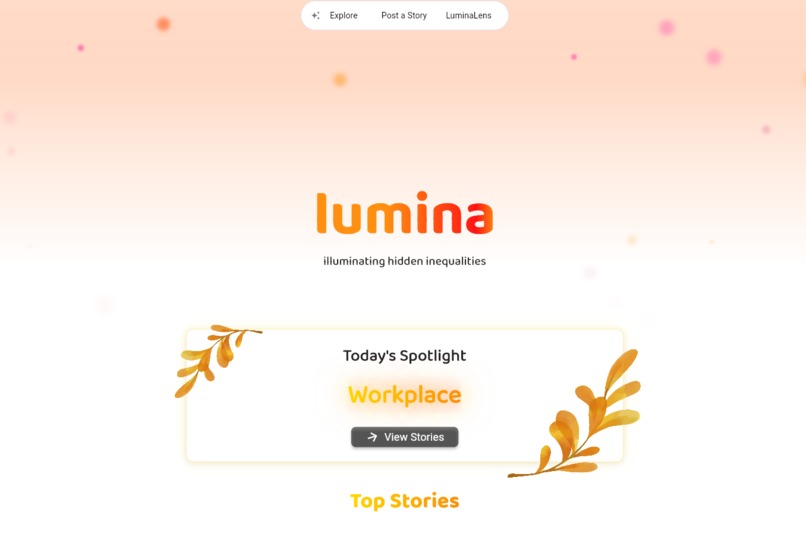
Home page
-
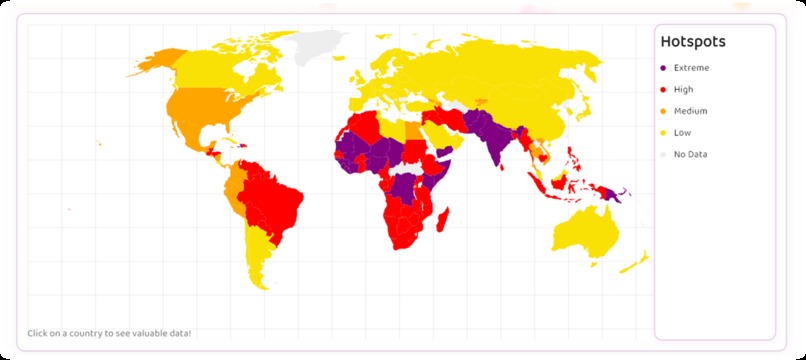
Inequality Atlas
-
logo
-
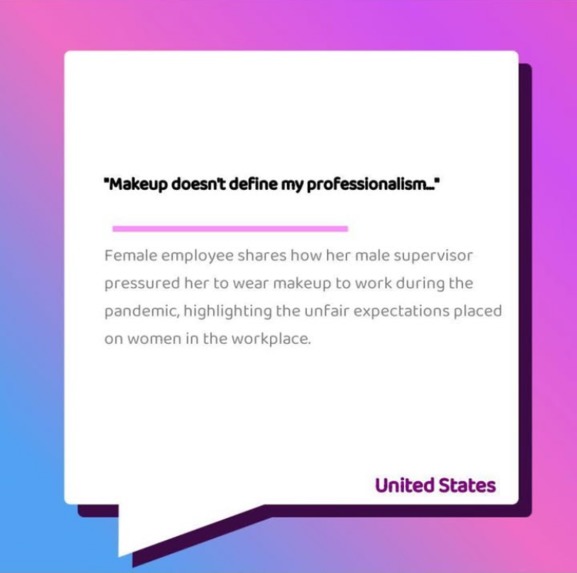
IG Post Example Title
-
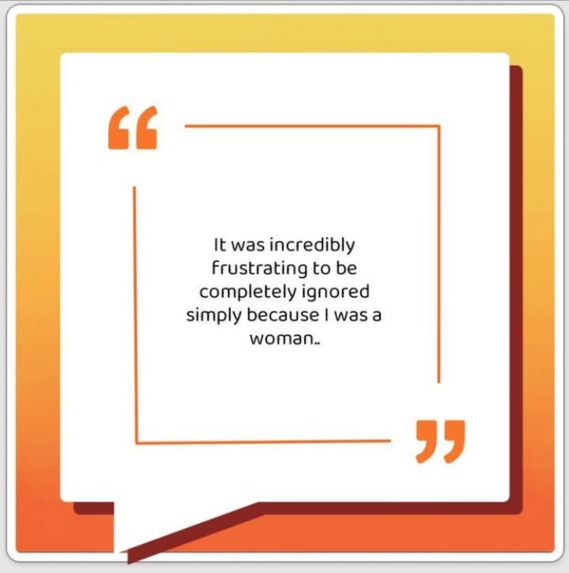
IG Post Example Quote
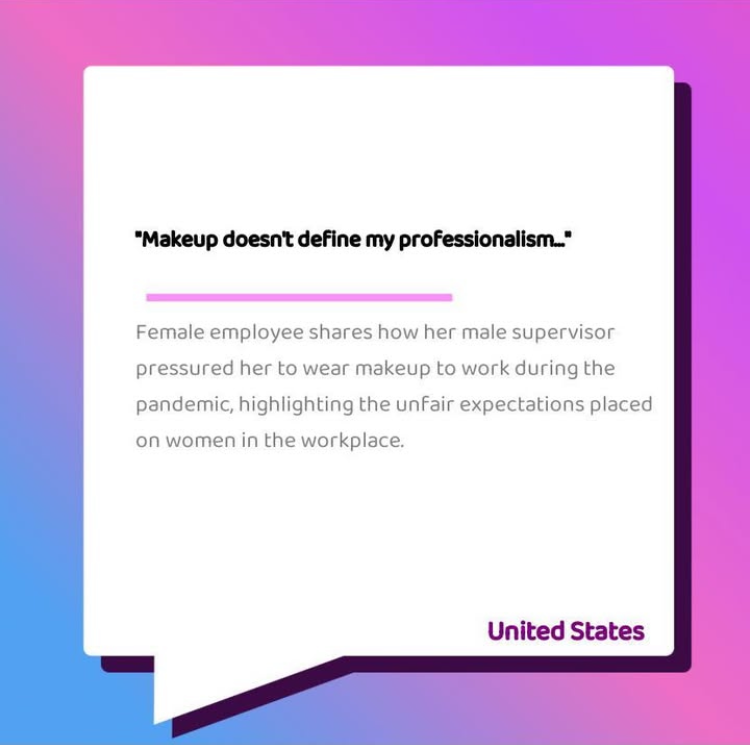
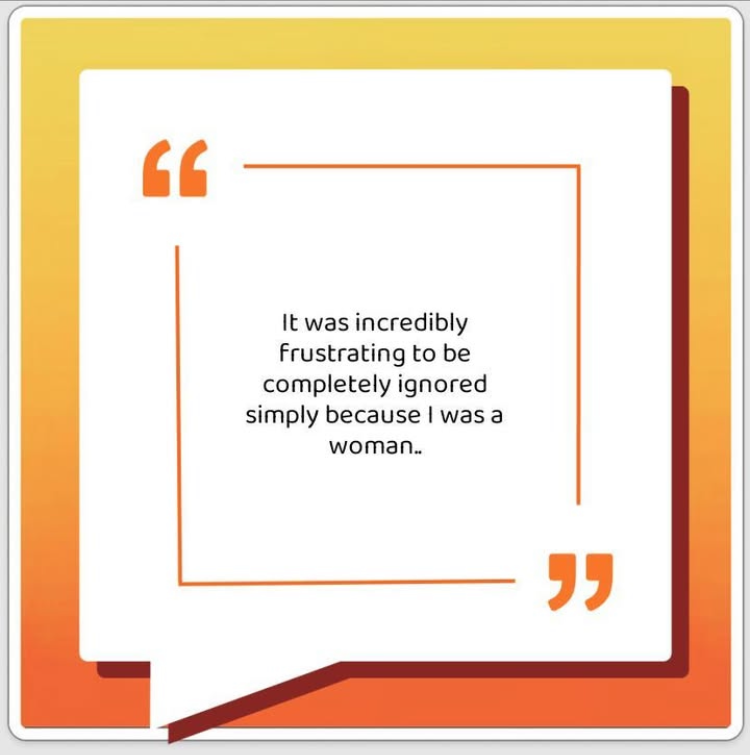
Inspiration:
From the very start, we wanted to give voice to stories far too often concealed within numbers. Scrolling through discouraging world reports of gender injustice and violence during the initial stages of ideation, we realized that cold, hard statistics lack the personal backdrop. We wanted to take policymaking and advocacy to the next level: no more vague hand-waves, but concrete, relevant reform. We wanted to create a space where anonymous stories would shed light on injustices on the personal level—literally "Lumina". We’d make a safe, data-driven space to transform personal truth into a tangible, collective impact. Both of us, having women very close and important to us in our lives, wanted to raise awareness and help create a society where no one has to be afraid of who they are.
What it Does:
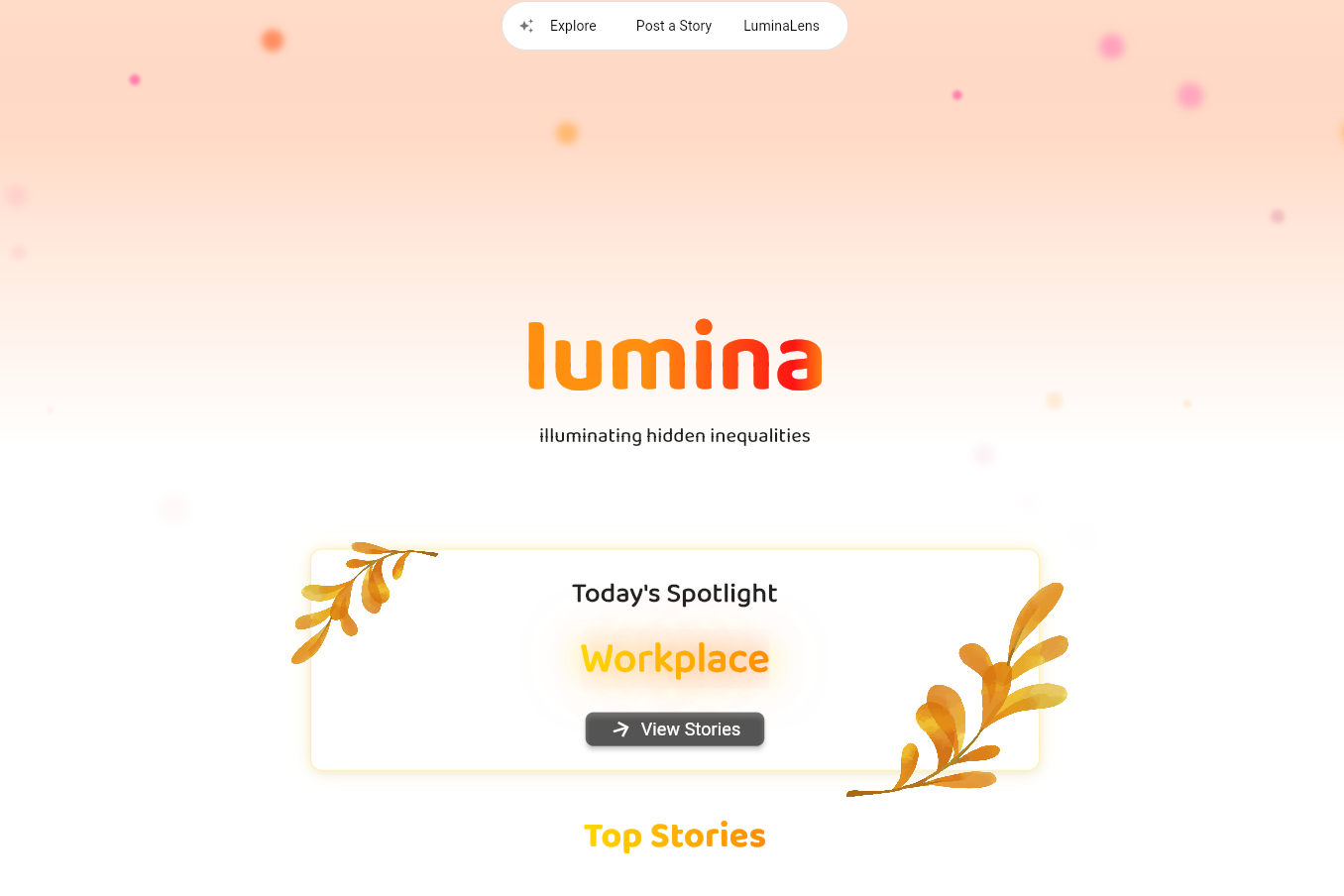
Lumina connects personal experiences to real data to lobby for change that would make a noticeable, immediate difference in the lives of women. Anonymous Forum Users submit and explore real stories—filtered by theme and geography—without revealing identities.
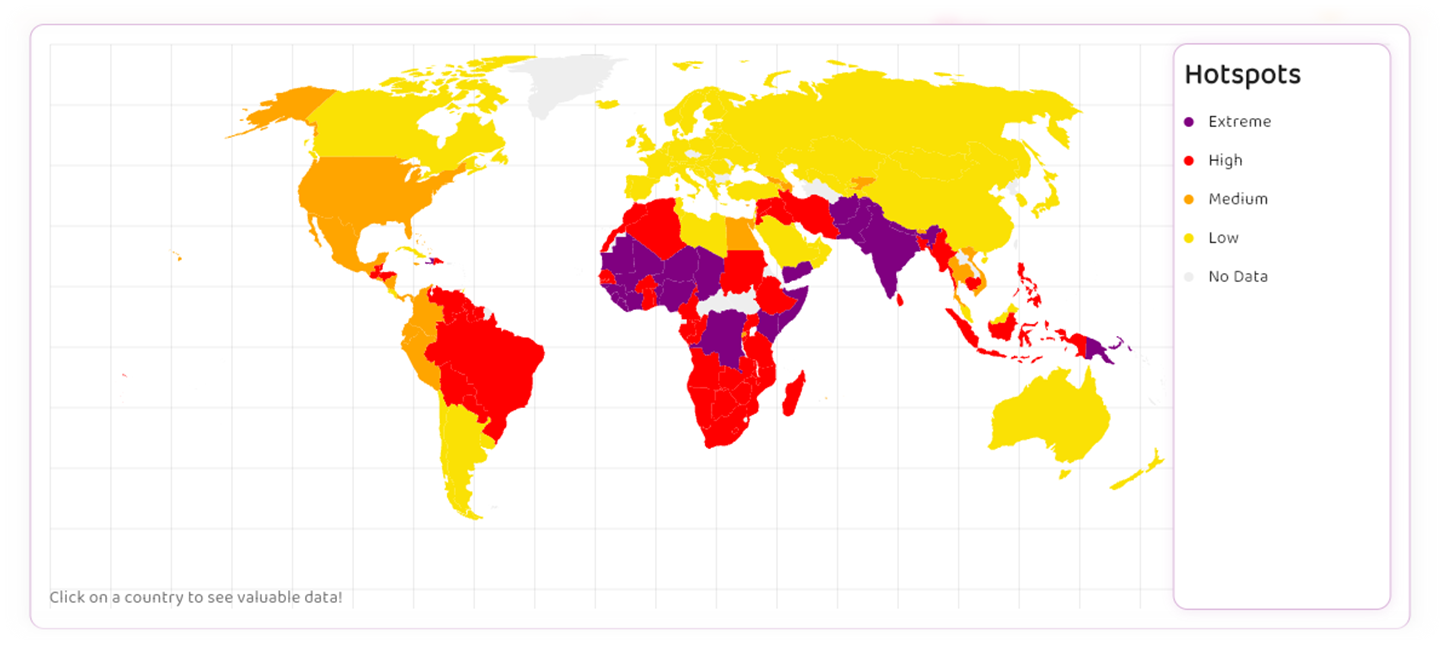
A daily “Spotlight” highlights under-represented topics, driving fresh engagement. Post your own story and amplify its impact by reaching a broader audience through Lumina’s Instagram. Inequality Atlas Interactive world map visualizing Gender Inequality Index scores and narrative density.
Drill-down country pages display metrics (e.g., property rights gaps, violence protections) alongside clustered story excerpts. LuminaLens Policy Simulator Prompt-engineered LLM generates draft National Action Plans tailored to selected countries.
Compares proposals with peer nations and flags priority interventions based on narrative themes.
How We Built It
Front End: Dart in Flutter web app for responsive, performant UI. Back End: Python Flask microservices handling data ingestion, story management, LLM prompts, web scraping, and automated Instagram posting. Firebase Database to manage stories and narratives, and update the Lumina Explore Page. Data Pipelines: Web-scraping personal narratives, UN SDG indicators, World Bank Gender Data, and existing NAP documents.
Clustering NAPs (National Action Plans) of over 112 countries accounting for text / semantic similarity, geopolitical similarity, and accordance with UNSCR 1325’s 4 Pillars: Prevention, Participation, Protection, and Relief / Recovery. AI Integration: Hyperspecific prompt design for an LLM to generate coherent, evidence-based policy drafts. Design: Our goal was to create an accessible and inviting UI that was easy to navigate, so as not to disincentivize users from spreading their message and lobbying for change. The use of soft, uplifting colors was intentional, as we were aiming for a design pattern that elicited emotions of empowerment and personal growth.
Challenges We Ran Into:
Scraping large amounts of data required sophisticated Selenium scripting. Clustering large NAP (National Action Plan) documents required various methods of scraping and visualization (keyword heatmaps, world map plots) to strategically pick the best clusters. Prompt engineering an LLM to produce properly written policies. Building an error-proof full stack - weaving frontend, backend, and cloud infrastructure together.
Accomplishments We Are Proud Of:
Seamless Anonymous Story Sharing: Successfully handled over 1,000 submissions in test deployments without a single privacy incident. Integration with Instagram Carousel Posts: The user can customize a carousel post of their own story to reach a broader audience through Instagram Polished Interactive 2d map: Used an SVG with labeled country vectors, Interactive heat maps with quick render times, even on lower-end devices. Generating realistic NAP drafts with empirical comparisons to other countries in the same cluster/region Effectively improving existing NAPs with concrete legislative proposals that could lead to genuine reform. Building a safe community where sharing stories leads to real impact.
What we learned
How to handle numerous large datasets and incorporate them into an app – whether through the cloud or locally Importance of Data Preprocessing: Rigorous data-cleaning and preprocessing to prepare the data for analysis Advanced Data Analysis: K-means / Agglomerative / HDBScan Clustering, TF-IDF Vectorization, High-dimensional embeddings, Keyword Heatmaps, Topic Modeling Concise Prompt Engineering: Small prompt tweaks that were initially assumed to be inconsequential yielded substantial improvements in policy draft specificity.
User-Centered Design: Early usability tests highlighted the value of visual appeal when creating an app such as this. A lot of thought went into the design, as it mattered more than we expected.
What’s Next for Lumina
Further enhance our Instagram integration so contributors can customize their posts and add more dynamism to the social media aspect. Sharing functionality beyond the Lumina app. Build in support for online petitions, empowering users not only to tell their stories but to mobilize around concrete policy proposals in collaboration with organizations such as Change.org to reach new audiences and eventually make headway into actual bills being passed.


Log in or sign up for Devpost to join the conversation.