-
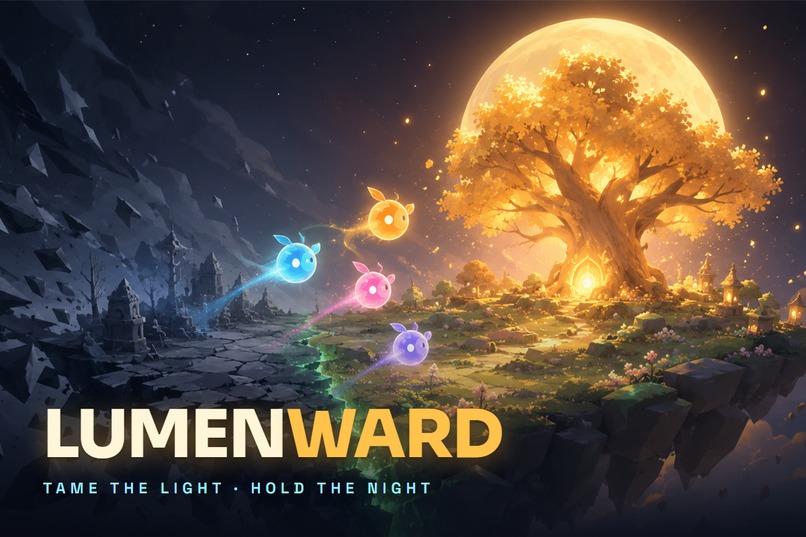
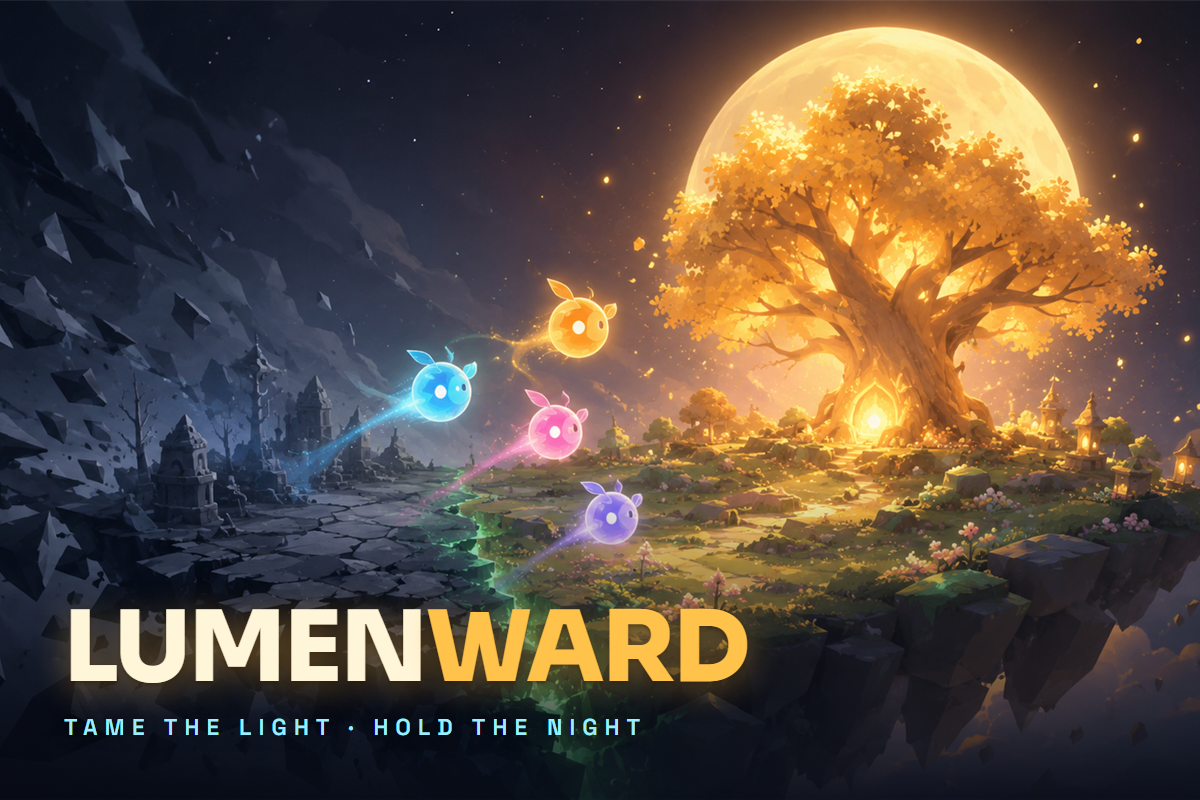
Lumenward — Tame the Light, Hold the Night. The cozy co-op tower defense for Meta Horizon.
-
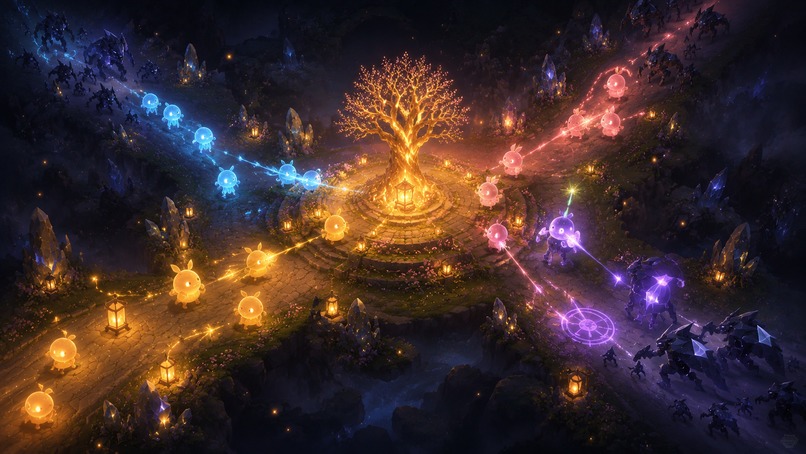
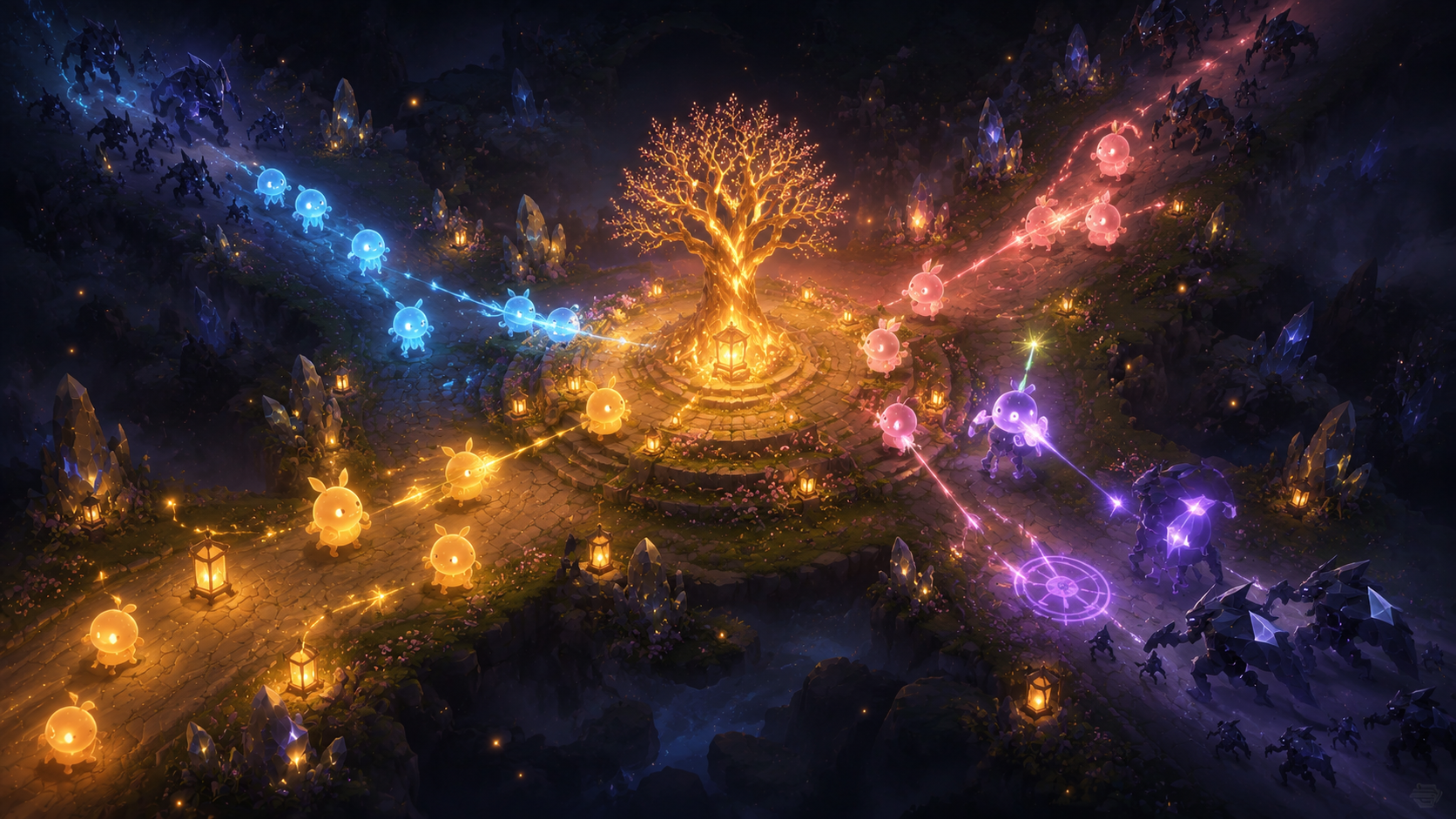
A night siege — glowing Lumens hold three lanes converging on the Hearthlight as the Hollow advances and Resonance ignites.
-
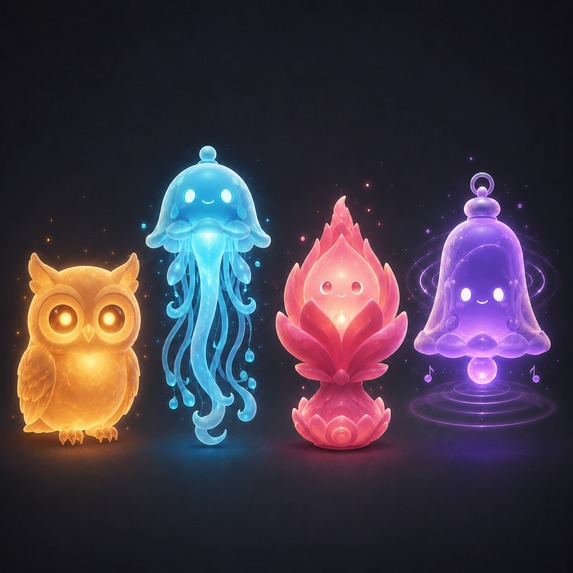
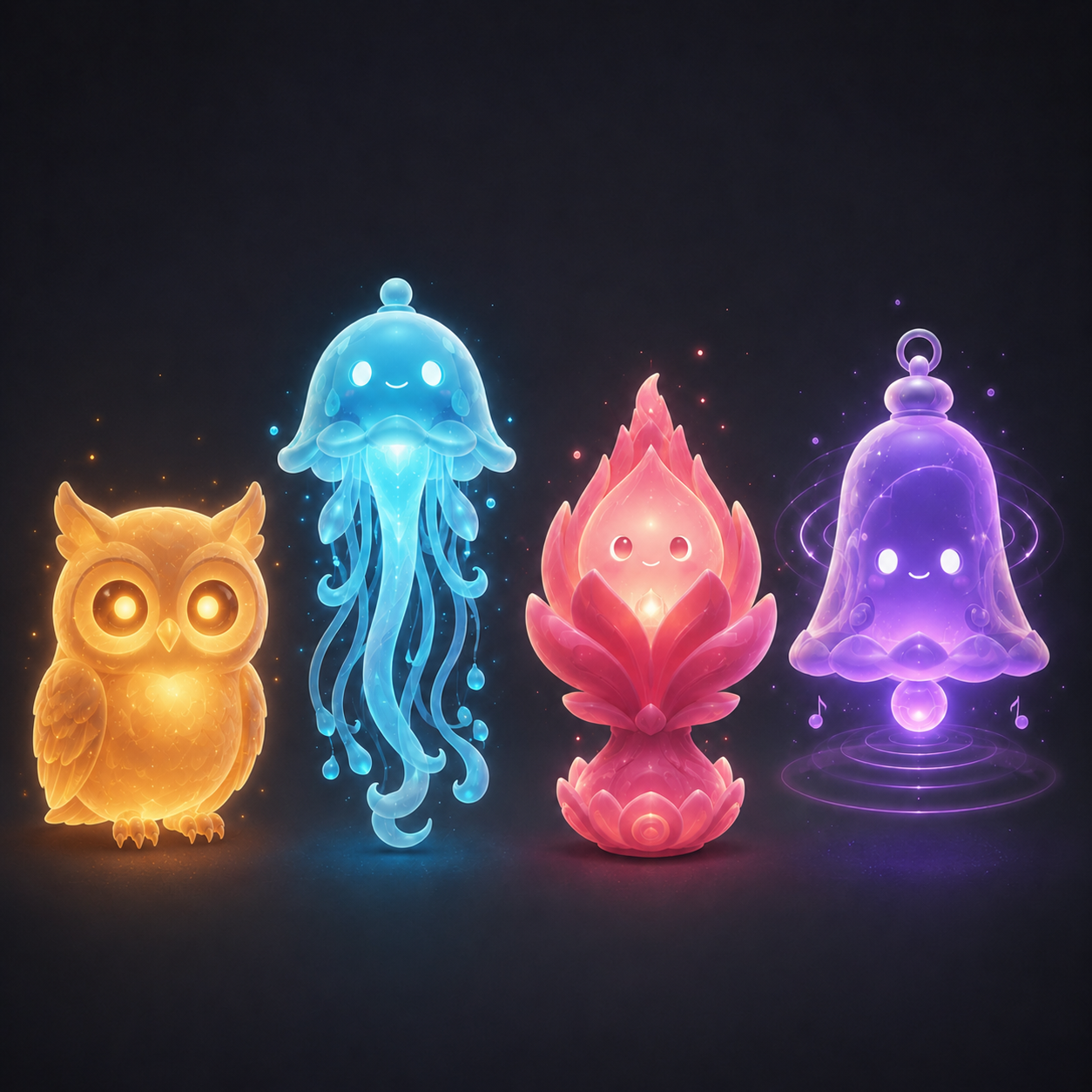
The launch cast — Beacon, Frostwisp, Pyre and Chime: four colors, four shapes, four tactical roles. Creatures first, towers second.
-
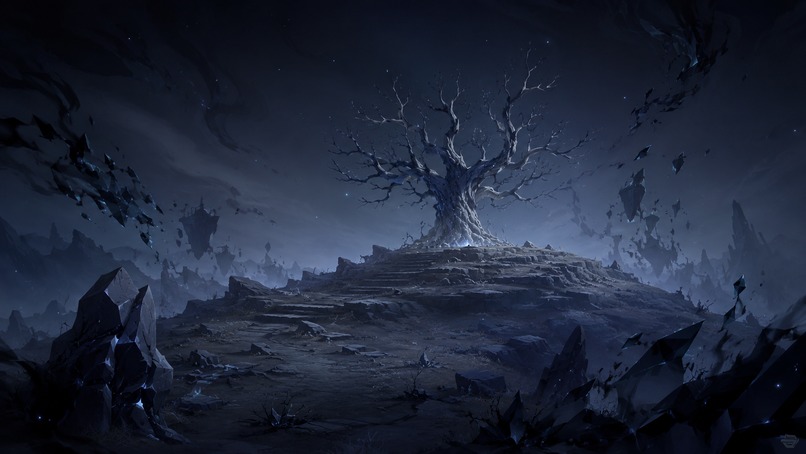
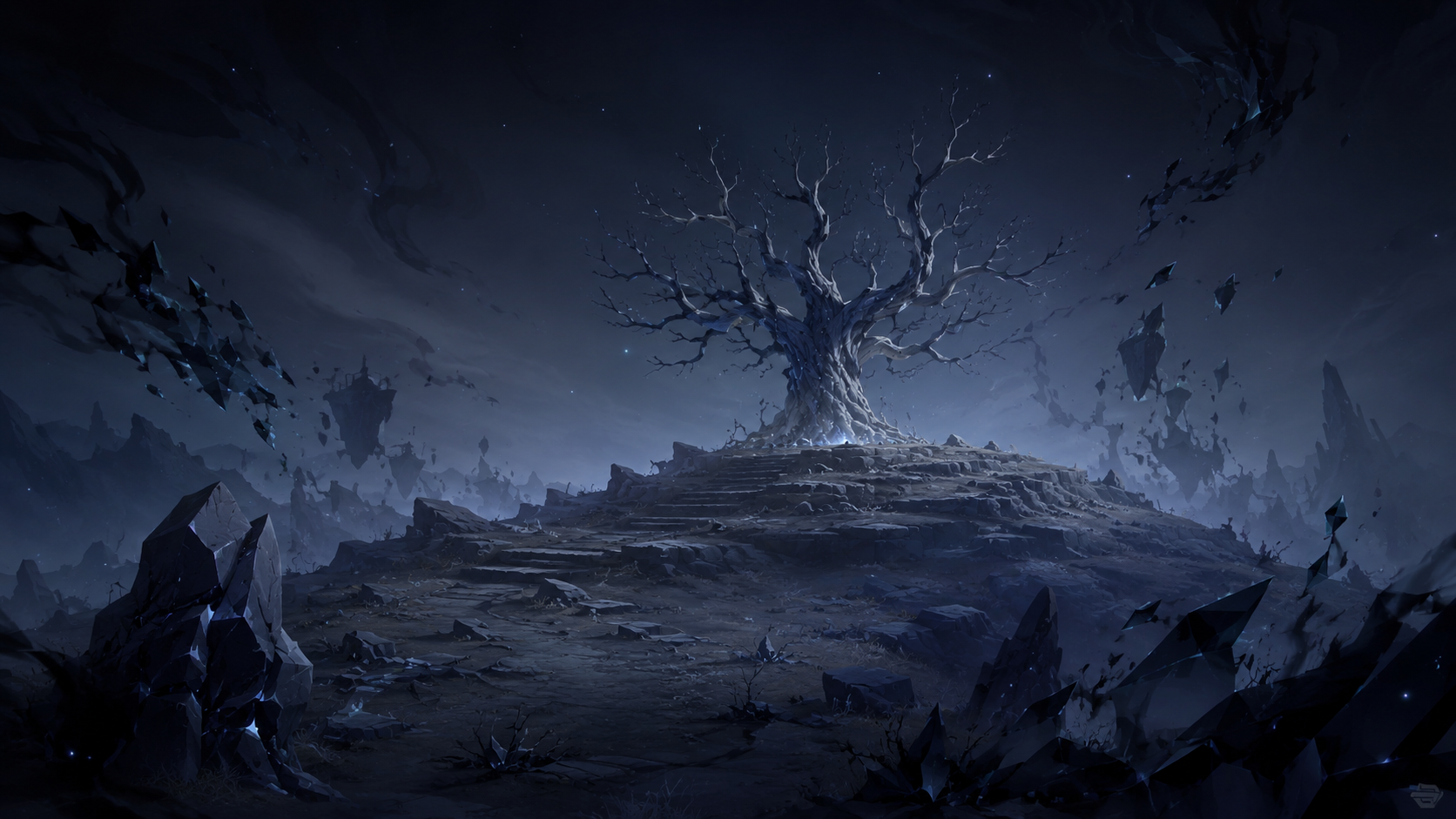
The same Hearth, drained — colorless, dim and fraying at the edges. This is the problem the Bloom meta-loop solves.
-

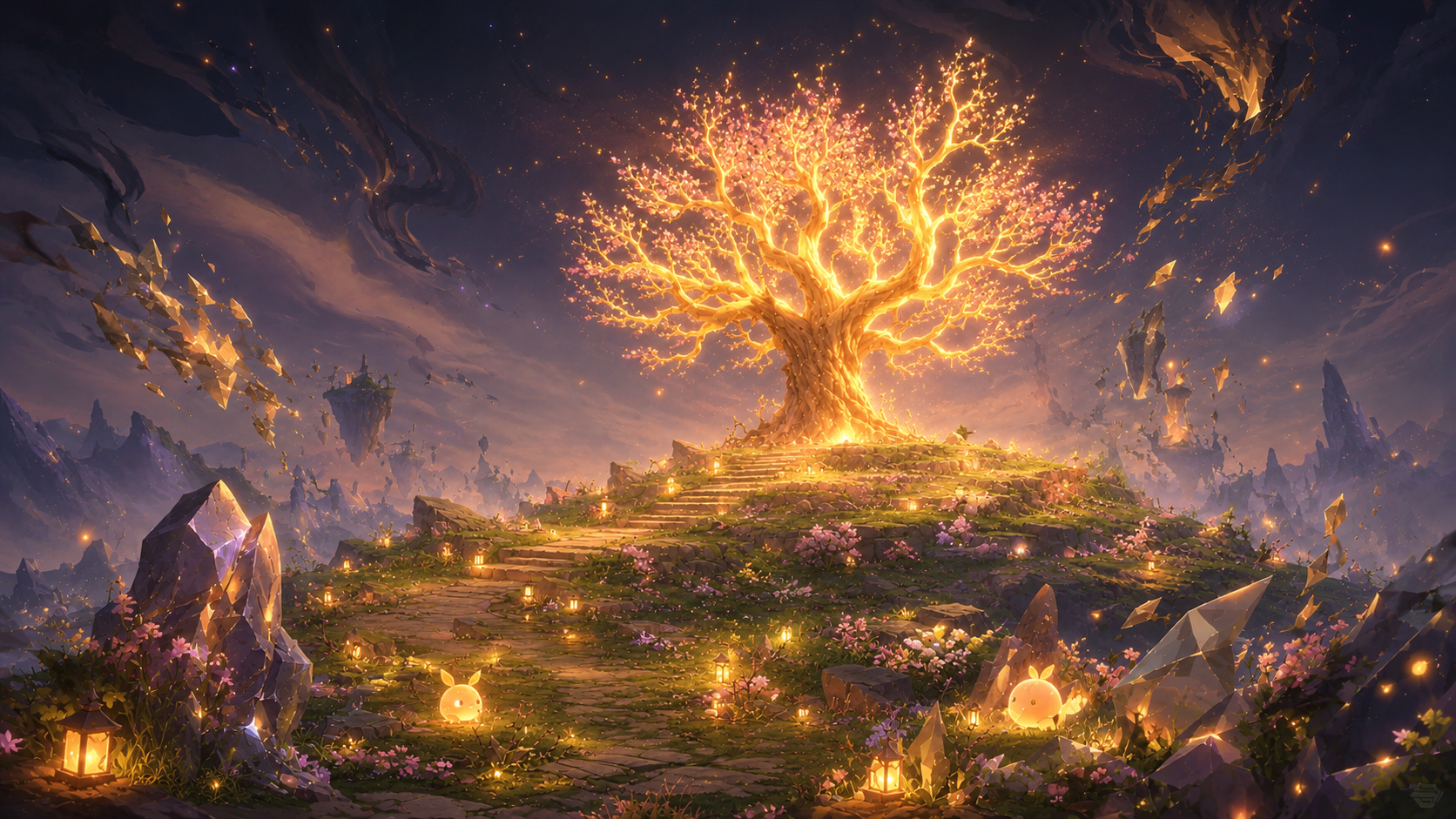
The Hearth in full Bloom — color, warmth and life restored. The reward you rebuild together, one night at a time.
-
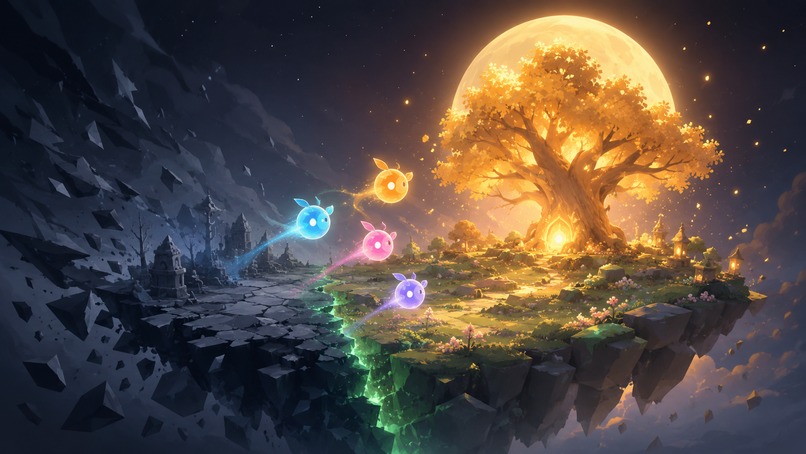
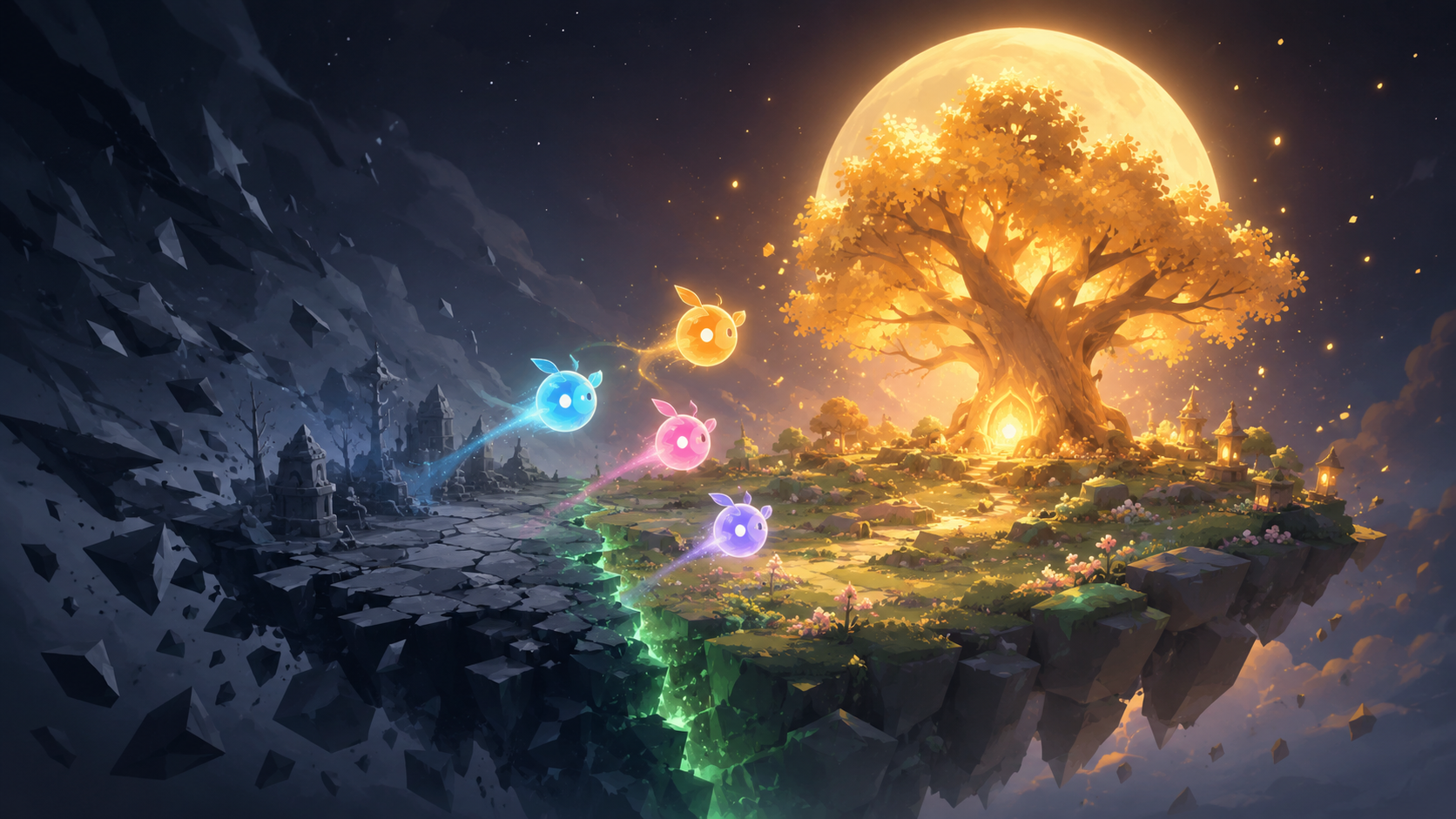
Key art — the front line where the Hollow's colorless tide meets the Hearth's warm Bloom; four Lumens cross to hold the night.
Inspiration
What it does
How we built it
Lumenward is a cozy-yet-thrilling co-op tower defense for Meta Horizon. Two to four friends tame living creatures of light — Lumens — and stand together to defend their shared Hearth from the Hollow, a colorless tide that rises each night to drain the world. Survive the night, and your world blooms back to life.
This submission is a complete pre-production package: a Game Design Document, a Player Journey Map, a 10-page Visual Concept Package, and a Production Plan.
💡 The inspiration
Two kinds of players love Meta Horizon, and almost no game serves them at the same time:
- Cozy-social players (Animal Crossing, Sky, Palia) who want a warm world and friends — but find pure tower defense cold and solitary.
- Tactical players (Kingdom Rush, Bloons TD) who crave depth and mastery — but find cozy games shallow.
The corner where tactical depth meets true social play is essentially empty on mobile. Lumenward was designed to claim that gap, using the one thing Horizon does better than anyone: a built-in social graph.
🌟 The core idea — the Shared Siege
Most tower defense is a grid you watch resolve. Lumenward is a tower defense you play from inside the world, with friends:
- Embodied defense — your Warden runs the Hearth in real time: placing and repositioning Lumens, firing abilities, reviving under pressure.
- Lend a Lumen — pass a creature to an ally's overwhelmed lane mid-fight.
- Resonance combos — place complementary colors at a shared border to trigger chain effects (Azure + Rose = a freezing firestorm).
Coordinated friends measurably outperform four people playing in parallel — that gap is the social magic. And every win restores color: the Bloom meta-loop turns a drained, grey world into a vibrant home you grow, decorate, and return to.
🛠️ How I designed it
I treated this as real pre-production, not just a pitch:
- Pillars first — four design pillars every decision is measured against (Better Together, Warm Tension, Every Choice Visible, A World That Remembers).
- The loop — a tight Dusk → Night → Dawn cycle, short enough for mobile, deep enough to master.
- The strategy layer — four Lumen colors against four Hollow archetypes in a counter-web, so no single roster wins every night.
- The first 15 minutes — an engineered emotional arc (curiosity → mastery → tension → triumph → belonging → anticipation), mapped beat by beat.
- A buildable plan — an MVP vertical slice, risk-first sequencing, a risk register, and KPI targets, all on Horizon's real toolset.
The documents were authored as styled HTML/CSS and rendered to PDF; the concept imagery was generated with AI as pre-production art direction (disclosed in the Visual Concept Package).
📚 What I learned
- Co-op has to be a mechanic, not a mode. It only works if cooperation is mechanically rewarded (lend + Resonance), not merely allowed.
- On mobile, readability is design. Strong silhouettes, glowing telegraphs, and color-as-strategy let a player read the whole board at a glance on a phone.
- Tension and warmth are a loop, not a contradiction. Stress at night, relief at dawn — that rhythm is what makes players say "one more night."
- Visuals must serve gameplay. "A world drained of color that you restore through play" is both the art thesis and the progression system.
🧗 Challenges
- Making co-op genuinely better than solo without punishing solo players — solved with lend/Resonance payoffs and smart auto-allies.
- Staying cozy and strategic — the counter-web and escalating Hollow keep real tactical pressure inside a warm, hopeful world.
- Mobile-first constraints — one-hand controls, a quiet HUD, and a "glow over texture" art style chosen for a tight performance budget.
- The riskiest unknown — synchronous netcode — the plan front-loads a netcode spike in week one and starts at two players before scaling to four.
🎯 Why it fits Meta Horizon
Synchronous, social, mobile-first, and buildable by a small team on the Desktop Editor with TypeScript. Monetization is cosmetic-only — no pay-to-win, ever. Lumenward is the cozy strategy game you finally get to play with your friends — and a world worth protecting, one night at a time.
Challenges we ran into
Accomplishments that we're proud of
What we learned
What's next for Lumenward — Tame the Light, Hold the Night
Built With
- chatgpt
- css
- desktop-editor
- html
- meta-horizon-engine
- meta-horizon-worlds
- typescript


Log in or sign up for Devpost to join the conversation.