-
-
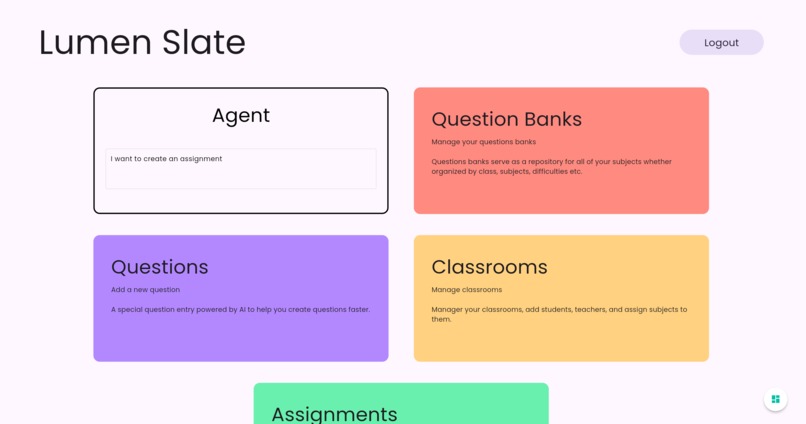
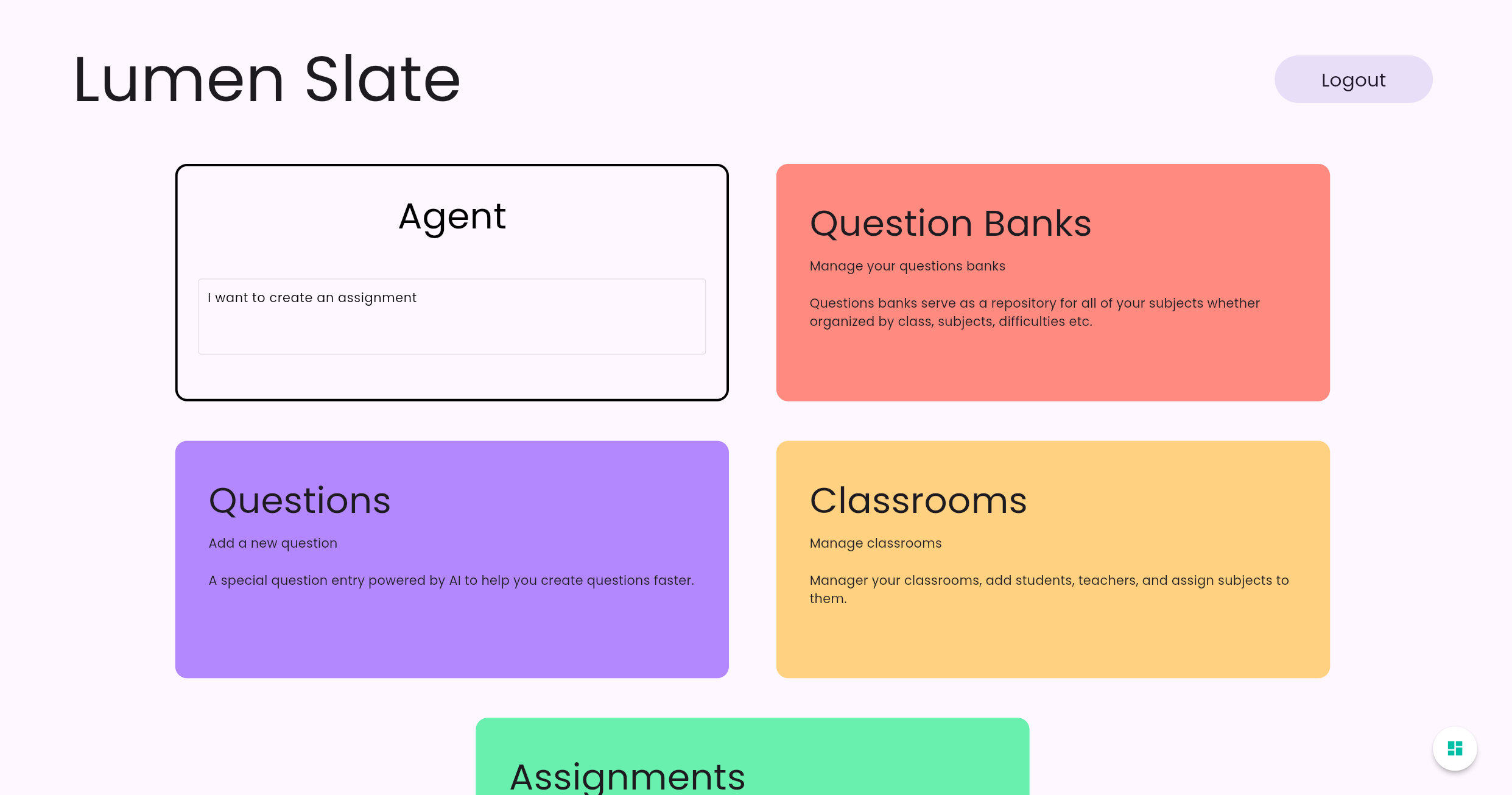
Dashboard
-
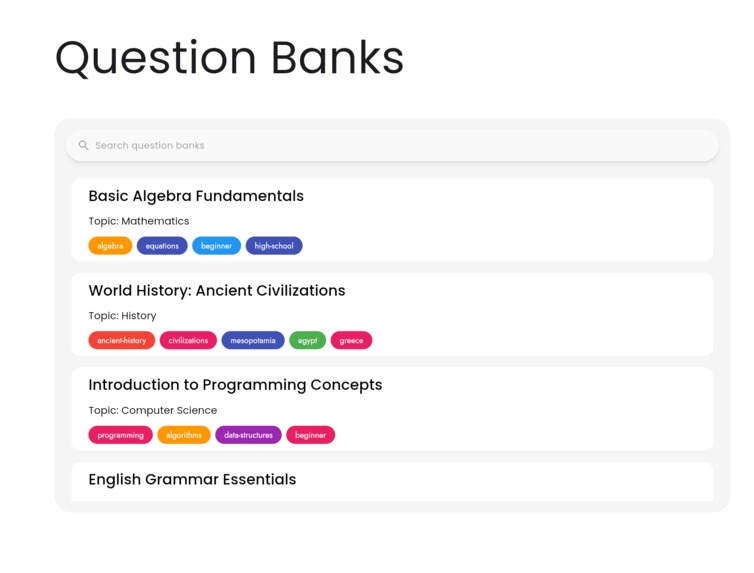
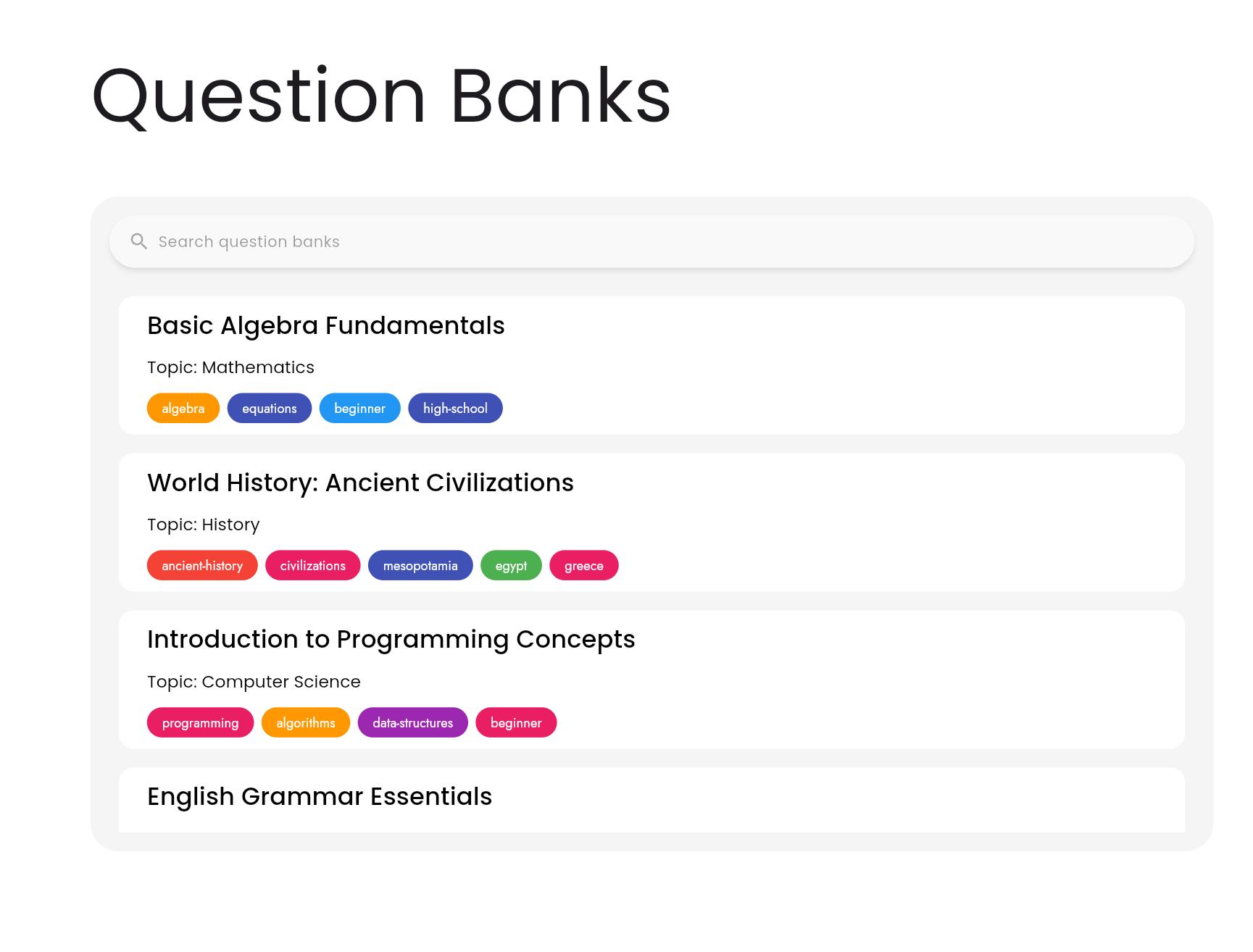
Question banks
-
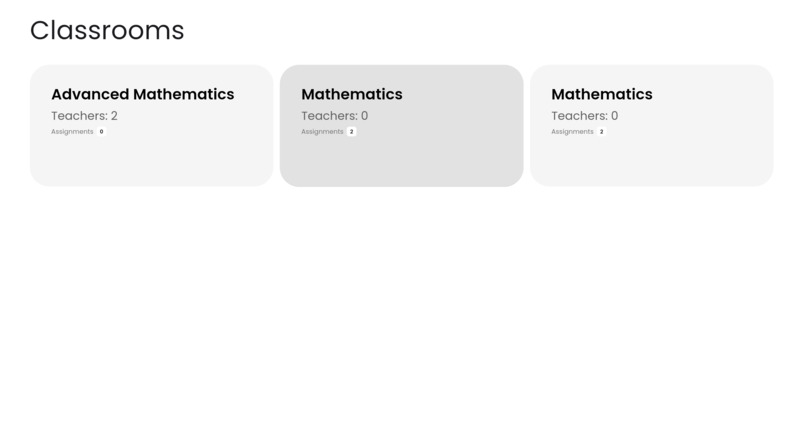
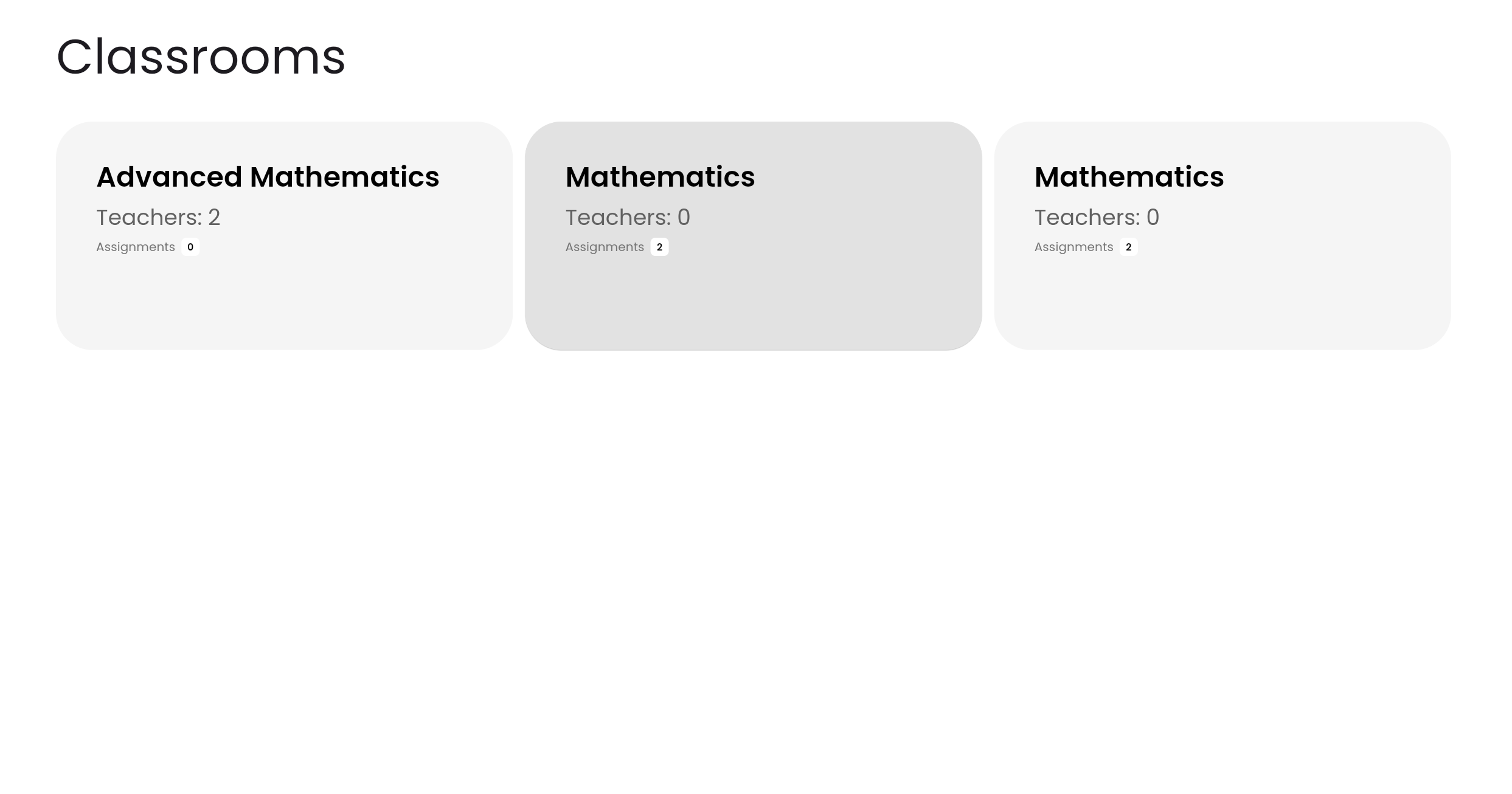
Classroom Page
-
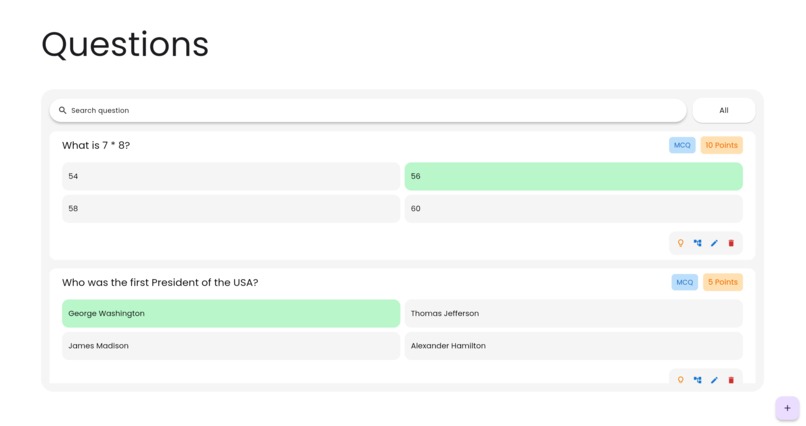
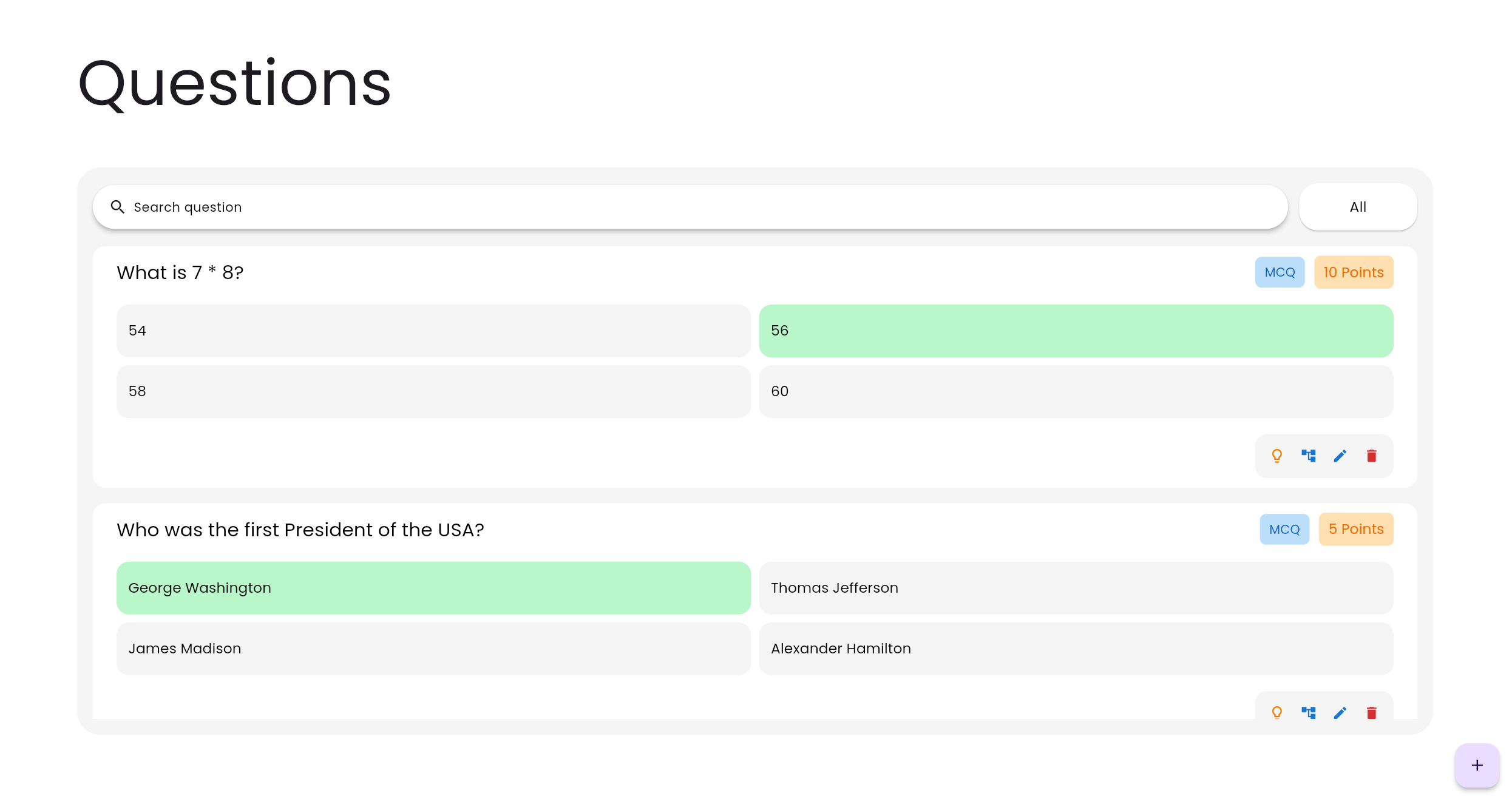
Question page
-
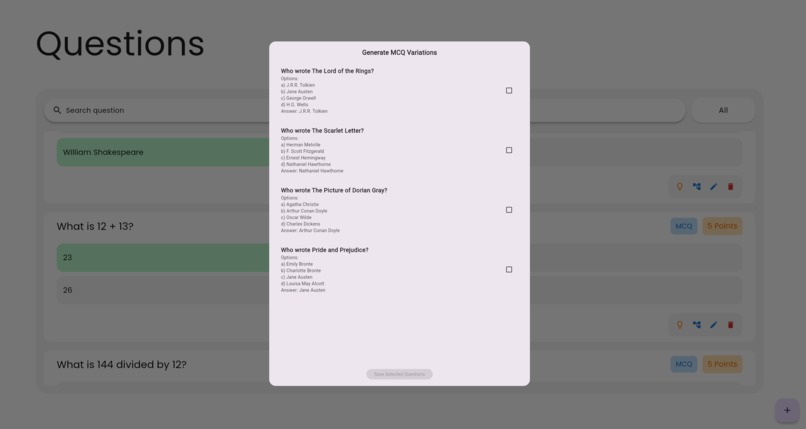
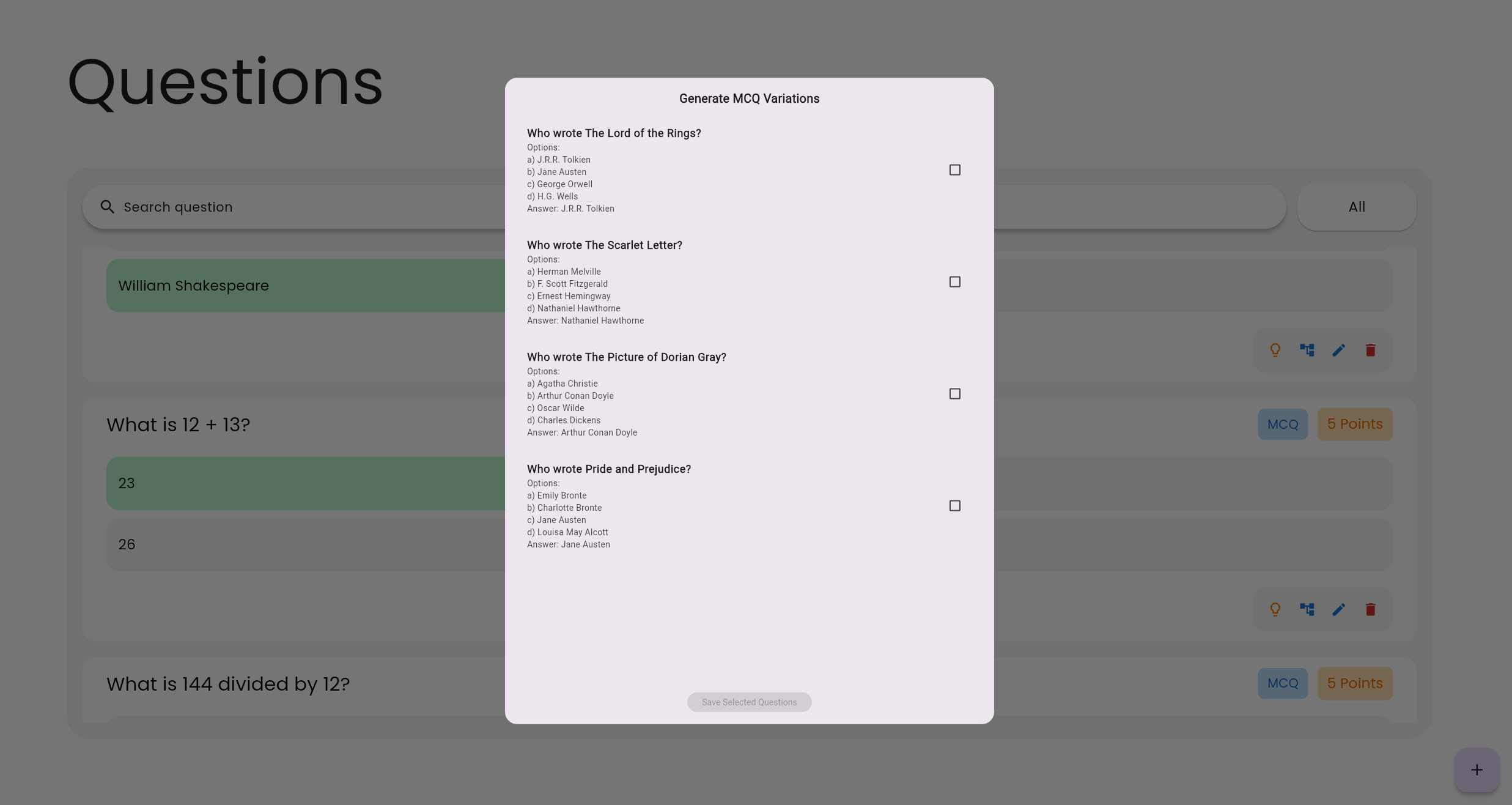
Variation Generator
-
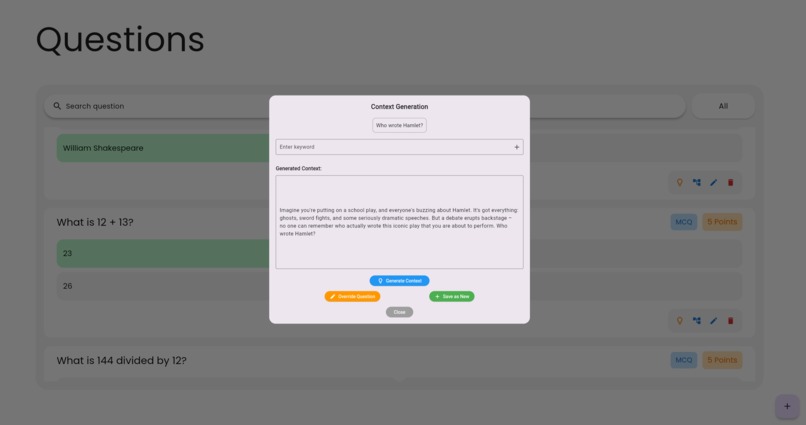
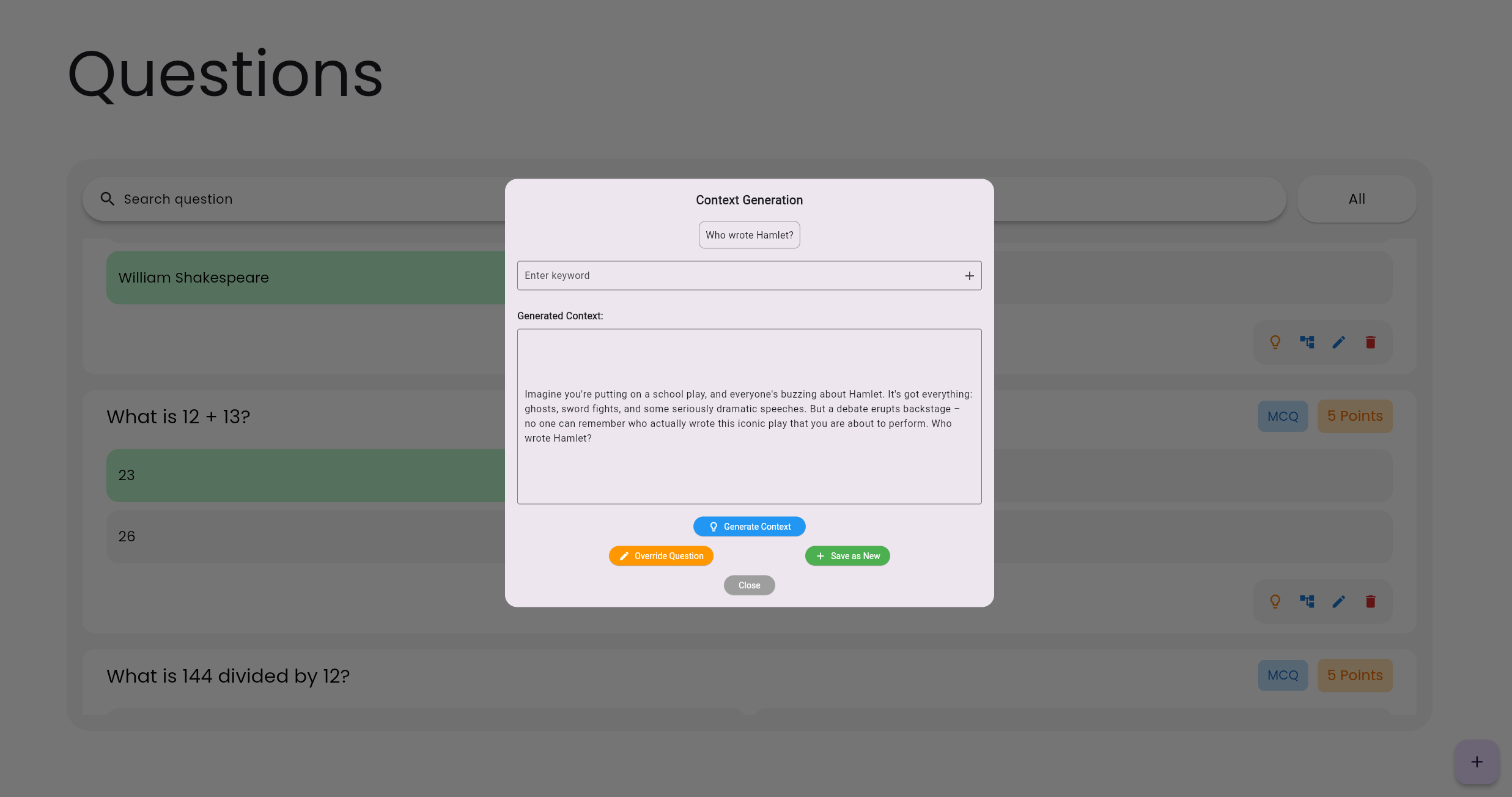
Context Generation
Inspiration
We were inspired by the challenges faced by teachers in environments with high student-teacher ratios, particularly in government and budget private schools. Teachers are overburdened with grading and providing individual feedback, leaving little time for mentorship. We wanted to create a solution that empowers educators while ensuring students receive the personalized attention they deserve. Our goal aligns with UN Sustainable Development Goal 4: ensuring inclusive and equitable quality education and promoting lifelong learning opportunities for all.
What it does
Lumen Slate is an AI-powered teaching assistant designed to ease the administrative load on educators while delivering a more personalized learning experience for students. It automates assessing students across all question types (MCQ, MSQ, NAT, and subjective), generates tailored feedback for each student, and produces unique question variations to aid practice and reduce plagiarism. The platform can re-contextualize questions with the help of stories and narratives, segment a large question into smaller chunks, create customized assignments for individual students based on their abilities, and even produce comprehensive report cards based on the performance of individual subject performances.
How we built it
We built Lumen Slate using a web-based architecture with Gen-AI tools like Gemini and Vertex AI. The backend is powered by AI microservices, Google Cloud Services, and MongoDB for data storage. We implemented speech-to-text APIs for voice-based submissions and designed the frontend to allow teachers to generate assignments and manage assessments easily. The MVP includes dashboards for assignments, question banks, and topic-wise reports. We have a main Golang based backend and a gRPC aided fastapi microservice. Our frontend is built on Flutter for web, android and iOS compatibility.
Challenges we ran into
We faced challenges in balancing AI automation with meaningful educational outcomes. Ensuring that AI-generated feedback was constructive and personalized rather than generic was a complex task. Additionally, integrating multimodal submissions (text, voice, document) while maintaining accessibility and usability required careful design and testing. We also faced a lot of deployment-related issues, both for the Go-based backend and the gRPC aided, AI and Google ADK powered microservice.
Accomplishments that we're proud of
We are proud of creating a solution that meaningfully reduces teacher workload while enhancing student learning experiences. Our AI-driven personalization, ability to generate unique questions, and progress reporting are standout features that differentiate Lumen Slate from existing platforms like Google Classroom or Moodle.
What we learned
Through this project, we learned how to apply Gen-AI and scalable cloud technologies to solve real-world educational challenges. We gained experience in building AI microservices, integrating multimodal inputs, optimizing an agentic workflow and designing user interfaces that balance functionality with accessibility for educators and students alike.
What's next for Lumen Slate
In the next phase, we plan to enhance the answering interface and introduce a RAG powered curriculum based question bank generator. We aim to improve our AI-powered progress reports further and expand language support to reach more diverse teacher populations.
Built With
- android
- dart-backend:-golang
- docker-platforms:-web
- frontend:-flutter
- gemini
- google-adk
- google-cloud
- grpc
- ios-ai-microservice:-fastapi
- mongodb

Log in or sign up for Devpost to join the conversation.