-
-
logo
-
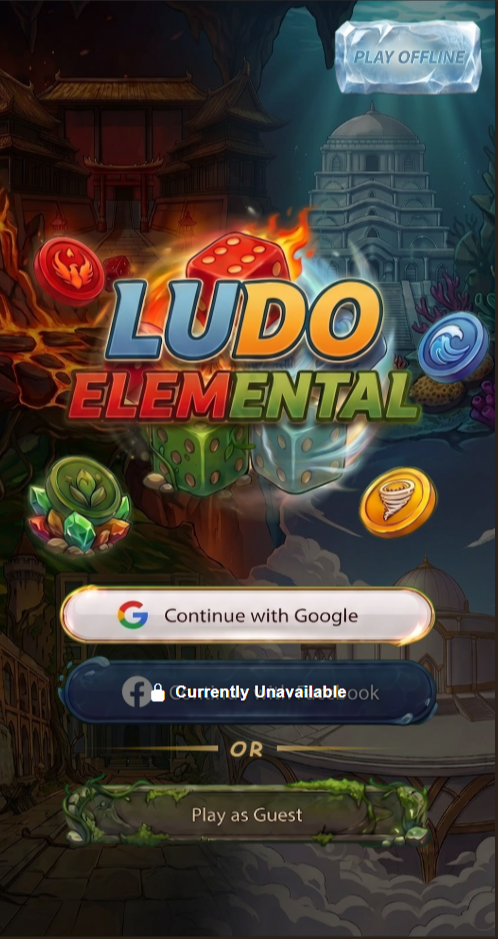
authorization page
-
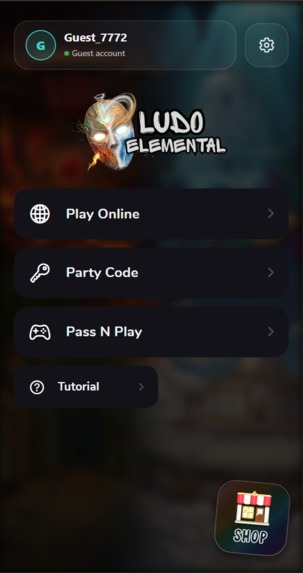
home page
-
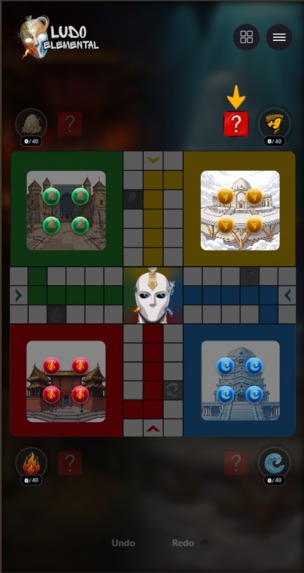
in game
-
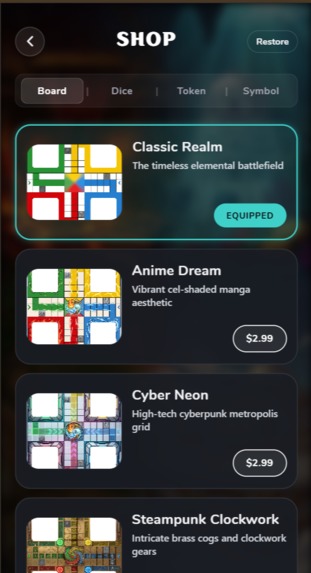
shop
-
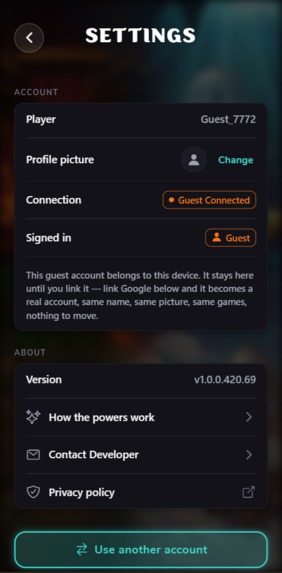
settings
-
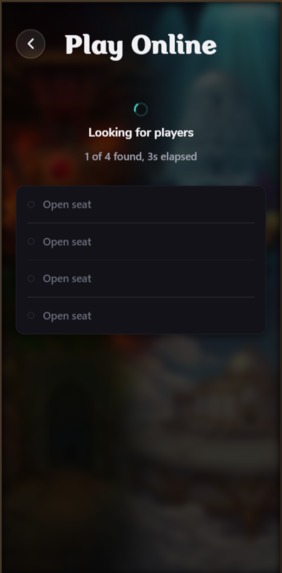
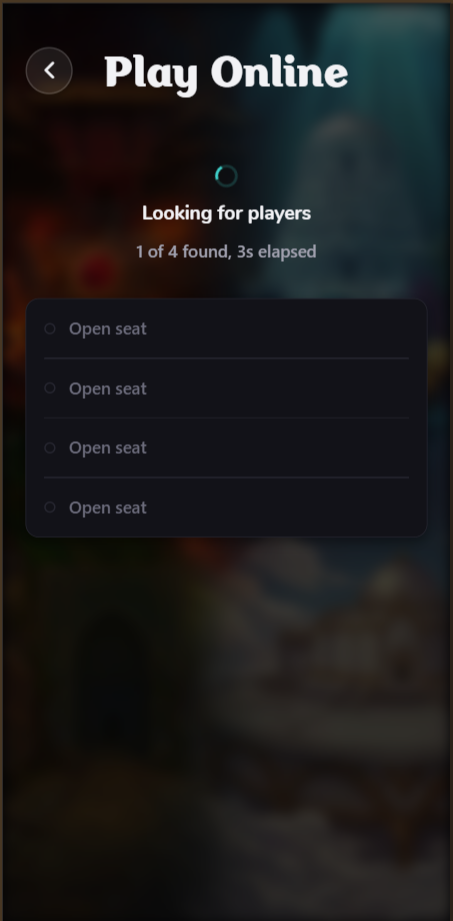
online matchmaking
-
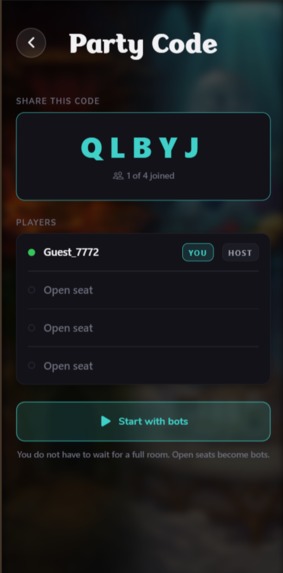
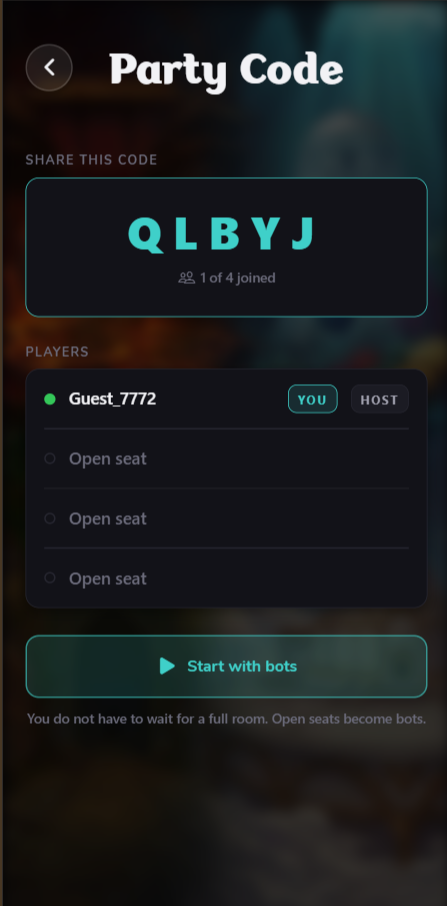
party code
-
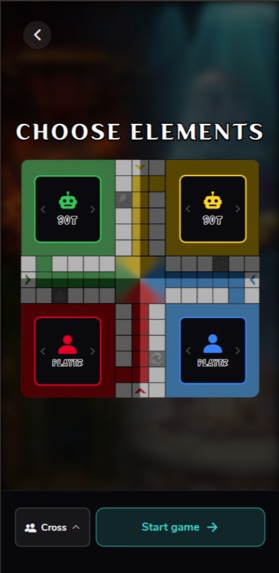
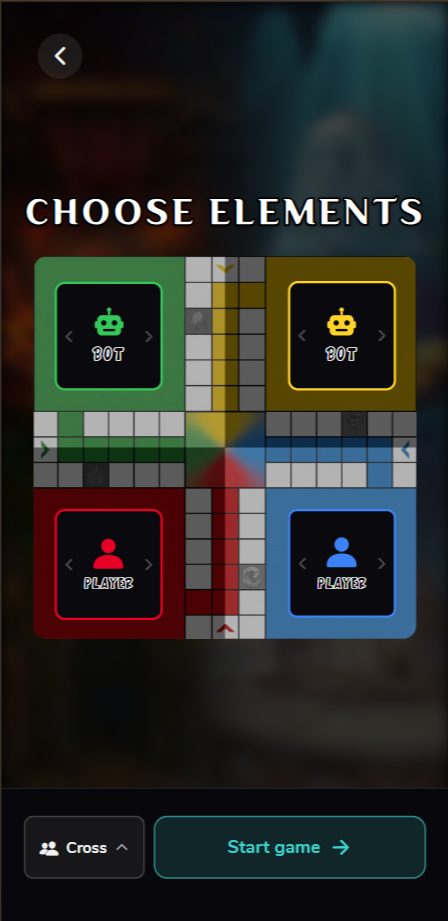
team selection
-
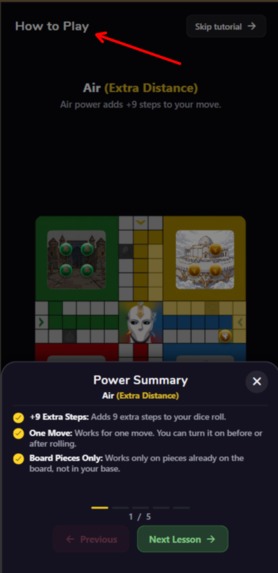
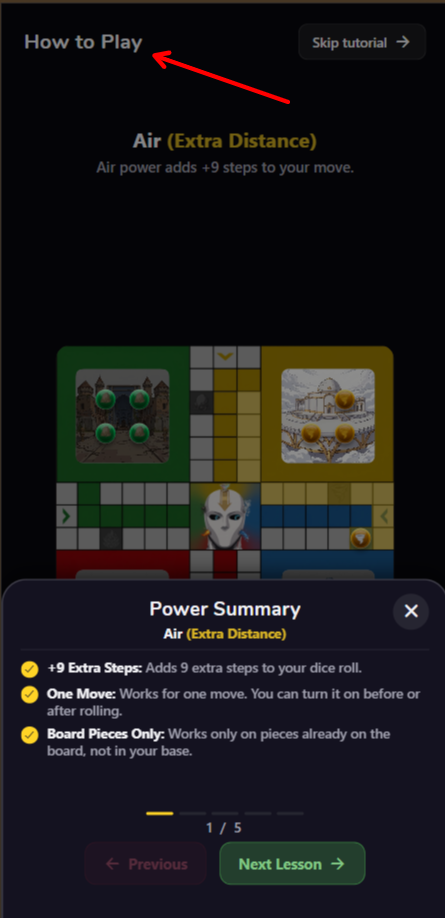
tutorial
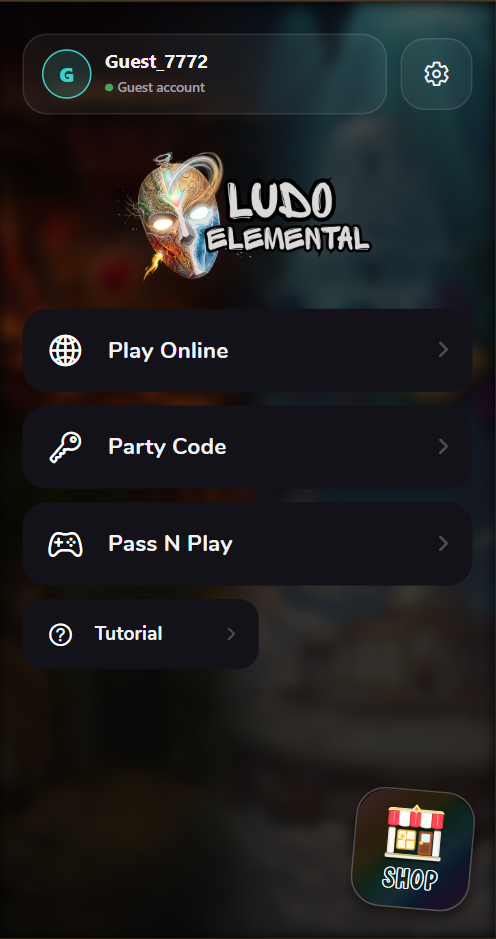
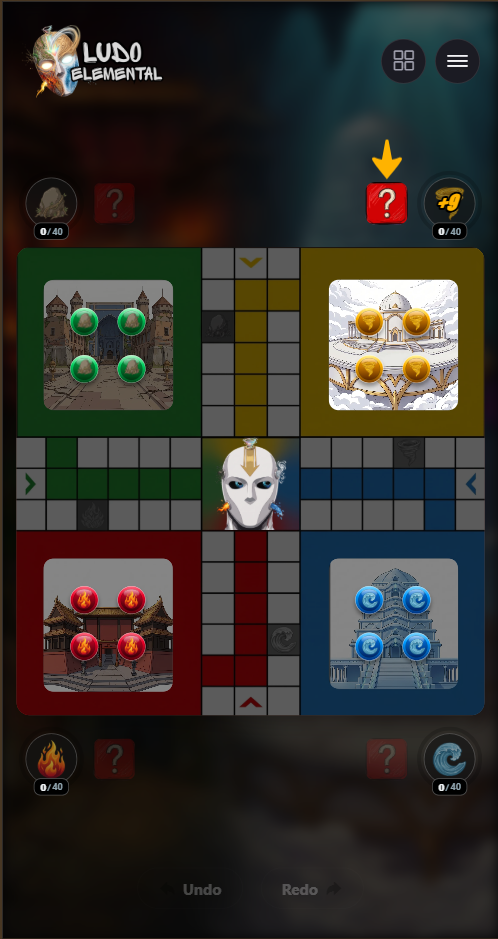
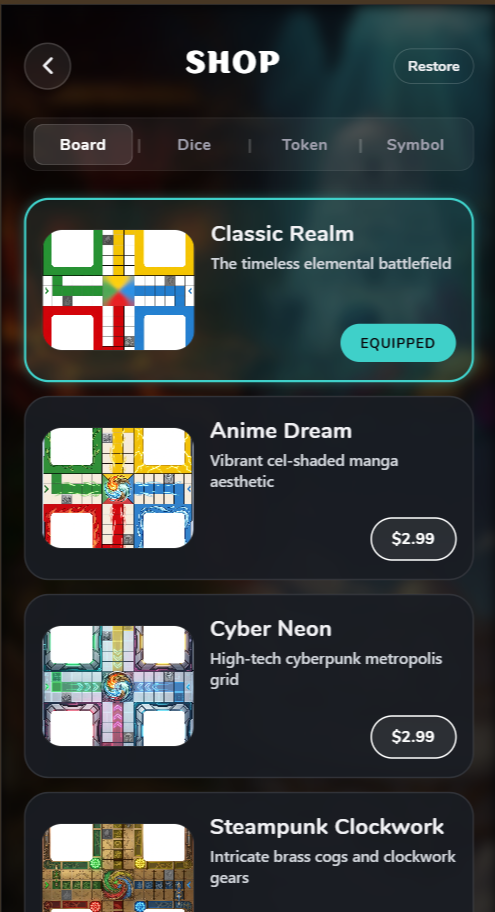
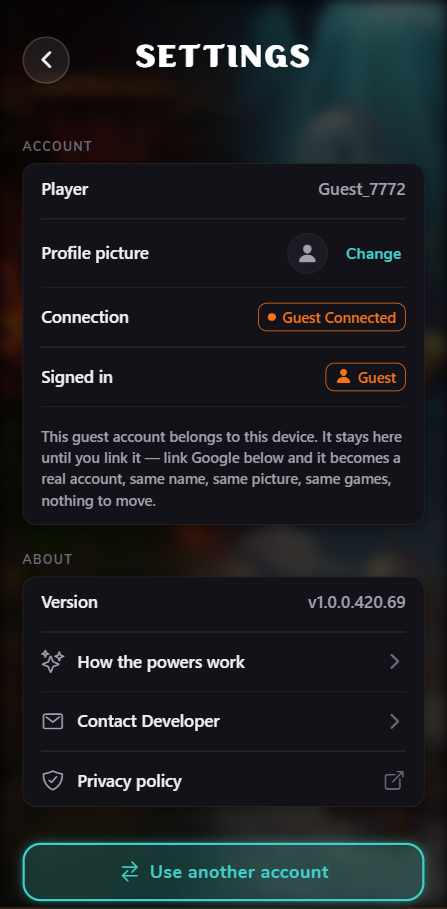
Text description
Ludo Elemental takes the board game almost everyone has played and gives each colour an elemental power: Fire burns a path through enemies, Water freezes tokens into traps, Earth walls off the road, and Air gusts nine extra steps. Every power charges as you play, so each turn asks a question classic Ludo never did — use it now, or wait?
The four elements are a straight nod to Avatar: The Last Airbender. The show also gives each element a second, rarer form — waterbenders who bend blood, firebenders who throw lightning, earthbenders who bend metal. We looked at giving each colour a second power the same way, and cut it: a 4-player board where everyone has two abilities each turn stops being Ludo and starts being a different, much longer game. So one power per colour stayed, and the balancing lever became something else entirely — a charge meter. Every power costs 40 points to fire, and once one of your tokens gets all the way home, that cost drops to 30. Progress makes you stronger; it does not hand you a second ability.
What it does
- Four elemental powers with their own timing rules, animations and counters (Ice is immune to Fire; walls shove sheltered tokens)
- Pass N Play with any mix of friends and computer players, online matchmaking, and private Party Code rooms
- Host-authoritative online play: one device runs the rules, others send moves, so nobody can cheat by editing their client, and a dropped player can rejoin
- A guided tutorial with Stymite, the game's mascot, that teaches every power in play
How it makes money — RevenueCat
The shop sells premium game boards as one-time, non-consumable Google Play products, powered by the RevenueCat SDK (react-native-purchases):
- Ownership comes only from RevenueCat's
CustomerInfo, never from local storage, so unlocks cannot be faked - Prices are fetched from the store and shown in the player's own currency
- Purchases are tied to the player's account with
Purchases.logIn, so a board bought on one phone is there on the next; Restore brings everything back after a reinstall - An item is owned if its product was bought or an entitlement of the same name is active, so a bundle can be launched from the RevenueCat dashboard with no app update
- Everything sold is cosmetic. Nothing is pay-to-win, and there are no ads
How we built it Expo SDK 57 and React Native 0.86 with Reanimated 4 for animation; Supabase Auth and Realtime for accounts and multiplayer; RevenueCat for purchases. The rules engine is plain JavaScript with no UI imports, so every power, turn rule and online authority check runs in Node test suites before a build ever happens.
Challenges Shipping an Android-only game without an Android device: every release is checked with custom scripts that catch the crashes that only happen on a phone (worklets calling plain functions, non-boolean native props, styles web accepts and Android does not), plus an in-app crash screen.
What's next Dice sets, coin bezels and crest symbols in the shop (the tabs are already there), a discounted all-boards bundle, and ranked online seasons.
Built With
- expo.io
- react-native
- reanimated
- revenuecat
- supabase

Log in or sign up for Devpost to join the conversation.