Inspiration
ebatte is an eco-friendly battery product and platform company that uses recyclable batteries based on WATMAR³ technology. Through the introduction of other partners, we realized that NEAR is an user-friendly web3 platform. ebatte hopes that through NEAR Protocol, we can promote the trustworthy recycling of battery products thus comprehensively solving the problem of battery pollution.
This project was originally inspired by the problem of battery pollution. In this decade, lithium-ion batteries have dramatically reduced the use of polluting substances. However, users rarely actively recycle batteries and provide information about them. As a result, the recycling process is limited by this, and recycling factories often have to dispose of used batteries by incineration, where the toxic substances in the battery binder decompose at high temperatures, causing air and land pollution. ebatte would utilize this project to facilitate the credible flow of information on battery production and use throughout the industry chain.
What it does
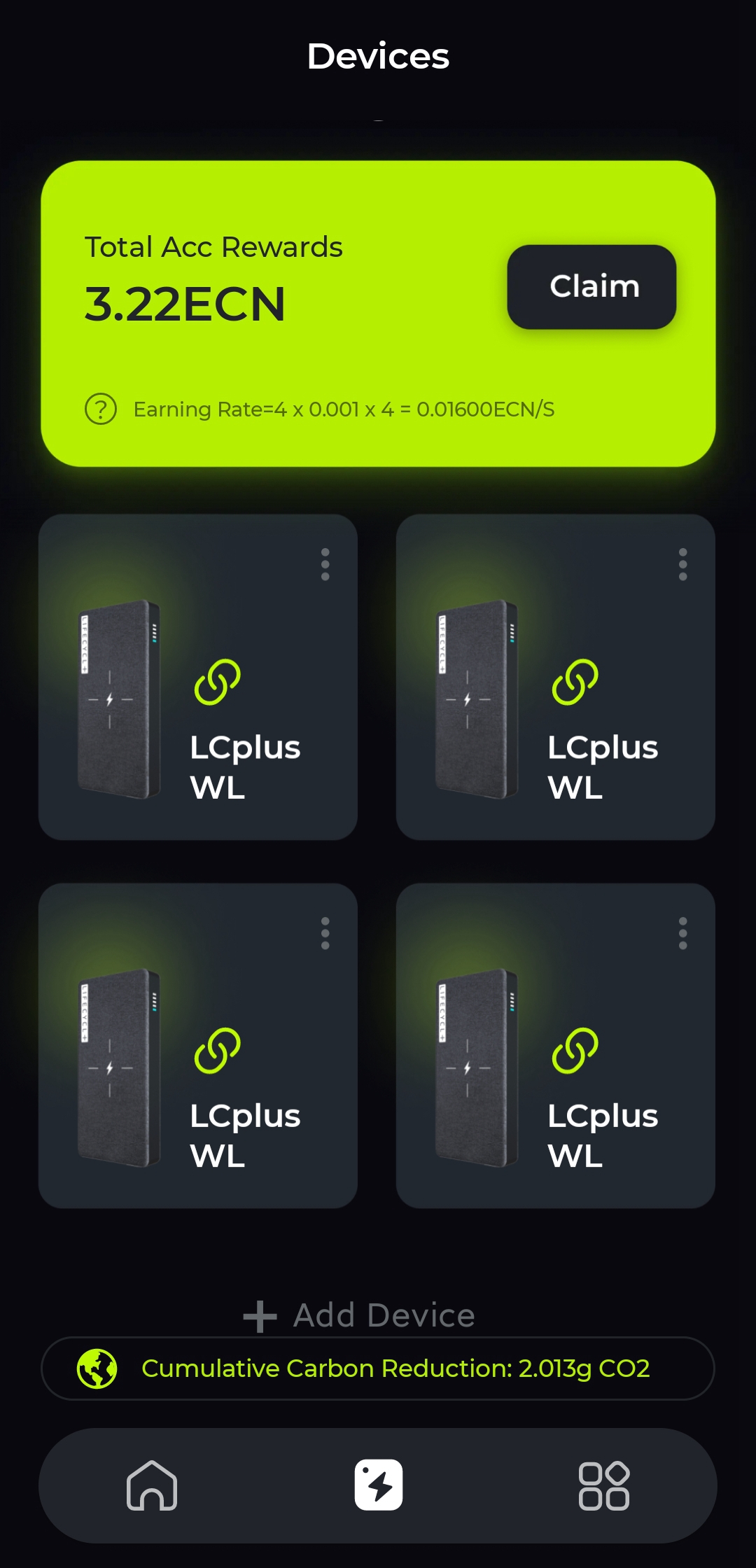
Our initial product, the ebatte app, aims to promote users to upload battery usage information and actively participate in battery recycling through a token incentive on NEAR Protocol. To achieve this, the ebatte app implements the following two basic functions.
- ed25519 asymmetric encryption-based trusted battery information management system.
ebatte builds a trusted battery information management system based on ed25519 asymmetric encryption, which encrypts and verifies the user's battery usage information through NEAR protocol.
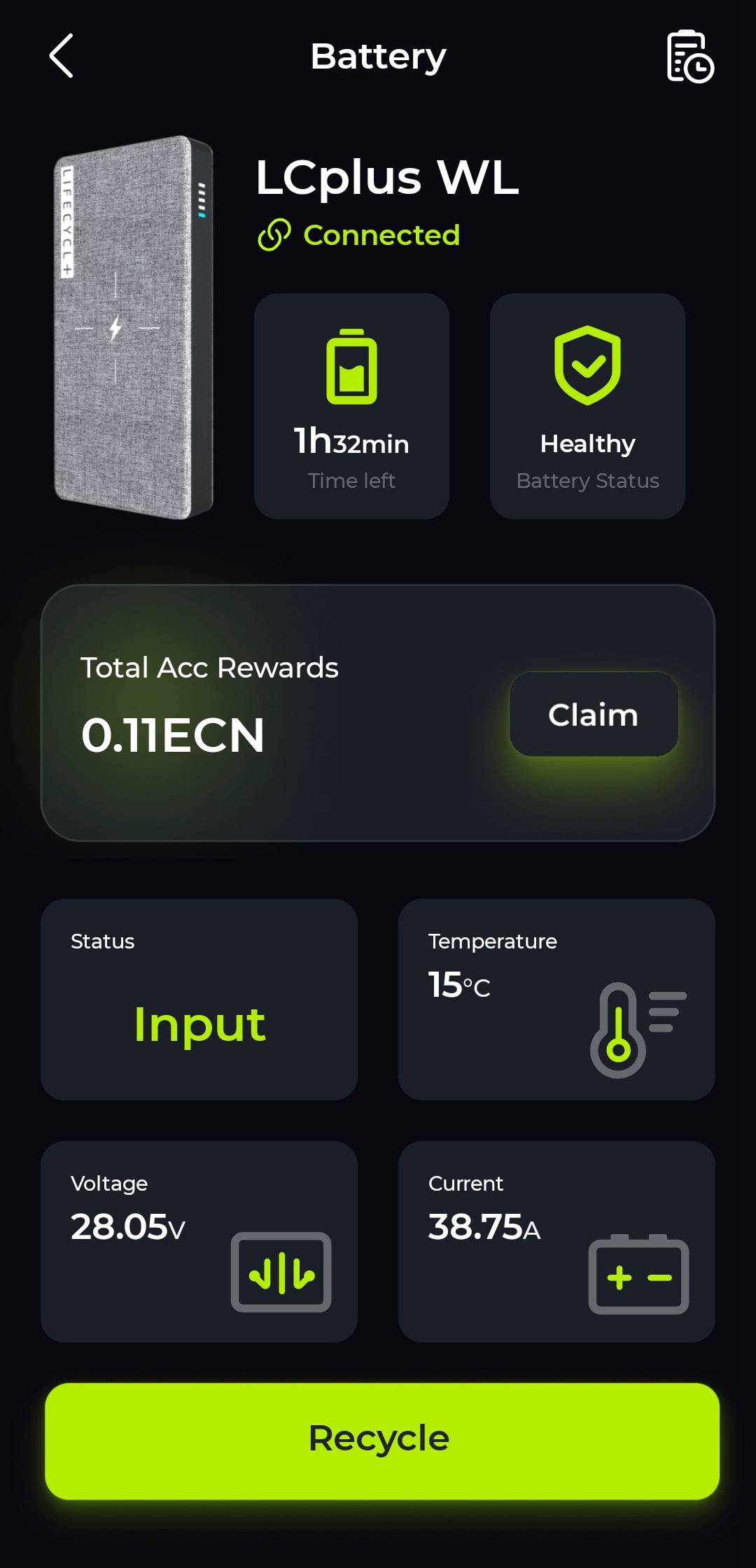
First, at the manufacturing stage, ebatte would burn the private key in the SOC of the battery device (to be developed) and sends the signature to the app based on ed25519. The app uses this signature to build a smart contract on Near Protocol. When users use the battery, their usage information will be verified on the blockchain through this smart contract, and tokens will be awarded only when the verification is true.
This system ensures the trustworthiness of battery information at the usage end, thus allowing battery recyclers to choose the appropriate recycling method based on the user's usage information, thus reducing battery pollution. The ultimate goal of this system is to allow a trusted flow of battery information throughout its life cycle.
- NEP token-based Charge/Recycle2Earn incentive system
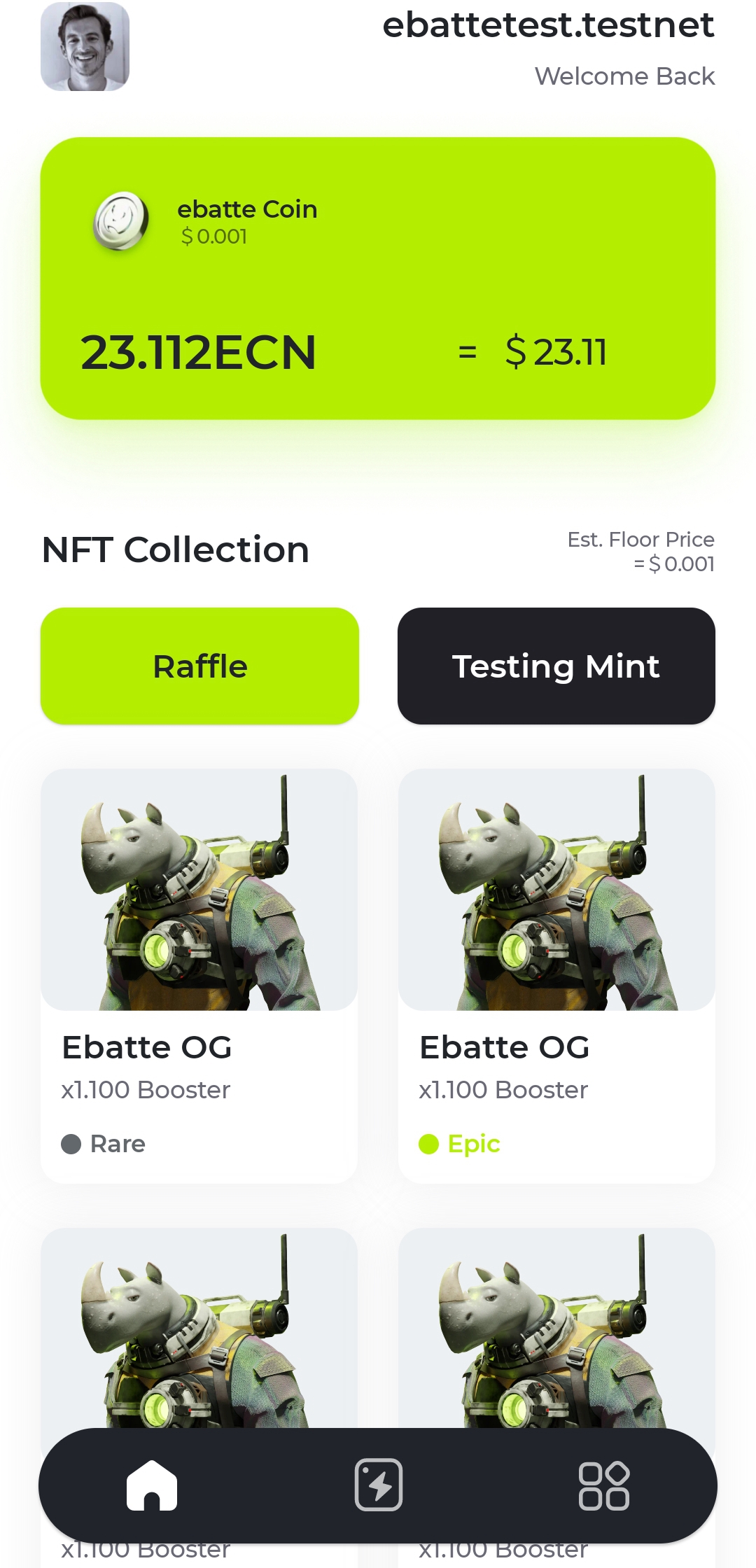
ebatte has built a complete tokenomic on NEAR to incentivize users' eco-friendly behavior. Through smart contracts, ebatte provides a fungible token (eCoin, ECN) incentive for users using batteries to verify usage data (Charge2Earn), and a NFT incentive for users to recycle batteries(Recycle2Earn).
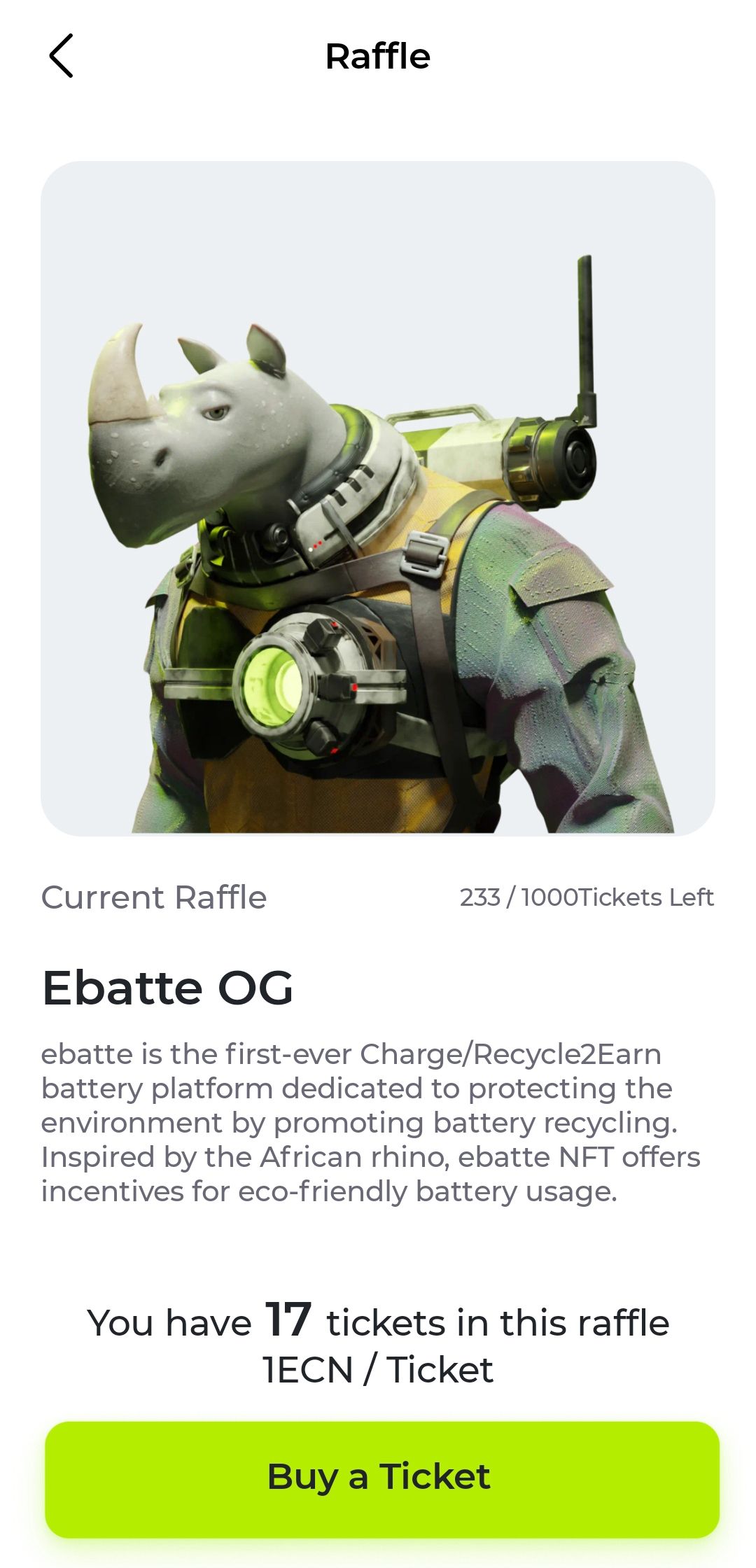
Specifically, when a user uses a battery product, ebatte provides FT rewards based on the user's hours of use with a reward factor based on the user's NFT collection. When the user recycles the battery, ebatte gives the user an NFT incentive of varying rarity based on the properties of the battery. Through this system, we hope to promote users' recycling behavior and activate their environmental awareness.
How we built it
We first analyzed the existing IoT rechargeables in the market, and the team developed a cryptographic algorithm and smart contract template based on the existing rechargeable communication module. We were unable to find a partner hardware brand and carry out hardware debugging in the short term, so at this stage, we will just show the code and simulate a demo in the app.
We completed the token design based on African Rhino and finished our app based on that to experience the geek style.
We completed the token economy system based on Rust smart contracts and completed Charge/Recycle2Earn. Similarly, we could not validate the token mechanism and release it to Mainnet and marketplace in a short time, so we provided a demo based on Testnet.
We have developed our client system based on near-api-kotlin, using NEAR's browser wallet login. Non-web3 users can quickly access and experience our product.
Challenges we ran into
A major challenge we encountered was adapting blockchain software based on IoT hardware. Currently, the vast majority of IoT hardware is based on server-client provisioning services. Therefore, combining IoT with blockchain networks becomes a completely new area. We sign user data through NEAR's RPC with user-authorized keypair, and perform secondary verification of the device signature information through the public key contained in the smart contract, thus ensuring the trustworthiness of the battery information.
Meanwhile, near-api-kotlin only provides examples and APIs for calling FullAccess permissions. we developed the client using FunctionCall permissions and refer to near-api-js to open the wallet for user signature when FullAccess permissions are needed, this method is used in near-api-kotlin and near-api-kotlin. api-kotlin does not encapsulate it.
Accomplishments that we're proud of
As the first brand to step into the Charge/Recycle2Earn space, our pioneering and completeness is the greatest accomplishment. In this project, we completed a complete tokenomic design and app design, and are ready to bring ECN and our NFT to market.
Another accomplishment is the development of a set of blockchain cryptographic algorithms that is ready-to-deploy on IoT hardware. With this algorithm, we are able to guarantee the trusted flow of battery information at the user end, thus laying the foundation for future full-link data flow of battery information for zero-emission battery recycling.
What we learned
Through this project, we learned about the basics of the NEAR ecosystem, the development of smart contracts, and the way NEAR wallets and apps interact with each other. As a web2 team, we spent the first two weeks of the project learning and understanding smart contracts and blockchain related knowledge, including how to develop Rust smart contracts, what is NEP, and so on. Although this process was very hard work, we think it was worth it.
What's next for ebatte
In the near future, we will deploy our algorithms to real-life hardware, starting from power banks. After verifying the mechanism, we will soon publish our tokenomics and trustworthy power banks to NEAR mainnet and the market.
Our ultimate goal is to achieve zero pollution in battery recycle. To do that, we are going to build a credible flow of information on battery production and use throughout the industry chain, with the help of our algorithms and NEAR protocol.


Log in or sign up for Devpost to join the conversation.