-
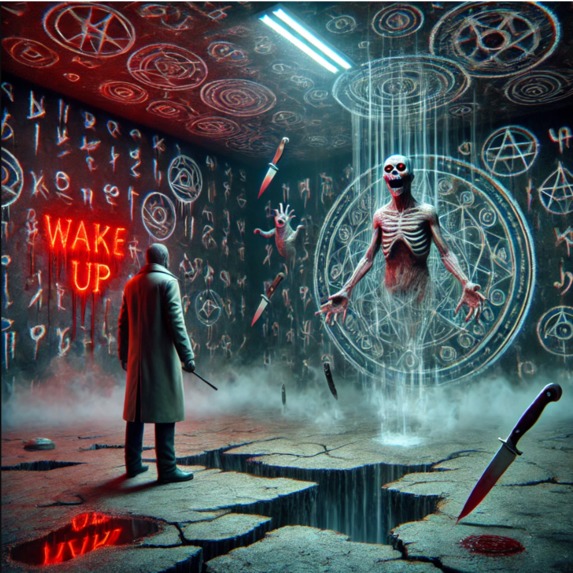
Trapped in a Nightmare: A Detective's Descent into a Twisted Lucid Dream Crime Scene
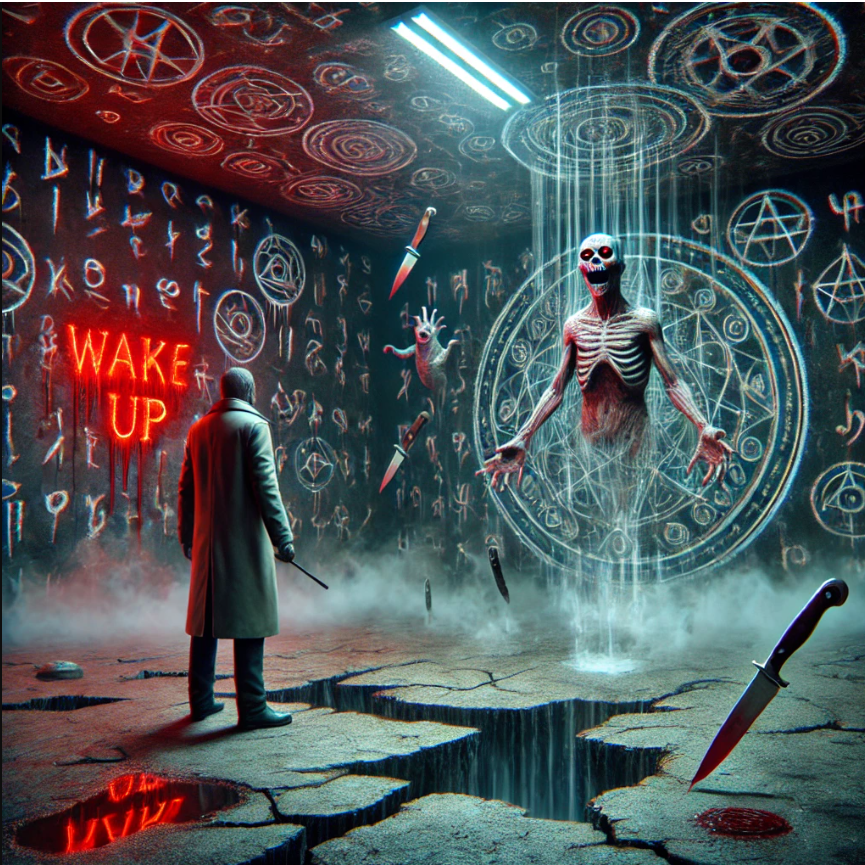
K-drama (Lucid Dream) is My Inspiration Behind This Game
The idea for LUcid-MREam stems from my fascination with the K-drama *Lucid Dream* and the concept of dream manipulation. The show’s psychological elements and blurred lines between reality and imagination inspired me to create a murder mystery game where players must transition between the real world and a lucid dream state to uncover hidden truths. The game explores how the subconscious can distort reality and how memories can be altered or suppressed within dreams.
What It Does
LUcid-MREam is an interactive murder mystery game that requires players to move in and out of a lucid dream state to solve a crime. Unlike traditional escape room-style mysteries, this game adds psychological horror and dream logic, forcing players to rethink their surroundings constantly.
Key features include:
- Two parallel environments: One set in reality and the other in a lucid dream version of the same space.
- Dream manipulation mechanics: Players can trigger dream states to reveal clues hidden in the subconscious.
- Unreliable clues & shifting reality: Not all clues are trustworthy—players must decipher what’s real and what’s an illusion.
- Gruesome forensic details: The game features a disturbing yet logical crime scene that must be reconstructed based on dream fragments.
- Psychological pressure: The more players enter the dream state, the more the environment changes, potentially leading them further from the truth.
How We Built It
The game was designed as a mix of tangible game elements and narrative-driven mechanics. The core development involved:
- Crafting a complex yet solvable storyline, ensuring that clues align even when fragmented between dream and reality.
- Designing a game space with two rooms: A real-world setting (clinical and clean) and a lucid dream version (distorted and eerie).
- Creating puzzles that react differently in each state—objects in reality may have a twisted counterpart in the dream world.
- Using symbolic elements to hint at the backstory of the doctor and government involvement, making the mystery deeper than just a murder case.
- Developing a logic-based but unpredictable progression system, where actions in reality affect the dream and vice versa.
Challenges We Ran Into
Creating an immersive and logical game based on dream logic had its challenges:
- Blending Horror and Investigation: Balancing eerie elements with solvable clues was tricky. Too much horror, and players focused on fear rather than deduction; too little, and it lost its psychological intensity.
- Ensuring Players Didn’t Get Lost in the Dream State: Some players tended to overanalyze dream details, so we had to fine-tune mechanics to keep them on track.
- Preventing Predictability: If players could easily recognize real vs. dream elements, it would break the suspense. We had to create misleading yet solvable clues to keep them engaged.
- Creating Visually Distinct Yet Cohesive Rooms: Making sure that the dream world felt surreal but still logically connected to reality for puzzle-solving.
Accomplishments That We’re Proud Of
- Successfully implementing a lucid dream mechanic that feels organic rather than forced.
- Designing a storyline that keeps players questioning their reality, making for a truly immersive experience.
- Creating puzzles that rely on perception shifts, forcing players to think outside of conventional logic.
- Incorporating disturbing but meaningful crime scene details, enhancing the mystery’s psychological impact.
What We Learned
- Dream logic must be carefully controlled—too much surrealism makes it confusing, but too little ruins immersion.
- Players respond well to unreliable information—adding conflicting details made the game more engaging.
- Psychological horror is most effective when subtle—unease builds best through small, unsettling changes rather than outright jump scares.
- Pacing is everything—revealing too much at once makes it easy, but delaying information frustrates players. Finding the right balance is key.
What’s Next for *LUcid-MREam*
- Expanding the Dream Mechanics: Introducing more interactive elements where players can actively manipulate the dream world.
- Creating Multiple Endings: Allowing choices to impact the final outcome, leading to different truths based on player actions.
- Developing a Digital Version: A PC or VR version where players can experience the dream shifts in a more immersive way.
- Live Interactive Game Sessions: Turning it into a real-world mystery event for groups, potentially in an escape room setting.


Log in or sign up for Devpost to join the conversation.