
Inspiration
My team and I come from Nigeria, a developing country where distractions are everywhere. By some miracle, we realised early on that if we were ever going to do anything great with our lives, we had to guard our attention and time. The problem? We were hooked on games, social media, and endless Snapchat streaks.
One day, during a random group conversation, it clicked: what if we could “lock in” on the things that truly matter? Not just once, but consistently. That’s when we decided to start keeping locking-in streaks, a way to measure progress, not just play. From that small spark came a system that pushes us and now we are bringing this transformation to others like us, to stay focused, accountable, and intentional about building better lives
What it does
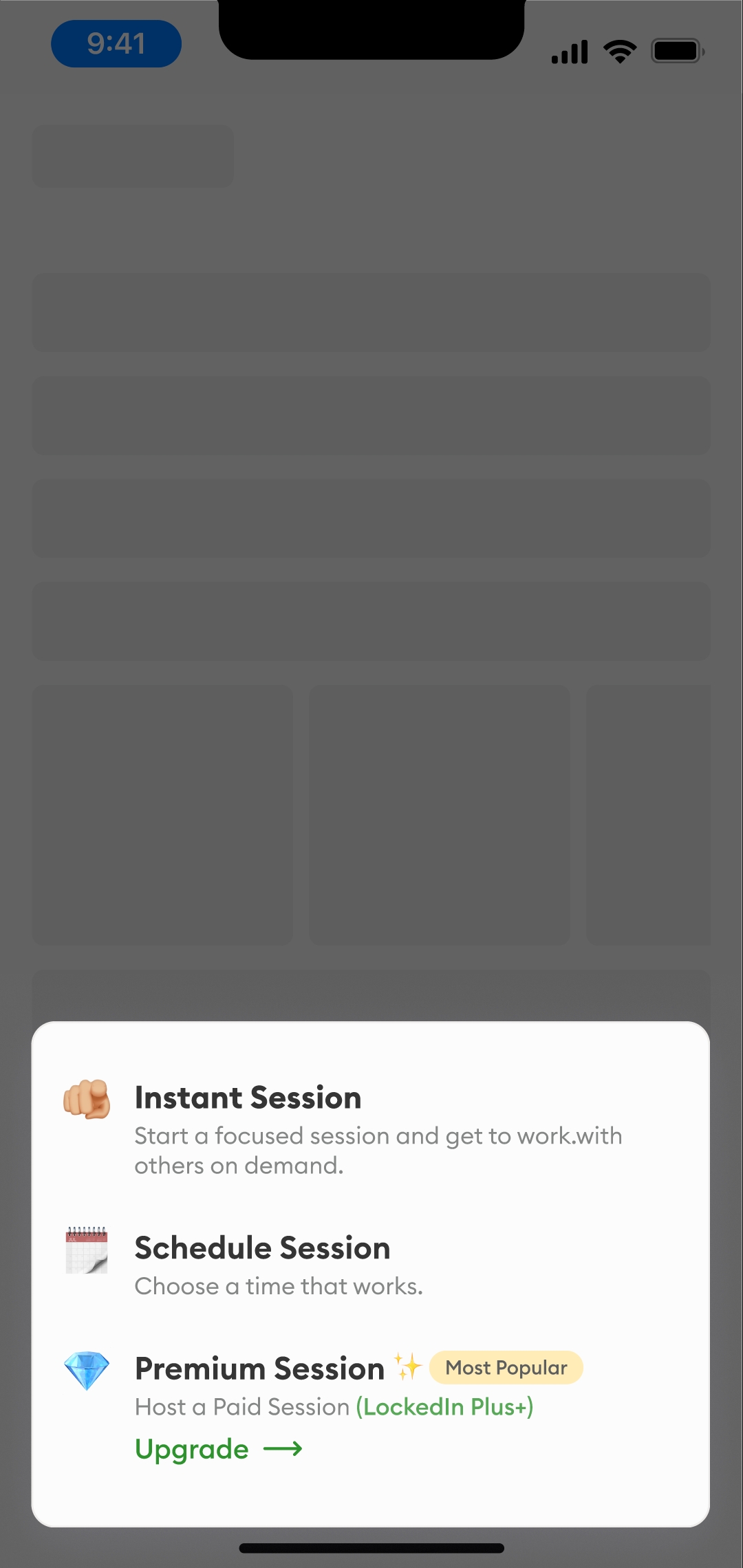
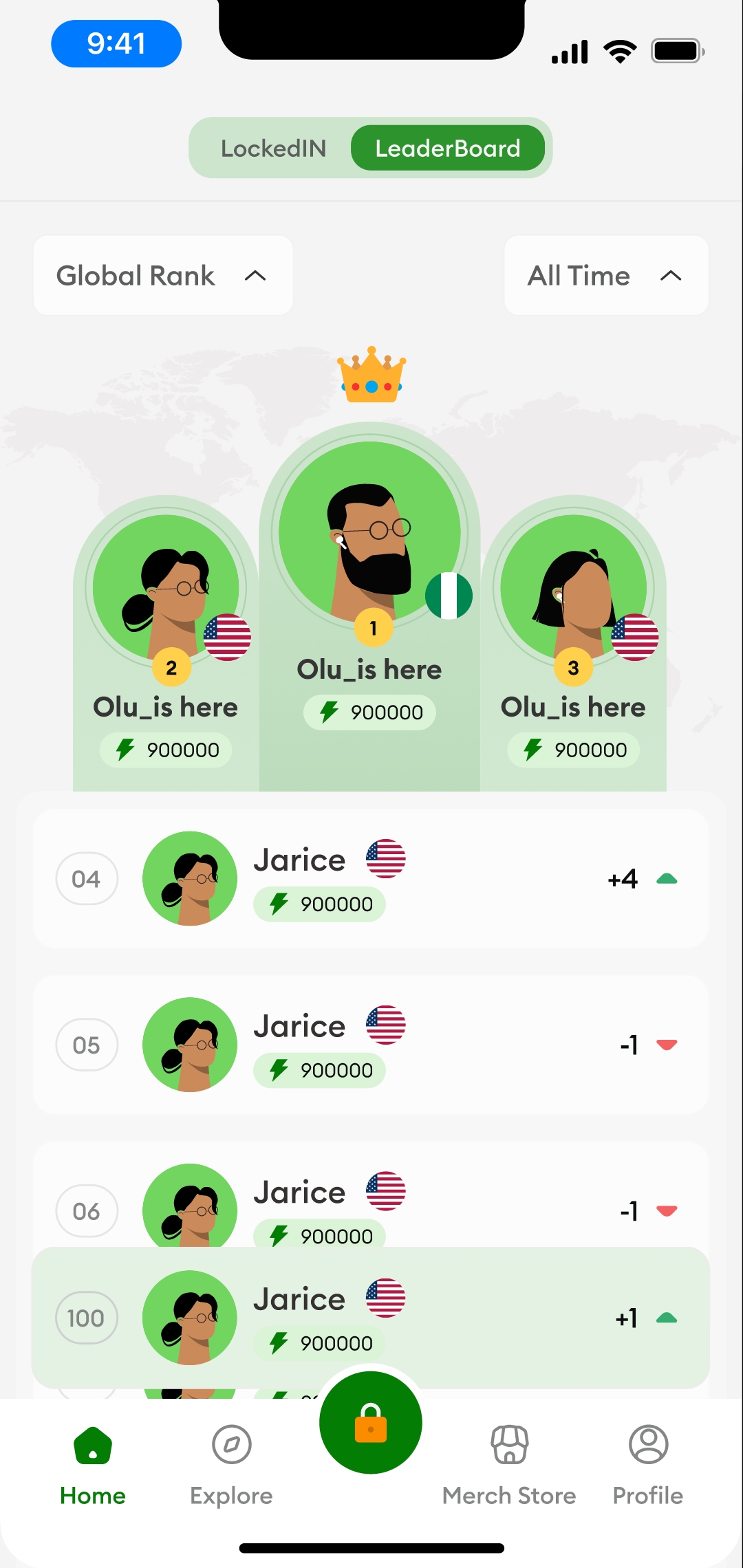
As iron sharpens iron, LockedIn brings together young dreamers who share the same goals and build in the same direction. We create an environment where focus isn’t just encouraged, it’s rewarded.
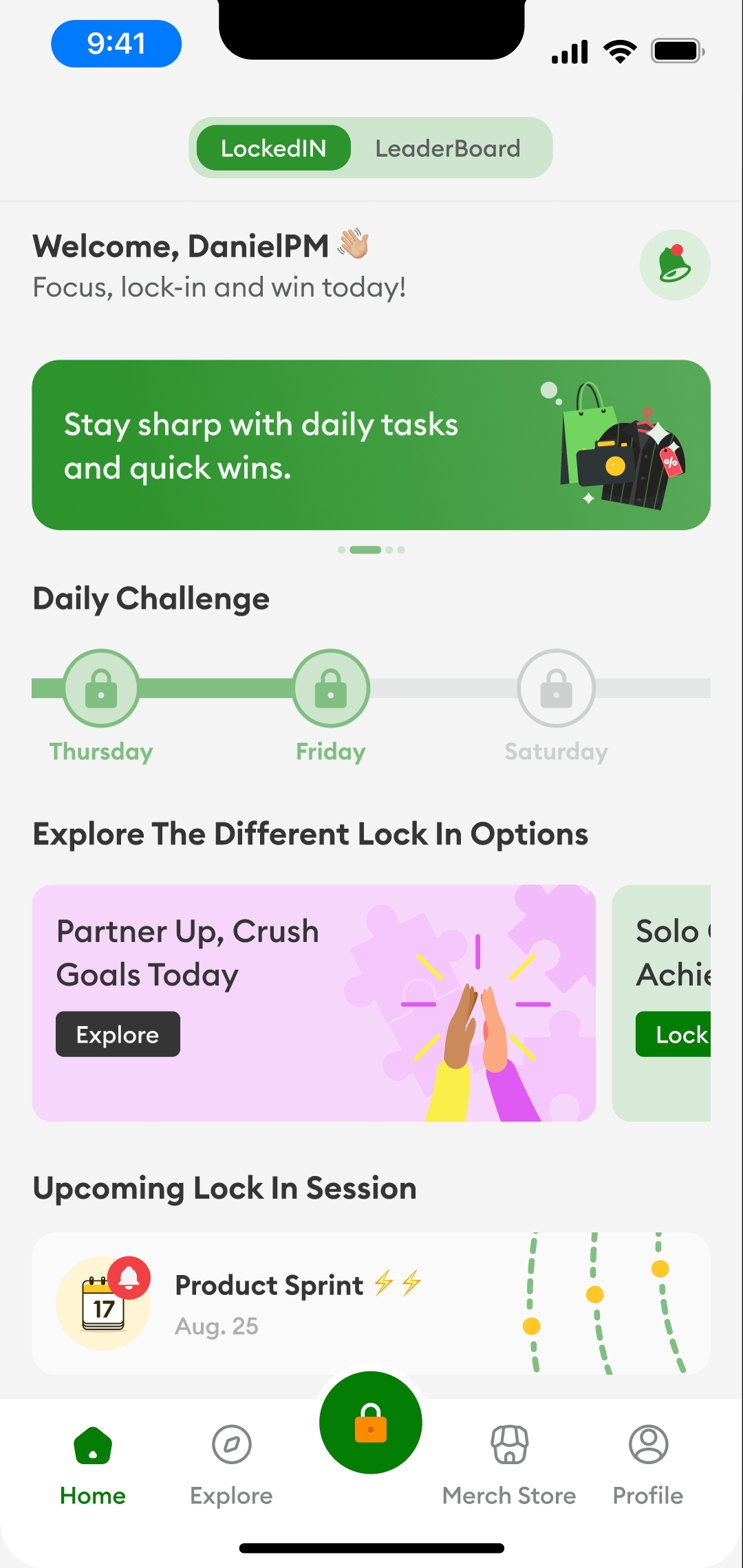
Mentors can host “LockIn Sessions” with their mentees, guiding them through deep, distraction-free work. Users earn rewards for completing focus sessions, turning consistency into achievement.
LockedIn isn’t just a productivity app; it’s a movement to shape the next generation of achievers. Our vision is simple but powerful: to help people harness the one skill that changes everything, focus. Because focus is our superpower.
How we built it
Psychologically, LockedIN was built with more than just code; it was forged through sweat, tears, two dead laptop batteries, a faulty hard disk, rising blood pressure, and countless trips shuttling between two cities.
Technologically, structure was everything. We adopted an agile approach, opened an organisational account for developer collaboration on GITHUB, and managed our workflow using Trello. For the front end, we leaned on Expo Go, React Native, and Tailwind, ensuring a sleek and responsive user experience.
On the back end, we powered the system with FastAPI and RabbitMQ, integrated OneSignal for notifications, and implemented RevenueCat to handle our paywall smoothly and reliably. Our designs were created in Figma, and we utilised Jitsi for audio/video conferencing, sharing notes, and a mini music player to keep users in the focus zone. We utilised Postman and Swagger for our end-to-end testing and documentation to help our developers work efficiently. We also worked with kubesmith.com, our own built cloud service for hosting of our landing pages (backend)
Challenges we ran into
Psychologically,
Our journey was anything but smooth. Our first designer left in the very first week. We found a replacement, but soon after, our front-end developer left for a paid gig—we understood, because where we come from, poverty kills dreams faster than anything else. Team members struggled with basic needs: unreliable power, faulty laptops, and at one point, our backend developer had to write code on his phone just to keep things moving. Even our product manager, who held the team together, fell sick, and the team’s velocity dropped. But we kept pushing, fuelled by belief more than comfort.
Technically, the road was just as tough. We faced major issues implementing WebSockets for users to enter their focus rooms, what we called the “War Room,” because in the end, the battle is always you vs. you.
At one point, we even considered building our own video conferencing tool. The reason? Jitsi supports React Native CLI but not Expo. To make it work, we built Jitsi on the web with React, then connected it to the mobile app via WebSockets integrated on both ends.
We also ventured into polymorphic mapping for the first time. Managing relationships and handling eager loading were complex, but hours of digging through documentation helped us overcome the hurdles.
Accomplishments that we're proud of
Event-Driven Architecture with Message Queues We implemented message queues to make the system event-driven. This separation of concerns significantly reduced processing time and improved memory efficiency, creating a faster, more scalable system.
Custom WebSocket Protocol Our WebSocket implementation was built almost like our own protocol, enabling seamless, real-time communication between the backend and the mobile application.
Payment Integration with RevenueCat RevenueCat gave us a smooth and reliable paywall integration. Payments were processed quickly and efficiently, removing friction for users and giving us confidence in our monetisation pipeline.
Notifications with OneSignal By integrating OneSignal, we shifted the heavy lifting of messaging and notifications away from our core service. This kept our system lighter while still delivering timely, reliable updates to users.
The “War Room” The War Room became the heart of LockedIn, a focus space where users push themselves, get better every day, and face the toughest opponent: themselves. Built with Jitsi for video conferencing and powered by WebSocket communication with the backend, it’s where discipline meets technology.
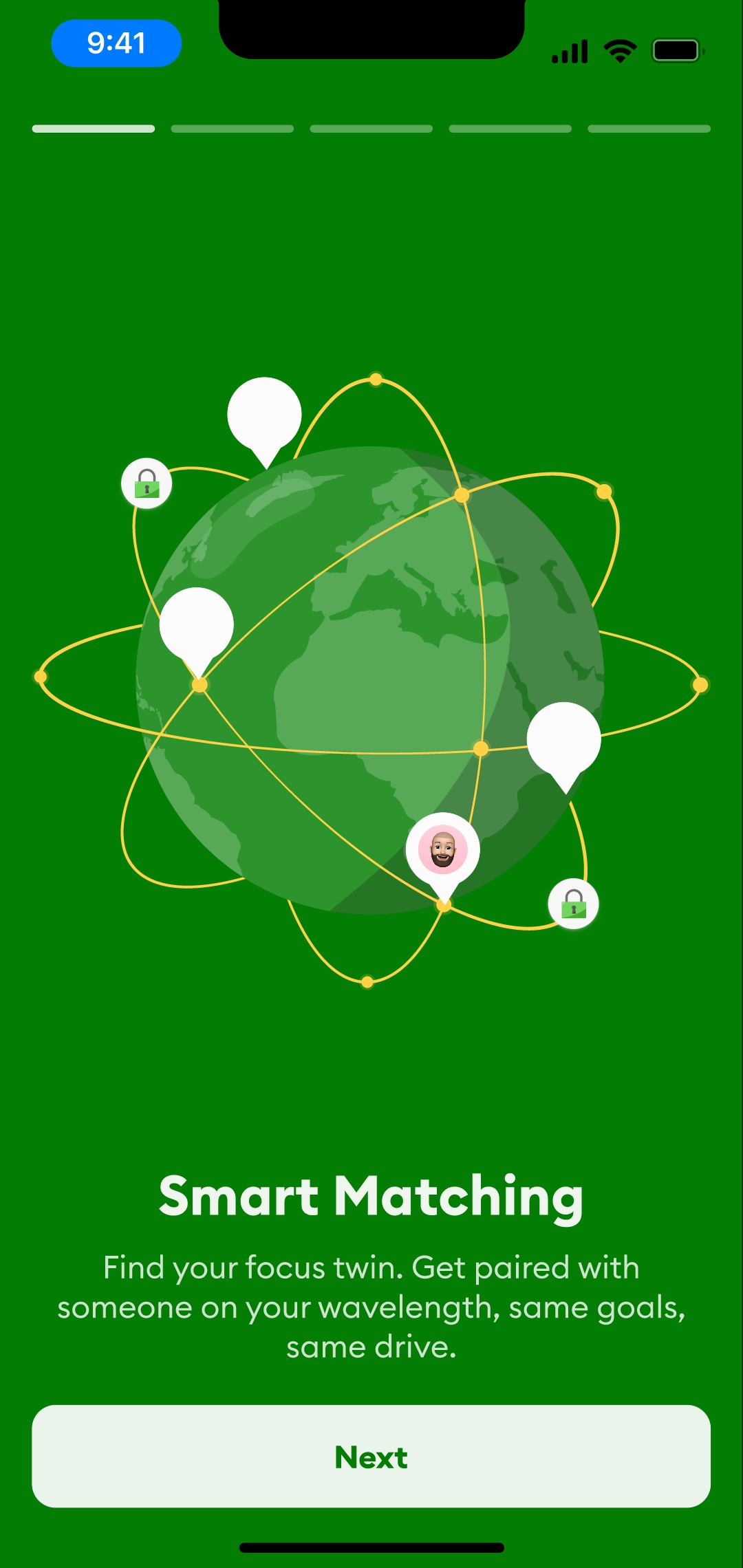
Matchmaking for Growth Beyond focus sessions, we built matchmaking features to connect like-minded individuals. Users can work together, share ideas, and sharpen each other, iron sharpening iron.
What we learned
Life happens. Health is wealth. Building a product is never easy, but we learnt that if there is a will, there is always a way. Along the journey, good communication and a sense of humour became essential for bonding. At one point, a developer reached exhaustion and lashed out, but the product manager handled the situation calmly, and together the team kept moving forward. These moments reminded us that resilience is built not just with code, but with empathy.
On the technical side, this journey expanded my knowledge in powerful ways. I learnt about retry queues, dead letter queues, auditing, and logging techniques, all of which strengthened the system’s reliability. While building a CMS for managing database tables, I discovered the usefulness of SQLAdmin. I also deepened my skills with Docker specifically in mounting volumes for efficient container management. Each challenge became a classroom, pushing me to grow not only as a builder but as a problem solver.
What's next for LockedinPartner
We want to share the gospel of focus with one million young dreamers—helping them harness its power to build the lives they imagine. LockedIn is not just an app, it’s a movement: a reminder that greatness begins with attention and discipline.
Our path forward is clear: Apply for accelerators to gain mentorship and funding. Keep building, testing, and improving with user feedback.
Deliver consistent value
In 10 years, we see millions of young dreamers across the world locking in with their dreams, sharpening each other, and proving that focus truly is the greatest superpower.


Log in or sign up for Devpost to join the conversation.