-
-
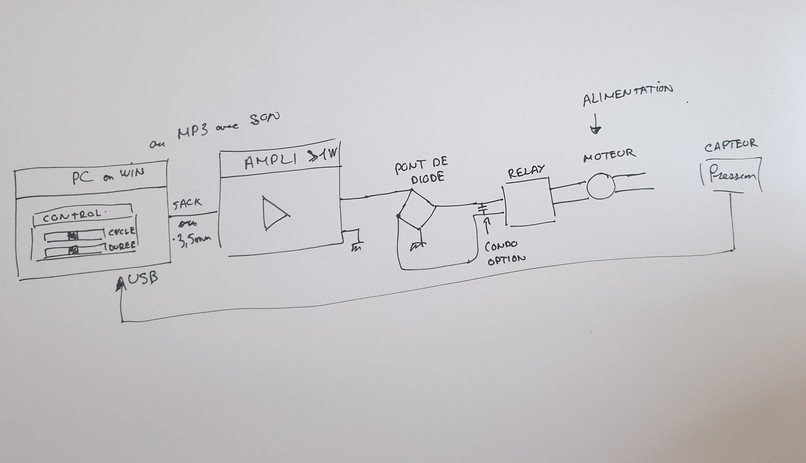
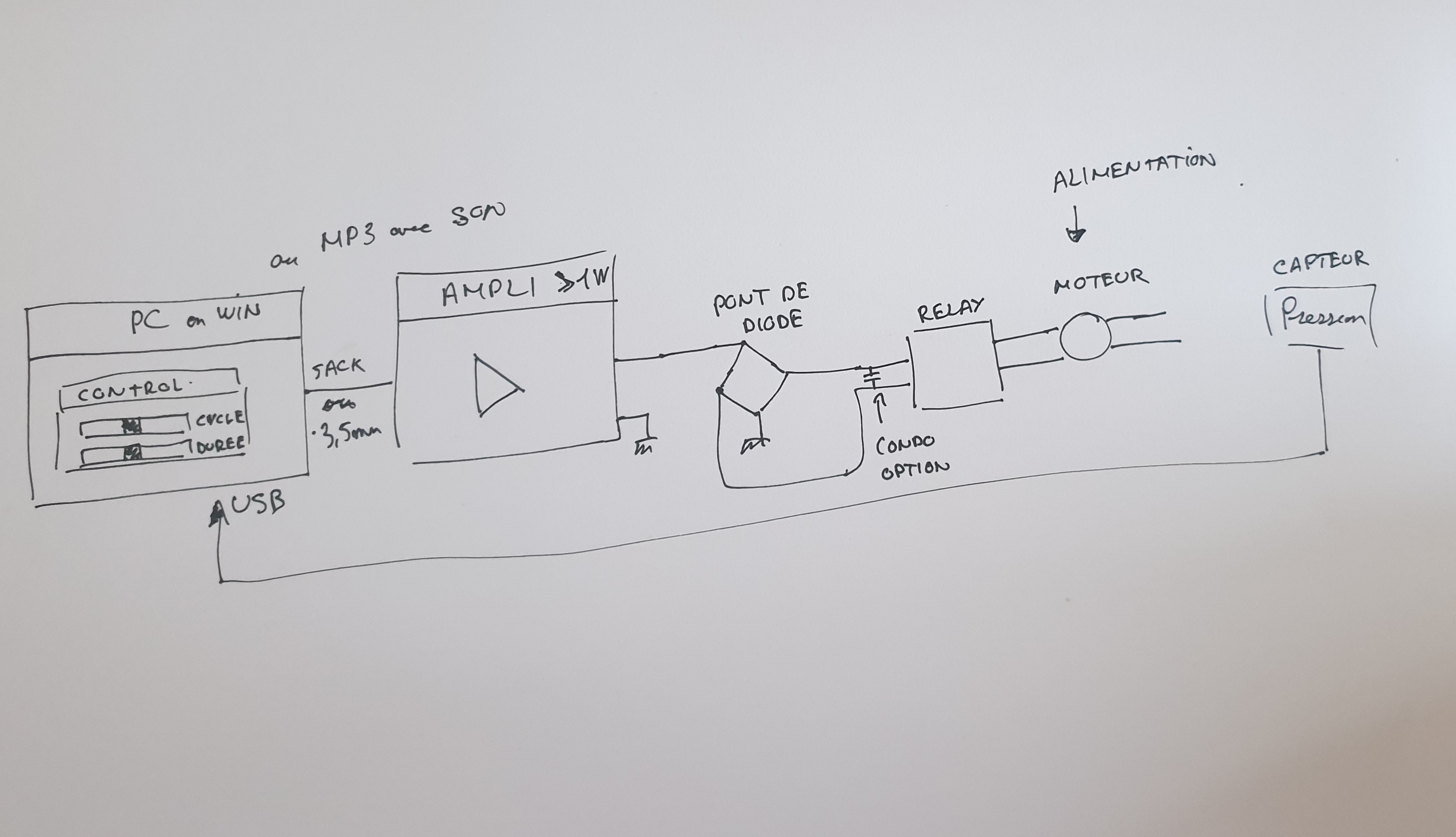
A first quick dirty schematic of LowTechVent
-
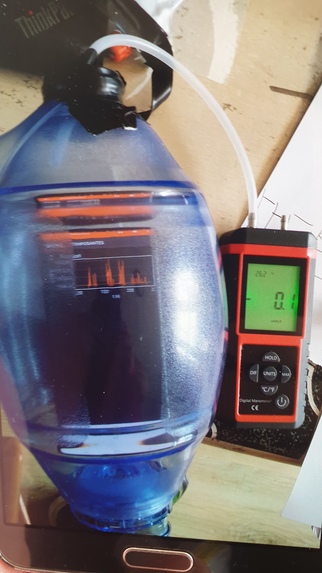
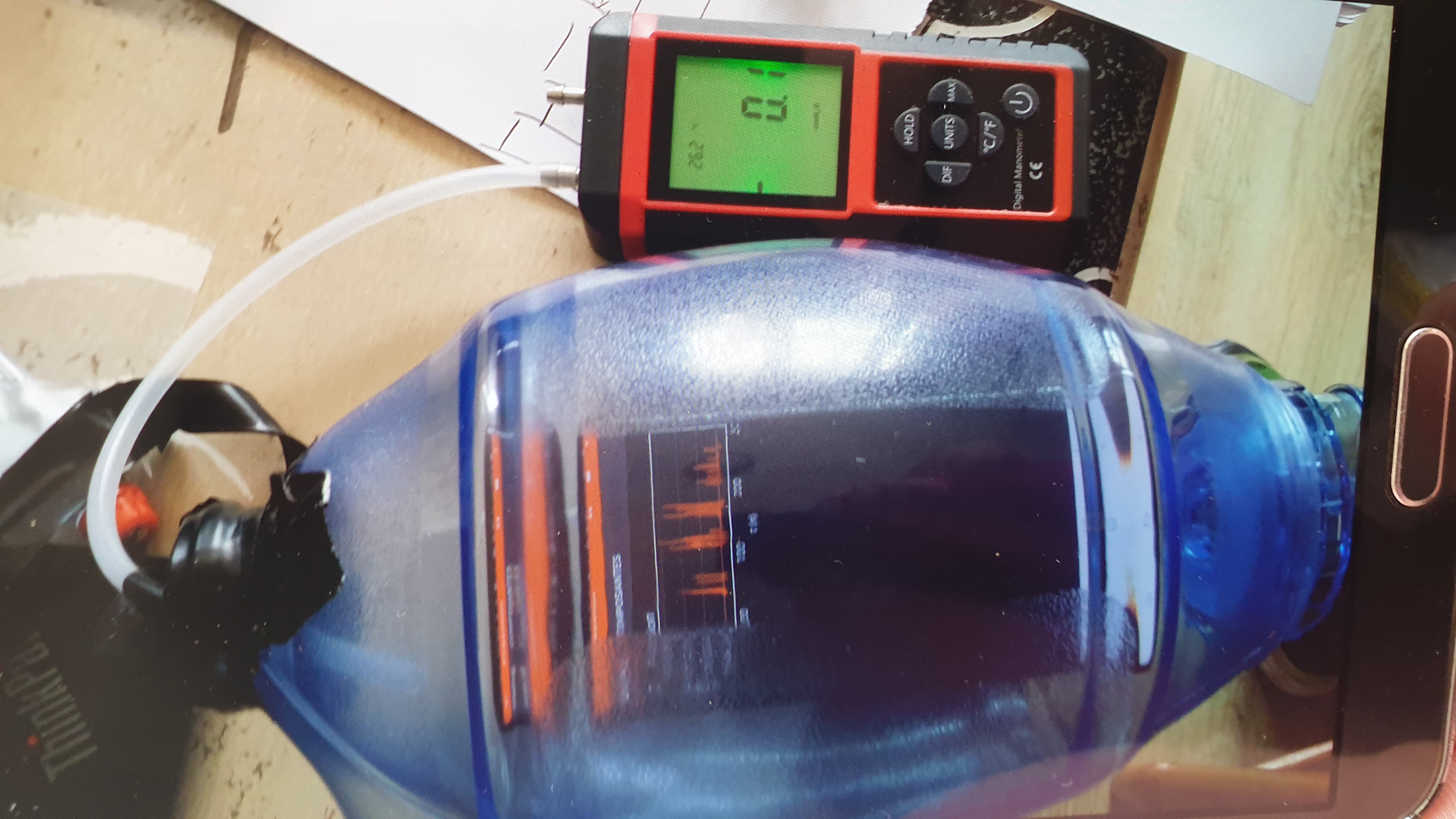
Mobile phone pressure sensor calibration
-
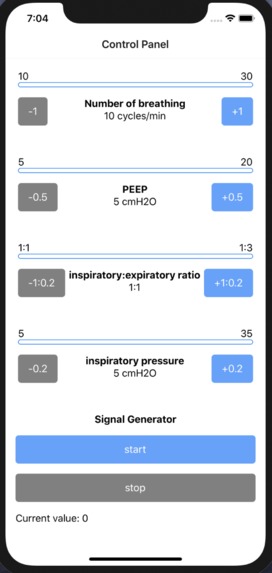
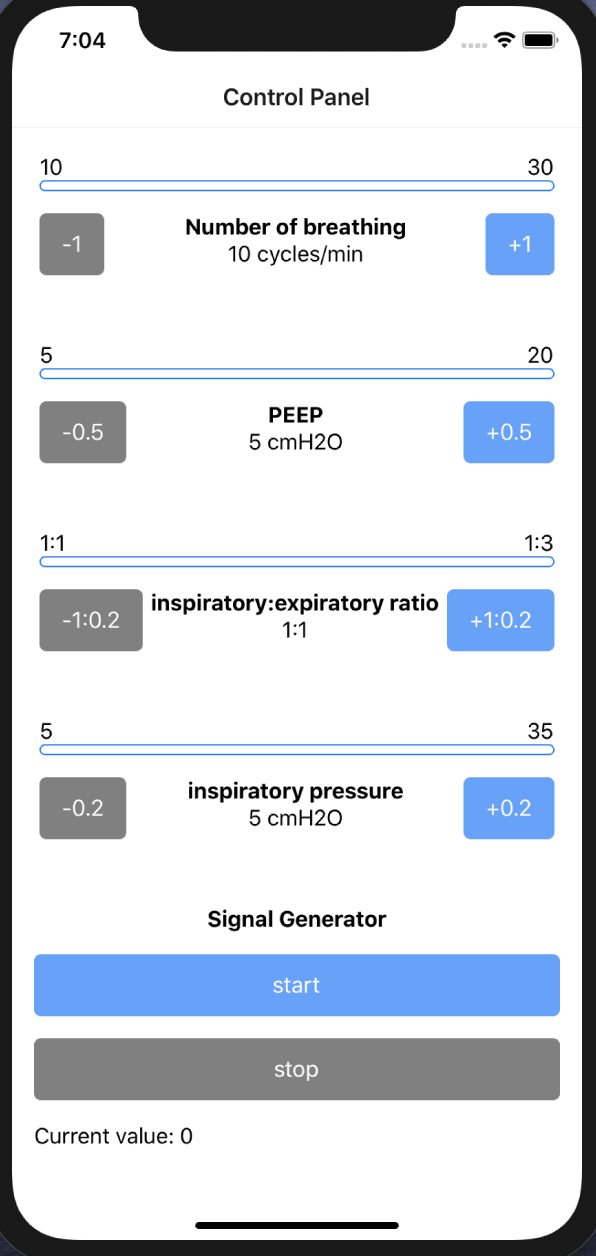
Mobile interface
-
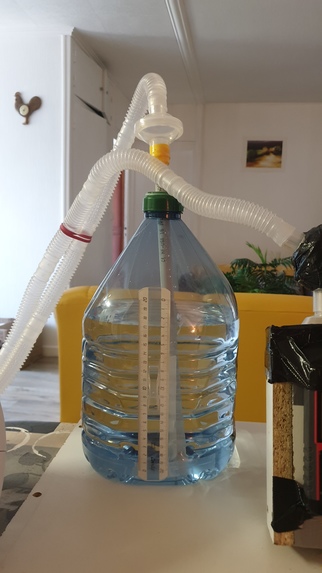
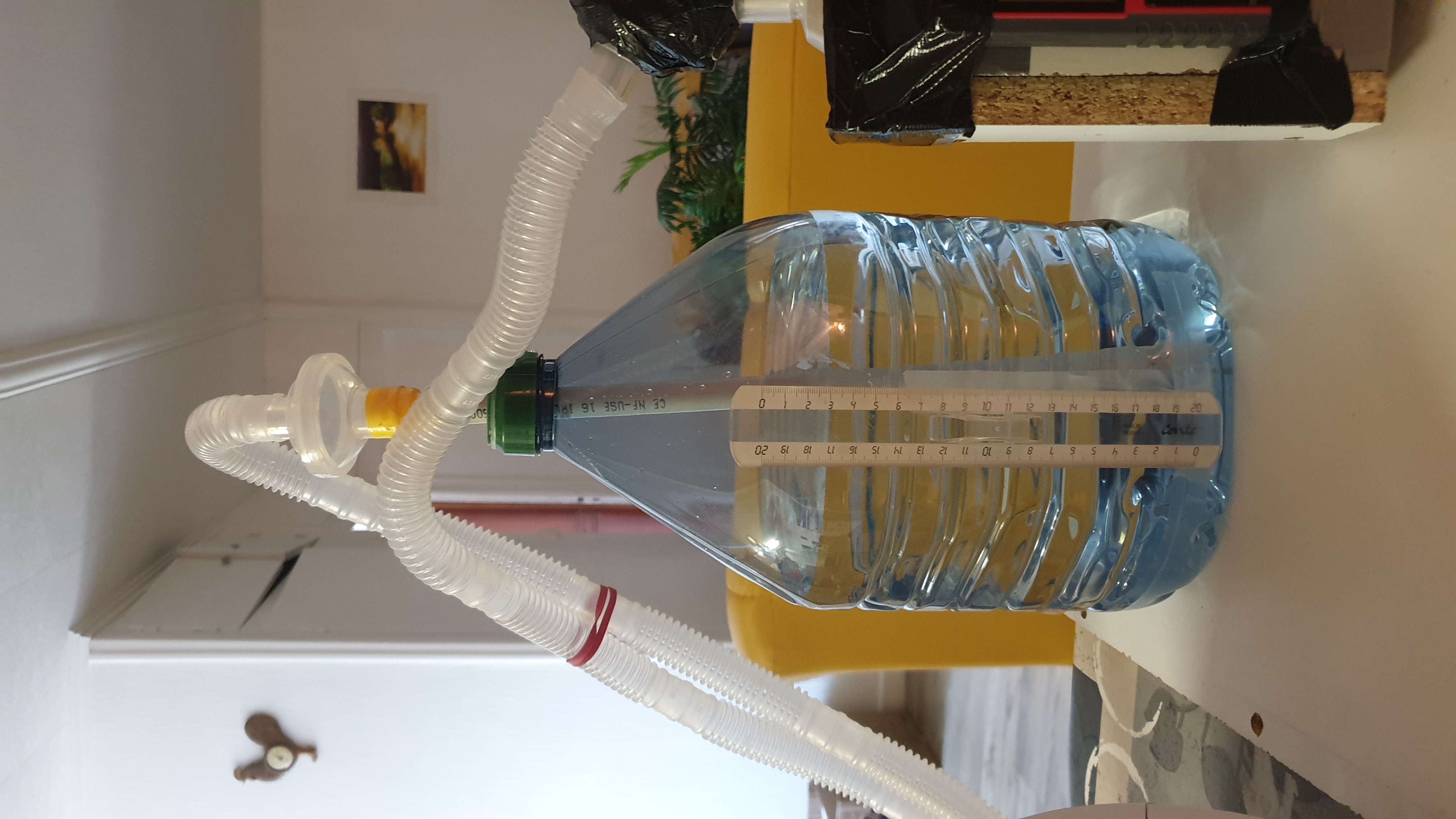
PEEP valve with a bottle of water and ruler
-
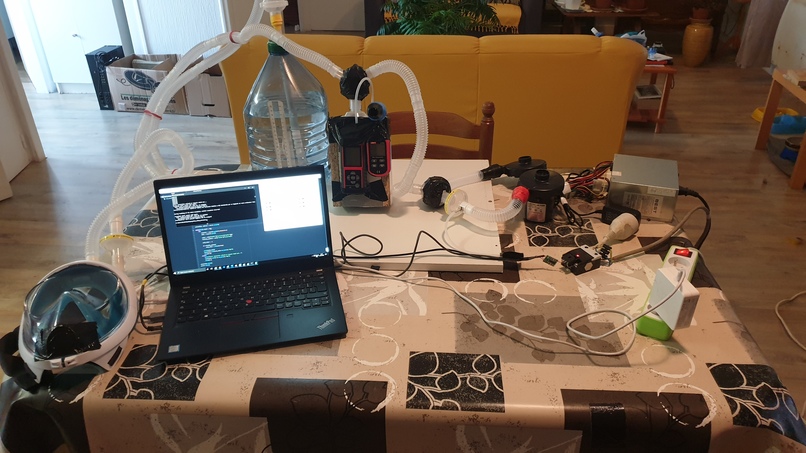
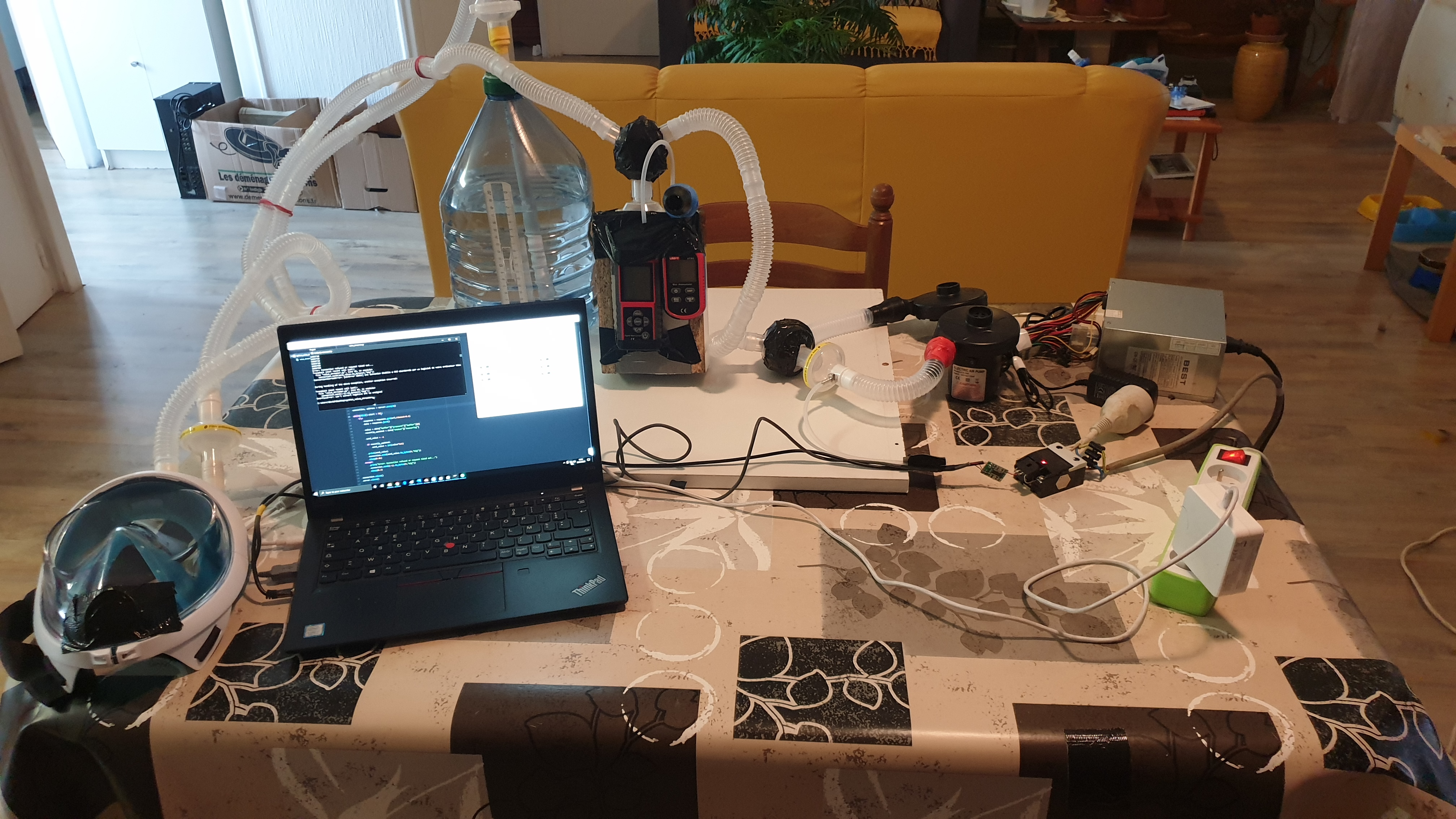
Confined LowTechVent prototype
-
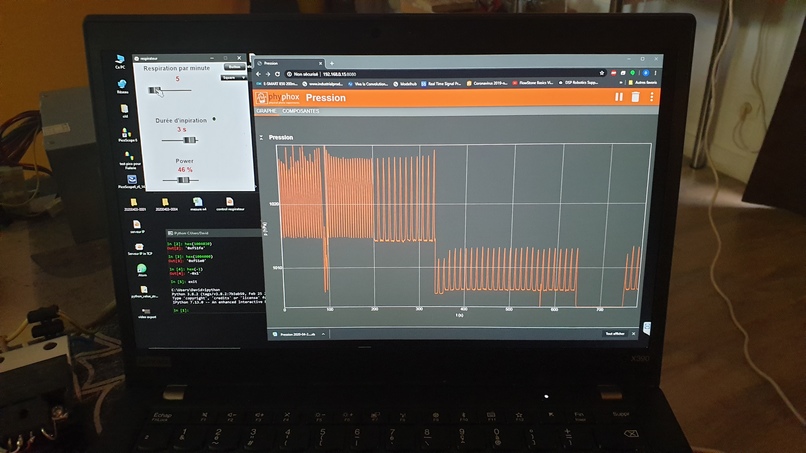
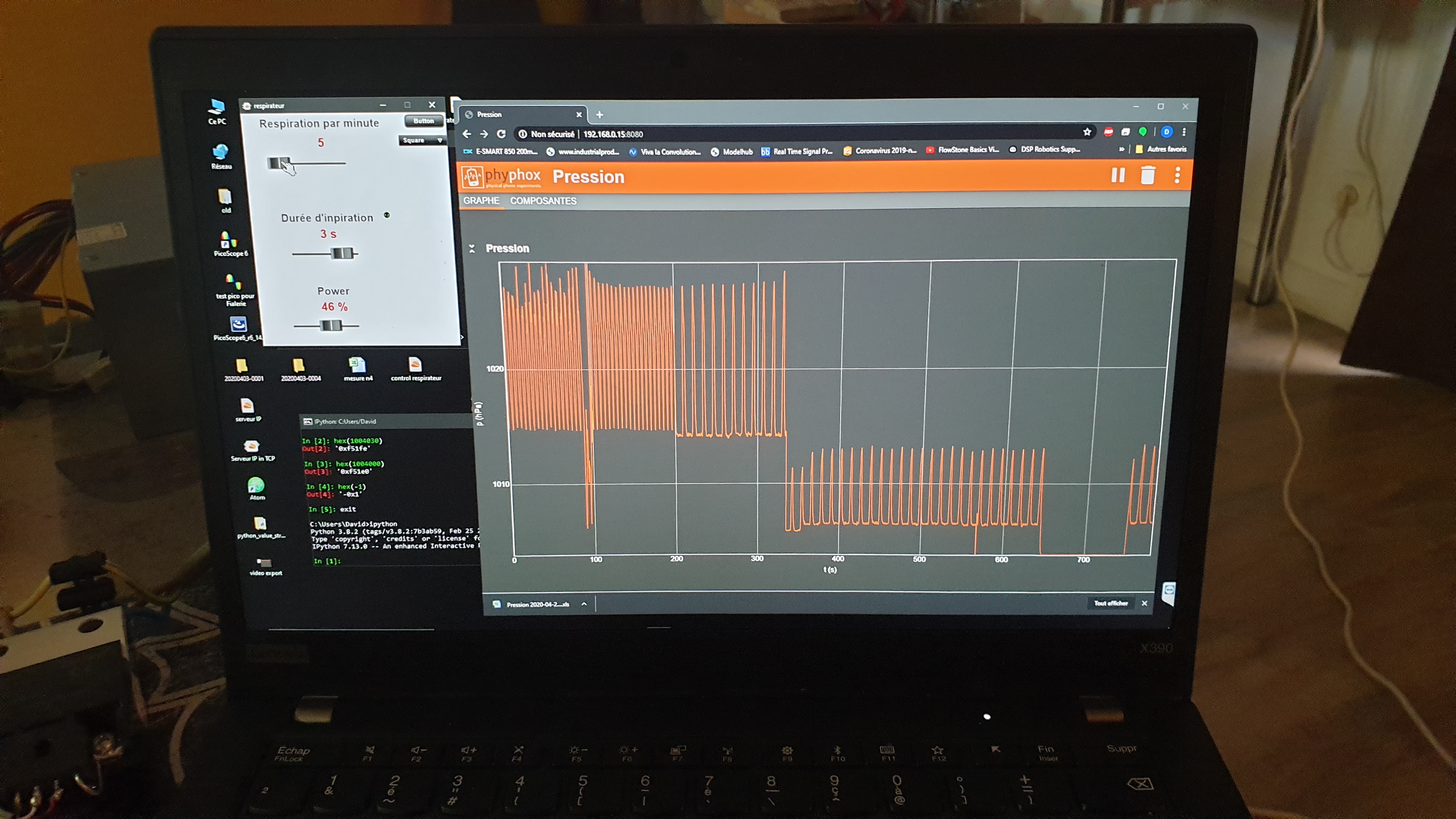
Pressure signal from the mobile phone simultaneously displayed on a PC
The problem LowTechVent solves
- The availability of ventilator parts in some places in the world
- The availability of a ventilator design with ready-made parts in the context of the world shortage of ventilators
The solution LowTechVent brings to the table
- A DIY with WYH ventilator design (Do It Yourself with What You Have):
- A mobile phone driven and mobile phone pressure monitored ventilator with a turbine, a diode bridge, and a relay
What wehave done during the hackathon
- Building a first prototype (hardware and PC and mobile software
- Establishing the proof of concept (pressure monitoring, PEEP mode)
The solution’s impact to the crisis
In places where ventilators or ventilator parts are not readily available, LowTechVent offers a crucial alternative.
The necessities in order to continue the project
- Refine signal processing of mobile phone pressure sensor
- Check repeatability, reproducibility, and robustness of the prototype at the Universities of Paris-Est and Paris-Saclay
- Establish fulfilment with medical regulations
- Test the prototype in clinical situations
- Secure specifications and building guidances
- List alternative parts (for the turbine (loudspeaker) and the relay control (transistor))
- Creative commons CC BY
The value of LowTechVent after the crisis
LowTechVent would be available to those who, before and after the current crisis, needed and will need it. The design might open a new type of mobile-driven ventilator the industry could take over for low cost mobile phone driven and monitored devices.
The background story
The vital lack of ventilators urged many players to propose alternative solutions to the current defecting line of standard medical devices. Rather massive and proprietary designs were proposed for example by Tesla, other light and open designs were shared to the community like for example OxyGen. Nonetheless, they still require some equipment (like a CNC or a 3D printer) or some parts that are not readily available everywhere.
LowTechVent investigates original designs with out-of-the-shelf parts (and a few soldering in some cases) to build a ventilator that could be controlled and pressure-monitored by a mobile phone. Control could alternatively be performed by any computer with a sound card. External monitoring could also be done with an extra sensor. The overpressure can be built with a regular turbine or a loudspeaker, both driven with a relay via the electronics of an amplified speaker possibly bluetooth.


Log in or sign up for Devpost to join the conversation.