-
-
LOWBAT
-
LOWBAT
Inspiration
LOWBAT was inspired by a very real problem: productivity fatigue.
Not just the fatigue that comes from doing too much, but the kind that comes from mental overload, decision fatigue, unfinished responsibilities, and sometimes feeling exhausted before even starting. Traditional productivity tools often assume users are always motivated, focused, and operating at full capacity.
But real life doesn't work like that.
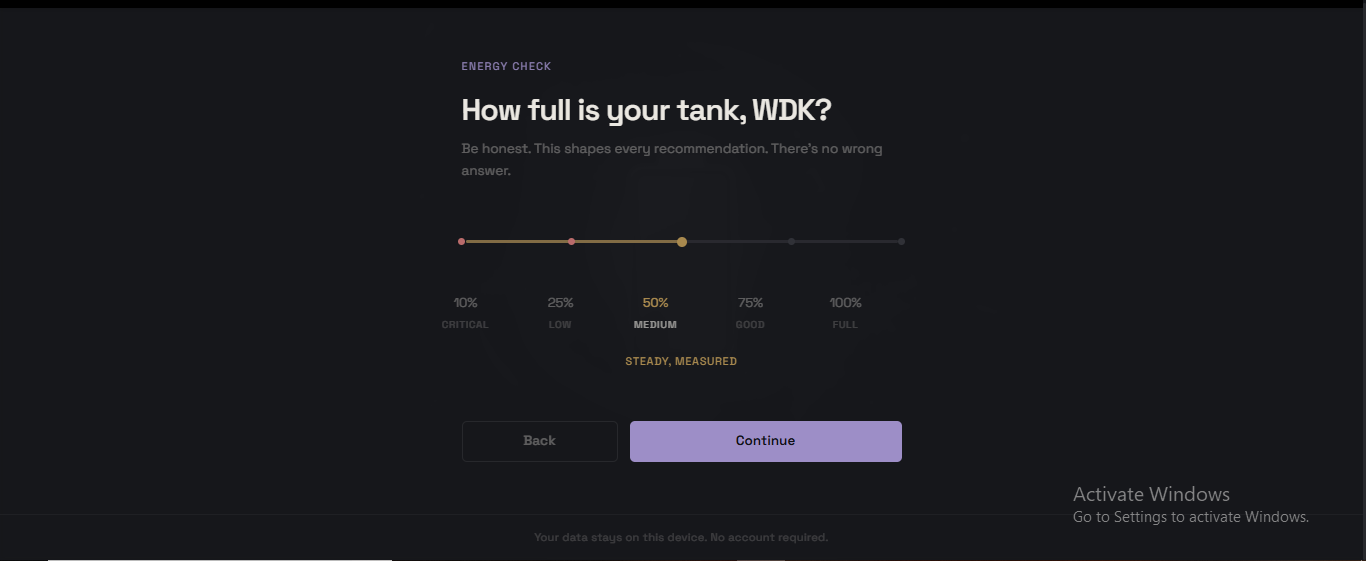
LOWBAT was created from the question: What if productivity tools adapted to human energy levels instead of demanding constant performance?
The goal was to design a more humane, realistic system for people dealing with overwhelm, burnout, low energy, or simply “too much on their plate.”
What it does
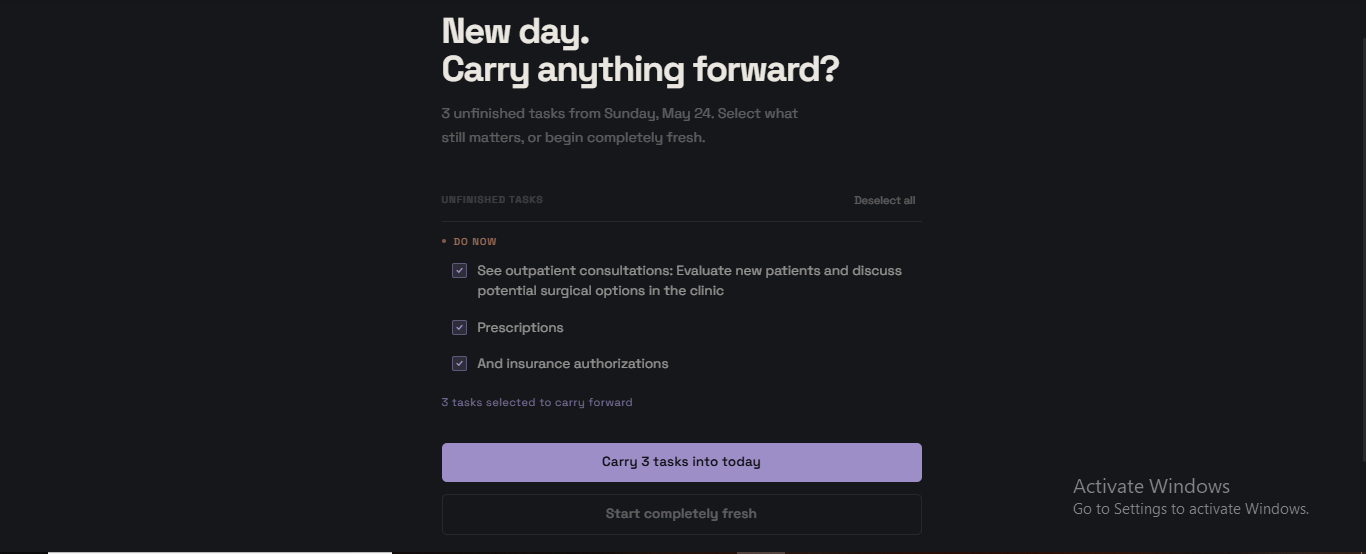
LOWBAT is a fatigue-aware productivity app that helps users turn overwhelm into realistic action.
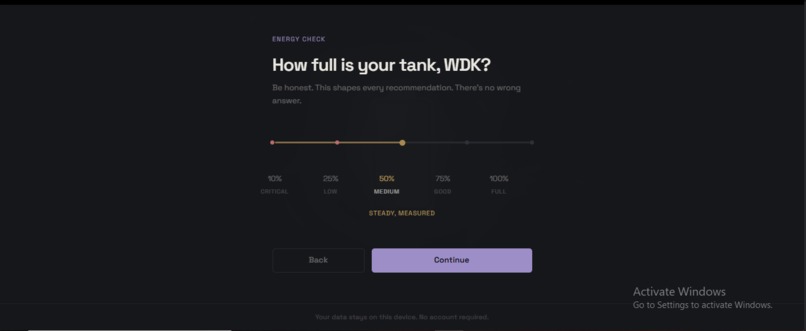
Users can check in with their current energy level, dump everything on their mind, and receive an organized, manageable plan adapted to how they actually feel.
Key features include:
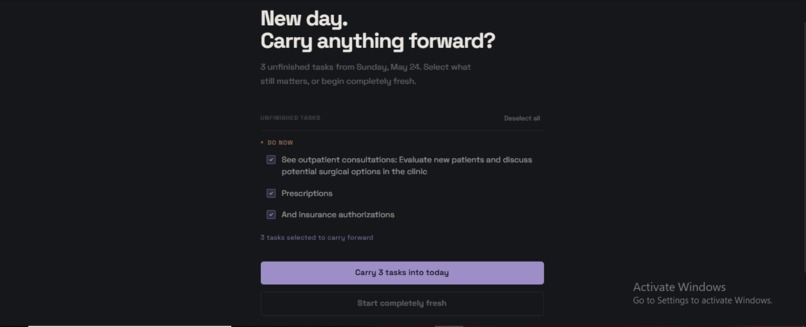
Energy-based productivity planning Brain dump to clarity workflow AI overwhelm organization Tiny Wins system that rewards sustainable effort instead of hustle culture Recovery Score focused on healthy pacing Shareable progress cards users can post to WhatsApp Status, X, or social feeds
LOWBAT doesn't push users to do more. It helps them work within their capacity.
How I built it
LOWBAT was built using Onspace.AI, a newer AI development platform I was actively testing during the project.
What started as experimentation quickly turned into a surprisingly capable development workflow. Onspace.AI played a major role in rapidly building, iterating, and refining the application.
The project involved:
Designing a custom visual identity centered around calm, humane productivity Moving away from generic AI-generated UI patterns Building a premium dark interface using Space Grotesk typography Designing adaptive productivity logic based on user battery levels Creating a system for realistic action planning, recovery tracking, and shareable progress experiences
The process blended AI-assisted development, product design thinking, UX iteration, and experimentation with emerging tooling.
Challenges we ran into
One of the biggest challenges was avoiding the typical AI app look.
Early versions leaned heavily into common AI design patterns: generic dashboards, overused layouts, excessive rounded cards, emojis, and standard productivity aesthetics. A significant part of the process involved refining the interface into something that felt more intentional, premium, and emotionally aligned with the problem space.
Another challenge was balancing gamification without pressure.
Traditional productivity systems often rely on streaks, points, urgency, and performance loops. LOWBAT needed a different approach— one that encouraged progress without increasing guilt or burnout.
Defining what “healthy productivity feedback” looks like became an important design challenge.
Accomplishments that we're proud of
We're proud of creating a productivity experience that feels human-centered instead of performance-centered.
Some highlights include:
Building a distinct product identity around “human low-battery mode” Designing adaptive productivity that responds to real-time energy levels Creating gentle progress systems like Tiny Wins and Recovery Score Building social sharing in a way that feels reflective rather than performative Successfully using Onspace.AI as an emerging development tool and discovering how powerful it could be for rapid product creation
Most importantly, LOWBAT addresses a problem many people quietly experience but few productivity tools are designed for.
What we learned
This project reinforced an important insight:
Productivity is not just about task management, it's also about energy management, emotional load, and realistic scope control.
We also learned a lot about designing with emotional context in mind. Small choices in language, UI behavior, feedback systems, and visual design can dramatically change how a product feels to users.
On the technical side, working with Onspace.AI showed how modern AI tools can dramatically accelerate experimentation and iteration when paired with strong product direction.
What's next for LOWBAT
The future vision for LOWBAT goes beyond being a productivity dashboard.
Next steps include:
Deeper AI personalization Energy and mood tracking history Smarter adaptive planning systems More advanced recovery insights Expanded progress sharing and community features Long-term sustainable productivity analytics
The long-term goal is to evolve LOWBAT into a humane operating system for overwhelmed humans a tool that helps people make meaningful progress without sacrificing their well-being.
Built With
- html5
- javascript
- node.js
- onspace.ai
- react
- shadcn/ui
- tailwind-css
- typescript
- vite


Log in or sign up for Devpost to join the conversation.