-
Home
-
Edit Profile
-
Profile
-
Marketplace
-
Feed
Inspiration
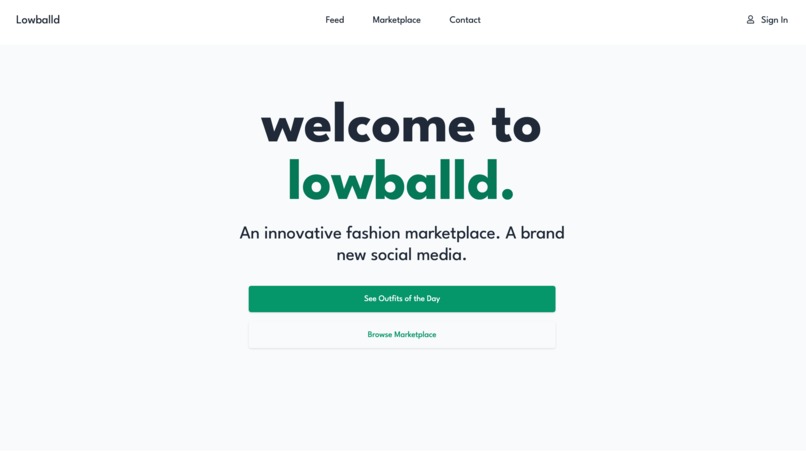
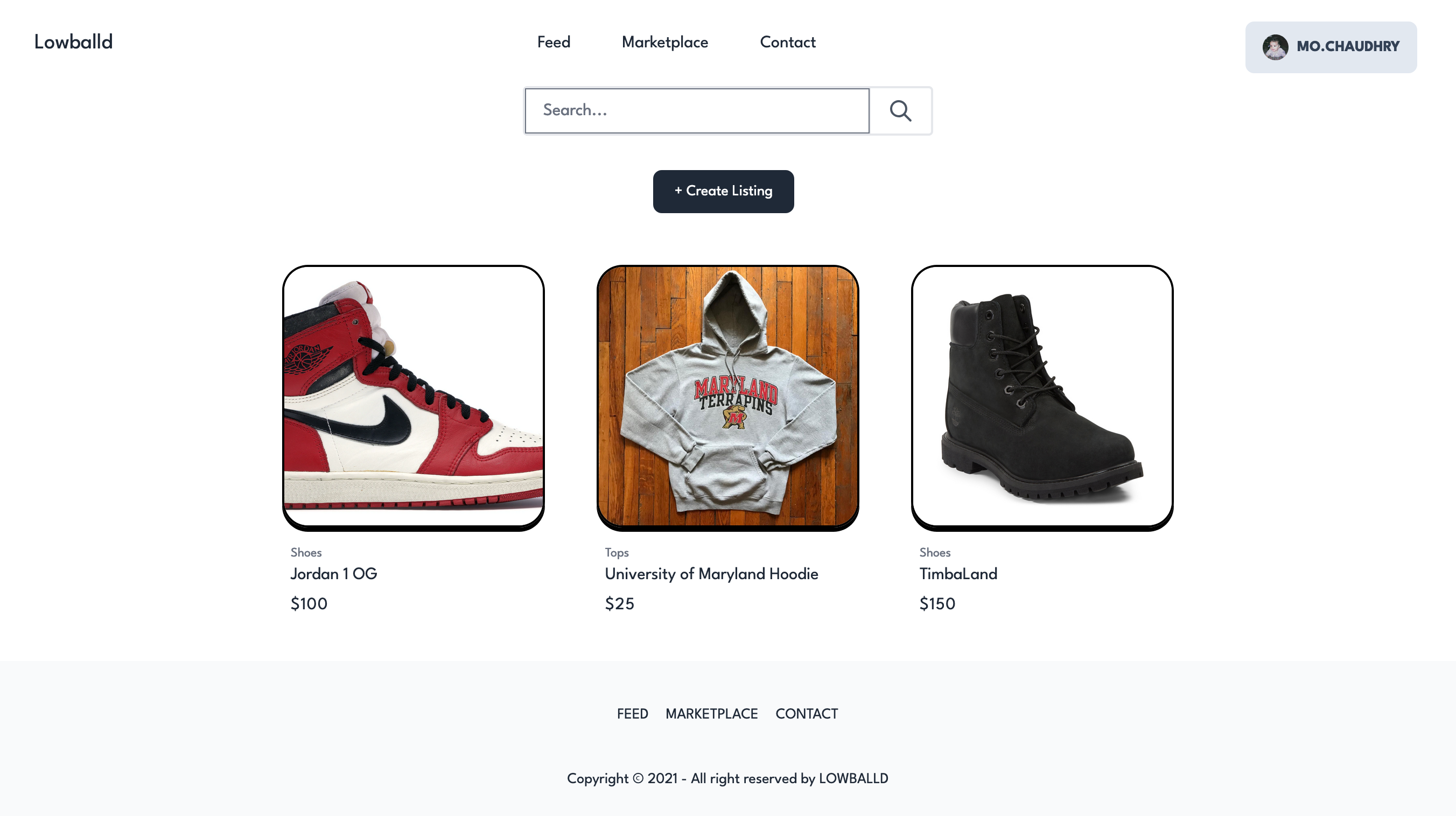
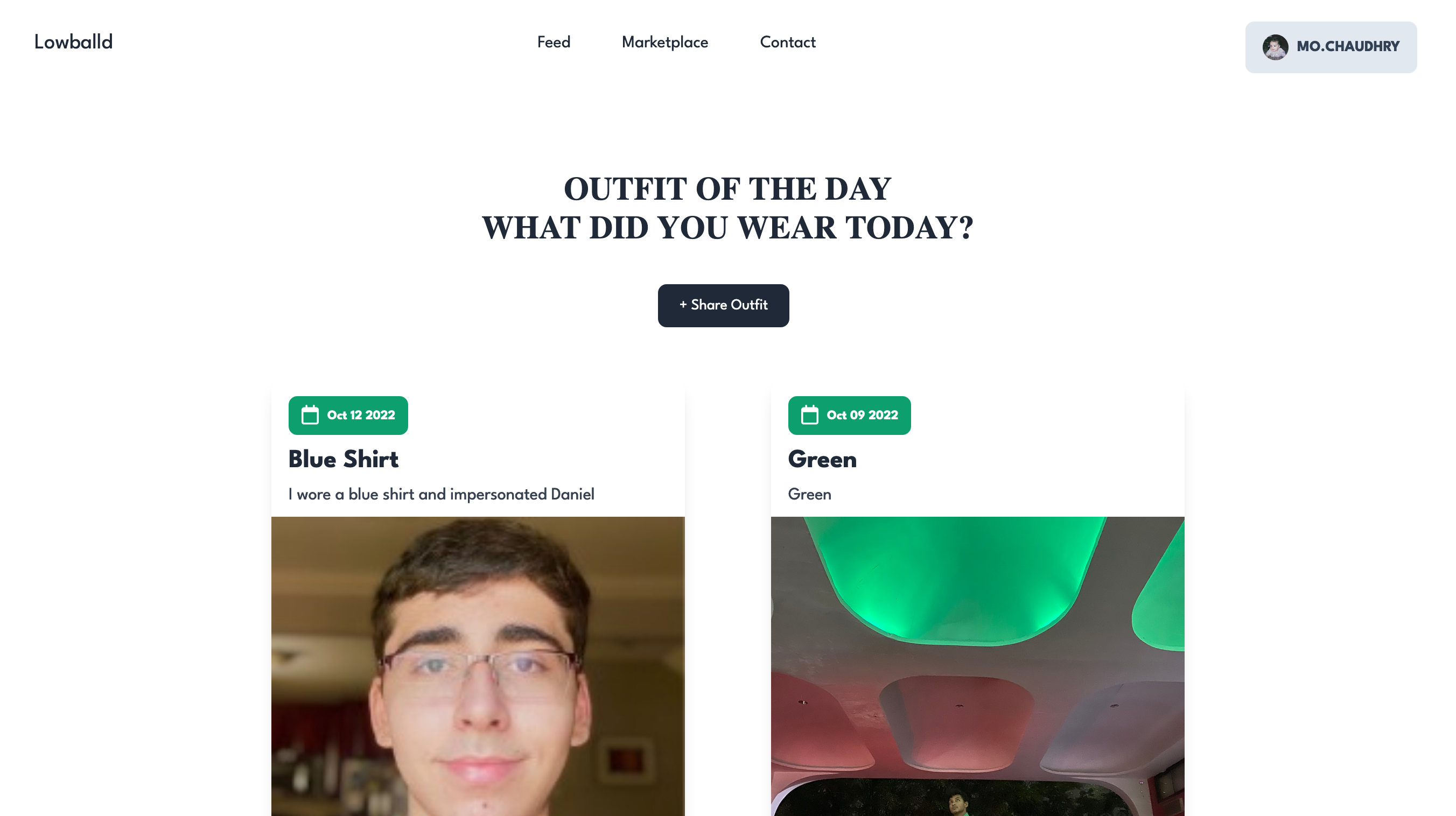
We wanted to cerate a Depop and Instagram hybrid web app and thought it would turn out really good
What it does
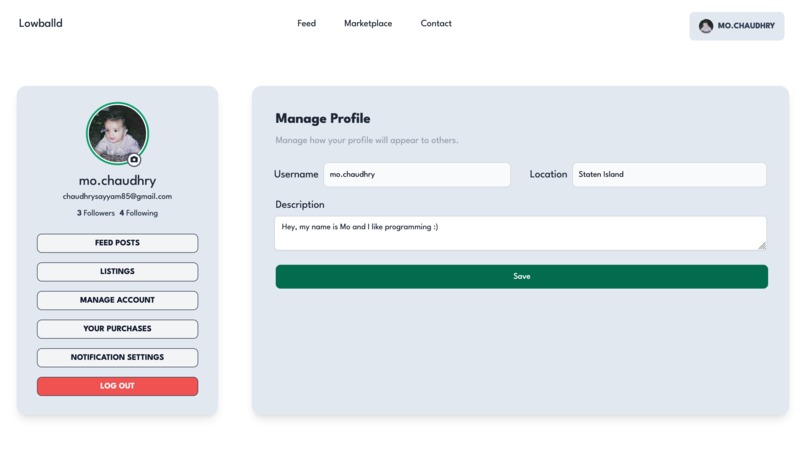
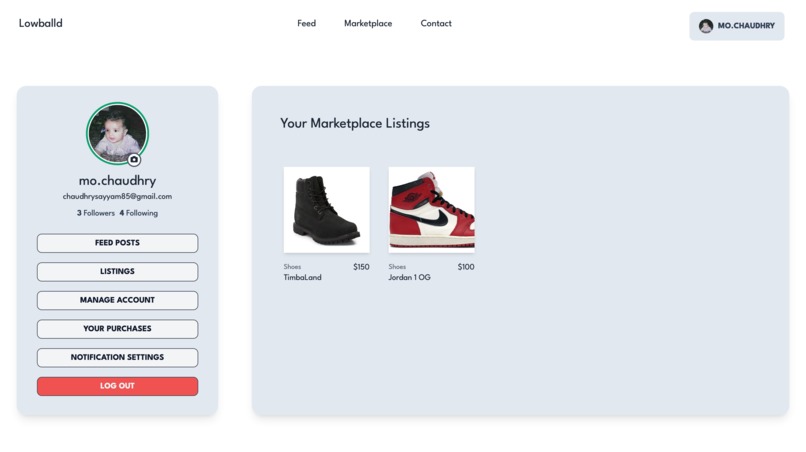
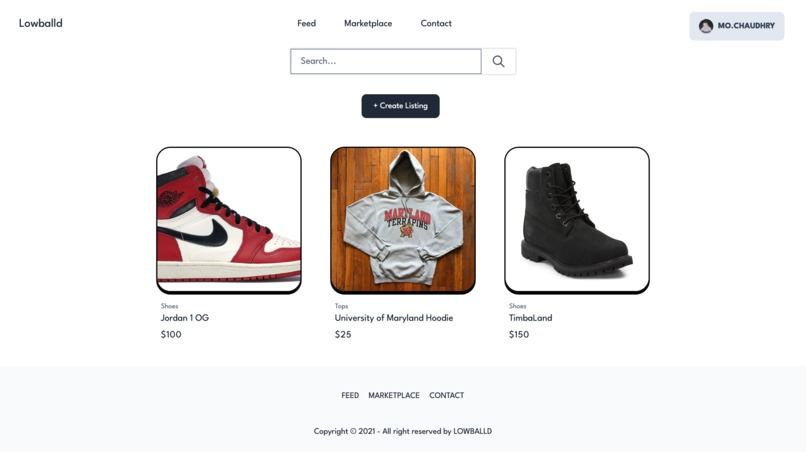
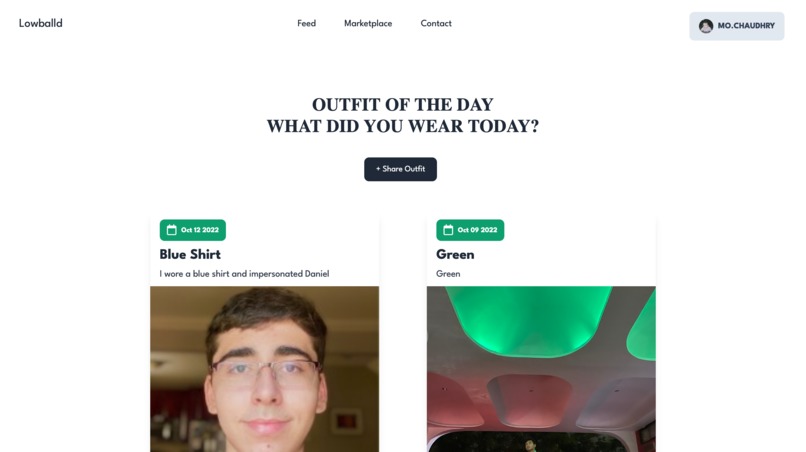
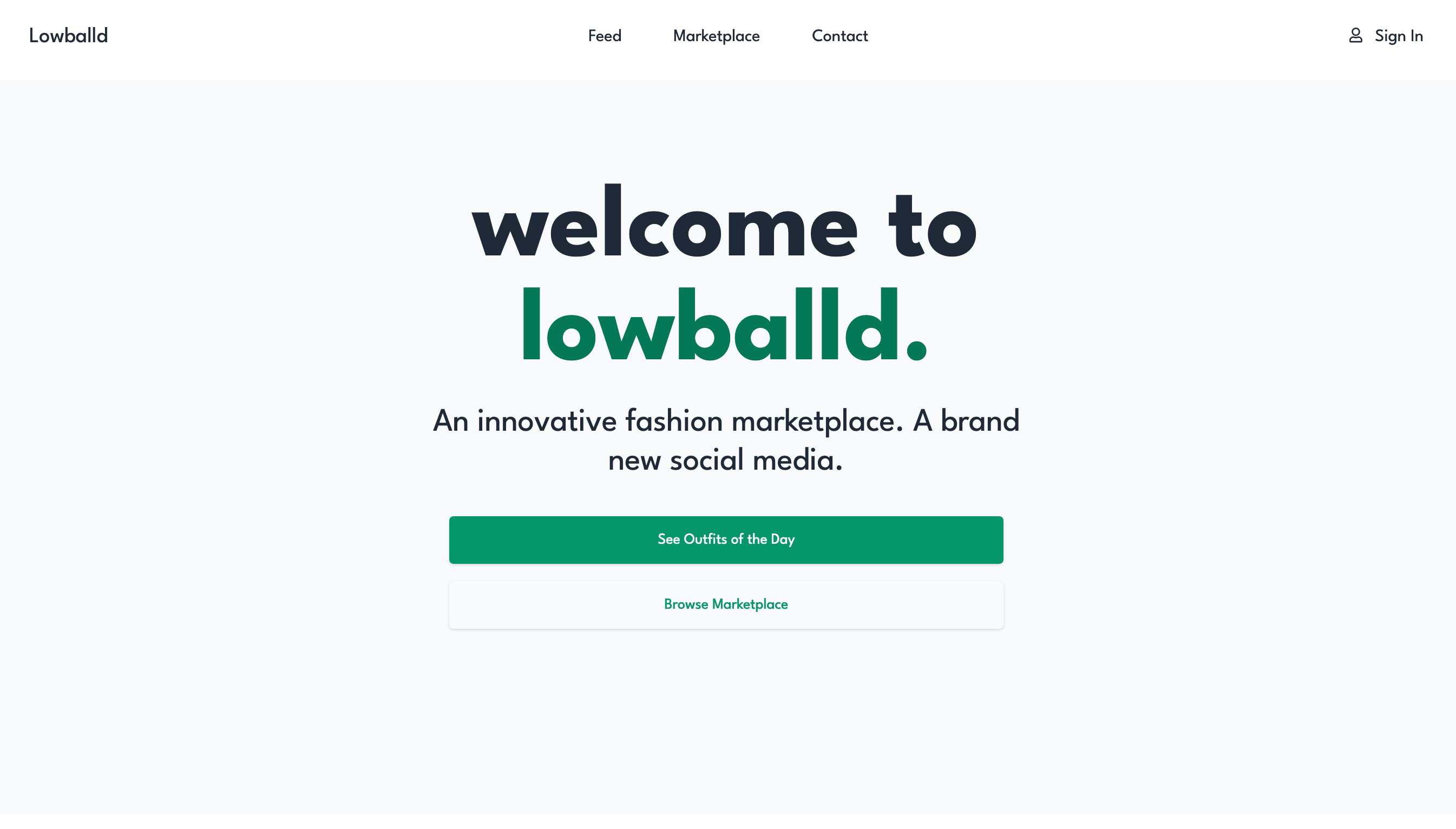
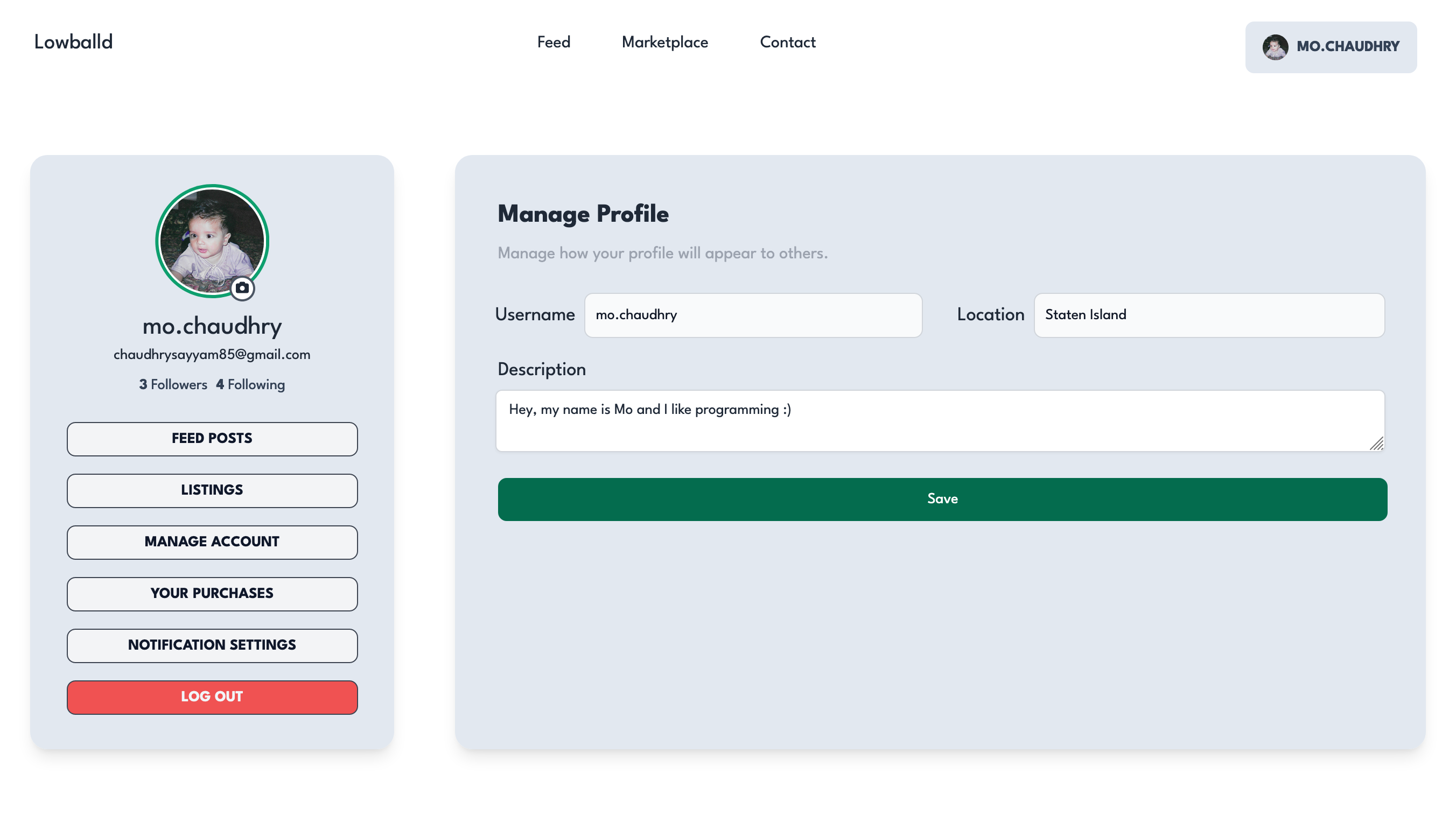
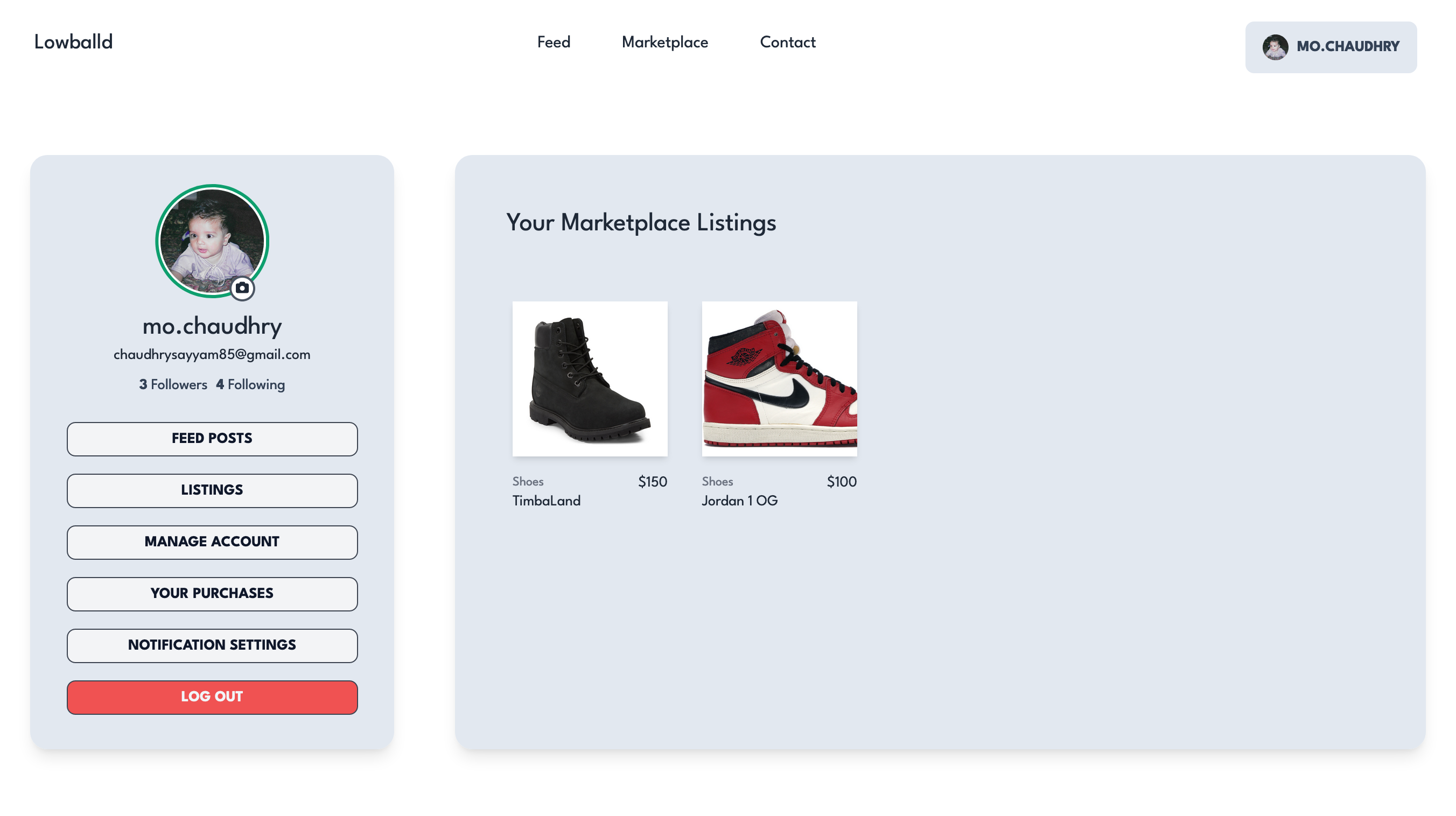
Users can browse the feed to check out outfits other users have posted. To like or comment they will need to create an account through Auth0 which is securely stored in the database that we started from scratch. After they log in, users can like and comment on posts and go to a user profile to follow or view more of their posts. You can also change your profile picture, username, and description. Your personal profile contains all of your posts and listings which you can delete if need be. When you want to post a listing or post your outfit, navigate to the feed or marketplace via the navigation bar on top of the page to start posting.
How I built it
My team used Vue which is a framework for Javascript to build out the front end of the website. I implemented the login system using Auth0 for authentication and redirecting to their login page. When the user creates an account, Auth0 stores their email/username and encrypted password into a MongoDB database I created. Then when logging in, Auth0 just fetches your info and cross-checks it. If it's a success and your credentials match, then you are redirected to the site but are now logged in. You can now like, comment, and follow other users and their posts. You can update your own profile as well. When you update your profile, the backend sends a patch request to my database and updates your information. When uploading images, our team implemented Cloudinary on the front and back ends to. We created an upload popup that allows users to choose files from their computer to upload and then Cloudinary stores them and optimizes them and returns the link to each image so that fetching images is much more efficient and doesn't slow down our site.
Challenges I ran into
It was very difficult trying to learn express.js at first, none of it made any sense to me so I had to watch tutorials and read a lot of documentation, A LOT. Youtube helped me quite a bit with the back-end. Compatibility issues were also very common as Vue had just rolled out version 3 and Auth0 hadn't caught up yet so it was very frustrating trying to find a working and updated guide.
Accomplishments that I'm proud of:
Finishing in less than 4 months with only 3 people on my team
What I learned:
How to thoroughly read documentation, learned how to create a back end server and how to host it. Also learned about databases and how to create and link them to my web app, learned a lot of Vue features that I will use in future projects.
What's next for Lowballd: adding email functionality and a lot of QoS updates to make the experience much smoother and adding a lot more features like notifications and support tickets
Built With
- auth0
- cloudinary
- express.js
- github
- javascript
- mongodb
- node.js
- render.com
- vue

Log in or sign up for Devpost to join the conversation.