Inspiration
Building production-ready AI agents today requires stitching together dozens of tools, frameworks, APIs, and cloud services. While creating a simple chatbot is straightforward, developing secure, scalable, multi-agent systems remains complex and time-consuming. We wanted to simplify that process by creating a low-code platform where developers and organizations can visually build, deploy, and orchestrate intelligent AI agents without sacrificing enterprise-grade architecture.
What it does
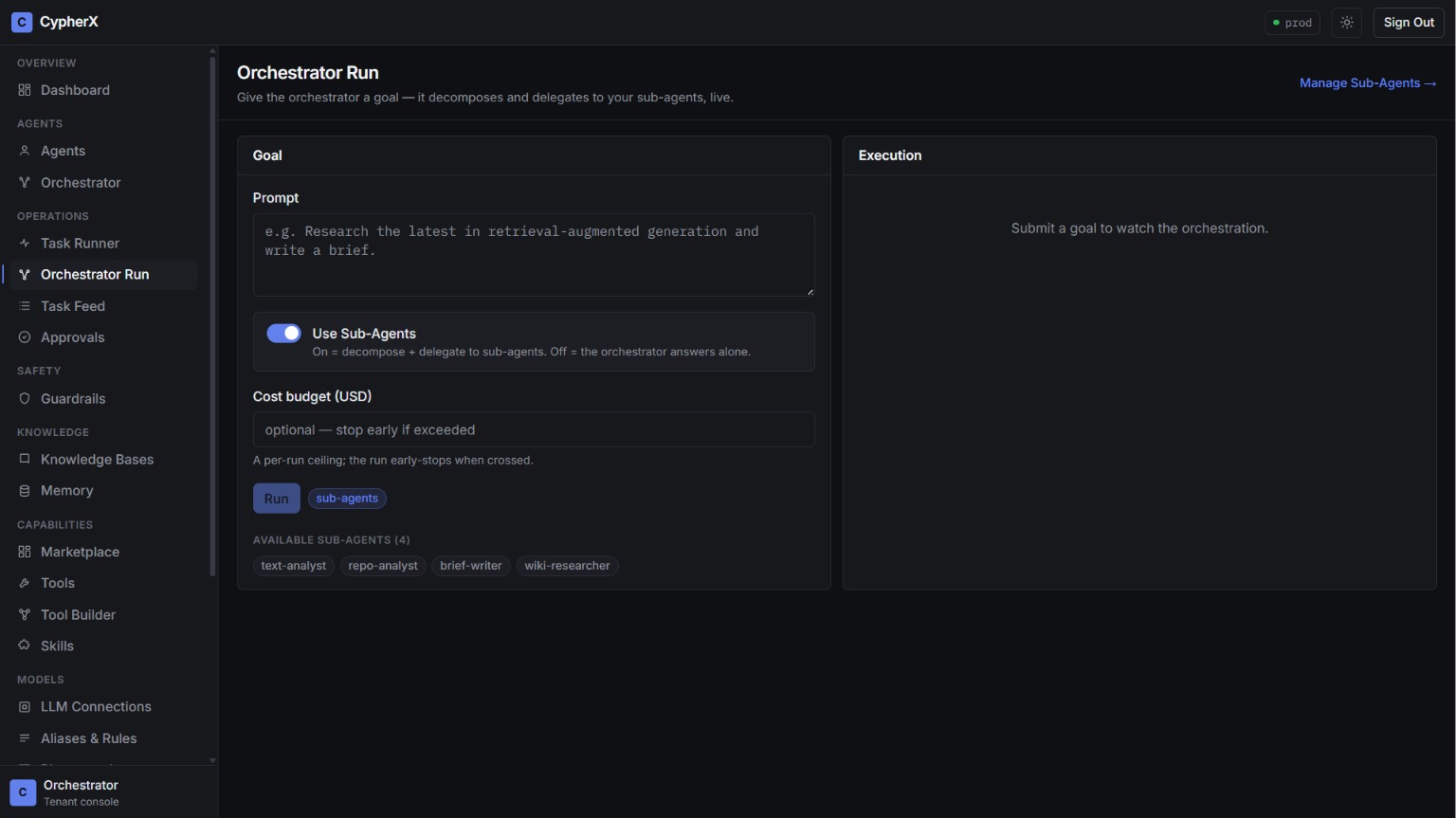
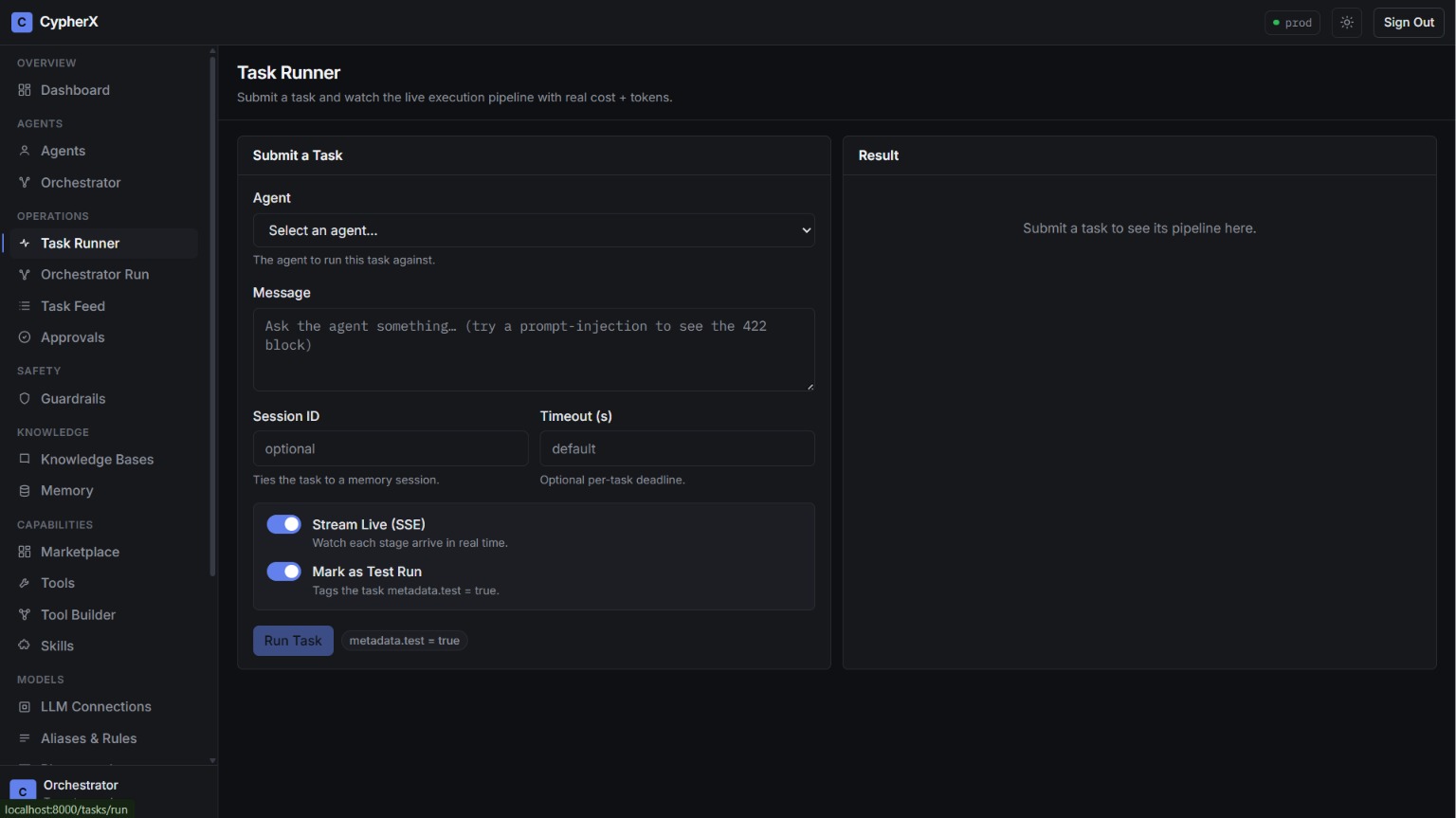
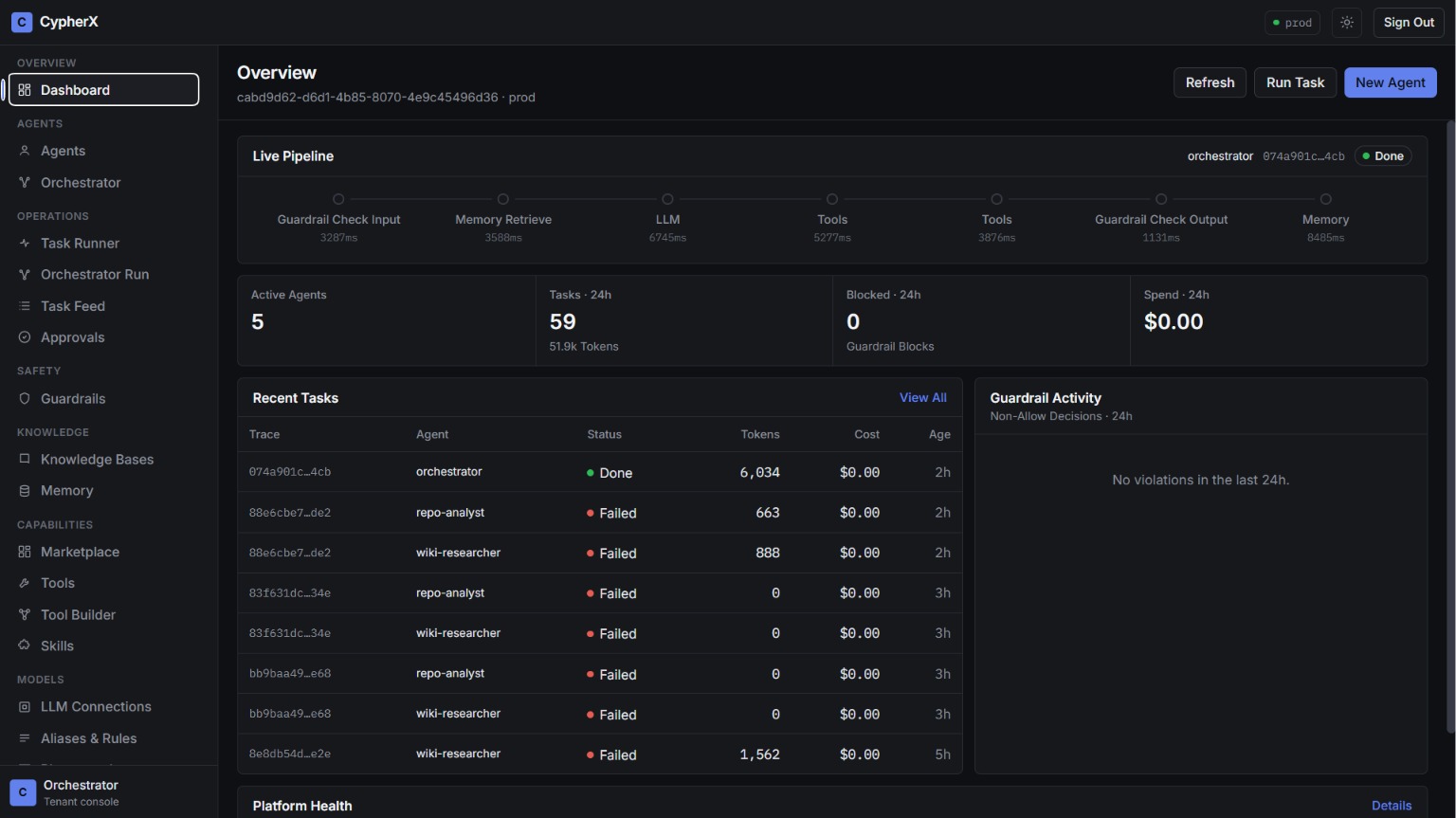
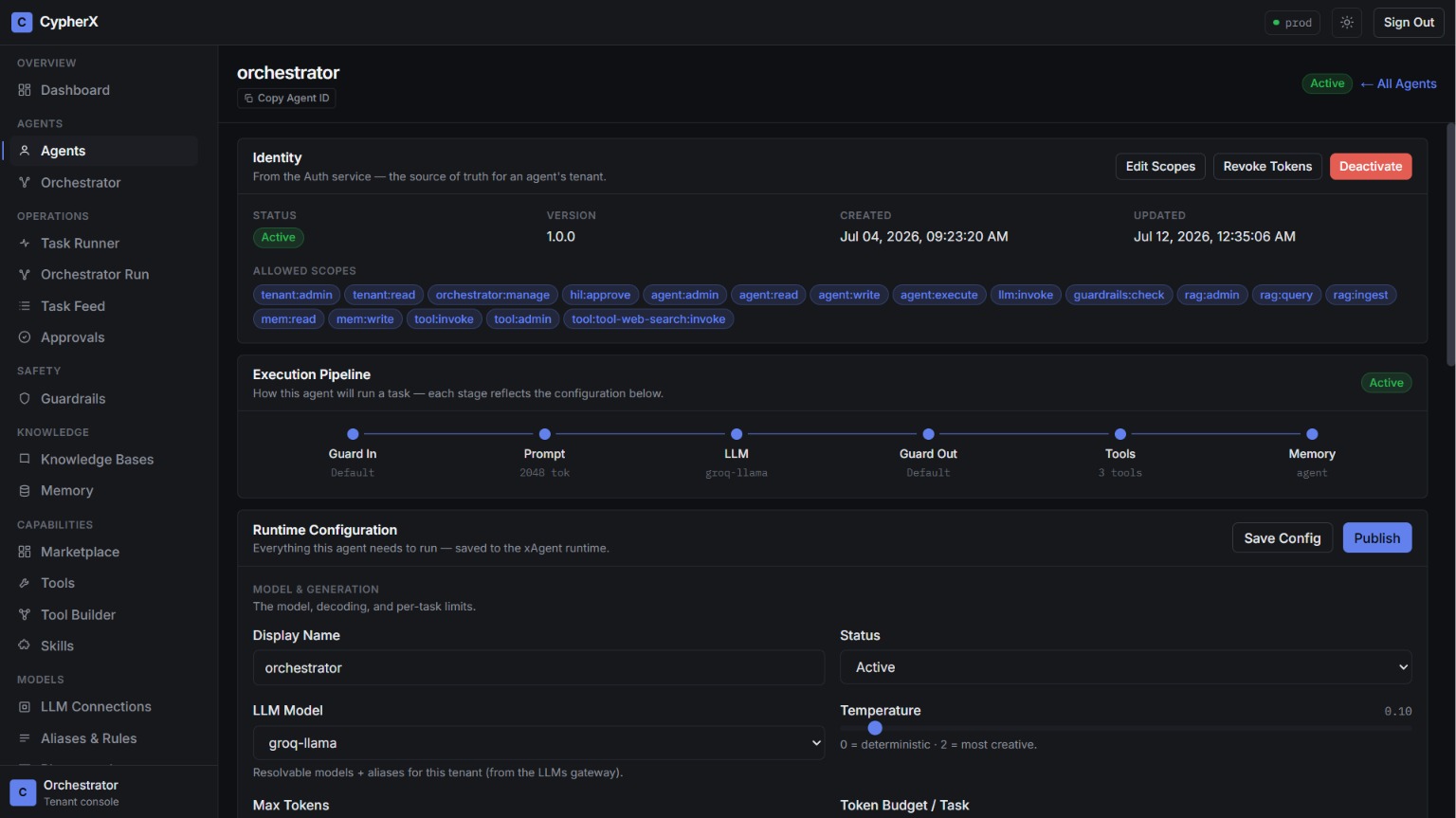
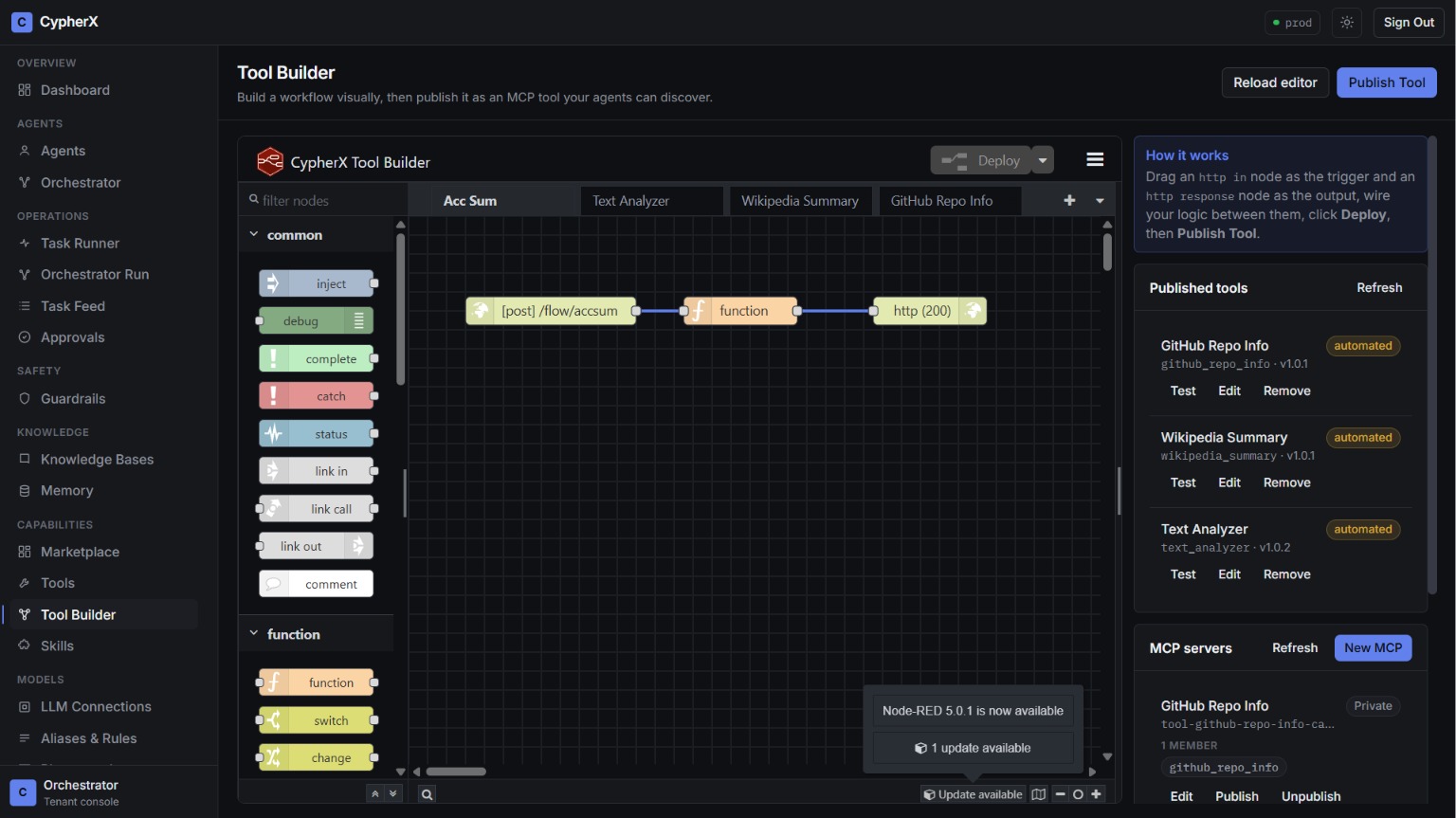
Our Low-Code Agentic Platform enables users to design, deploy, and manage AI agents through a visual interface. The platform supports multi-agent orchestration, long-term memory, Retrieval-Augmented Generation (RAG), secure tool execution through MCP (Model Context Protocol), guardrails, and workflow automation.
Key capabilities include:
- Visual drag-and-drop workflow builder
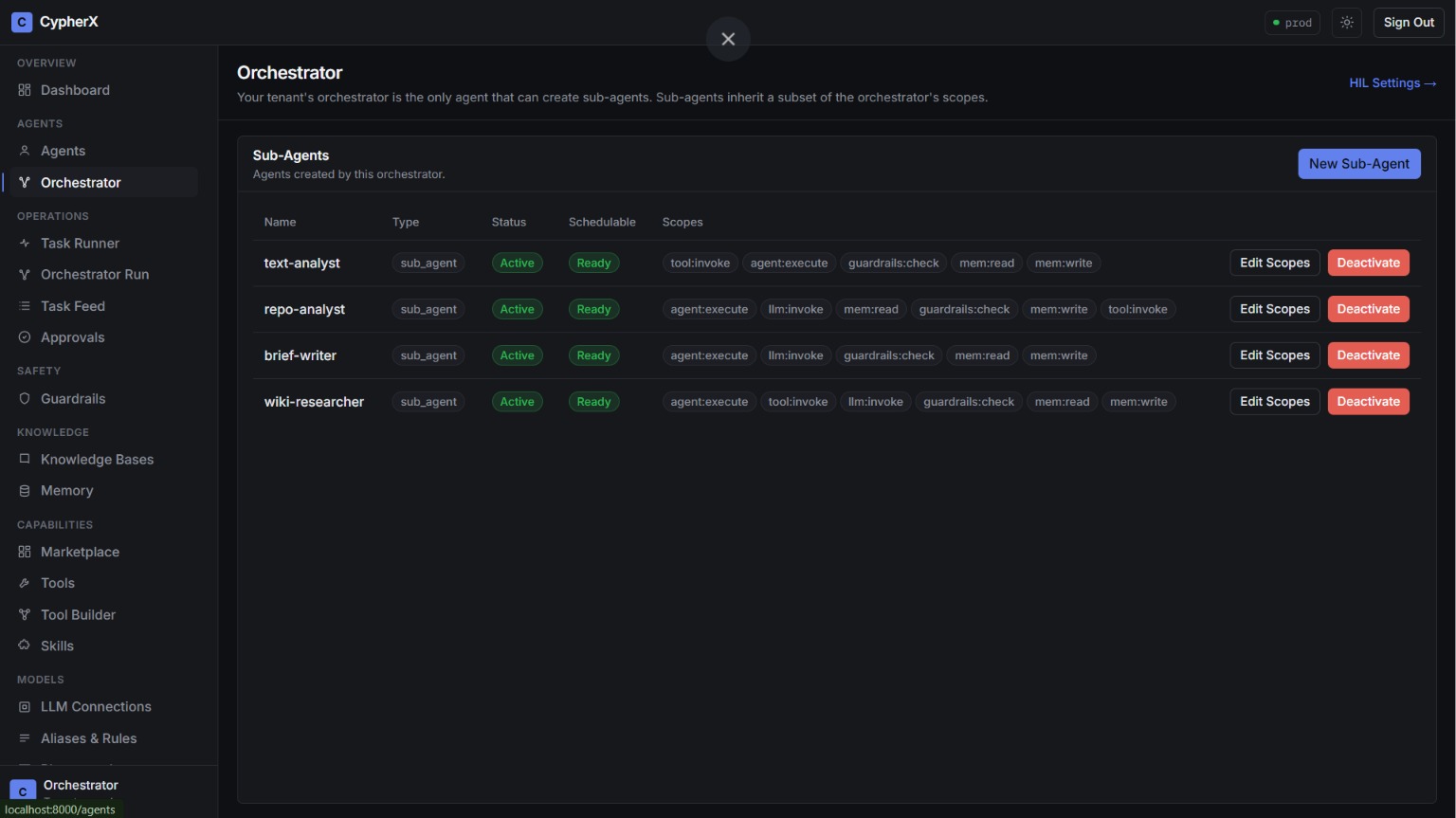
- Multi-agent orchestration with A2A communication
- Long-term AI memory and contextual retrieval
- RAG-based knowledge integration
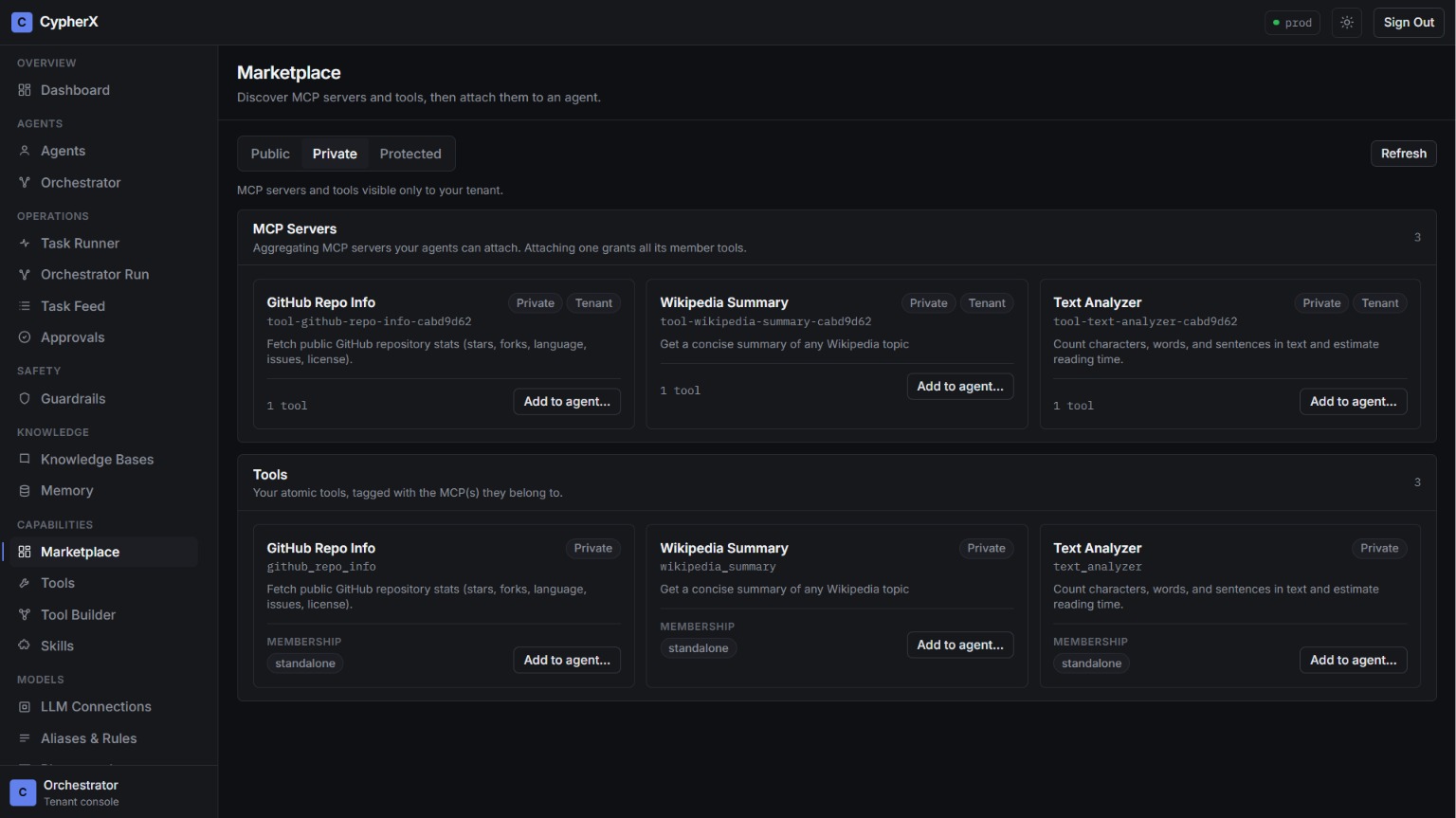
- Secure tool execution using MCP
- Enterprise authentication and multi-tenancy
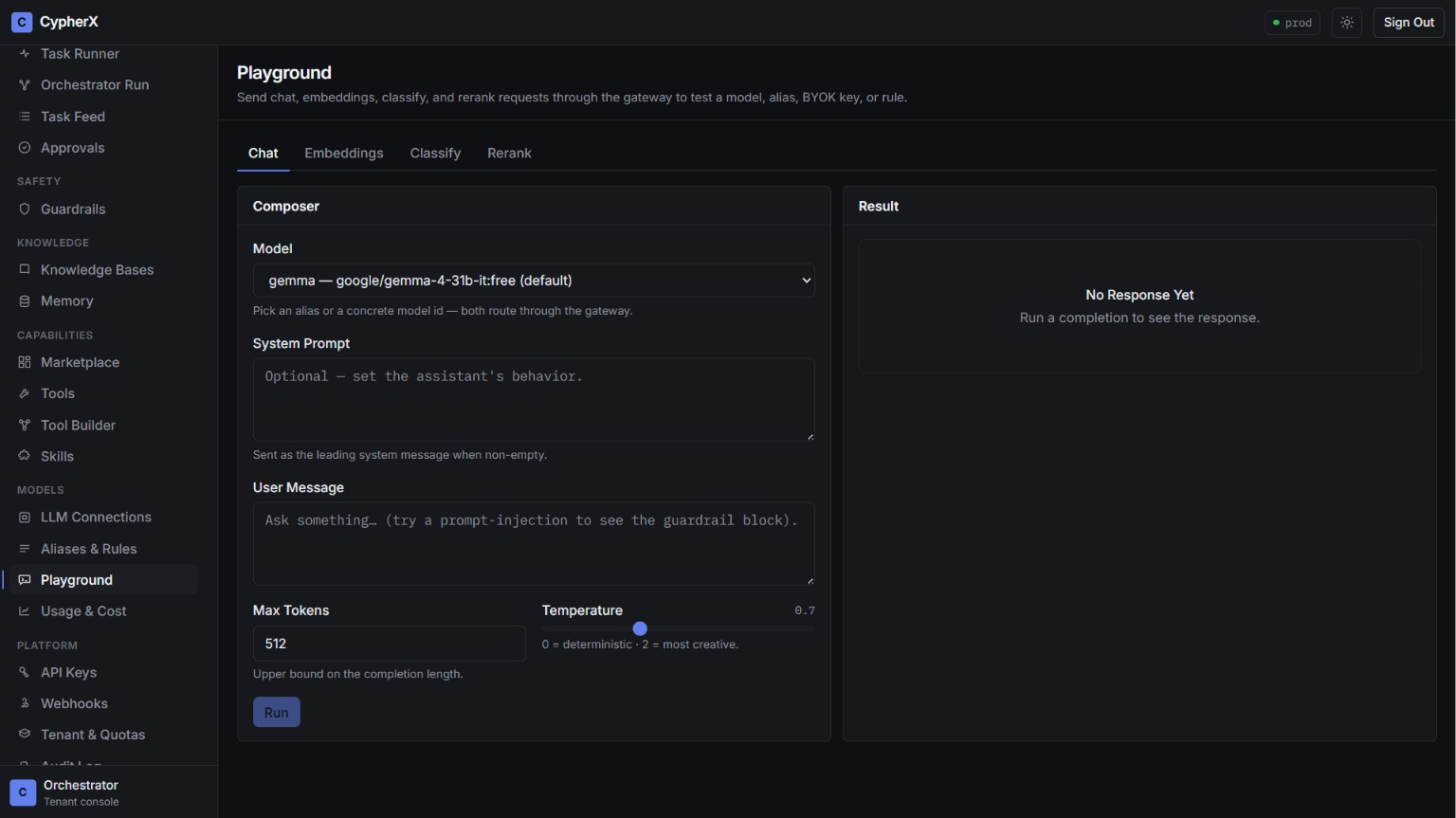
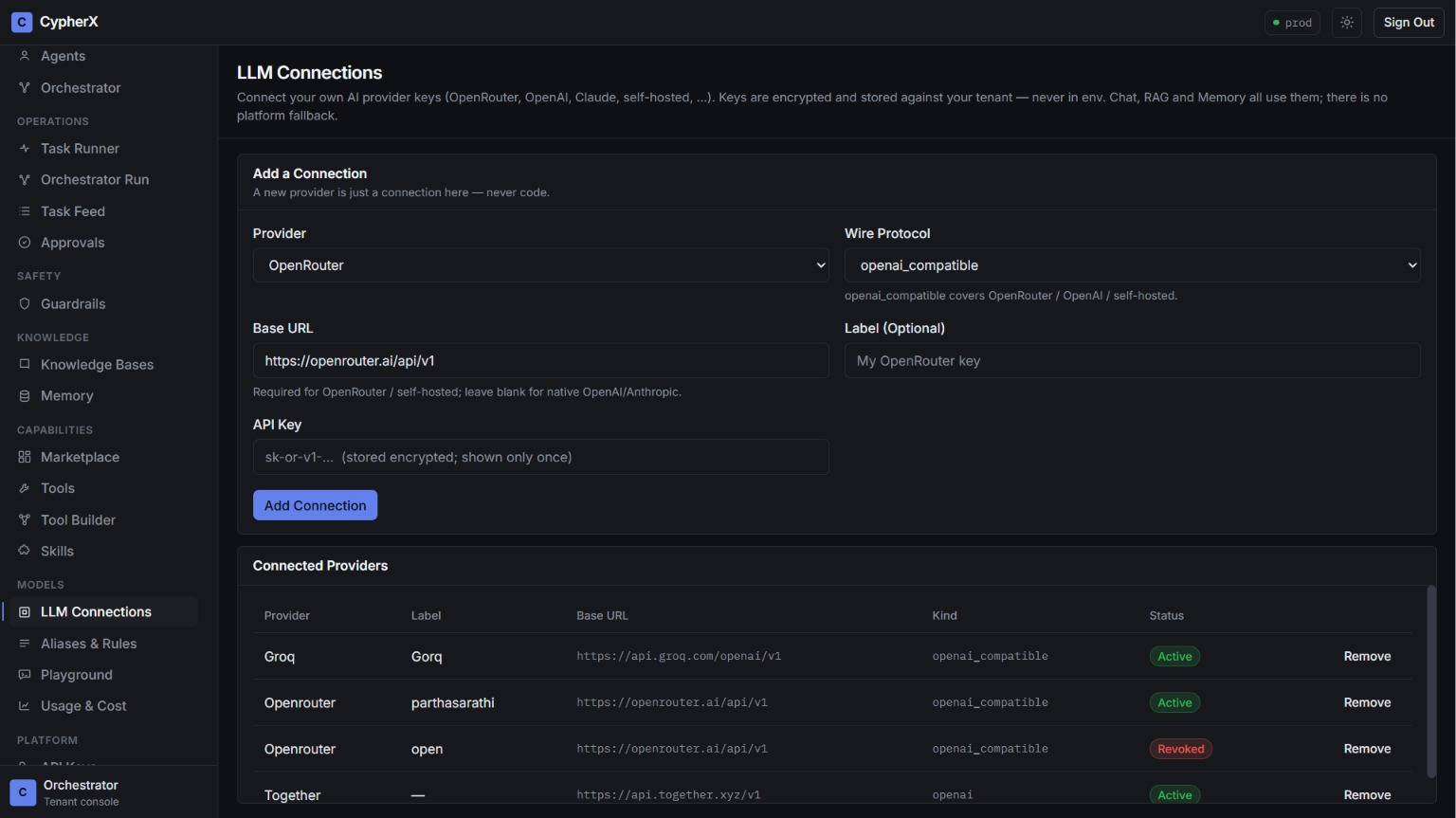
- Model-agnostic LLM gateway supporting multiple providers
- Built-in observability, monitoring, and tracing
How we built it
The platform follows a cloud-native microservices architecture running on Kubernetes. We designed each major capability as an independent service to ensure scalability, maintainability, and future extensibility.
The backend consists of dedicated services for authentication, memory, RAG, LLM routing, guardrails, orchestration, and platform management. Communication between services follows well-defined APIs and asynchronous event-driven patterns. PostgreSQL stores structured data, Qdrant powers semantic retrieval, Valkey provides high-speed caching, and object storage manages artifacts. GitHub Actions, ArgoCD, Terraform, and OpenTelemetry form the deployment and observability pipeline.
The frontend provides a low-code interface for building agents, configuring workflows, managing tools, and monitoring executions.
Challenges we ran into
The biggest challenge was designing a modular architecture that remains flexible without becoming overly complex. Defining clear boundaries between memory, retrieval, orchestration, tool execution, and agent communication required multiple design iterations.
Another challenge was balancing low-code simplicity with enterprise requirements such as security, multi-tenancy, observability, scalability, and extensibility. We also focused on ensuring every service could evolve independently without introducing tight coupling across the platform.
Accomplishments that we're proud of
- Designed a modular, enterprise-ready architecture for agentic AI.
- Built a visual low-code workflow for creating intelligent agents.
- Implemented support for multi-agent orchestration.
- Created an extensible memory and RAG architecture.
- Integrated secure tool execution using the Model Context Protocol (MCP).
- Built a cloud-native foundation that supports future scaling and additional AI providers.
- Designed the platform to remain vendor-independent through abstraction layers where appropriate.
What we learned
This project reinforced that building production-grade AI systems is as much about software engineering as it is about AI. Reliability, observability, security, orchestration, and distributed systems play a larger role than model selection alone.
We also learned the importance of designing stable contracts between services early, allowing each component to evolve independently while keeping the overall platform maintainable and scalable.
What's next for Low-Code AGENTIC PLATFORM
Our next steps include expanding the platform with additional MCP tools, richer workflow components, advanced memory management, collaborative multi-agent planning, improved guardrails, and support for more deployment environments.
We also plan to release developer SDKs, enhance the visual workflow builder, introduce a marketplace for reusable agents, tools, and skills, and continue improving the platform's scalability, performance, and enterprise capabilities.

Log in or sign up for Devpost to join the conversation.