-
-
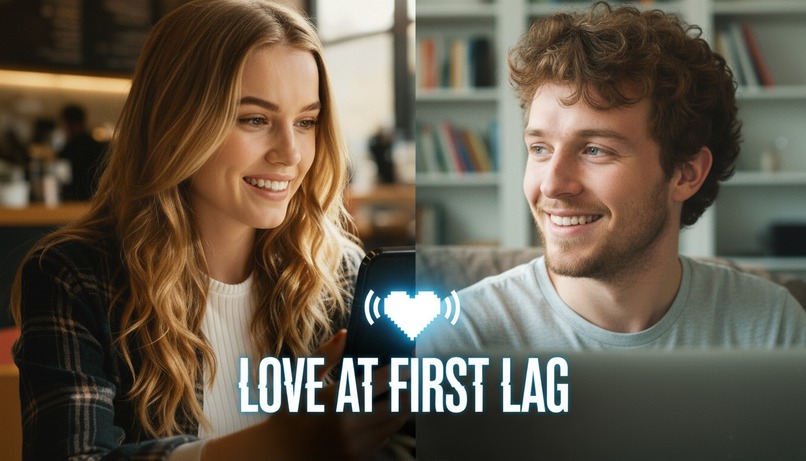
Film poster horizontal
-
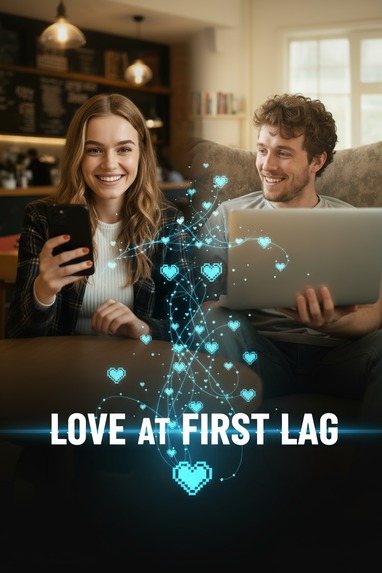
Film poster vertical
-
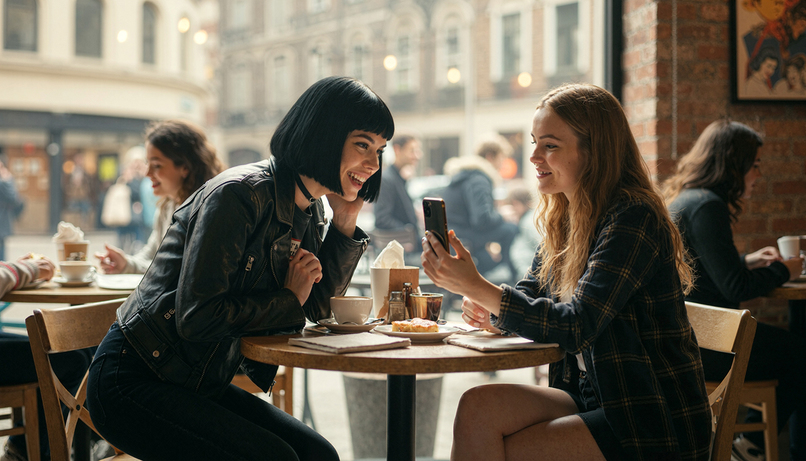
Still frame
-
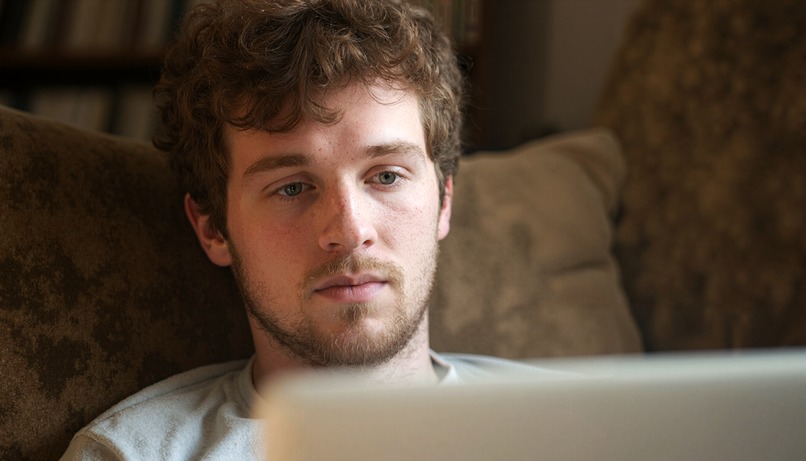
Still frame
-
Still frame
-
Still frame

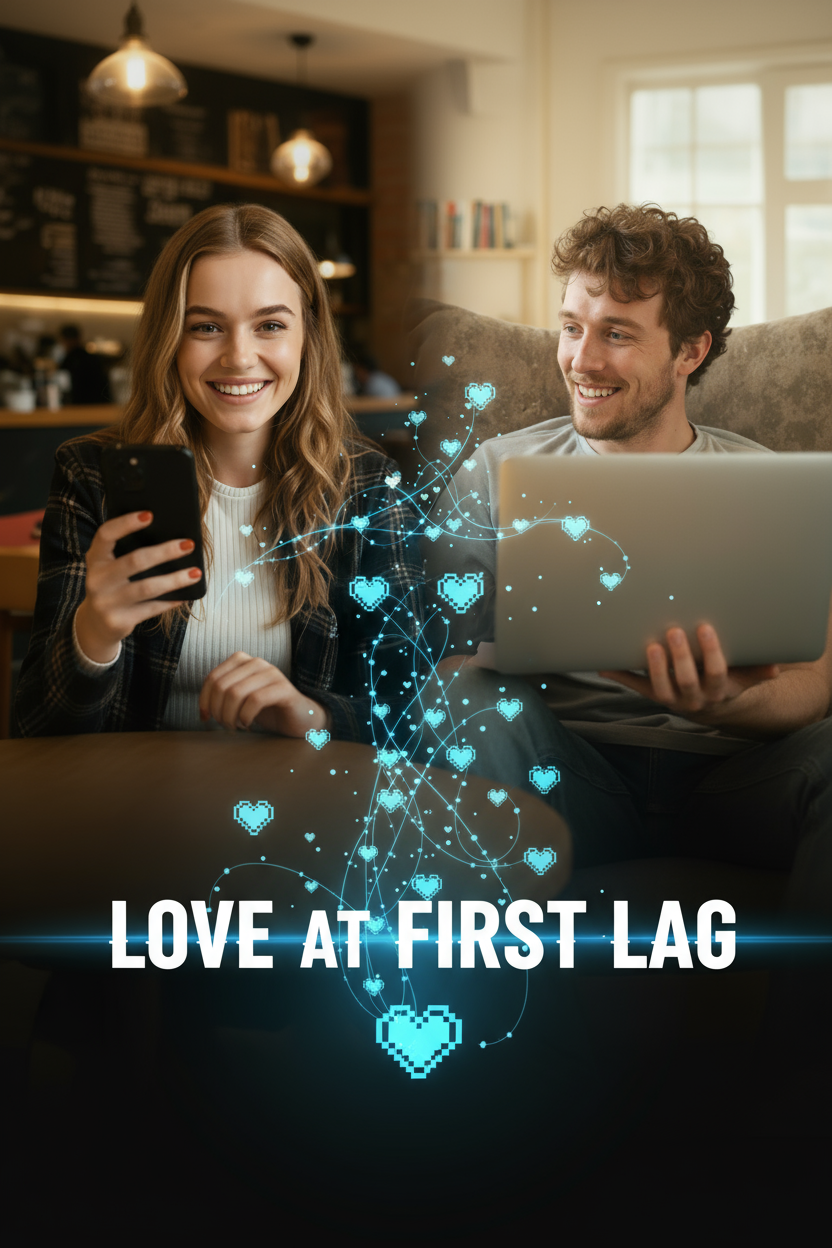
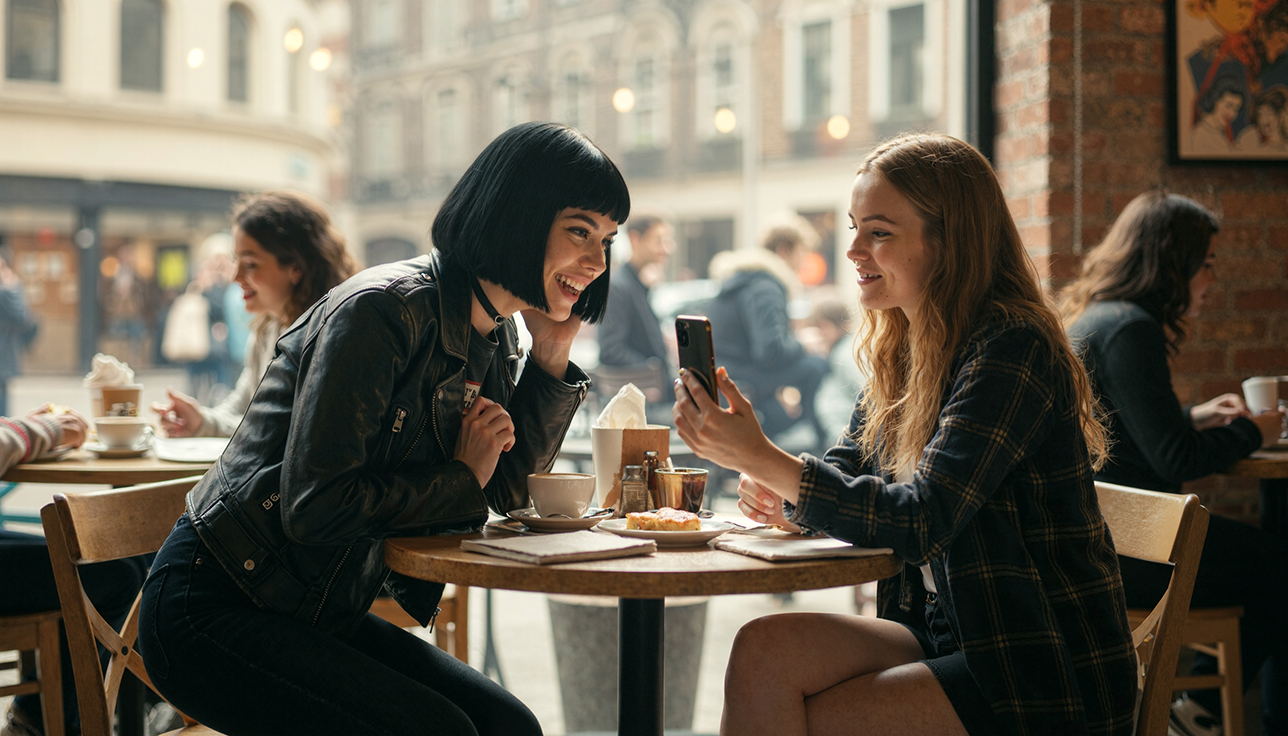
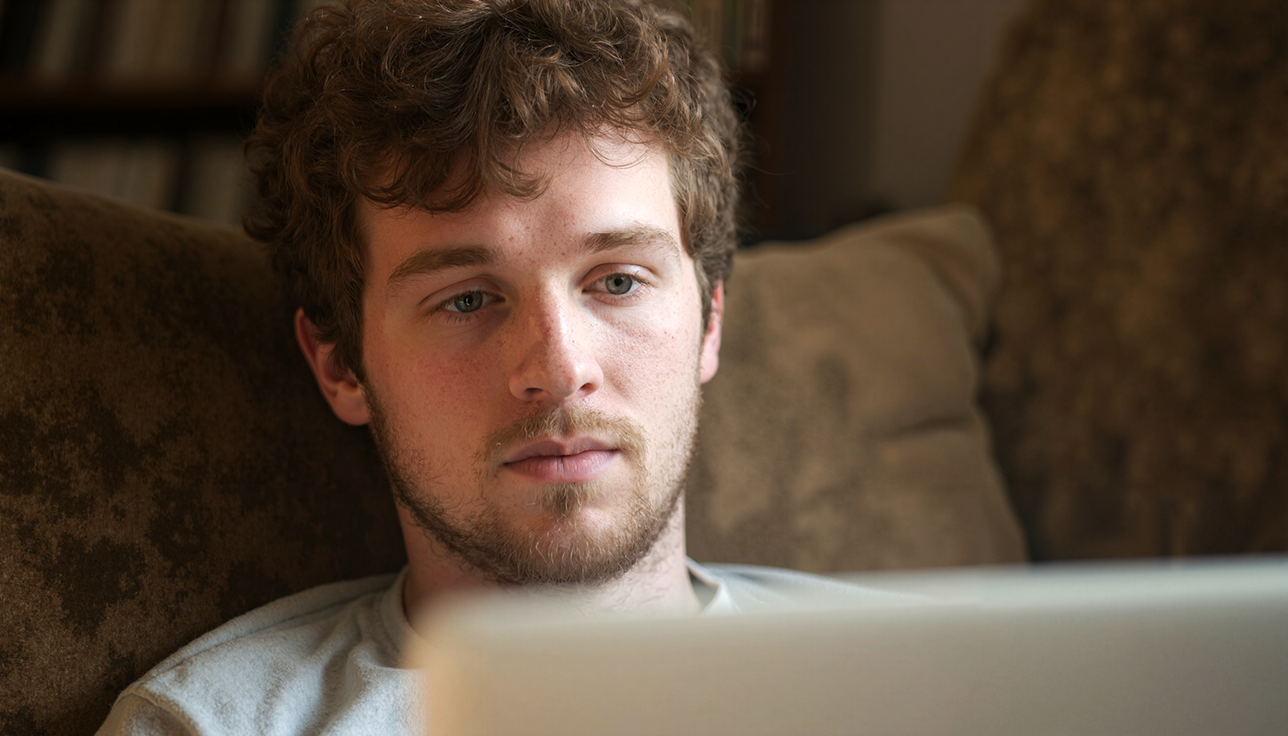
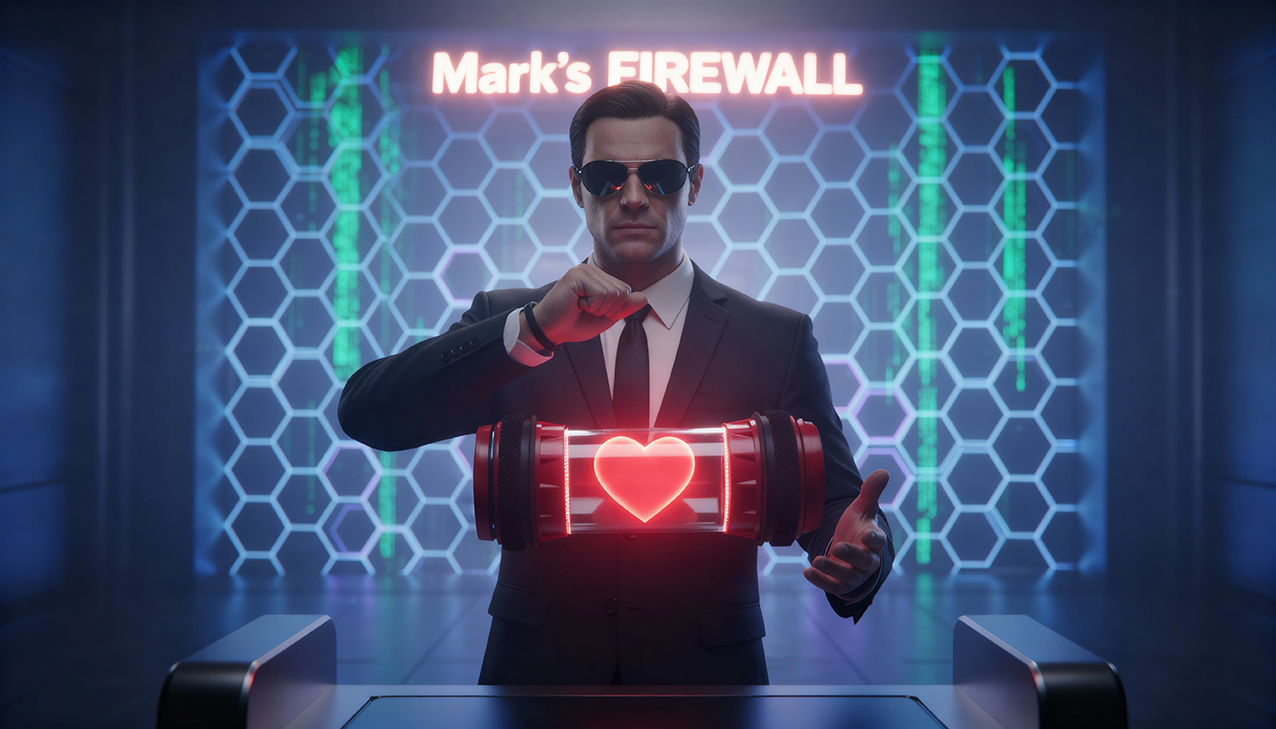
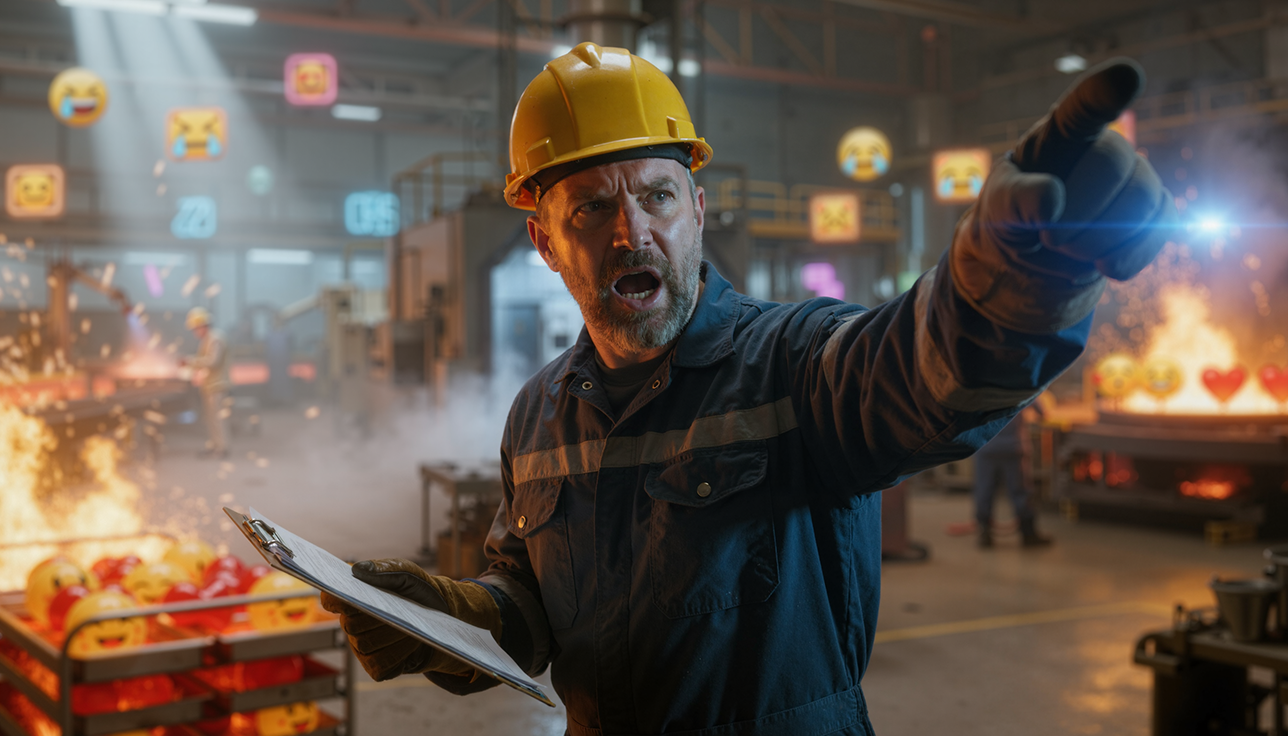
Inspiration The idea began with a simple frustration: why does sending a message sometimes feel like shouting into a void? I wanted to turn that invisible delay — that awkward spinning wheel — into something physical, cinematic, and funny. “Love at First Lag” was inspired by the hidden world inside our devices, mixed with the relatable chaos of modern dating. If our emotions feel big, maybe the digital world carrying them is even bigger — and messier.
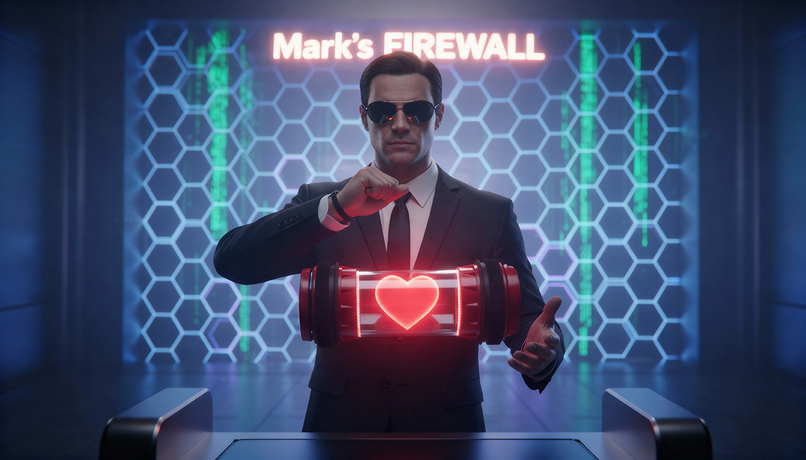
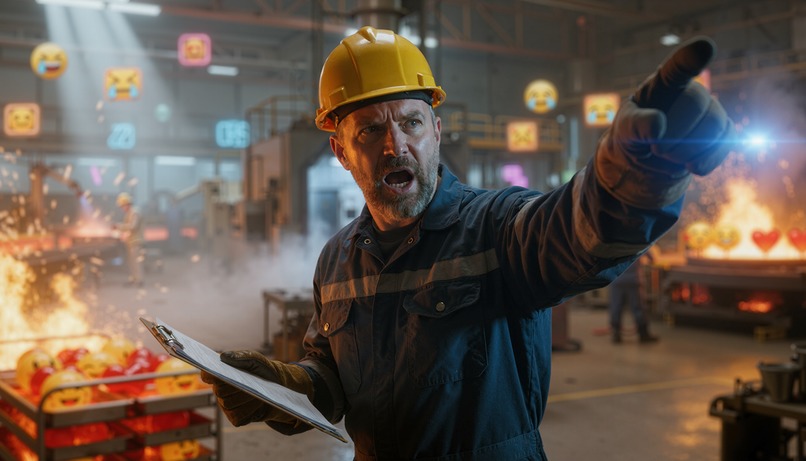
What it does The film visualizes the unseen journey of a single message traveling from one person to another. Instead of abstract “data transfer,” we build an entire physical universe where emojis are forged in factories, messages race through shipping hubs, Wi-Fi is powered by sleepy hamsters, and digital firewalls are guarded by human bouncers. It’s a surreal rom-com wrapped in a world-building comedy that reimagines how technology actually works behind the scenes.
How we built it The entire project was crafted with a mix of generative AI tools — image models, video models, motion tools, and AI-driven post-production — combined with traditional editing, sound design, and pacing. Each scene was designed like a miniature live-action set: lighting, lenses, blocking, camera movement, sound layers, and performance direction were all planned through detailed prompting. The workflow blended iterative image generation, animated transitions, and manual timing to achieve a cinematic, cohesive 90-second story.
Challenges we ran into The biggest challenge was consistency — characters, props, environments, even the hamster farm — all needed to feel like they belonged to the same film universe. Achieving continuity across AI-generated shots required obsessive prompting, iteration, and creative workaround techniques. Motion models often misinterpreted subtle performance directions, so expressions and gestures had to be refined multiple times. The tone was another challenge: balancing comedy with emotional sincerity in such a short runtime demanded very precise pacing.
Accomplishments that we’re proud of I’m proud that “Love at First Lag” feels like a fully realized miniature film world — visually cohesive, emotionally clear, and genuinely funny. It takes something mundane (a message being delivered) and turns it into a cinematic adventure. I’m also proud of the human moments: the reactions, the timing, the chemistry, the final payoff. And above all, I’m proud that the film proves AI isn’t here to replace storytelling — it’s a tool to make wild ideas suddenly possible.
What we learned I learned how to use AI not just as a generator of images, but as a full filmmaking pipeline: directing performance, designing sets, shaping sound, and maintaining continuity across dozens of shots. I learned that humor is incredibly sensitive to timing — even a 0.3-second pause can change a scene. Most importantly, I learned that the best AI work still needs human intention. A clear story beats any fancy model.
What’s next for Love at First Lag I’d love to expand this world into a longer short film or a mini-series about the secret lives of digital systems — a comedy about the worlds inside our devices. There are endless places to explore: spam jungles, cloud storage weather systems, firewall police stations, lost-file graveyards. I’m also exploring interactive or vertical formats where viewers can “travel” through the message universe themselves. There’s a lot more chaos to uncover behind the things we take for granted.
Built With
- freepik
- luma-ray-3
- nanobanana
- seedance
- seedream-4k
- suno
- veo3.1


Log in or sign up for Devpost to join the conversation.