

Inspiration
Artificial Intelligence is the defining innovation of our time. We wanted to see how this technology could be used to supplement and optimize education.
What it does
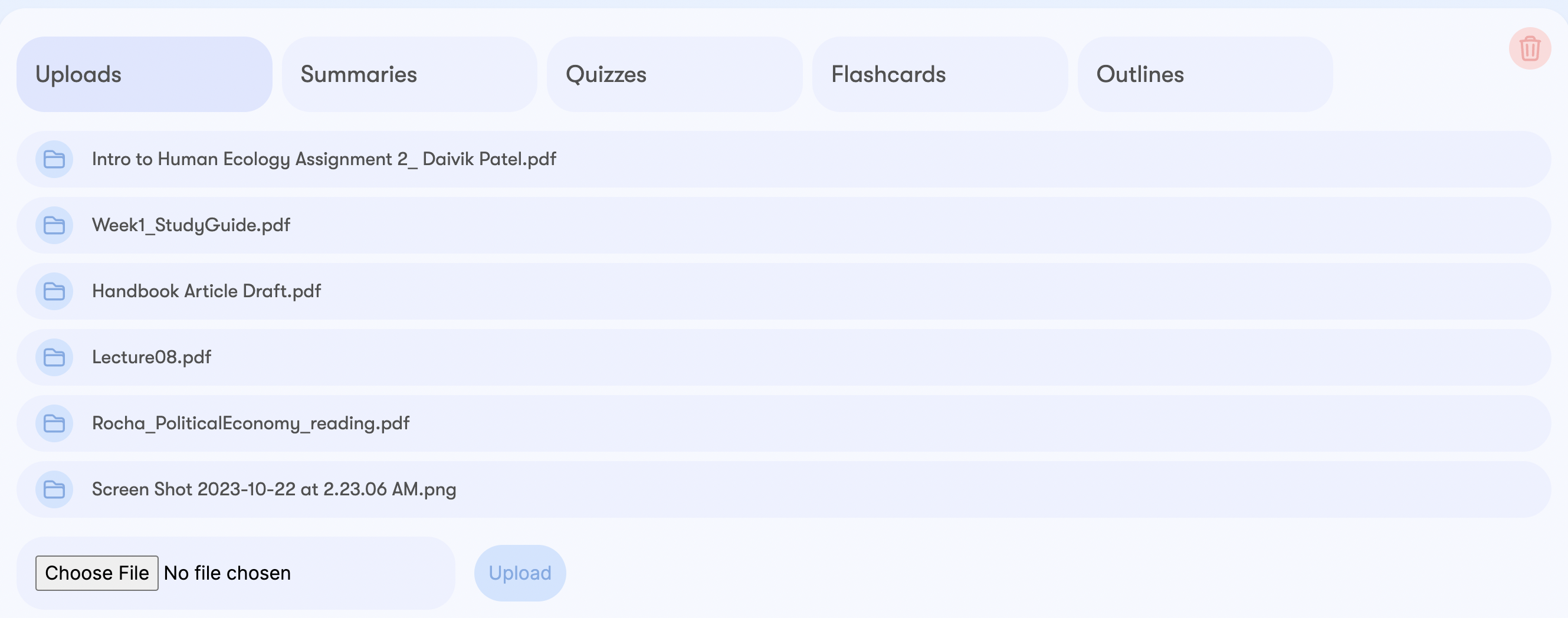
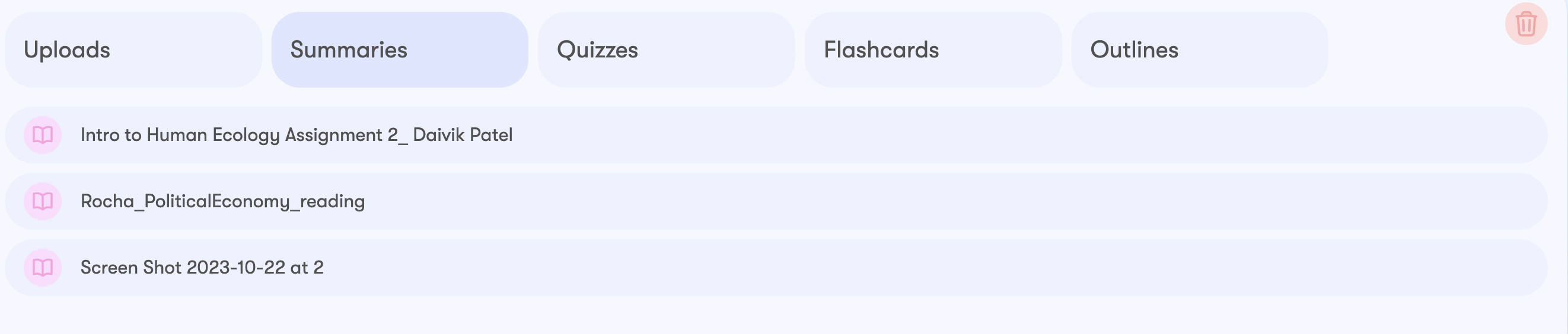
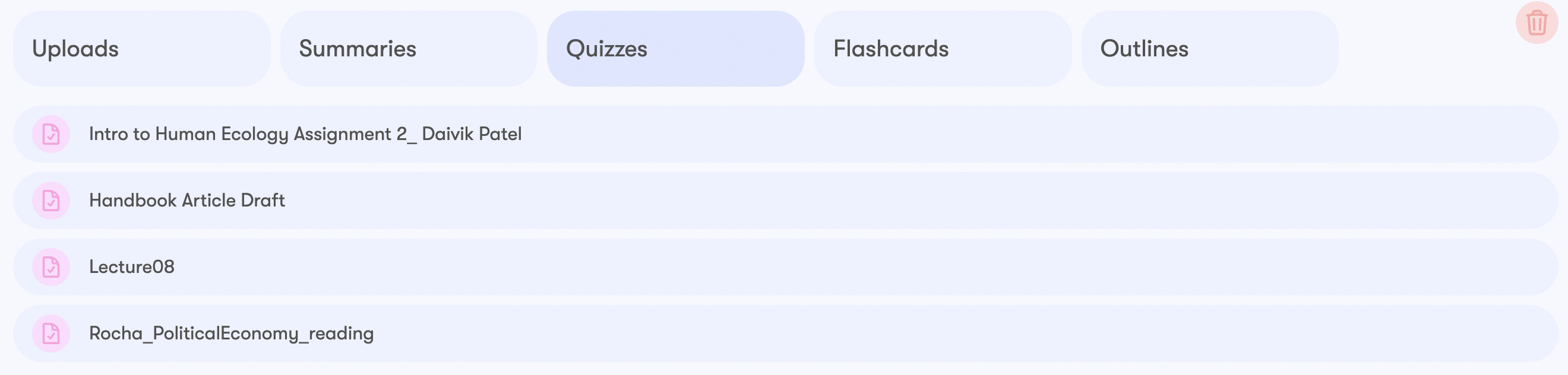
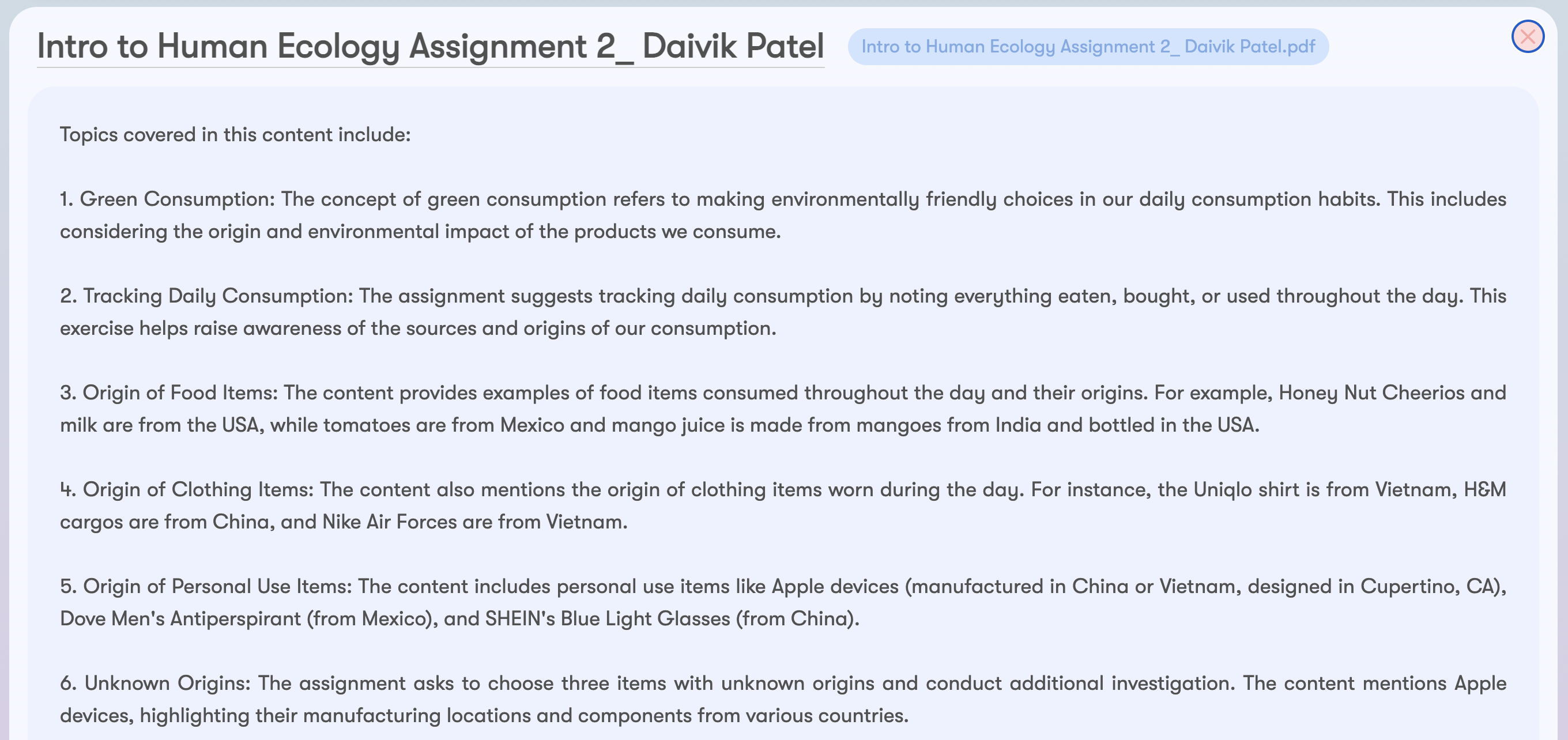
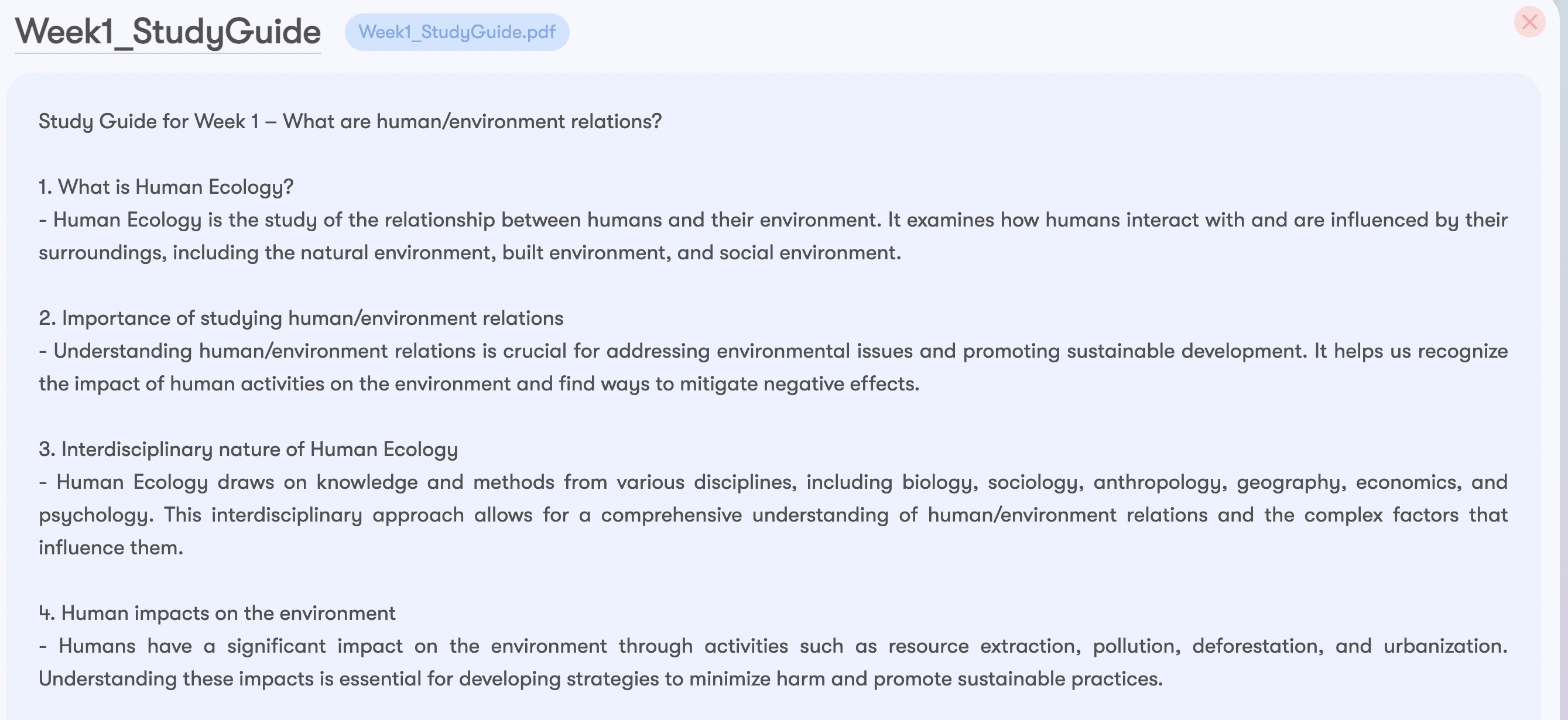
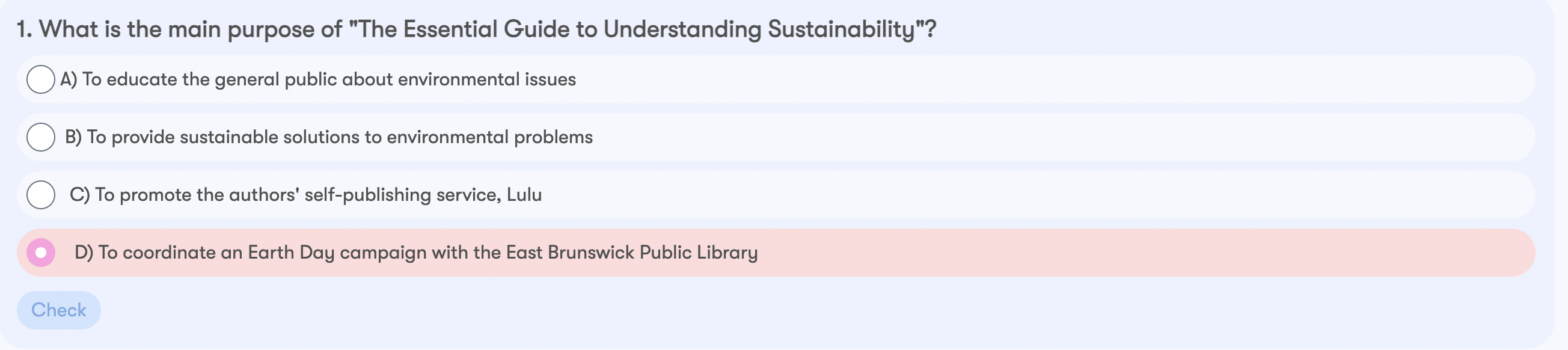
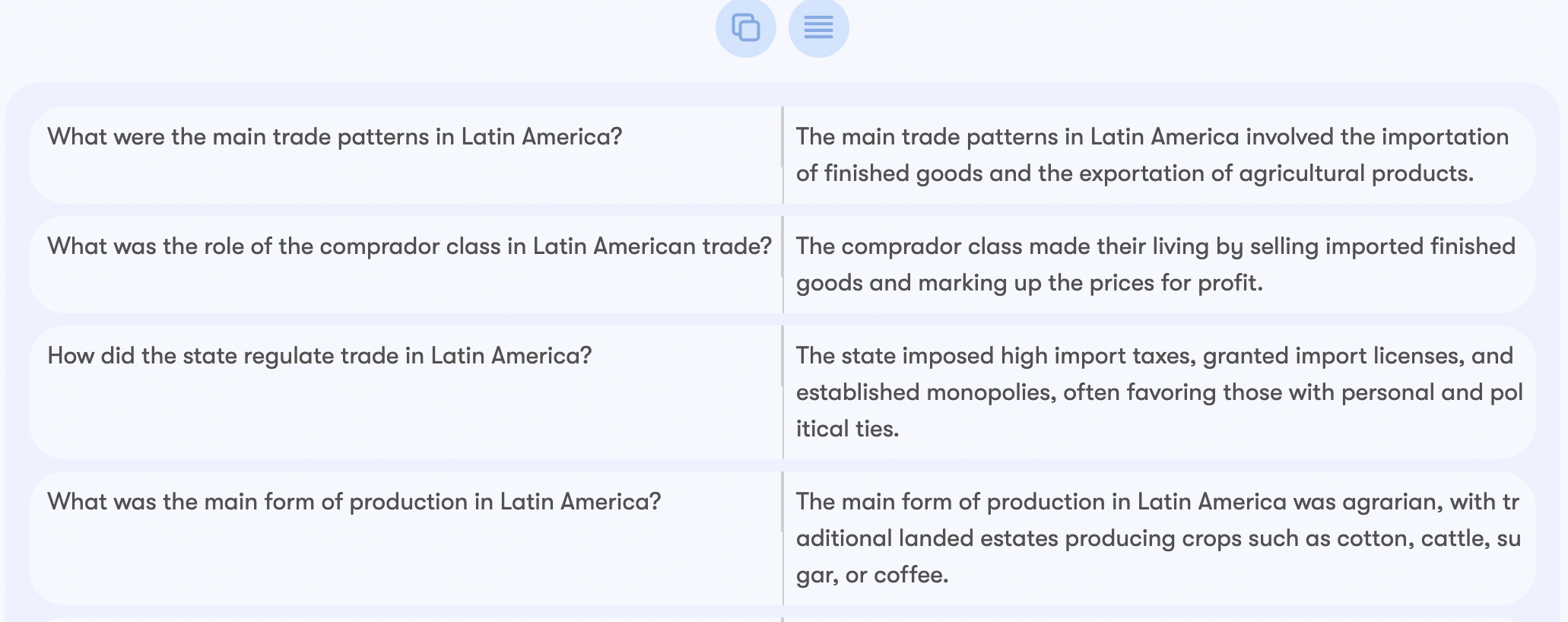
Lotus is a place where you can neatly store all your course materials - text, docs, pdfs, image scans, and even lecture audio! Lotus parses the contents of these files and saves them so that it can readily generate summaries, outlines, flashcards and quizzes at your request, using your provided files as context.
How we built it
We built Lotus's frontend using Next.js, React and Tailwind. We wrote the backend using Node.js, employing the APIs of Microsoft Azure and OpenAI for input parsing and output generation. Finally, we store our data using MongoDB.
Challenges we ran into
We faced many issues when trying to get the Optical Character Recognition (OCR) algorithm to work, which we needed in order to extract the text from image scans. Additionally, the state management required for this project was more intricate than any we've worked on before, mainly due to the file organization system that we created.
Accomplishments that we're proud of
What we are most proud of is the fact that we created an app that we ourselves would use. We are also proud that we completed the project and that it is functional.
What we learned
While building Lotus, we greatly improved our technical skills as we faced many technical issues that required a great deal of patience and creativity to deal with. We also learned to work well together and grew closer as a team.
What's next for Lotus
First, we plan to make use of Lotus in the coming weeks to study for our midterms. As we do, we will gain a better understanding of the strengths and weaknesses of the app, as well as additional features that would make Lotus even more effective in optimizing education. Some features that we have planned are handwriting recognition, audio output, and translation.
Built With
- azure
- mongodb
- natural-language-processing
- next.js
- node.js
- openai
- react
- tailwind


Log in or sign up for Devpost to join the conversation.