

Inspiration
Inspiration
LotteryLog was born from something deeply personal—my dad. He was a lifelong lottery player, convinced he’d cracked the code. And in fairness, he had some wins to show for it—including a car. But to me, it always seemed like he was creating meaning from randomness, drawing confidence from patterns that may not have really existed.
As a software engineer, I couldn’t help but think: what if the answers he was chasing could be found? What if we had the right tools, the right data, and the right approach to test those patterns—scientifically?
That’s when the idea hit me. I could build something real—something analytical—that honored his passion but grounded it in truth. He passed before he could meet my son or see this project come to life. But LotteryLog is my tribute to him. It’s a way of picking up where he left off, using the tools I have to pursue the questions he loved to ask.
What it does
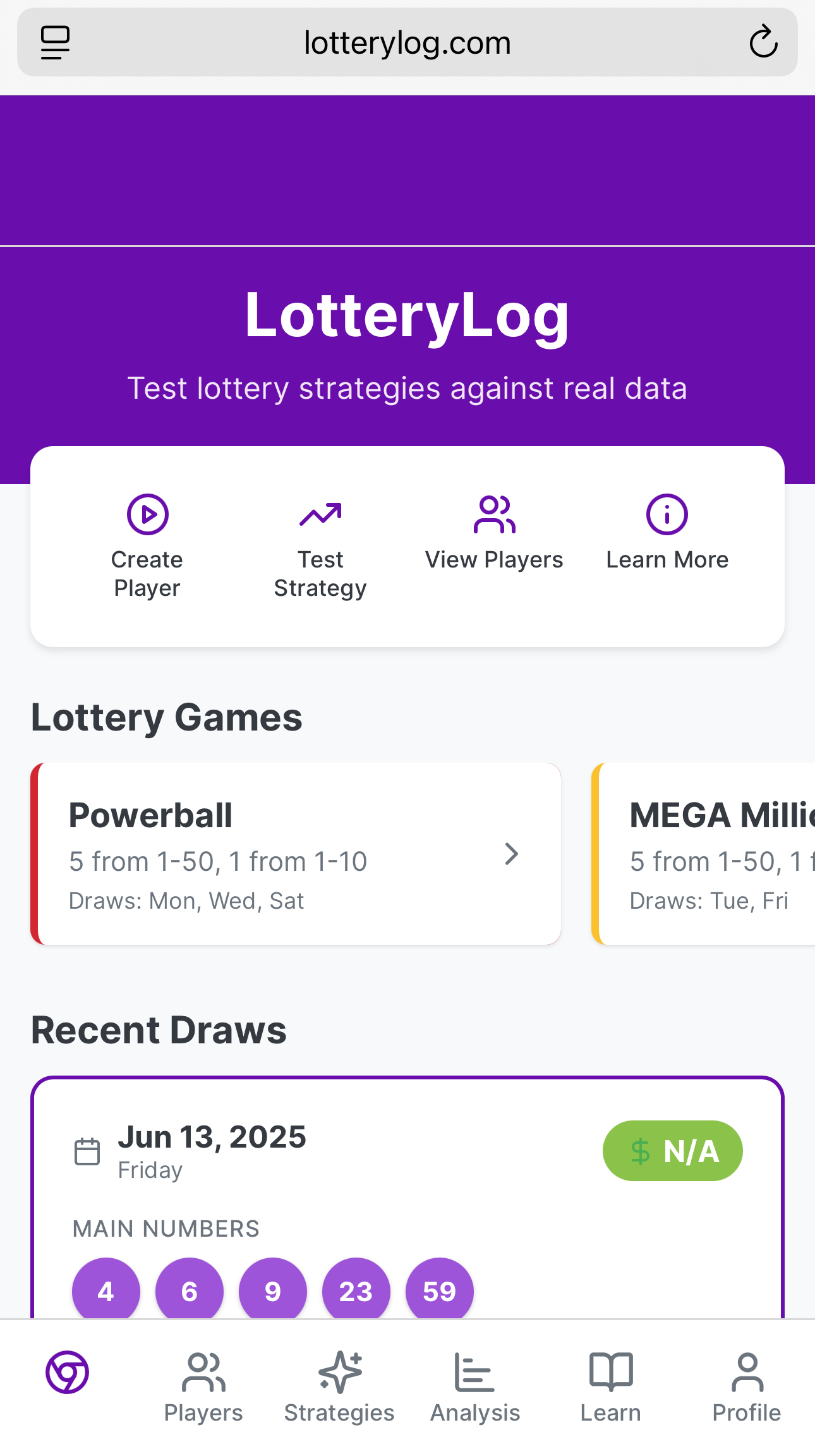
LotteryLog is a deep-dive into the psychology, statistics, and science behind the lottery. It’s not just about numbers—it’s about the human instinct to find patterns, to seek meaning in chaos, and to believe that maybe, just maybe, there’s a system to the madness.
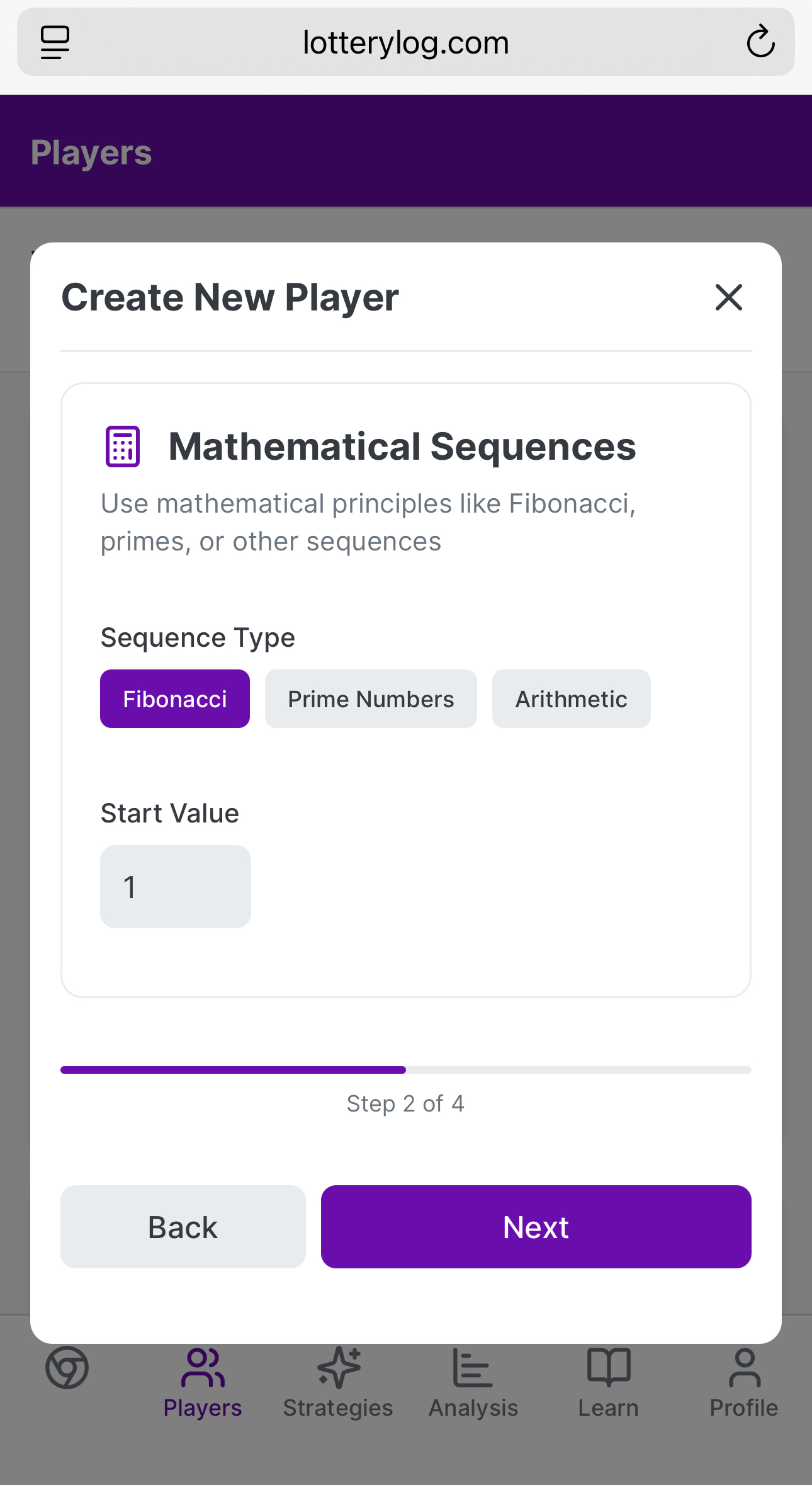
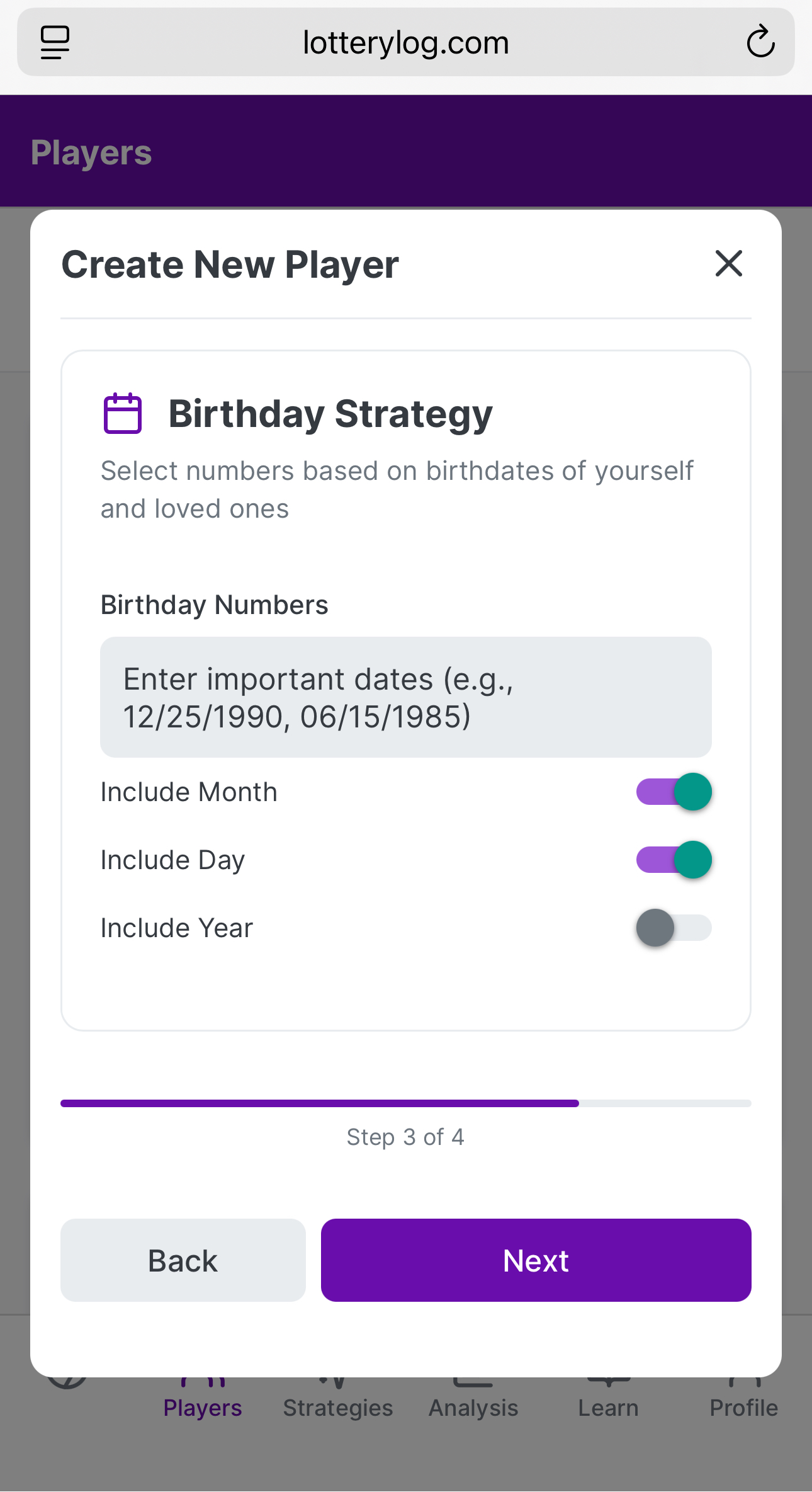
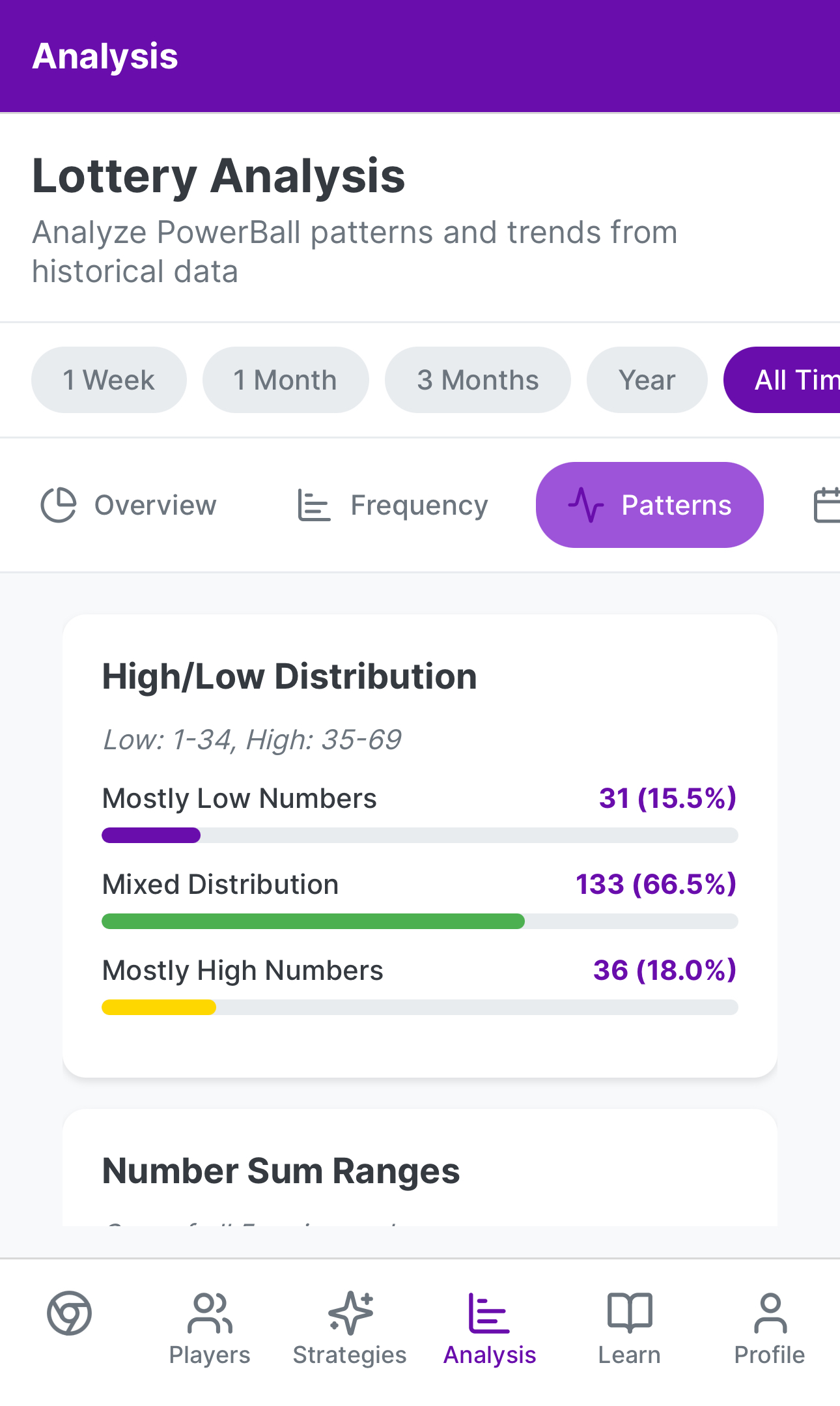
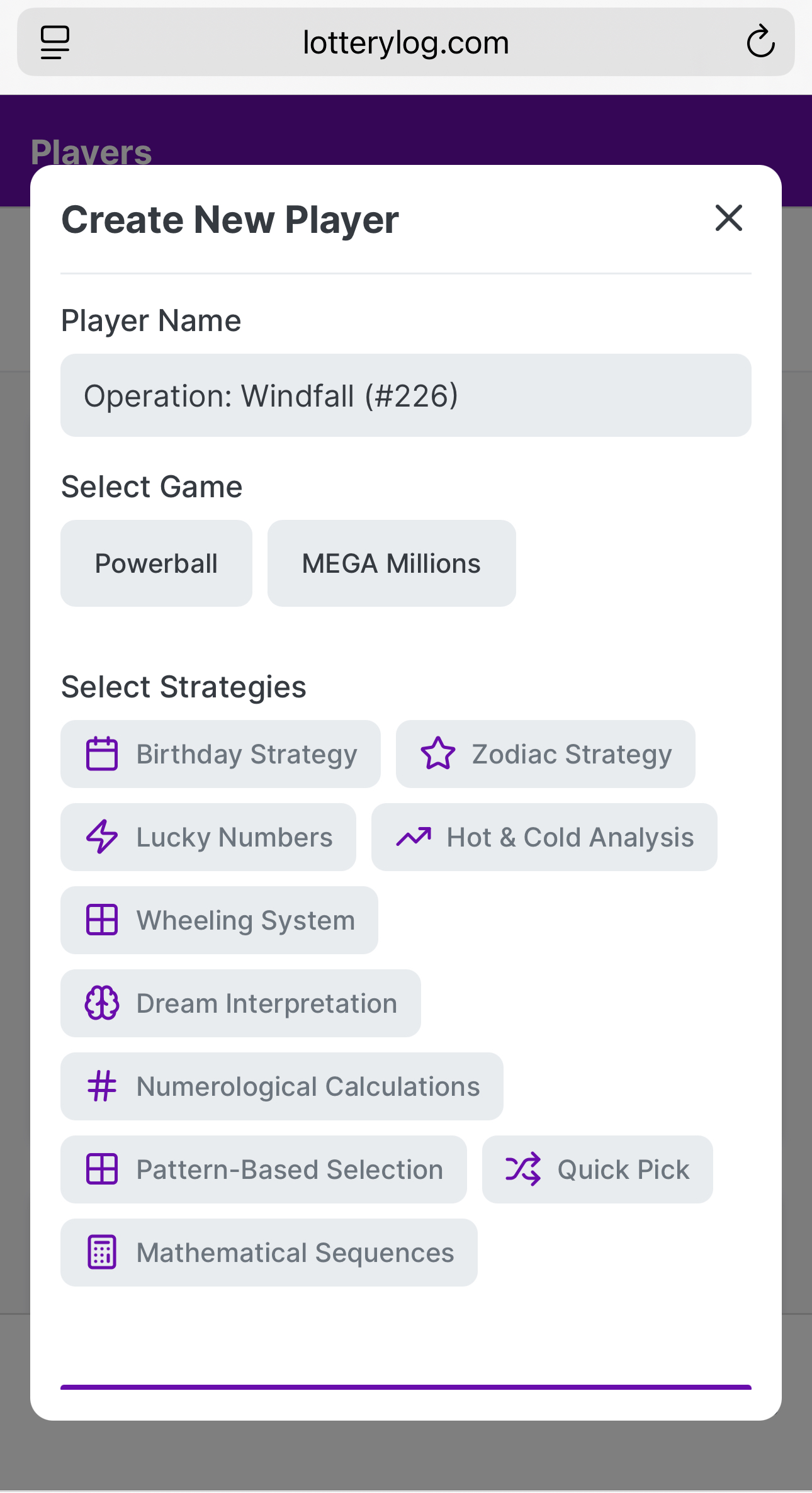
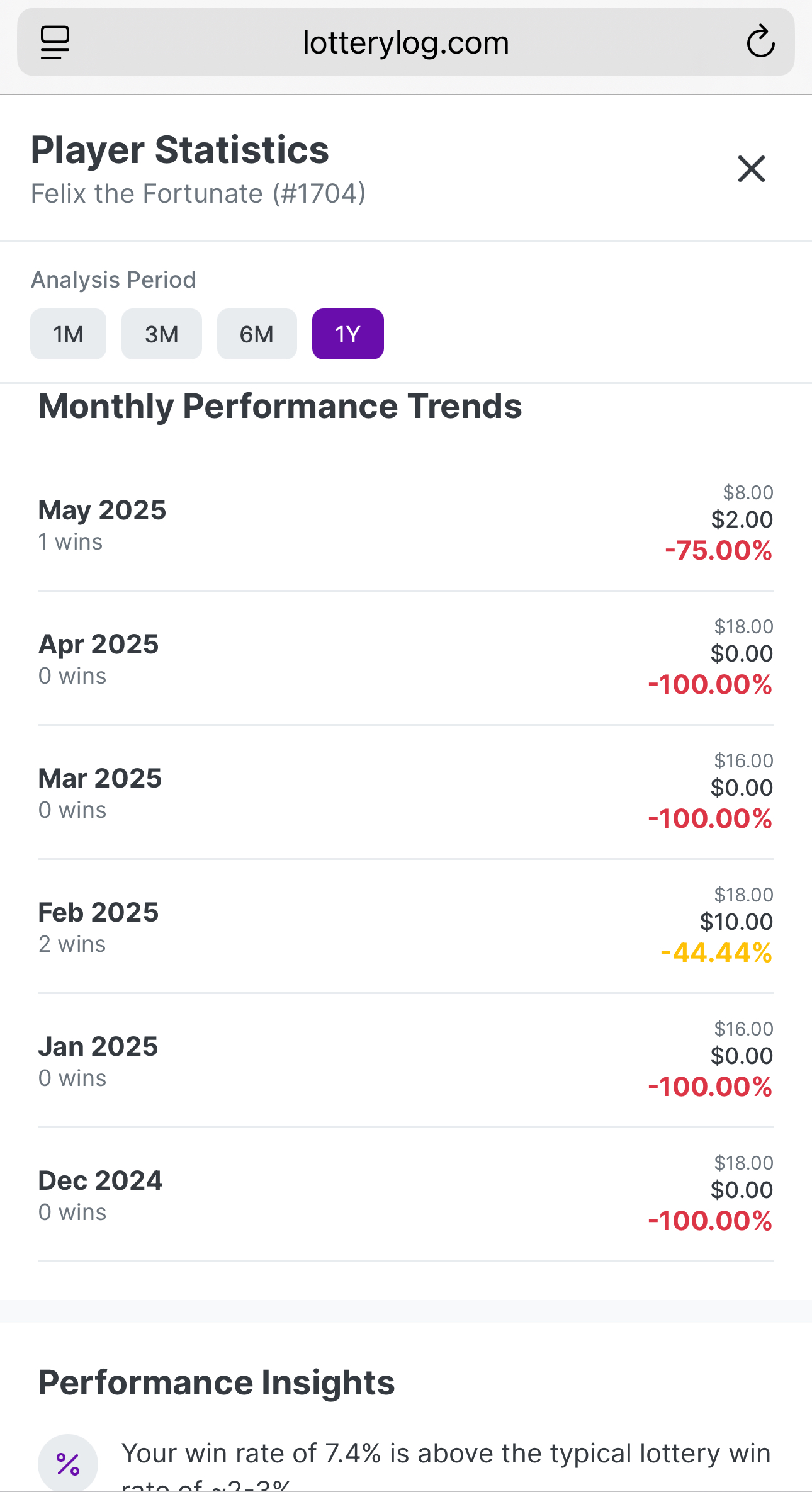
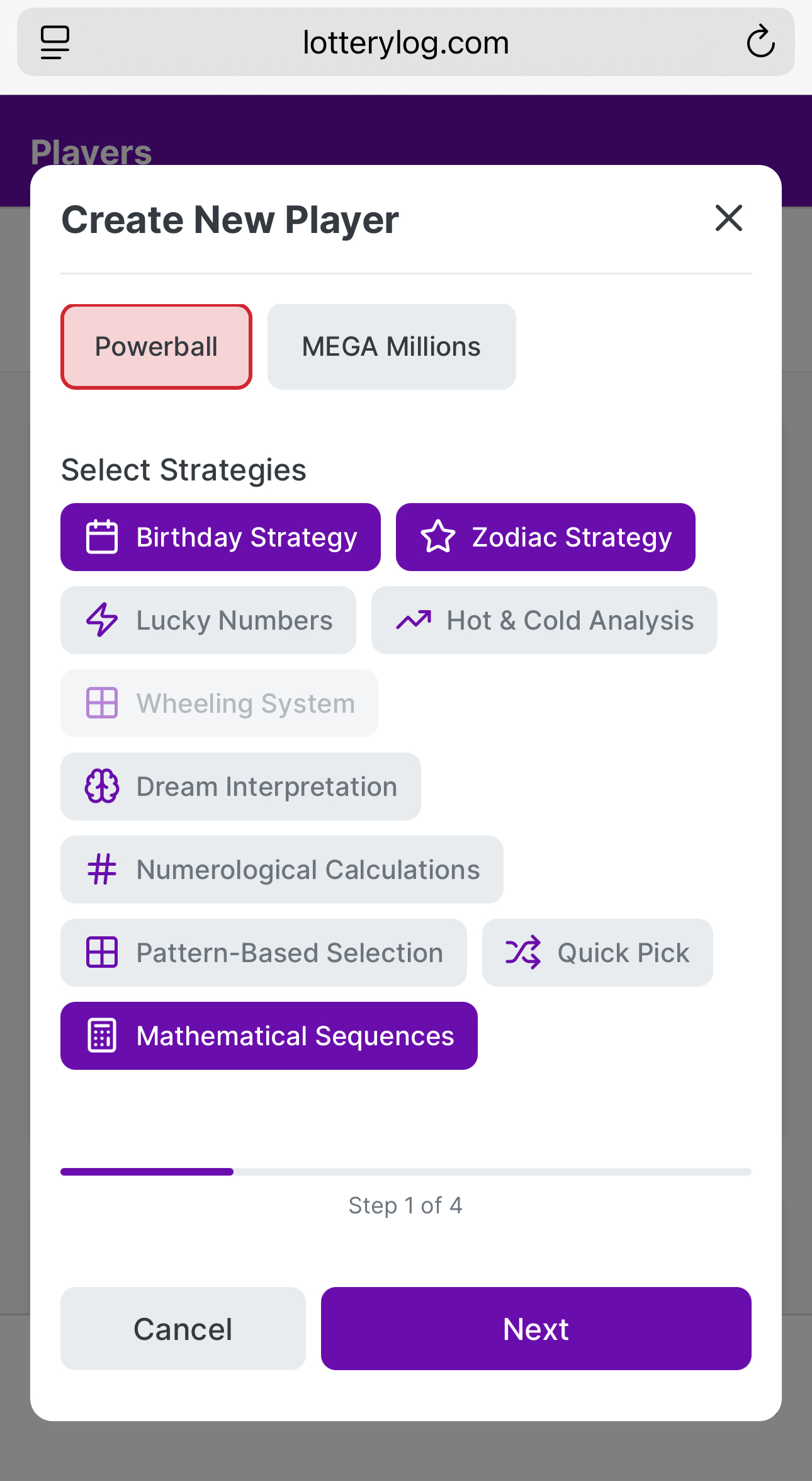
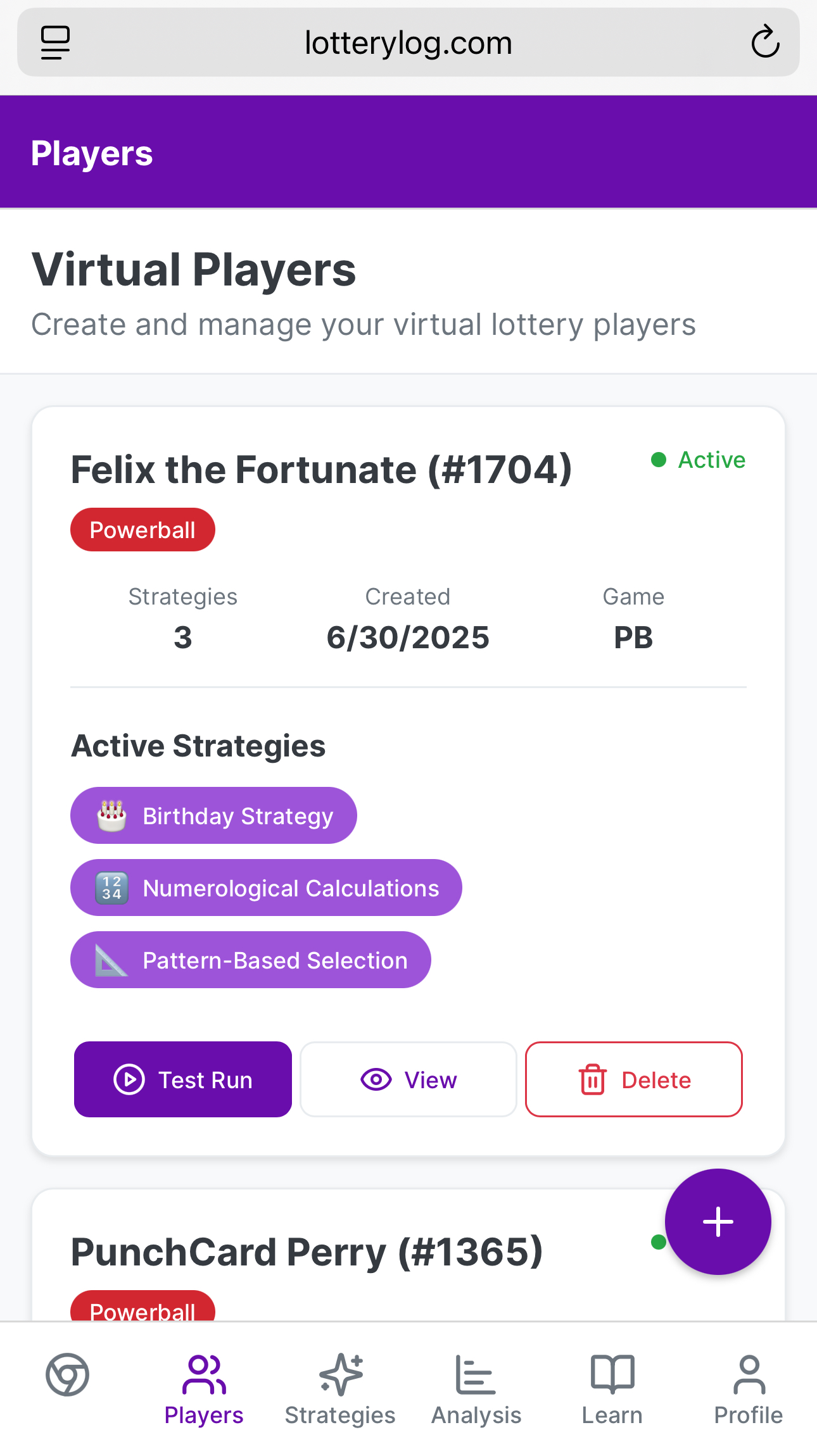
Few people realize that lotteries have been “cracked” before, or that real strategies backed by math can uncover interesting—and sometimes powerful—insights. LotteryLog gives users a 360° toolkit to explore theories, run simulations, test strategies, and even create virtual players that mimic real lottery behavior across time.
It’s for people who love numbers, love mystery, and love chasing the edge between chance and reason.
How we built it
LotteryLog runs on a modern stack—Expo, React Native, Supabase, and Netlify. I started with an idea and fleshed it out using ChatGPT to sketch business models and technical architecture. Once it clicked, I brought it into Bolt.new (http://bolt.new), which helped scaffold out the early site with mock data.
From there, I guided Bolt to connect the frontend to live database schemas, filling in the gaps as needed. I eventually dove into the technical weeds myself—importing historical draw data, building out logic to simulate strategies, and optimizing database queries to handle millions of combinations.
One of the biggest technical hurdles was handling bitwise data beyond 64-bit PostgreSQL limits. After some research and experimentation, I created custom PostgreSQL functions to overcome that challenge—an optimization that, while not yet fully integrated, lays the groundwork for future speed and scale.
Challenges we ran into
The build process wasn’t always smooth. Bolt.new sometimes balked at the scale of the project—likely misjudging its complexity. A few times I had to restart, change config files, or even Frankenstein dependency files from working versions just to move forward.
There were also design puzzles, like how to simulate lottery strategies efficiently using bitmasks—especially for number ranges that exceeded database limits. These required deep thinking and creative workarounds.
But each obstacle taught me something—and reminded me that persistence and curiosity are often the best tools in a builder’s toolkit.
Accomplishments that we're proud of
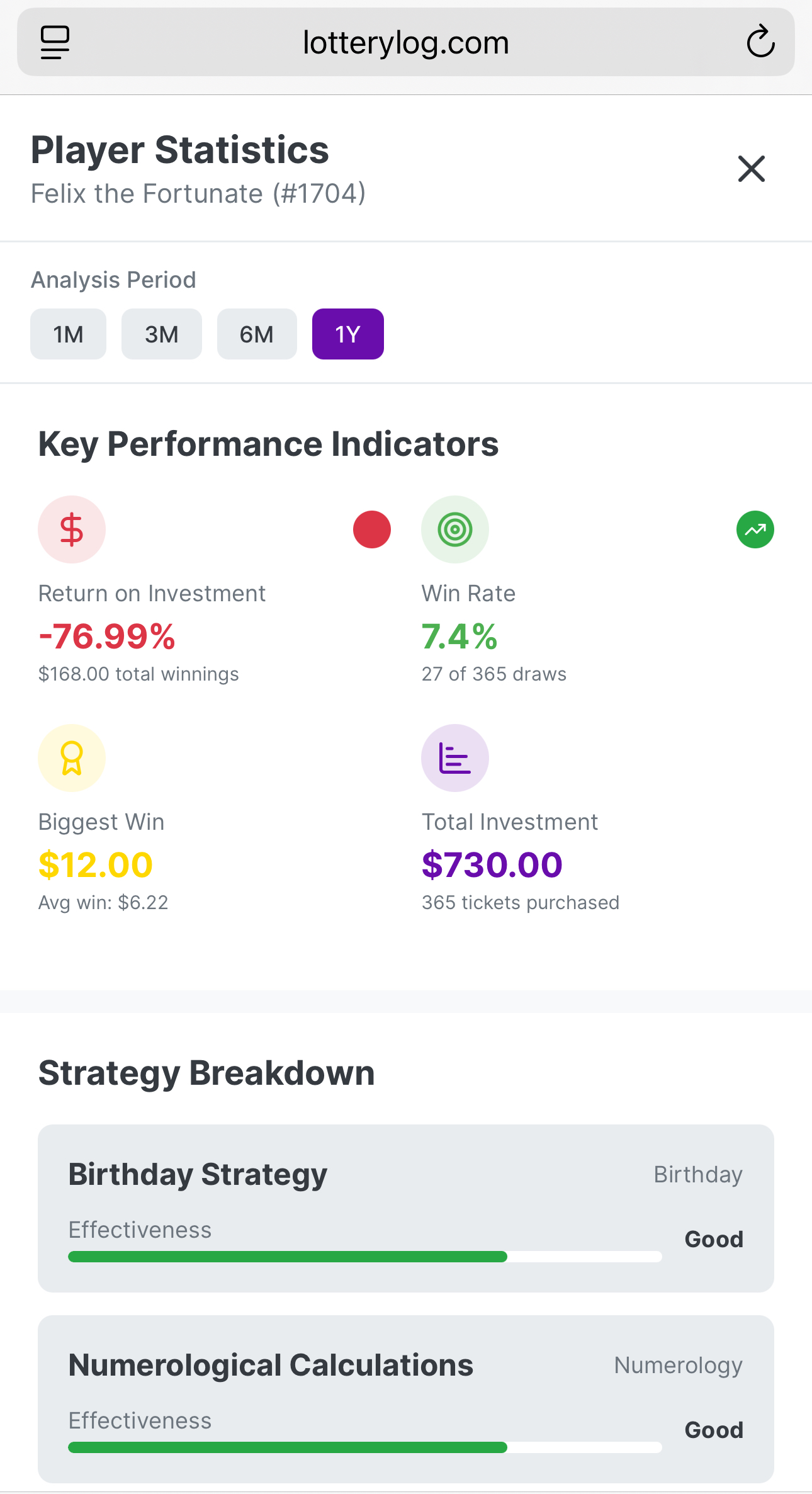
There’s a lot I’m proud of here. The virtual player system works better than I imagined. It can simulate winnings, losses, and strategic variations over time—and that’s just the beginning.
I’m also proud of the bitwise optimization work, even if it’s not in full use yet. It represents a layer of technical depth that I know will pay off as the platform scales.
More than anything, I’m proud that I’ve turned a personal idea—sparked by memories of my dad—into something real, sharable, and potentially valuable to others.
What we learned
One major lesson? Just keep going. There were so many moments where overthinking nearly stopped me in my tracks. But each time I pushed through, the fog lifted—and a new idea or solution came into view.
Sometimes you don’t need to see the whole path. You just need to take the next step and trust that clarity will come with movement.
What's next for LotteryLog.com
Now it’s time to refine. The rough edges, the UI quirks, the performance bugs—those are getting my attention next. As a UX engineer, it’s surreal and satisfying to iterate on something that I not only envisioned but believed in for years.
I’m working toward subscription support, more advanced strategy creation tools, and deeper explorations into how we perceive randomness.
And maybe—just maybe—I’ll chase some of the more “esoteric” ideas too. Like whether seismic data or time-of-day might correlate with certain draw patterns. (Hey, even ChatGPT didn’t laugh too hard at the idea.)
At the end of the day, I know this is about fun, learning, and curiosity. LotteryLog is my way of turning fascination into function—and honoring the instinct we all share to search for meaning, even in the most unpredictable places.
Built With
- clerk
- expo.io
- react
- react-native
- supabase


Log in or sign up for Devpost to join the conversation.