-
-
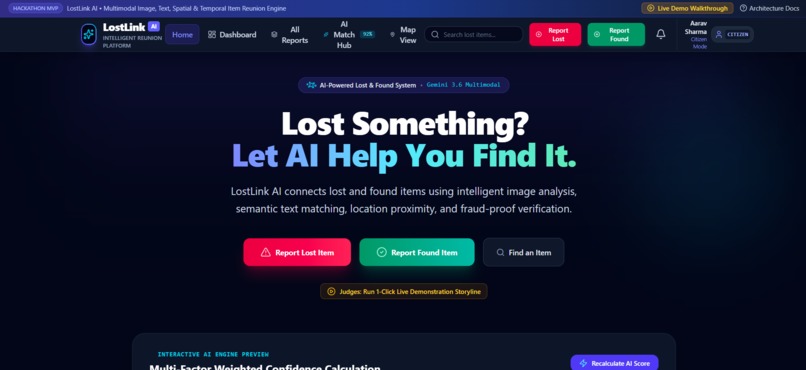
Home Page
-
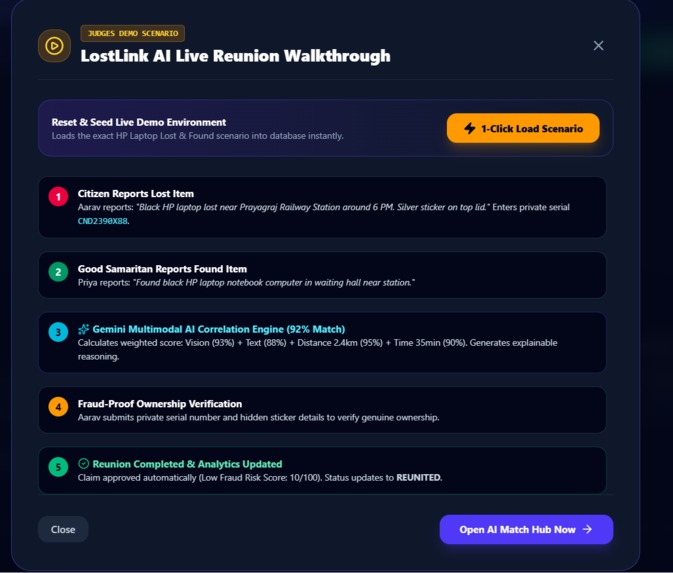
Workflow Cycle
-
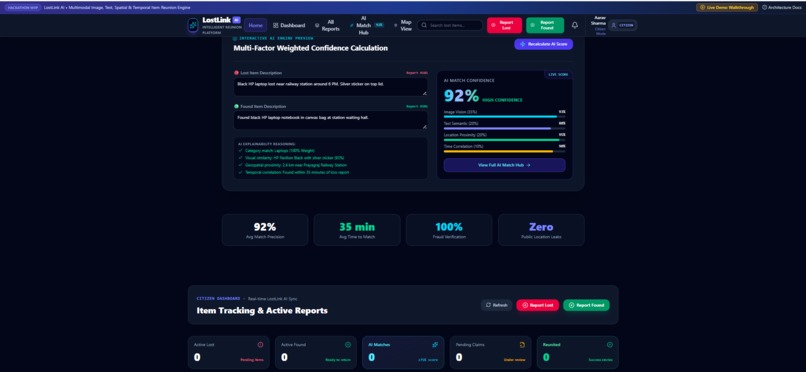
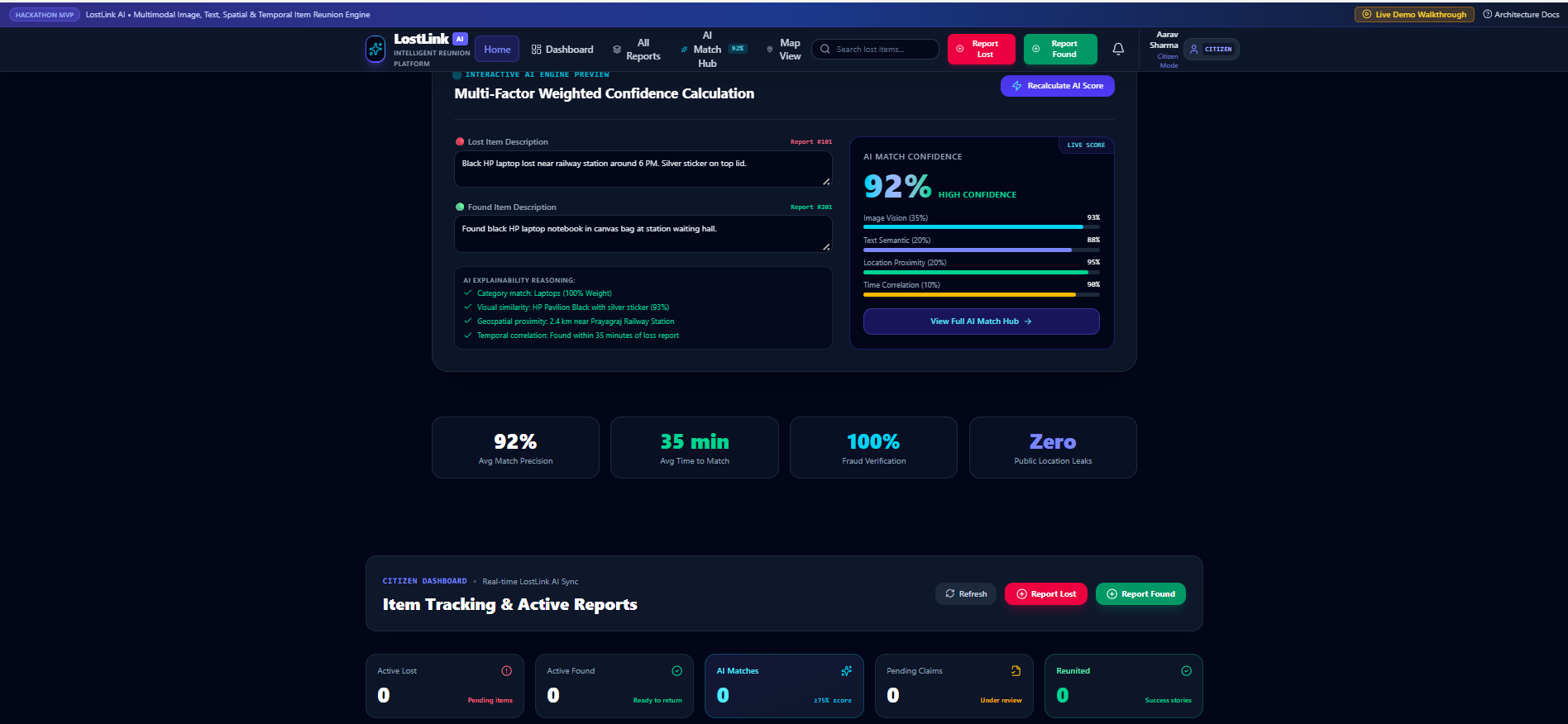
Dashboard
-
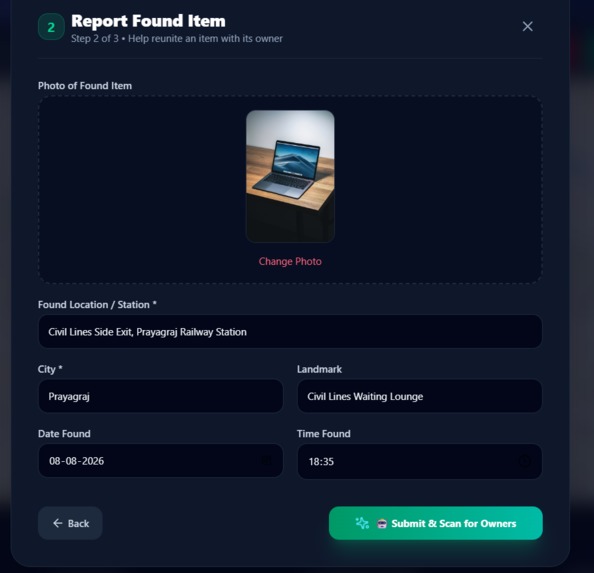
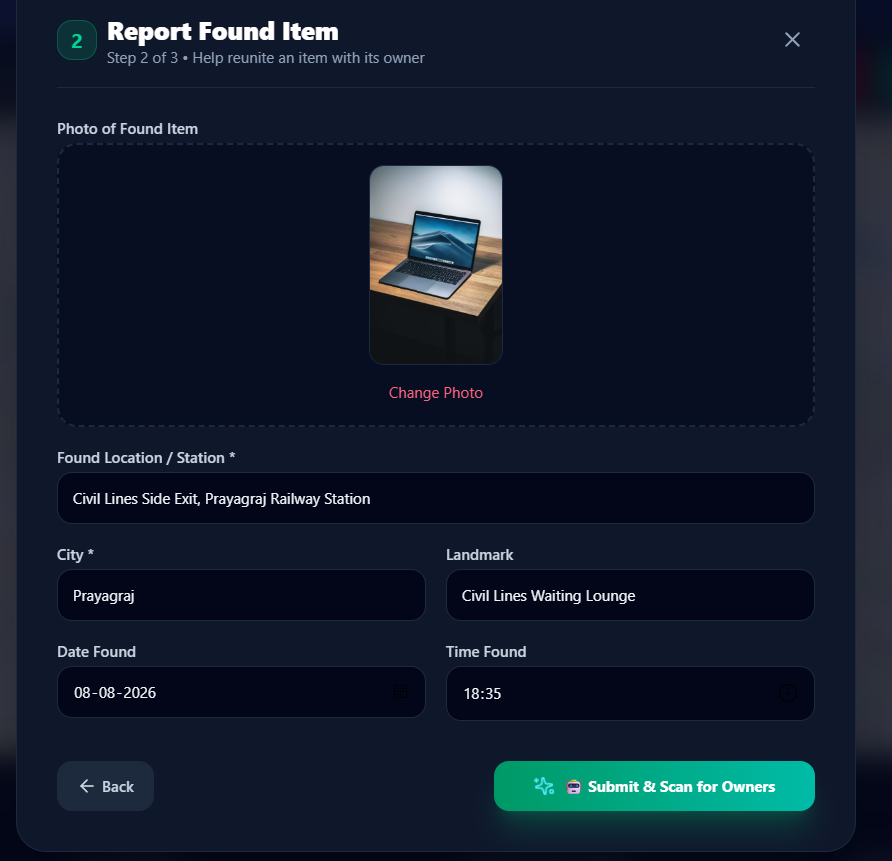
Reporting Found Items
-
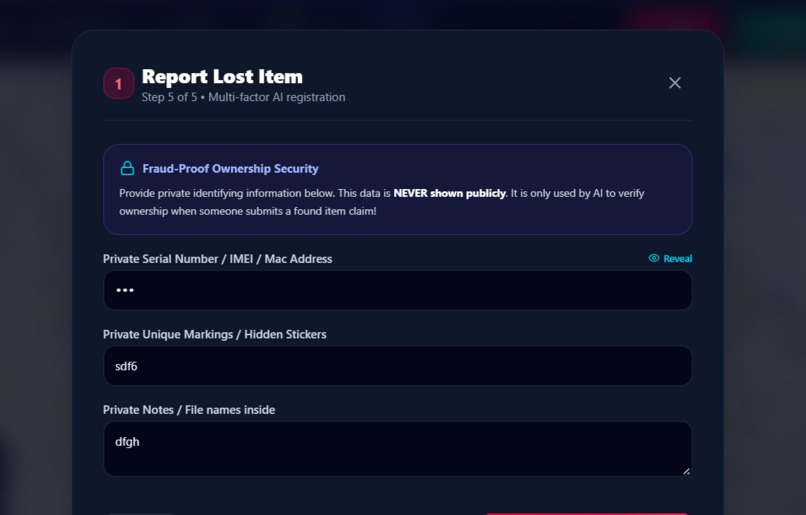
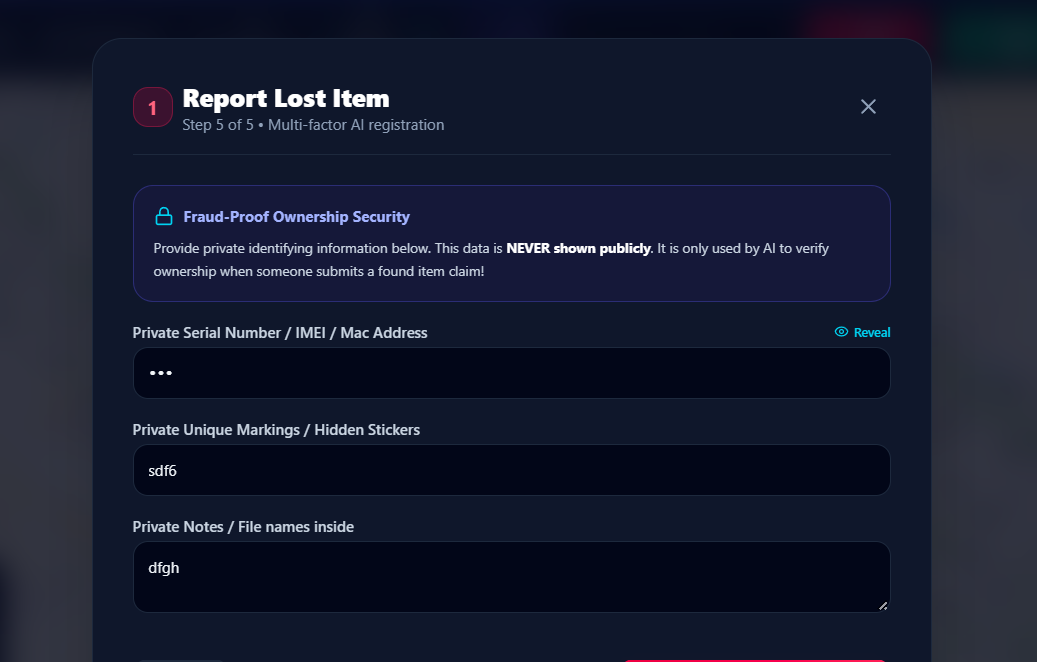
Reporting Lost Items
-
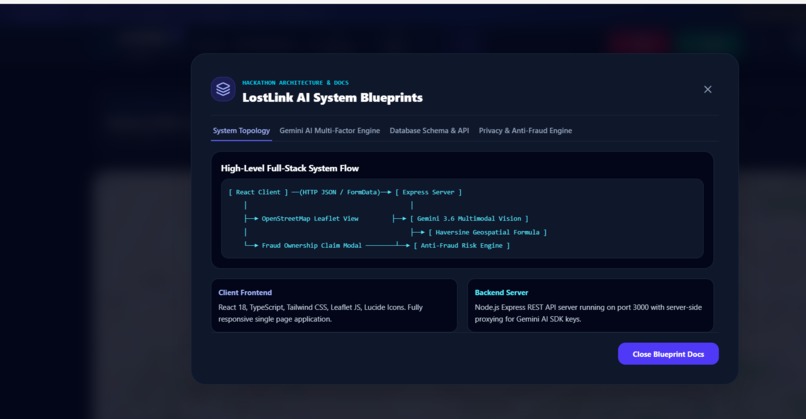
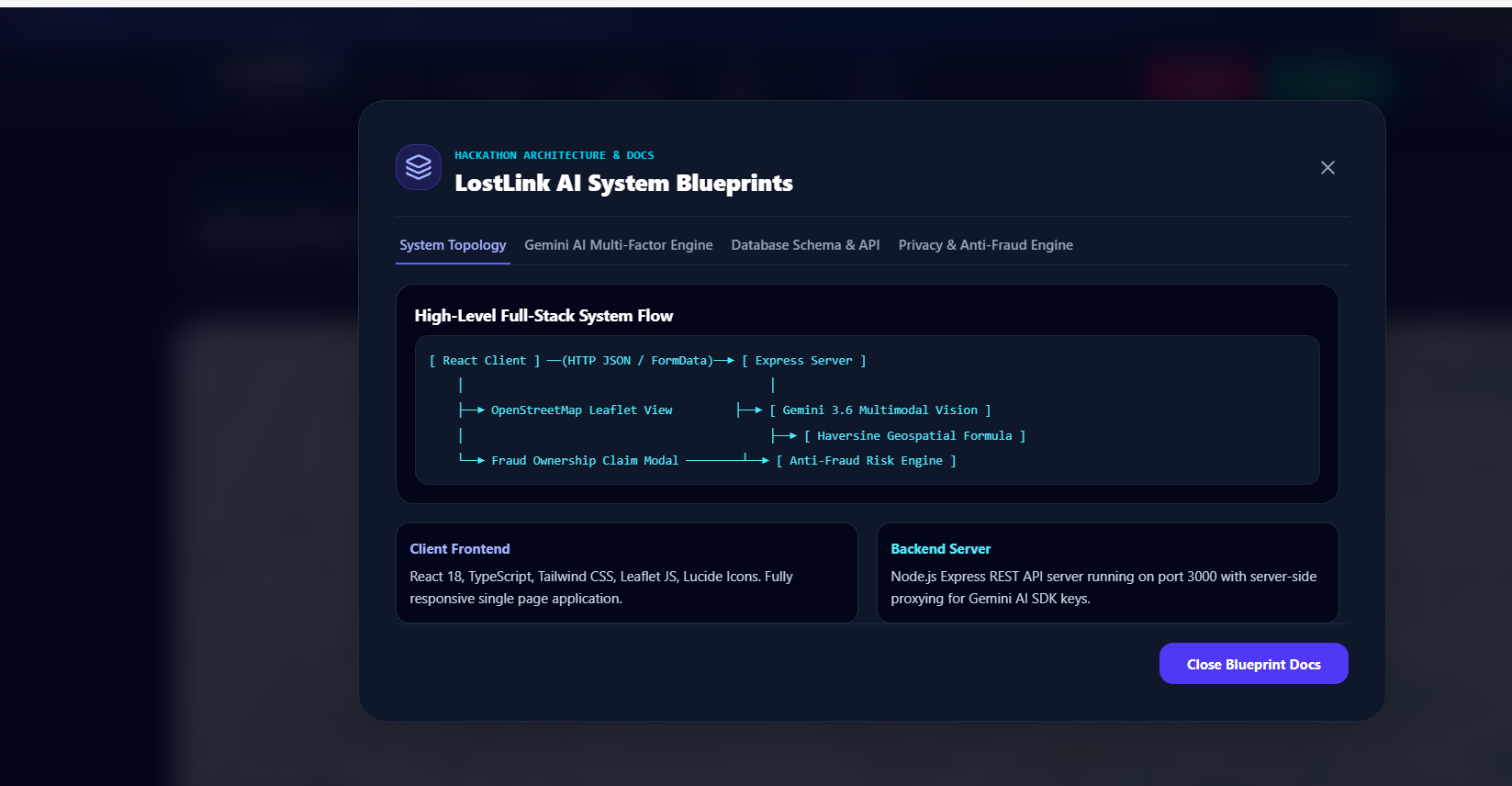
System Blueprint
-
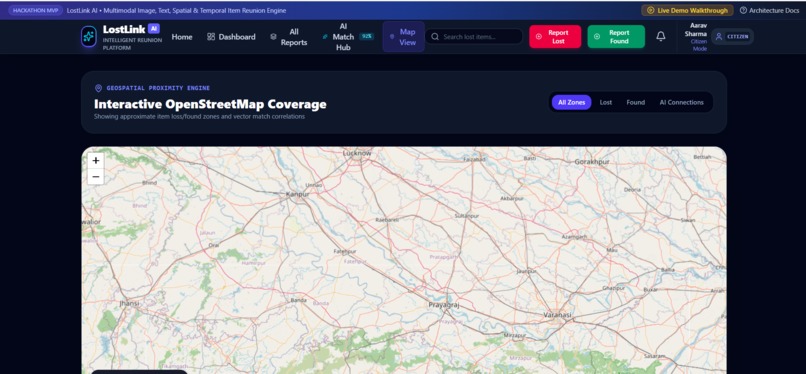
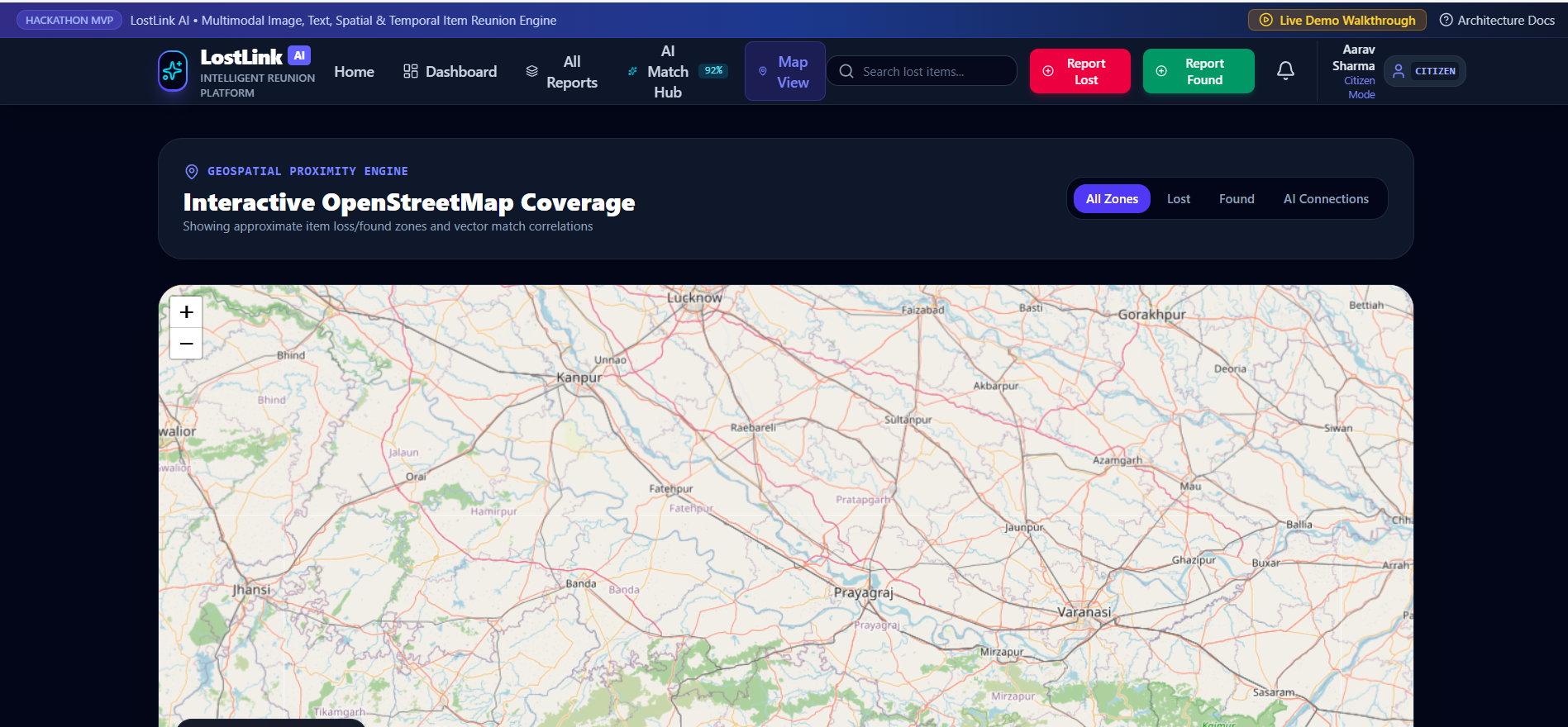
Map Basis Report
-
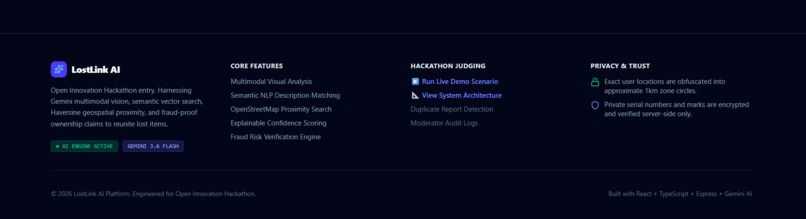
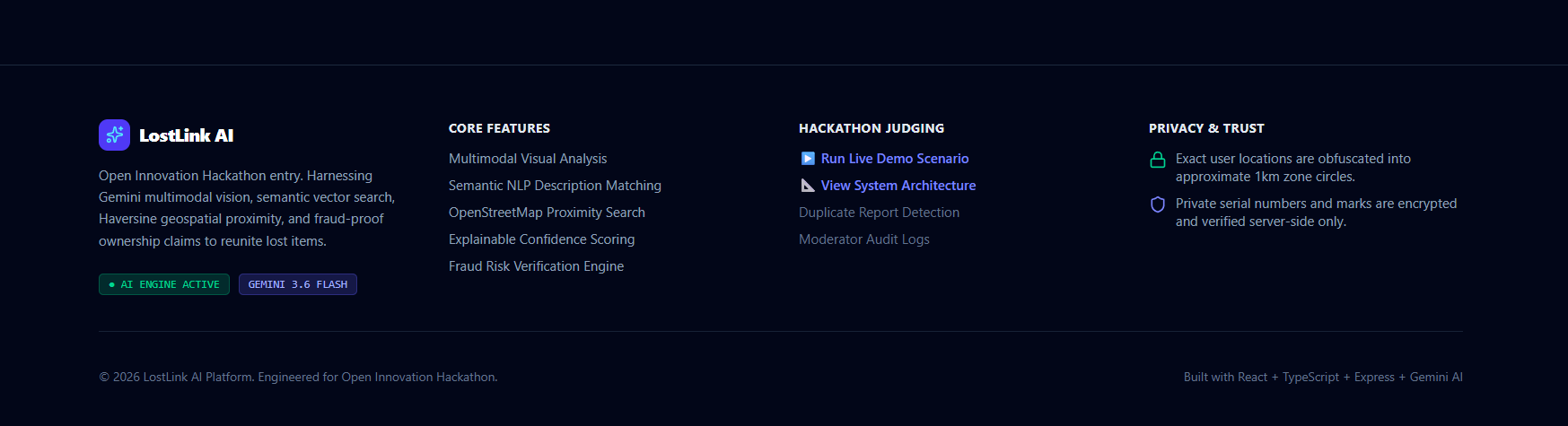
Footer portion
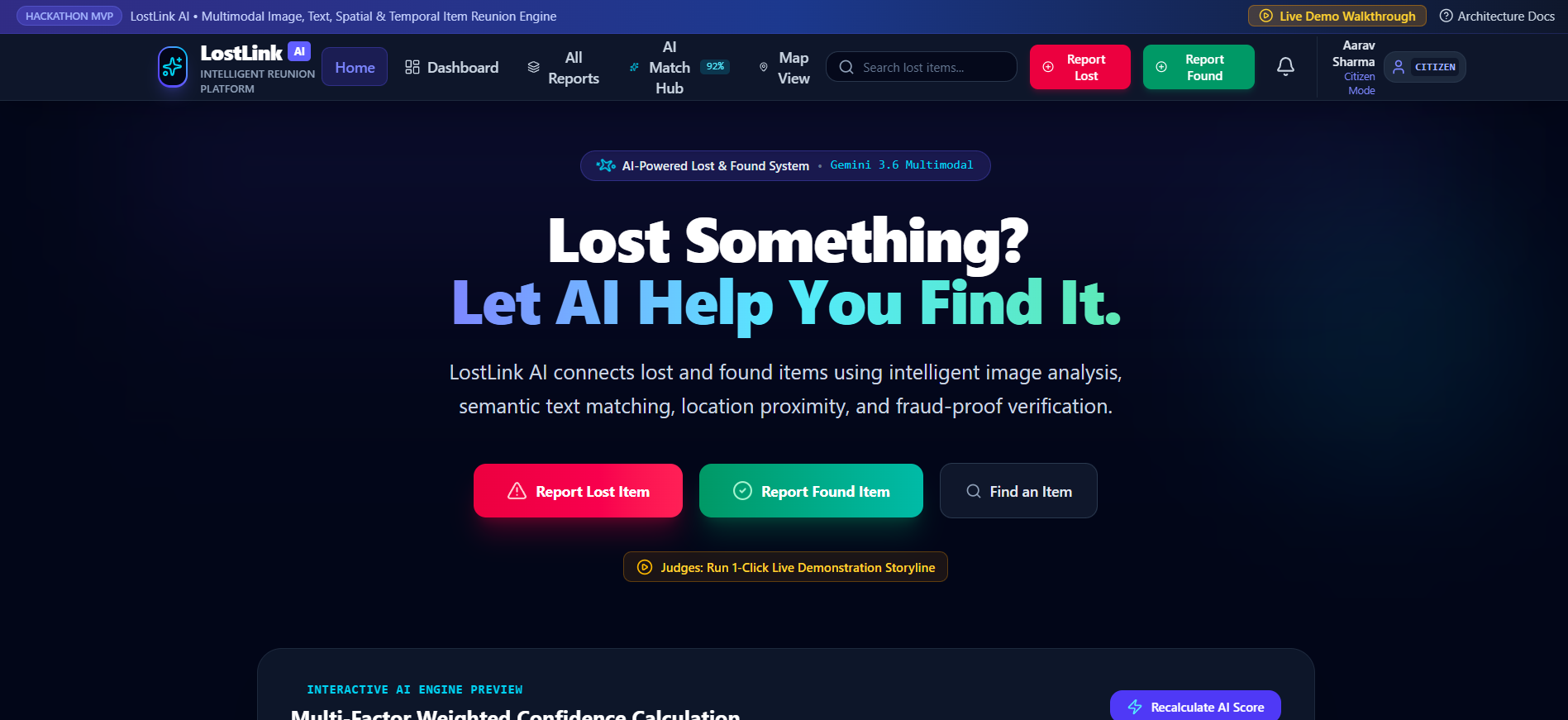
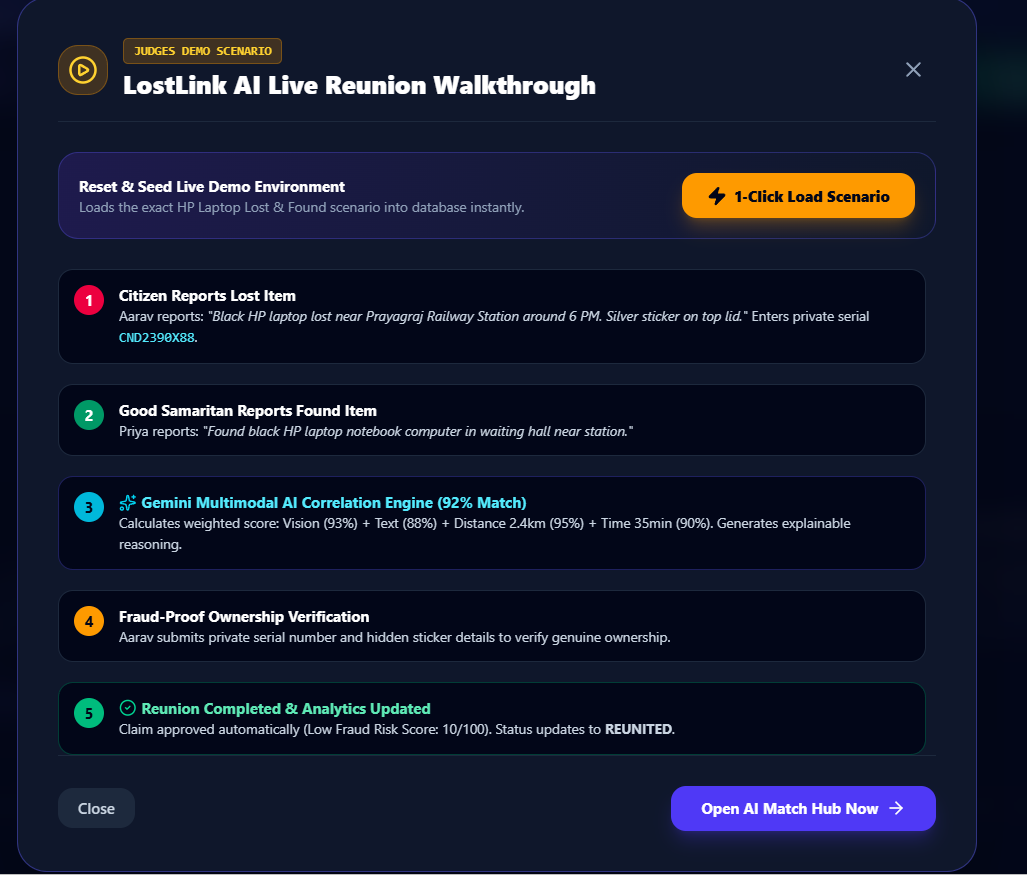
LostLink AI was created to solve a real-world problem, and its journey is quite fascinating. Here’s the complete breakdown:
🌟 Inspiration
The idea sparked when we noticed how often people lose valuable items (phones, laptops, wallets) at railway stations, parks, or cafés. Existing “Lost and Found” systems are outdated and rely entirely on manual searches. We asked ourselves: “Why not use AI to automate the matching process?” That question marked the beginning of LostLink AI.
🧠 Learnings
During this project, we explored several new concepts:
- Multimodal AI: Using Gemini AI to analyze images and text together.
- Weighted Matching Algorithm: Learning how to assign different weights to parameters (image, location, time) to calculate an accurate Match Score.
- Spatial Privacy: Understanding how to protect users by hiding exact locations and instead showing a “Safety Zone.”
🛠️ Build Process
We adopted a modern full-stack approach:
- Frontend: Built with React and Vite for speed, styled with Tailwind CSS for a premium look.
- Animations: Integrated framer-motion for smooth, interactive navigation and dashboards.
- Intelligence: Connected Google Gemini API on the backend to extract metadata from images and compare descriptions.
🚧 Challenges
- Preventing False Claims: Anyone could attempt to claim someone else’s valuable item. To solve this, we built an AI-based Risk Assessment system that cross-checks claimant details with private identifiers in the original report, assigning a risk level (Low/High).
- Responsive Search: Ensuring fast, accurate search results was tricky. We solved it using debounced search and optimized filter functions.
✨ Summary
LostLink AI is more than just an app—it’s an effort to bring back lost smiles by reuniting people with their belongings.


Log in or sign up for Devpost to join the conversation.